Last Updated on November 27, 2025 by Bilal Hasdemir

It’s important to know what causes blood clots in the brain. This knowledge helps in preventing and treating them. At Liv Hospital, we aim to give top-notch care and support to our patients.
Many things can raise the chance of getting blood clots. These include dehydration, infections, and disorders that make blood clot more easily. Our lifestyle also affects how likely we are to get a blood clot.
We believe knowing the causes of blood clots is key. By understanding these causes and taking action, we can lower our risk of getting a blood clot.
Key Takeaways
- Dehydration is a significant risk factor for developing blood clots.
- Infections can increase the risk of blood clot formation.
- Clotting disorders can contribute to the development of blood clots.
- Lifestyle factors play a critical role in determining blood clot risk.
- Awareness and prevention are essential in managing blood clot risk.
Understanding Brain Blood Clots: Types and Terminology

It’s important to know the different types of brain blood clots for better treatment. These clots, known as cerebral thrombosis, vary by location and the blood vessel type affected.
Arterial vs. Venous Brain Clots
Brain blood clots fall into two main types: arterial and venous. Arterial clots block arteries that carry blood to the brain, causing ischemic strokes. These often stem from atherosclerosis, where plaque narrows arteries and raises clot risk.
Venous clots, found in veins draining the brain, are less common but serious. Cerebral Venous Sinus Thrombosis (CVST) is a specific venous clot type. It can cause severe headaches, seizures, and other neurological issues.
Blood Clot in Brain Medical Terminology
Medical terms are key to grasping brain blood clots. “Thrombosis” means a blood clot forms in a vessel, while “embolism” is when a clot moves elsewhere. Knowing these terms helps in diagnosing and treating brain blood clots.
The table below highlights the main differences between arterial and venous brain clots:
| Characteristics | Arterial Clots | Venous Clots (CVST) |
|---|---|---|
| Location | Arteries supplying the brain | Veins draining the brain |
| Common Causes | Atherosclerosis, hypertension | Hormonal changes, dehydration |
| Symptoms | Sudden weakness, speech difficulties | Severe headaches, seizures |
Understanding brain blood clot types and their medical terms helps doctors give better care. This knowledge is vital for better patient outcomes and lowering complication risks.
The Mechanism: How Brain Clots Form
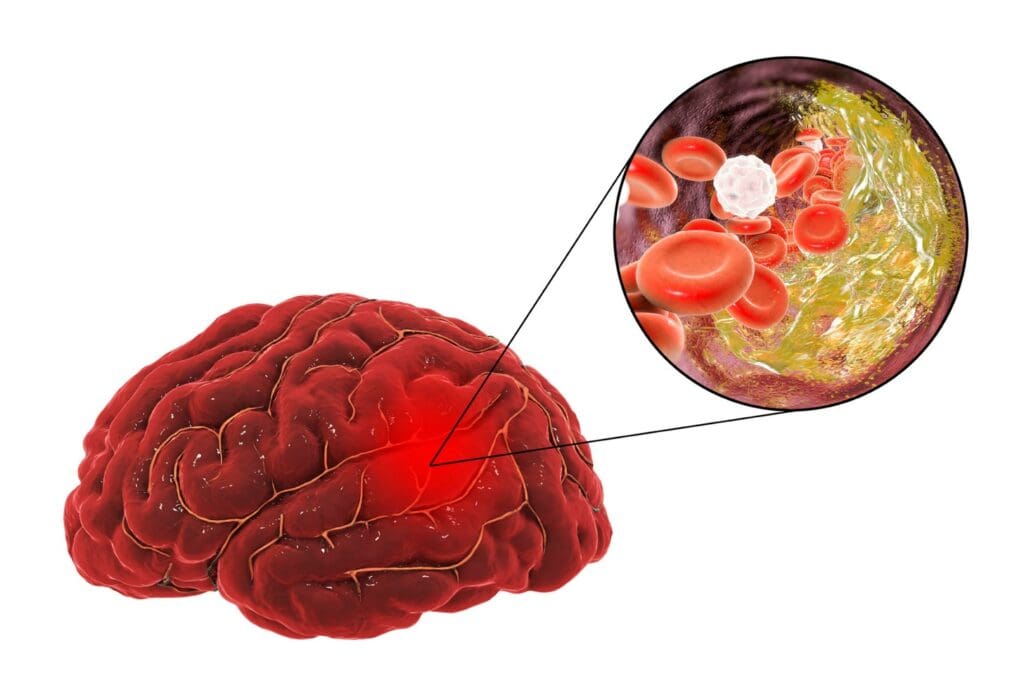
To understand brain clots, we must first grasp the normal clotting process. The body forms blood clots to stop bleeding and aid healing. But, when this process goes wrong, it can cause harmful clots in the brain.
Normal Blood Clotting Process
The blood clotting process is complex. It starts with the blood vessel narrowing to reduce blood flow. Platelets then stick to the injury site, forming a plug. The coagulation cascade follows, leading to the creation of fibrin, which strengthens the plug and forms a stable clot.
When Clotting Goes Wrong in the Brain
When clotting happens too much or in the wrong place, it can cause brain clots. This can be due to many factors, like blood flow issues or damage to blood vessel walls. Conditions like atherosclerosis, heart disease, and blood disorders raise the risk of harmful brain clots.
Knowing these risks and how brain clots form is key to preventing and treating them.
Cerebral Venous Sinus Thrombosis (CVST): A Specific Type of Brain Clot
CVST is a clot in the brain’s venous sinuses. It’s a rare stroke that needs quick medical help. A blood clot in the brain’s sinuses blocks blood flow.
What is CVST? Understanding the Medical Abbreviation
CVST means Cerebral Venous Sinus Thrombosis. It’s when a blood clot forms in the brain’s sinuses. These sinuses drain blood from the brain.
When a clot forms, it can cause pressure in the brain. This can lead to headaches, confusion, and seizures.
Unique Risk Factors for CVST
Several things can raise the risk of CVST. Dehydration, infections, and clotting disorders are some. Dehydration makes blood thicker, raising clot risk.
Certain infections can also cause inflammation, leading to clots. People with clotting disorders are more likely to get CVST.
| Risk Factor | Description | Implication |
|---|---|---|
| Dehydration | Thickens blood, increasing clot risk | Maintain hydration to reduce risk |
| Infections | Causes inflammation, potentially triggering clotting | Prompt treatment of infections is critical |
| Clotting Disorders | Increases susceptibility to clot formation | Monitoring and management of clotting disorders |
Knowing about CVST is key for early treatment. Recognizing risk factors and symptoms helps get medical help fast. This can greatly improve outcomes.
Brain Clot Causes: The 7 Primary Factors
Many factors can lead to brain clots. Knowing these causes is key for preventing and treating them. We’ll cover the main causes and how they raise the risk of clots.
Overview of Major Categories
The 7 main factors for brain clot risk fall into three groups: medical conditions, lifestyle choices, and genetics. These include:
- Atherosclerosis and vascular disease
- Heart conditions, including atrial fibrillation
- Blood disorders and hypercoagulability
- Hormonal factors and medications
- Lifestyle factors such as smoking and obesity
- Trauma, surgery, and medical procedures
- Infections and inflammatory conditions
These factors can harm blood vessels, disrupt blood flow, and change how blood clots. This increases the risk of brain clots.
How These Causes Interact
The 7 factors often work together, making brain clots more likely. For instance, someone with atrial fibrillation faces higher risks. This is due to the heart condition and blood stasis.
Also, a person with a clotting disorder might be more affected by hormonal contraceptives or infections. Research shows it’s vital to understand these interactions for better prevention and treatment.
A study in Nature emphasizes the need to consider all risk factors when assessing brain clot risk.
Every person’s risk is different. A deep understanding of these factors helps doctors create better prevention and treatment plans.
Cause #1: Atherosclerosis and Vascular Disease
Atherosclerosis is a major cause of brain clots. It damages the arteries, making them less healthy. This happens when plaque builds up, narrowing or hardening the arteries.
As plaque grows, it can burst, causing blood clots. These clots can block blood flow to the brain, leading to serious damage.
How Plaque Buildup Leads to Brain Clots
Plaque, made of fat and cholesterol, starts to build up in arteries. Over time, this can cause inflammation and damage to the artery lining. When the plaque bursts, it exposes the blood to materials that trigger clotting.
The clot can either block the artery or travel to the brain, causing a stroke. People with vascular disease are at higher risk because their arteries are already damaged.
Risk Factors for Atherosclerosis
Several factors can increase the risk of atherosclerosis, including:
- High Blood Pressure: High blood pressure strains the arteries, speeding up plaque buildup.
- High Cholesterol: High levels of LDL cholesterol help form plaque.
- Smoking: Smoking damages the artery lining and increases plaque risk.
- Diabetes: Diabetes raises the risk of atherosclerosis by affecting lipid metabolism and vascular health.
- Family History: A family history of atherosclerosis or early heart disease increases risk.
Knowing these risk factors is key to preventing atherosclerosis and brain clots. By managing these risks, people can lower their chance of getting a brain clot.
Cause #2: Heart Conditions and Atrial Fibrillation
Atrial fibrillation is a heart condition that causes irregular heartbeats. This can lead to brain clots, raising the risk of stroke and heart problems.
Impact on Brain Circulation
Heart conditions, like atrial fibrillation, mess with brain blood flow. This mess can cause clots, blocking brain blood vessels and leading to stroke.
The American Heart Association says atrial fibrillation makes stroke risk five times higher.
Atrial Fibrillation and Clot Formation
Atrial fibrillation causes clots because of its irregular heartbeat. These clots can travel to the brain, causing a stroke.
“Atrial fibrillation is a significant risk factor for stroke, and its management is critical in preventing stroke and other heart issues.” – Cardiologist
| Risk Factor | Description | Impact on Stroke Risk |
|---|---|---|
| Atrial Fibrillation | Irregular heartbeat leading to clot formation | Increases stroke risk by 5 times |
| Heart Failure | Reduced heart function leading to decreased blood flow | Increases stroke risk by 2-3 times |
| Hypertension | High blood pressure damaging blood vessels | Increases stroke risk by 2-4 times |
It’s key to understand how heart conditions and brain clots are linked. Managing atrial fibrillation and other heart issues can lower stroke risk.
Cause #3: Blood Disorders and Hypercoagulability
It’s important to know how blood disorders can lead to brain clots. These conditions raise the risk of brain clots. It’s key to identify and manage them well.
Inherited Clotting Disorders
Inherited clotting disorders affect how blood clots. They can increase the risk of blood clots in the brain. Some common ones include:
- Factor V Leiden: A mutation that makes factor V resistant to inactivation, leading to increased clotting.
- Prothrombin gene mutation: A condition that increases the production of prothrombin, a clotting factor.
- Antithrombin deficiency: A condition characterized by low levels of antithrombin, a protein that helps regulate clotting.
These conditions can greatly increase the risk of brain clots. This is true, even if there’s no family history.
Acquired Conditions That Increase Clotting Risk
Other than inherited disorders, some acquired conditions can also raise the risk of brain clots. These include:
- Antiphospholipid syndrome: An autoimmune disorder that increases the risk of clotting.
- Myeloproliferative neoplasms: Conditions that affect the production of blood cells, potentially leading to clotting.
- Nephrotic syndrome: A kidney disorder that can increase the risk of clotting due to the loss of proteins that help regulate clotting.
It’s important to identify and manage these conditions to prevent brain clots.
Cancer and Blood Clot Risk
Cancer is a big risk factor for blood clots, including in the brain. The link between cancer and clotting is complex. It involves many factors such as:
- Tumor-related factors: Some tumors can produce substances that promote clotting.
- Treatment-related factors: Certain cancer treatments, such as chemotherapy and hormone therapy, can increase the risk of clotting.
- Immobility: Cancer patients often experience reduced mobility, which can contribute to clot formation.
Understanding these risk factors is key to preventing and managing brain clots in cancer patients. We suggest that those with cancer or at risk of clotting disorders talk to their healthcare provider. This is to develop a personalized prevention plan.
Cause #4: Hormonal Factors and Medications
Hormonal changes and some medications can raise the risk of brain blood clots. Hormonal shifts, like those from birth control or pregnancy, can change how blood clots. This is because they affect the blood’s ability to clot.
Hormonal Contraceptives and Replacement Therapy
Hormonal contraceptives, like birth control pills, patches, and rings, contain estrogen and progesterone. These can increase the risk of blood clots. Hormone replacement therapy (HRT) for menopause symptoms also raises clotting risk. The risk is higher in the first year of use and tends to decrease over time.
- Combined oral contraceptives (those containing both estrogen and progesterone) are associated with a higher risk of venous thromboembolism.
- Progesterone-only contraceptives have a lower risk profile but are not entirely risk-free.
It’s important for those thinking about or using hormonal contraceptives or HRT to talk to their doctor about their risk factors.
Pregnancy-Related Clotting Risks
Pregnancy increases blood clot risk due to changes like increased blood volume and clotting factors. The risk is highest in the postpartum period. Women with clotting disorders or other risk factors need close monitoring during pregnancy.
“Pregnancy is a hypercoagulable state, meaning that the body is more prone to forming blood clots. This is a natural adaptation to minimize bleeding during childbirth, but it can also increase the risk of thrombotic events.”
Other Medications That Increase Clot Risk
Other than hormonal contraceptives and HRT, some medications can also raise blood clot risk. This includes certain cancer treatments, like tamoxifen and thalidomide, and some drugs for multiple myeloma.
Knowing the risks of different medications and hormonal factors is key to preventing brain blood clots. We suggest patients talk to their doctor about their medications and any clotting concerns.
Cause #5: Lifestyle Factors That Increase Blood Clot Risk
Our daily habits and choices can greatly affect our risk of getting brain clots. Factors like smoking, obesity, dehydration, and staying immobile for too long can raise this risk. It’s key to understand these factors to prevent and manage clots.
Smoking and Nicotine Use
Smoking is a big risk for heart diseases, including brain clots. Nicotine can make blood vessels narrow and get damaged, raising clot risk. Quitting smoking is a big step to lower this risk.
Obesity and Sedentary Lifestyle
Being overweight and not moving much are linked to higher clot risk. Excess weight can cause inflammation and high blood pressure, both clot factors. Regular physical activity and keeping a healthy weight are key to reduce this risk.
Dehydration and Its Effects
Dehydration can make blood thicker and more prone to clotting. It’s vital to stay hydrated, more so in hot weather or when exercising hard.
Prolonged Immobility and Travel
Staying immobile for a long time, like on long trips or in bed, can increase clot risk. Regular movement and exercises can help lower this risk.
Cause #6: Trauma, Surgery, and Medical Procedures
When we face trauma or surgery, our body might form blood clots in the brain. This happens because our body tries to stop bleeding by clotting. But sometimes, this can lead to clots in the brain.
Head Injuries and Brain Clot Formation
Severe head injuries can greatly raise the risk of brain clots. The injury can damage brain blood vessels, causing clots. Key factors that contribute to brain clot risk after head injuries include:
- The severity of the injury
- The presence of bleeding or hemorrhage
- Damage to major blood vessels
- The need for surgical intervention
Clots might form right after the injury or days later. This is why it’s important to watch patients closely after head injuries.
Post-Surgical and Procedure-Related Risks
Surgeries, like those on the brain or major vessels, can also raise clot risk. Risks include:
- Prolonged immobilization during and after surgery
- The use of certain medications that affect clotting
- Underlying conditions that predispose to clotting
- The complexity and duration of the surgical procedure
Medical procedures like angiography can also be risky. We need to carefully assess these risks and take steps to reduce them.
It’s important for both patients and healthcare providers to understand these risks. By knowing how trauma, surgery, and medical procedures can lead to brain clots, we can work to lower these risks. This ensures we act quickly if problems arise.
Cause #7: Infections and Inflammatory Conditions
Certain infections and inflammatory conditions can raise the risk of brain clots. These conditions can start a chain of events that leads to clotting. This section will look into how this happens and highlight risky conditions.
How Infections Trigger Clotting
Infections can cause clotting in several ways. When the body finds an infection, it starts an inflammatory response. This response can change how blood clots, making clots more likely. Some infections can also damage blood vessel walls, raising clot risk even more.
For example, respiratory infections can up the stroke risk, mainly in older people. The body’s fight against infection can make clotting more likely. So, people with clotting issues or other risks should watch out during and after infections.
COVID-19 and Brain Clot Risk
COVID-19 has shown how viral infections can increase clotting risk. It’s linked to a higher risk of both venous and arterial thrombosis, including brain clots. The virus can cause a severe inflammatory response, known as a cytokine storm, which can lead to clotting. It can also directly harm blood vessel walls, adding to the risk.
“The COVID-19 pandemic has highlighted the complex interplay between viral infections and coagulation disorders, underscoring the need for vigilance in managing patients with risk factors for clotting.”
| Condition | Clot Risk | Mechanism |
|---|---|---|
| COVID-19 | High | Cytokine storm, endothelial damage |
| Respiratory Infections | Moderate | Inflammatory response |
| Sepsis | High | Systemic inflammation, coagulopathy |
Inflammatory Diseases and Brain Clot Risk
Chronic inflammatory diseases, like rheumatoid arthritis and lupus, can also increase brain clot risk. These conditions cause ongoing inflammation, affecting clotting mechanisms. Some treatments for these diseases can also raise clot risk, such as certain corticosteroids.
It’s important to understand the link between infections, inflammatory conditions, and brain clot risk. By knowing the risk factors and mechanisms, healthcare providers can offer better prevention and management. This helps reduce clot risk in vulnerable groups.
Prevention and Treatment Options for Brain Blood Clots
It’s important to know how to prevent and treat brain blood clots. This can help lower the risk of stroke and serious problems. We’ll look at ways to stop clots from forming and the treatments for different types.
Lifestyle Modifications to Reduce Risk
Changing your lifestyle can greatly lower the risk of brain blood clots. Here are some key changes:
- Dietary Changes: Eating a diet full of fruits, veggies, and whole grains is good for your blood vessels.
- Regular Exercise: Exercise keeps your blood flowing well and your heart healthy.
- Smoking Cessation: Quitting smoking is key, as it’s a big risk factor for clots.
- Hydration: Drinking enough water helps prevent dehydration, which can lead to clotting.
Health experts say, “Changing your lifestyle is key to preventing brain blood clots. It’s very important for people with a history of vascular disease or other risk factors.”
Medical Interventions and Monitoring
There are also medical steps to prevent and treat brain blood clots. These include:
- Anticoagulant Medications: These drugs stop new clots from forming and prevent existing ones from growing.
- Thrombolytic Therapy: This treatment can dissolve clots in acute ischemic stroke, helping restore blood flow.
- Regular Monitoring: People at high risk need regular checks of their clotting factors and vascular health.
Treatment Approaches for Different Types of Brain Clots
The treatment for brain blood clots varies based on the type, location, and the patient’s health. For example:
- Arterial Clots: Treatment usually involves thrombolytic therapy or mechanical thrombectomy to get blood flowing again.
- Venous Clots: Anticoagulation is often used to stop clot growth and prevent it from coming back.
It’s vital to know the type of brain clot and its causes. This helps choose the best treatment.
Conclusion: Understanding Your Personal Risk Factors
Knowing your personal risk factors is key to avoiding brain clots. We’ve talked about different causes, like genetic predispositions. For example, a study on Nature.com found a link between the PROCR gene and higher risks of VTE and CAD.
Lifestyle choices, health conditions, and some medicines also affect brain clot risk. By understanding these causes, you can start preventing brain clots.
Preventing brain clots is all about being proactive. This means living a healthy lifestyle, managing health issues, and knowing the risks of some medicines and hormones.
It’s important to talk to doctors to figure out your personal risk factors. They can help you make a plan to lower your risk.
FAQ
What is a blood clot in the brain?
A blood clot in the brain is a mass of blood that forms in a brain vessel. It blocks blood flow and harms brain tissue.
What is CVST, and how does it differ from other brain clots?
CVST, or Cerebral Venous Sinus Thrombosis, is a brain clot in the venous sinuses. These sinuses drain blood from the brain. It’s different because it affects the venous system, not the arteries.
What are the primary causes of brain clots?
The main causes of brain clots include atherosclerosis, heart conditions, and blood disorders. Hormonal changes, lifestyle, trauma, and infections also play a role.
How does atherosclerosis contribute to brain clot formation?
Atherosclerosis causes plaque buildup in blood vessels. This narrows and hardens them. It can lead to blood clots when the plaque ruptures.
Can heart conditions increase the risk of brain clots?
Yes, heart conditions like atrial fibrillation can raise brain clot risk. They disrupt blood flow, allowing clots to form.
How do hormonal contraceptives and replacement therapy affect brain clot risk?
Hormonal contraceptives and replacement therapy can increase clot risk. They change the body’s clotting mechanisms and raise clotting factors.
What lifestyle factors can increase the risk of brain clots?
Lifestyle factors like smoking, obesity, dehydration, and immobility can raise brain clot risk.
Can infections and inflammatory conditions trigger brain clots?
Yes, infections and inflammatory conditions, like COVID-19, can trigger clots. They activate the immune response and increase clotting factors.
What are the treatment options for brain blood clots?
Treatment for brain blood clots includes lifestyle changes, medical interventions, and specific clot treatments. This can include anticoagulation therapy or thrombolysis.
How can I reduce my risk of developing a brain clot?
To lower brain clot risk, quit smoking, maintain a healthy weight, stay hydrated, and exercise regularly.
FAQ
What is a blood clot in the brain?
A blood clot in the brain is a mass of blood that forms in a brain vessel. It blocks blood flow and harms brain tissue.
What is CVST, and how does it differ from other brain clots?
CVST, or Cerebral Venous Sinus Thrombosis, is a brain clot in the venous sinuses. These sinuses drain blood from the brain. It’s different because it affects the venous system, not the arteries.
What are the primary causes of brain clots?
The main causes of brain clots include atherosclerosis, heart conditions, and blood disorders. Hormonal changes, lifestyle, trauma, and infections also play a role.
How does atherosclerosis contribute to brain clot formation?
Atherosclerosis causes plaque buildup in blood vessels. This narrows and hardens them. It can lead to blood clots when the plaque ruptures.
Can heart conditions increase the risk of brain clots?
Yes, heart conditions like atrial fibrillation can raise brain clot risk. They disrupt blood flow, allowing clots to form.
How do hormonal contraceptives and replacement therapy affect brain clot risk?
Hormonal contraceptives and replacement therapy can increase clot risk. They change the body’s clotting mechanisms and raise clotting factors.
What lifestyle factors can increase the risk of brain clots?
Lifestyle factors like smoking, obesity, dehydration, and immobility can raise brain clot risk.
Can infections and inflammatory conditions trigger brain clots?
Yes, infections and inflammatory conditions, like COVID-19, can trigger clots. They activate the immune response and increase clotting factors.
What are the treatment options for brain blood clots?
Treatment for brain blood clots includes lifestyle changes, medical interventions, and specific clot treatments. This can include anticoagulation therapy or thrombolysis.
How can I reduce my risk of developing a brain clot?
To lower brain clot risk, quit smoking, maintain a healthy weight, stay hydrated, and exercise regularly.
References
- Blood Clot in Brain: Causes, Symptoms, Diagnosis, and Treatment. Retrieved from: https://www.yashodahospitals.com/blog/blood-clot-in-brain/
- Blood Clot in Brain: Reason, Causes, Symptoms & Treatment. Retrieved from: https://psrihospital.com/causes-symptoms-treatment-of-blood-clot-in-brain/
- Ischemic Strokes. Retrieved from: https://www.stroke.org/en/about-stroke/types-of-stroke/ischemic-stroke-clots