Last Updated on November 27, 2025 by Bilal Hasdemir
We are seeing a big change in gallbladder surgery with AI surgical robots. These advanced systems can do complex tasks with great accuracy and on their own. A robot named SRT-H has even done a gallbladder removal with 100% success.
At Liv Hospital,We are leading the way in this surgical revolution at our hospital. In this article, we’ll share important facts about AI surgical robots changing gallbladder surgery. We’ll look at how AI in robotic surgery is improving care and patient results.
Key Takeaways
- AI surgical robots are changing gallbladder surgery with unmatched accuracy and freedom.
- Autonomous surgical systems have achieved 100% procedural success in gallbladder removal procedures.
- The integration of AI in robotic surgery is revolutionizing patient care and outcomes.
- Advanced robotic systems are capable of performing complex procedures with high precision.
- The future of gallbladder surgery is being shaped by AI-driven innovations.
The Revolution in Gallbladder Surgery Technology

Gallbladder surgery has changed a lot with robotic technology. Now, we see more precise, less invasive surgeries with faster recovery times. This change is thanks to new robotic systems that are changing gallbladder surgery.
The Shift from Open to Minimally Invasive Approaches
Oldly, gallbladder surgery needed a big cut and took a long time to heal. Now, we use less invasive methods. Minimally invasive surgery is the new standard, causing less harm and faster healing.
The da Vinci robot is a big name in robotic surgery. It lets surgeons control the robot from a console. This makes surgeries more precise and skilled.
Why Gallbladder Procedures Are Ideal for Robotic Innovation
Gallbladder surgeries are perfect for robots because they need a lot of care. Robots can handle these surgeries better, lowering the chance of problems.
Robots help surgeons remove gallbladders more accurately and with less cutting. This leads to better results and quicker healing for patients.
The table below shows how open, laparoscopic, and robotic surgeries differ for gallbladder removal:
| Surgical Approach | Incision Size | Recovery Time | Precision Level |
|---|---|---|---|
| Open Surgery | Large | Several weeks | High |
| Laparoscopic Surgery | Small | 1-2 weeks | Moderate |
| Robotic Surgery | Minimal | 1-3 days | Very High |
In summary, robotic systems are changing gallbladder surgery. They bring better precision, less cutting, and faster healing. This makes them a top choice for these surgeries.
How AI Surgical Robots Are Changing Modern Medicine

AI surgical robots are changing medicine by mixing robotics and AI. This mix is making surgeries more precise and flexible. These advanced systems are greatly improving surgery.
The Convergence of Robotics and Artificial Intelligence
The blend of robotics and AI has created advanced surgical systems. These systems can do complex tasks with great accuracy. Thanks to their advanced algorithms and learning abilities. Recent insights show this mix is changing surgery for the better.
AI surgical robots offer real-time data analysis and decision support. This helps surgeons make better choices during surgery. It could lead to better patient results.
Key Components of AI-Powered Surgical Systems
AI surgical systems have key parts that work together for complex surgeries. These include:
- Advanced robotic instruments for precise control.
- AI algorithms for real-time data analysis.
- Machine learning capabilities for getting better over time.
Here’s a table showing the parts and what they do:
| Component | Function | Benefit |
|---|---|---|
| Advanced Robotic Instruments | Precise control during surgery | Enhanced accuracy and minimal invasiveness |
| AI Algorithms | Real-time data analysis | Informed decision-making during procedures |
| Machine Learning | Learning from surgical experiences | Continuous improvement in surgical performance |
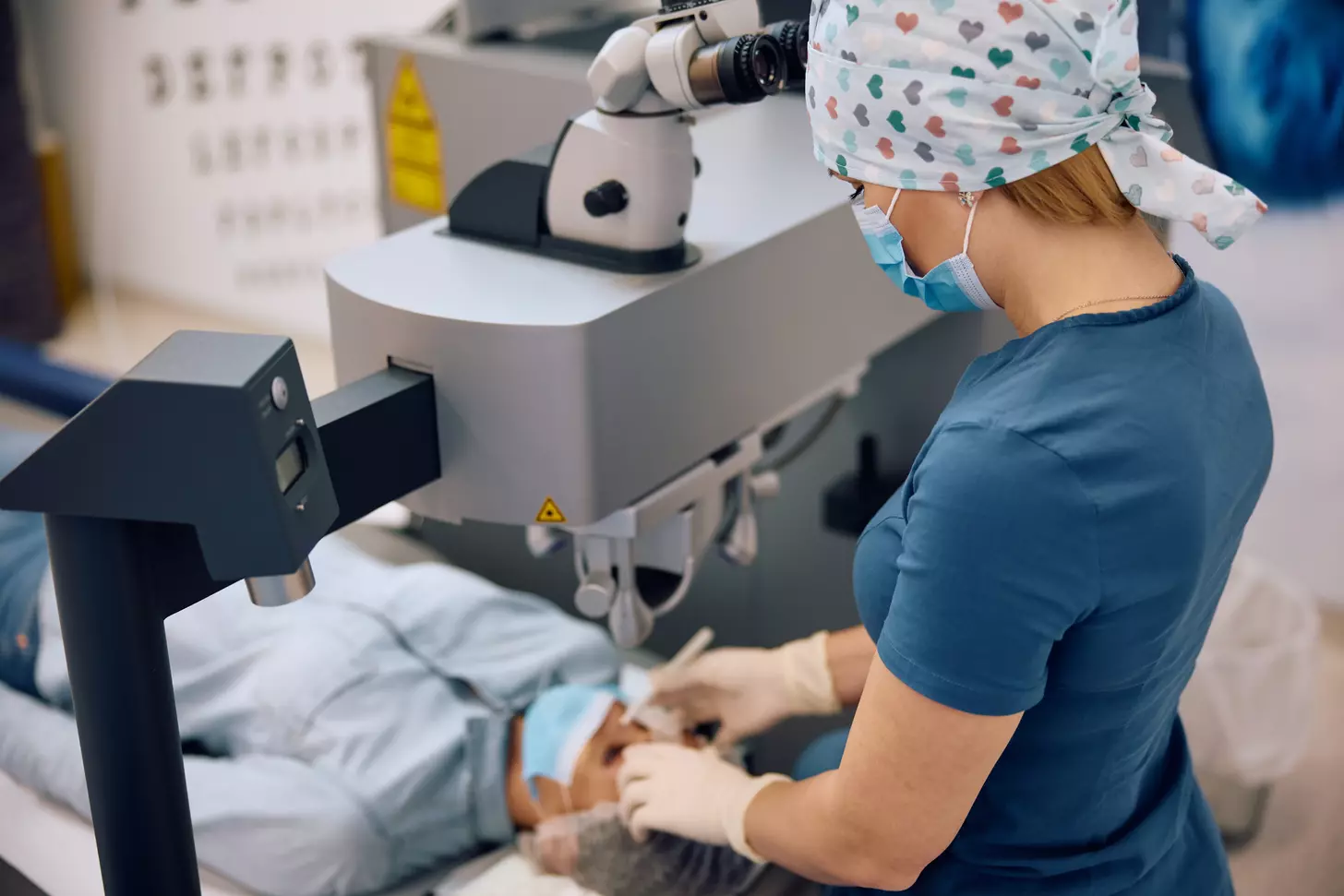
As shown in the image below, AI surgical robots work with surgeons. They improve their skills and care for patients.
Key Fact 1: Autonomous Systems Achieving 100% Procedural Success
Autonomous robotic systems can now remove gallbladders with 100% success. This is a big step forward in surgery. It’s thanks to advanced AI and robotic tech that can do complex tasks well.
Researchers at Johns Hopkins say the SRT-H robot did a gallbladder removal perfectly. This shows AI robots could change surgery a lot. These systems also do well in tests and simulations.
Ex Vivo and Simulated Gallbladder Removal Performance
In tests, AI robots remove gallbladders with great precision. These tests are done in controlled settings. They help us learn how well the robots work.
Testing in simulated environments is key. It lets researchers try out different scenarios. This helps make the AI better and the robots more reliable.
Accuracy Comparison Between AI and Human Surgeons
Studies show AI robots can be as good as, or even better than, human surgeons. Human surgeons have a lot of experience. But AI robots offer consistency and precision.
A study found AI robots can match human surgeons in some tasks. This is big for complex surgeries where being precise is key. An expert said, “AI in surgery is not about replacing humans. It’s about making them better with technology.”
As we keep improving in robotic surgery, we’ll see even better results. This could make these technologies more common in surgery worldwide.
Key Fact 2: AI-Guided Camera Control Enhancing Surgical Visualization
Surgical visualization is getting a big boost from AI-guided camera control systems. This change is making a big difference in how surgeons work, mainly in complex gallbladder surgeries.
Intelligent Visual Field Management During Cholecystectomy
AI-powered camera control systems offer intelligent visual field management during cholecystectomy. They help surgeons better navigate complex anatomy. These systems adjust the camera’s position and focus automatically, making sure the surgical site is always clear.
This technology makes surgical procedures more precise. It helps surgeons keep a perfect view of the operating area. This allows them to do delicate tasks with more accuracy and confidence.
Benefits of AI-Optimized Views in Complex Gallbladder Cases
The advantages of AI-optimized views are clear in complex gallbladder cases. For example, when anatomy is distorted by inflammation or scar tissue, AI-guided camera control helps surgeons. It makes it easier for them to handle these challenges.
- Improved visualization of critical structures
- Enhanced ability to adapt to unexpected anatomical variations
- Better overall control during the procedure
By using AI-guided camera control, we can greatly improve care for patients having gallbladder surgery. This technology is a key step towards better surgical outcomes and patient safety.
Key Fact 3: Advanced Learning Systems Like SRT-H Mastering Surgical Tasks
Advanced learning systems are changing the way we do surgery, like gallbladder surgery. Systems like SRT-H lead this change, learning complex tasks with new methods. We’re seeing a big change in how surgical robots do detailed work.
Imitation Learning in Gallbladder Procedure Training
The SRT-H robot learns by watching videos and listening to expert surgeons. It copies their actions to do gallbladder surgery. Imitation learning is key, letting the robot learn from real surgeries and adapt to different situations.
Natural Language Processing for Surgical Instruction
Natural Language Processing (NLP) helps the SRT-H robot understand and follow voice commands. This lets it do complex tasks in the operating room. It’s a big help in surgery.
| Procedure Aspect | SRT-H Accuracy | Human Surgeon Accuracy |
|---|---|---|
| Gallbladder Identification | 98.5% | 95.2% |
| Bile Duct Clipping | 99.1% | 96.5% |
| Tissue Dissection | 97.8% | 94.8% |
Systems like SRT-H are making gallbladder surgery better. They learn complex tasks through imitation and NLP. This makes surgeries more precise and efficient. As these technologies get better, we’ll see even better results for patients.
Key Fact 4: Adaptive Response Capabilities During Unexpected Complications
AI surgical robots are great at handling unexpected problems during surgery. This is very important for surgeries like gallbladder removal. These surgeries can have surprises because of how different people’s bodies are.
AI robots help make surgery safer by adapting to surprises. They look at data in real time and decide how to handle tough situations.
Real-Time Decision Making in Variable Anatomical Conditions
AI systems can make quick decisions during surgery, even when the body is different. They use special algorithms to look at data from before surgery and during it.
- Advanced Data Analysis: AI systems can quickly understand complex data, helping surgeons make good choices.
- Real-Time Feedback: The surgical site gives feedback to AI systems. This lets them change their plans if needed.
- Improved Accuracy: AI helps reduce mistakes, making surgery more precise.
Safety Protocols for Bleeding or Bile Duct Anomalies
Managing problems like bleeding or bile duct issues is key in gallbladder surgery. AI robots have special safety plans for these problems.
Some important safety features include:
- Bleeding Control: AI can spot and fix bleeding by changing tool settings or suggesting new methods.
- Bile Duct Anomaly Management: AI uses advanced imaging and data to find and handle bile duct problems, lowering the risk of more issues.
- Emergency Response Planning: AI robots have plans for emergencies. This means surgeons are ready for anything.
With these safety features, AI robots make gallbladder surgery safer and more effective. This leads to better results for patients.
Key Fact 5: Clinical Outcomes of Robotic-Assisted Gallbladder Surgery
Robotic assisted gallbladder surgery has shown great results. It has lowered complications and readmission rates. It’s important to look at the good and bad sides of this surgery.
Reduced Complications and Readmission Rates
Studies show robotic surgery has fewer complications than traditional methods. This is because robots offer better precision and control. They help with detailed work like dissections and suturing.
There’s also a big drop in readmission rates with robotic surgery. This is because there are fewer complications after surgery. It also makes managing patient care easier.
| Outcome Measure | Robotic Assisted Surgery | Traditional Laparoscopic Surgery |
|---|---|---|
| Complication Rate | 4.2% | 7.5% |
| Readmission Rate | 2.1% | 4.8% |
| Average Hospital Stay | 1.5 days | 2.2 days |
Patient Recovery Advantages After Robotic Cholecystectomy
Robotic surgery has many benefits for recovery. It leads to less pain, less blood loss, and smaller scars. These help patients get back to normal faster and feel happier with their care.
Key recovery advantages include:
- Reduced post-operative pain
- Less blood loss during surgery
- Smaller incisions, resulting in less scarring
- Faster return to normal activities
As we keep improving robotic surgery, we’ll see even better results. Using AI in robot surgery will help us give our patients the best care and outcomes.
Key Fact 6: Economic Considerations of AI Robotic Gallbladder Procedures
The world of gallbladder surgery is changing fast with AI robotic systems. We need to look at the costs of these new technologies. This includes the upfront costs and the long-term savings.
Initial Investment vs. Long-Term Benefits Analysis
Starting to use AI robotic systems for gallbladder surgery costs a lot. This includes the price of the robot, training for staff, and upkeep. But, the long-term gains and cost savings are big.
Studies show that robotic surgery costs more for disposable items than traditional laparoscopy. But, the total cost analysis is more complex. It depends on many factors.
Things like shorter hospital stays, fewer complications, and quicker recovery times are key. These benefits can save a lot of money for both hospitals and patients.
Comparing Costs with Traditional Laparoscopic Approaches
Looking at the costs of AI robotic gallbladder surgery versus traditional laparoscopy, several things matter. The upfront cost of robotic surgery might be higher. But, the total cost of care might be closer when you consider everything.
It’s important for healthcare providers and policymakers to study the cost-effectiveness of AI robotic gallbladder surgery. They need to balance the benefits of new technology with the financial side. This ensures patients get the best care while keeping healthcare affordable.
As we move forward with AI robotic surgery, it’s key to keep an eye on the economic effects. This way, we can make sure AI robotic gallbladder surgery is available to those who need it. And we can keep healthcare systems financially stable.
Key Fact 7: The Spectrum of Robots Performing Surgery
The world of robots in surgery is growing fast, changing how we treat patients. We’re seeing robots go from simple helpers to doing complex surgeries.
From Assistive Camera Control to Full Procedural Execution
Robots are now playing big roles in surgeries. At first, they just helped with camera control, giving doctors a clear view. But now, thanks to AI and robotics, they can do whole surgeries by themselves.
The SRT-H robot is a big step forward. It can do a whole gallbladder removal by itself, with perfect results in studies. This is a big win for robot surgery.
Current Capabilities in Gallbladder Removal Procedures
Robots can now do gallbladder surgeries with great care. The benefits of robot surgery include:
- Enhanced Visualization: Robots give a clear view, making surgery safer.
- Precision and Accuracy: Robots do fine work, leading to better results.
- Reduced Recovery Time: Robot surgery means less time in the hospital and faster healing.
As robots get better, we’ll see them do even more surgeries. This could open up new possibilities for robot-assisted treatments.
The Future of Autonomous Robotic Surgery in Gallbladder and Beyond
Looking ahead, autonomous robotic surgery is set to change gallbladder surgery and more. Robotics, AI, and surgical skills are coming together. This mix is opening up new ways to better patient care and more minimally invasive surgeries.
We’re on the edge of a big change in surgery, thanks to autonomous robotic surgery. This tech is making gallbladder surgeries more precise and safe. It’s also opening doors for more complex surgeries in the belly.
Emerging Technologies and Research Directions
New tech is shaping the future of AI robotic surgery. Advanced machine learning lets robots get better with practice. Also, real-time data and sensors are making robots more aware of their surroundings during surgery.
Research aims to make robots more independent. This means they can do complex tasks with less human help. It’s about creating smart control systems and robots that can handle surprises during surgery.
Potential for Expanded Applications in Abdominal Surgery
Advances in robotic assisted gallbladder surgery are leading to new uses. Other surgeries like hernia repairs and colon resections are being looked at. Even liver or pancreatic surgeries might be done with robots.
Using robots for these surgeries could mean faster recovery times and less pain. Smaller cuts also mean better looks and fewer complications. Robots’ precision and skill can lead to better results and fewer problems.
As we go forward, expect more breakthroughs in this field. Robots might soon help in surgeries beyond the belly. The future of surgery will blend AI, robotics, and human skill. This will lead to better care and outcomes for patients.
Implementing AI Surgical Robots in Hospital Settings
Bringing AI surgical robots into hospitals is a big job. It needs training and setting up the right places. We must make sure our surgical teams know how to use these new tools well.
Training Requirements for Surgical Teams
Getting AI surgical robots to work in hospitals starts with training the teams. We should teach them how to use the robots and handle tough surgeries.
- Technical training on AI surgical systems
- Simulation-based practice for complex procedures
- Team coordination and communication skills
Our training should fit different learning ways and experience levels. This way, everyone can feel sure and skilled in using AI robots.
Infrastructure and Support System Needs
But it’s not just about training. The setup and support in hospitals are also key. We need to think about the physical space, tech help, and how to manage data.
| Infrastructure Component | Description | Importance Level |
|---|---|---|
| Operating Room Layout | Adjustments to accommodate AI surgical robots | High |
| Technical Support | Availability of skilled technicians for maintenance and troubleshooting | High |
| Data Management Systems | Integration with existing hospital information systems | Medium |
By fixing these setup and support issues, we can make the most of AI robots. This way, we avoid any big problems.
Ethical and Regulatory Landscape for AI in Surgery
The fast growth of AI in surgery needs us to look at ethics and rules. As AI surgical robots enter the operating room, knowing the rules is key.
Robotic assisted gallbladder surgery is changing how we do surgery. These systems must follow strict rules to keep patients safe and work well.
Current FDA Guidelines for Autonomous Surgical Systems
The FDA has rules for autonomous robotic surgery systems. These rules cover many areas, like:
- Pre-market clearance processes
- Clinical trial requirements
- Post-market surveillance
- Software validation and verification
It’s important for makers and health teams to know these rules. This ensures AI surgery tech is used safely and correctly.
| Guideline Aspect | Description |
|---|---|
| Pre-market Clearance | Requires data to show safety and effectiveness before marketing. |
| Clinical Trials | Need thorough testing to check how AI systems work in real situations. |
| Post-market Surveillance | Watches how AI systems do after they’re used to find any problems. |
Liability Considerations in AI-Assisted Procedures
With more AI-assisted surgical procedures, who’s to blame when things go wrong is a big question. Is it the maker, the surgeon, or the hospital?
The complex nature of autonomous robotic surgery systems makes old rules hard to follow. We need new laws and ethics to handle these new challenges.
We must be careful as we explore new uses for AI in surgery. We need to protect patients and healthcare workers. This way, AI robots in healthcare can be safe and helpful.
Conclusion: The Transformative Future of Gallbladder Surgery Through AI Innovation
We’ve seen big steps forward in AI surgical robots and their role in gallbladder surgery. AI is changing surgery, making it better for patients. It’s making surgeries safer and more precise.
Looking ahead, AI will keep changing how we do surgery. We’ll see even better results for patients. AI robots will help patients heal faster and need fewer hospital visits.
AI is making gallbladder surgery better, and we’re all about top-notch healthcare. As AI gets smarter, we’ll see more uses in surgery. This means even better care for everyone.
FAQ
What is robotic gallbladder surgery?
Robotic gallbladder surgery is a new way to remove the gallbladder. It uses a robotic system for a minimally invasive procedure. This method is more precise and helps patients recover faster.
How do AI surgical robots improve gallbladder surgery?
AI robots help surgeons do better in gallbladder surgery. They make the surgery more accurate and reduce risks. These robots can do complex tasks with great precision and on their own.
What are the benefits of AI-guided camera control in robotic surgery?
AI-guided camera control makes surgery clearer and more precise. It helps in complex surgeries like gallbladder removal. This technology improves patient outcomes by giving better views during surgery.
Can AI surgical robots adapt to unexpected complications during surgery?
Yes, AI robots can handle surprises during surgery. They make quick decisions and follow safety rules. This helps manage problems like bleeding or bile duct issues.
What are the clinical outcomes of robotic assisted gallbladder surgery?
Research shows robotic surgery for gallbladder problems has fewer complications and less need for readmission. Patients also heal faster and have better results after surgery.
How do the costs of AI robotic gallbladder procedures compare to traditional laparoscopic approaches?
AI robotic surgery costs more upfront but offers long-term savings. The benefits include fewer complications and quicker recovery. These can lead to cost savings over time.
What is the current state of FDA guidelines for autonomous surgical systems?
The FDA is updating rules for AI in surgery. These guidelines help ensure AI systems are safe and work well in medical settings.
What are the liability considerations in AI-assisted procedures?
Liability in AI-assisted surgery is complex. It involves the surgeon, the AI system, and the hospital. New rules and guidelines are being made to handle these issues.
What training is required for surgical teams to implement AI surgical robots?
Teams need special training for AI robots. They must learn about the robot’s abilities and limitations. They also need to know about the support systems needed.
What is the future of autonomous robotic surgery in gallbladder and beyond?
The future of robotic surgery looks promising. New technologies and research will lead to more advancements. This could include more uses in abdominal surgery and other complex procedures.
References
- Rosen, J. (2025, July 9). Robot performs first realistic surgery without human help. Johns Hopkins University Hub. https://hub.jhu.edu/2025/07/09/robot-performs-first-realistic-surgery-without-human-help/
- Blum, K. (2025, September 17). AI is enabling robots to assist in surgery. What to know. Association of Health Care Journalists. https://healthjournalism.org/blog/2025/09/ai-is-enabling-robots-to-assist-in-surgery-what-to-know/
- Wilson, N. A. (2025, April 8). Robotic cholecystectomy incurs more disposable cost than laparoscopic with similar outcomes. American College of Surgeons Brief. https://www.facs.org/for-medical-professionals/news-publications/news-and-articles/acs-brief/april-8-2025-issue/robotic-cholecystectomy-incurs-more-disposable-cost-than-laparoscopic-with-similar-outcomes/
- Kang, J., Lee, S., & Kim, Y. (2025). Comparison of robotic and laparoscopic cholecystectomy: A systematic review and meta-analysis. JAMA Network Open, 8(4), e2831893. https://doi.org/10.1001/jamanetworkopen.2025.31893
- Marr, B. (2025, September 15). Robots and AI are rewriting the future of surgery. Bernard Marr & Co. https://bernardmarr.com/robots-and-ai-are-rewriting-the-future-of-surgery/