Last Updated on November 18, 2025 by Ugurkan Demir
At Liv Hospital, we know how complex anterior lumbar interbody fusion (ALIF) is. It’s key in treating lumbar spine issues. Our team, led by Dr. Barami, is all about giving top-notch care to those having this surgery.
ALIF surgery is a top choice for fixing lower back problems. It helps patients get their life back. We make sure each patient gets care that fits their unique needs.
We’re all about giving the best healthcare, helping our international patients every step of the way. By knowing all about lumbar spine issues and ALIF’s benefits, we help our patients make smart choices about their health.
Key Takeaways
- ALIF is a surgical procedure for treating lumbar spine conditions.
- Liv Hospital offers patient-centered care for ALIF surgery.
- Expert surgeons like Dr. Barami lead our medical team.
- Personalized treatment plans are tailored to each patient’s needs.
- Comprehensive support is provided throughout the treatment journey.
Understanding Lumbar Spine Conditions That May Require Surgical Intervention

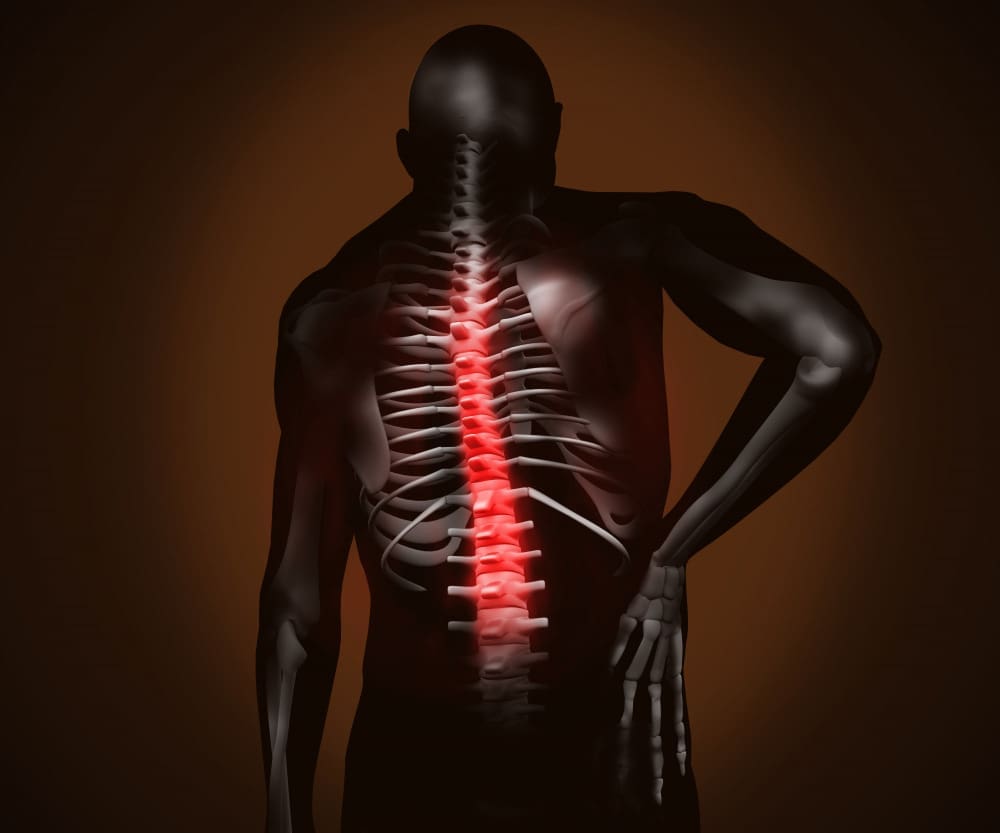
The lumbar spine is in the lower back and has five vertebrae. It supports our body’s weight and helps us move. Sometimes, it can get sick and hurt, needing surgery if other treatments don’t work.
Anatomy of the Lumbar Spine
The lumbar spine has vertebrae, discs, nerves, and muscles. The discs cushion the vertebrae, and nerves carry messages. Knowing how it works helps doctors treat its problems.
Degenerative Disc Disease and Spondylolisthesis
Degenerative disc disease happens when discs lose their shape, causing pain. Spondylolisthesis is when a vertebra slips over another, pressing nerves and hurting. Both can make life hard.
At first, doctors might try physical therapy and medicine. But if these don’t help, surgery might be needed.
When Conservative Treatments Fail
If other treatments don’t work, surgery like ALIF might be an option. ALIF is a surgery that fuses vertebrae together. It’s for people with degenerative disc disease or spondylolisthesis who haven’t gotten better with other treatments.
Knowing about these conditions and treatments helps patients make better choices. We’ll look closer at ALIF surgery and its benefits next.
Key Fact #1: What is Anterior Lumbar Interbody Fusion (ALIF)?
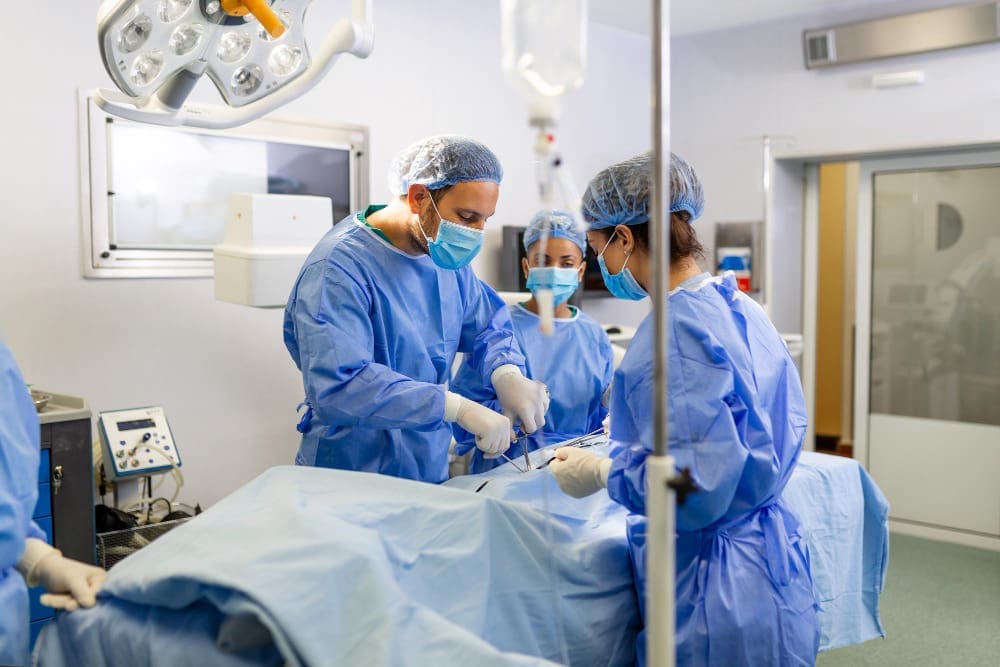
Anterior Lumbar Interbody Fusion, or ALIF, is a surgery for the lumbar spine. It’s done through the abdomen, making it “anterior.” This method is known for treating certain spine issues well.
Definition and Basic Procedure Overview
ALIF is a spinal fusion surgery done from the front. The surgeon fuses two or more vertebrae together. This procedure removes the damaged disc and replaces it with a bone graft or synthetic device.
The steps include an incision in the abdomen to reach the spine. The surgeon then removes the bad disc, prepares the space, and inserts a bone graft or cage. This helps stabilize the spine and reduce pain.
History and Evolution of the Technique
Spinal fusion has been around for over a century. ALIF started in the early 20th century. Advances in surgery and technology have made it a better option for spine treatments.
Over time, ALIF has improved. Now, it uses better imaging, tools, and knowledge of the spine. This makes it safer and more effective.
Comparison to Posterior and Lateral Approaches
Spinal fusion can be done from the back, side, or front. Each method has its benefits and is best for different needs.
ALIF is unique because it accesses the disc space directly. This approach avoids disturbing the back muscles or spinal nerves. It can lead to a smoother fusion and fewer complications.
Key Fact #2: The Anterior Approach Advantage in Lumbar Fusion
The anterior approach in lumbar fusion surgery has many benefits. It has been improved over time to treat different spine problems well.
Direct Access to the Disc Space
The main advantage of the anterior approach is direct access to the disc space. This lets surgeons remove damaged disc material well. It makes the surgery simpler and faster than other methods.
- Improved visualization of the disc space
- More thorough removal of damaged disc material
- Enhanced ability to prepare the area for fusion
Preservation of Back Muscles and Spinal Nerves
The anterior approach also helps preserve back muscles and spinal nerves. It accesses the spine from the front. This means less muscle dissection and less pain after surgery.
Preserving back muscles helps patients keep their strength and mobility after surgery. It also lowers the chance of nerve problems, making it a good choice for many.
Enhanced Restoration of Lumbar Lordosis
Another big plus of the anterior approach is its ability to enhance restoration of lumbar lordosis. Lumbar lordosis is the natural curve of the lower spine. It’s key for spinal balance and health.
By accessing the disc space directly, surgeons can better restore this curve. This is important for spinal balance and preventing future problems.
Key Fact #3: Anterior Spinal Fusion Surgery Procedure Explained
ALIF surgery’s success depends on careful preparation and a precise surgical technique. Understanding the key steps in this complex procedure is vital.
Preoperative Evaluation and Planning
Before ALIF surgery, a thorough evaluation is done. We look at the patient’s medical history, past surgeries, and current health. This helps us spot risks and plan how to avoid them.
We also do imaging tests like X-rays and MRI scans. These help us see the spine’s condition and plan the surgery. We choose the right tools for the job based on these images.
Surgical Technique Step-by-Step
The ALIF surgery involves several important steps:
- Incision and Access: A small incision is made in the abdomen to reach the lumbar spine.
- Discectomy: The damaged disc is taken out, and the space is ready for fusion.
- Interbody Cage Placement: A special cage is put in the disc space to help the spine fuse and become stable.
- Bone Grafting: Bone graft material is added to the cage to help the fusion happen.
Collaboration with Access Surgeons
ALIF surgery often needs the help of access surgeons. They are experts in safely getting to the lumbar spine. We work with them to make sure the surgery fits the patient’s needs, reducing risks and improving results.
| Step | Description | Importance |
|---|---|---|
| Preoperative Evaluation | Comprehensive assessment of medical history and imaging studies | Critical for identifying risks and planning the surgery |
| Surgical Technique | Step-by-step execution of the ALIF procedure | Ensures safe and effective treatment of the lumbar spine condition |
| Collaboration with Access Surgeons | Working with specialists to provide safe access to the lumbar spine | Minimizes the risk of complications and optimizes outcomes |
Key Fact #4: Anterior Lumbar Interbody Fusion Cages and Bone Grafting
In ALIF procedures, surgeons use interbody cages and bone grafts to help the spine fuse. This makes the spine stable again. Choosing the right cage and graft is key to success.
Types of Interbody Cages and Materials
Interbody cages in ALIF surgery provide immediate spine stability and help with fusion. They are made from titanium, peek (polyetheretherketone), and other biocompatible materials. Each material has its benefits, like being durable or elastic.
The cages come in different shapes, like cylindrical, rectangular, or anatomically shaped. The right cage and material depend on the patient’s anatomy and the surgeon’s choice.
Bone Graft Options and Fusion Biology
Bone grafting is vital in ALIF surgery to help the spine fuse. There are autograft (from the patient), allograft (donated), and synthetic bone graft substitutes. The choice depends on the patient’s health and the surgeon’s experience.
The fusion process involves the bone graft acting as a scaffold for new bone. Over time, the graft is replaced by the patient’s bone, leading to fusion.
Supplemental Fixation Considerations
In some cases, extra support is needed for the cage and graft. This can be done with pedicle screw instrumentation or other devices. The decision to add extra support depends on the patient’s bone quality and the extent of the disease.
By choosing the right cage, graft, and support, surgeons can improve ALIF surgery outcomes. This helps patients with lumbar spine issues live better lives.
Key Fact #5: Ideal Candidates for Anterior Interbody Lumbar Fusion
Knowing who benefits most from ALIF is key to its success. Anterior Lumbar Interbody Fusion is a complex surgery for the lumbar spine.
Medical Conditions Best Treated with ALIF
ALIF works well for those with degenerative disc disease. This is when discs in the spine wear out, causing pain and instability. It also helps with spondylolisthesis and disc herniation, where a vertebra slips or a disc presses on nerves.
Patients with these issues often see big improvements. ALIF gives direct access to the disc space, allowing for a complete removal and fusion.
Contraindications and Risk Assessment
ALIF isn’t right for everyone. Contraindications include severe vascular disease and previous abdominal surgery. We also check for active infections.
We look at age, health, and other conditions to see if ALIF is safe. This ensures the benefits are worth the risks for each patient.
Patient Selection Criteria for Optimal Outcomes
Choosing the right patients for ALIF is a detailed process. We look at their medical history, current condition, and how well they might recover. We consider how severe their symptoms are, how much they affect daily life, and what treatments they’ve tried before.
| Criteria | Description | Importance |
|---|---|---|
| Severity of Symptoms | Level of pain and disability | High |
| Previous Treatments | Conservative management tried | Medium |
| Overall Health | Presence of comorbidities | High |
By carefully looking at these factors, we can find the best candidates for ALIF. This helps them get the best results.
Key Fact #6: Recovery Timeline After Anterior Lumbar Interbody Fusion Surgery
Knowing what to expect after Anterior Lumbar Interbody Fusion (ALIF) surgery is key. The recovery time can change based on the patient and the surgery’s complexity.
Hospital Stay and Immediate Post-Operative Care
Patients usually stay in the hospital for 2 to 5 days after ALIF surgery. This depends on their health and if any issues arise. Our team watches over them, manages pain, and starts early exercises.
Immediate post-operative care means watching vital signs, managing pain, and stopping blood clots. Patients are also told to move gently and breathe right to avoid problems.
Rehabilitation Protocol and Physical Therapy
The rehab plan after ALIF surgery aims to help the spine heal and get stronger. Physical therapy starts a few weeks after surgery and goes on for months.
| Rehabilitation Phase | Timeline | Goals and Activities |
|---|---|---|
| Immediate Post-Op | 0-2 weeks | Pain management, gentle mobilization, breathing exercises |
| Early Rehabilitation | 2-6 weeks | Progressive mobilization, strengthening exercises, postural education |
| Advanced Rehabilitation | 6-12 weeks | Functional training, core strengthening, aerobic conditioning |
Return to Daily Activities and Work
When patients can go back to daily life and work depends on their job and how well they recover. Usually, they can start with light tasks in 6-12 weeks.
We offer personalized help and support during recovery. Knowing the recovery timeline and following the rehab plan helps patients get back to normal faster.
Key Fact #7: Potential Risks and Long-Term Outcomes of Anterior Approach Spinal Fusion
ALIF surgery is a top choice for many lumbar spine issues. Yet, it’s vital to know the risks and long-term effects. Every surgery comes with some risks that must be thought about carefully.
Vascular and Neurological Complications
ALIF surgery might harm blood vessels and nerves. The front approach needs to avoid these important structures. Vascular issues could affect the aorta, vena cava, or iliac vessels. Neurological problems might harm the lumbar plexus or nerve roots.
Our skilled surgeons use the latest imaging and planning to lower these risks. Even so, some complications can happen. Patients should watch for signs like numbness, weakness, or leg pain.
Adjacent Segment Disease
Another thing to think about is adjacent segment disease (ASD). ASD is when the spinal segments next to the fused area start to degenerate. This can cause new symptoms over time. The fusion might put more stress on the discs and joints nearby.
- Risk factors for ASD include pre-existing degeneration at adjacent levels
- Multi-level fusions may increase the risk of ASD
- Patient-specific factors, such as age and overall spinal health, play a role in ASD development
Our surgeons consider these factors when planning the surgery. They also talk about long-term expectations with patients.
Success Rates and Patient Satisfaction
ALIF surgery works well for many patients. Studies show most people see big improvements in pain and function. Success rates are generally between 80-90%. Many patients can get back to their usual activities within a few months.
“The outcomes of ALIF surgery are generally very positive, with most patients experiencing substantial relief from their symptoms and improved quality of life.”
Patient happiness is linked to meeting surgical goals like pain reduction and better function. Our team helps set realistic goals and supports patients throughout their care.
Conclusion: Making an Informed Decision About ALIF Surgery
Patient education is key for making smart healthcare choices. This article covered important facts about Anterior Lumbar Interbody Fusion (ALIF) surgery. It’s used to treat many lumbar spine issues.
We’ve given you the knowledge to decide about ALIF surgery. Knowing its benefits and risks helps you talk to our healthcare pros. They can tell if ALIF is right for you.
Our institution offers top-notch healthcare and supports international patients. Our team is ready to help you make a smart choice about your care. We aim to give you the best treatment for your condition.
What is Anterior Lumbar Interbody Fusion (ALIF) surgery?
ALIF surgery is a procedure to treat certain spine problems. It fuses two or more vertebrae together from the front side.
What conditions are typically treated with ALIF surgery?
ALIF surgery helps with degenerative disc disease and spondylolisthesis. It’s for conditions that don’t get better with other treatments.
What are the benefits of the anterior approach in lumbar fusion?
The front approach in ALIF surgery is beneficial. It gives direct access to the disc space. It also preserves muscles and nerves, leading to better results for patients.
What is the role of interbody cages in ALIF surgery?
Interbody cages provide stability in ALIF surgery. They are made of materials like titanium or PEEK. They support the spine while it fuses.
How is bone grafting used in ALIF surgery?
Bone grafting helps fuse vertebrae in ALIF surgery. It uses either the patient’s own bone or donor bone. This promotes fusion.
What is the typical recovery timeline after ALIF surgery?
Recovery after ALIF surgery includes a hospital stay. Then, a rehabilitation and physical therapy plan. Most patients return to daily activities and work in weeks to months.
What are the possible risks and complications of ALIF surgery?
Risks of ALIF surgery include vascular and neurological issues. There’s also a chance of adjacent segment disease. Your healthcare provider will discuss these risks with you.
How is patient satisfaction and success rates measured after ALIF surgery?
Success after ALIF surgery is measured in several ways. It includes clinical outcomes, patient reports, and imaging studies. These check fusion and spinal stability.
What is the importance of collaboration with access surgeons during ALIF surgery?
Working with access surgeons is key in ALIF surgery. It ensures safe access to the spine, even with complex anatomy.
How do I determine if I am a candidate for ALIF surgery?
To see if you’re a candidate for ALIF surgery, you need a thorough evaluation. A healthcare professional will review your medical history and imaging studies.
References
Hospital for Special Surgery (HSS). ALIF Surgery: Anterior Lumbar Interbody Fusion. https://www.hss.edu/health-library/conditions-and-treatments/alif-surgery
American Academy of Orthopaedic Surgeons (AAOS). Anterior Lumbar Interbody Fusion. https://orthoinfo.aaos.org/en/treatment/anterior-lumbar-interbody-fusion
Globus Medical. Anterior Lumbar Interbody Fusion. https://www.globusmedical.com/patient-education-musculoskeletal-system-conditions/procedures/anterior-lumbar-interbody-fusion
Midwest Neurosurgery. Anterior Lumbar Interbody Fusion. https://midwestneurosurgery.net/all-upper-lower-back-treatments/anterior-lumbar-interbody-fusion