Last Updated on November 27, 2025 by Bilal Hasdemir
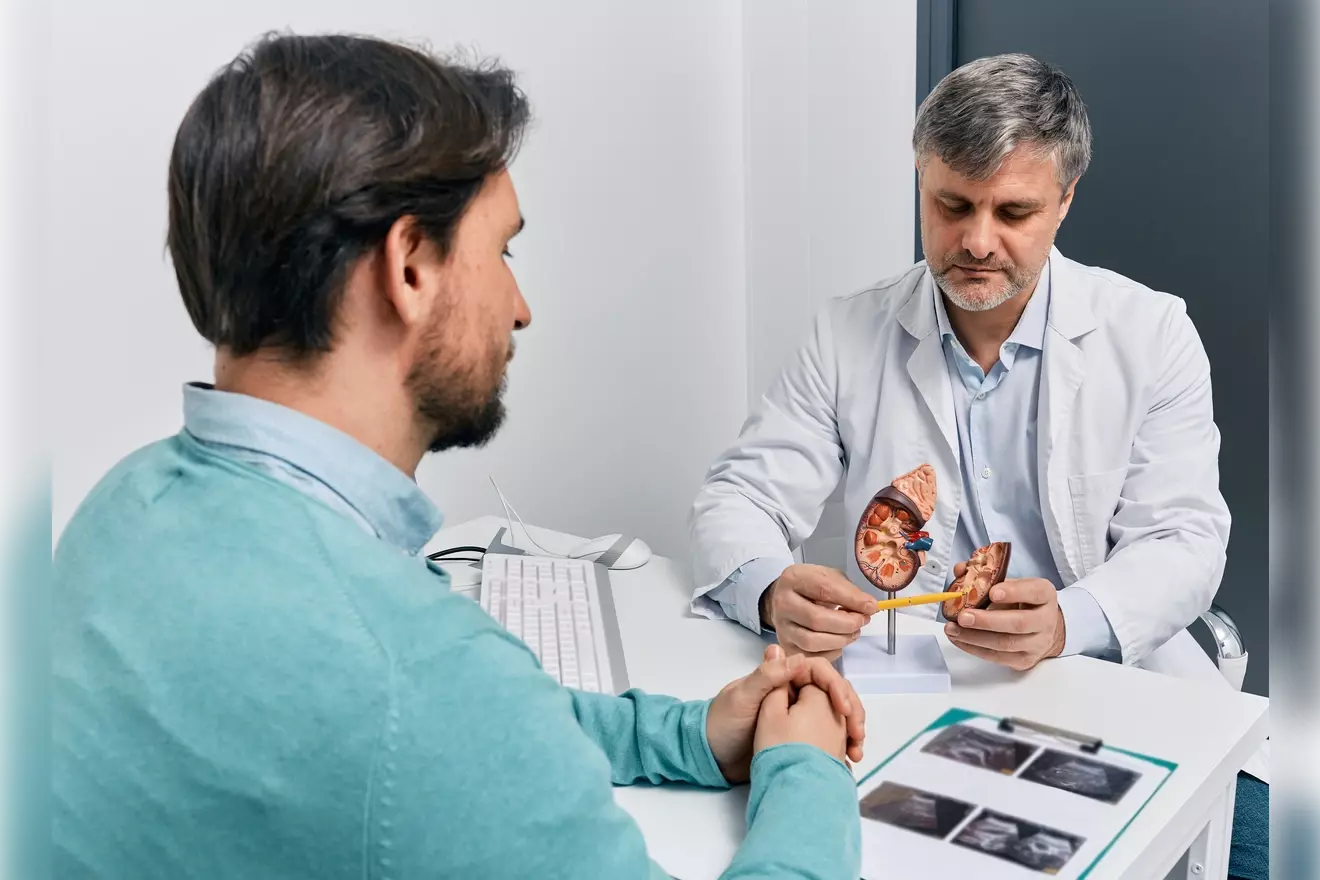
At Liv Hospital, we’ve seen big changes in bladder cancer care with new intravesical treatments. For over thirty years, BCG therapy has been a top choice, mainly for non-muscle invasive bladder cancer (NMIBC). It’s a key part of immunotherapy, helping lower the chance of cancer coming back or getting worse.
We use the latest research to tailor treatments for each patient. This way, we aim for the best results and quality of life. As a leading medical center, we’re dedicated to keeping our patients up-to-date on intravesical therapy benefits and what to expect.
Key Takeaways
- BCG therapy is a well-established form of immunotherapy for NMIBC.
- It significantly reduces the risks of recurrence and progression.
- Personalized treatment plans are key for the best results.
- Intravesical therapy is a major part of bladder cancer treatment.
- Liv Hospital is committed to providing top-notch healthcare with full support.
Understanding Non-Muscle Invasive Bladder Cancer (NMIBC)
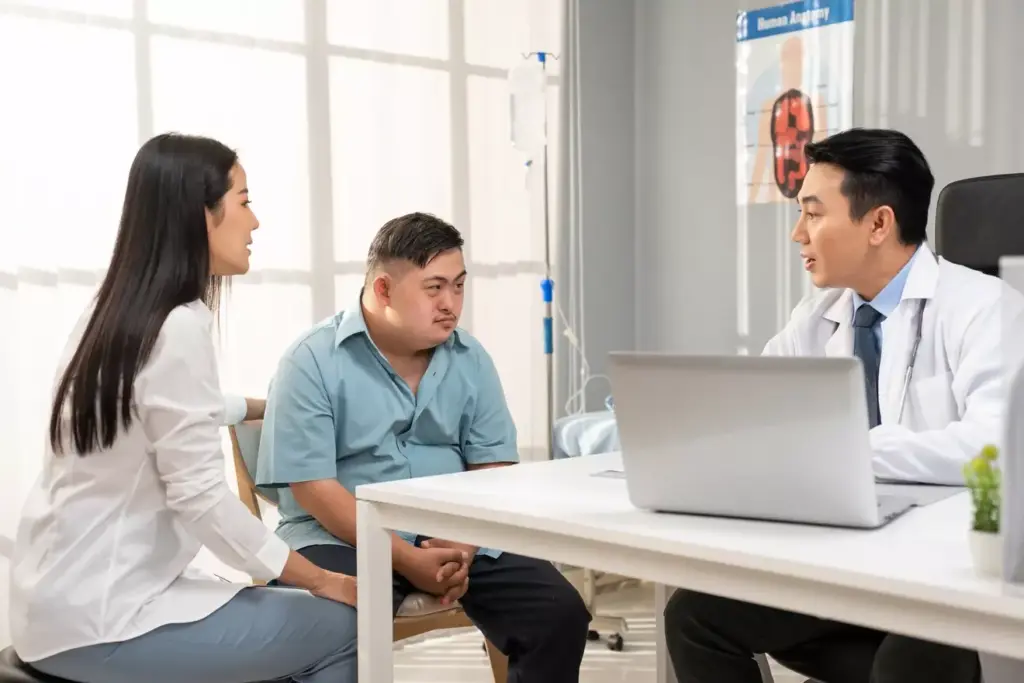
It’s key for patients and doctors to know about non-muscle invasive bladder cancer (NMIBC). It makes up about 75% of bladder cancer cases. We’ll look into what NMIBC is, its types, stages, and why it might come back or grow.
Types and Staging of Bladder Cancer
Bladder cancer is divided into two main types: non-muscle invasive and muscle-invasive. NMIBC means the cancer is in the bladder’s inner layer but hasn’t reached the muscle. Knowing the stage of bladder cancer is important for treatment and outlook.
The TNM system is used to stage bladder cancer. It looks at the tumor size (T), if lymph nodes are involved (N), and if there’s metastasis (M). NMIBC is usually staged as Ta, Tis, or T1. Ta tumors are non-invasive, Tis are flat and high-grade, and T1 tumors have grown but not into the muscle.
Risk Factors for Recurrence and Progression
Several factors can increase the chance of NMIBC coming back or growing. These include:
- Tumor characteristics: Size, number, grade, and stage of the tumor.
- Patient history: Previous bladder cancer, presence of carcinoma in situ.
- Genetic and molecular factors: Certain genetic mutations and expressions can influence the behavior of the tumor.
Knowing these risk factors helps tailor treatment and follow-up plans.
The Need for Adjuvant Treatments
Adjuvant treatments are given after the main treatment to lower cancer risk. For NMIBC, intravesical therapy is common. This involves putting drugs directly into the bladder through a catheter.
Bacillus Calmette-Guérin (BCG) therapy is a type of intravesical immunotherapy. It’s effective in reducing recurrence and progression risk in high-risk NMIBC patients. Intravesical chemotherapy is another option, where chemotherapy agents are put into the bladder.
The choice between BCG therapy and intravesical chemotherapy depends on the patient’s risk and tumor characteristics. We see the value of these treatments in managing NMIBC and improving outcomes. Understanding NMIBC helps us see how treatments like BCG therapy fight this disease.
The Science Behind BCG Therapy

BCG therapy is key in treating bladder cancer. It’s based on Bacillus Calmette-Guérin, used for decades. It helps stop cancer from coming back and growing.
Origin and Development as Cancer Treatment
BCG started as a TB vaccine. It was found to fight cancer by accident. Scientists have studied how it boosts the immune system to attack cancer.
How BCG Activates the Immune System
BCG works by engaging both innate and adaptive immunity. When put in the bladder, it meets bladder cancer cells. This starts an immune reaction to kill cancer cells and stop them from coming back.
Immunological Response in the Bladder
The immune response in the bladder is triggered by BCG. It makes cytokines and activates immune cells like natural killer cells and T lymphocytes. This is key to getting rid of cancer cells and stopping them from coming back.
BCG is a mainstay in treating NMIBC. It stops cancer from coming back in 60–70% of patients. It also slows down cancer growth in about 30–40%. BCG works by directly interacting with bladder cells, getting taken in by cancer cells, and boosting the immune system.
Intravesical Instillation: The Administration Process
BCG therapy is given through a special method called intravesical instillation. This method puts the BCG solution right into the bladder. It helps fight bladder cancer cells by boosting the immune system. We’ll walk you through what happens before, during, and after this treatment.
Patient Preparation for Treatment
Getting ready for BCG instillation is important. Here’s what you need to do:
- Make sure you don’t have a urinary tract infection. It could cause problems.
- Learn about the treatment and what side effects might happen.
- Avoid going to the bathroom for a while before the treatment. It helps the process.
Learning about the treatment helps you feel more comfortable. Also, tell your doctor about any medicines you’re taking.
Step-by-Step BCG Instillation Procedure
The BCG instillation process has a few main steps:
- You’ll sit on an exam table.
- A catheter is put into your bladder through your urethra.
- The BCG solution is added to your bladder through the catheter.
- The catheter is taken out, and you keep the solution in your bladder for about two hours.
It’s very important for the BCG solution to touch the bladder walls. This helps your body fight cancer. While you have the solution in, move around to make sure it covers all parts of your bladder.
Post-Treatment Care and Precautions
After the treatment, you need to follow some important steps:
- Don’t go to the bathroom for at least 2 hours after the treatment.
- When you do go, sit down to avoid splashing.
- Flush the toilet with the lid down to keep the BCG from spreading.
- Wash your hands well after using the bathroom.
Watching for side effects is key. If you feel really uncomfortable or have symptoms like a bad cold, tell your doctor right away.
By following these steps, you can make sure the BCG treatment works well. It helps fight bladder cancer effectively.
Effectiveness of Intravesical Therapy for Bladder Cancer
Intravesical therapy has changed the game for bladder cancer treatment. It delivers medicine directly to the bladder, making it a targeted and effective method. This approach offers new hope to patients around the world.
Recurrence and Progression Prevention Rates
BCG (Bacillus Calmette-Guérin) therapy is a big win in bladder cancer treatment. It can stop the cancer from coming back in 60–70% of patients. It also slows down the disease’s growth in about 30–40% (Source: OncoDaily). These numbers show how effective intravesical therapy is for non-muscle invasive bladder cancer (NMIBC).
A leading oncologist has said,
“The introduction of BCG therapy has been a game-changer in the treatment of bladder cancer, significantly reducing recurrence rates and improving patient outcomes.”
Patient Selection and Optimal Candidates
Not every bladder cancer patient is right for intravesical therapy. Choosing the right patients is key for success. We look for those with high-risk NMIBC or who have had cancer come back after treatment.
- High-risk NMIBC patients
- Patients with recurrent bladder cancer
- Those who have not responded to initial treatments
Predictors of Treatment Response
Knowing what makes a treatment work is important. Research has found several things that affect how well BCG therapy works. These include genetic markers, the tumor’s immune environment, and the patient’s immune response. By looking at these, we can make treatment plans that work better for each patient.
Personalized medicine approaches are key in treating bladder cancer. They help us target the disease’s specific traits, leading to better results.
BCG Therapy Side Effects and Management
It’s important for patients with bladder cancer to know about BCG therapy side effects. BCG is a treatment for bladder cancer that can have side effects. These can affect a patient’s daily life.
Common Local Bladder Symptoms
Local bladder symptoms are common side effects of BCG therapy. These symptoms include:
- Frequent urination
- Painful urination
- Blood in the urine
- Bladder irritation
These symptoms are usually short-term and can be managed. But sometimes, they can last longer or get worse.
Systemic Side Effects and Complications
BCG therapy can also cause systemic side effects. These include:
- Fever
- Flu-like symptoms
- Fatigue
- Joint pain
In rare cases, serious complications like BCG infection or sepsis can happen. It’s key to tell your doctor about any severe or ongoing symptoms.
Strategies to Minimize Adverse Reactions
There are ways to reduce the side effects of BCG therapy. These include:
| Strategy | Description |
|---|---|
| Hydration | Drinking plenty of fluids to help flush out the bladder |
| Bladder Antispasmodics | Medications to reduce bladder spasms and discomfort |
| Dose Reduction | Adjusting the dose of BCG to minimize side effects while maintaining efficacy |
By knowing about BCG therapy side effects and using strategies to manage them, patients can improve their treatment experience.
Maintenance BCG Instillation Protocols
BCG therapy is key in treating non-muscle invasive bladder cancer. Maintenance instillations are vital. A good maintenance schedule boosts BCG therapy’s success, fitting each patient’s needs.
Standard Treatment Schedules
For maintenance BCG, there’s a standard plan. It starts with an initial phase, followed by regular instillations. The first phase includes weekly treatments for six weeks to start fighting cancer.
Maintenance instillations follow at 3, 6, 12, 18, 24, 30, and 36 months. This plan can change based on how well a patient responds and their health.
Duration and Frequency Considerations
The length and how often BCG is given matter a lot. Longer treatments can help keep cancer away longer in high-risk cases.
But, how long and how often to give BCG is something doctors are always studying. They look at how well a patient does, side effects, and the chance of cancer coming back or getting worse.
Managing Treatment Breaks and Modifications
Sometimes, BCG treatments need to stop or change because of side effects or other reasons. It’s important to handle these changes well to keep the treatment working.
Doctors might change the schedule if a patient is not doing well. For example, if side effects are too bad, treatment might stop until they get better.
Close monitoring of patients is key during BCG treatments. This helps doctors catch any need for changes quickly. It helps keep treatment effective and safe for patients.
Intravesical Chemotherapy: The “Chemo Wash” Explained
The “chemo wash” is a common term for intravesical chemotherapy. It’s a treatment that puts chemotherapy drugs right into the bladder. This method is mainly for non-muscle invasive bladder cancer (NMIBC).
What Is a Bladder Chemo Wash?
A bladder chemo wash means putting chemotherapy drugs into the bladder through a catheter. This way, the drug hits the tumor directly. It also cuts down on side effects that happen all over the body.
We use intravesical chemotherapy for bladder cancer that hasn’t reached the muscle layer. It’s a good way to lower the chance of the cancer coming back after removing the tumor.
Common Agents Used in Intravesical Chemotherapy
Several chemotherapy agents are used for this treatment. Here are a few:
| Chemotherapy Agent | Usage |
|---|---|
| Mitomycin C | Commonly used for NMIBC treatment |
| Doxorubicin | Used for treating certain types of bladder cancer |
| Gemcitabine | Often used in cases where other treatments have failed |
Differences Between Chemotherapy and BCG
Chemotherapy and BCG therapy are both used for NMIBC, but they work differently. BCG is an immunotherapy that boosts the body’s immune system to fight cancer. Chemotherapy, on the other hand, directly kills cancer cells with drugs.
Key differences include:
- Mechanism of Action: BCG boosts the immune system, while chemotherapy kills cells directly.
- Side Effects: Both can irritate the bladder, but BCG might cause more body-wide side effects because it boosts the immune system.
- Treatment Schedule: The treatment schedule can differ between BCG and chemotherapy.
It’s important for patients to know these differences. This helps them make the best choice for their treatment. We help patients choose the right treatment based on their condition and medical history.
BCG Failure: What Happens When Treatment Isn’t Effective
For some, BCG therapy doesn’t work, leading to BCG-unresponsive disease. This is a big challenge in treating bladder cancer. It means looking for new ways to treat it.
Defining BCG-Unresponsive Disease
BCG-unresponsive disease happens when BCG therapy doesn’t stop high-grade bladder cancer. It’s important to understand this to decide on the next treatment steps. It includes cancer that doesn’t go away or comes back after BCG treatment.
Alternative Intravesical Treatment Options
When BCG doesn’t work, doctors look for other treatments. New immunotherapies are being tested in clinical trials. These new treatments offer hope for better results when BCG fails. They use different ways to fight cancer cells in the bladder.
New immunotherapies are being studied for BCG-unresponsive disease. OncoDaily reports they are giving patients new hope. These treatments aim to help those who didn’t get better with BCG.
When to Consider More Aggressive Approaches
If other treatments don’t work, doctors might suggest more serious options. This could be radical cystectomy or other advanced treatments. It’s key for patients and doctors to talk about the risks and benefits of these choices. The decision to go for more aggressive treatment depends on many factors.
Knowing when to try more aggressive treatments is important. Patients need to understand their options and what each choice means.
Global BCG Shortage and Treatment Adaptations
The global shortage of BCG has forced changes in how we treat non-muscle invasive bladder cancer. This shortage has been a big problem for doctors all over the world. It has changed how we care for bladder cancer patients.
Causes and Impact of Supply Issues
Many things have caused the BCG shortage, like problems with making it, more people needing it, and supply chain issues. Because of this, doctors have had to limit how much BCG they use. This has made them rethink how they treat bladder cancer.
A study in Nature shows how big of a problem this shortage is. It means doctors need new ways to treat bladder cancer effectively.
The shortage affects not just the treatment but also how confident patients are in their care. It’s very important for doctors to talk clearly with patients about these changes.
Reduced Dosing Strategies
Doctors have started using less BCG to make it last longer. They use smaller doses or do treatments less often. This way, they can keep treating patients even with less BCG.
Some studies suggest that using less BCG might work for some patients. For example, using one-third or one-quarter of the usual dose is being looked at. But, doctors have to choose the right patients and watch them closely to make sure it works.
Alternative Protocols During Shortage
Doctors are also trying new ways to treat bladder cancer without BCG. They’re using chemotherapy instead or along with BCG. While BCG is usually better, chemotherapy can help some patients, like those at lower risk or who don’t respond to BCG.
Researchers are also looking for new treatments that don’t rely on BCG. These new options could help improve treatment results, even with a BCG shortage.
Patient Experience During Intravesical Treatment
The journey through intravesical treatment touches on many areas. It affects how we feel physically, emotionally, and how we live our lives. Knowing about these aspects can greatly improve how well treatment works.
Physical and Emotional Preparation
Getting ready for intravesical treatment means being ready in body and mind. It’s important to drink plenty of water and stay healthy before starting. For emotional support, counseling or joining support groups can help with worries or fears about the treatment.
| Preparation Aspect | Recommendation |
|---|---|
| Physical Health | Stay hydrated, maintain a balanced diet |
| Emotional Well-being | Seek counseling, join support groups |
Managing Daily Activities During Treatment
Adjustments are needed to manage daily life during treatment. Rest is key after each treatment and knowing about possible side effects is important. It’s also good to talk openly with healthcare providers about any issues during treatment.
Follow-up Cystoscopy and Monitoring
Follow-up care is a big part of treatment. Regular cystoscopy and monitoring help doctors see how well treatment is working. They can then make changes if needed. Keeping up with follow-up appointments is key for the best care.
Understanding all parts of intravesical treatment helps patients manage their care better. This leads to better results in the long run.
Conclusion: Navigating Your Bladder Cancer Treatment Journey
Understanding bladder cancer treatment is key. It includes BCG therapy and intravesical chemotherapy. We’ve looked into non-muscle invasive bladder cancer, BCG therapy’s science, and how it’s given.
Good treatment needs a full plan, including the right treatments and managing side effects. Patients should know about BCG failure and other options. This knowledge helps them make better choices and get the support they need.
BCG therapy and intravesical therapy have changed bladder cancer treatment. They bring new hope to patients. Keeping up with medical research is vital for staying informed about bladder cancer treatment.
References
- Redelman‑Sidi G, Glickman MS, Bochner BH. The mechanism of action of BCG therapy for bladder cancer — a current perspective. Nat Rev Urol. 2014. PMID: 24492433. https://pubmed.ncbi.nlm.nih.gov/24492433/ (PubMed)
- Jiang S, et al. BCG in Bladder Cancer Immunotherapy. PMC. 2022. https://pmc.ncbi.nlm.nih.gov/articles/PMC9264881/ (PMC)
- Macmillan Cancer Support. BCG treatment for bladder cancer. https://www.macmillan.org.uk/cancer-information-and-support/treatments-and-drugs/bcg-treatment-for-bladder-cancer
- MSKCC. The ABCs of BCG: Oldest Approved Immunotherapy Gets New Explanation. https://www.mskcc.org/news/oldest-approved-immunotherapy-gets-new-explanation (Memorial Sloan Kettering Cancer Center)
- BCAN (Bladder Cancer Advocacy Network). BCG treatment for bladder cancer. https://bcan.org/bcg-treatment-for-bladder-cancer/
What is BCG therapy and how does it work in treating bladder cancer?
BCG therapy is a treatment for bladder cancer. It uses a weakened form of tuberculosis bacteria. This is put into the bladder to help the immune system fight cancer cells.
What is intravesical instillation, and how is it performed?
Intravesical instillation is a way to put medicine into the bladder. It uses a catheter to introduce the treatment. This method targets cancer cells in the bladder lining directly.
What are the common side effects of BCG therapy, and how can they be managed?
Side effects of BCG therapy include bladder issues like frequent urination. Systemic side effects are rare. To manage these, doctors use medications and adjust treatment plans.
What is the difference between BCG therapy and intravesical chemotherapy?
BCG therapy boosts the immune system to fight cancer. Intravesical chemotherapy kills cancer cells directly in the bladder. Both are used for bladder cancer but in different ways.
How is BCG-unresponsive disease defined, and what are the next steps?
BCG-unresponsive disease means the cancer doesn’t respond to BCG therapy. This is a sign of high risk. Doctors then consider other treatments or more aggressive options.
What is a “chemo wash” for bladder cancer, and how is it administered?
A “chemo wash” is chemotherapy directly in the bladder. It’s given through a catheter and stays in the bladder to target cancer cells.
How does the global BCG shortage affect treatment, and what adaptations are being made?
The BCG shortage limits treatment for bladder cancer patients. Doctors are using less BCG and finding other ways to treat patients while saving supplies.
How can patients prepare for intravesical treatment, and what are the follow-up requirements?
Patients should understand the treatment and follow instructions. After treatment, they need regular check-ups to monitor the cancer’s response.
What are the predictors of response to intravesical therapy, and how are optimal candidates selected?
The response to treatment depends on the cancer type, patient health, and past treatments. Doctors choose the best candidates based on these factors.
How is maintenance BCG instillation scheduled, and what are the considerations for treatment breaks?
Maintenance BCG is given based on a set schedule. Treatment breaks are considered based on how the patient is doing and any side effects.