Last Updated on November 27, 2025 by Bilal Hasdemir
Knowing about the prognosis and life expectancy of brain stem tumors is key for patients and their families. At Liv Hospital, we offer detailed care and advice to help through this tough time.
Brain stem gliomas in adults are rare, making up less than 2 percent of gliomas. Yet, they often have a better prognosis than in kids. The life expectancy changes a lot based on tumor type, size, and grade.
We will look into the main points about brain stem tumor prognosis and life expectancy. We’ll share the latest survival stats and symptoms.
Key Takeaways
- Understanding the factors that influence brain stem tumor prognosis.
- Brain stem gliomas in adults have a better prognosis than in children.
- The impact of tumor type, size, and grade on life expectancy.
- The importance of detailed care in managing brain stem tumors.
- Liv Hospital’s team of experts in treating brain stem gliomas.
What Are Brain Stem Tumors and Why Are They Concerning?
The brain stem is a vital part of the brain. Tumors here are hard to treat because of their location. They can harm the surrounding tissues. We will look at the basics of brain stem tumors, starting with the anatomy and function of the brain stem.
Anatomy and Function of the Brain Stem
The brain stem links the cerebrum to the spinal cord. It controls automatic functions like breathing and heart rate. It’s divided into three parts: the midbrain, pons, and medulla oblongata. Knowing its role helps us see why tumors here are so concerning.
Classification of Brain Stem Tumors
Brain stem tumors are classified by type and grade. The main types are gliomas, which come from glial cells. Other types include ependymomas and primitive neuroectodermal tumors (PNETs). The tumor’s grade shows how aggressive it is, with higher grades being more serious.
| Tumor Type | Description | Grade |
|---|---|---|
| Gliomas | Originate from glial cells | Low to High |
| Ependymomas | Arise from ependymal cells lining the ventricles and central canal | Low to High |
| PNETs | Primitive neuroectodermal tumors | High |
Why Location Matters for Treatment and Outcomes
The location of a brain stem tumor affects treatment and outcomes. Tumors here are hard to remove surgically because of their closeness to vital structures. The exact location within the brain stem also changes symptoms and prognosis.
“The location and type of brain stem tumor are critical factors in determining the best course of treatment and predicting patient outcomes.”
Understanding these factors is key to creating an effective treatment plan. It helps improve patient care.
Brain Stem Tumor Prognosis: Key Determining Factors
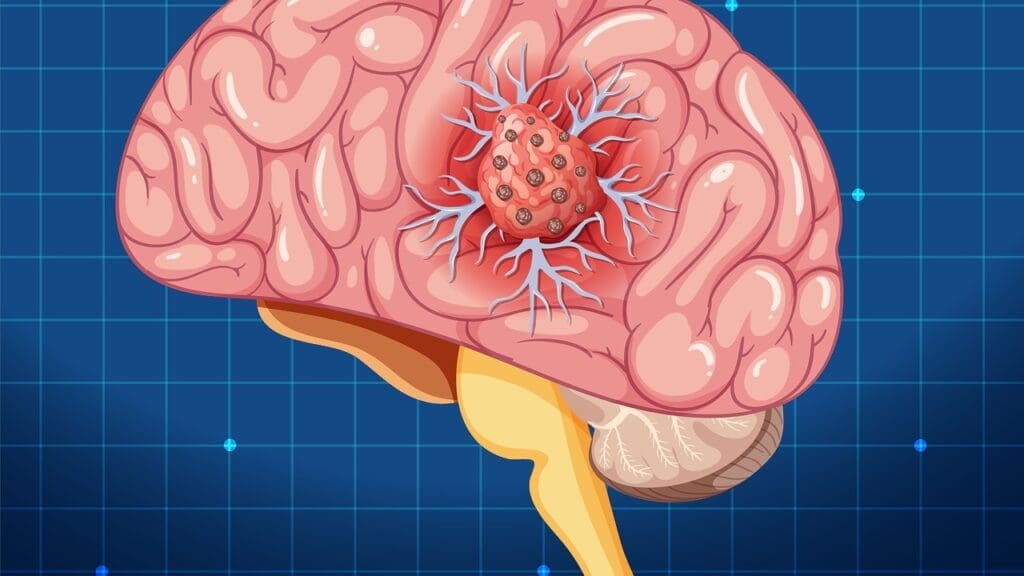
Several factors are important in predicting the outcome of brain stem tumors. Knowing these factors helps both patients and doctors make better choices about treatment and care.
Impact of Tumor Type and Grade
The type and grade of the tumor greatly affect the prognosis. Tumors with a higher grade are usually more aggressive and have a worse outlook. Studies show that the tumor’s type and grade can greatly impact treatment success and survival chances (source).
| Tumor Type | Typical Grade | Prognosis |
|---|---|---|
| Low-Grade Glioma | I-II | Favorable |
| High-Grade Glioma | III-IV | Poor |
Significance of Tumor Size and Exact Location
The size and exact location of the tumor are also key. Larger tumors or those in sensitive areas are harder to treat. This can affect the outcome. Tumor size and location are critical in planning treatment.
How Patient Age and Overall Health Affect Outcomes
Patient age and overall health also matter. Older patients or those with health issues may face a tougher prognosis. Overall health and age are key in making treatment decisions.
Understanding these factors helps patients and doctors deal with the challenges of brain stem tumor prognosis. It aids in making informed decisions about care and treatment.
Types of Brain Stem Tumors and Their Typical Outcomes
It’s important to know about the different brain stem tumors. This helps us understand their typical outcomes and life expectancy. Each tumor type behaves differently and responds to treatment in its own way.
Benign Tumors and Their Life Expectancy
Benign brain stem tumors are rare but have a better outlook. Patients with these tumors often live longer if the tumor can be managed or removed. “Surgery or watching the tumor closely is often the plan,” says, a neurosurgeon.
Low-Grade Gliomas: Prognosis and Survival
Low-grade gliomas are less aggressive and have a better chance of recovery. The survival rate for these tumors is higher, with some studies showing a five-year survival rate of over 50%. Age, tumor size, and how easily it can be removed are key factors.
Aggressive Tumors Like Glioblastoma
Aggressive tumors, like glioblastoma, have a worse prognosis. Glioblastoma grows fast and is hard to treat.
Median Survival Rates
The median survival for glioblastoma patients is about 12-18 months. Treatment includes surgery, radiation, and chemotherapy.
Factors That May Improve Outcomes
Early diagnosis and effective treatment planning can help. Being in clinical trials and using new treatments like targeted therapies and immunotherapy also show promise.
Every patient’s journey with a brain stem tumor is different. Understanding the tumor type and its characteristics helps doctors provide better care.
Brain Stem Glioma Life Expectancy in Adults
Knowing how long adults with brain stem glioma can live is key for both patients and doctors. These tumors are rare and complex, making treatment and predicting outcomes tough.
Average Survival Timeframes
Studies show adults with brain stem gliomas usually live between 44 to 74 months. This time can vary based on the type of glioma, its grade, and the patient’s health.
A study found that adults with these tumors live longer than kids. This shows how age affects the disease and treatment.
Comparison to Pediatric Cases
Adults with brain stem gliomas often have a better chance of survival than kids. This difference highlights how age influences the disease’s course and treatment response.
Prognostic Indicators for Better Outcomes
Some signs can point to a better future for adults with these tumors. These include lower tumor grades, smaller sizes, and no certain genetic mutations. Also, those who do well with early treatment tend to live longer.
Key factors influencing life expectancy include:
- Tumor type and grade
- Patient’s age and overall health
- Response to initial treatment
Doctors can give more precise predictions and create better treatment plans by understanding these factors. This helps improve patient outcomes.
Survival Rates for Specific Brain Stem Tumor Types
Survival rates for brain stem tumors vary a lot. Some types have high survival rates, while others have very poor ones. We’ll look at the survival rates for different brain stem tumors. This will help us understand what affects these rates.
Ependymomas: 85-95% Five-Year Survival
Ependymomas start in the ependymal cells of the ventricles and spinal cord. They have a high five-year survival rate, between 85% and 95%. An oncologist notes, “Ependymomas are unique in their treatment response, giving a better prognosis than other brain stem tumors.”
“The treatment of ependymomas has evolved significantly, with a focus on surgical resection and adjuvant therapy to improve outcomes.”
Diffuse Intrinsic Pontine Glioma (DIPG): Understanding the Challenges
DIPG is a very aggressive and malignant tumor, mostly found in children. It has a very poor prognosis, with a median survival of less than a year. Treating DIPG is very challenging, and we need more research for better treatments.
High-Grade Tumors and Their Prognosis
High-grade tumors, like glioblastoma, are aggressive and have a poor prognosis. They grow fast and are hard to treat. Patients with high-grade brain stem tumors usually have a short life expectancy, from a few months to a couple of years. Understanding these tumors is key to finding effective treatments.
Mass on Brain Stem Prognosis: Variation by Type
The prognosis for a brain stem mass varies a lot. The tumor’s grade, size, and location all affect the outcome. We work with patients to understand their diagnosis and create a personalized treatment plan.
Knowing the survival rates for brain stem tumors helps patients and doctors make better decisions. We aim to provide the latest information and support to those dealing with brain stem tumors.
Recognizing Brain Stem Tumor Symptoms in Adults
It’s important for adults to know the signs of brain stem tumors. These symptoms can be mistaken for other health issues. This makes it key to get medical help right away.
Early Warning Signs Often Overlooked
Early signs of brain stem tumors are often missed. Look out for persistent headaches, fatigue, and mild cognitive changes. Catching these symptoms early can greatly improve treatment chances.
Common Symptoms: Dizziness, Weakness, Vision Changes
As tumors grow, symptoms get worse. You might feel dizziness, weakness on one side, and vision changes like double vision. This is because the brain stem handles balance, movement, and eye function.
Speech and Swallowing Difficulties
Some people with brain stem tumors have trouble speaking and swallowing. These issues can make it hard to communicate and eat properly.
When Symptoms Indicate Cancer of the Brain Stem
If symptoms don’t go away or get worse, see a doctor. A full check-up can tell if it’s a brain stem tumor or something else. Getting help quickly is vital for serious health issues.
Diagnostic Journey for Brain Stem Tumors
Understanding brain stem tumors starts with a detailed check-up. We aim to accurately find and describe the tumor. This is key to choosing the right treatment.
Initial Assessment and Referral Process
The first step is a detailed medical history and a neurological check. Symptoms like dizziness, weakness, and vision changes are looked at closely. If a brain stem tumor is thought of, the patient is sent to a specialist for more tests.
Advanced Imaging Techniques
Advanced imaging techniques are vital for diagnosing brain stem tumors. MRI and CT scans give clear pictures of the brain stem. These scans help see the tumor’s size, location, and how it affects nearby areas. They’re key for planning the next steps in diagnosis and treatment.
Biopsy Considerations and Challenges
A biopsy, taking a tumor sample, is tricky because of the brain stem’s sensitive spot. The risks and benefits of a biopsy are carefully weighed. Sometimes, a biopsy isn’t done, and diagnosis relies on imaging and symptoms.
Molecular and Genetic Testing
Molecular and genetic testing give important details about the tumor. They show its genetic makeup and how it might behave. This info helps us create a treatment plan that fits the patient’s needs.
Treatment Approaches That Impact Life Expectancy
Effective treatment plans for brain stem tumors are key to a patient’s prognosis and life expectancy. These tumors are complex, needing a treatment strategy that fits each patient’s needs.
Surgical Options and Their Limitations
Surgery is often the first step for brain stem tumors. But, it depends on the tumor’s location and size. Advances in neurosurgery have helped, but the brain stem’s delicate nature is a big challenge. Sometimes, surgery helps reduce the tumor or ease symptoms.
Radiation Therapy Protocols
Radiation therapy is a common treatment for brain stem tumors, when surgery isn’t possible. High-precision radiation techniques like stereotactic radiosurgery target the tumor well, protecting healthy tissue. It can be used alone or with other treatments.
Chemotherapy and Drug Treatments
Chemotherapy is used for malignant or recurring brain stem tumors. Targeted therapies and chemotherapy can slow tumor growth and manage symptoms. The choice of chemotherapy depends on the tumor type and the patient’s health.
Integrated Treatment Plans
Combining surgery, radiation therapy, and chemotherapy can lead to the best outcomes for brain stem tumor patients. Multidisciplinary care teams work together to create a treatment plan that suits each patient. This approach improves life expectancy and quality of life.
Emerging Treatments Improving Brain Stem Tumor Prognosis
New treatments are giving hope to those with brain stem tumors. They are making life better and improving chances of survival. Neuro-oncology is seeing big steps forward, with new ways to fight these tough tumors.
Targeted Molecular Therapies
Targeted molecular therapies are showing promise. They aim at specific parts of tumors, making treatment more effective. This could lead to better results for patients.
Immunotherapy Advances
Immunotherapy is another hopeful area. It uses the body’s immune system to fight cancer. New breakthroughs in this field could help treat tumors that don’t respond to usual treatments.
Promising Clinical Trials
Clinical trials are testing these new treatments. Early signs are encouraging, showing some patients might see benefits. This gives us hope for the future.
Precision Medicine Approaches
Precision medicine is changing how we treat tumors. It customizes treatment based on each tumor’s unique traits. This could lead to better results and fewer side effects.
| Treatment Approach | Description | Potential Benefits |
|---|---|---|
| Targeted Molecular Therapies | Focuses on specific molecular targets involved in tumor growth | More precise treatment, potentially fewer side effects |
| Immunotherapy | Harnesses the immune system to fight cancer | New opportunities for treating resistant tumors |
| Precision Medicine | Tailors treatment plans to individual tumor characteristics | Improved outcomes, reduced risk of side effects |
We’re excited about the future of brain stem tumor treatment. With ongoing research, we’re hopeful for better outcomes and quality of life for patients.
Quality of Life with Brain Stem Tumors
Getting a brain stem tumor diagnosis changes life in big ways. It affects how long you live and how well you live. We must tackle the many challenges patients face head-on.
Managing Neurological Symptoms
It’s key to manage symptoms like dizziness and weakness well. These symptoms can really hurt your quality of life. We use medicines, physical therapy, and other help to lessen these effects.
Rehabilitation Strategies
Rehab helps patients get back some lost abilities. It includes physical, occupational, and speech therapy. Our aim is to help patients be as independent as possible and feel better overall.
Palliative Care Considerations
Palliative care is a big part of caring for brain stem tumor patients. It aims to ease symptoms, pain, and stress, no matter the stage. We work with patients and their families to create care plans that fit their needs.
Psychological Support Resources
Psychological support is vital for patients and their families. Dealing with a brain stem tumor diagnosis and treatment is tough. We offer counseling, support groups, and other resources to help with emotional challenges.
By focusing on these important areas, we can greatly improve life for those with brain stem tumors. Our goal is to give full, caring support to patients on their journey.
Long-Term Survivors: What Makes the Difference
The journey of long-term survivors with brain stem tumors offers valuable insights. We’ve found several key elements that improve survival rates and quality of life. These elements are important for these patients.
Characteristics of Tumors with Better Outcomes
Tumors with favorable characteristics, like lower grades or slower growth, tend to have better outcomes. Early detection and diagnosis are key. They help identify these tumors and start the right treatment.
Treatment Adherence and Follow-Up
Following the recommended treatment plan and attending regular check-ups are vital for long-term survival. Effective communication between patients and their healthcare team is essential. It helps manage treatment side effects and addresses concerns.
Lifestyle Factors That May Help
Keeping a healthy lifestyle, like eating well and exercising regularly, helps patients cope with treatment. Stress management techniques, such as meditation or yoga, can also be beneficial.
Support Systems and Their Impact
A strong support system, including family, friends, and support groups, is very important. Emotional support and practical help can greatly aid patients. They help navigate the challenges of treatment and recovery.
Conclusion: Navigating the Future with a Brain Stem Tumor Diagnosis
Getting a brain stem tumor diagnosis can change your life. It brings uncertainty and worries about what’s next. Understanding treatment options and the prognosis is key for patients and their families.
We’ve looked at what affects brain stem tumor prognosis. This includes the tumor’s type, size, and where it is. Also, the patient’s age and health matter a lot. We’ve talked about different treatments like surgery, radiation, chemotherapy, and new molecular therapies.
Dealing with a brain stem tumor diagnosis means knowing a lot about it and the treatments. Working with doctors and using the latest medical care helps. This way, patients can make smart choices about their treatment and look forward to a better future.
We hope this article has helped you understand brain stem tumor diagnosis and treatment. With the right support and care, patients can face challenges with confidence and hope.
FAQ
What is the average life expectancy for adults with brain stem gliomas?
Adults with brain stem gliomas usually live between 44-74 months. This is better than for kids with the same condition.
How do different types of brain stem tumors affect prognosis?
Tumors that are not aggressive and are low-grade have a better outlook. But, tumors like glioblastoma are harder to treat. Ependymomas, though, have a good survival rate, with 85-95% making it past five years.
What are the common symptoms of brain stem tumors in adults?
Adults might feel dizzy, weak, or have vision and speech problems. They might also have trouble swallowing. Catching these symptoms early is key for treatment.
What factors influence the prognosis of brain stem tumors?
The tumor’s type, grade, size, and where it is, plus the patient’s age and health, all play a role in how well they might do.
What are the treatment options available for brain stem tumors?
Treatments include surgery, radiation, and chemotherapy. New options like targeted therapies and immunotherapy are also being looked into.
How is the diagnosis of brain stem tumors made?
First, there’s an initial check-up and referral. Then, advanced imaging and sometimes a biopsy are done. Molecular and genetic tests help understand the tumor.
What is the significance of tumor location in brain stem tumors?
Where the tumor is located is key. It helps decide the best treatment and can affect how well the patient does.
Can lifestyle factors and support systems impact survival with brain stem tumors?
Yes, living a healthy lifestyle and having a strong support system can greatly help a patient survive and live well.
What is the role of palliative care in managing brain stem tumors?
Palliative care is very important. It helps manage symptoms, improve quality of life, and offers emotional support.
Are there any promising new treatments for brain stem tumors?
Yes, new treatments like targeted therapies, immunotherapy, and precision medicine are being tested. They offer hope for better outcomes.
Reference
- Cancer Research UK (Brain Tumour Survival) : https://www.cancerresearchuk.org/about-cancer/brain-tumours/survival
- PMC – PubMed Central : https://pmc.ncbi.nlm.nih.gov/articles/PMC8237753
- Canadian Cancer Society (Brain and Spinal Cord Survival Statistics) : https://www.cancer.ca/en/cancer-information/cancer-types/brain-and-spinal-cord/prognosis-and-survival/survival-statistics
- Brain Tumour Research (Types of Brain Tumours: Brainstem Glioma) : https://braintumourresearch.org/pages/types-of-brain-tumours-brainstem-glioma