Last Updated on November 18, 2025 by Ugurkan Demir
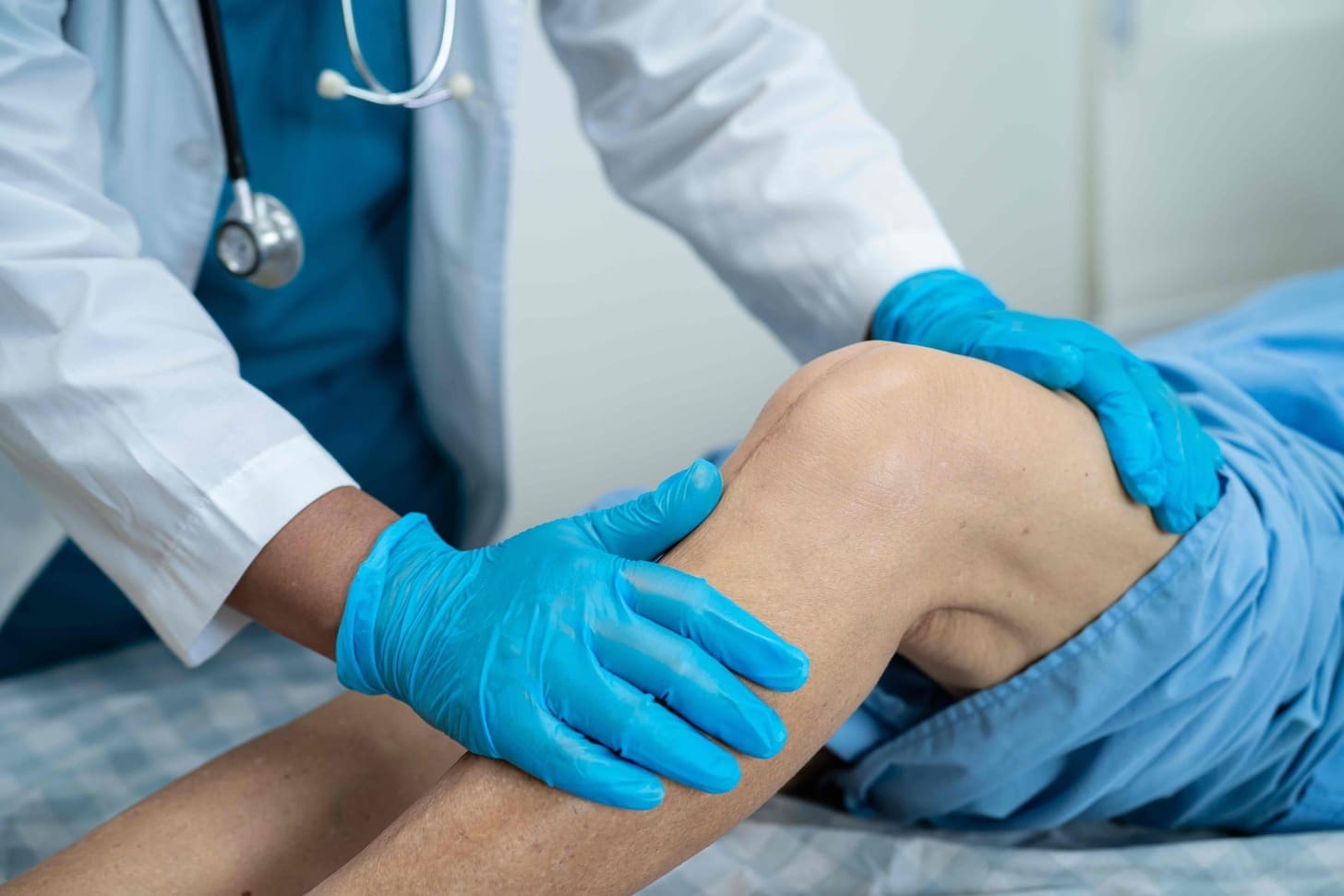
At Liv Hospital, we know how knee osteoarthritis affects daily life. For those with knee osteoarthritis in just one part, unicompartmental knee replacement is a good choice. We start with treatments like physical therapy, injections, and medicines to ease knee pain.
Our orthopedic team stresses the need to know about the benefits, recovery, and implant types in medial unicondylar knee arthroplasty. Learning these facts helps patients make better choices and get care tailored just for them.
Key Takeaways
- Unicompartmental knee replacement is a minimally invasive option for isolated knee osteoarthritis.
- Conservative treatments are considered before surgical interventions.
- Understanding the advantages and recovery process is key for making informed decisions.
- Various implant types are used in medial unicondylar knee arthroplasty.
- Liv Hospital offers expert, patient-focused care with the latest implant technologies.
What Is Unicompartmental Knee Replacement

Unicompartmental knee replacement is a treatment for knee osteoarthritis. It’s a good alternative to total knee replacement. Our goal is to improve your quality of life with effective treatments.
Definition and Basic Principles
Unicompartmental knee replacement, or partial knee replacement, targets the affected knee area. It keeps healthy bone and ligaments intact. This method aims to replace only the damaged part of the knee.
By doing so, it tries to keep the knee’s natural function and anatomy. Procedures like medial unicondylar knee arthroplasty are examples. They help patients with knee osteoarthritis in one area.
Compartmental Approach to Knee Osteoarthritis
The compartmental approach treats the specific knee area with osteoarthritis. Knee osteoarthritis can affect three main areas: medial, lateral, and patellofemoral. Unicompartmental knee replacement focuses on the affected area.
For more info, visit https://www.vejthani.com/health-article/unicompartmental/. This method is less invasive than total knee replacement. Success depends on accurate diagnosis and choosing the right patient.
The Science Behind Partial Knee Arthroplasty Surgery

Partial knee arthroplasty surgery relies on knowing how the knee works. The knee has three parts: medial, lateral, and patellofemoral. Each part is important for the knee’s function. Understanding how they work together is key to the success of the surgery.
Anatomical Considerations
When doing partial knee arthroplasty, knowing the knee’s anatomy is essential. The surgery fixes only the damaged part of the knee. This keeps healthy bone and ligaments intact. It’s important to know the patient’s knee well to place the implant right.
Keeping healthy parts of the knee and ligaments leads to better knee movement and happier patients. We use special imaging to see how bad the arthritis is. This helps us plan the surgery.
Biomechanical Advantages
Partial knee arthroplasty has big advantages over total knee replacement. It keeps the knee’s natural movement and reduces wear on the implant. Experts say keeping the knee’s ligaments, like the ACL, helps the knee move naturally.
“The key to successful partial knee arthroplasty is understanding the complex interplay between the knee’s anatomy and biomechanics.”
A study showed partial knee arthroplasty patients move better and have better knee function. Here are the main benefits of partial knee arthroplasty.
| Biomechanical Parameter | Partial Knee Arthroplasty | Total Knee Arthroplasty |
|---|---|---|
| Knee Kinematics | More natural | Less natural |
| Ligament Preservation | Preserved | Often sacrificed |
| Implant Wear | Reduced | Higher |
Surgical Technique Evolution
The way we do partial knee arthroplasty has changed a lot. New implants and tools have made the surgery more precise. This leads to better results and quicker recovery.
As technology gets better, we’re moving towards more personalized and less invasive surgeries. By using the latest tech and understanding the knee well, we can offer the best treatments for each patient.
Key Fact 1: Preserving Healthy Bone and Ligaments
Keeping the bone and ligaments healthy is key in partial knee arthroplasty. It helps patients move their knee more naturally after surgery. This is vital for a smooth recovery and better knee function.
Tissue Conservation Benefits
Partial knee arthroplasty focuses on saving healthy tissue. It only replaces the damaged part of the knee. This way, the healthy parts stay intact, making the knee feel and work more naturally.
This method also means less harm to the knee. Patients feel less pain and heal faster. Saving the ligaments is important because they help keep the knee stable and aware of its position.
Natural Knee Kinematics Maintenance
Keeping the knee’s natural movement is another big plus. The way the knee moves is key to its proper function. By keeping this natural, patients can walk and move their knee like before surgery.
This is done through careful surgery and saving the healthy tissues. Patients then enjoy a more natural knee function. This is important for everyday activities and sports.
Long-term Structural Advantages
There are lasting benefits to keeping the bone and ligaments healthy. A strong knee structure means a more durable and stable joint over time.
This stability is important for the implant’s long life and the knee’s health. It lowers the risk of future problems and the need for more surgery. This gives patients a lasting fix for their knee arthritis.
Key Fact 2: Ideal Candidates for PKR Surgery
Finding the right candidates for PKR surgery is a detailed process. We look at their knee health and overall well-being. This helps us decide if PKR is the best choice for them.
Diagnostic Criteria for Patient Selection
We check how severe knee osteoarthritis is and the patient’s health. We use X-rays and MRI to see how bad the osteoarthritis is. This helps us know which part of the knee needs help.
Key diagnostic factors include:
- The extent of osteoarthritis
- The specific compartment(s) of the knee affected
- The patient’s overall health and medical history
Age and Activity Level Considerations
Age and how active someone is matter a lot when picking PKR surgery candidates. Younger, more active people usually do better. They keep more of their healthy bone and ligaments.
It’s important to think about the patient’s age and activity level. We need to see how bad their osteoarthritis is. This helps us decide if PKR is right for them.
25-50% of Knee Osteoarthritis Cases
Research shows PKR works for about 25-50% of knee osteoarthritis cases. This shows PKR can help a lot of people. It helps keep healthy tissue and keeps the knee moving naturally.
Key Fact 3: Advantages Over Total Knee Replacement
Partial knee arthroplasty has many benefits over total knee replacement. It offers reduced pain and tissue trauma, a faster recovery timeline, and superior functional outcomes.
Reduced Pain and Tissue Trauma
Partial knee arthroplasty reduces pain and tissue trauma more than total knee replacement. It keeps healthy bone and ligaments intact. This leads to less pain and discomfort after surgery.
Studies show patients with partial knee arthroplasty feel less pain. They also need fewer pain medications during recovery.
Faster Recovery Timeline
Recovery from partial knee arthroplasty is quicker than total knee replacement. This is because it’s less invasive. It causes less damage to the knee.
Patients can usually get back to their normal activities faster. Many see big improvements in their condition within a few weeks.
“Partial knee replacement has been shown to result in faster recovery times and superior functional outcomes compared to total knee replacement.”
Superior Functional Outcomes
Partial knee arthroplasty also leads to better knee function than total knee replacement. It keeps the healthy parts of the knee intact. This allows for a more natural range of motion.
Patients often report better knee stability. They can do daily activities and sports without big limitations.
- Less invasive procedure: Results in less tissue trauma and damage.
- Faster recovery: Patients can return to normal activities more quickly.
- Improved knee function: Preserves healthy parts of the knee, allowing for a more natural range of motion.
We think partial knee arthroplasty is a great choice for many patients. It’s important to know the benefits and outcomes. This helps patients make the best decision for their treatment.
Key Fact 4: Types of Partial Knee Implants
Knowing about the different partial knee implants is key for making smart choices about knee surgery. We’ll look at the various options, including their designs, materials, and how long they last.
Fixed-Bearing vs. Mobile-Bearing Designs
Partial knee implants have two main designs: fixed-bearing and mobile-bearing. Fixed-bearing designs have a fixed bearing that moves with the femoral component, making them stable and simple. In contrast, mobile-bearing designs allow for more natural movement, as the bearing can move freely. This design aims to lessen wear and tear on the implant.
The choice between these designs depends on several factors. These include the patient’s anatomy, the surgeon’s preference, and the specific needs of the patient. Studies suggest that both designs can work well, with mobile-bearing designs possibly mimicking natural movement better.
Material Composition and Durability
The materials used in partial knee implants greatly affect their durability and performance. Common materials include:
- Cobalt-chromium alloys for their strength and resistance to corrosion
- Highly cross-linked polyethylene for less wear
- Titanium alloys for their biocompatibility and strength
The mix of these materials can greatly influence the implant’s lifespan and the patient’s results. Recent breakthroughs in material science have improved durability and reduced complication risks.
Implant Longevity of 10-15 Years
Recent studies indicate that partial knee implants last about 10-15 years on average. This timeframe can change based on several factors, like the patient’s age, activity level, and the implant design. Choosing the right patient and using the best surgical techniques are key to a long-lasting implant.
To extend the implant’s life, patients are often given post-operative care and rehabilitation advice. By following these tips, patients can see better knee function and lower complication risks.
Key Fact 5: Advanced Robotic-Assisted Techniques
Advanced robotic-assisted techniques are making partial knee arthroplasty more precise. This change is thanks to technology, which is greatly improving patient care.
Computer Navigation Benefits
Computer navigation is a big part of robotic-assisted surgery. It gives real-time feedback during surgery. This ensures the plan is followed accurately.
It also helps in reducing errors and improving surgery outcomes.
The benefits of computer navigation include:
- Enhanced accuracy in implant placement
- Improved alignment of the knee joint
- Reduced risk of complications
Precision in Uni Arthroplasty Knee Procedures
Robotic-assisted surgery makes uni arthroplasty knee procedures more precise. The technology helps surgeons do complex tasks better. This precision is key for the best results and lasting implants.
Outcome Comparisons with Traditional Methods
Studies have shown robotic-assisted uni arthroplasty has better results than traditional methods. Patients often have less pain and recover faster.
| Outcome Measure | Robotic-Assisted Surgery | Traditional Surgery |
|---|---|---|
| Pain Reduction | 85% | 70% |
| Recovery Time | 6 weeks | 8 weeks |
| Implant Longevity | 15 years | 12 years |
These results show robotic-assisted techniques are a big plus for partial knee arthroplasty. They offer better precision and outcomes for patients.
Key Fact 6: Recovery After Unicompartmental Knee Arthroplasty
Recovery after unicompartmental knee arthroplasty is key to the surgery’s success. A well-planned recovery is vital for the best results. It helps you get back to your daily life and sports.
Immediate Post-Operative Protocol
The first steps after surgery aim to manage pain and swelling. They also focus on getting you moving early. This is important for healing and avoiding complications.
- Effective pain management through a combination of medications and therapies
- Early mobilization to prevent stiffness and promote healing
- Monitoring for possible complications, such as infection or deep vein thrombosis
A top orthopedic surgeon, stresses the importance of a good post-op plan. “A well-structured post-operative protocol is critical in setting the stage for a successful recovery.”
“The first few days after surgery are key. Patients should gently move their knee and elevate their leg to reduce swelling.”
Rehabilitation Process and Milestones
The rehab process after unicompartmental knee arthroplasty has key milestones. These are steps you need to take before you can go back to your usual activities and sports. Here are the main stages:
| Stage | Milestones | Timeline |
|---|---|---|
| Early Rehabilitation | Regaining knee flexion, strengthening surrounding muscles | 0-6 weeks |
| Intermediate Rehabilitation | Improving knee stability, increasing proprioception | 6-12 weeks |
| Advanced Rehabilitation | Returning to sports and high-level activities | 3-6 months |
Return to Daily Activities and Sports
Unicompartmental knee arthroplasty can lead to a quicker recovery. This means you might get back to your daily life and sports faster than with a total knee replacement. PKR knee surgery and hemiarthroplasty knee procedures often result in faster rehab times.
In conclusion, the recovery after unicompartmental knee arthroplasty is complex and unique to each person. Knowing the immediate post-op plan, rehab milestones, and when you can return to activities helps prepare you for a successful outcome.
Key Fact 7: Natural Knee Movement Post-Surgery
Partial knee arthroplasty surgery can lead to natural knee movement after surgery. This is thanks to the biomechanical advantages of unilateral knee replacement. It keeps more of the patient’s natural knee structure and ligaments intact.
Biomechanical Advantages of Unilateral Knee Replacement
Unilateral knee replacement, like medial unicompartmental knee replacement, has many benefits. It preserves the healthy parts of the knee and keeps the natural ligaments. This allows patients to walk and move their knee more like before.
A leading orthopedic surgeon says, “Keeping the natural anatomy is key for the best results in knee replacement surgery.”
“The goal of unicompartmental knee replacement is to restore the natural kinematics of the knee, allowing patients to return to their normal activities with minimal limitations.”
Keeping healthy bone and ligaments is key for natural knee movement. Studies show that patients with unilateral knee replacement do better and are happier than those with total knee replacement.
Proprioception and Joint Awareness
Proprioception, or knowing where your knee is, is also important. Unilateral knee replacement keeps the natural proprioception of the knee. This helps with better joint awareness and knee function.
Patient Satisfaction Metrics
People who get unilateral knee replacement are very happy with their results. They feel less pain, move better, and live better lives. This is because they can move their knee naturally after surgery.
We’ve seen that patients with partial knee arthroplasty are very happy. They like how their knee feels and moves after surgery. This shows that unilateral knee replacement works well to restore natural knee function.
Comparing Different Approaches: Medial UKR vs. Hemiarthroplasty Knee
Two main surgeries treat knee osteoarthritis: medial UKR and hemiarthroplasty knee. The choice depends on how bad the osteoarthritis is, the patient’s health, and the surgeon’s opinion.
Procedural Differences
Medial UKR replaces just the damaged part of the knee. It keeps the rest of the knee intact. Hemiarthroplasty knee replaces the damaged joint surface but not the whole knee.
Key procedural differences include how much tissue is removed and the prosthetic used. Medial UKR has a smaller incision and less tissue damage than total knee replacement. Hemiarthroplasty knee is for patients with more focused damage.
Outcome Variations
Results for medial UKR and hemiarthroplasty knee differ based on who gets the surgery and how it’s done. Both can greatly reduce pain and improve function.
A study showed that patients with medial UKR were happier with their surgery. They felt their knee felt more natural after. But, results can vary, and the best choice depends on each patient.
Patient-Specific Selection Criteria
Choosing the right surgery depends on patient-specific factors. These include how bad the osteoarthritis is, age, how active the patient is, and overall health. For example, medial UKR is often suggested for those with osteoarthritis in just one part of the knee.
In summary, both medial UKR and hemiarthroplasty knee are good for treating knee osteoarthritis. Knowing their differences is key to making a good choice. By looking at procedural differences, outcome variations, and patient-specific selection criteria, doctors can tailor treatments to each patient’s needs.
Potential Risks and Complications
It’s important for patients to know about the risks of partial knee arthroplasty. This surgery has many benefits. But, it’s key to know about possible problems that can happen.
Common Adverse Events
Partial knee arthroplasty, like any surgery, has risks. Some common adverse events include:
- Infection: There’s a chance of infection with this surgery.
- Implant failure: The artificial parts might not last forever.
- Nerve damage: Nerves near the knee can get hurt during the surgery.
- Blood clots: Deep vein thrombosis is a risk after big surgeries.
Knowing these risks helps us take steps to lower them.
Risk Mitigation Strategies
We use risk mitigation strategies to lower the chance of problems:
- Pre-operative screening: We carefully choose patients and check them before surgery.
- Surgical precision: Advanced techniques and tools, like robots, help us be more accurate and cause less damage.
- Post-operative care: We have detailed plans for after surgery to watch for and handle any issues.
These steps help us reduce risks and improve results for patients.
When Revision Surgery May Be Needed
Even with our best efforts, sometimes complications happen or the first surgery doesn’t work as hoped. Revision surgery might be needed for:
- Implant wear or failure
- Continued pain or instability
- Infection that can’t be treated with other methods
Revision surgery is considered after careful evaluation and talking with the patient about the risks and benefits.
Understanding the risks of partial knee arthroplasty helps patients make better choices. We aim to support patients fully during treatment to get the best results.
Conclusion
Partial knee arthroplasty surgery is a great option for those with knee osteoarthritis. Knowing the facts about it helps patients make smart choices. Our team is here to give the best care for those getting this surgery.
We aim to offer top-notch healthcare to patients from everywhere. Our team is ready to meet the special needs of international patients. We provide full support and guidance from start to finish.
FAQ
What is partial knee arthroplasty surgery?
Partial knee arthroplasty surgery is a less invasive procedure. It targets the part of the knee with osteoarthritis. This way, it keeps the healthy parts of the knee intact.
What are the benefits of preserving healthy bone and ligaments in partial knee arthroplasty?
Keeping the healthy parts of the knee has many benefits. It helps in conserving tissue and keeping the knee’s natural movement. This leads to better results and a more natural feeling after surgery.
Who are the ideal candidates for partial knee replacement (PKR) surgery?
PKR surgery is best for those with osteoarthritis in just one part of the knee. They are usually between 25-50% of cases. Age and activity level also play a role in choosing the right patient.
How does partial knee arthroplasty compare to total knee replacement?
PKA has several advantages over total knee replacement. It causes less pain and trauma, has a quicker recovery, and better results. This makes the recovery process smoother and improves knee function.
What types of partial knee implants are available?
There are different types of partial knee implants. They include fixed-bearing and mobile-bearing designs. The materials used affect how long they last, usually around 10-15 years.
How has robotic-assisted surgery improved partial knee arthroplasty outcomes?
Robotic-assisted surgery has greatly improved PKA results. It offers better precision and outcomes. This leads to better results for patients compared to traditional methods.
What is the recovery process like after unicompartmental knee arthroplasty?
The recovery starts right after surgery. It involves a rehabilitation process with specific goals. Gradually returning to daily activities and sports is part of the process. It requires careful planning for successful outcomes.
Can partial knee arthroplasty restore natural knee movement?
Yes, PKA can restore natural knee movement. It offers biomechanical advantages and better joint awareness. This results in high patient satisfaction and improved function.
What are the differences between medial UKR and hemiarthroplasty knee?
Medial UKR and hemiarthroplasty knee have different approaches and outcomes. Each has its own selection criteria. Choosing the right option depends on the individual patient’s needs.