Last Updated on November 27, 2025 by Bilal Hasdemir
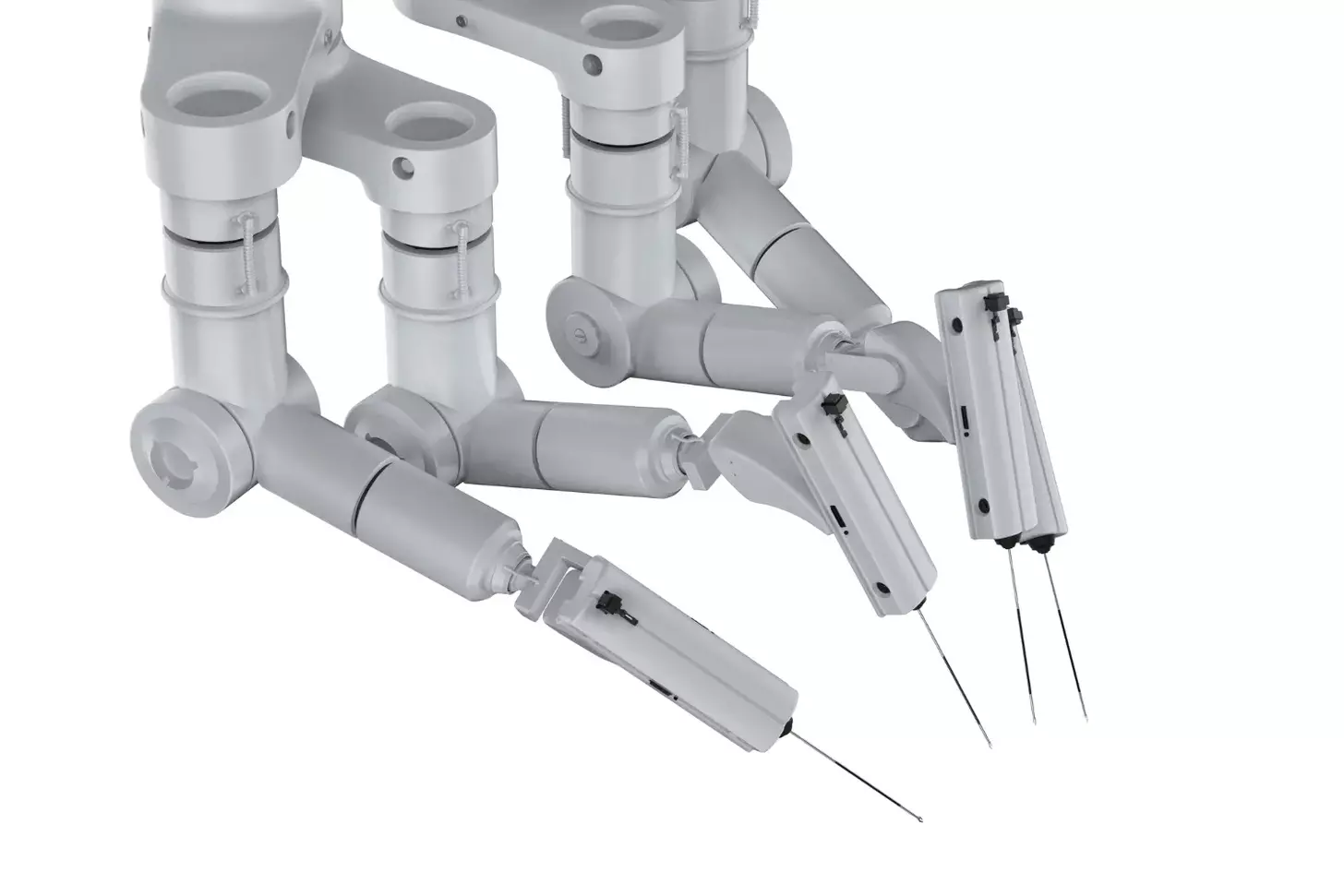
The da Vinci robotic surgery system is changing surgery a lot. It makes surgery more precise and controlled. This lets doctors do more complex surgeries with less trouble.
By 2025, the da Vinci system had done over 14 million surgeries worldwide. This shows it’s very reliable and good at robotic-assisted surgery. It gives doctors a clear, 3D view of what they’re doing. This helps them move more accurately and make smaller cuts.
At Liv Hospital, we use the da Vinci system to give top-notch healthcare. We make sure our patients get the best and most precise surgery care.
Key Takeaways
- The da Vinci robotic surgery system enhances precision and control in console surgery.
- Over 14 million procedures have been performed worldwide using this system as of 2025.
- The system offers a high-definition, 3D view of the surgical site.
- It enables surgeons to perform complex procedures with greater ease and minimal invasiveness.
- Liv Hospital utilizes the da Vinci system to provide advanced surgical care.
The Evolution of Surgical Precision: Understanding Robotic-Assisted Surgery
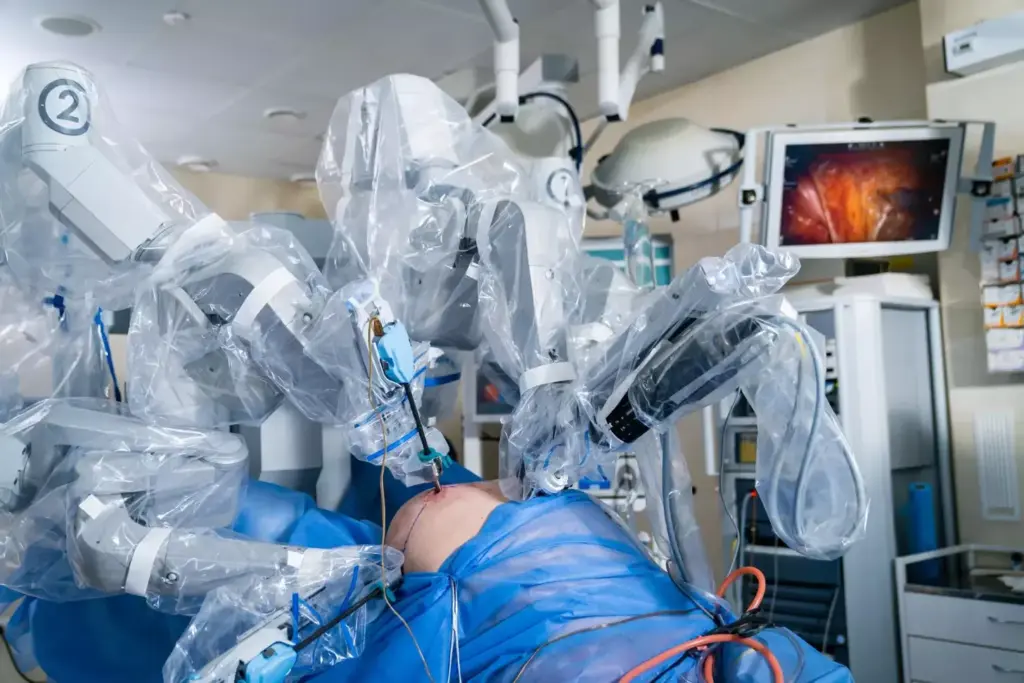
Robotic-assisted surgery has changed the medical world, bringing new precision and control. This change is big, with systems like the da Vinci Surgical System at the forefront.
From Traditional to Robotic Surgery: A Paradigm Shift
The move from old to new surgery methods is huge. Robotic-assisted surgery brings minimally invasive procedures with better dexterity and vision. The main benefits are:
- Less harm to the patient
- Quicker recovery times
- Better precision and control
Thanks to advanced tech, like the da Vinci Surgical System, these changes are happening. This system is used in many surgical areas.
The Impact on Modern Surgical Practices and Patient Outcomes
Robotic-assisted surgery has greatly changed surgery and patient results. Studies show it leads to better outcomes and fewer problems. For example, the da Vinci Surgical System makes complex surgeries easier and more precise. This helps patients in many ways:
- Smaller cuts mean less scarring
- Less blood loss during surgery
- Shorter hospital stays
As we keep improving in surgical robotics, it’s clear robotic-assisted surgery will be key in healthcare’s future.
Historical Development of the Da Vinci Surgical System
The Da Vinci system has changed surgery worldwide. It started many years ago. The first Da Vinci Surgical System got FDA approval in 2000.
Origins and Early Innovations by Intuitive Surgical
Intuitive Surgical began in 1995. They wanted to make surgery better with less invasion. Their early work was on a robotic system that could move like a surgeon’s hands.
“The development of the Da Vinci System marked a significant shift towards robotic-assisted surgery, allowing surgeons to do complex procedures with better dexterity and control.”
Generations of Innovation: From First Model to Da Vinci 5
Intuitive Surgical has kept improving the Da Vinci system. The first one was just the start. The Da Vinci Si and Da Vinci Xi brought better vision and more features. The Da Vinci 5 is the latest, with even better vision and tools.
| Model | Key Features | Release Year |
|---|---|---|
| Da Vinci | First generation, initial FDA approval | 2000 |
| Da Vinci S | Enhanced visualization, improved patient cart | 2006 |
| Da Vinci Si | High-definition 3D vision, advanced instrumentation | 2009 |
| Da Vinci Xi | Improved patient cart, enhanced visualization | 2014 |
| Da Vinci 5 | Next-generation vision system, advanced ergonomics | 2023 |
The Da Vinci system has a special setup for surgery. It has a console, patient cart, and vision cart. The Da Vinci 5 is the latest, with top-notch precision and control.
The Davinci Robot: Core Architecture and System Components
The da Vinci system is at the center of robotic surgery. It combines a surgeon console, patient cart, and vision cart. This setup lets surgeons work with great precision and control.
The Three-Part System
The da Vinci system has three key parts. The surgeon console lets the surgeon control the robotic arms. It’s designed to reduce fatigue during long surgeries. The console also has high-definition 3D visualization for a detailed view of the surgery site.
The patient cart interacts directly with the patient. It has robotic arms that hold surgical tools. These arms move like a human wrist, making precise cuts and stitches. The patient cart is controlled by the surgeon from the console.
The vision cart has the camera and light for clear views of the surgery. It uses advanced image processing for the best possible view for the surgeon.
Seamless Operation
The da Vinci system’s parts work together smoothly. The surgeon’s actions at the console are translated into precise movements by the robotic arms. This allows for delicate tasks that are hard or impossible with traditional surgery.
This setup brings enhanced precision, improved dexterity, and better visualization to surgery. Patients get to enjoy less invasive procedures. This means faster recovery times and less damage to the body.
Feature 1: Ergonomic Surgeon Console Design for Enhanced Control
The da Vinci robot has an ergonomic surgeon console. It’s designed to boost precision and cut down on fatigue. This console is where the surgeon sits and controls the robot’s actions with great accuracy.
Comfort Meets Precision: The Surgeon’s Interface
The design of the surgeon console is key for successful console surgery. It lets surgeons work for longer without getting tired. This is thanks to its comfy seating and adjustable settings.
Key Features of the Ergonomic Console:
- Adjustable ergonomic seating
- High-resolution display for clear visualization
- Intuitive controls for precise manipulation
Intuitive Controls and Immersive Surgical Experience
The da Vinci robot’s console has intuitive controls for a deep surgical experience. Surgeons can move the robot’s arms with exactness. This is thanks to the console’s advanced design.
“The ergonomic design of the da Vinci console allows for a more natural surgical experience, improving both precision and comfort.” – Expert in Robotic Surgery
This ergonomic design brings many benefits. It makes the surgeon’s job better and improves patient results. A look at traditional surgery versus robotic-assisted surgery with the da Vinci system shows these benefits.
| Feature | Traditional Surgery | Da Vinci Robotic Surgery |
|---|---|---|
| Surgeon Comfort | Limited by traditional instrumentation | Enhanced by ergonomic console design |
| Precision | Dependent on surgeon skill | Augmented by intuitive controls and robotic precision |
| Visualization | Often limited by the human eye | High-definition 3D visualization |
The da Vinci robot’s ergonomic surgeon console is a big step forward in surgery. It combines comfort with precision, making the surgery better for everyone involved.
Feature 2: High-Definition 3D Vision System for Surgical Clarity
The da Vinci robotic surgery system has a high-definition 3D vision system. This is a big step forward in surgery. It lets surgeons see the surgical area very clearly.
Immersive Visualization Technology
The 3D vision system gives immersive visualization. This means surgeons can work more precisely and confidently. They can see small details in the surgical area, making their work more accurate.
Benefits of Enhanced Visual Feedback During Complex Procedures
Getting clear feedback is key in complex surgeries. The da Vinci system’s 3D vision gives real-time feedback. This helps surgeons make exact movements and adjustments.
Experts say this clear vision makes surgeons better at complex operations. It leads to better results for patients.
This clear feedback also means surgeons can be more accurate. It lowers the chance of complications and makes patients safer. Using the da Vinci system’s advanced vision, surgeons can do their best work in tough surgeries.
Feature 3: Advanced Da Vinci Arms with Revolutionary EndoWrist Technology
The Da Vinci arms have EndoWrist instruments. They offer unprecedented precision in complex surgeries.
The Da Vinci robotic surgery system has advanced arms with EndoWrist technology. This innovation has changed minimally invasive surgery. It gives a range of motion and precision control not seen with traditional instruments.
Surpassing Human Capabilities: The EndoWrist Advantage
EndoWrist technology mimics the human wrist. It allows for seven degrees of freedom and 360-degree rotation. This lets surgeons do complex tasks easily, even in tight spaces.
Using EndoWrist instruments, surgeons can do things that humans can’t. This is great for delicate procedures that need precise handling.
Range of Motion and Precision Control in Confined Spaces
The Da Vinci arms with EndoWrist technology offer enhanced range of motion and precision control in tight spaces. This helps surgeons do complex tasks with better accuracy and less damage to tissues.
EndoWrist technology improves surgical results, shortens recovery times, and boosts patient safety. It lets surgeons provide top-notch care and get the best results in many surgical areas.
Feature 4: Minimally Invasive Capabilities Across Multiple Specialties
The Da Vinci system has changed how we do surgery, making it less invasive. This has helped many specialties. It means patients can have big surgeries with less pain and heal faster.
1-2 cm Incisions: Patient Benefits and Recovery Advantages
The Da Vinci system lets surgeons make tiny cuts, just 1-2 cm. This means less damage and quicker healing. Patients feel less pain, have a lower chance of infection, and get less scarring. They also get to go home sooner and get back to their lives faster.
Less invasive surgery means fewer complications and faster recovery. The Da Vinci system lets surgeons do complex tasks with more precision. This leads to better results for patients.
Specialty Applications: From Urology to Cardiac Surgery
The Da Vinci system is used in many areas of surgery. It’s used in urology, cardiac surgery, gynecology, and general surgery. It helps surgeons give the best care for each patient’s needs.
We use the Da Vinci system for many complex surgeries. This includes prostate and hysterectomies, and heart surgeries. The system’s high-definition 3D view and precise tools help surgeons work in complex areas. This leads to better results in tough cases.
The Da Vinci system is key in making surgery better. As we keep using it, we expect to see even better results. It will help more specialties and improve surgery worldwide.
Feature 5: Force Feedback Technology in the Latest Da Vinci System
The Da Vinci 5 is the latest in robotic surgery systems. It brings a new feature called Force Feedback technology. This technology lets surgeons feel what they’re doing, making their work more precise.
Tactile Sensation in Robotic Surgery: Closing the Feedback Loop
Force Feedback technology, or haptic feedback, is a big step forward. It lets surgeons feel what they’re doing, which is key for detailed surgeries. This technology connects the surgeon’s hands to the tools, making their movements more accurate.
With the Da Vinci 5, surgeons can handle tissues and tools better. This is great for surgeries that need a lot of care, like neurosurgery and microsurgery.
Clinical Advantages of Haptic Feedback in Delicate Procedures
Haptic feedback in robotic surgery has many benefits. It gives surgeons real-time feedback, helping them avoid damaging tissues. This is very important for surgeries that deal with very delicate or critical areas.
Let’s look at how haptic feedback improves surgery outcomes:
| Procedure | Without Haptic Feedback | With Haptic Feedback |
|---|---|---|
| Neurosurgery | Higher risk of tissue damage | Improved precision, reduced risk |
| Microsurgery | Challenging to handle delicate structures | Enhanced control, better outcomes |
The Da Vinci 5’s Force Feedback technology is a big step in robotic surgery. It makes surgeries more precise and improves patient care. As robotic surgery grows, technologies like haptic feedback will be key in its future.
Feature 6: Next-Generation Imaging and Surgical Navigation
The da Vinci robotic surgery system is a big step forward in surgery. It has new imaging features that help surgeons see better during operations. This makes surgeries more precise and safe.
Advanced Visualization Beyond Standard Optics
The da Vinci system’s new imaging tech offers advanced visualization. It shows the surgical area more clearly than usual. This helps surgeons do complex surgeries with better accuracy.
Some key benefits of this advanced vision are:
- Enhanced clarity and detail during surgery
- Improved ability to identify critical structures
- Better differentiation between tissues and structures
Integration with Pre-operative Imaging and Real-time Guidance
The da Vinci system works with pre-operative images. This lets surgeons plan the surgery before it starts. It also gives real-time guidance during the surgery, making it more accurate and effective.
This integration brings many benefits, including:
- More accurate preoperative planning
- Enhanced situational awareness during surgery
- Improved precision in complex procedures
With next-generation imaging and surgical navigation, the da Vinci system is leading the way in surgery. We expect this technology to keep getting better. It will help surgeons do their jobs even better and improve patient care.
Feature 7: Surgeon-Controlled Operation for Complex Interventions
The da Vinci system makes complex surgeries easier. It gives surgeons more control and precision. This robotic surgery system helps with surgeon-controlled operation. It lets surgeons do detailed work with less invasion.
Maintaining Surgeon Autonomy While Enhancing Capabilities
The da Vinci system keeps surgeon autonomy while boosting their skills. Surgeons use a console for a clear view of the surgery area. This setup helps them do complex surgeries with better accuracy and less tiredness.
Training and Certification for Da Vinci Console Surgery
To use the da Vinci system safely and well, training and certification programs are offered. These programs teach the basics of robotic surgery and how to use the da Vinci system. Surgeons also get hands-on practice. This training helps them feel confident and skilled in doing complex surgeries.
The da Vinci system’s surgeon-controlled operation and training programs are very helpful. They let surgeons get better results for their patients. At the same time, they keep their control in the operating room.
Conclusion: The Future of Precision with the Da Vinci Robotic Surgery System
The da Vinci robotic surgery system is a big step forward in surgery. It lets surgeons do complex operations with great precision. This is thanks to its high-definition 3D vision and instruments that move like a human wrist.
This system makes it possible to do surgeries through small cuts. It’s a game-changer for many types of surgeries. For example, in urology, gynecology, and colorectal surgery, it’s making a big difference.
FAQ
What is the da Vinci robotic surgery system?
The da Vinci robotic surgery system is a new way to do surgery. It lets surgeons do complex tasks with more precision and control.
How does the da Vinci system improve surgical precision?
It uses high-definition 3D vision and special wrist-like tools. These features help surgeons move more accurately and control their actions better.
What are the benefits of using the da Vinci system for surgical procedures?
Using the da Vinci system means smaller cuts, less blood loss, and faster healing. It also leads to better results for patients.
What specialties can the da Vinci system be used for?
It’s used in many areas like urology, cardiac surgery, gynecology, and general surgery. It’s versatile and effective.
How does the da Vinci system’s EndoWrist technology enhance surgical capabilities?
The EndoWrist technology gives surgeons more control and precision. It makes it easier to do complex tasks during surgery.
What is the significance of the da Vinci system’s high-definition 3D vision system?
The 3D vision system offers clear and detailed views of the surgical area. It helps surgeons see better and work more accurately.
How does the da Vinci system maintain surgeon autonomy during procedures?
The system is made to keep surgeons in charge. It lets them make precise decisions and adjustments as needed.
What kind of training is required to operate the da Vinci system?
Surgeons need special training and certification to use the da Vinci system. This ensures they can use its advanced features well.
How does the da Vinci system’s Force Feedback technology enhance surgical procedures?
The Force Feedback technology gives surgeons real-time feedback. It helps them feel what they’re doing, making delicate tasks easier.
What is the future of precision surgery with the da Vinci robotic surgery system?
The da Vinci system is set to keep improving surgery. It will help surgeons do even more complex tasks with better results and faster recovery times.