Last Updated on November 27, 2025 by Bilal Hasdemir
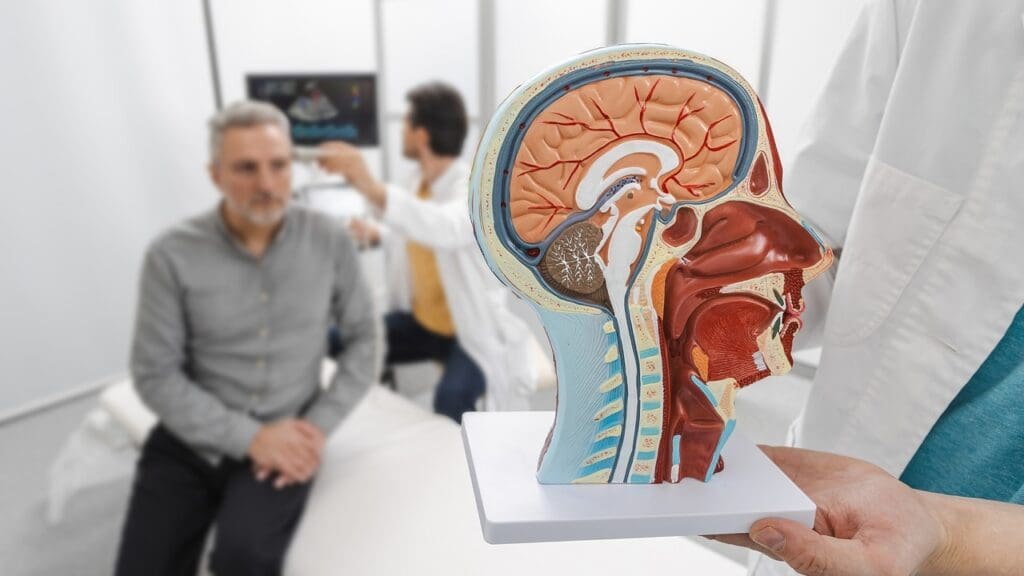
Having surgery for a brain tumor is a big step towards getting better. But knowing what to expect during recovery is key. At Liv Hospital, we know every patient’s path is different. This depends on the surgery type and their health.
The recovery time can vary a lot. It can be weeks or even months. Thanks to new surgical methods, many patients live longer and better lives. Most see big improvements in three to six months. But some might need up to a year to fully heal physically, mentally, and emotionally.
Key Takeaways
- Recovery time varies significantly among patients.
- Most patients see significant improvement within three to six months.
- Some patients may require up to a year for full recovery.
- Liv Hospital provides extensive support during the recovery journey.
- Advances in surgical techniques have improved patient outcomes.
The Brain Tumor Removal Process: Setting Recovery Expectations
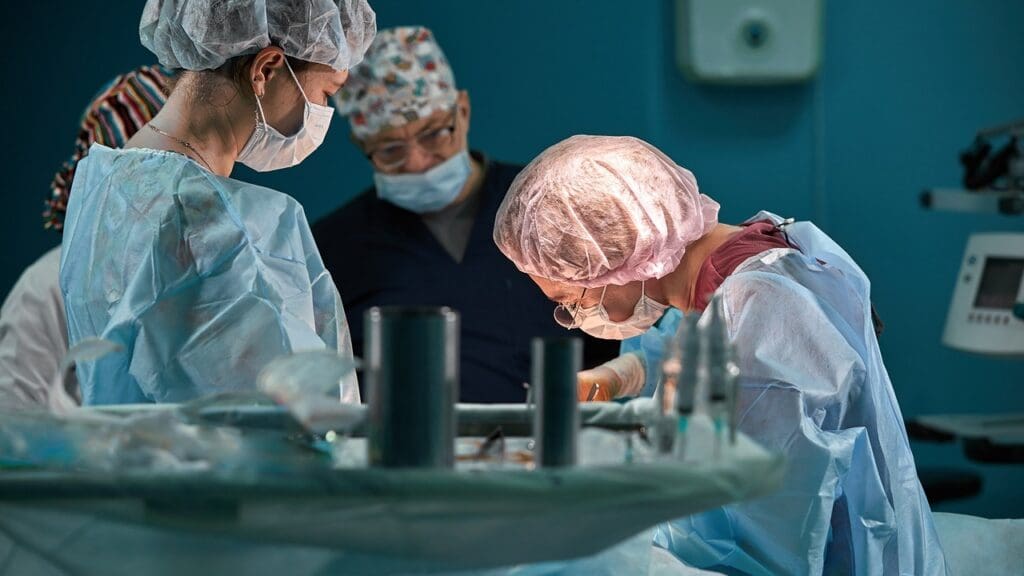
It’s important for patients to know about brain tumor removal. This process includes planning, precise surgery, and understanding recovery factors.
Modern Surgical Approaches for Brain Tumor Extraction
Modern surgery has changed brain tumor removal. Neurosurgical navigation systems and intraoperative MRI make surgeries safer and more accurate. “The extent of resection matters for certain tumor types, such as IDH-mutant astrocytoma, where gross total resection is associated with better overall survival,” showing the need for precise surgery.
Factors Affecting Recovery Outcomes
Many things affect how well someone recovers after brain surgery. These include the tumor’s type and location, and the patient’s age and health.
Tumor Type and Location
The tumor’s type and where it is affect surgery complexity and recovery. Tumors in sensitive brain areas may need more careful surgery, which can impact recovery time.
Patient Age and Overall Health
A patient’s age and health are key in recovery. Younger patients with fewer health issues usually recover better. As we say, “The patient’s overall health is a significant predictor of their ability to recover from brain surgery.”
Knowing these factors helps patients and their families set realistic recovery goals. This way, they can better prepare for the recovery journey.
Step 1: Navigating the Immediate Post-Surgical Period
After brain tumor removal surgery, the first few days are key. We watch closely to help you heal well.
What to Expect During Hospital Stay (3-10 Days)
Patients usually stay in the hospital for 3 to 10 days after surgery. Our team keeps a close eye on you. They manage any pain or issues that might arise.
This time lets us adjust your care if needed. It’s all about making sure you get better.
Critical Monitoring and Initial Recovery Milestones
In the hospital, we watch for signs of recovery and any problems. We track your progress, like getting stronger and thinking clearer. We also help with pain and discomfort.
This careful watching helps us fix any issues fast. It lets us change your care plan if needed.
Managing Post-Operative Symptoms
Handling symptoms right after surgery is very important. We use medicine and other methods to ease pain and prevent infection. Our team helps you get back to doing things you love.
By the time you leave the hospital, you and your family will know what to do next. We give you all the help and information you need for a smooth recovery at home.
Step 2: Preparing for the Transition to Home Care
The journey to recovery continues at home. Preparing for this transition is a critical step after brain tumor removal. It’s important to ensure patients have the support and resources they need for a smooth recovery.
Creating a Recovery-Friendly Home Environment
Creating a recovery-friendly home environment is key. It involves making adjustments for comfort and safety. This might include rearranging spaces to reduce physical strain and removing hazards.
We advise patients to prepare their home in advance. This helps avoid unnecessary exertion after discharge.
Essential Supplies and Equipment
Having the right supplies and equipment at home is vital. This includes medical supplies, comfortable bedding, and assistive devices. We help patients identify their specific needs and ensure they have everything for a comfortable recovery.
Establishing a Support System
A robust support system is essential for patients recovering from brain tumor surgery. This includes family, friends, and healthcare professionals. They can assist with daily tasks, medication management, and emotional support.
For more information on preparing for home care, patients can visit resources like The Brain Tumour Charity.
| Support System Component | Description | Benefits |
|---|---|---|
| Family and Friends | Assistance with daily tasks and emotional support | Reduces patient stress and promotes recovery |
| Healthcare Professionals | Medical guidance and post-operative care | Ensures proper wound care and manages complications |
| Home Care Services | Professional in-home care for daily needs | Provides additional support and respite for family caregivers |
By focusing on these key areas, patients can ensure a successful transition to home care. They can continue their recovery journey with confidence.
Step 3: Physical Rehabilitation Strategies for Brain Tumor Removal Recovery
Physical rehabilitation is key for patients to get back their strength and mobility after brain tumor surgery. We know the recovery can be tough. But with the right strategies, patients can reach their best outcomes.
Common Physical Challenges After Brain Surgery
Patients often face physical challenges after brain tumor surgery. These include weakness, numbness, and trouble with balance and coordination. The challenges depend on the tumor’s location and the surgery’s extent.
Working With Physical Therapists
Working with physical therapists is vital for recovery. They help patients create exercise plans to boost strength, flexibility, and mobility. We support our patients to help them in their physical rehabilitation journey.
Gradual Progression of Physical Activities
It’s important to gradually increase physical activities for a successful recovery. We suggest starting with gentle exercises and then increasing the intensity and duration. This method prevents overexertion and helps with steady progress.
Some key strategies for physical rehabilitation after brain tumor surgery include:
- Starting with gentle exercises like stretching and short walks
- Gradually increasing the intensity and duration of physical activities
- Working with a physical therapist to develop a personalized exercise program
- Monitoring progress and adjusting the rehabilitation plan as needed
By using these strategies, patients can improve their physical function and enhance their quality of life.
Step 4: Addressing Cognitive and Neurological Recovery
Cognitive and neurological recovery is key for brain tumor patients. After surgery, they face challenges that need special care. Our programs are designed to help with these issues.
Memory and Concentration Rehabilitation
Improving memory and concentration is vital. Our methods include memory exercises and new ways to do tasks. These help patients regain their independence.
A leading neurologist says, “Cognitive rehab is about recovering and adapting.”
“The goal is to help patients achieve the best possible quality of life.”
Speech and Language Therapy Approaches
Speech and language therapy is critical for communication issues after surgery. Our therapists create plans for each patient’s needs.
| Therapy Approach | Description | Benefits |
|---|---|---|
| Language Exercises | Targeted exercises to improve language skills | Enhanced communication |
| Speech Therapy | Therapy to address speech difficulties | Improved articulation and fluency |
Cognitive Exercises to Promote Healing
Cognitive exercises are important for healing. They include puzzles, memory games, and problem-solving tasks. These activities boost brain health.
Cognitive Exercises:
By using these strategies, patients can regain their cognitive and neurological abilities. This improves their overall quality of life.
Step 5: Managing Emotional and Psychological Wellbeing
Recovering from brain tumor surgery is more than just physical healing. It also involves emotional and psychological wellbeing. Patients face many challenges after surgery, making emotional support key. We know that taking care of your emotional and psychological health is essential for a full recovery.
COPING WITH ANXIETY AND DEPRESSION
Many patients feel anxious and depressed after surgery. It’s important to recognize these feelings and seek help. Working with mental health professionals can help develop coping strategies and manage symptoms.
Some effective ways to cope include:
- Mindfulness and meditation practices
- Journaling or expressive writing
- Engaging in hobbies or creative activities
Support Groups and Counseling Options
Support groups and counseling are big helps in dealing with anxiety and depression. We suggest patients look into these options to find what suits them best. Support groups offer a sense of community, while counseling provides personalized help.
“Support groups were invaluable to me. Being surrounded by people who understood what I was going through made a huge difference in my recovery.”
Family Involvement in Emotional Recovery
Family support is critical during this tough time. We encourage family members to learn about the patient’s condition, join support groups, and actively help in the recovery.
Together, patients, families, and healthcare providers can build a strong support system. This system focuses on emotional and psychological wellbeing, improving the recovery journey.
Step 6: Optimizing Nutrition and Lifestyle for Brain Healing
A well-balanced diet and a healthy lifestyle are key for the brain’s recovery after surgery. We know that what we eat and how we live affect our brain’s healing.
Brain-Healthy Dietary Recommendations
Eating foods rich in nutrients is important for brain healing. Include foods high in antioxidants like fruits, vegetables, and nuts. Also, eat foods with omega-3 fatty acids, such as fish and flaxseeds. Avoid processed foods and sugars to reduce inflammation and aid recovery.
Sleep Optimization Techniques
Getting enough sleep is vital for brain recovery. Try to sleep at the same time every night and make your bedroom a sleep haven. Avoid activities that excite you before bed. Relaxation and meditation can also improve your sleep.
Balancing Rest and Activity
It’s important to find the right mix of rest and activity. Start with gentle exercises like stretching and short walks. Remember to rest when your body needs it, as too much activity can slow healing.
By eating right, getting enough sleep, and balancing rest and activity, you can help your brain heal after surgery.
Step 7: Long-term Monitoring and Follow-up Care
After brain tumor surgery, patients need ongoing care to catch any problems early. The recovery doesn’t stop when you leave the hospital. It’s just the start of a key phase that needs close watching and follow-up.
Typical Follow-up Schedule After Brain Tumor Surgery
After surgery, you’ll see your neurosurgeon and other doctors regularly. These visits start often and then get less frequent as you get better. It’s important to keep these appointments to catch any issues early.
Imaging and Testing Protocols
Tests like MRI or CT scans are key to watching how you’re doing and spotting problems. We do these tests at set times, based on your doctor’s plan. Other tests might check how your brain and body are working.
Recognizing Signs of Possible Complications
It’s important for patients and their families to know the signs of trouble. Look out for headaches, confusion, weakness, or seizures. If you notice these, call your doctor right away. Catching problems early can really help your recovery.
With a good follow-up plan, we can help you get the best results after brain tumor surgery. Our team is here to support you every step of the way.
Recovery Expectations for Different Types of Brain Tumors
The recovery path after brain tumor surgery changes a lot based on the tumor type. Knowing the recovery differences helps patients and their families get ready for what comes next.
Benign vs. Malignant Tumor Recovery Timelines
The type of brain tumor, benign or malignant, greatly affects recovery time. Benign tumors are non-cancerous and usually have a better outlook and shorter recovery. People with benign tumors often get back their brain functions faster.
Malignant tumors, on the other hand, need stronger treatments like surgery, chemo, and radiation. Recovery for malignant tumors is longer and more complicated, needing more treatments after surgery.
| Tumor Type | Typical Recovery Timeline | Common Post-Surgical Treatments |
|---|---|---|
| Benign | Several weeks to a few months | Rehabilitation therapy, monitoring |
| Malignant | Several months to a year or more | Chemotherapy, radiation therapy, rehabilitation |
Special Considerations for Inoperable Brain Masses
When a brain tumor can’t be removed, patients face special challenges. These tumors are often in key brain areas, making surgery too risky or not possible.
We help patients find other treatment plans. This might include chemo, radiation, or new treatments to control symptoms and slow tumor growth.
Alternative Treatments When Surgical Removal Isn’t Possible
For inoperable brain tumors, other treatments are key. These can be:
- Targeted therapy
- Stereotactic radiosurgery
- Chemotherapy
- Palliative care to manage symptoms and improve quality of life
Knowing about your brain tumor and treatment options is key for recovery. We aim to give our patients the best care and support, helping them get the best results.
Conclusion: Embracing Your Brain Tumor Recovery Journey
Recovering from brain tumor surgery is a long and challenging journey. It needs patience, strength, and a lot of care. We’ve talked about the different steps, from getting better right after surgery to improving physically and emotionally.
Thanks to new medical treatments and support, brain tumor patients are doing better than before. It’s important to have the right attitude and support to succeed in your brain tumor recovery journey. A strong support system, professional help, and a plan tailored to you can greatly improve your life after surgery.
Knowing how to deal with the recovery from brain tumor surgery is key. With the right resources, patients can find their way to healing and recovery. Our goal is to offer top-notch healthcare and support to patients from around the world. We want to help them face and overcome the challenges of recovery.
FAQ
What is the typical recovery time after brain tumor removal surgery?
Recovery times vary a lot. It can take weeks to months. Most see big improvements in three to six months. Some might need up to a year to fully recover.
How long do patients typically stay in the hospital after brain tumor surgery?
Patients usually stay 3 to 10 days in the hospital. They are watched closely for any problems.
What are the common physical challenges after brain surgery, and how can they be addressed?
After surgery, patients face physical challenges. Working with physical therapists is key. They help regain strength and mobility through gradual activities.
What kind of rehabilitation programs are available for cognitive and neurological recovery?
We have special programs for recovery. These include memory and concentration help, speech therapy, and cognitive exercises. They aim to heal and improve thinking skills.
How can patients manage emotional and psychological wellbeing during the recovery process?
Patients might feel anxious or depressed. It’s important to have support groups and counseling. Family support is also vital for emotional care.
What are the key elements of optimizing nutrition and lifestyle for brain healing?
Eating right, getting enough sleep, and balancing rest and activity are key. These help in the recovery process.
What is the typical follow-up schedule after brain tumor surgery?
We have a follow-up plan. It includes imaging tests and teaching patients about complications. This helps keep patients safe and informed.
How do recovery expectations vary depending on the type of brain tumor?
Recovery times differ for benign and malignant tumors. Inoperable tumors need special care. Alternative treatments are used when surgery is not possible.
Can all brain tumors be removed surgically?
Not all tumors can be removed by surgery. Some are too risky. In these cases, other treatments are used.
What is brain tumor resection, and how is it performed?
Brain tumor resection is the surgical removal of a tumor. It’s a complex process. Modern surgery has greatly improved outcomes for patients.
How can patients prepare for the transition to home care after hospital discharge?
Preparing the home for recovery is important. Having the right supplies and a strong support system helps. This makes the transition to home care smoother.
References
- Cancer Research UK (Recovering from Brain Tumour Surgery) : https://www.cancerresearchuk.org/about-cancer/brain-tumours/treatment/surgery/recovering
- National Brain Tumor Society (What to Expect Before and After Brain Surgery) : https://braintumor.org/news/what-to-expect-before-and-after-brain-surgery
- Roswell Park (Recovering from Brain Surgery: What to Expect) : https://www.roswellpark.org/cancertalk/202405/recovering-brain-surgery-what-expect
- Tisch Brain Tumor Center (How Long Does It Take the Brain to Heal After Tumor Removal) : https://tischbraintumorcenter.duke.edu/blog/how-long-does-it-take-brain-heal-after-tumor-removal
- The Brain Tumour Charity (Going Home After Surgery) : https://www.thebraintumourcharity.org/brain-tumour-diagnosis-treatment/treating-brain-tumours/adult-treatments/neurosurgery-adults/going-home-after-surgery-brain-tumour