Last Updated on November 27, 2025 by Bilal Hasdemir
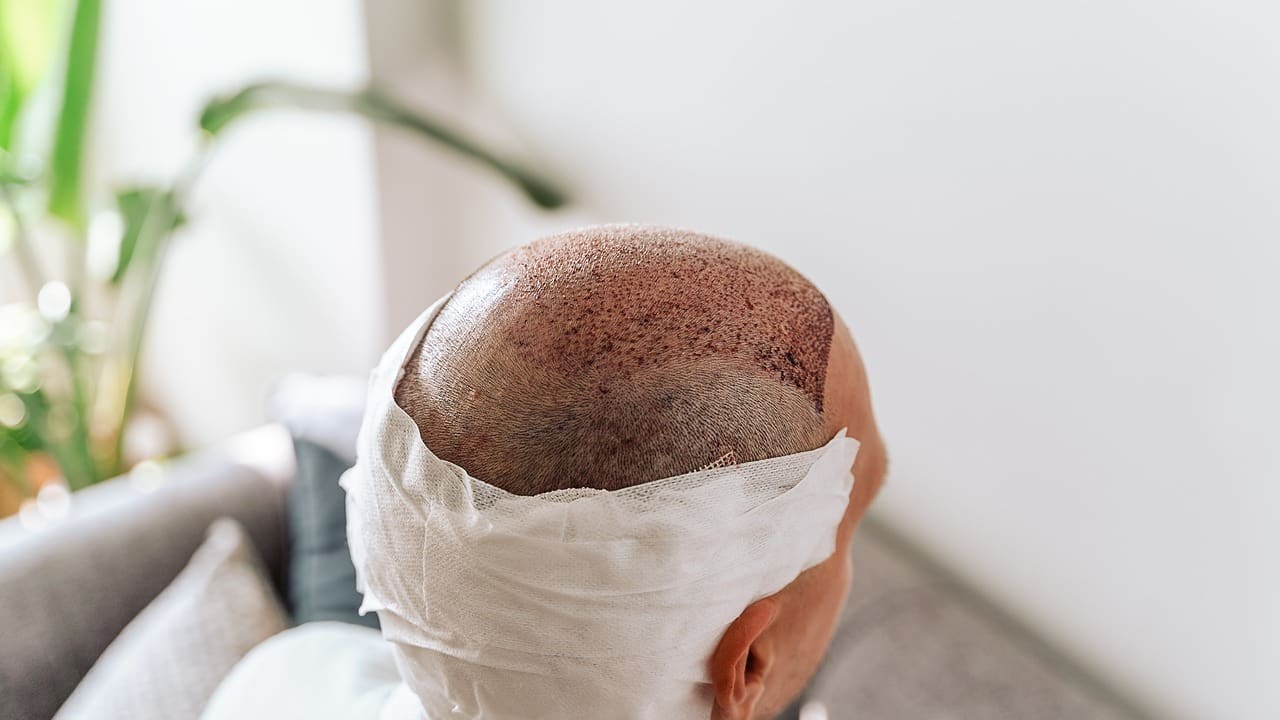
Recovering from brain surgery is tough but can change your life. At Liv Hospital, we get how hard it is. We offer top-notch care and support for patients from around the world.
The journey to get better after brain tumor surgery is unique. Stays in the hospital can last from 3 to 10 days. Recovery at home can take 6 weeks to several months. We’re here to help you every step of the way, with tips to heal and live better after surgery.
Key Takeaways
- Personalized recovery plans tailored to individual needs
- Comprehensive support for international patients
- Essential steps for promoting healing and quality of life
- Guidance through each stage of recovery
- Improved outcomes through world-class healthcare
Understanding Brain Surgery and Recovery Expectations
Learning about brain surgery and recovery can make things easier for patients. Brain tumor surgery is complex, and recovery times vary. Each person’s experience is different.
Common Types of Brain Tumor Surgeries
There are several types of brain tumor surgeries. These include:
- Craniotomy: A procedure where part of the skull is temporarily removed to access the brain.
- Endoscopic surgery: Minimally invasive surgery using an endoscope to remove tumors.
- Stereotactic surgery: A precise technique using a 3D coordinate system to locate small targets within the brain.
Factors Affecting Recovery Timeline
Several factors can affect how long it takes to recover from brain tumor surgery. These include:
Age and Overall Health
Older adults or those with health issues may need more time to recover. Maintaining overall health before surgery can help.
Tumor Type and Location
The type and location of the tumor affect surgery complexity and recovery. Tumors near important brain areas may need more careful surgery.
Surgery Complexity
The complexity of the surgery also impacts recovery time. More complex surgeries usually mean a longer recovery.
Understanding age, tumor type, and surgery complexity can help patients prepare for recovery. Knowing these factors can make the journey easier.
The Hospital Experience: What to Expect After Brain Surgery

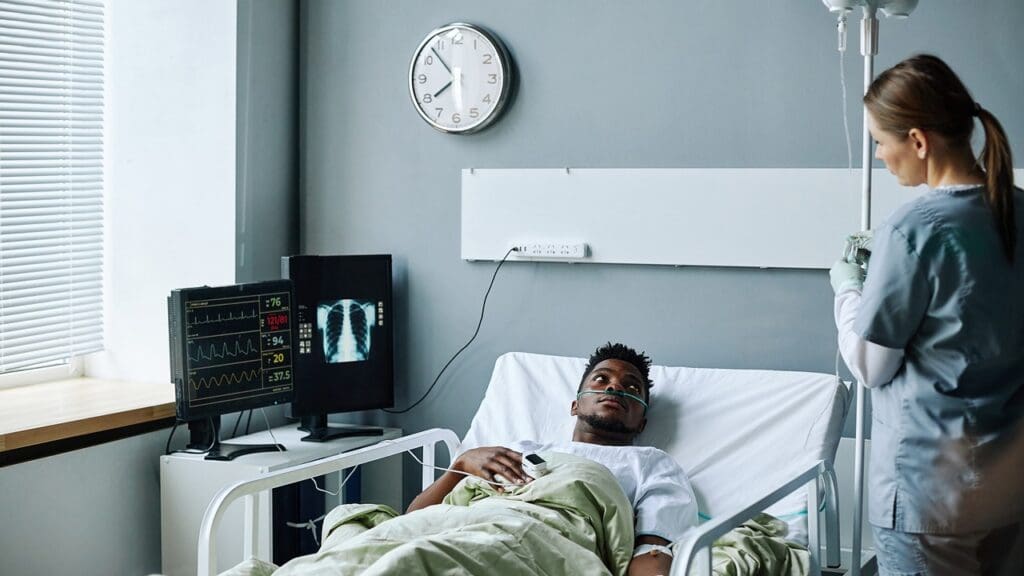
The time in the hospital after brain surgery is key for recovery. It involves watching over the patient closely and taking care of them after surgery. This period can be tough but also reassuring for patients and their families.
Typical Hospital Stay Duration (3-10 Days)
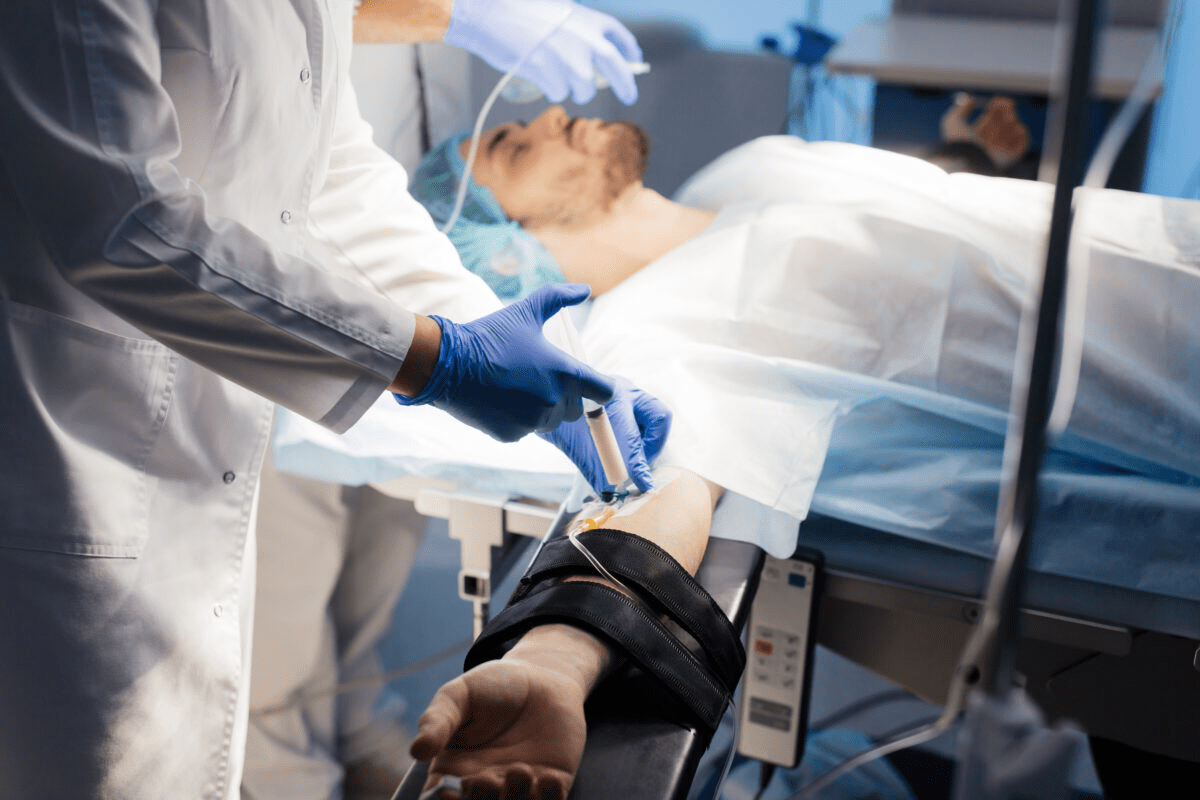
How long a patient stays in the hospital after brain surgery varies. Most stay between 3 to 10 days. Our medical team works hard to give them the best care during this time.
| Day | Care Focus |
|---|---|
| 1-3 | Immediate post-operative care, pain management, and monitoring for complications |
| 4-7 | Continued medical monitoring, initial assessments, and beginning rehabilitation |
| 8-10 | Progressive improvement, further rehabilitation, and discharge planning |
Immediate Post-Operative Care
Right after surgery, we focus on pain management and watching for any problems. We also start checking how the patient is doing.
Medical Monitoring and Initial Assessments
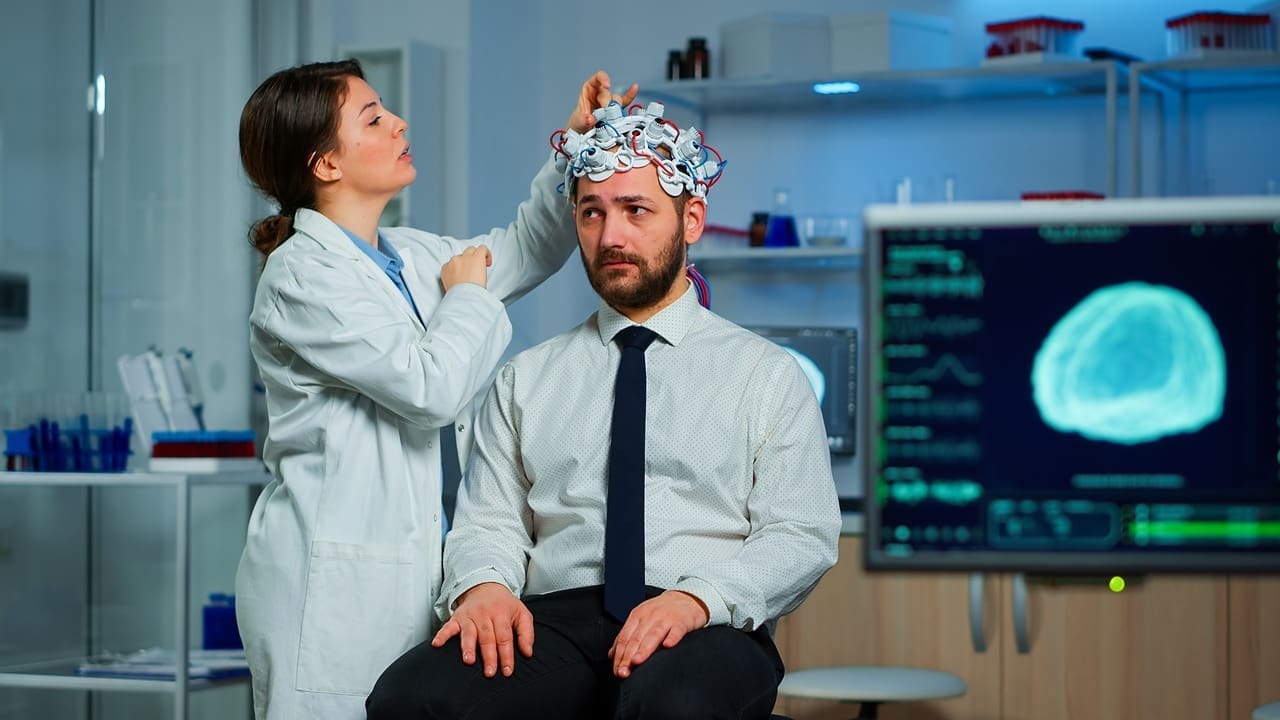
Our team keeps a close eye on the patient and does initial checks. This helps us plan the next steps in care. We check the patient’s brain health and deal with any issues quickly.
We aim to give top-notch healthcare and support to our patients. We help them through their hospital stay and beyond.
7 Key Steps for Healing from Brain Surgery
The journey to recovery after brain surgery is complex. It involves several key steps that patients must follow. Our team of experts guides patients through each stage, providing personalized care and support.
Step 1: Following Your Neurosurgeon’s Instructions
Following your neurosurgeon’s instructions is vital for a successful recovery. These instructions are tailored to your needs. They may include guidelines on medication, activity levels, and follow-up care.
Medical professionals stress the importance of following these instructions. They help minimize complications and speed up recovery.
Step 2: Proper Incision and Wound Care
Proper wound care is essential to prevent infection and promote healing. Patients should keep the incision site clean and dry. They should follow their neurosurgeon’s advice on dressing changes and wound inspection.
Monitoring for signs of infection, such as redness, swelling, or discharge, is critical.
Step 3: Medication Management
Effective medication management is vital during recovery. Patients must take their prescribed medications as directed. Understanding the purpose of each drug and its side effects is important.
It’s essential to communicate any concerns or questions to your healthcare provider.
Step 4: Balancing Rest and Gradual Activity
Balancing rest with gradual activity is key to a successful recovery. Initially, patients should prioritize rest to allow their body to heal. As they progress, they can gradually introduce more activities, always within the limits set by their neurosurgeon.
Gradual activity helps prevent complications and promotes overall well-being.
Step 5: Addressing Cognitive Challenges
Cognitive challenges are common after brain surgery. Patients may experience memory issues, difficulty concentrating, or other cognitive impairments. Cognitive rehabilitation therapy can be beneficial in addressing these challenges, helping patients regain their cognitive function.
Step 6: Emotional and Psychological Support
Emotional and psychological support is critical during recovery. Patients may experience anxiety, depression, or mood swings. Seeking support from family, friends, or mental health professionals can make a significant difference.
As one patient noted, “Having a strong support system was invaluable during my recovery; it helped me cope with the emotional ups and downs.”
“Recovery from brain surgery is not just about physical healing; it’s also about emotional and psychological well-being. Support from loved ones and professionals is essential.”
Step 7: Consistent Follow-up Appointments
Attending follow-up appointments with your neurosurgeon is essential for monitoring your recovery progress. These appointments allow for adjustments to your care plan as needed. They provide an opportunity to address any concerns or questions you may have.
Consistency is key to ensuring a smooth recovery.
By following these 7 key steps, patients can navigate the recovery process more effectively. This minimizes complications and enhances their overall quality of life.
Home Recovery Timeline After Brain Tumor Removal
The journey to full recovery after brain surgery starts at home. Here, patients slowly get better. Knowing the recovery timeline helps manage expectations and makes the transition back to daily life smoother.
First Two Weeks: Critical Healing Period
The first two weeks at home are key for healing. Patients often feel tired, uncomfortable, and have other symptoms. It’s important to follow the neurosurgeon’s advice and rest a lot to help the body heal.
Weeks 3-6: Progressive Improvement
By weeks 3-6, patients start to feel better. They might have more energy and some symptoms lessen. Starting with light activities and exercises, as advised by doctors, helps improve further.
Months 2-3: Returning to Routine
By months 2-3, many patients return to their usual routine. This includes going back to work, social activities, and more intense exercises. But, it’s important to keep following medical advice and go to follow-up appointments.
Beyond 3 Months: Long-term Recovery
Recovery can last longer than three months. Some patients need ongoing support and care for lasting effects of surgery. Regular check-ups with healthcare providers are key to monitor progress and address any concerns.
As medical professionals say, “Recovery is a journey, not a destination.” With the right support and care, patients can overcome the challenges of brain tumor removal and live a fulfilling life.
Managing Physical Symptoms During Brain Surgery Recovery
After brain surgery, patients face many physical symptoms. These can make daily life tough and slow down recovery. We help patients find ways to deal with these issues.
Strategies for Combating Fatigue
Fatigue is a big problem after brain surgery. Prioritizing rest and doing gentle physical activities can help. We suggest a routine with regular breaks.
Headache Management Techniques
Headaches can happen due to swelling or other reasons after surgery. Pain medication as your doctor suggests is key. Also, stay hydrated and try relaxation techniques like deep breathing or meditation.
Addressing Weakness and Balance Issues
Weakness and balance problems are common after brain surgery. Physical therapy is very helpful. We recommend working with a therapist to create a custom exercise plan.
Reducing Swelling and Inflammation
Swelling and inflammation are part of healing. Using cold compresses and keeping your head up can help. Your doctor might also suggest anti-inflammatory medications.
Medical experts say managing physical symptoms is key to a good recovery from brain surgery. By using these strategies, patients can handle the challenges of recovery better.
Cognitive Rehabilitation After Brain Tumor Surgery
Cognitive rehabilitation is key for patients after brain tumor surgery. It helps them regain their cognitive functions. This improves their quality of life.
Memory and Concentration Exercises
Memory and concentration exercises are vital. We create these to boost memory, attention, and speed. Patients do memory games, puzzles, and brain-challenging tasks in a fun way.
Speech and Language Therapy Approaches
Speech and language therapy is critical for those with speech issues after surgery. Our therapists teach patients to communicate better. They use speech exercises, language tasks, and alternative methods when needed.
Problem-Solving and Executive Function Training
Problem-solving and executive function training are also important. We help patients plan, organize, and complete tasks. They learn through real-life scenarios, cognitive strategies, and technology.
These efforts make cognitive rehabilitation after brain tumor surgery very effective. It helps patients become more independent and improves their overall well-being.
Emotional Well-being: A Critical Component of Brain Surgery Recovery
The road to recovery after brain surgery is deeply affected by a patient’s emotional state. Emotional well-being is not just a result of successful surgery. It’s a key factor that shapes the recovery journey.
Recognizing Depression and Anxiety Symptoms
Patients after brain surgery may feel a mix of emotions, from relief to anxiety and depression. Spotting the signs of these emotional hurdles is the first move to tackle them. Look out for ongoing sadness, losing interest in things, changes in appetite, and trouble sleeping.
Coping with Personality Changes
Brain surgery can sometimes cause personality shifts, which can upset both patients and their families. These changes can vary from mild irritability to big behavior changes. Knowing these changes might happen can help everyone deal with them better.
Building Your Support Network
A strong support network is key for emotional health during recovery. This group can include family, friends, support groups, and healthcare teams. Having a solid support system can greatly help a patient face the emotional ups and downs of recovery.
By understanding the role of emotional well-being and taking steps to handle emotional challenges, patients can improve their recovery journey.
Nutrition and Lifestyle Optimization for Brain Healing
Nutrition and lifestyle choices greatly affect the brain’s healing after surgery. We suggest a full plan that includes brain-boosting foods, enough water, and good sleep. These help the brain recover.
Brain-Boosting Foods and Supplements
Eating foods rich in antioxidants, omega-3 fatty acids, and essential nutrients is good for the brain. Foods like fatty fish, nuts, and leafy greens are great. Also, omega-3 fatty acids and vitamin D supplements can help, as doctors might suggest.
Hydration Requirements After Brain Surgery
Drinking enough water is key for healing. We tell patients to drink at least 8-10 glasses of water a day. This helps reduce swelling and aids in recovery.
Sleep Strategies for Neural Recovery
Sleep is essential for brain recovery. We recommend a consistent sleep schedule and a restful sleep environment. Try to get 7-9 hours of sleep each night to help your brain heal and feel better.
Can You Recover from a Brain Tumor? Evidence-Based Outcomes
Many patients wonder if they can fully recover from a brain tumor. The answer lies in understanding the recovery process and its outcomes. While the prospect of recovering from a brain tumor can be daunting, many patients are able to achieve significant improvements in their condition.
Recovery Statistics and Success Rates
Studies have shown varying success rates for brain tumor recovery. This depends on factors such as tumor type, size, and location. We have observed that patients who undergo timely and appropriate surgical interventions tend to have better outcomes.
Recent statistics indicate that advancements in surgical techniques and post-operative care have contributed to improved recovery rates.
Factors That Influence Complete Recovery
Several factors influence the likelihood of complete recovery from a brain tumor. These include the patient’s overall health, the tumor’s characteristics, and the effectiveness of the treatment plan. Biomaterials and tissue engineering have shown promise in promoting neural regeneration and improving outcomes.
By understanding these factors, patients can better navigate their recovery journey.
Before and After Brain Surgery: Patient Transformations
Patient stories often highlight remarkable transformations before and after brain surgery. These transformations are not just physical but also emotional and psychological. By sharing these stories, we hope to inspire hope and resilience in our patients facing similar challenges.
Recovering from a brain tumor is a complex process. But with the right support and care, many patients can achieve a significant quality of life improvement.
Returning to Daily Life After Brain Tumor Surgery
Patients often ask when they can go back to their usual activities after brain tumor surgery. The healing process is not just about getting better physically. It also means getting back into daily life, like work, social events, and personal routines.
Work and School Reintegration Timeline
When you can go back to work or school depends on how well you’re recovering and your job’s demands. Usually, people can return to work in 6-12 weeks. But, those with hard jobs might need more time. Always talk to your neurosurgeon for advice tailored to you.
Safe Driving Considerations
Driving after surgery needs careful thought. Doctors often say not to drive for 2-4 weeks or until they say it’s okay. They’ll look at your risk of seizures, vision changes, and how well you think.
Exercise and Physical Activity Guidelines
Starting with gentle exercises like walking is often suggested soon after surgery. It helps prevent blood clots and keeps blood flowing. As you get better, you can do more intense activities. For more tips, check out recovery resources.
Travel and Altitude Restrictions
Before traveling, talk to your doctor, even if it’s to high places. Changes in altitude can affect your brain pressure. Some places might not have good medical care.
Quality of Life Improvements After Brain Surgery
After brain surgery, patients often see big improvements in their quality of life. We look at many areas to see how much they’ve improved.
Physical Quality of Life Measures
Getting better physically is key after brain surgery. Physical quality of life measures include doing daily tasks, managing pain, and getting stronger. We work on fighting fatigue, handling headaches, and improving balance and strength.
Cognitive and Emotional Well-being
Improving cognitive well-being is important. This means doing memory and concentration exercises, speech therapy, and solving problems. Emotional support is also key, as patients might face depression, anxiety, or changes in personality.
Social Functioning and Independence
Getting back to daily life and being independent is a main goal. We help patients get back into their routines, like work, school, and social activities. We make sure they have the support they need.
We focus on these areas to help patients see real improvements in their quality of life after surgery. New medical technologies, like biomaterials and tissue engineering, are helping with neural regeneration and better outcomes.
Conclusion: Embracing Your Brain Surgery Recovery Journey
Recovering from brain surgery needs a detailed and supportive care plan. At Liv Hospital, we offer top-notch healthcare and full support for international patients. By knowing the key steps for healing, patients can actively participate in their recovery.
A successful recovery from brain surgery is not just about medical treatment. It also needs a supportive environment that helps with physical, emotional, and cognitive health. Our team is here to guide patients through every part of their recovery, from hospital care to long-term rehabilitation and getting back into daily life.
By focusing on brain surgery recovery and supporting patients, we help them regain their quality of life. We believe each patient’s recovery journey is special. So, we tailor our care to meet their unique needs and promote the best healing.
FAQ
How long does it take to recover from brain surgery?
Recovery time varies by person. Most stay in the hospital 3-10 days. They can get back to normal in 2-3 months. But, full recovery can take longer.
What are the common physical symptoms after brain surgery, and how can they be managed?
Symptoms include fatigue, headaches, weakness, and balance issues. We offer ways to fight fatigue and headaches. We also help with weakness and balance.
References
- Cancer Research UK : https://www.cancerresearchuk.org/about-cancer/brain-tumours/treatment/surgery/recovering
- Brain Tumor Foundation : https://braintumor.org/news/what-to-expect-before-and-after-brain-surgery