
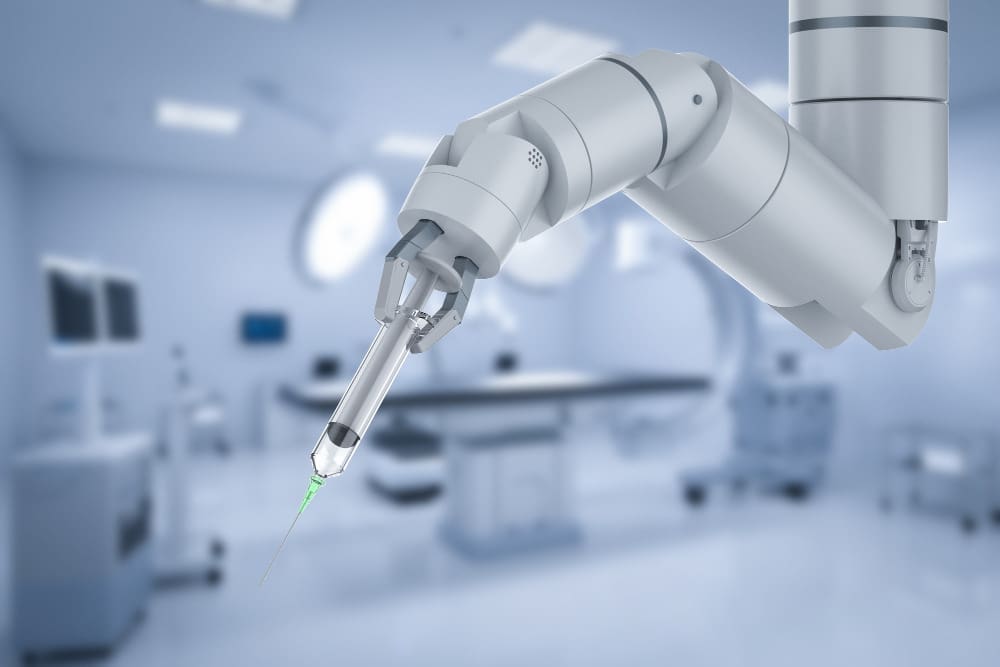
When looking into advanced medical treatments like robotic surgery, it’s key to know the downsides. At Liv Hospital, we focus on our patients first, making sure we meet high standards. Yet, robotic surgery has big drawbacks that both patients and doctors need to think about.
Cureus points out some big disadvantages, like high costs and not being easily available. We dive into these issues, giving you a full look at the risks and limits of robotic surgery. Knowing these points helps you make better choices about your health.
Key Takeaways
- High costs associated with robotic surgery
- Limited accessibility to robotic surgery facilities
- Technical malfunctions during procedures
- Steep learning curve for surgeons
- Potential for increased recovery time
The Evolution of Robotic Surgery in Modern Medicine
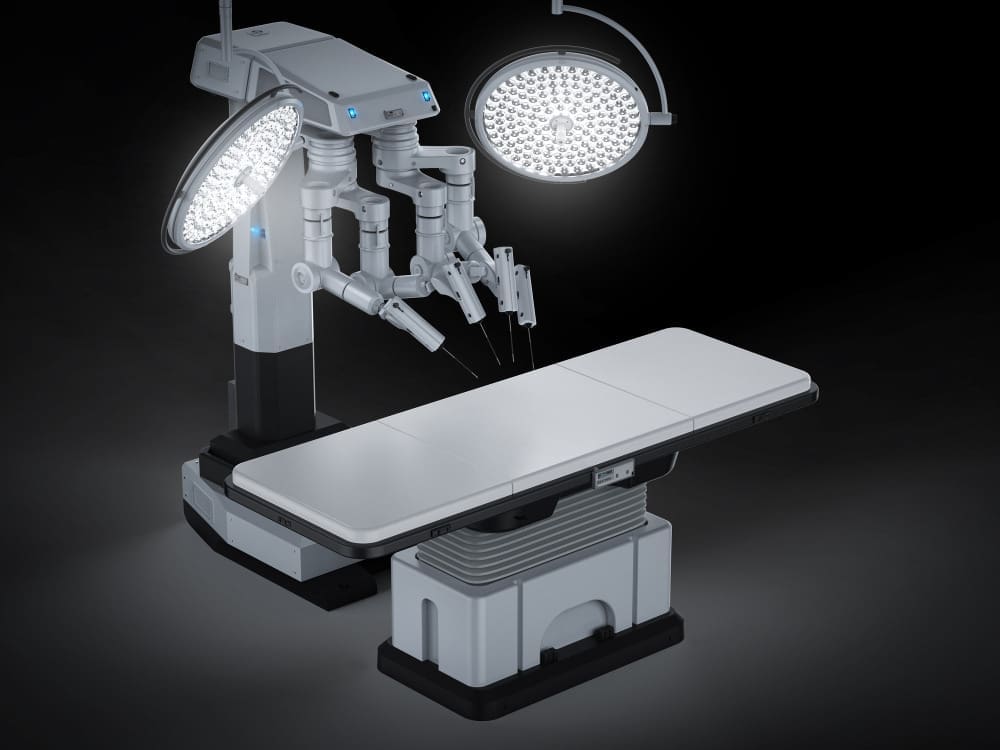
Robotic surgery is changing how surgeries are done. It lets surgeons do complex tasks with more precision and control. This is thanks to its advanced technology.
What Is Robotic Surgery and How Does It Work?
Robotic surgery uses a robotic system controlled by a surgeon. It has a 3D camera and instruments that move precisely. The robotic system makes the surgeon’s hand movements more accurate and steady. This makes it easier to do delicate surgeries that were hard before.
Experts say robotic surgery could change surgery a lot. It brings better vision, precision, and skill to the operating room. This is a big step towards better patient care.
Common Applications and Procedures
Robotic surgery is used in many areas, like urology and gynecology. Some common surgeries include:
- Prostatectomies
- Hysterectomies
- Mitral valve repairs
- Cholecystectomies
Robotic surgery can be used for many surgeries, big and small. It has many benefits, like less blood loss and pain, and shorter hospital stays. This makes it a good choice for both doctors and patients.
“The future of surgery is here, and it’s robotic. The precision, the control, the ability to perform complex procedures with ease – it’s a game-changer.”
Robotic surgery is getting better and better. We can look forward to even more improvements. Knowing about robotic surgery helps patients make better choices for their health.
Disadvantage #1: Prohibitive Costs for Hospitals and Patients
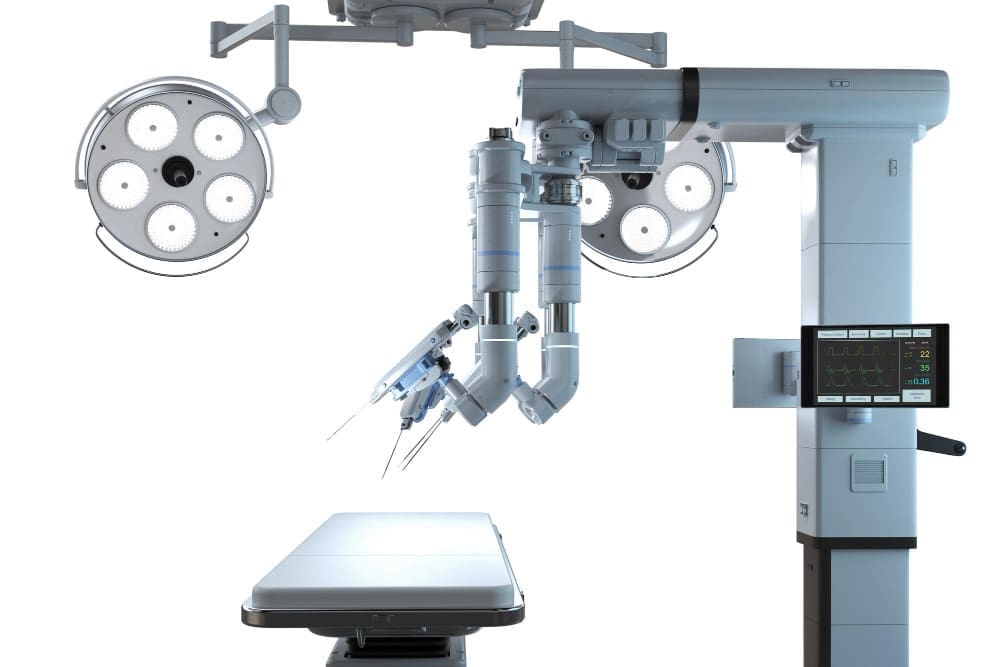
Robotic surgery is innovative but comes with big financial challenges. These costs affect both hospitals and patients. The high prices of robotic surgery are a big issue.
System Acquisition and Maintenance Expenses
Buying a robotic surgery system costs over $1 million. There are also big annual maintenance costs, over $100,000. This can be tough for hospitals to handle.
| Expense Category | Initial Cost | Annual Maintenance |
|---|---|---|
| Robotic Surgery System | $1,000,000+ | $100,000+ |
| Training and Support | $50,000+ | $20,000+ |
| Disposable Instruments | – | $50,000+ |
Patient Financial Burden and Insurance Considerations
Patients face a big financial challenge with robotic surgery. Insurance coverage can vary, leading to high out-of-pocket costs. We need to think about these costs when considering robotic surgery.
It’s important to understand the financial side of robotic surgery. By recognizing these high costs, we can find ways to make it more affordable. This will help make advanced surgical technology more accessible to everyone.
Disadvantage #2: Limited Accessibility and Availability
Robotic surgery has its downsides, one being its limited reach. It’s not available to everyone who could benefit from it. This is a big issue.
Geographic and Institutional Disparities in Access
Where you live and the hospital you go to matter a lot. Urban areas tend to have better access to robotic surgery than rural areas. People in rural areas might have to travel far to get this advanced care.
Hospitals with more resources are more likely to offer robotic surgery. This means smaller or less well-funded places might not have it.
Resource Requirements Beyond the Robot Itself
Getting robotic surgery isn’t just about buying the robot. You also need specialized training for surgical teams. There’s also the cost of keeping the equipment up to date.
Adding robotic surgery to a hospital’s services is expensive. It needs a lot of money for new rooms and staff. This can be a big hurdle for many hospitals.
We know these issues can hurt patient care and access to advanced treatments. By understanding these problems, we can try to make robotic surgery more available to those who need it.
Disadvantage #3: Loss of Tactile Feedback During Procedures
Robotic surgery has brought new challenges, like losing tactile feedback. This is key for making precise surgical decisions. Let’s dive into why tactile feedback is important and what happens when it’s gone.
The Importance of Touch in Surgical Decision-Making
Tactile feedback is vital for surgeons to make decisions. It helps them check tissue quality, spot problems, and decide during surgery. Miller Anesthesia says it’s key for feeling suture tension, tissue integrity, and finding abnormalities. Without it, surgeons face uncertainty and risks.
Surgeons use touch to:
- Check tissue elasticity and fragility
- Find anatomical structures
- Spot abnormalities or complications
- Adjust their technique
Increased Risk of Tissue Injury and Complications
Robotic surgery’s loss of tactile feedback raises tissue injury and complication risks. Surgeons might apply too much force without feeling it, causing damage or bleeding. This is a big worry in delicate surgeries or with fragile tissues.
- Tissue lacerations or tears
- Excessive bleeding from wrong force use
- Higher risk of infection or adhesions from tissue damage
Looking at robotic surgery’s downsides, losing tactile feedback is a big issue. Understanding these problems helps us find ways to lessen their effects and better surgical results.
Disadvantage #4: Extended Operative Times and Efficiency Concerns
Robotic surgery has many benefits but also faces challenges. One major issue is the longer surgery times. These times can affect patient results and how well the hospital runs.
Setup, Docking, and Procedural Time Increases
Getting the robotic system ready and docked is a key step. It involves setting up the robotic arms and attaching instruments. This process is vital but can take a lot of time, mainly for complex surgeries.
A study in the Journal of Robotic Surgery found setup and docking can take 15 to 60 minutes. The actual surgery time also goes up with robotic surgery. This is because the surgeon must use a remote interface and control instruments from afar.
Impact on Patient Outcomes and Hospital Throughput
Longer surgery times can harm patient results and hospital efficiency. Longer surgeries raise the chance of complications like infections and nerve damage. They also increase the risk of breathing and heart problems due to longer anesthesia times.
For hospitals, longer surgeries mean fewer procedures in a day. This can lead to longer wait times for patients and lower hospital efficiency. It also affects hospital resources, like operating room space and staff needs.
| Aspect | Robotic Surgery | Traditional Surgery |
|---|---|---|
| Average Operative Time | 120-240 minutes | 90-180 minutes |
| Setup and Docking Time | 15-60 minutes | Not applicable |
| Risk of Complications | Higher due to longer surgery times | Lower due to shorter surgery times |
Disadvantage #5: Steep Learning Curve for Surgical Teams
Robotic surgery faces a big challenge: a steep learning curve. It needs a lot of training for surgical teams. This makes it hard for robotic surgery to become more common.
Training Requirements and Competency Development
Surgeons and their teams must get a lot of training for robotic surgery. They need to learn both theory and practical skills. Extensive training programs are key to making sure teams can use robotic systems well.
As Cureus points out, training is vital for surgical teams using robots. They need to learn how to use the system, master robotic techniques, and handle problems that might come up.
Volume Thresholds for Maintaining Proficiency
To stay good at robotic surgery, teams need more than just initial training. They must keep practicing. Volume thresholds are important; teams need to do enough surgeries to stay sharp. Studies show that doing a lot of cases helps teams get better.
If teams don’t meet these volume thresholds, their skills can drop. This can lead to more problems during surgery. So, hospitals and surgical centers need to think about their case load when starting robotic surgery programs.
Disadvantage #6: Technical Failures and Robotic Surgery Cons
Robotic surgery can face technical failures during procedures. It’s important to know the risks of system malfunctions and how to handle them.
Types and Frequency of System Malfunctions
Robotic surgery can have minor or major system failures. A study in the Journal of Robotic Surgery found malfunctions happen in 0.4% to 2.4% of cases.
The malfunctions can include:
- Instrument failures
- System crashes
- Vision or camera issues
- Mechanical arm malfunctions
These failures can happen due to wear and tear, software bugs, or user mistakes. Knowing why they happen helps us find ways to prevent them.
| Type of Malfunction | Frequency | Potential Impact |
|---|---|---|
| Instrument Failure | 1.2% | Procedure delay or conversion to open surgery |
| System Crash | 0.8% | Significant delay, possible loss of surgical control |
| Vision/Camera Issues | 0.5% | Impaired vision, possible misdiagnosis |
Emergency Protocols and Conversion to Traditional Surgery
Having good emergency plans is key when technical failures happen. Surgeons and staff need to be ready to act fast and minimize harm to the patient.
“The key to managing technical failures during robotic surgery lies in preparedness and swift action. Surgeons must be adept at converting to traditional open surgery or laparoscopy when necessary.” – Dr. [Last Name], Robotic Surgeon
Emergency plans usually include:
- Immediate team notification
- Failure assessment and its effect on the procedure
- Choosing to fix the issue or switch to another surgery method
- Quickly starting the chosen alternative
Switching to traditional surgery is rare but important. It lets the team finish the surgery safely.
Knowing about technical failures and having good plans helps make robotic surgery safer and more effective. It’s a step towards using this technology wisely, balancing its benefits and risks.
Disadvantage #7: Unique Complications and Safety Concerns
Robotic surgery brings new challenges that patients and surgeons must know about. It offers many benefits but also has unique risks. These can affect patient safety and results.
Procedure-Specific Complications
Robotic surgery, like other methods, has specific problems tied to the procedure. For example:
- Urological procedures: Issues like urinary leakage or damage to nearby organs can happen.
- Gynecological surgeries: Risks include bowel or bladder injury, and problems with the robotic tools.
- Cardiac and thoracic procedures: Complications can include docking issues or damage to delicate heart structures.
Surgeons need to be well-trained and experienced in robotic surgery to reduce risks.
Risk Factors for Adverse Events
Several factors can raise the chance of problems during or after robotic surgery. These include:
- Patient-related factors: Conditions like pre-existing health issues, age, and overall health can affect risk.
- Surgical team experience: The skill and experience of the surgical team are key to good outcomes.
- Equipment-related issues: Technical problems or limitations of the robotic system can lead to issues.
Knowing these risk factors is important for surgeons and patients to make informed choices about robotic surgery.
By recognizing and understanding the unique complications and safety concerns of robotic surgery, we can work to reduce risks and improve patient results. It’s a complex mix of technology, skill, and patient factors that needs careful thought.
Is Robotic Surgery Safer? Comparing Outcomes with Traditional Methods
The debate on robotic surgery’s safety is ongoing. We need to look at the data and research to answer if it’s safer than traditional methods.
Evidence-Based Comparison of Clinical Results
Research on robotic surgery shows mixed results. A Cureus review found some benefits, like less blood loss and shorter hospital stays. But, other studies found no big difference in outcomes.
The safety of robotic surgery depends on the procedure, the surgeon’s skill, and the hospital’s experience with robots.
Procedure-Specific Safety Considerations
It’s important to look at each procedure separately when talking about robotic surgery’s safety. Some surgeries might get better results with robotic systems, lowering the risk of problems.
- Reduced Risk of Complications: Some studies say robotic surgery might lower the risk of infections or bleeding in certain surgeries.
- Increased Precision: Robotic systems can be more precise, which helps in delicate or complex surgeries.
- Learning Curve: The surgeon’s experience and training also play a big role. A steep learning curve can affect results, mainly at the start.
In summary, whether robotic surgery is safer than traditional methods depends on many factors. These include the surgery type, the team’s experience, and the situation. As more evidence comes in, patients and doctors should carefully consider the pros and cons of robotic surgery.
What to Consider Before Choosing Robotic Surgery
Thinking about robotic surgery? It’s important to look at both the good and the bad sides. We want to help you understand what to think about. This way, you can make a choice that’s right for you.
Essential Questions to Ask Your Surgeon
Talk to your surgeon before robotic surgery. Here are some essential questions to ask:
- What experience do you have with robotic surgery, and what training have you received?
- How will robotic surgery benefit my specific condition compared to traditional surgical methods?
- Are there any possible complications or risks with robotic surgery for my case?
- What are the expected outcomes, and how will they be measured?
- How will pain be managed during the recovery period?
Evaluating Your Specific Case and Alternatives
Look at your case closely. Think about your condition’s complexity, your health, and any past surgeries. It’s also key to look at alternative treatment options and compare them to robotic surgery.
A study in a top medical journal says, “The choice of surgical approach should be based on the individual patient’s needs and the surgeon’s expertise.”
“The decision to use robotic surgery should be made on a case-by-case basis, taking into account the possible benefits and risks for each patient.”
To decide wisely, consider these points:
- Know your diagnosis and the surgery suggested.
- Talk about the surgeon’s robotic surgery experience and success rates.
- Look into other treatments and their possible results.
- Understand what recovery will be like and what to expect after surgery.
By carefully thinking about these points and asking the right questions, you can decide if robotic surgery is right for you.
Conclusion: Weighing the Benefits Against the Drawbacks
Robotic surgery has both good and bad sides. It brings better precision and less invasive procedures. But, it also has high costs and is not available to everyone.
ProQuest says we need to think carefully about robotic surgery’s pros and cons. We should consider the costs, how it affects patients financially, and the chance of technical problems.
Choosing robotic surgery should be a thoughtful decision. Patients need to know the good and bad sides to make the right choice. Talking to their surgeons about the benefits and risks is key.
This way, patients can get the best care for their needs. They can consider the unique good and bad points of robotic surgery.
FAQ
What are the main disadvantages of robotic surgery?
Robotic surgery’s downsides include high costs and limited access. It also lacks tactile feedback, leading to longer surgeries. The learning curve for teams is steep, and technical issues can arise. Plus, there are unique complications.
Is robotic surgery safer than traditional surgery?
The debate on robotic surgery’s safety versus traditional surgery is ongoing. Some studies show better outcomes with robotic surgery. Yet, others reveal similar or worse results. Safety depends on the procedure, surgeon skill, and patient health.
What are the financial implications of choosing robotic surgery?
Robotic surgery comes with high costs. This includes the expense of the system and its upkeep. It can be a heavy financial load for both hospitals and patients. It’s important to consider insurance and out-of-pocket costs.
How does the loss of tactile feedback affect robotic surgery?
The absence of tactile feedback in robotic surgery increases injury risk. Surgeons rely on visual cues, which can impact decision-making. This might lead to adverse outcomes.
What are the training requirements for surgical teams to master robotic surgery?
Teams need extensive training to excel in robotic surgery. They must grasp the system’s mechanics and develop robotic technique skills. Regular practice is key to maintaining proficiency.
What are the potentially unique complications and safety concerns associated with robotic surgery?
Robotic surgery comes with unique complications and technical failure risks. Patients should discuss these with their surgeon to make an informed choice.
How can patients evaluate their suitability for robotic surgery?
Patients should talk to their surgeon about their case and alternatives. Discussing the pros and cons of robotic surgery, along with individual risks, is essential.
What questions should patients ask their surgeon before choosing robotic surgery?
Patients should inquire about the surgeon’s robotic surgery experience. They should also ask about risks, benefits, alternative options, and what to expect during and after surgery.
Are there any alternatives to robotic surgery?
Yes, alternatives include traditional open surgery and laparoscopic surgery. Patients should discuss these options with their surgeon to find the best fit for their condition.
How can patients make an informed decision about robotic surgery?
Patients can make an informed choice by understanding robotic surgery’s pros and cons. They should discuss their situation with their surgeon and weigh the risks and benefits carefully.
FAQ
What are the main disadvantages of robotic surgery?
Robotic surgery’s downsides include high costs and limited access. It also lacks tactile feedback, leading to longer surgeries. The learning curve for teams is steep, and technical issues can arise. Plus, there are unique complications.
Is robotic surgery safer than traditional surgery?
The debate on robotic surgery’s safety versus traditional surgery is ongoing. Some studies show better outcomes with robotic surgery. Yet, others reveal similar or worse results. Safety depends on the procedure, surgeon skill, and patient health.
What are the financial implications of choosing robotic surgery?
Robotic surgery comes with high costs. This includes the expense of the system and its upkeep. It can be a heavy financial load for both hospitals and patients. It’s important to consider insurance and out-of-pocket costs.
How does the loss of tactile feedback affect robotic surgery?
The absence of tactile feedback in robotic surgery increases injury risk. Surgeons rely on visual cues, which can impact decision-making. This might lead to adverse outcomes.
What are the training requirements for surgical teams to master robotic surgery?
Teams need extensive training to excel in robotic surgery. They must grasp the system’s mechanics and develop robotic technique skills. Regular practice is key to maintaining proficiency.
What are the potentially unique complications and safety concerns associated with robotic surgery?
Robotic surgery comes with unique complications and technical failure risks. Patients should discuss these with their surgeon to make an informed choice.
How can patients evaluate their suitability for robotic surgery?
Patients should talk to their surgeon about their case and alternatives. Discussing the pros and cons of robotic surgery, along with individual risks, is essential.
What questions should patients ask their surgeon before choosing robotic surgery?
Patients should inquire about the surgeon’s robotic surgery experience. They should also ask about risks, benefits, alternative options, and what to expect during and after surgery.
Are there any alternatives to robotic surgery?
Yes, alternatives include traditional open surgery and laparoscopic surgery. Patients should discuss these options with their surgeon to find the best fit for their condition.
How can patients make an informed decision about robotic surgery?
Patients can make an informed choice by understanding robotic surgery’s pros and cons. They should discuss their situation with their surgeon and weigh the risks and benefits carefully.
References
DelveInsight. Robotics in Healthcare: How Robotic Surgery Market Is Evolving and Adding Value in Healthcare. https://www.delveinsight.com/blog/robotic-surgery-market
Journal of Ethics / American Medical Association (AMA). Robotic‑Assisted Surgery — Better? https://journalofethics.ama-assn.org/article/robotic-assisted-surgery-better/2023-08