Last Updated on October 21, 2025 by
Our immune system fights off diseases, and T cells are key in finding and killing cancer cells. At Liv Hospital, we think using our immune system is vital in battling cancer. Research shows that some plant foods have strong compounds that fight cancer and lower its risk. By eating these foods and living healthy, we can boost our T cells naturally and help our immune system fight cancer better.
Eating lots of fruits, veggies, and whole grains can boost our immune system and lower cancer risk. For instance, a study on Medical News Today talks about how foods like apples, berries, and leafy greens have anti-cancer effects.
Key Takeaways
- Boosting T cells naturally can help fight cancer more effectively.
- A healthy diet and lifestyle are key to supporting immune function.
- Certain plant foods contain powerful compounds that can help fight cancer.
- Incorporating these foods into our diet can help boost T cells naturally.
- Making healthy lifestyle choices can empower our immune system to fight cancer.
Understanding the Role of T Cells in Cancer Defense
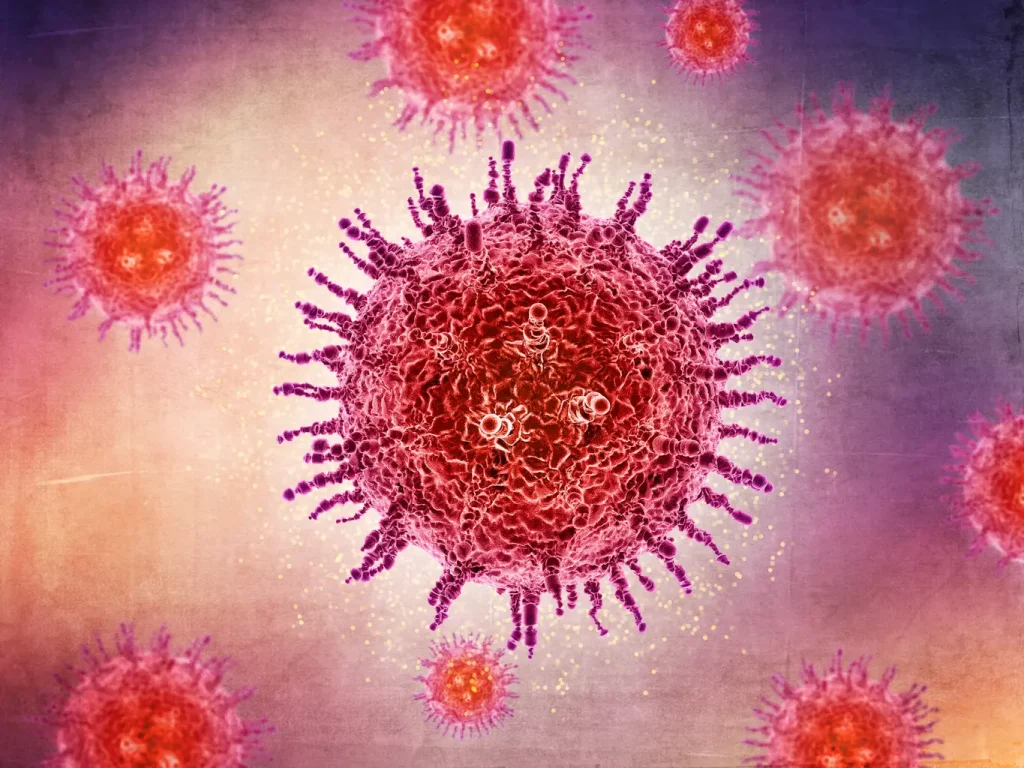
T cells are key players in fighting cancer. They are a type of white blood cell that helps the body fight off infections and diseases. We will look at their role in defending against cancer.
What Are T Cells and How Do They Work?
T cells are vital in the body’s fight against infections and diseases, including cancer. They mature in the thymus. T cells can tell the difference between self and non-self cells, like pathogens or foreign substances.
They recognize antigens on infected or tumor cells. Once they find these antigens, T cells can kill the cells or send signals to other immune responses.
Types of T Cells: Spotlight on Killer T Cells (CD8+)
There are many types of T cells, each with its own job. Killer T cells, also known as CD8+ T cells, are key in fighting cancer. They can directly kill tumor cells.
CD8+ T cells find cancer cells by recognizing specific antigens on their surface. When they bind to these antigens, they release substances that kill the cancer cells. This makes CD8+ T cells a vital part of the body’s defense against cancer.
How T Cells Identify and Destroy Cancer Cells
The process of T cells identifying and killing cancer cells is complex. T cells use their T cell receptors (TCRs) to find antigens on cancer cells. These antigens are presented by major histocompatibility complex (MHC) molecules on the cancer cell surface.
| Step | Description |
|---|---|
| 1. Antigen Presentation | Cancer cells display antigens on their surface via MHC molecules. |
| 2. T Cell Activation | T cells recognize antigens through their TCRs and become activated. |
| 3. Targeted Killing | Activated CD8+ T cells release cytotoxins to kill recognized cancer cells. |
Understanding how T cells find and kill cancer cells shows their important role in fighting cancer. Improving T cell function is a promising area in cancer treatment and prevention.
The Critical Relationship Between T Cells and Cancer
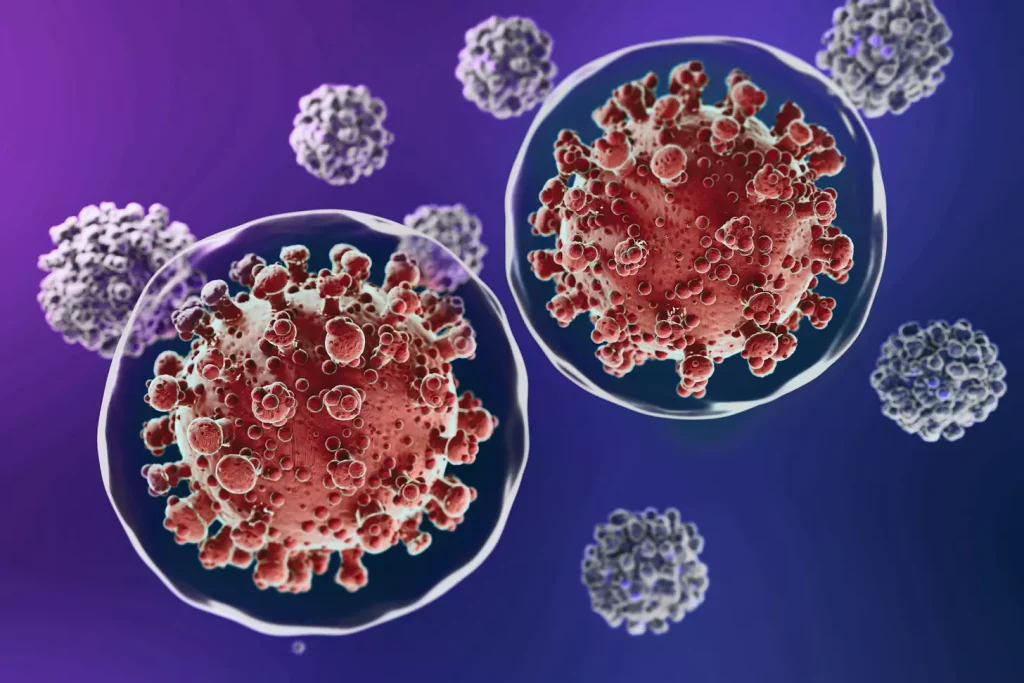
T cells are key in fighting cancer. They can spot and destroy cancer cells. We’ll look at how they do this and what can stop them.
How T Cells Recognize Tumors
T cells find tumors by looking for special markers on cancer cells. These markers are different from normal cells. The T cell receptor on T cells binds to these markers, helping them find cancer cells.
The Cancer-Killing Mechanism of CD8+ T Cells
CD8+ T cells are important for killing cancer cells. They find cancer cells by looking at special markers on their surface. When they find these markers, they release substances that kill the cancer cells.
This process is important for stopping cancer from growing and spreading.
The steps to kill cancer cells include:
- Recognizing tumor antigens by CD8+ T cells
- Activation of CD8+ T cells
- Release of cytotoxins such as perforin and granzymes
- Induction of apoptosis in tumor cells
Factors That Impair T Cell Function During Cancer
Many things can make T cells less effective against cancer. This includes the cancer itself, too much exposure to cancer cells, and immune suppressive cells in the tumor. Tumors can hide from the immune system by not showing markers well and by making substances that suppress the immune system.
| Factor | Description | Impact on T Cell Function |
|---|---|---|
| Tumor-induced immune suppression | Tumors release factors that suppress immune response | Reduced T cell activation and proliferation |
| Chronic antigen exposure | Prolonged exposure to tumor antigens | T cell exhaustion and reduced cytotoxicity |
| Immune suppressive cells | Cells like Tregs and MDSCs in the tumor microenvironment | Suppression of T cell activity and promotion of tumor growth |
Knowing about these factors helps us find ways to make T cells work better. Studies show that some natural ways can help T cells fight cancer better. Making healthy lifestyle choices and eating right can also help T cells and lower cancer risk.
Natural Way #1: Dietary Carotenoids and Zeaxanthin
Dietary carotenoids, like zeaxanthin, boost T cell function. This helps fight cancer naturally. Zeaxanthin is a strong antioxidant in the carotenoid family, known for its immune benefits.
Research on Zeaxanthin’s T Cell Enhancement Properties
Studies show zeaxanthin can improve T cell activity. A study in the Open Medicinal Chemistry Journal found zeaxanthin boosts immune function. This helps the body fight cancer cells better.
Zeaxanthin’s antioxidant properties protect T cells from damage. Experts say, “Nutrients like zeaxanthin boost T cells’ cancer-fighting power.” This makes zeaxanthin key in preventing cancer.
Food Sources Rich in Immune-Boosting Carotenoids
Eating foods high in carotenoids boosts your immune system. Some top sources are:
- Leafy greens like spinach and kale
- Colorful vegetables such as bell peppers and carrots
- Fruits like papaya and oranges
- Egg yolks
These foods give you zeaxanthin and other carotenoids. Together, they help your immune system stay strong.
Recommended Daily Intake for Cancer Prevention
There’s no exact daily zeaxanthin amount for cancer prevention. But eating a variety of carotenoid-rich foods is good for health. A balanced diet with lots of fruits and veggies is best.
Dietary carotenoids like zeaxanthin are a natural way to boost T cell function. They help keep your immune system strong against cancer.
Natural Way #2: Creatine Supplementation for T Cell Energy
We look into how creatine helps T cells fight cancer by boosting their energy. Creatine is found naturally in our bodies and helps cells make energy. Studies show it can also help our immune system, including fighting cancer.
How Creatine Acts as an Energy Reservoir for Killer T Cells
Killer T cells are key in finding and killing cancer cells. They need a lot of energy to do their job. Creatine helps provide that energy, making killer T cells work better.
Creatine increases phosphocreatine in cells, which helps refill ATP. ATP is what cells use for energy. With more ATP, T cells can fight cancer more effectively.
University Research on Creatine’s Anti-Tumor Effects
Studies at top universities have looked into creatine’s effects on T cells and fighting cancer. The results are promising, showing creatine can help T cells use energy better and fight cancer more effectively.
- A study found creatine made T cells more effective at killing tumor cells.
- Another study showed creatine helped T cells grow and survive, leading to better cancer fighting.
Optimal Dosage and Supplementation Guidelines
When taking creatine for T cell energy, it’s important to follow the right dosage. The usual dose is 20 grams for 5-7 days, then 3-5 grams daily. But, everyone is different, so always talk to a doctor before starting.
To get the most from creatine, eat well and stay active. Adjust your dose based on how you feel and your health.
- Talk to a healthcare provider about the right plan for you.
- Eat a balanced diet full of nutrients.
- Drink plenty of water and exercise regularly.
Natural Way #3: Fasting Protocols to Reprogram Immune Response
Fasting can greatly improve the immune system, helping it fight off diseases. It’s key to know how different fasting methods can boost our immune response. This is important when looking at fasting as a cancer treatment option.
Intermittent Fasting’s Effect on T Cell Production
Intermittent fasting alternates between eating and fasting. Research shows it can increase T cell production. T cells are essential for fighting cancer. This makes intermittent fasting a useful addition to traditional cancer treatments.
Studies show intermittent fasting boosts immune function. It helps regenerate immune cells, like T cells. This is vital for a strong immune response against cancer.
Extended Fasting Benefits for Immune System Regeneration
Extended fasting, lasting 48 hours or more, deeply impacts immune regeneration. It reduces insulin-like growth factor 1 (IGF-1), which helps cancer cells grow. This change is good for fighting cancer.
Extended fasting also regenerates stem cells that make immune cells, including T cells. This can improve the body’s ability to combat cancer.
How to Implement Fasting Safely During Cancer Treatment
Fasting can help fight cancer and boost the immune system. But, it’s important to fast safely, even more so during cancer treatment. Always talk to your doctor before starting a fasting plan.
While fasting, make sure to drink plenty of water and eat well during your eating times. Below is a table with fasting options and tips for cancer patients.
| Fasting Protocol | Description | Considerations for Cancer Patients |
|---|---|---|
| Intermittent Fasting (16:8) | 16 hours fasting, 8 hours eating window | May be suitable for patients undergoing treatment with minimal side effects |
| Extended Fasting (48-72 hours) | Fasting for 48 to 72 hours | Should be done under medical supervision due to possible side effects |
| Alternate Day Fasting | Alternating between days of normal eating and days of calorie restriction or fasting | May be hard for patients with big treatment side effects |
Knowing about different fasting methods and their effects on the immune system helps make informed choices. This is important when considering fasting as part of cancer treatment.
Natural Way #4: Plant-Based Compounds and Herbal Remedies
Plant-based compounds and herbal remedies are promising for boosting T cells and fighting cancer. We’ve looked at many natural ways to improve immune function. Now, we focus on how plants can help defend against cancer.
Specific Herbs That Stimulate T Cell Activity
Certain herbs can positively affect T cell activity. For example, research on herbal remedies shows some plants boost immune function. We’ll look at a few herbs and their effects on T cells.
- Echinacea: Known for boosting the immune system, Echinacea increases T cell activity.
- Turmeric: Turmeric’s Curcumin has strong anti-inflammatory and immune-boosting effects.
- Ginseng: Some Ginseng types stimulate T cell production and enhance immune response.
Polyphenols and Their Effect on T Cell Function
Polyphenols in plants can improve T cell function. Foods like green tea, berries, and dark chocolate are rich in these compounds.
“Polyphenols have been demonstrated to modulate immune responses, enhance T cell function, and more.”
A study found polyphenols can boost T cell activity. They do this by reducing oxidative stress and inflammation.
| Polyphenol Source | Effect on T Cells |
|---|---|
| Green Tea | Enhances T cell activity and proliferation |
| Berries | Reduces oxidative stress, improving T cell function |
| Dark Chocolate | Modulates immune responses, supporting T cell health |
Research-Backed Plant Compounds for Cancer Defense
Several plant compounds have been researched for cancer defense. These include:
- Resveratrol: Found in grapes and berries, Resveratrol has anti-cancer properties.
- Quercetin: A flavonoid in many fruits and vegetables, Quercetin boosts immune function and reduces tumor growth.
Adding these plant compounds and herbal remedies to your routine may boost T cell activity. This can help fight cancer. As we explore natural ways to boost immunity, we see nature’s wealth in supporting our health.
Natural Way #5: Optimizing Nutrition for T Cell Function
Improving your diet is key to boosting T cell function. A balanced diet gives T cells the nutrients they need. This is important for fighting cancer and keeping your immune system strong.
Essential Nutrients That Support T Cell Health
T cells need certain nutrients to work well. Vitamin C, found in citrus fruits and greens, helps make T cells. Zinc, in nuts and seeds, is important for T cell growth and function. It’s important to get enough of these nutrients for a healthy immune system.
Omega-3 fatty acids and antioxidants are also key. They reduce inflammation and protect T cells. Include foods like fatty fish, flaxseeds, and berries in your diet.
Anti-Inflammatory Foods That Enhance Immune Response
Chronic inflammation hurts T cell function. So, eating anti-inflammatory foods is important. Turmeric and ginger have strong anti-inflammatory effects. Also, include green tea, fatty fish, and dark chocolate in your diet.
Adding these foods can help fight inflammation and support T cell health. Avoid pro-inflammatory foods like processed meats and sugary snacks, which can harm your immune system.
Meal Planning for Immune System Support
Good meal planning is key for a diet that supports T cell health. Focus on whole, nutrient-rich foods. Include fruits, vegetables, whole grains, lean proteins, and healthy fats in your diet.
A sample meal plan could be:
- Breakfast: Overnight oats with berries and nuts
- Lunch: Grilled chicken salad with mixed greens, citrus vinaigrette, and whole grain crackers
- Dinner: Baked salmon with roasted vegetables and quinoa
- Snacks: Carrot sticks with hummus, apple slices with almond butter
By following these meal plans, you can improve your nutrition. This will help support T cell function and boost your body’s defenses.
Natural Way #6: Lifestyle Modifications for Enhanced T Cell Production
Making certain lifestyle changes can boost T cell production. This is key in fighting cancer. By adding these habits to your daily life, you can strengthen your immune system and boost your health.
Stress Management Techniques for Immune Health
Stress can harm T cell function. So, managing stress is vital for immune health. Meditation and yoga can lower stress and support your immune system. Try to make these activities part of your daily routine to keep your T cells healthy.
Other good stress-busters include deep breathing exercises and progressive muscle relaxation. These can cut down cortisol, which can slow down T cell activity if it stays high too long.
Exercise Protocols That Boost T Cell Numbers
Regular exercise also boosts T cell production. Aerobic exercises like brisk walking, cycling, or swimming can increase T cell numbers and boost your immune system. Aim for 150 minutes of moderate-intensity aerobic exercise each week.
Resistance training also helps improve immune health. Adding strength training to your routine can increase T cell production and make you more resilient physically.
Sleep Quality and Its Impact on Immune Function
Good sleep is key for a healthy immune system. Sleep helps the body make cytokines, which fight infections and inflammation. Bad sleep can mess with T cell function.
To sleep better, set a regular sleep schedule, have a calming bedtime routine, and make your sleep area comfy. Stay away from caffeine and screens before bed to sleep better.
If you want to support your immune health more, looking into other options can help. Some herbs can naturally increase stem cells, which is worth exploring for better immune support. Learn more by visiting this page.
Natural Way #7: Targeted Supplements for T Cell Support
Exploring natural ways to boost T cells, we find that supplements are key. They help support our immune system. Let’s look at the evidence behind these nutrients.
Vitamin D and Its Role in T Cell Regulation
Vitamin D is a fat-soluble vitamin important for T cell function. Studies show vitamin D receptors on T cells, affecting their activity. Having enough vitamin D is vital for T cell health and immune function. Lack of vitamin D can weaken our immune system and make us more prone to infections.
“Vitamin D is key for T cell regulation, and not having enough can lead to autoimmune diseases,” research says. It’s important to get enough vitamin D through sun, diet, or supplements for T cell support.
Zinc and Selenium: Essential Minerals for T Cell Function
Zinc and selenium are vital minerals for T cell function and immune health. Zinc helps in T cell development and activation. Selenium acts as an antioxidant, protecting T cells from damage. Lack of zinc or selenium can weaken T cells and raise the risk of infections and cancer.
- Zinc-rich foods include oysters, beef, and chicken.
- Selenium-rich foods include Brazil nuts, fish, and turkey.
Eating these foods can help keep zinc and selenium levels up.
Omega-3 Fatty Acids and Their Immune-Modulating Effects
Omega-3 fatty acids, like EPA and DHA, help regulate T cell function. They reduce inflammation and help in resolving immune responses. Adding omega-3 rich foods or supplements to our diet can boost T cell function and immune health.
Understanding the role of supplements in supporting T cells helps us make better choices for our immune health. Adding these nutrients to our lifestyle can greatly improve our well-being and fight against cancer.
Conclusion: Creating Your Personalized T Cell-Boosting Protocol
By using the natural ways to boost T cells we’ve talked about, you can make your immune system stronger. It’s key to have a plan that fits you, combining diet, supplements, lifestyle changes, and specific treatments. This way, you can boost your T cells and improve your immune health.
Creating a plan that’s just for you means you can adjust it to fit your health needs. For example, eating foods rich in carotenoids, taking creatine, and managing stress can help your T cells. Always talk to a doctor to find the best mix for you.
Studies show that a complete plan is vital for a strong immune system and lower cancer risk. By mixing good nutrition, lifestyle changes, and the right supplements, you can boost your immune system. We suggest trying these natural ways and working with doctors to make a plan that’s right for you.
FAQ
What are T cells and how do they help fight cancer?
T cells are immune cells that fight cancer. They find and kill cancer cells. This helps stop tumors from growing and spreading.
How can I boost my T cells naturally?
Boosting T cells naturally involves diet, lifestyle, and supplements. Eat foods rich in carotenoids, exercise, manage stress, and sleep well.
What is the role of dietary carotenoids in boosting T cells?
Carotenoids, like zeaxanthin, boost T cell function. Foods like leafy greens, sweet potatoes, and carrots are good sources.
Can creatine supplementation help support T cell energy?
Yes, creatine helps T cells fight cancer better. It acts as an energy source for killer T cells.
How does fasting impact T cell production and immune function?
Fasting boosts T cell production and immune function. It reprograms the immune system. Both short and long fasts are beneficial.
What plant-based compounds can help boost T cells?
Plant compounds like polyphenols and herbs boost T cell activity. Green tea, turmeric, and ginger are examples.
How can I optimize my nutrition to support T cell function?
For T cell function, eat foods rich in vitamin D, zinc, and selenium. Include anti-inflammatory foods. Meal planning helps too.
What lifestyle modifications can enhance T cell production?
Stress management, exercise, and enough sleep boost T cell production. These lifestyle changes improve immune function.
Are there any targeted supplements that can support T cell function?
Yes, supplements like vitamin D, zinc, selenium, and omega-3s support T cell function. They enhance immune response.
How can I create a personalized T cell-boosting protocol?
Create a personalized plan by combining diet, lifestyle, and supplements. A healthcare professional can help tailor a plan for you.
References
Gomez-Cadena, A., Barreto, A., Fioretino, S., & Jandus, C. (2020). Immune system activation by natural products and complex fractions: A network pharmacology approach in cancer treatment. Cell Stress, 4(7), 154“166. https://doi.org/10.15698/cst2020.07.224 • PMC7328673 PMC+1
Abburi, C. (2025, September 2). Plant-based nutrient improves immune cells’ ability to fight cancer. University of Chicago Biological Sciences. https://biologicalsciences.uchicago.edu/news/plant-based-nutrient-fights-cancer Biological Sciences Division
Memorial Sloan Kettering Cancer Center. (n.d.). Fasting primes immune system’s natural killer cells to better fight cancer, new study in mice finds. https://www.mskcc.org/news/fasting-primes-immune-systems-natural-killer-cells-to-better-fight-cancer-new-study-in-mice-finds
UCLA Health. (n.d.). Creatine powers T cells in fight against cancer. https://www.uclahealth.org/news/release/creatine-powers-t-cells-fight-against-cancer
Virginia Tech News. (2024, April). Researchers develop a new way to safely boost immune cells to fight cancer. https://news.vt.edu/articles/2024/04/researchers-develop-a-new-way-to-safely-boost-immune-cells-to-fi.html