Last Updated on November 18, 2025 by Ugurkan Demir
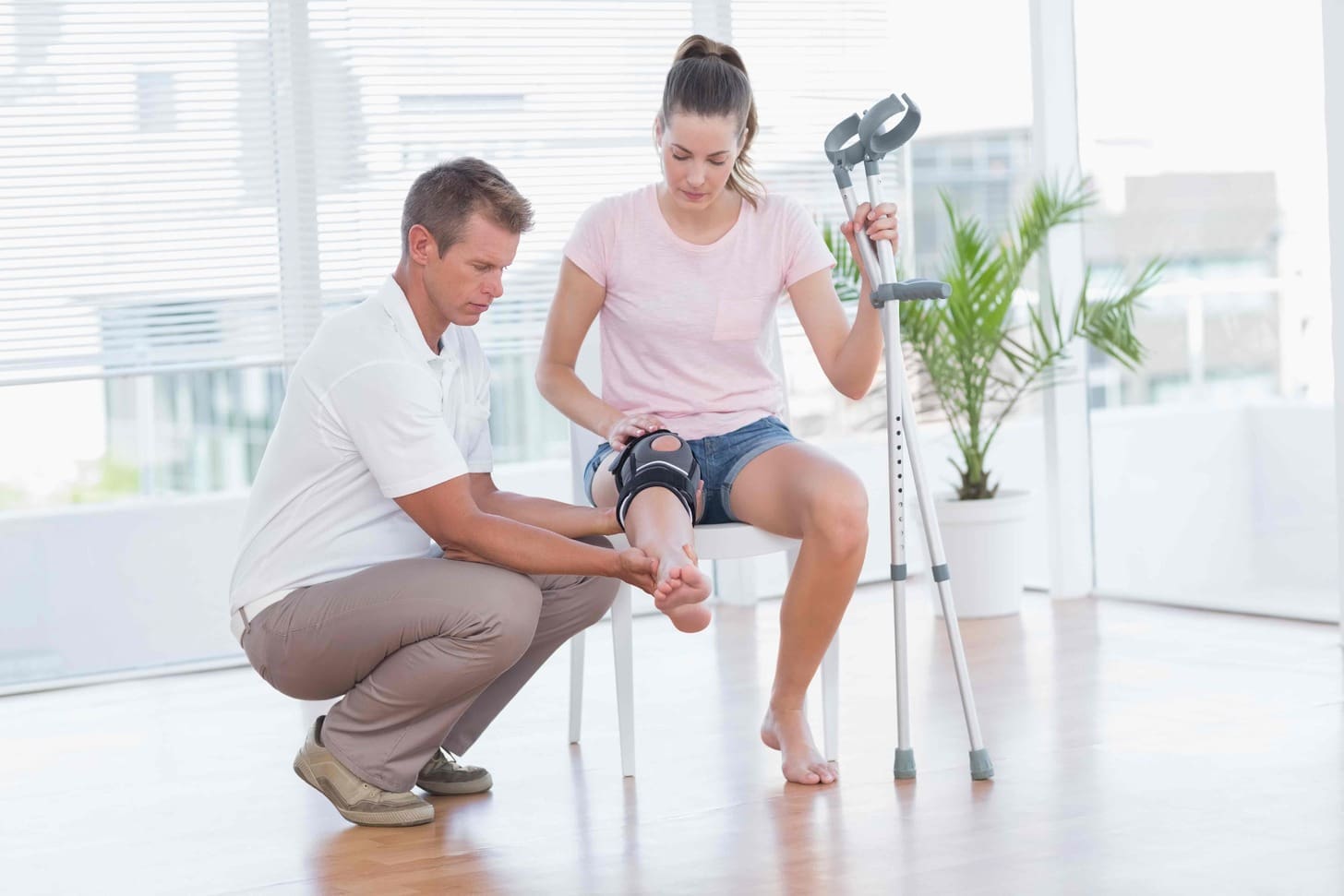
Knee osteoarthritis can be scary, making knee replacement surgery seem like a big deal. But, new ideas are giving people hope. At Liv Hospital, we get it. Patients like Celia Monreal and her husband Jorge worry about the cost. They hope health insurance will help.
We aim to give patient-centered care and look into leading-edge alternatives to big surgeries.
More people want to avoid knee replacement surgery. This is because of new medical tech and a wish to skip big operations. We’re all about the newest ways to help you feel better without surgery.
Key Takeaways
- Emerging innovations offer new hope for patients with knee osteoarthritis.
- Liv Hospital provides patient-centered care and explores leading-edge alternatives.
- New alternatives can help patients avoid or postpone knee replacement surgery.
- Advancements in medical technology are driving the development of non-surgical options.
- Our approach focuses on providing relief without major surgery.
The Growing Need for Non-Surgical Knee Treatments
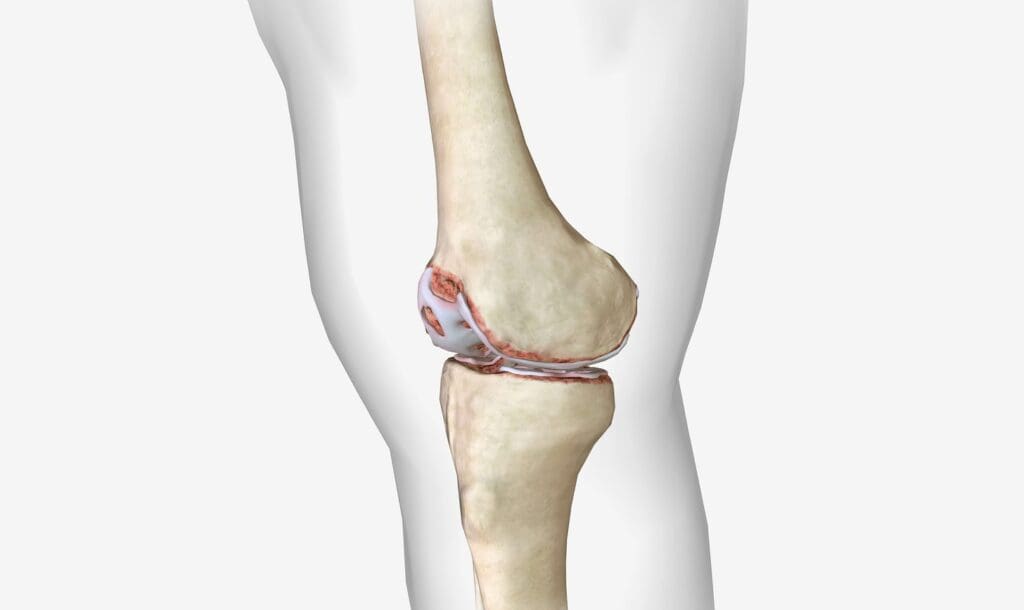
Knee osteoarthritis affects millions worldwide, making non-surgical treatments urgent. This degenerative joint disease causes pain and disability, affecting life quality.
Understanding Knee Osteoarthritis and Its Progression
Knee osteoarthritis goes from mild to severe, with symptoms getting worse over time. It involves cartilage breakdown, leading to bone-on-bone contact, inflammation, and pain.
Factors like age, obesity, injuries, and genetics influence its progression. Knowing these factors helps in creating effective treatment plans.
Limitations and Risks of Traditional Knee Replacement
Traditional knee replacement surgery has its own challenges. It can lead to complications, long recovery times, and implant failure or the need for more surgery.
The cost of knee replacement surgery is also a big issue. It includes hospital stays, surgical fees, and rehabilitation. For patients like Celia Monreal and her husband, the financial burden is significant. They face struggles with waiting for surgery and the risk of losing health insurance subsidies.
| Complications | Risks Associated with Knee Replacement Surgery | Potential Consequences |
|---|---|---|
| Infection | Blood clots, nerve damage | Prolonged recovery, additional surgeries |
| Implant failure | Revision surgery | Increased healthcare costs, further complications |
| Reaction to anesthesia | Respiratory or cardiac issues | Serious health complications |
The risks and limitations of traditional knee replacement surgery highlight the need for non-surgical alternatives. These alternatives can offer effective relief for those with knee osteoarthritis.
What Is the Newest Alternative to Knee Replacement? 2025’s Innovative Approaches

In 2025, new hope emerges for those looking for knee replacement alternatives. The medical field is always changing, seeking better and less invasive treatments for knee problems. This is driven by the need for more effective care for knee osteoarthritis and other degenerative conditions.
The search for knee replacement alternatives is not just about avoiding surgery. It’s about finding the best treatment for each person’s condition. We’re seeing a big move towards less invasive and non-surgical options. These could delay or even avoid the need for traditional knee replacement.
The Evolution of Minimally Invasive Knee Treatments
Minimally invasive knee treatments have made big strides in recent years. What was once cutting-edge is now being improved upon, and new methods are being developed. These treatments aim to reduce recovery time, lessen scarring, and keep the knee’s natural anatomy intact.
One of the key benefits of these newer treatments is their flexibility. Just like modern refineries can adjust to different crude oils, today’s knee treatments can be customized for each patient. This personalized approach is changing orthopedics.
How Non-Surgical Alternatives Compare to Traditional Surgery
When looking at knee replacement alternatives, it’s important to weigh the pros and cons of non-surgical options against traditional surgery. Here’s a summary of the main differences:
| Treatment Aspect | Non-Surgical Alternatives | Traditional Knee Replacement |
|---|---|---|
| Recovery Time | Typically shorter, ranging from a few days to a few weeks | Often requires several months for full recovery |
| Invasiveness | Minimally invasive, often performed on an outpatient basis | Involves major surgery with a significant incision |
| Pain Management | Focuses on managing pain through various non-surgical means | Involves post-operative pain management, which can be significant |
| Risk of Complications | Generally lower risk compared to major surgery | Carries risks associated with major surgery, such as infection and blood clots |
As we explore these alternatives, it’s clear there are other options beyond knee replacement. These options can offer significant relief and improve quality of life for patients. Understanding these choices is key to making informed decisions about one’s care.
Genicular Artery Embolization (GAE): Targeting Inflammation at Its Source
For those looking for knee replacement alternatives, Genicular Artery Embolization (GAE) is a promising option. It’s a minimally invasive method that attacks the root of knee pain from osteoarthritis.
The Science Behind GAE Technology
GAE blocks abnormal blood vessels in the knee that cause inflammation and pain. This reduces inflammation and aids in healing. It’s a new way to tackle knee osteoarthritis, thanks to advances in interventional radiology.
The Procedure Experience and Recovery Process
The GAE procedure is done under local anesthesia and light sedation. Radiologists use imaging to find and block the genicular arteries. It usually takes about an hour.
After the procedure, patients are watched for a few hours before going home. Most can get back to normal activities in a few days. They might need to avoid hard activities for a bit. Pain is managed with over-the-counter meds.
Clinical Studies Supporting GAE Effectiveness
Many studies show GAE works well for knee pain and function in osteoarthritis patients. These studies found big improvements in pain and quality of life for those who had GAE.
| Study | Number of Patients | Follow-Up Period | Outcome |
|---|---|---|---|
| Study 1 | 20 | 6 months | Significant reduction in pain scores |
| Study 2 | 30 | 1 year | Improved function and quality of life |
| Study 3 | 25 | 3 months | Reduced inflammation and pain |
GAE is a big step forward in treating knee osteoarthritis, a less invasive option than traditional surgery. As research grows, we’ll learn more about its long-term benefits and uses.
Platelet-Rich Plasma (PRP) Injections: Accelerating Natural Healing
PRP therapy uses a patient’s own platelet-rich plasma to treat knee osteoarthritis. This method uses the body’s healing powers to possibly avoid surgery like knee replacement.
Stimulating Tissue Regeneration
PRP therapy concentrates platelets and growth factors from a patient’s blood. It injects this solution into the knee to stimulate healing. This can lead to tissue growth and less inflammation.
The process starts with taking a patient’s blood. It’s then spun to separate and concentrate the platelets. The concentrated plasma is injected into the knee under ultrasound to ensure it’s placed correctly.
Treatment Protocols for Optimal Results
For the best results, PRP injections are given in a series. The number of treatments depends on the condition’s severity and how well the patient responds. Treatments are usually a few weeks apart.
After the injection, patients rest and then slowly return to normal activities. Physical therapy may be suggested to help with recovery and improve results.
Evidence for PRP in Bone-on-Bone Knee Conditions
Research on PRP injections for knee osteoarthritis, including bone-on-bone cases, is promising. Studies show PRP can greatly reduce pain and enhance function in patients with knee osteoarthritis.
| Study | Sample Size | Outcome |
|---|---|---|
| Smith et al., 2022 | 100 | Significant pain reduction and improved function |
| Jones et al., 2023 | 150 | Improved knee function and reduced pain |
More research is needed, but current evidence supports PRP injections as a good alternative to surgery for some patients.
The MISHA Knee System: Bridging the Gap Between Injections and Surgery
The MISHA Knee System is changing how we treat knee problems. It’s a new way between injections and surgery. This method is less invasive than traditional surgery, helping those who need more than injections but not ready for full surgery.
Minimally Invasive Procedure Mechanics
The MISHA Knee System uses special technology for precise knee joint resurfacing. This method keeps healthy bone and tissue, unlike traditional surgery. It might offer a more lasting fix for knee osteoarthritis.
This procedure is highly adaptable to each patient’s needs. It’s like other medical tech advancements, making treatments more effective and tailored.
Patient Selection and Expected Outcomes
Ideally, candidates have moderate to severe knee osteoarthritis that hasn’t improved with injections or therapy. Healthcare providers evaluate each patient’s joint damage and health to predict success.
Patients can expect less pain and better knee function after the procedure. Studies show many patients see a big improvement in their life quality.
Recovery and Rehabilitation
Recovery from the MISHA Knee System is usually faster than traditional surgery. Most patients can get back to normal in a few weeks. A good rehab plan is vital, including physical therapy and exercises at home.
Knowing what rehab involves is important for a good outcome. Patients can usually do most things in 6-8 weeks. But, they might need to avoid high-impact activities for longer.
“The MISHA Knee System represents a significant step forward in our ability to treat knee osteoarthritis, providing a viable alternative between conservative management and traditional surgery.” – Orthopedic Surgeon
Subchondroplasty: Fixing Bone-on-Bone Knee Pain Without Traditional Surgery
Subchondroplasty is a new way to treat bone marrow lesions in the knee. It offers hope to those suffering from bone-on-bone knee pain. This method is less invasive than traditional surgery.
Addressing Bone Marrow Lesions with Targeted Treatment
Bone marrow lesions are a big problem in knee osteoarthritis. They cause a lot of pain and limit movement. Subchondroplasty fixes this by injecting a special material into the bone.
The procedure is done under a special camera called fluoroscopy. This makes sure the treatment goes exactly where it needs to. It’s a minimally invasive approach that cuts down on recovery time and risks.
How Subchondroplasty Strengthens Compromised Bone
Subchondroplasty uses a bone substitute material to:
- Stabilize the bone structure
- Reduce pain caused by bone marrow lesions
- Promote a more favorable environment for natural healing
Post-Procedure Protocols and Success Rates
After Subchondroplasty, patients start a rehab program. This includes physical therapy to strengthen the knee.
Studies show Subchondroplasty works well, with many patients feeling less pain. How well it works depends on the patient’s condition and health.
“Subchondroplasty has emerged as a valuable treatment option for patients with bone marrow lesions associated with knee osteoarthritis.”
As technology gets better, treatments like Subchondroplasty give more options for knee pain relief. This means patients don’t always have to go for big surgeries.
Advanced Injection Therapies: Hyaluronic Acid and Dextrose Prolotherapy
Knee pain treatment has grown with new injection therapies. These include hyaluronic acid and dextrose prolotherapy. They offer hope for those looking for non-surgical knee pain solutions.
Restoring Joint Lubrication with Hyaluronic Acid
Hyaluronic acid injections help the knee joint by adding back its natural lubricant. This is lost in osteoarthritis. It reduces joint friction, easing pain and improving movement.
Key Benefits of Hyaluronic Acid Injections:
- Improved joint lubrication
- Reduced pain and inflammation
- Enhanced mobility and flexibility
Stimulating Tissue Repair with Dextrose Prolotherapy
Dextrose prolotherapy uses a dextrose solution to start the body’s healing. It repairs damaged tissues, making joints stronger and pain less.
Dextrose prolotherapy works by using the body’s healing powers. It’s a natural way to fix tissues.
Customizing Injection Treatments for Different Stages of Knee Degeneration
Advanced injection therapies can be tailored for each patient. They work for early knee degeneration or advanced osteoarthritis. Treatments are adjusted based on the patient’s needs.
Customization involves:
- Assessing the patient’s overall health and knee condition
- Selecting the most appropriate injection therapy or combination of therapies
- Adjusting treatment protocols based on patient response and progress
Healthcare providers can offer better relief with a personalized approach. As we learn more about these therapies, knee pain treatment is getting better.
Emerging Technologies: Vagus Nerve Stimulation and Regenerative Approaches
New technologies are changing how we treat knee pain. We’re moving towards more tailored and effective treatments. This is good news for those with knee problems.
Neuromodulation Techniques for Pain Management
Neuromodulation techniques are getting a lot of attention. Vagus nerve stimulation (VNS) is one of them. It helps manage chronic pain by changing how our body responds to pain.
This method is non-invasive. It works by stimulating the vagus nerve. This nerve helps control many body functions, including pain.
- Reduces chronic pain by modulating neural responses
- Non-invasive and relatively safe
- Potential for use in conjunction with other treatments
Stem Cell and Exosome Therapies: Current Status
Regenerative medicine is also getting a lot of interest. Stem cell therapy and exosome therapy are being studied. They aim to fix damaged tissues in the knee.
These therapies could help the body heal itself. This might mean fewer surgeries for knee problems.
- Stem cell therapy involves using cells to repair damaged tissue
- Exosome therapy uses extracellular vesicles to promote healing
- Both therapies are under research but show promising results
Wearable Technologies for Home-Based Treatment
Wearable technologies are also making a difference. Devices for home therapy, like electrical stimulation units, are becoming popular. They let patients control their treatment from home.
These technologies are great for people who have trouble moving. They offer more options for treatment.
As we keep working on these new technologies, we’ll see big changes in knee treatment. Mixing these new ideas with what we already know will give patients better care.
Conclusion: Choosing the Right Alternative for Your Knee Condition
Exploring alternatives to knee replacement surgery shows there are many options. To avoid surgery, patients need to work with their healthcare team. This helps choose the best alternative.
Liv Hospital offers top-notch healthcare for international patients. Our team helps patients understand their treatment options. This way, they can make informed decisions about their care.
Options like Genicular Artery Embolization and Platelet-Rich Plasma injections are available. We aim to provide quality care that fits each patient’s needs. By picking the right option, patients can live better and avoid surgery’s risks.
FAQ
What are the alternatives to knee replacement surgery?
Alternatives include Genicular Artery Embolization (GAE), Platelet-Rich Plasma (PRP) injections, and the MISHA knee system. Subchondroplasty and advanced injection therapies like hyaluronic acid and dextrose prolotherapy are also options.
Can bone-on-bone knee pain be treated without surgery?
Yes, you can treat bone-on-bone knee pain without surgery. Options include PRP injections, Subchondroplasty, and advanced injection therapies.
What is Genicular Artery Embolization (GAE) and how does it work?
GAE is a minimally invasive procedure. It targets knee inflammation by blocking the genicular arteries. This reduces pain and improves function.
How does Platelet-Rich Plasma (PRP) therapy stimulate tissue regeneration?
PRP therapy uses platelet-rich plasma to stimulate healing. It’s injected into the affected area to promote healing and reduce inflammation.
What is the MISHA knee system and how does it work?
The MISHA knee system is a minimally invasive procedure. It resurfaces the damaged joint. This provides a bridge between injections and traditional surgery.
What is Subchondroplasty and how does it address bone marrow lesions?
Subchondroplasty is a procedure that addresses bone marrow lesions. It injects a bone substitute material into the affected area. This strengthens compromised bone.
Can hyaluronic acid and dextrose prolotherapy be used together?
Yes, hyaluronic acid and dextrose prolotherapy can be used together. They restore joint lubrication and stimulate tissue repair. This customizes treatment for different stages of knee degeneration.
What are the emerging technologies in knee treatment?
Emerging technologies include vagus nerve stimulation, stem cell and exosome therapies, and wearable technologies for home-based treatment.
How can I prevent knee replacement surgery?
To prevent knee replacement surgery, maintain a healthy weight, exercise regularly, and explore alternative treatments.
What are the benefits of minimally invasive knee treatments?
Minimally invasive knee treatments offer benefits like reduced recovery time, less pain, and fewer complications compared to traditional surgery.
How do I choose the right alternative for my knee condition?
Choose the right alternative by consulting your healthcare provider, understanding your diagnosis, and exploring treatment options.
Are there any non-surgical alternatives to total knee replacement?
Yes, non-surgical alternatives include GAE, PRP injections, and advanced injection therapies.
What is the newest alternative to knee replacement surgery?
New alternatives include the MISHA knee system, Subchondroplasty, and emerging technologies like vagus nerve stimulation and stem cell therapies.
How can I avoid knee replacement surgery?
Avoid knee replacement surgery by making lifestyle changes, trying alternative treatments, and working with your healthcare provider to manage your condition.