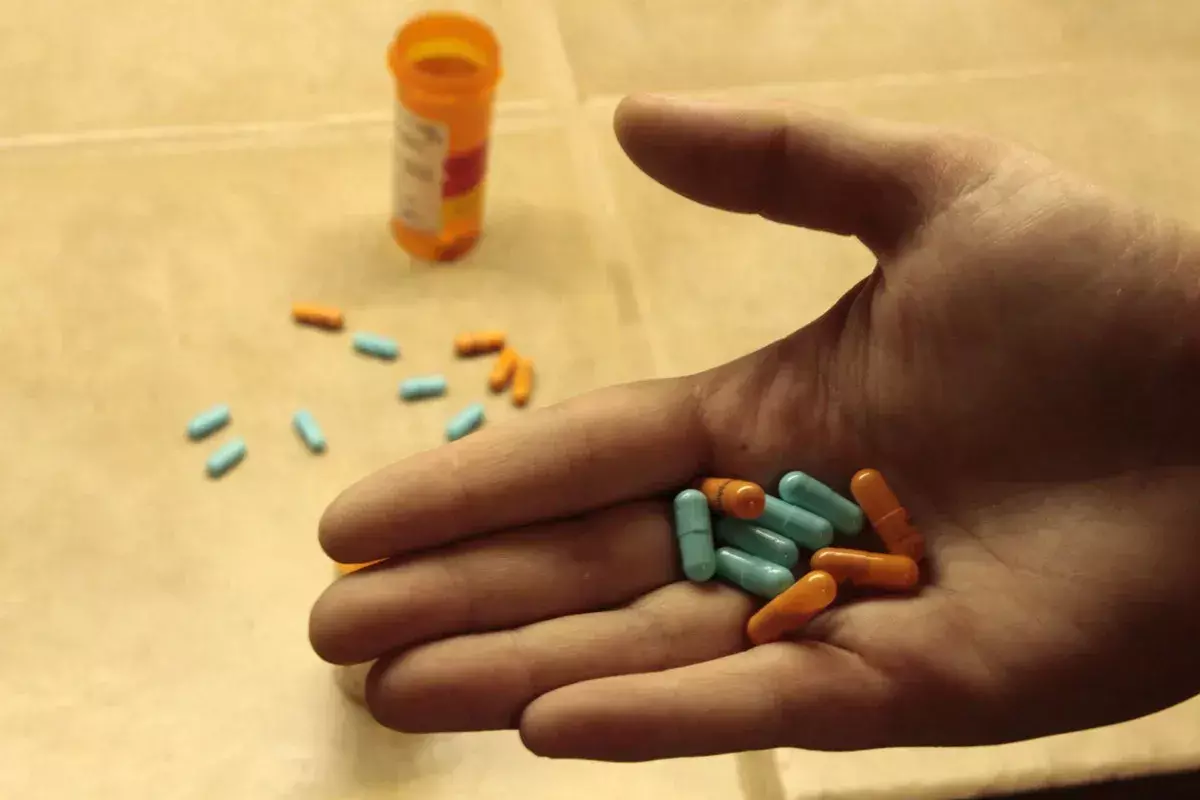

Opioid use disorder (OUD) is a big problem worldwide, affecting millions. About 4.8 million people aged 12 and older had opioid use disorder symptoms last year. It’s important to know the signs of opioid addiction early to help.
The Diagnostic and Statistical Manual of Mental Disorders, 5th Edition, Text Revision (DSM) says OUD is when someone uses opioids and it causes problems. Knowing the physical signs of opioid abuse and other symptoms is key for everyone.
Key Takeaways
- Opioid use disorder is a chronic medical condition characterized by a pattern of opioid use leading to significant impairment or distress.
- Early recognition of opioid addiction symptoms is critical for timely intervention and recovery.
- The DSM 5-TR criteria for diagnosing OUD include continued opioid use despite worsening health and social consequences.
- Understanding the signs and symptoms of opioid addiction helps in providing appropriate support and treatment.
- Liv Hospital’s patient-centered approach is designed to provide comprehensive care for individuals struggling with opioid use disorder.
Understanding Opioid Use Disorder and Its Impact

Opioid use disorder is a serious condition. It involves using opioids even when it causes problems in daily life. This condition is complex and affects many people.
Definition and Prevalence Statistics
Opioid use disorder means using opioids in a way that harms daily life. It leads to a strong need for the drug, needing more to feel the same effect, and withdrawal symptoms when stopping. Millions worldwide, including many in the U.S., struggle with this issue.
The number of people with opioid use disorder has grown. This is mainly because more opioid painkillers are available. We’ll look at the numbers more closely below.
| Year | Number of People Affected | Rate of Opioid Use Disorder |
| 2015 | 2 million | 0.6% |
| 2017 | 2.5 million | 0.8% |
| 2019 | 3.2 million | 1.0% |
How Opioid Dependence Develops
Opioid dependence can start with trying opioids, often from prescribed medicines or friends. The risk of addiction varies, with painkillers being more likely to cause addiction quickly.
Many factors can lead to opioid dependence. These include genetics, environment, and mental health issues. Knowing these risks helps prevent addiction.
Physical Signs and Symptoms of Opioid Use Disorder

Opioid abuse shows through physical signs that are clear to others. These signs can help us spot those struggling with opioid addiction. Let’s look at these signs to better understand the issue.
1. Constricted Pupils and Drowsiness
Constricted pupils, or “pinpoint pupils,” are a key sign of opioid use. People using opioids might also seem drowsy or sedated. They might look lethargic or confused. This is because opioids affect the brain, causing pupils to shrink and leading to feelings of happiness and calm.
2. Significant Weight Loss and Physical Deterioration
Opioid dependence can cause significant weight loss because of less hunger and less interest in food. People might also look worse, with poor hygiene, skin issues, and a drop in health. This is because they might not care about their appearance or eating well.
3. Withdrawal Symptoms When Not Using
When someone with opioid dependence stops using or uses less, they might get withdrawal symptoms. These can include feeling agitated, muscle pain, trouble sleeping, diarrhea, vomiting, and strong cravings for opioids. These symptoms show that the body is physically dependent on opioids.
It’s important to know these signs to spot opioid use disorder. By understanding these signs, we can help those affected and guide them to the right treatment.
Behavioral and Psychological Opioid Use Disorder Symptoms
Behavioral and psychological symptoms are key signs of opioid use disorder. They can change daily life and relationships. Knowing these signs is important for spotting opioid addiction.
Social Isolation and Relationship Deterioration
One big sign is social isolation. People might pull away from friends and family. This makes it tough to get help.
Relationship conflicts and family issues often come from opioid use. It changes how people act.
Financial Problems and Neglect of Responsibilities
Opioid addiction can cause big money troubles. People might spend a lot on drugs. This can lead to neglecting financial responsibilities.
They might miss work or school. This makes money problems worse. For more info, check Psychiatry.org.
Drug-Seeking Behaviors and Preoccupation with Obtaining Opioids
Trying hard to get opioids is a big sign. This can mean drug-seeking behaviors. People might see many doctors or buy drugs illegally.
Thinking about opioids all the time can trap them in addiction. It’s a cycle that’s hard to break.
Mood Swings, Anxiety, and Depression
Psychological signs include mood swings, anxiety, and depression. These can start because of opioids or make addiction worse. Mood swings happen because opioids affect the brain.
The stress of needing drugs can cause more anxiety and depression. It’s important to understand these signs to help.
Conclusion: Recognizing the Signs and Finding Treatment
It’s key to spot the seven main signs of opioid use disorder early. Knowing how addiction to painkillers starts helps people get help fast. This way, they can avoid serious problems.
Overcoming opioid addiction is tough, but there are ways to fight it. Medicines like methadone, buprenorphine, and naltrexone help with withdrawal and cravings. Therapy and self-help groups also help tackle the root causes of addiction.
If you’re struggling with opioid addiction, getting help is the first step to recovery. By knowing the signs and treatment options, you can start to take back your life. This is how you beat opioid use disorder.
FAQ
What are the common physical signs of opioid addiction?
Signs include small pupils, feeling very tired, losing a lot of weight, and withdrawal when not using. These signs help spot people with opioid addiction.
How does opioid dependence develop?
Dependence comes from long-term opioid use, changing the brain’s chemistry. Dosage, how long you use it, and your body’s response play a role.
What behavioral changes are associated with opioid use disorder?
Changes include staying away from friends, money troubles, looking for drugs, and mood swings. These affect daily life and relationships a lot.
Can opioid addiction be treated?
Yes, it can be treated with medicines, therapy, and support groups. Starting treatment early is key for success.
What are the signs of opioid withdrawal?
Withdrawal signs are nausea, sweating, shaking, and feeling anxious. They happen when someone stops or cuts back on opioids after becoming dependent.
How can I identify if someone is struggling with opioid use disorder?
Look for small pupils and tiredness, and changes like avoiding friends and money issues. Spotting these signs can help offer support and get professional help.
What treatment options are available for opioid use disorder?
Options include medicines like methadone and buprenorphine, therapy, and support groups. A full treatment plan can help beat opioid addiction.
References
National Center for Biotechnology Information. Evidence-Based Medical Guidance. Retrieved from https://www.ncbi.nlm.nih.gov/books/NBK553166/