Last Updated on November 18, 2025 by Ugurkan Demir

At Liv Hospital, we provide world-class healthcare with complete support for international patients, advancing evidence-based approaches in sports medicine. The field of sports medicine is diverse, encompassing various specialties, including primary care, orthopedics, physiotherapy, sports nutrition, cardiology, and sports psychology.
As a leader in international patient-centered healthcare, we recognize the growing demand for professionals in this area. Our comprehensive healthcare services cater to the needs of athletes and individuals seeking advanced medical treatments, including cardiovascular sports care and innovative sport studien.
Key Takeaways
- Sports medicine encompasses diverse specialties, including primary care and cardiology.
- Liv Hospital provides world-class healthcare with complete support for international patients.
- Advanced cardiovascular sports care is a crucial aspect of sports medicine.
- Sport studien play a significant role in advancing evidence-based approaches in sports medicine.
- Comprehensive healthcare services cater to the needs of athletes and individuals seeking advanced medical treatments.
The Growing Field of Sports Medicine
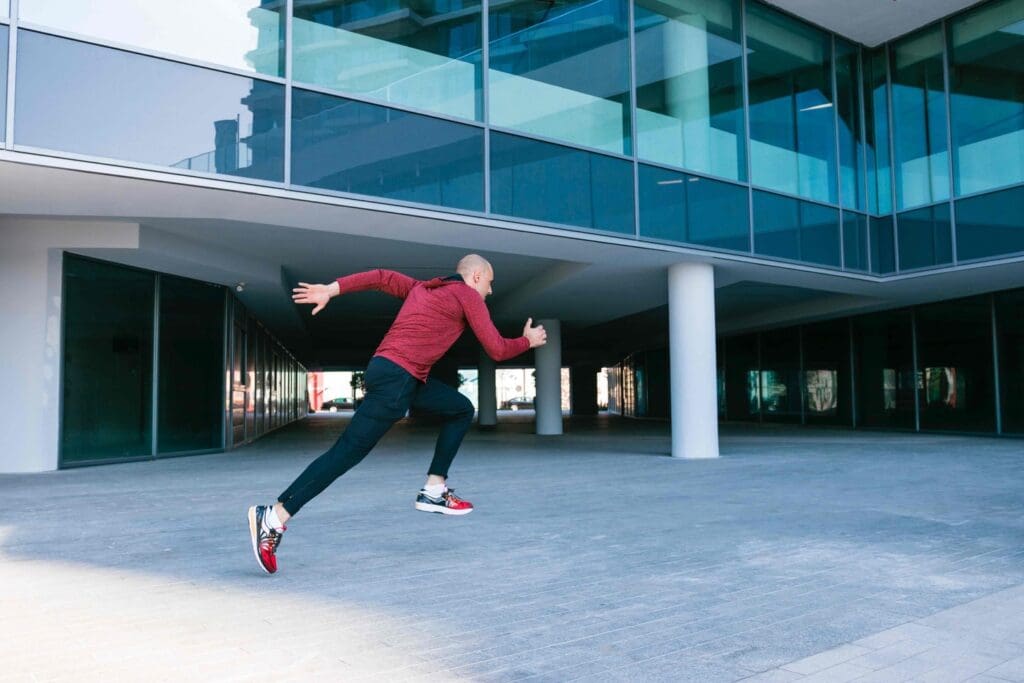
With advancements in medical technology and a growing interest in sports, the field of sports medicine is becoming increasingly prominent. As a result, there is a rising demand for professionals who can provide specialized care to athletes and individuals engaged in physical activities.
We are witnessing a significant shift in the healthcare landscape, with sports medicine emerging as a critical component. This growth is driven by various factors, including an increased awareness of the importance of preventive care and the need for effective treatment of sports-related injuries.
Current Trends and Developments
The field of sports medicine is evolving rapidly, with several current trends shaping its future. Technological advancements are playing a crucial role in this evolution, enabling more accurate diagnoses and effective treatment plans. Additionally, there is a growing emphasis on preventive care, with professionals focusing on strategies to prevent injuries and enhance athletic performance.
Some of the key developments in sports medicine include the use of advanced imaging techniques, such as MRI and ultrasound, to diagnose injuries more accurately. Furthermore, there is a growing interest in personalized medicine, where treatment plans are tailored to the individual needs of athletes.
The 812 Sports Career Paths in Medicine
The sports medicine field offers a diverse range of career opportunities, with 812 sports career paths available. These range from primary care and orthopedic surgery to sports physical therapy and sports psychology. Professionals in this field can choose from a variety of specialties, allowing them to align their careers with their interests and skills.
Some of the career paths in sports medicine include:
- Sports physicians
- Orthopedic surgeons
- Sports physical therapists
- Sports psychologists
- Athletic trainers
With so many career paths available, individuals can select roles that best suit their expertise and passions, contributing to a fulfilling career in sports medicine.
The 7 Major Types of Sports Medicine
The field of sports medicine is diverse, comprising various disciplines that work together to ensure comprehensive care for athletes. This multidisciplinary approach is crucial for addressing the complex needs of athletes, from prevention and diagnosis to treatment and rehabilitation.
Overview of Specializations
Sports medicine encompasses several key specializations, each focusing on different aspects of athlete care. The seven major types include:
- Primary care sports medicine
- Orthopedic sports medicine
- Sports physical therapy and rehabilitation
- Sports nutrition and dietetics
- Cardiovascular sports medicine
- Sports psychology
- Sport studien (academic and research approaches)
These specializations work together to provide a holistic approach to athlete care, ensuring that all aspects of an athlete’s health are addressed.
Multidisciplinary Approach to Athletic Care
A multidisciplinary approach is at the heart of effective sports medicine. By combining the expertise of various specialists, we can provide comprehensive care that enhances athlete performance and well-being. For instance, a sports physician might work alongside a physical therapist, nutritionist, and psychologist to develop a tailored training and recovery plan for an athlete.
“The multidisciplinary team approach is essential in sports medicine, as it allows for a more comprehensive understanding of the athlete’s needs and the development of targeted interventions.”
Certification and Training Requirements
Professionals in sports medicine undergo rigorous training and certification processes to ensure they are equipped to provide high-quality care. For example, sports physicians typically complete fellowship training in sports medicine, while physical therapists may obtain specialized certifications in sports physical therapy.
| Specialization | Typical Certification/Training |
|---|---|
| Primary Care Sports Medicine | Fellowship training in sports medicine |
| Orthopedic Sports Medicine | Board certification in orthopedic surgery with additional sports medicine fellowship |
| Sports Physical Therapy | Certified Specialist in Sports Physical Therapy (SCS) |
By understanding the different types of sports medicine and the certification requirements for each, we can better appreciate the complexity and depth of care provided to athletes.
Primary Care Sports Medicine
Primary care sports medicine plays a pivotal role in maintaining the health and performance of athletes across various sports disciplines. As a key specialty in sports medicine, it encompasses a broad range of medical services designed to prevent, diagnose, and treat injuries and illnesses in athletes.
Scope of Practice
The scope of practice for primary care sports medicine is comprehensive, covering various aspects of athlete care. Primary care sports physicians are trained to provide medical support for athletes, from routine check-ups and injury diagnosis to treatment and rehabilitation guidance. They are equipped to handle a wide range of medical conditions, including musculoskeletal injuries, concussions, and other sports-related illnesses.
“The role of primary care sports medicine is not limited to treating injuries; it’s also about preventing them,” emphasizes the importance of this specialty. Preventative care is a crucial aspect, involving education on proper training techniques, nutrition, and hydration to minimize the risk of injury.
Preventative Care and General Treatment
Preventative care is a cornerstone of primary care sports medicine. Physicians in this field work closely with athletes to identify potential risk factors for injury and develop strategies to mitigate these risks. This proactive approach includes advising on safe training practices, injury prevention exercises, and nutritional counseling to optimize performance and health.
When injuries do occur, primary care sports physicians provide general treatment, which may include initial diagnosis, treatment planning, and referral to specialists if necessary. They are skilled in managing common sports injuries, such as sprains, strains, and overuse injuries, ensuring that athletes receive appropriate care to return to their sport safely.
When to Consult a Primary Care Sports Physician
Athletes should consider consulting a primary care sports physician for various reasons, including:
- Pre-participation physical examinations to ensure they are fit for their sport
- Diagnosis and treatment of acute or chronic injuries
- Guidance on injury prevention and safe training practices
- Nutritional and hydration advice tailored to their specific needs
By consulting a primary care sports physician, athletes can benefit from personalized medical care that addresses their unique needs, enhancing their overall health and performance.
Orthopedic Sports Medicine
As a critical component of sports medicine, orthopedic sports medicine focuses on the diagnosis, treatment, and prevention of musculoskeletal disorders. We recognize the importance of this specialty in managing injuries that affect athletes’ performance and overall well-being.
Musculoskeletal Injury Management
Musculoskeletal injuries are common among athletes, ranging from minor sprains to complex fractures. Effective management involves a comprehensive approach, including accurate diagnosis, appropriate treatment, and rehabilitation. We emphasize the need for a multidisciplinary team to provide optimal care.
The management process begins with a thorough assessment, utilizing imaging techniques such as X-rays and MRI scans to determine the extent of the injury. Treatment plans are then developed based on the severity and nature of the injury.
Surgical and Non-Surgical Approaches
Orthopedic sports medicine encompasses both surgical and non-surgical treatments. Non-surgical approaches include physical therapy, medication, and bracing, aimed at alleviating symptoms and promoting recovery. Surgical interventions are considered when conservative methods are ineffective or the injury requires operative management.
We highlight the importance of personalized treatment plans, as each athlete’s needs and goals are unique. The decision between surgical and non-surgical approaches is made on a case-by-case basis, considering factors such as the athlete’s overall health, the severity of the injury, and their specific sport or activity.
Recovery and Rehabilitation Protocols
Recovery and rehabilitation are crucial phases in the management of musculoskeletal injuries. We develop tailored rehabilitation programs that include exercises to restore strength, flexibility, and function. The goal is to enable athletes to return to their sport safely and efficiently.
A key aspect of rehabilitation is the gradual progression of exercises and activities, monitored by healthcare professionals. This approach helps prevent re-injury and ensures that athletes are adequately prepared for the demands of their sport.
| Rehabilitation Phase | Goals | Interventions |
|---|---|---|
| Acute Phase | Reduce pain and inflammation | Rest, ice, compression, elevation (RICE), pain management medication |
| Sub-Acute Phase | Restore range of motion and strength | Physical therapy, stretching, and strengthening exercises |
| Advanced Phase | Enhance functional capabilities | Agility drills, sport-specific training, plyometric exercises |
Sports Physical Therapy and Rehabilitation
Effective sports physical therapy involves a comprehensive approach, including assessment, treatment, and rehabilitation techniques tailored to the athlete’s specific needs. We recognize the importance of a multidisciplinary strategy in helping athletes recover from injuries and achieve optimal performance.
Assessment and Treatment Methodologies
Sports physical therapists employ various methodologies to assess and treat athletic injuries. These include manual therapy techniques, such as joint mobilization and soft tissue mobilization, as well as exercise prescription and education on injury prevention.
Key assessment techniques include:
- Functional movement screening
- Strength and conditioning assessments
- Gait analysis
By utilizing these assessment tools, therapists can identify the root cause of an athlete’s injury and develop a targeted treatment plan.
The 51 Recognized Sport Interventions
There are numerous sport interventions recognized for their effectiveness in injury prevention and rehabilitation. We acknowledge the diversity of these interventions, which range from pre-habilitation exercises designed to prevent injuries before they occur, to rehabilitation protocols aimed at restoring function after an injury.
Some of the recognized sport interventions include:
- Proprioceptive training
- Agility drills
- Plyometric exercises
- Resistance band training
- Balance training
Evidence-Based Rehabilitation Techniques
Rehabilitation techniques in sports physical therapy are grounded in evidence-based practice. We emphasize the use of interventions that have been proven effective through scientific research, ensuring that athletes receive the most appropriate care for their injuries.
Examples of evidence-based techniques include:
- Progressive resistance exercises
- Neuromuscular re-education
- Task-specific training
By integrating these techniques into rehabilitation programs, sports physical therapists can help athletes achieve a safe and successful return to their sport.
Cardiovascular Sports Medicine
Cardiovascular sports medicine is dedicated to the care and management of athletes’ heart health, from monitoring to performance enhancement. We recognize the importance of a healthy cardiovascular system for athletes to perform at their best.
Heart Health Monitoring in Athletes
Regular heart health monitoring is crucial for athletes to prevent and detect cardiovascular issues early. We use advanced diagnostic techniques to assess cardiac function and identify potential risks.
Key monitoring techniques include:
- Electrocardiograms (ECGs) to assess heart rhythm
- Echocardiograms to evaluate heart structure and function
- Stress tests to monitor heart performance under exertion
Managing Arrhythmias and Cardiac Concerns
Managing arrhythmias and other cardiac concerns is a critical aspect of cardiovascular sports medicine. We work closely with athletes to diagnose and treat conditions that could impact their performance or health.
Effective management strategies involve:
- Personalized treatment plans tailored to the athlete’s specific condition and needs
- Advanced medication therapies to control arrhythmias and other cardiac issues
- Lifestyle adjustments to reduce cardiac risk factors
Performance Enhancement for Endurance Athletes
For endurance athletes, optimizing cardiovascular performance is key to achieving success. We provide guidance on training methods and nutritional strategies to enhance cardiovascular endurance.
Performance enhancement techniques include:
- Customized training programs to improve cardiovascular efficiency
- Nutritional counseling to support heart health and endurance
- Monitoring and feedback to optimize performance and prevent overtraining
Sports Nutrition and Dietetics
A well-planned sports nutrition strategy is essential for athletes seeking to optimize their performance. Sports nutrition is a critical aspect of sports medicine, as it directly impacts an athlete’s ability to perform and recover.
Recent studies have highlighted the significance of diet in athletic performance, with one study concluding that diet plays a far greater role than exercise in weight loss. This underscores the importance of understanding nutritional requirements for different sports and implementing effective dietary strategies.
Nutritional Requirements for Different Sports
Athletes participating in various sports have different nutritional needs based on the intensity, duration, and type of their activity. For instance, endurance athletes require a diet rich in complex carbohydrates, while strength athletes need a higher intake of protein to support muscle repair and growth.
| Sport Type | Primary Nutritional Requirement | Example Foods |
|---|---|---|
| Endurance | Complex Carbohydrates | Whole grains, fruits, vegetables |
| Strength | High Protein | Lean meats, fish, eggs, dairy |
| Team Sports | Balanced Macronutrients | Varied diet including proteins, carbohydrates, and healthy fats |
Performance-Enhancing Dietary Strategies
Athletes can benefit from various dietary strategies to enhance their performance. These include carbohydrate loading before endurance events, consuming protein within the recovery window after exercise, and maintaining adequate hydration levels.
“Nutrition is a critical component of the athlete’s toolkit. A well-planned diet can significantly enhance performance and aid in recovery.”
Hydration is also a crucial aspect of sports nutrition. Adequate fluid intake before, during, and after exercise is essential to prevent dehydration and maintain performance levels.
Hydration and Recovery Nutrition
Post-exercise nutrition is vital for recovery. Consuming a mix of carbohydrates and protein within 30-60 minutes after exercise can help in replenishing glycogen stores and repairing muscle tissue.
- Replenish fluids and electrolytes lost during exercise.
- Consume a balanced meal or snack with carbohydrates and protein within the recovery window.
- Monitor and adjust hydration based on individual needs and environmental conditions.
By understanding and implementing these nutritional strategies, athletes can optimize their performance and recovery, gaining a competitive edge in their respective sports.
Sports Psychology
The mental aspect of sports is just as important as the physical, and sports psychology is at the forefront of this intersection. We recognize that athletes face not only physical challenges but also mental hurdles that can significantly impact their performance and overall well-being.
Mental Performance Optimization
Sports psychology involves techniques and strategies aimed at enhancing mental performance. We work with athletes to develop a strong competitive mindset, improve focus, and manage stress and anxiety. Techniques such as visualization, positive self-talk, and mindfulness are commonly used to optimize mental performance.
Key strategies for mental performance optimization include:
- Goal setting
- Concentration techniques
- Emotional regulation
Psychological Aspects of Injury Recovery
Injury is an unfortunate reality in sports, and the psychological impact can be just as significant as the physical. We support athletes in coping with the emotional challenges of injury, maintaining a positive outlook, and staying engaged in their rehabilitation process.
The psychological aspects of injury recovery involve:
- Acknowledging the emotional response to injury
- Developing coping strategies
- Maintaining motivation during rehabilitation
Stress Management and Competitive Mindset
Competitive sports inherently involve stress and pressure. Sports psychologists work with athletes to develop effective stress management techniques and cultivate a competitive mindset that enhances performance under pressure.
By focusing on these areas, we help athletes achieve a balanced mental state that supports their overall performance and well-being.
Sport Studien: Academic and Research Approaches
Sport studien has emerged as a crucial component in the advancement of sports medicine, driving innovation through academic and research initiatives. As we continue to push the boundaries of athletic performance and healthcare, the importance of evidence-based practices cannot be overstated.
Universities and research institutions are at the forefront of this development, offering specialized programs that delve into the intricacies of sports medicine. These programs not only educate the next generation of sports medicine professionals but also contribute significantly to the body of research in this field.
University Programs and Research Initiatives
Many universities now offer dedicated programs in sport studien, focusing on the scientific and medical aspects of sports. These programs often include coursework in exercise physiology, sports nutrition, and injury management, providing a comprehensive understanding of the factors that influence athletic performance and health.
- Advanced research in sports biomechanics and physiology
- Studies on the psychological aspects of sports performance
- Innovations in sports injury prevention and rehabilitation
Research initiatives are also being driven by the need to translate scientific findings into practical applications. This involves collaboration between researchers, clinicians, and sports professionals to ensure that the latest discoveries are effectively integrated into training programs and treatment protocols.
Evidence-Based Practice Development
The development of evidence-based practices is a cornerstone of sport studien. By grounding clinical decisions in scientific research, we can ensure that athletes receive the most effective care possible. This approach not only enhances performance but also reduces the risk of injury and improves overall health outcomes.
Key elements of evidence-based practice include:
- Systematic review of existing research
- Clinical expertise and patient values
- Continuous updating of knowledge and practices
Translating Research into Clinical Applications
One of the critical challenges in sport studien is translating research findings into clinical practice. This requires a multidisciplinary approach, involving researchers, clinicians, and other stakeholders. By working together, we can ensure that the latest research is effectively applied to real-world problems, benefiting athletes and sports professionals alike.
As we move forward, it is clear that sport studien will continue to play a vital role in shaping the future of sports medicine. Through ongoing research and academic initiatives, we can look forward to new breakthroughs and innovations that will enhance the health and performance of athletes worldwide.
Excellence in Sports Medicine: The Liv Hospital Approach
At Liv Hospital, we pride ourselves on delivering excellence in sports medicine through our commitment to international standards and practices. Our sports medicine department is designed to provide athletes and individuals with comprehensive care, addressing their unique needs through a multidisciplinary approach.
International Standards and Practices
We adhere to the highest international standards in sports medicine, ensuring that our patients receive world-class treatment. Our facilities and equipment are designed to meet the rigorous demands of international healthcare standards, providing a safe and effective environment for diagnosis, treatment, and rehabilitation.
Our commitment to international standards is reflected in our:
- Accreditation by renowned international healthcare bodies
- Use of cutting-edge technology and equipment
- Adherence to evidence-based treatment protocols
Multidisciplinary Patient Care Models
At the heart of our sports medicine program is a multidisciplinary patient care model, bringing together experts from various fields to provide holistic care. Our team includes sports physicians, orthopedic surgeons, physical therapists, nutritionists, and psychologists, all working together to address the complex needs of athletes.
| Specialty | Role in Patient Care |
|---|---|
| Sports Physicians | Diagnosis and medical management of sports-related injuries |
| Orthopedic Surgeons | Surgical interventions for complex musculoskeletal injuries |
| Physical Therapists | Rehabilitation and physical conditioning programs |
Five-Star Healthcare Experiences for Athletes
We are dedicated to providing a five-star healthcare experience for athletes, focusing on personalized care, comfort, and convenience. From the initial consultation to the completion of treatment and rehabilitation, our patients are treated with the utmost respect and care.
Our commitment to excellence is reflected in our patient-centric approach, state-of-the-art facilities, and a relentless pursuit of innovation in sports medicine.
Emerging Trends in Sports Medicine
The future of sports medicine is being shaped by technological advancements, personalized care, and holistic practices. As we continue to push the boundaries of athletic performance and recovery, several key trends are emerging that are transforming the landscape of sports healthcare.
Technological Innovations
Technological innovations are at the forefront of sports medicine, offering new ways to diagnose, treat, and prevent injuries. Some of the most significant advancements include:
- Wearable Technology: Wearable devices are becoming increasingly sophisticated, allowing for real-time monitoring of athletes’ vital signs, movement patterns, and other critical health metrics.
- 3D Printing and Biomechanics: The use of 3D printing to create customized orthotics, prosthetics, and implants is revolutionizing the field of sports medicine, enabling more precise and effective treatments.
- Telemedicine: Telemedicine platforms are expanding access to sports medicine services, allowing athletes to receive consultations and care remotely.
Personalized Medicine for Athletes
Personalized medicine is becoming increasingly important in sports healthcare, as it allows for tailored treatment plans that address the unique needs and genetic profiles of individual athletes. Key aspects include:
- Genetic Testing: Genetic testing can identify predispositions to certain injuries or conditions, enabling proactive measures to be taken.
- Nutrigenomics: Nutrigenomics involves tailoring dietary recommendations based on an athlete’s genetic makeup, optimizing performance and recovery.
- Customized Training Programs: By analyzing an athlete’s genetic and physiological data, training programs can be customized to maximize performance while minimizing the risk of injury.
Integrative and Holistic Approaches
Integrative and holistic approaches are gaining traction in sports medicine, as they offer a more comprehensive view of athlete health. These approaches include:
- Mind-Body Therapies: Techniques such as mindfulness, meditation, and yoga are being used to enhance mental performance and reduce stress.
- Acupuncture and Traditional Medicine: Acupuncture and other forms of traditional medicine are being integrated into sports medicine to treat a variety of conditions, from pain management to recovery enhancement.
- Holistic Nutrition: A focus on whole, nutrient-dense foods is becoming more prevalent, as athletes and practitioners alike recognize the importance of diet in overall health and performance.
By embracing these emerging trends, sports medicine is poised to continue its evolution, providing athletes with more effective, personalized, and comprehensive care.
Conclusion: The Future of Athletic Healthcare
As we have explored the various facets of sports medicine, it is evident that the future of athletic healthcare is promising, driven by advancements in multiple specialties. The recognition of 51 sport interventions and the utilization of 306 40 clinical codes underscore the complexity and sophistication of modern athletic care.
We are witnessing a significant shift towards personalized medicine for athletes, with a focus on preventive care, precise diagnosis, and tailored treatment protocols. The integration of technological innovations, such as advanced imaging and data analytics, is enhancing patient outcomes and experiences.
At the forefront of this evolution, institutions like Liv Hospital are setting international standards for multidisciplinary patient care, incorporating the latest research and evidence-based practices. As we move forward, it is crucial that we continue to invest in research and innovation, driving the field of sports medicine towards a brighter future for athletes worldwide.
FAQ
What are the different types of sports medicine?
There are seven major types of sports medicine, including primary care sports medicine, orthopedic sports medicine, sports physical therapy and rehabilitation, cardiovascular sports medicine, sports nutrition and dietetics, sports psychology, and sport studien.
What is the role of primary care sports medicine in athletic care?
Primary care sports medicine plays a crucial role in preventative care and general treatment, providing comprehensive healthcare services to athletes, and helping to prevent injuries and illnesses.
What is the importance of cardiovascular sports medicine?
Cardiovascular sports medicine is essential for heart health monitoring in athletes, managing arrhythmias and cardiac concerns, and performance enhancement for endurance athletes, ensuring the overall cardiovascular health of athletes.
What are the different specializations within sports medicine?
Sports medicine encompasses various specializations, including primary care, orthopedic surgery, physical therapy, nutrition and dietetics, psychology, and research, providing a multidisciplinary approach to athletic care.
What is the significance of sport studien in sports medicine?
Sport studien plays a vital role in developing evidence-based approaches to sports medicine, driving research initiatives, and translating research into clinical applications, ultimately enhancing athletic healthcare.
How does Liv Hospital approach sports medicine?
At Liv Hospital, we provide world-class healthcare with complete support for international patients, adhering to international standards and practices, and offering multidisciplinary patient care models and five-star healthcare experiences for athletes.
What are the emerging trends in sports medicine?
Emerging trends in sports medicine include technological innovations, personalized medicine for athletes, and integrative and holistic approaches, shaping the future of athletic healthcare.
How many sports career paths are available in medicine?
There are 812 sports career paths available in medicine, offering a wide range of specialties and opportunities for professionals to pursue careers in sports medicine.
What is the role of sports physical therapy and rehabilitation?
Sports physical therapy and rehabilitation involve assessment and treatment methodologies, utilizing the 51 recognized sport interventions and evidence-based rehabilitation techniques to help athletes recover from injuries and optimize performance.
Why is sports nutrition and dietetics important?
Sports nutrition and dietetics is crucial for optimizing athletic performance, as different sports require specific nutritional requirements, and performance-enhancing dietary strategies, hydration, and recovery nutrition play a vital role in supporting athletes’ overall health.
References
- Academy Orthopedics. (n.d.). Ultimate guide to sports medicine: Enhancing athletic performance and recovery. Retrieved October 18, 2025, from https://www.academyorthopedics.com/blog/the-ultimate-guide-to-sports‑medicine‑enhancing‑athletic‑performance‑and‑recovery/ Academy Orthopedics
- Wikipedia contributors. (n.d.). Sports medicine. In Wikipedia. Retrieved October 18, 2025, from https://en.wikipedia.org/wiki/Sports_medicine