Last Updated on December 2, 2025 by Bilal Hasdemir
Here is your paragraph with the focus keyword “7mm stone size” integrated naturally:
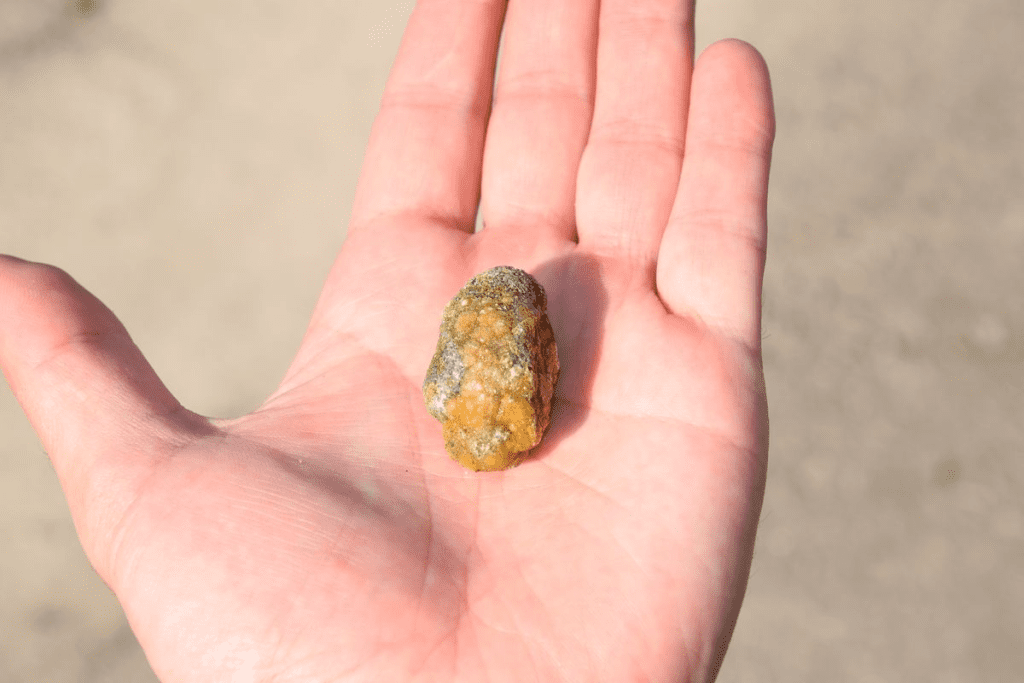
When it comes to gallbladder stones, knowing if surgery is needed is important. A 7mm stone size in the gallbladder is considered small, but it can be risky. Studies show that stones of this 7mm stone size only have about a 10% chance of passing on their own. Doctors say gallstone surgery is often the best choice for stones over the 7mm stone size, as they won’t go away by themselves. In this article, we’ll look at why the 7mm stone size matters in gallbladder disease and what treatment options are available.
Key Takeaways
- Gallbladder stones of 7mm have a low chance of passing naturally.
- Surgery is often recommended for stones above 7mm.
- Symptoms and stone size are key factors in determining treatment.
- Medical protocols vary, but most recommend surgical intervention.
- Understanding treatment options is key to making informed decisions.
Understanding Gallbladder Stones and Their Significance
It’s important to know about gallbladder stones to treat gallbladder disease. Gallbladder stones, or gallstones, are common and can be very uncomfortable. They form in the gallbladder, a small organ under the liver.
What Are Gallbladder Stones?
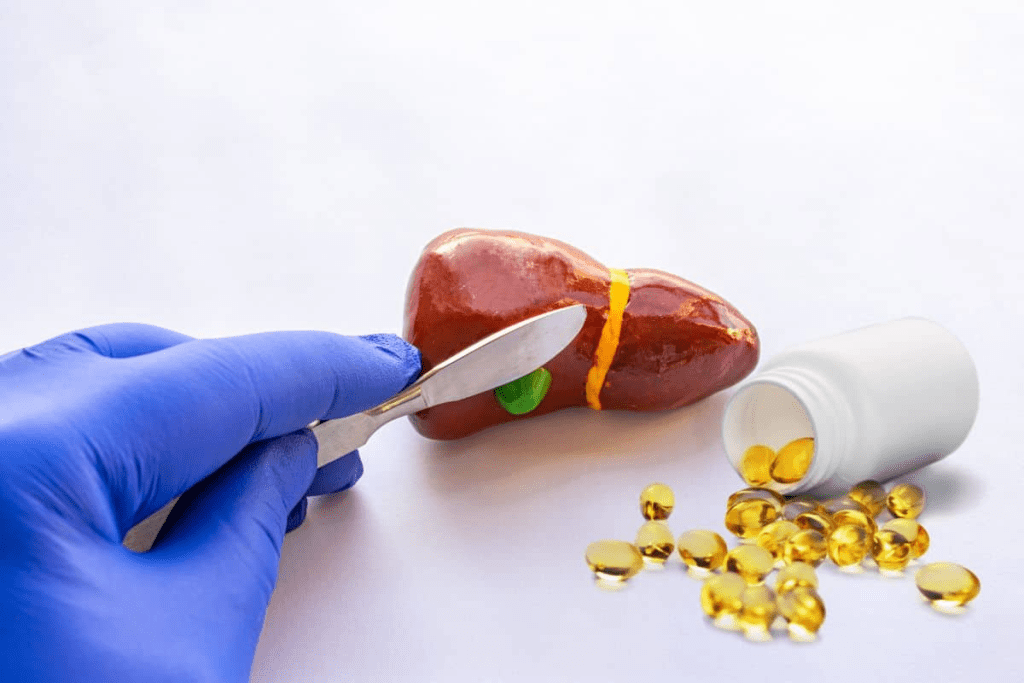
Gallstones are hard deposits in the gallbladder. They form when there’s an imbalance in bile substances. They can be as small as a grain of sand or as big as a golf ball. Gallstones are mainly cholesterol stones and pigment stones. Cholesterol stones are yellow-green and linked to too much cholesterol in bile. Pigment stones are smaller and darker, made of bilirubin.
How Stones Form in the Gallbladder
Gallstones form due to many factors, like bile composition and genetic predisposition. An imbalance in bile components can cause gallstones. For example, too much cholesterol or bilirubin in bile can lead to stone formation.
- Supersaturation of bile with cholesterol: This is a major risk factor for cholesterol gallstones.
- Increased bilirubin: High bilirubin levels, like in hemolysis, can increase pigment stone risk.
- Gallbladder dysfunction: Poor emptying can lead to stasis, promoting stone formation.
Classification of Gallstones by Size
Gallstones come in different sizes, and their size is key to treatment. Generally, they are classified as:
- Small stones (less than 5mm): These may pass through the bile ducts without symptoms.
- Medium stones (5-10mm): These can cause symptoms if they block the bile ducts.
- Large stones (greater than 10mm): These can cause serious blockages and complications.
Knowing the size and type of gallstones is vital for choosing the right treatment. We’ll look at the importance of the 7mm stone size next.
The Significance of 7mm Stone Size in Gallbladder Disease
Gallstone size is key in managing gallbladder disease. The size of gallstones helps doctors decide how to treat them. We’ll look at why gallstones that are 7mm are important in medical care.
Why Size Matters in Gallstone Treatment
The size of a gallstone is important because it affects how likely it is to pass on its own. Stones that are 7mm or larger are considered significant because they have a lower chance of passing naturally into the intestine. This size stone can cause significant symptoms and may lead to complications if not properly managed.
Research shows that the size of gallstones is linked to the risk of symptoms and complications. Larger stones are more likely to cause obstruction and other serious issues, making timely treatment essential.
Natural Passage Rates for 7mm Stones
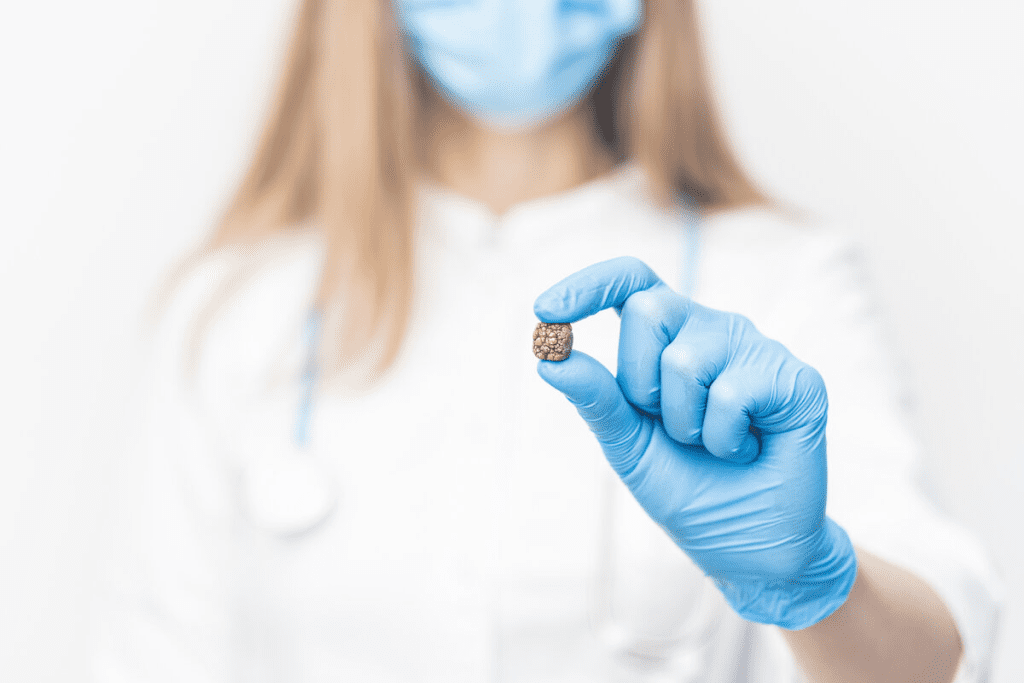
Studies show that the natural passage rate for 7mm gallstones is about 10%. This means most stones of this size won’t pass on their own and may need medical help. The low natural passage rate is a key factor in choosing the best treatment.
Medical Consensus on 7mm Gallstones
The medical community agrees that 7mm gallstones, when causing symptoms, need careful evaluation. Many cases may necessitate surgical treatment to prevent complications like obstruction, inflammation, or infection. Early treatment can greatly improve patient outcomes.
We suggest that patients with 7mm gallstones talk to their healthcare provider. They can decide the best treatment based on the patient’s condition and medical history.
5 Key Symptoms That Indicate a 7mm Gallstone Needs Intervention
A 7mm gallstone can cause several symptoms that mean you need to see a doctor. It’s important to know these signs to get medical help on time.
1. Persistent Upper Abdominal Pain
Persistent upper abdominal pain is a key sign of needing medical help for a 7mm gallstone. This pain can be sharp and intense. It often feels like it’s coming from the right shoulder or back. Pain that lasts more than a few hours or keeps coming back is a big warning sign.
2. Digestive Disturbances (Nausea and Vomiting)
Nausea and vomiting are common with gallstones, including 7mm ones. These problems happen because the stone blocks the bile duct. If you keep feeling sick or throwing up after eating fatty foods, you should see a doctor.
3. Jaundice and Skin Changes
Jaundice, or yellow skin and eyes, is a serious sign of a blockage. Jaundice with dark urine and pale stools means you need to get help right away.
4. Signs of Infection or Inflammation
Feeling feverish, having chills, or severe stomach pain are signs of a serious issue. If a 7mm gallstone causes these problems, you need to see a doctor fast to avoid bigger problems.
We at the healthcare center stress how vital it is to spot these symptoms early. “Finding and treating gallstones early can greatly help patients and stop serious issues,” say doctors.
4 Treatment Options for 7mm Gallbladder Stones
Treating 7mm gallstones depends on several factors. These include symptoms and the patient’s health. We’ll look at the different ways to treat them, from surgery to less invasive methods.
Laparoscopic Cholecystectomy
Laparoscopic cholecystectomy is a minimally invasive surgery. It removes the gallbladder through small cuts. It’s often chosen for symptomatic stones or those at risk of problems. This method leads to quicker recovery and less pain than open surgery.
Open Cholecystectomy
Open cholecystectomy is a more invasive surgery. It requires a bigger cut to remove the gallbladder. It’s used for complex cases or when laparoscopic surgery isn’t possible. Though it has more risks and a longer recovery, it’s an option for some patients.
Watchful Waiting Protocol
For those with small, painless gallstones, watchful waiting might be suggested. This means keeping an eye on the stones without immediate surgery. This is good for patients who can’t or don’t want to have surgery.
Medication and Dissolution Therapies
Medications and dissolution therapies are other options. They try to dissolve the stones without surgery. But, these treatments work differently for everyone. They’re best for small, cholesterol stones.
Choosing a treatment for 7mm gallbladder stones is personal. It depends on symptoms, health, and what the patient prefers. Talking to a healthcare provider helps make the right choice.
3 Serious Complications of Untreated 7mm Gallstones
Untreated 7mm gallstones can cause severe health problems. We will look at the risks of not treating these stones.
Bile Duct Obstruction and Cholangitis
Bile duct obstruction is a serious issue with untreated 7mm gallstones. It can cause cholangitis, an infection of the bile duct. This needs quick medical help.
Symptoms include jaundice, fever, and abdominal pain. If you have these, get medical help fast.
Acute Pancreatitis
Acute pancreatitis is another big risk. It happens when a gallstone blocks the pancreatic duct. This can cause severe pain and is very dangerous.
- Severe abdominal pain that radiates to the back
- Nausea and vomiting
- Fever and increased heart rate
Acute pancreatitis needs quick hospital care and treatment.
Gallbladder Inflammation and Perforation
Untreated 7mm gallstones can also cause gallbladder inflammation and gallbladder perforation. These are serious and can lead to severe infection and other problems.
Symptoms include severe abdominal pain, fever, and tenderness in the abdomen. Quick medical help is needed to avoid more issues.
In conclusion, untreated 7mm gallstones can lead to serious and life-threatening complications. It’s important to understand these risks and get medical care to prevent them.
Conclusion: Making an Informed Decision About 7mm Gallstone Treatment
Understanding 7mm gallbladder stones is key to choosing the right treatment. We’ve learned that stones this size often need surgery to avoid serious problems. This is because they rarely pass on their own.
Deciding on gallstone surgery should be well thought out. It’s important to know the risks, symptoms, and treatment choices. Spotting symptoms like ongoing pain and infection signs is critical for quick action.
Knowing your treatment options, like laparoscopic cholecystectomy or watchful waiting, helps in making choices. It’s wise to talk to doctors to find the best plan for you. This depends on your situation and the size of your gallstones.
FAQ
What are the chances of a 7mm gallstone passing naturally?
Studies show that a 7mm stone passing on its own is rare, about 10%.
What symptoms indicate that a 7mm gallstone requires medical intervention?
Signs you need help include ongoing pain in the upper belly, nausea, vomiting, and jaundice. Also, watch for skin color changes and signs of infection.
What are the treatment options for 7mm gallbladder stones?
You can choose from several treatments. These include laparoscopic cholecystectomy, open cholecystectomy, or just watching and waiting. You can also try medication or therapies to dissolve the stone.
What are the risks of not treating a 7mm gallstone?
Not treating a 7mm stone can lead to big problems. These include blockages in the bile duct and cholangitis. You could also face acute pancreatitis, inflammation, or even a hole in the gallbladder.
Why is the size of a gallstone important in determining treatment?
The size matters a lot. Stones over 7mm are less likely to pass on their own. They can also cause more pain and serious issues.
What is the medical consensus on treating 7mm gallstones?
Doctors agree that 7mm stones, when they cause symptoms, need careful thought. Often, surgery is the best choice to avoid serious problems.
Can asymptomatic 7mm gallstones be treated without surgery?
For stones that don’t cause pain, doctors might suggest waiting and watching. Or, they might recommend medication. But these methods carry risks if the stone grows or starts causing symptoms.
What is the difference between laparoscopic and open cholecystectomy?
Laparoscopic cholecystectomy is a less invasive surgery with faster recovery. Open cholecystectomy is more invasive and used for harder cases.
How do gallstones form, and what are the different types?
Gallstones form in the gallbladder. They can be cholesterol stones or pigment stones. Each type varies in size and makeup.
References
- Evidence-based clinical practice guidelines for cholelithiasis 2021. (2021). Journal of Gastroenterology. https://pmc.ncbi.nlm.nih.gov/articles/PMC10423145/
- Cholecystectomy for asymptomatic gallstones: Markov decision tree. (2023). PMC “ PubMed Central. https://pmc.ncbi.nlm.nih.gov/articles/PMC9602237/
- The Natural History of Asymptomatic Gallstones: A Longitudinal Study and Prediction Model. (2023). Clinical Gastroenterology and Hepatology. https://www.cghjournal.org/article/S1542-3565%2822%2900435-9/fulltext