Last Updated on November 26, 2025 by Bilal Hasdemir

We’re diving into the world of teas that might help fight cancer. Some teas have special compounds that could slow down cancer cell growth. Top hospitals like Liv Hospital suggest these teas for their cancer-fighting powers.
Studies have found teas that could help prevent or treat cancer. For example, green tea has antioxidants like EGCG. These have been linked to fighting cancer. We’ll look at eight teas backed by science for cancer prevention and treatment.
Key Takeaways
- Certain teas contain bioactive compounds that may inhibit cancer cell growth.
- Green tea has been shown to have anti-cancer effects due to its EGCG content.
- Drinking 3-5 cups of green tea daily may reduce cancer risk.
- Evidence-based teas are recommended by leading medical centers for cancer prevention.
- Teas may help prevent breast, prostate, and colon cancer.
The Science Behind Tea’s Anti-Cancer Properties

Recent studies have shown that tea may help prevent cancer. The bioactive compounds in tea are key to this effect. It’s clear that drinking tea can lower cancer risk, but how is complex.
How Bioactive Compounds in Tea Affect Cancer Cells
Tea has compounds that fight cancer cells. EGCG (Epigallocatechin gallate) in green tea stops cancer cells from growing and makes them die. Black tea’s theaflavins also fight cancer by changing how cells grow.
The Role of Antioxidants and Polyphenols
Tea’s antioxidants and polyphenols are vital in fighting cancer. They protect cells from damage by free radicals. Polyphenols also have anti-inflammatory effects, which help fight cancer.
Limitations of Current Research
While the research looks good, there are limits. Most studies were done in vitro or on animals. More human trials are needed to understand tea’s effects on cancer. Also, how tea is made and how people metabolize it can change its benefits.
| Tea Type | Primary Bioactive Compounds | Potential Anti-Cancer Effects |
|---|---|---|
| Green Tea | EGCG, Catechins | Inhibits cancer cell growth, induces apoptosis |
| Black Tea | Theaflavins | Modulates signaling pathways, anti-inflammatory effects |
| White Tea | Polyphenols, Catechins | Antioxidant activity, potentially anti-cancer |
Cancer Fighting Tea: Separating Fact from Fiction
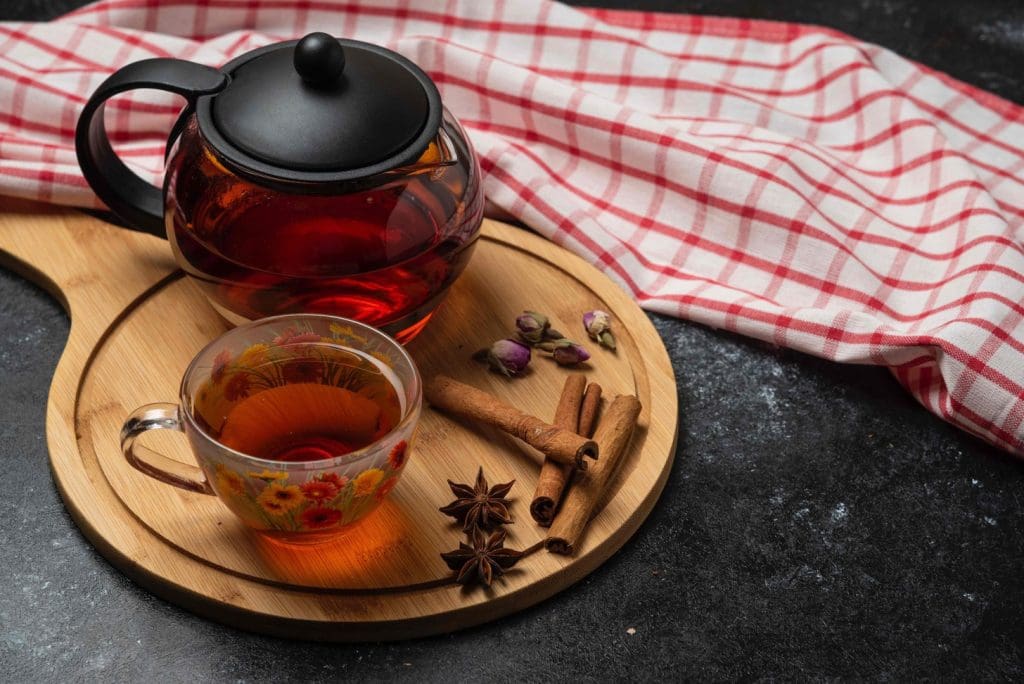
Exploring cancer-fighting teas, we must separate facts from fiction. Some teas are thought to prevent or fight cancer. But, it’s key to know the science behind these claims.
Laboratory vs. Clinical Evidence
Laboratory studies show teas might fight cancer. Tea extracts can stop cancer cells from growing and cause them to die. Yet, lab results don’t always match human effects.
Clinical evidence is scarce. Some studies link tea to lower cancer risk. But, these findings are influenced by many factors. We need more trials to know tea’s true benefits.
What Science Actually Says About Tea’s Potencial
Tea contains compounds like catechins in green tea and theaflavins in black tea. These might protect cells, reduce inflammation, and slow tumor growth. But, how much benefit depends on the tea type, amount, and individual factors.
Some teas might lower cancer risk. For example, green tea may reduce breast, prostate, and colorectal cancer risks in some studies.
Why No Tea Is a “Cancer Cure”
While teas may have health perks, no tea is a “cancer cure.” Cancer is complex, and no single food or drink can cure it. Prevention and treatment need a balanced diet, exercise, screenings, and medical treatments.
We should be cautious of false claims about cancer-fighting teas. Always check credible sources and talk to doctors before changing our diet or lifestyle for cancer prevention or treatment.
Green Tea: The Gold Standard for Cancer Prevention
Green tea is a top pick for those looking to lower their cancer risk. It’s packed with bioactive compounds that have been studied a lot. These compounds could help fight cancer.
EGCG and Other Powerful Catechins
Green tea’s cancer-fighting power comes from its high levels of catechins, like Epigallocatechin gallate (EGCG). EGCG is a strong antioxidant that protects cells from damage. This damage can lead to cancer.
“EGCG has been shown to stop cancer cell growth and make cancer cells die in many types of cancer,” studies say.
Research on Green Tea and Cancer Risk Reduction
Many studies have looked into green tea’s link to cancer risk. A big review of studies found green tea might lower the risk of some cancers. These include breast, prostate, and colorectal cancer.
Even though the research looks good, it’s key to think about your whole lifestyle and diet. Green tea might not be the only thing that helps.
Recommended Consumption for Maximum Benefit
To get the most from green tea, drink 2-3 cups a day. But, watch out for caffeine if you’re sensitive. You might want to try decaf or drink less.
- Choose high-quality green tea from trusted sources.
- Use brewing methods that keep catechins, like lower temperatures.
- Make green tea a part of your daily life, like with meals or as a drink.
Matcha: Concentrated Green Tea Benefits
Matcha is a concentrated green tea packed with antioxidants and catechins. These compounds may help fight cancer. It’s grown and prepared in a special way to boost its nutritional value.
Higher Levels of Beneficial Compounds
Matcha has more catechins than brewed green tea. This is because you drink the whole leaf, unlike brewed tea where leaves are discarded. Shade cultivation increases chlorophyll and other good stuff in matcha.
Catechin Content Comparison:
| Tea Type | Catechin Content (mg/g) |
|---|---|
| Matcha | 140-180 |
| Brewed Green Tea | 20-30 |
Studies on Matcha’s Anti-Cancer Properties
Research on matcha’s anti-cancer effects is encouraging. Studies show that matcha’s EGCG can stop cancer cells from growing and dying. A study in the Journal of Agricultural and Food Chemistry found matcha extract reduced tumors in mice with cancer.
Selecting and Preparing Quality Matcha
To enjoy matcha’s benefits, choose high-quality powder. Look for bright green, finely ground matcha from trusted growers. Prepare it with water at 160 °F to 170 °F and whisk in a zig-zag motion for a frothy texture.
Adding quality matcha to your diet may boost your body’s cancer defenses. Always talk to a healthcare provider before making dietary changes, even if you’re just adding matcha.
White Tea: The Least Processed Cancer-Fighting Option
White tea is special because it’s not processed much. This keeps its antioxidants strong. It’s made from the young tea plant buds, picked before they open. This way, it keeps a lot of polyphenols.
Unique Polyphenol Profile of White Tea
White tea is full of good stuff like catechins, flavonoids, and phenolic acids. These help fight cancer by stopping cancer cells from growing and making them die. Its special mix of polyphenols might help it fight cancer.
Catechin Content: It has lots of catechins, like EGCG. EGCG is known for fighting cancer.
Research on White Tea’s Anti-Cancer Effects
Studies have looked into white tea’s cancer-fighting powers. They found it can slow down cancer cells in the colon, prostate, and breast. More research is needed, but it looks promising.
In vitro studies: Lab tests show white tea can make cancer cells die and stop them from growing.
Best Varieties and Brewing Methods
To get the most from white tea, pick good quality and brew it right. Look for teas that are processed little and come from trusted places. Use water around 160 °F and steep for 2-3 minutes to keep the good stuff in.
- Silver Needle: A popular variety of white tea known for its high quality and delicate flavor.
- White Peony: Another well-regarded variety that offers a slightly stronger taste than Silver Needle.
Adding white tea to your diet and brewing it right can help fight cancer.
Black Tea: Theaflavins and Their Cancer-Preventive Potentials
Black tea is rich in theaflavins, which are bioactive compounds. They may help lower cancer risk. Theaflavins are made during black tea’s fermentation process. They are strong antioxidants.
How Black Tea Compounds Differ from Green Tea
Black tea and green tea come from the Camellia sinensis plant. But, they are processed differently. Green tea is steamed or pan-fried to keep its catechins. Black tea is fermented, making theaflavins.
“Black tea’s unique processing gives it a special mix of compounds,” a study in the Journal of Agricultural and Food Chemistry says. “These compounds offer health benefits that green tea also has.”
Studies on Black Tea and Cancer Risk
Many studies have looked at black tea and cancer risk. A meta-analysis in the journal Nutrition and Cancer found a link. It said drinking moderate amounts of black tea might lower cancer risk for some types.
- A study in the International Journal of Cancer found black tea might protect against ovarian cancer.
- Research in the Journal of Nutrition showed theaflavins in black tea could stop cancer cells from growing.
Optimal Consumption Guidelines
To get the most health benefits from black tea, follow these tips:
- Drink 2-3 cups a day. More tea has been linked to better health.
- Brew tea for 3-5 minutes to get the most theaflavins.
- Drink black tea with a healthy diet and lifestyle for overall health.
A well-known nutrition expert, says, “Drinking black tea daily can be a simple way to lower cancer risk.”
Oolong Tea: Balancing Oxidation and Anti-Cancer Benefits
Oolong tea is special because of how it’s made. It’s not fully fermented like black tea or green tea. This makes it rich in compounds that might help fight cancer.
Unique Compounds in Semi-Oxidized Tea
Oolong tea has a mix of polyphenols because of its semi-oxidized state. These include catechins, theaflavins, and thearubigins. They’re antioxidants that help protect the body.
Key Compounds in Oolong Tea:
- Catechins: Known for their anti-cancer properties
- Theaflavins: Contribute to antioxidant activity
- Thearubigins: Complex polyphenols with possible health benefits
Evidence for Oolong’s Cancer-Preventive Properties
Research on oolong tea’s effects on cancer is growing. Studies show it can stop cancer cells from growing and make them die. This is good news for those looking to fight cancer.
“Oolong tea has been shown to possess anti-cancer properties by modulating various signaling pathways involved in cancer development and progression.”
A study compared different teas and their cancer-fighting abilities. Here’s what they found:
| Tea Type | Main Bioactive Compounds | Cancer-Preventive Effects |
|---|---|---|
| Green Tea | Catechins (EGCG) | High antioxidant activity, inhibits cancer cell growth |
| Oolong Tea | Catechins, Theaflavins | Antioxidant activity, induces apoptosis in cancer cells |
| Black Tea | Theaflavins, Thearubigins | Antioxidant activity, possible anti-cancer effects |
Best Types and Preparation Methods
To get the most from oolong tea, choose high-quality tea. Look for teas that are partially oxidized and have a rich flavor.
Preparation Tips:
- Use filtered water at a temperature between 180 °F and 200 °F.
- Steep the tea leaves for 3-5 minutes, depending on the desired strength.
- Multiple infusions are recommended to fully appreciate the tea’s flavor and benefits.
Herbal Tea for Cancer: Evidence-Based Options
Herbal teas are gaining attention for their role in cancer prevention. We look at teas with cancer-fighting properties. These teas contain compounds that may help prevent cancer.
Turmeric Tea and Curcumin’s Anti-Cancer Effects
Turmeric tea comes from the turmeric plant and has curcumin, a powerful compound. Curcumin fights inflammation and cancer in studies. Drinking turmeric tea can add this compound to your diet.
- Curcumin works by changing cell signals.
- Black pepper can make curcumin in turmeric tea more effective.
- Drinking turmeric tea might lower cancer risk.
Ginger Tea’s Anti-Inflammatory Properties
Ginger tea has been used for its health benefits, like fighting inflammation. Ginger has gingerol and shogaol, which might fight cancer. It could help reduce inflammation linked to cancer.
- Ginger tea can ease nausea from cancer treatment.
- Its anti-inflammatory effects can improve overall health.
- Ginger also has antioxidants that protect cells.
Hibiscus Tea and Antioxidant Activity
Hibiscus tea is full of antioxidants and might help fight cancer. Hibiscus tea’s antioxidants could protect cells and lower cancer risk.
- Hibiscus tea can lower blood pressure and cholesterol.
- Its antioxidants fight oxidative stress.
- Hibiscus tea is a caffeine-free option, hot or cold.
Adding these herbal teas to your daily routine might help fight cancer. Always talk to a doctor before making big changes in your diet, like if you’re fighting cancer.
Rooibos: The Caffeine-Free Cancer-Fighting Alternative
Rooibos tea is a special, caffeine-free option for cancer prevention. It comes from the leaves of the Rooibos plant in South Africa. People have drunk it for centuries for its health benefits. It’s perfect for those who can’t handle caffeine or want a calm evening drink.
Antioxidant Profile of Rooibos
Rooibos tea is packed with antioxidants like aspalathin and nothofagin. These are found only in this tea. They help protect cells from harm caused by free radicals. The antioxidant profile of rooibos is unique because of its flavonoids and phenolic acids.
Studies on Rooibos and Cancer Cell Inhibition
Research on rooibos tea’s anti-cancer effects is encouraging. Studies show its antioxidants can stop cancer cells from growing and even kill them. More research is needed to fully understand how it works, but it looks promising for cancer prevention.
Incorporating Rooibos into Your Routine
Adding rooibos tea to your daily routine is easy. You can drink it hot or cold, with or without sugar. To get the most benefits, drink 1-2 cups a day. Choose organic rooibos for the best quality.
Creating an Effective Tea Regimen for Cancer Prevention
Adding tea to your cancer prevention plan is a good move. But, it’s key to know how to brew and drink it right. The way you make and enjoy your tea can really affect its health perks.
Optimal Brewing Methods to Preserve Beneficial Compounds
Getting your tea brewing just right is important. The best way to brew can change based on the tea type. For example, green tea needs cooler water (around 160 °F) for a shorter time (1-2 minutes). Black tea, on the other hand, does better with hotter water (212 °F) for 3-5 minutes.
Use filtered water and adjust the tea-to-water ratio for each tea type. For instance, green tea needs more tea than black tea. Try different brewing times and temperatures to find your perfect cup.
Recommended Daily Consumption
Experts say drinking 2-4 cups of tea a day is good for cancer prevention. But, how much you can handle might vary. Some might feel jittery or get stomach upset from too much tea.
Start slow and increase your tea intake little by little. This lets your body get used to it. Also, don’t forget to eat well and live a healthy lifestyle to get the most from your tea.
| Type of Tea | Recommended Daily Consumption | Brewing Temperature | Brewing Time |
|---|---|---|---|
| Green Tea | 2-3 cups | 160 °F | 1-2 minutes |
| Black Tea | 2-4 cups | 212 °F | 3-5 minutes |
| Oolong Tea | 2-3 cups | 180 °F-200 °F | 3-5 minutes |
Combining Different Teas for Maximum Benefit
Mixing different teas can give you more health benefits. For example, green and black tea together offer unique compounds. Green tea has EGCG, while black tea has theaflavins.
Try different teas to keep things interesting and boost your health. Also, think about when you drink your tea. Drinking it between meals might help your body absorb more.
Important Considerations for Cancer Patients
As a cancer patient, it’s key to know how tea might affect your treatment. Tea can be good for health, but it can also interact with cancer treatments in complex ways.
Potential Interactions with Cancer Treatments
Cancer patients need to watch out for teas that might affect their treatments. Some teas can change how the body handles chemotherapy drugs. Green tea is one to watch because of its high catechin content.
“Green tea’s effect on chemotherapy has been studied,” says, a top oncologist. “Some research shows it might change how well some drugs work.” We need to think about this when we talk about tea and cancer treatment.
When to Consult Healthcare Providers About Tea Consumption
Cancer patients should talk to their doctors before changing their diet, like adding tea. Doctors can give advice that fits your treatment and health.
- Talk to your oncologist or primary care doctor about your tea habits.
- Tell your doctor about any supplements or herbal teas you’re thinking of trying.
- Ask about any possible bad interactions between tea and your cancer treatment.
Good Tea Options for Managing Treatment Side Effects
Some teas can help with side effects of cancer treatment. For example, ginger tea is good for nausea, and peppermint tea can ease stomach problems.
Here are some teas that might help with side effects:
| Tea Type | Potential Benefit |
|---|---|
| Ginger Tea | Relieves nausea |
| Peppermint Tea | Eases digestive discomfort |
| Chamomile Tea | Promotes relaxation and sleep |
Conclusion: Integrating Cancer-Fighting Teas into a Healthy Lifestyle
Throughout this article, we’ve seen how various teas can help fight cancer. Green tea is packed with EGCG, while rooibos has unique antioxidants. Adding these teas to your daily routine can boost your health.
A healthy lifestyle includes a balanced diet, exercise, and drinking cancer prevention tea. Tea is just one part of a bigger plan to lower cancer risk. By choosing the right teas, we can enjoy their health benefits.
We suggest trying out different cancer fighting teas and adding them to your daily routine. Whether it’s green tea in the morning or herbal tea at night, each cup can help you live healthier.
-
FAQ
What are the best teas for cancer prevention?
Green tea, matcha, white tea, black tea, and oolong tea are top choices. Herbal teas like turmeric and ginger are also good. They’re packed with antioxidants and bioactive compounds.
How does green tea help in cancer prevention?
Green tea has catechins, like EGCG, which fight cancer cells. Drinking it regularly can help prevent cancer.
Is matcha more effective than green tea for cancer prevention?
Matcha has more beneficial compounds than brewed green tea because you drink the whole leaf. It might have stronger anti-cancer effects, but more research is needed.
Can tea cure cancer?
No, tea can’t cure cancer. But, some teas may help prevent it. They should be part of a healthy lifestyle.
How should I brew tea to preserve its beneficial compounds?
Use filtered water and avoid boiling tea leaves. Steep for 1-3 minutes. This helps keep the good stuff in your tea.
Are there any teas that cancer patients should avoid?
Cancer patients should talk to their doctors before trying new teas. Some teas might not be safe with treatments.
Can herbal teas help with cancer treatment side effects?
Yes, teas like ginger and peppermint might ease nausea. But, always check with your doctor first.
How much tea should I drink daily for cancer prevention?
Drinking 2-3 cups of tea a day is good. But, how much you need depends on you.
Can I combine different teas for maximum cancer prevention benefits?
Yes, mixing teas can give you more health benefits. Just watch out for too much caffeine and possible interactions.
Are there any cancer-fighting teas that are caffeine-free?
Yes, rooibos tea is caffeine-free and has antioxidants. Herbal teas like turmeric and ginger are also good choices.
What is the role of antioxidants in tea for cancer prevention?
Antioxidants in tea protect cells and may stop cancer cells from growing. They help prevent cancer.
Can tea replace conventional cancer treatments?
No, tea can’t replace cancer treatments. It’s best used as part of a healthy lifestyle with doctor’s advice.
REFERENCES
- American Institute for Cancer Research. (n.d.). Tea (Food Facts). Retrieved from https://www.aicr.org/cancer-prevention/food-facts/tea/
- Purdue University News Service. (1999, January). Green tea compound is a potent inhibitor of cancer growth. Retrieved from https://www.purdue.edu/uns/html4ever/1999/9901.Morre.greentea.html
- Sarma, P. S. B. N., Sridhar, T. M. H., Devi, R. S. H. S., & Devi, S. B. H. (2010). The role of green tea polyphenols in cancer prevention. Journal of Carcinogenesis, 9(1). https://pmc.ncbi.nlm.nih.gov/articles/PMC2829848/
- World Cancer Research Fund. (n.d.). Coffee, tea and cancer. Retrieved from https://www.wcrf.org/preventing-cancer/topics/coffee-tea-and-cancer/