Last Updated on October 21, 2025 by mcelik
The 8th Habit ” Research shows that healthy habits are key to kids’ happiness and well-being. We look at the 8 habits of happy kids, inspired by Stephen Covey’s work. These habits help kids stay joyful and strong.
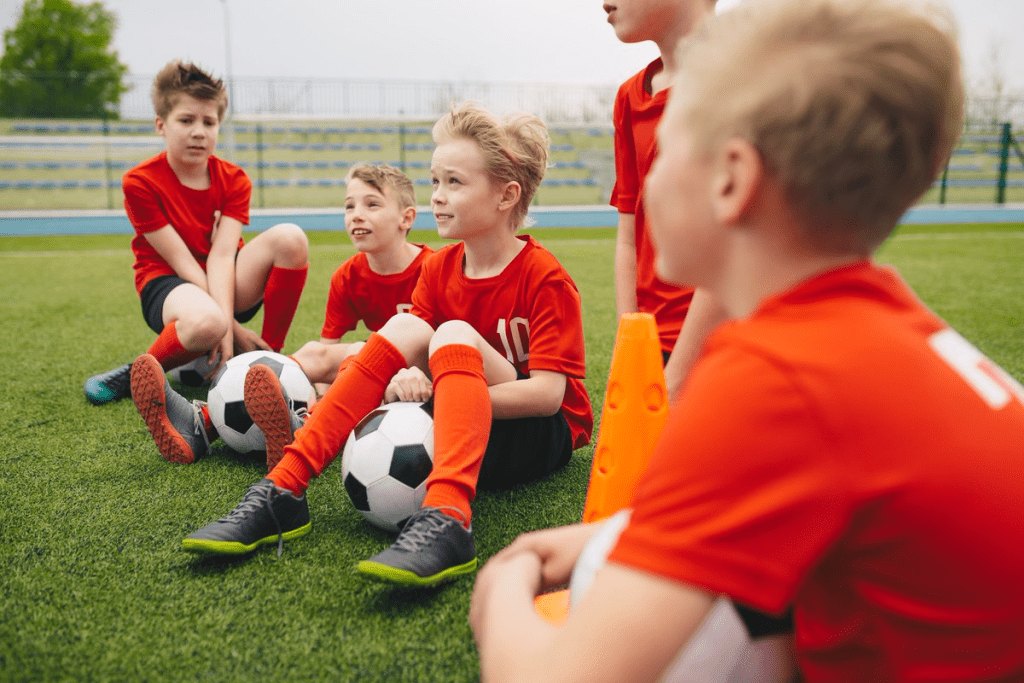
By taking on these habits, kids can think positively and connect better with others. We’ll explore why these habits matter. And how they can help kids stay happy for a long time.
Key Takeaways
- Healthy habits contribute to children’s happiness and well-being.
- The 8 habits of happy kids are inspired by Stephen Covey’s principles.
- Adopting these habits can promote a positive mindset and social engagement.
- Cultivating these habits can lead to lasting happiness and resilience.
- Positive mindsets and social engagement are key for kids’ well-being.
The Science Behind Children’s Happiness
Figuring out what makes kids happy is a big job. It involves looking at daily habits and how they affect happiness over time. Studies show that some habits can really change a child’s happiness and growth.

How Daily Habits Shape Long-Term Well-Being
Daily habits are key to a child’s long-term happiness. Habits like regular exercise, eating well, and sleeping well are important for health and happiness. When kids do these things every day, they’re more likely to grow up happy and well-adjusted.
“The habits we form in childhood set the stage for our future happiness,” says a top child development researcher. “By teaching kids positive daily habits, we can boost their long-term happiness and strength.”
Recent Research on Childhood Happiness Factors
Recent studies have found important factors for kids’ happiness. These include being thankful, thinking positively, being mindful, and playing. Kids who do these things tend to be happier and less anxious or depressed.
A study in a top psychology journal found that kids who were thankful every day were happier and more satisfied with life. Also, kids who exercised regularly and ate well were happier, too.
- Regular physical activity
- Balanced nutrition
- Quality sleep
- Practicing gratitude
- Positive thinking
- Mindfulness
- Engaging play
- Goal-setting (the 8th habit)
By knowing the science of kids’ happiness and adding these habits to their lives, parents and caregivers can help kids become happy and well-adjusted adults.
Habit 1: Regular Physical Activity – Moving Toward Happiness
Regular physical activity is key to happiness in kids. It helps them stay healthy for life. Kids aged 6-17 need 60 minutes of activity each day to feel better and be happier.
As caregivers, we must encourage and join in on physical activities with our kids. This is important for their growth.
Meeting the 60-Minute Daily Activity Requirement
There are many fun ways to meet the daily activity goal. Kids can play sports, dance, or just run around outside. The goal is to make it fun so they keep doing it.
Pinterest has lots of ideas for activities that are both fun and meet the daily activity goal. From outdoor games to indoor fun, there’s something for everyone.

How Exercise Reduces Depression in Children
Exercise helps kids feel better by reducing depression. It makes them feel happy by releasing “feel-good” hormones. We should help kids find activities they love to keep them active and happy.
Age-Appropriate Activities for Different Developmental Stages
It’s important to choose activities that fit a child’s age. Young kids love playing games like tag or dancing. Older kids might enjoy sports like soccer or swimming.
Activities that improve flexibility and strength, like yoga or gymnastics, are great as kids get older. By picking the right activities, we help kids develop a habit that makes them happy and healthy.
Habit 2: Balanced Nutrition – Fueling Joy Through Food
A balanced diet is key for kids’ happiness and health. The food kids eat greatly affects their growth and joy. We’ll look at how good nutrition boosts a child’s happiness and health.
The Emotional Benefits of Family Meals
Family meals do more than feed kids; they also boost their emotional health. Sharing meals helps families connect, share stories, and make memories. Studies show that eating together can boost kids’ self-confidence and lower depression risks.
To enhance family meals, turn off the TV and put away phones. Talk and enjoy each other’s company. This quality time builds a sense of belonging and security, essential for kids’ emotional well-being.
Reducing Processed Foods for Improved Mood
Less processed food in a kid’s diet can greatly improve their mood and health. Processed foods have lots of sugar, salt, and unhealthy fats that can cause energy drops and mood swings. Eating whole, nutrient-rich foods helps keep kids’ mood and energy stable.
Try adding more fruits, veggies, whole grains, and lean proteins to meals. These foods are packed with vitamins, minerals, and antioxidants that support both physical and mental health.
Creating Positive Food Relationships for Long-Term Health
It’s vital for kids to have a positive relationship with food for their long-term health and happiness. Parents are key in shaping kids’ eating habits and food attitudes. By eating healthy and making mealtime fun, parents can help kids develop a healthy food relationship.
Involve kids in meal planning and cooking. This makes them more interested in their food choices and more open to trying new, healthy foods.
Habit 3: Quality Sleep – Resting for Resilience
Quality sleep is key for kids to face daily challenges with confidence. Lack of sleep can lead to anxiety and depression. It’s vital for kids to get enough sleep for their emotional and physical health.
Sleep Requirements Across Childhood Development
Sleep needs change as kids grow. Infants, toddlers, school-age kids, and teens need different amounts of sleep. Knowing these needs helps set up good sleep habits.
Keeping a regular sleep schedule is important. It helps kids get the sleep they need for their age and development.
The Connection Between Sleep Deprivation and Anxiety
Lack of sleep can harm kids’ mental health, causing more anxiety and depression. Without enough sleep, kids might get upset, have trouble focusing, and act out. It’s important to spot signs of sleep loss and fix it to avoid lasting problems.
Studies have found that not enough sleep can make kids more stressed, anxious, and less resilient. Making sleep a priority can help prevent these issues and keep kids healthy.
Establishing Effective Bedtime Routines
Having a regular bedtime routine is essential. It can include reading, telling stories, or relaxation exercises. A soothing routine helps kids relax and sleep better.
Adding relaxation techniques like deep breathing or gentle stretches to bedtime routines can help kids relax. Being consistent is important for developing good sleep habits that last a lifetime.
Habit 4: Practicing Gratitude – Appreciating Life’s Gifts
Gratitude is more than a feeling; it’s a practice that boosts happiness in kids. By making gratitude a part of their daily lives, children see the world in a more positive light. They learn to appreciate the good things around them.
Implementing Gratitude Visits for Lasting Well-Being
Gratitude visits have been shown to improve well-being for weeks. Kids write down what they’re thankful for and share it with those they care about. This practice builds gratitude and strengthens bonds.
For example, a child might write a thank-you note to a parent or teacher. They express thanks for something special. This act not only boosts gratitude but also encourages positive interactions.
Daily Thankfulness Rituals for Children
Creating daily thankfulness rituals helps kids develop a habit of gratitude. It could be sharing three things they’re thankful for at dinner or before bed. These rituals help kids focus on the positive in their lives.
Research shows kids who practice daily gratitude are more optimistic and emotionally well. By teaching our kids this habit, we help them become resilient and happy.
How Appreciation Transforms Children’s Outlook
Gratitude changes how kids view the world by focusing on the good. As research points out, “Gratitude is a powerful tool for building strong, positive relationships and fostering a sense of well-being.” By appreciating what they have, kids develop a positive and resilient mindset.
“When we focus on gratitude, we open ourselves to a more positive and hopeful outlook on life.”
By teaching children the 8 habits, including gratitude, we give them tools for lifelong happiness. Gratitude is key in shaping their outlook and interactions.
Habit 5: Positive Thinking – The Power of Optimism
Teaching kids to think positively is key for their happiness. We’ll look at ways to change negative thoughts, build resilience, and why parents are important.
Techniques for Reframing Negative Thoughts
Changing negative thoughts is a great way to help kids see the bright side. We can ask them to question their thoughts. For example, “Is this thought really true?” This helps them think more positively.
Let’s say a kid says, “I’ll never be able to do this.” We can say, “You’re feeling challenged. Let’s find a way to make it easier.” This teaches them to look for solutions, not just problems.
Building Resilience Through Constructive Perspectives
It’s important for kids to learn to handle life’s ups and downs. By teaching them to see challenges as chances to grow, we build their resilience. We can help them think about what they’ve learned and how to use it later.
This way of thinking helps kids feel in control. By focusing on the good, they learn to overcome obstacles and stay hopeful.
Parental Modeling of Positive Mindsets
Parents have a big impact on our kids’ outlooks. By being positive ourselves, we show them the value of optimism. We can express thanks, change negative thoughts, and look for the good in things.
When we show positive thinking, we create a supportive space for our kids. Together, we can help them develop a positive mindset for a happier life.
Habit 6: Mindfulness – The 8th Habit for Present-Focused Kids
Mindfulness is key for happy kids. It helps them stay in the moment and feel better. Kids can handle stress and anxiety better with mindfulness.
The8-Minute Happy Moments Practice
The “8-Minute Happy Moments” exercise is great for kids. It’s about spending eight minutes a day thinking about the good things that happened. This makes kids more positive.
“The goal is to help children appreciate the small joys in life and develop a sense of gratitude,” says a child psychologist. “By doing so, we can help them build resilience and improve their mental health.”
Age-Appropriate Mindfulness Exercises
There are mindfulness exercises for all ages. Young kids can do deep breathing, body scan, or mindful walking. Older kids can try meditation or guided imagery.
- Deep breathing exercises to calm the mind
- Body scan to release physical tension
- Mindful walking to encourage presence
- Meditation to enhance focus and clarity
How Being Present Increases Daily Positivity
Being present helps kids enjoy life more. Mindfulness lets them focus on now, not worries about yesterday or tomorrow. This makes them happier every day.
As Stephen Covey, renowned author of “The 7 Habits of Highly Effective People,” once said, “Sow a thought, reap an action; sow an action, reap a habit; sow a habit, reap a character; sow a character, reap a destiny.” Mindfulness habits shape their character and well-being.
By making mindfulness a part of their day, kids become more positive and strong. This prepares them for a happy and successful life.
Habit 7: Engaging Play – Joy Through Interaction
Interactive play brings joy to kids and is key to their growth. It’s a vital habit that boosts their well-being. It helps with their thinking and social skills.
Parental Involvement in Play and Cognitive Development
Parents playing with kids is essential for their brain growth. It strengthens their bond and boosts the child’s thinking skills. Studies show it enhances problem-solving and memory. This sets the stage for future school success.
Social Skills Developed Through Interactive Play
Play helps kids learn important social skills. They learn to work together, negotiate, and solve problems. These skills are key for lasting friendships. Play also teaches empathy and understanding, vital for social growth.
“Play is the highest form of research.” – Albert Einstein
Global Health Campaigns Supporting Play-Based Learning
Health campaigns worldwide see play’s value in kids’ development. They push for play in education and well-being. These efforts aim to create play-friendly environments for better communities.
Understanding play’s role in kids’ lives shows it’s more than fun. It’s linked to their growth and happiness. By supporting play, we help kids start a life full of joy and health.
Conclusion: Integrating the 8 Habits into Daily Family Life
Adding the 8 habits to your daily routine can really change how happy and well your kids are. These habits help make a family environment that supports everyone’s well-being. They start with being proactive and beginning with the end in mind.
When families adopt these habits, they build a place of respect, trust, and understanding. Teaching kids to think about their future helps them set goals. The 8 habits guide them in reaching those goals.
Working together, families can make their home a better place. This leads to better health, happiness, and social skills for kids. It sets them up for success and happiness in the long run.
FAQ
What are the key factors that influence childhood happiness?
Studies show that healthy habits, social connections, and a positive outlook are key for kids’ happiness. The 8 habits of happy kids include regular exercise, eating well, sleeping enough, and being thankful. They also involve thinking positively, being mindful, and playing well.
How can parents encourage their children to engage in regular physical activity?
Parents can help by finding fun activities that fit their child’s age. This could be sports, dance, or just playing outside. It’s important to meet the 60-minute daily activity goal.
What is the significance of balanced nutrition in children’s happiness?
Good nutrition is essential for kids’ happiness. Family meals offer emotional benefits and help improve mood. It’s also important to avoid processed foods and teach kids to have a positive relationship with food.
How can parents establish effective bedtime routines to promote quality sleep?
Parents can create bedtime routines like reading or telling stories. This helps kids relax and get the sleep they need. It’s important to match sleep needs to their age.
What are some ways to cultivate gratitude in children?
Gratitude can be taught through gratitude visits and daily rituals. Encourage kids to notice and appreciate the good things in their lives.
How can parents model positive mindsets for their children?
Parents can show positive mindsets by changing negative thoughts to positive ones. Being optimistic and resilient helps kids see the world in a positive light.
What is mindfulness, and how can it benefit children?
Mindfulness is being present in the moment. Exercises like the 8-minute happy moments can boost positivity. They help kids become more aware and calm.
How can engaging play contribute to children’s happiness?
Play, including playing with parents, supports kids’ development. It brings joy and helps them feel connected and understood.
How can families integrate the 8 habits into daily life?
Families can make small changes to adopt the 8 habits. This includes planning physical activity, eating together, practicing gratitude, and doing mindfulness exercises. These changes help create a supportive environment for well-being.
References
- Centers for Disease Control and Prevention. (2022). Physical activity facts. Retrieved from https://www.cdc.gov/healthyschools/physicalactivity/facts.ht