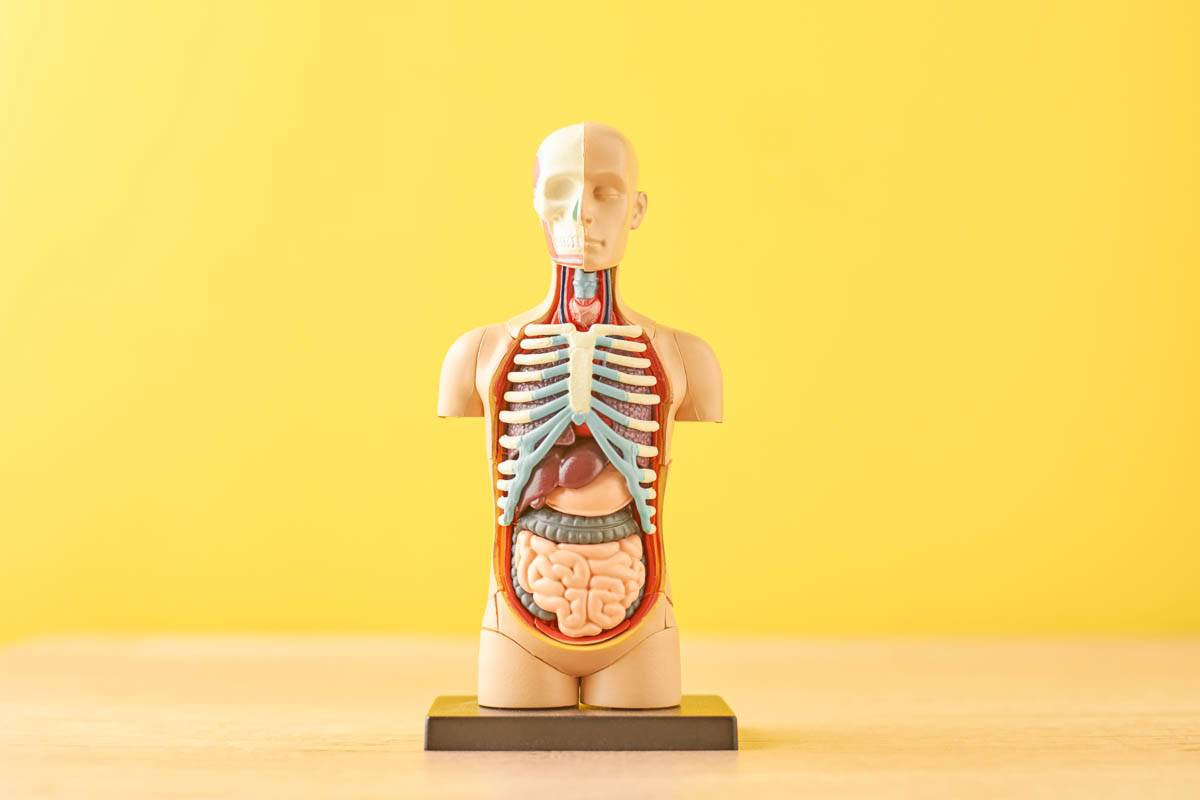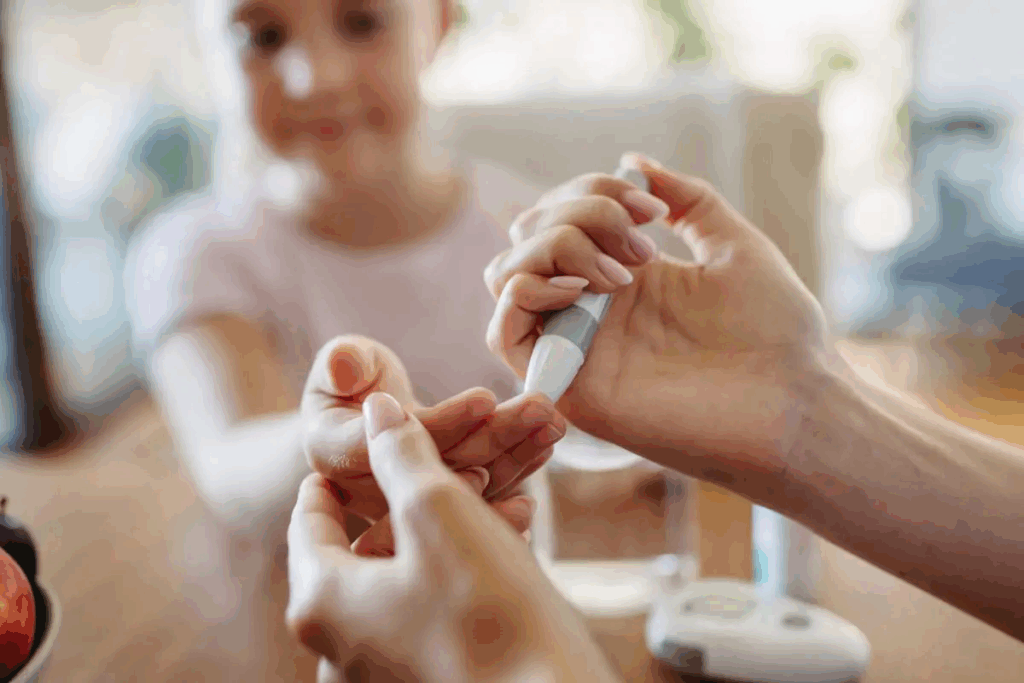
Knowing about blood sugar levels between 250-290 mg/dL is key for good diabetes management. When blood sugar goes over 250 mg/dL, the body gets into a state of hyperglycemia. This can lead to serious health issues.
Hyperglycemia can make you pee a lot, get very dehydrated, and even lead to life-threatening problems like diabetic ketoacidosis. It’s vital to keep blood sugar levels in check to avoid these dangers and stay healthy.
We stress the importance of getting medical help right away if your blood sugar is too high. Knowing the risks of high blood sugar helps you take action to manage your diabetes better.
Key Takeaways
- Understanding blood sugar levels between 250-290 mg/dL is key for diabetes management.
- Hyperglycemia can lead to severe health complications if not managed properly.
- Immediate medical attention is necessary for elevated hyperglycemia.
- Managing blood sugar levels helps prevent diabetes-related complications.
- Proactive steps can be taken to manage diabetes effectively.
Understanding Blood Sugar Measurements

Knowing your blood glucose numbers is key to managing diabetes well. These measurements tell us how well your body controls glucose levels.
What Blood Glucose Numbers Mean
Blood glucose numbers show how much glucose is in your blood at a certain time. They are usually measured in milligrams per deciliter (mg/dL). A fasting blood sugar reading of 89 mg/dL is normal for most people without diabetes. This shows your body is good at managing glucose when you haven’t eaten for a while.
When we talk about blood glucose numbers, we’re talking about the glucose in your blood. This is important because it shows how well your body is handling glucose. Glucose is vital for energy and health.
Normal vs. Elevated Blood Sugar Ranges
It’s important to know the difference between normal and high blood sugar ranges for diabetes care. Normal fasting blood glucose levels are between 70 to 99 mg/dL. Levels from 100 to 125 mg/dL mean you might have pre-diabetes. Elevated blood sugar levels, or hyperglycemia, happen when readings are over 126 mg/dL after fasting.
High blood sugar can cause serious health issues. Long-term high levels can damage nerves, kidneys, and eyes. So, it’s important to know what high blood sugar is and how to keep it under control.
The Significance of 89 Blood Sugar as a Healthy Baseline

An 89 mg/dL blood sugar level is often seen as a healthy goal. It shows the body is managing blood sugar well. This is key for staying healthy and avoiding diabetes problems.
Keeping blood sugar around 89 mg/dL lowers the risk of diabetes problems. It means the body is using insulin and glucose well.
Why 89 mg/dL Represents Optimal Glucose Control
An 89 mg/dL blood sugar level is good for several reasons:
- It’s in the normal range, as health groups say.
- It shows the body is good at using insulin and glucose.
- It means a lower risk of diabetes problems.
Keeping glucose levels around this value helps the body’s cells get the energy they need. It prevents damage from high blood sugar.
The Gap Between Normal Readings and Dangerous Hyperglycemia
The difference between 89 mg/dL and high blood sugar is big. High blood sugar can cause serious health issues, like:
- Diabetic ketoacidosis, a serious condition.
- Damage to organs like kidneys, eyes, and nerves.
- Higher risk of heart diseases.
Knowing this gap shows why keeping blood sugar in a healthy range is key. It also highlights the need to act fast if levels get too high.
Blood Sugar Levels 250-290: The Hyperglycemic Danger Zone
Blood sugar levels between 250-290 mg/dL are a warning sign that needs quick medical help. At this level, the body is under a lot of stress. The risk of serious problems grows.
We’ll look at why this range is so dangerous. We’ll also see how it affects different parts of the body.
Why This Range Requires Immediate Medical Attention
Levels of 265, 280, 290, and others in the 250-290 range mean blood sugar is too high. The body’s cells can’t get the glucose they need. This causes harm.
Quick medical help is essential to avoid serious issues. These include diabetic ketoacidosis (DKA) or hyperglycemic hyperosmolar nonketotic syndrome (HHNS).
These conditions can lead to severe dehydration and electrolyte imbalances. They can even cause coma or death if not treated fast. Hyperglycemia is more than just high blood sugar. It affects many body systems.
How These Elevated Levels Impact Your Body Systems
High blood sugar levels harm different body systems. This includes the cardiovascular, nervous, and renal systems. Prolonged exposure to high glucose levels can damage blood vessels, nerves, and organs.
Body System | Impact of High Blood Sugar |
Cardiovascular | Increased risk of heart disease and stroke due to damaged blood vessels |
Nervous | Nerve damage (neuropathy) causing pain, numbness, and tingling |
Renal | Kidney damage (nephropathy) potentially leading to kidney failure |
Knowing the risks of blood sugar levels between 250-290 mg/dL is key to managing hyperglycemia. By spotting the signs early and acting fast, people can lower risks. This helps prevent long-term harm.
Recognizing Symptoms When Blood Sugar Reaches 250-290 mg/dL
When blood sugar levels hit 250-290 mg/dL, the body shows clear warning signs. It’s important to catch these symptoms early. This can help avoid serious problems linked to high blood sugar.
Physical Warning Signs of Severe Hyperglycemia
At 250-290 mg/dL, people might notice several physical signs. These include:
- Increased thirst and dry mouth due to dehydration
- Frequent urination, as the body tries to flush out excess glucose
- Fatigue and weakness, resulting from the body’s cells not receiving the glucose they need for energy
- Blurred vision, caused by high glucose levels affecting the lens in the eyes
- Headaches and dizziness, potentially due to dehydration and electrolyte imbalances
It’s essential to monitor these physical symptoms closely. They can get worse fast if not treated. At 255 mg/dL, symptoms often get more severe, signaling a need for action.
Cognitive and Emotional Symptoms to Watch For
High blood sugar levels also affect the mind and emotions. Symptoms include:
- Confusion and disorientation, potentially due to the brain not receiving adequate glucose
- Mood swings, irritability, and anxiety, which can be triggered by the stress of high blood sugar
- Difficulty concentrating and making decisions, as hyperglycemia impacts cognitive clarity
Recognizing these cognitive and emotional changes is vital. They can greatly affect daily life and well-being. Being aware of these signs helps people manage their blood sugar and avoid more problems.
Knowing the symptoms of blood sugar levels 250-290 mg/dL helps people take charge of their health. By watching their levels closely and getting medical help when needed, they can reduce the risks of severe hyperglycemia.
Blood Sugar Level 255: A Critical Threshold for Symptoms
A blood sugar level of 255 mg/dL is a key point where symptoms of hyperglycemia start to show. At this level, people may notice physical and mental changes that affect their daily life.
Why 255 mg/dL Marks a Significant Clinical Point
The level of 255 mg/dL is important because it shows hyperglycemia. This is when the body can’t make enough insulin or use it well. At this point, cells don’t get the glucose they need, causing symptoms.
Reaching this level is a worrying sign. It’s key to understand what it means. The level of 255 mg/dL is when symptoms get stronger and harder to ignore.
Common Experiences at Blood Sugar 255 mg/dL
At a blood sugar level of 255 mg/dL, people might feel thirsty and need to urinate a lot, feel tired, and have blurred vision. These happen because the body tries to get rid of extra glucose by urinating, causing dehydration and other issues.
Other common feelings at this level include feeling foggy and emotional changes. People might feel upset, anxious, or depressed. Spotting these signs early is important to act quickly and control blood sugar levels.
Managing Blood Sugar Levels 250-260 mg/dL
The 250-260 mg/dL blood sugar range is a critical zone that demands prompt and effective management. When blood glucose levels reach this range, it’s essential to understand the implications and take appropriate actions to bring them back under control.
Managing blood sugar levels within this range involves understanding the physiological effects of high blood glucose and implementing strategies to mitigate these effects. One of the critical concerns at this level is the onset of osmotic diuresis.
Blood Glucose of 250: Beginning of Osmotic Diuresis
A blood glucose level of 250 mg/dL marks a significant point where osmotic diuresis begins. Osmotic diuresis is a condition where high glucose levels in the blood lead to increased urine production, potentially causing dehydration if not properly managed.
To manage this condition, it’s essential to:
- Monitor blood glucose levels closely to catch any spikes early.
- Stay hydrated by drinking plenty of water.
- Adjust medication or insulin as directed by a healthcare provider.
Addressing 254, 256, 257, and 259 Blood Sugar Readings
Blood sugar readings of 254, 256, 257, and 259 mg/dL are all within the critical range that requires immediate attention. At these levels, the risk of complications such as diabetic ketoacidosis (DKA) or hyperglycemic hyperosmolar nonketotic syndrome (HHNS) increases.
Strategies for managing these levels include:
- Administering insulin or adjusting oral medications as prescribed.
- Checking for ketones in the urine to assess the risk of DKA.
- Seeking medical advice if blood glucose levels remain elevated or if symptoms worsen.
It’s also important to identify and address any underlying causes for the high blood sugar readings, such as infection, stress, or changes in diet or physical activity.
By taking proactive steps to manage blood sugar levels within the 250-260 mg/dL range, individuals can reduce their risk of serious complications and improve their overall health outcomes.
Responding to Blood Sugar Levels 260-275 mg/dL
When blood sugar levels hit 260-275 mg/dL, it’s time to act fast. At this point, you’re at high risk of severe hyperglycemia. This can lead to serious health problems if not handled right.
It’s key to know what these blood sugar numbers mean. For example, levels like 264, 265, and 266 mg/dL are all in the same danger zone. Managing hyperglycemia effectively means using medicine, changing your diet, and making lifestyle changes.
Understanding 264, 265, and 266 Blood Sugar Readings
Blood sugar levels at 264, 265, and 266 mg/dL mean you’re in a hyperglycemic state. This is a serious situation that needs quick action. The body is under stress, and there’s a high chance of getting diabetic ketoacidosis (DKA) or hyperglycemic hyperosmolar nonketotic syndrome (HHNS).
Blood Sugar Level | Immediate Risks | Recommended Actions |
264 mg/dL | High risk of DKA or HHNS | Check for ketones, adjust insulin dosage |
265 mg/dL | Increased risk of dehydration | Increase fluid intake, monitor blood sugar |
266 mg/dL | Potential for neurological symptoms | Seek medical advice, review medication |
Managing Blood Sugar Level 270-275 mg/dL
Dealing with blood sugar levels between 270-275 mg/dL needs a strong plan. Working closely with your healthcare team is key. They might suggest modifying insulin regimens or changing your diet.
At these high levels, watch for signs of complications. If symptoms get worse, get medical help right away. Good management includes:
- Frequent blood glucose monitoring
- Adjusting medication or insulin as directed by a healthcare provider
- Increasing fluid intake to prevent dehydration
- Reviewing and adjusting dietary plans to manage carbohydrate intake
Understanding the risks of blood sugar levels between 260-275 mg/dL and taking action can help. It’s a step towards better health.
Handling Blood Sugar Levels 280-290 mg/dL
Blood sugar levels between 280-290 mg/dL are very high and need quick action. At this level, people face a high risk of severe hyperglycemia. This condition can cause serious problems if not treated right away.
280 and 284 Blood Sugar: Approaching Severe Hyperglycemia
Levels of 280 and 284 mg/dL mean severe hyperglycemia is near. The risk of dehydration and other issues grows. Symptoms like thirst, more trips to the bathroom, tiredness, and blurry vision may get worse.
Sugar Level 290: Urgent Intervention Required
A blood sugar level of 290 mg/dL is a medical emergency. The danger of diabetic ketoacidosis (DKA) or hyperglycemic hyperosmolar nonketotic syndrome (HHNS) is high. Immediate medical attention is necessary to avoid these serious conditions.
Blood Sugar Level | Risks | Necessary Actions |
280 mg/dL | Severe hyperglycemia, dehydration | Hydration, monitor blood sugar |
284 mg/dL | Increased risk of complications | Adjust medication, seek medical advice |
290 mg/dL | Diabetic ketoacidosis, hyperglycemic hyperosmolar nonketotic syndrome | Immediate medical attention, hospitalization if necessary |
In conclusion, blood sugar levels between 280-290 mg/dL need urgent care. Knowing the risks and acting fast can stop serious problems. It’s key to work with healthcare providers to manage blood sugar well.
Emergency Protocol for Blood Sugar Between 250-290 mg/dL
When blood sugar levels jump between 250-290 mg/dL, quick action is key to avoid serious health issues. At this level, people face a high risk of severe hyperglycemia symptoms. These can lead to diabetic ketoacidosis or hyperglycemic hyperosmolar nonketotic syndrome (HHNS), both serious medical emergencies.
Immediate Steps to Take When Glucose Levels Spike
If your blood sugar is between 250-290 mg/dL, here’s what to do first:
- Check for ketones: High blood sugar can cause ketoacidosis. Use a ketone testing kit to check your urine or blood for ketones.
- Hydrate: Drink lots of water to help your body get rid of extra glucose. Try to drink at least 8-10 glasses of water, unless your doctor tells you differently.
- Monitor your blood sugar: Keep checking your blood sugar levels often, every few hours. This will help you see if they’re going up or down.
- Adjust your insulin: If you take insulin, you might need to change your dose. But always talk to your healthcare provider before making any changes.
When to Call Your Doctor vs. When to Seek Emergency Care
It’s important to know when to call your doctor and when to go to the emergency room. If you have severe symptoms like confusion, loss of consciousness, or severe dehydration, go to the emergency room right away.
- Severe symptoms such as confusion, loss of consciousness, or severe dehydration
- Blood sugar levels that stay high even with hydration and insulin changes
- Presence of ketones in your urine or blood, with symptoms like nausea or vomiting
- Difficulty breathing or a fast heartbeat
If you have milder symptoms, call your doctor for advice. Be ready to talk about your blood sugar levels, any symptoms you’re feeling, and what you’ve done to manage your condition.
Preventing Blood Sugar Spikes to 273, 274, or 275 mg/dL
Hyperglycemic episodes can be prevented with the right approach. This includes medication, diet, and lifestyle changes. We will explore strategies to maintain stable blood sugar levels and prevent dangerous spikes.
Medication Adjustments and Insulin Management
Effective management of blood sugar levels often involves adjusting medications or insulin dosages. Regular monitoring of blood glucose levels helps identify patterns and necessary adjustments. We work closely with healthcare providers to tailor treatment plans to individual needs.
Adjusting the timing or dosage of insulin can significantly impact blood sugar control. For instance, basal insulin helps manage glucose levels between meals and during sleep. Bolus insulin is taken before meals to counteract the rise in blood glucose that follows eating.
Dietary Strategies to Prevent Hyperglycemic Episodes
Diet plays a critical role in managing blood sugar levels. Carbohydrate counting and understanding the glycemic index of foods can help in making informed dietary choices. We recommend focusing on whole, unprocessed foods like vegetables, fruits, whole grains, lean proteins, and healthy fats.
It’s also important to be mindful of portion sizes and to spread carbohydrate intake throughout the day to avoid spikes. Healthy snacking can help maintain stable blood glucose levels between meals.
Physical Activity and Stress Management Techniques
Regular physical activity is a key component of blood sugar management. Aerobic exercises, such as walking or swimming, and resistance training can improve insulin sensitivity and help lower blood glucose levels. It’s essential to monitor blood sugar levels before, during, and after exercise to avoid hypoglycemia or hyperglycemia.
Stress management is equally important, as stress can raise blood glucose levels. Techniques such as meditation, yoga, and deep breathing exercises can help reduce stress and promote overall well-being.
Monitoring and Tracking Blood Sugar Levels Above 250 mg/dL
Managing blood sugar levels above 250 mg/dL needs a detailed plan. It’s important to track and understand your blood sugar trends. This helps in making better care decisions.
Advanced Glucose Monitoring Technologies
Modern glucose monitoring tools have changed how we manage diabetes. They offer real-time data and insights. This helps in making accurate diagnoses and treatment plans.
- Continuous Glucose Monitoring (CGM) systems, which provide a stream of data throughout the day
- Flash Glucose Monitoring systems, which offer on-demand readings
- Smart glucometers that can sync data to smartphones or computers
As “Monitoring blood sugar levels is not just about tracking numbers; it’s about understanding how your body responds to different factors like food, exercise, and stress.” These tools help you understand your glucose trends better. This way, you can make more informed choices.
Creating an Effective Blood Sugar Journal
Keeping a blood sugar journal is also very helpful. It’s not just about recording your blood sugar readings. It’s about tracking other important details too.
- Food intake, including portion sizes and meal timings
- Physical activity and exercise routines
- Stress levels and any stress management techniques used
- Any medications or insulin doses taken
By keeping a detailed journal, you can spot patterns and connections. As “one of the most powerful tools in diabetes management is the ability to look back and analyze past data.” This helps in adjusting your diet, exercise, and medication.
Using both advanced glucose monitoring tools and a detailed blood sugar journal gives a full view of your glucose control. This approach helps in managing blood sugar levels, even when they’re high. It’s a step towards healthier glucose levels.
Conclusion: Taking Control of Your Blood Sugar Health
Managing diabetes means knowing your blood sugar levels and how to handle them. It’s about spotting symptoms early and using strategies to keep your blood sugar in check. This way, we can avoid serious problems.
We’ve talked about the danger zone for blood sugar, between 250-290 mg/dL. Knowing this helps us act fast when our levels get too high. This is key to staying safe and healthy.
To manage your blood sugar, you need a plan. This includes adjusting your meds, eating right, staying active, and managing stress. Using new tech and keeping a blood sugar journal helps us track our progress. This way, we can make better choices for our health.
By following these steps and working with your doctor, you can control your blood sugar better. This lowers the chance of serious health issues and makes you feel better overall. Taking charge of your blood sugar health is a journey. With the right help and tools, you can succeed.
FAQ
What does a blood sugar level between 250-290 mg/dL mean?
A blood sugar level between 250-290 mg/dL means your blood sugar is too high. This is called hyperglycemia. It’s a sign you need to see a doctor right away to avoid serious problems.
What are the risks associated with blood sugar levels between 250-290 mg/dL?
High blood sugar in this range can harm your body. It can damage your kidneys, eyes, and nerves. It also raises your risk of heart disease and stroke.
What are the symptoms of blood sugar levels between 250-290 mg/dL?
Symptoms include feeling very thirsty and needing to pee a lot. You might also feel tired, have blurry vision, and in severe cases, confusion or loss of consciousness. Spotting these signs early is key to avoiding serious issues.
How do I manage blood sugar levels between 250-260 mg/dL?
To manage blood sugar in this range, you might need to change your medication or insulin. Eating the right foods and staying active are also important.
What should I do if my blood sugar level is 255 mg/dL?
A blood sugar level of 255 mg/dL is a big deal. Watch your symptoms closely. It’s a sign you might need to change your treatment plan, possibly by talking to your doctor.
How should I respond to blood sugar levels between 260-275 mg/dL?
For levels in this range, you need to understand the risks and adjust your plan. This might mean checking your sugar more often, changing your diet, or adjusting your medication.
What are the implications of having a blood sugar level of 280 mg/dL or higher?
Blood sugar levels of 280 mg/dL or higher are very high. They mean you need to see a doctor right away to prevent serious problems.
When should I seek emergency care for high blood sugar?
If your blood sugar is over 250 mg/dL and you’re feeling very sick, like confused or having trouble breathing, go to the emergency room right away.
How can I prevent blood sugar spikes to levels like 273, 274, or 275 mg/dL?
To avoid spikes, adjust your medication, eat right, and manage your activity and stress. Keeping a blood sugar journal can also help.
What are the best ways to monitor and track blood sugar levels above 250 mg/dL?
Use advanced glucose monitors and keep a detailed journal to track your sugar levels. This helps you make better care decisions.
What does a fasting blood sugar reading of 89 mg/dL indicate?
A fasting blood sugar of 89 mg/dL is normal. It shows your glucose control is good.
How do blood sugar levels like 253, 254, 256, 257, 259, 264, 265, 266, 273, 274, 275, 280, 284, and 290 mg/dL impact the body?
Blood sugar levels in these ranges can increase your risk of hyperglycemia complications. The exact effects depend on your health and any other conditions you might have.
References
World Health Organization. Blood Sugar 250-290 mg/dL: Hyperglycemia Management Essentials. Retrieved from https://www.who.int/news-room/fact-sheets/detail/diabetes
National Center for Biotechnology Information. Blood Sugar 250-290 mg/dL: Hyperglycemia and Diabetes Management. Retrieved from https://www.ncbi.nlm.nih.gov/books/NBK551501/