Last Updated on November 27, 2025 by Bilal Hasdemir

At the heart of cancer infusion therapy are chemotherapy IV bags, revolutionizing how life-saving drugs are administered to patients. We understand that these bags play a crucial role in enabling the precise administration of cancer treatment through intravenous (IV) lines.
Our state-of-the-art chemotherapy infusion centers are designed to provide patients with safe, comfortable, and optimal treatment outcomes. By understanding the significance of infusion for cancer patients, we can better support those navigating their cancer treatment journey.
Key Takeaways
- Chemotherapy IV bags are essential for precise drug administration in cancer treatment.
- Cancer infusion therapy is a critical component of comprehensive cancer care.
- Our infusion centers prioritize patient safety, comfort, and optimal treatment outcomes.
- Understanding cancer infusion therapy helps patients make informed decisions about their care.
- Advanced medical treatments, including infusion therapy, are available for international patients.
The Fundamentals of Chemotherapy IV Bags in Cancer Treatment
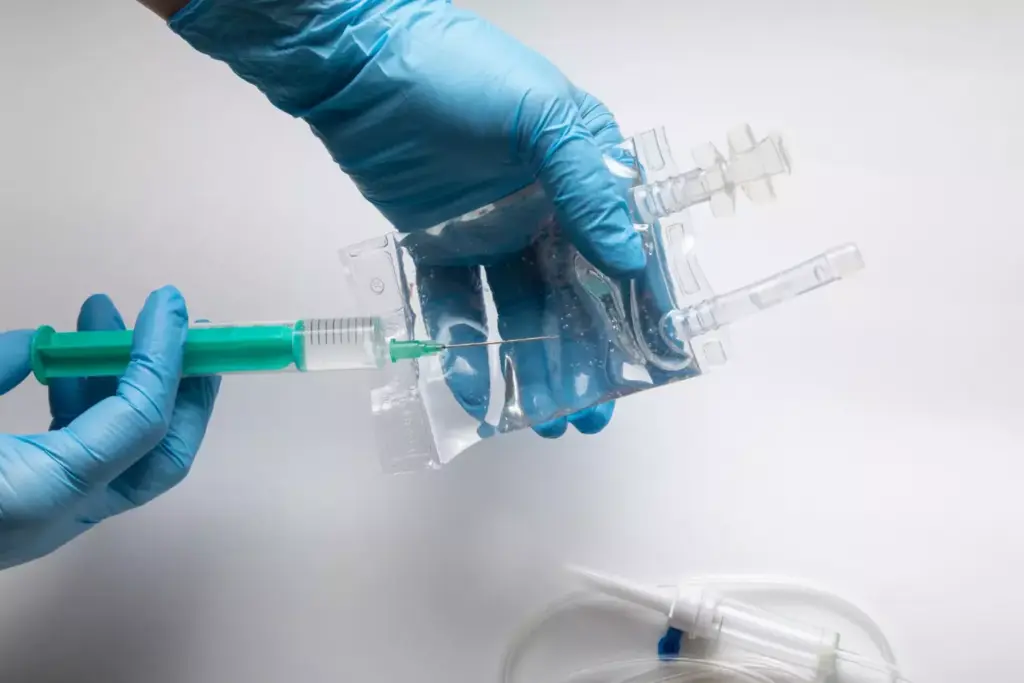
The use of chemotherapy IV bags is a cornerstone in the delivery of cancer infusion therapy. These bags are designed to administer life-saving medication directly into a patient’s bloodstream. Understanding the basics of chemotherapy IV bags is essential for patients to navigate their treatment journey effectively.
What Exactly Is a Chemotherapy IV Bag?
A chemotherapy IV bag is a sterile, flexible container filled with a specific chemotherapy solution. These bags are designed to be used with infusion sets that control the rate at which the medication is delivered to the patient. The bags are typically made of a flexible plastic material that can withstand various environmental conditions during transport and storage.
Components and Construction of Modern Chemo IV Bags
Modern chemotherapy IV bags are constructed with multiple layers to ensure the stability and sterility of the medication. The inner layer is usually made of a material that is compatible with the chemotherapy drugs, while the outer layer provides additional protection against environmental factors. The bags also have ports for spiking with infusion sets and labels for identifying the contents.
For instance, some chemotherapy regimens may require multiple rounds of treatment, and the construction of these IV bags ensures that the medication remains effective throughout the treatment period.
How Medication Flows from Bag to Bloodstream
The process of administering chemotherapy through an IV bag involves several steps. First, the IV bag is hung on an IV pole, and the infusion set is connected to the patient’s venous access device. The infusion set controls the flow rate of the medication, ensuring that it is delivered at a precise rate. The medication then flows through the tubing and into the patient’s bloodstream, where it can target cancer cells throughout the body.
| Component | Function |
|---|---|
| Inner Layer | Compatible with chemotherapy drugs, maintains sterility |
| Outer Layer | Provides protection against environmental factors |
| Ports | Allows connection with infusion sets |
| Labels | Identifies contents, dosage, and patient information |
By understanding how chemotherapy IV bags work and their role in cancer treatment, patients can better appreciate the complexity and care involved in administering iv chemo infusion therapy. This knowledge can help alleviate some of the anxiety associated with undergoing chemotherapy, as patients are more informed about what to expect during their treatment.
How Intravenous Chemotherapy Delivery Targets Cancer Cells

Systemic chemotherapy through IV bags is designed to reach and destroy cancer cells throughout the body. This method of cancer infusion treatment is particularly effective because it allows for the distribution of chemotherapy drugs across the entire body, targeting cancer cells that may have spread beyond the original tumor site.
We utilize chemotherapy IV infusion to deliver high concentrations of medication directly into the bloodstream. This approach enables us to achieve higher drug concentrations at the tumor site than would be possible with oral medications.
The Science of Systemic Drug Distribution
When chemotherapy is administered through an IV, it enters the bloodstream and is distributed throughout the body. This IV therapy for cancer allows the drugs to reach cancer cells in various parts of the body, making it an effective treatment for cancers that have metastasized or are at high risk of spreading.
The distribution of chemotherapy drugs is influenced by several factors, including the drug’s properties, the rate of infusion, and the patient’s overall health. Our medical team carefully considers these factors when planning treatment to ensure optimal drug delivery.
Precision Dosing Through IV Administration
One of the key advantages of chemotherapy IV infusion is the ability to achieve precise dosing. By controlling the rate and volume of the infusion, we can maintain optimal drug concentrations in the bloodstream.
This precision is particularly important in cancer treatment, where the goal is to deliver enough medication to kill cancer cells while minimizing harm to healthy tissues. Our use of advanced infusion pumps and monitoring systems helps ensure that patients receive the correct dose of chemotherapy.
Comparing IV Delivery to Other Administration Methods
While IV chemotherapy is a common method of treatment, other administration routes are also used depending on the type of cancer and the patient’s condition. For example, some chemotherapy drugs can be taken orally, while others may be administered through injections or directly into specific body cavities.
We compare the benefits of IV delivery to other methods as follows:
- IV administration allows for higher drug concentrations than oral medications
- IV chemotherapy can be more effective for cancers that have spread throughout the body
- The rate of infusion can be controlled more precisely with IV delivery
By understanding the advantages and limitations of different administration methods, we can tailor treatment plans to each patient’s unique needs and circumstances.
Venous Access Devices Used with Chemotherapy IV Bags
When it comes to chemotherapy, the right venous access device can make all the difference in a patient’s treatment journey. Venous access devices are crucial for the safe and effective administration of chemotherapy through IV bags.
Peripheral IV Lines for Short-Term Treatment
Peripheral IV lines are commonly used for short-term chemotherapy treatment. These devices are inserted into a vein in the arm and are suitable for patients who require chemotherapy for a limited duration. Their ease of insertion and removal makes them a convenient option for many patients.
However, peripheral IV lines may not be suitable for long-term treatment due to the risk of complications such as phlebitis or infiltration. According to medical professionals, “the choice of venous access device depends on various factors, including the type and duration of chemotherapy.” This highlights the importance of personalized treatment planning.
Central Venous Catheters for Extended Therapy
For patients requiring extended chemotherapy treatment, central venous catheters are often the preferred choice. These catheters are inserted into a larger vein in the neck or chest and provide a more stable and durable access point.
As noted by a medical expert, “Central venous catheters have revolutionized the way we deliver chemotherapy, offering a reliable and long-lasting solution for patients undergoing prolonged treatment.” This is particularly beneficial for patients with difficult venous access.
Implanted Ports and Their Benefits
Implanted ports are another type of venous access device used in chemotherapy. These ports are surgically implanted under the skin and provide a safe and convenient way to administer chemotherapy.
“Implanted ports offer a high level of convenience and comfort for patients, as they eliminate the need for repeated needle insertions and reduce the risk of certain complications.”
PICC Lines: When and Why They’re Used
PICC (Peripherally Inserted Central Catheter) lines are used for patients who require intermediate to long-term chemotherapy. These lines are inserted into a vein in the arm and guided to a larger vein near the heart.
PICC lines are particularly useful for patients who need frequent or prolonged IV therapy. They offer a reliable access point and reduce the need for multiple IV insertions.
By understanding the different types of venous access devices available, patients can better prepare for their chemotherapy treatment and make informed decisions about their care.
The Complete Process of Cancer Infusion Therapy
Understanding the complete process of cancer infusion therapy can help patients feel more prepared for their treatment journey. This comprehensive treatment involves several stages, from initial preparation to post-infusion care, all of which are crucial for effective chemo infusion.
Pre-Infusion Preparation and Assessment
Before the actual infusion cancer treatment begins, patients undergo a thorough preparation and assessment phase. This includes reviewing the patient’s medical history, conducting necessary lab tests, and explaining the treatment plan in detail.
Patients are also advised on how to prepare for the treatment day, including dietary recommendations and any necessary adjustments to their daily routine.
Step-by-Step Infusion Procedure
The infusion procedure is carried out with precision and care. It begins with the insertion of a venous access device, followed by the administration of chemotherapy drugs through the IV bag. The rate of infusion is carefully monitored to ensure safe delivery.
Throughout the procedure, patients are made comfortable and are provided with information about what to expect during and after the treatment.
Monitoring During Treatment
During the cancer treatment infusion, patients are closely monitored for any adverse reactions or side effects. The healthcare team is always present to address any concerns or adjust the treatment as needed.
Regular checks on vital signs and overall well-being are part of the monitoring process, ensuring that the treatment is tolerated well.
Post-Infusion Care and Follow-up
After the chemo infusion is completed, patients receive guidance on post-infusion care. This includes managing potential side effects, maintaining hydration, and following any specific instructions provided by the healthcare team.
Follow-up appointments are scheduled to monitor the patient’s response to the treatment and to make any necessary adjustments to the treatment plan.
By understanding the complete process of cancer infusion therapy, patients can better navigate their treatment journey, knowing what to expect at each stage.
Treatment Schedules and Protocols for IV Chemotherapy
IV chemotherapy treatment schedules vary significantly based on the type of cancer, patient health, and treatment goals. We understand that navigating these schedules can be challenging for patients, so let’s explore the common practices and factors influencing treatment frequency.
Common Dosing Intervals: Weekly to Monthly Regimens
Chemotherapy infusion therapy is typically administered in cycles, with dosing intervals ranging from weekly to every three to four weeks. The specific regimen depends on the chemotherapy protocol, the type of drugs used, and the patient’s overall health condition.
Some common dosing intervals include:
- Weekly treatments for certain aggressive cancers or when combining chemotherapy with other treatments.
- Every two weeks (bi-weekly) for some protocols that require higher doses.
- Every three to four weeks, which is a common cycle for many chemotherapy regimens.
How Cancer Type Determines Treatment Frequency
The type and stage of cancer play a crucial role in determining the frequency of chemotherapy treatments. For instance, aggressive or fast-growing cancers may require more frequent treatments, while slower-growing cancers might have longer intervals between infusions.
Our healthcare team considers various factors when deciding on the treatment frequency, including:
- The specific characteristics of the patient’s cancer.
- The overall health and medical history of the patient.
- The goals of the treatment (curative, adjuvant, or palliative).
Adjusting Schedules Based on Patient Response
Patient response to chemotherapy is closely monitored, and treatment schedules may be adjusted accordingly. Factors influencing these adjustments include the effectiveness of the treatment, side effects experienced, and any changes in the patient’s condition.
Some key considerations for adjusting treatment schedules are:
- Reducing frequency or dose if side effects are severe.
- Delaying treatment if blood counts are too low.
- Modifying the regimen if the cancer is not responding as expected.
By understanding how treatment frequency is determined and adjusted, patients can better anticipate their treatment plan and prepare for what’s ahead.
Inside Modern Chemotherapy Infusion Centers: What to Expect
As we step into contemporary infusion centers, patients can expect to find state-of-the-art facilities staffed by highly skilled healthcare professionals. These centers are designed to provide a comfortable and safe environment for individuals undergoing cancer treatment.
The Physical Environment and Amenities
Modern chemotherapy infusion centers prioritize patient comfort, offering amenities such as comfortable seating, soothing decor, and entertainment options to help ease the treatment experience. Many centers also provide private rooms or areas for patients who prefer more solitude during their infusion therapy.
We understand that a welcoming atmosphere can significantly impact a patient’s treatment journey. Therefore, infusion centers strive to create a homely environment without compromising on the advanced medical care provided.
Advanced Equipment and Technology
The infusion centers are equipped with state-of-the-art equipment, including smart pumps and precision delivery systems that ensure accurate medication administration. This advanced technology plays a crucial role in providing effective treatment while minimizing potential side effects.
We continuously update our equipment and technology to stay at the forefront of cancer care, ensuring our patients receive the best possible treatment.
The Healthcare Team: Roles and Expertise
Our healthcare team comprises oncologists, nurses, pharmacists, and support staff, all working together to provide comprehensive care. Each member brings their expertise to the table, ensuring that patients receive well-rounded support throughout their treatment.
Safety Protocols and Quality Assurance Measures
Safety is our top priority. We implement rigorous safety protocols, including regular equipment checks, medication verification processes, and continuous monitoring during infusions. Our commitment to quality assurance ensures that patients receive the highest standard of care.
By combining a comfortable environment, advanced technology, and a skilled healthcare team, we strive to make the infusion experience as smooth and stress-free as possible for our patients.
Managing Side Effects and Complications of IV Chemo Infusion
Managing side effects is crucial for patients undergoing IV chemo infusion, as it directly impacts their quality of life. While IV chemotherapy is effective in targeting cancer cells, it can cause a range of side effects. Understanding these side effects and how to manage them is essential for patients to navigate their treatment journey successfully.
Common Immediate Reactions During Infusion
During IV chemo infusion, patients may experience immediate reactions. These can include:
- Nausea and vomiting
- Fatigue
- Allergic reactions
- Infusion-related reactions such as redness or swelling at the infusion site
Monitoring and managing these reactions promptly is crucial to prevent them from becoming severe.
Strategies for Minimizing Discomfort
There are several strategies that can help minimize discomfort during and after IV chemo infusion:
- Stay hydrated by drinking plenty of fluids.
- Eat small, frequent meals to manage nausea.
- Practice relaxation techniques such as deep breathing or meditation.
- Report any discomfort or pain to your healthcare team immediately.
Additionally, certain dietary habits, such as consuming tree nuts, may help reduce the risk of colon cancer recurrence, highlighting the importance of nutrition in cancer care.
When to Alert Your Healthcare Team
It’s essential for patients to know when to alert their healthcare team about side effects or complications. You should contact your healthcare provider if you experience:
- Severe nausea or vomiting that persists
- Signs of infection such as fever or chills
- Unusual bleeding or bruising
- Severe fatigue or weakness
Prompt communication with your healthcare team can lead to timely interventions and better management of side effects.
Alternative Administration Methods: When Chemotherapy IV Bags Aren’t Used
While chemotherapy IV bags are a common method for delivering cancer treatment, alternative administration methods are available. These alternatives can offer greater convenience, reduced side effects, or improved efficacy for specific types of cancer. We will explore these options in detail, providing patients with a comprehensive understanding of their treatment choices.
Subcutaneous and Intramuscular Chemo Injections
Subcutaneous and intramuscular injections are alternative methods for administering chemotherapy. Subcutaneous injections deliver medication into the fatty layer just beneath the skin, while intramuscular injections administer drugs directly into a muscle. These methods can be less invasive than IV therapy and may be used for certain types of chemotherapy.
- Subcutaneous injections are often used for medications like Herceptin (trastuzumab) for HER2-positive breast cancer.
- Intramuscular injections can be used for drugs such as Methotrexate, a chemotherapy agent used in treating various cancers.
Oral Chemotherapy Options
Oral chemotherapy has become increasingly popular as it offers convenience and avoids the need for injections or IV lines. Many oral chemotherapy drugs are available, including targeted therapies and traditional chemotherapeutic agents.
Some benefits of oral chemotherapy include:
- Greater flexibility in treatment scheduling
- Avoidance of venous access devices
- Potential for home-based treatment
Regional Delivery Methods for Specific Cancers
Regional delivery methods involve administering chemotherapy directly to the affected area or organ. This approach can enhance the effectiveness of treatment while minimizing systemic side effects.
| Method | Description | Cancer Types |
|---|---|---|
| Intra-arterial chemotherapy | Delivery through an artery directly supplying the tumor | Liver cancer, certain brain tumors |
| Intraperitoneal chemotherapy | Administration into the peritoneal cavity | Ovarian cancer, peritoneal mesothelioma |
| Intravesical chemotherapy | Instillation directly into the bladder | Bladder cancer |
Recent Advances in Chemotherapy IV Bag Technology
Advancements in medical technology have revolutionized chemotherapy IV bags, offering new hope for cancer patients. These innovations have significantly improved the safety, efficacy, and personalization of cancer treatment.
Smart Pumps and Precision Delivery Systems
The integration of smart pumps with chemotherapy IV bags has marked a significant leap forward in cancer treatment. These systems allow for precise control over the infusion rate, reducing the risk of medication errors and improving patient outcomes. Smart pumps can be programmed to deliver complex chemotherapy regimens, alerting healthcare providers to potential issues before they become critical.
Precision delivery systems work in tandem with smart pumps to ensure that chemotherapy medications are administered accurately and safely. This technology has been particularly beneficial for patients undergoing long-term treatment, as it minimizes the risk of complications associated with IV chemotherapy.
Molecular Targeted Therapies in IV Formulations
Molecular targeted therapies represent a significant advancement in cancer treatment, offering more precise targeting of cancer cells while minimizing damage to healthy tissues. When formulated for IV administration, these therapies can be delivered directly into the bloodstream, enhancing their effectiveness.
We are seeing a growing trend towards the development of targeted therapies in IV formulations, which are designed to interact with specific molecular targets involved in cancer progression. This approach not only improves treatment outcomes but also reduces the side effects commonly associated with traditional chemotherapy.
Combination Regimens and Personalized Medicine
The use of combination regimens, where multiple chemotherapy drugs are administered together, has become increasingly common. When combined with advancements in personalized medicine, these regimens can be tailored to the individual patient’s genetic profile and specific cancer characteristics.
Personalized cancer treatment involves analyzing a patient’s tumor at the molecular level to identify the most effective therapeutic targets. By combining this information with advanced IV chemotherapy technologies, healthcare providers can develop highly targeted treatment plans that maximize efficacy while minimizing adverse effects.
Emerging Technologies in Cancer Infusion Treatment
As cancer treatment continues to evolve, we are witnessing the emergence of new technologies that promise to further enhance the safety and effectiveness of IV chemotherapy. Some of these emerging technologies include:
- Advanced infusion systems with real-time monitoring capabilities
- Nanoparticle-based drug delivery systems
- Closed-loop systems that adjust infusion rates based on patient feedback
These innovations are poised to revolutionize cancer infusion treatment, offering patients more effective and tolerable treatment options.
| Technology | Description | Benefits |
|---|---|---|
| Smart Pumps | Programmable infusion systems | Precision delivery, reduced medication errors |
| Molecular Targeted Therapies | IV formulations targeting specific cancer cells | Improved efficacy, reduced side effects |
| Combination Regimens | Multiple drugs administered together | Enhanced treatment outcomes, personalized medicine |
Conclusion: Navigating Your Cancer Treatment Journey
As we conclude our exploration of chemotherapy IV bags and their crucial role in cancer infusion therapy, it’s clear that understanding the treatment process is vital for patients navigating their cancer journey. We have examined the fundamentals of chemotherapy IV bags, the process of intravenous chemotherapy delivery, and the various aspects of cancer infusion therapy.
At our institution, we are committed to providing comprehensive healthcare services to support international patients throughout their treatment. Maintaining healthy habits, such as staying hydrated and eating a balanced diet, is crucial for overall well-being during cancer treatment. By understanding the treatment options and having access to world-class healthcare, patients can better navigate their cancer journey.
Our mission is to provide complete support for international patients, ensuring they receive the best possible care. We strive to deliver this care with empathy and understanding, balancing medical expertise with warmth and compassion.
FAQ
What is a chemotherapy IV bag, and how is it used in cancer treatment?
A chemotherapy IV bag is a sterile container filled with chemotherapy drugs and other medications, designed for intravenous administration. We use these bags to deliver precise doses of chemotherapy directly into a patient’s bloodstream, allowing for effective treatment of cancer cells throughout the body.
How do chemotherapy IV bags work, and what are their components?
Chemotherapy IV bags are made of specialized materials that are compatible with the drugs they contain. We fill these bags with a carefully prepared mixture of chemotherapy medications, saline solution, and other additives as needed. The bags are then connected to the patient’s venous access device, allowing the medication to flow into the bloodstream.
What are the benefits of using IV chemotherapy delivery compared to other administration methods?
IV chemotherapy delivery offers several advantages, including precise dosing, rapid distribution of drugs throughout the body, and the ability to administer high doses of chemotherapy. This method allows us to target cancer cells more effectively while minimizing some side effects associated with other administration routes.
What types of venous access devices are used with chemotherapy IV bags?
We use various venous access devices in conjunction with chemotherapy IV bags, including peripheral IV lines, central venous catheters, implanted ports, and PICC lines. The choice of device depends on the patient’s treatment plan, the duration of therapy, and individual patient factors.
How often is chemotherapy administered through IV infusion, and what determines the treatment frequency?
The frequency of IV chemotherapy administration varies depending on the type of cancer, the specific chemotherapy regimen, and the patient’s response to treatment. We determine treatment schedules based on factors such as the drug’s half-life, the cancer’s growth rate, and the patient’s overall health.
What can patients expect during a visit to a chemotherapy infusion center?
Our chemotherapy infusion centers are designed to provide a comfortable and supportive environment for patients. Upon arrival, patients are typically assessed by our healthcare team, who then administer the chemotherapy through the IV bag. We monitor patients closely during treatment, providing amenities and support to make the experience as pleasant as possible.
What are some common side effects of IV chemotherapy, and how can they be managed?
Common side effects of IV chemotherapy include nausea, fatigue, hair loss, and increased risk of infection. We work closely with patients to manage these side effects through various strategies, such as anti-nausea medications, nutritional support, and adjustments to the treatment plan as needed.
Are there alternative administration methods for chemotherapy besides IV bags?
Yes, there are alternative methods for administering chemotherapy, including subcutaneous and intramuscular injections, oral chemotherapy options, and regional delivery methods. We consider these alternatives based on the type of cancer, the specific chemotherapy drugs, and individual patient factors.
What recent advances have been made in chemotherapy IV bag technology?
Recent advances in chemotherapy IV bag technology include the development of smart pumps, which allow for more precise control over the infusion rate, and the integration of molecular targeted therapies into IV formulations. We continue to explore new combination regimens and personalized medicine approaches to improve treatment outcomes.
How do chemotherapy infusion pumps work, and what benefits do they offer?
Chemotherapy infusion pumps are sophisticated devices that control the rate and volume of chemotherapy drugs administered through the IV bag. These pumps offer benefits such as precise dosing, reduced risk of medication errors, and the ability to deliver complex infusion regimens.
Can patients receive chemotherapy IV infusion at home, or is it typically done in a clinical setting?
While some patients may be eligible for home infusion therapy, most chemotherapy IV infusions are administered in a clinical setting, such as our chemotherapy infusion centers. This allows for close monitoring by our healthcare team and immediate response to any adverse reactions.