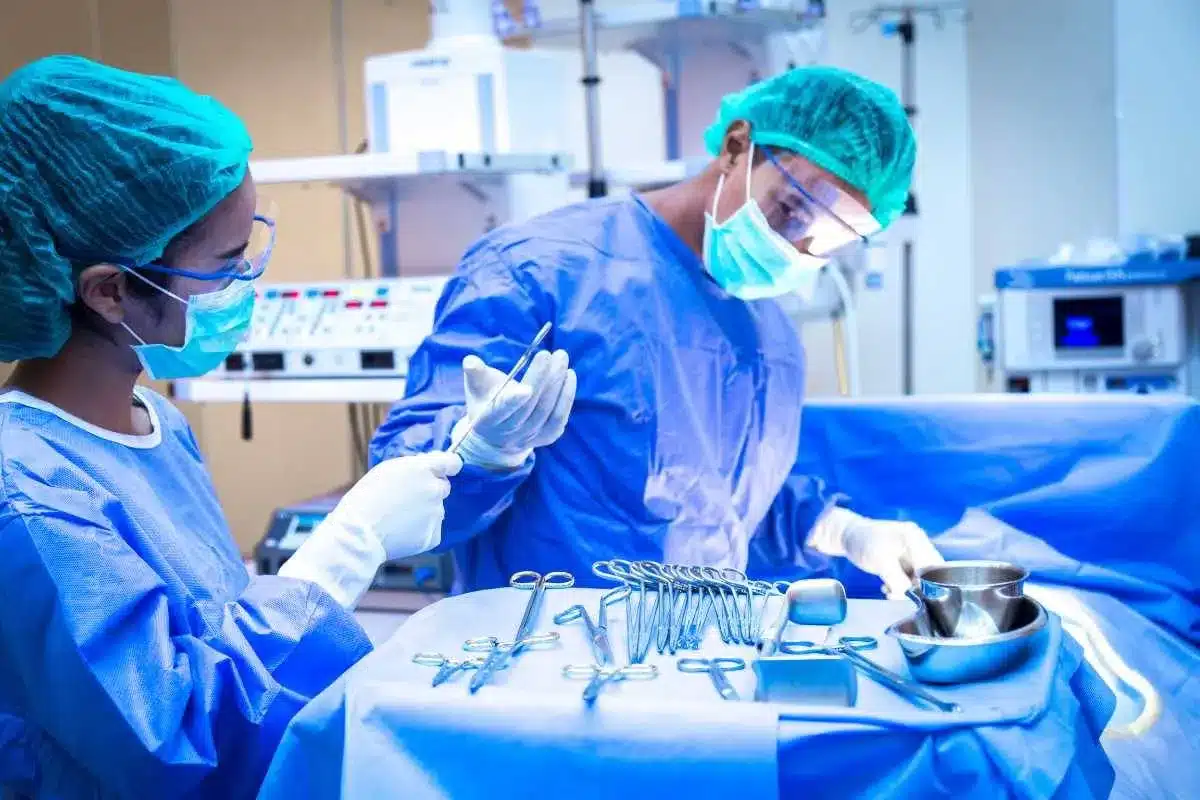
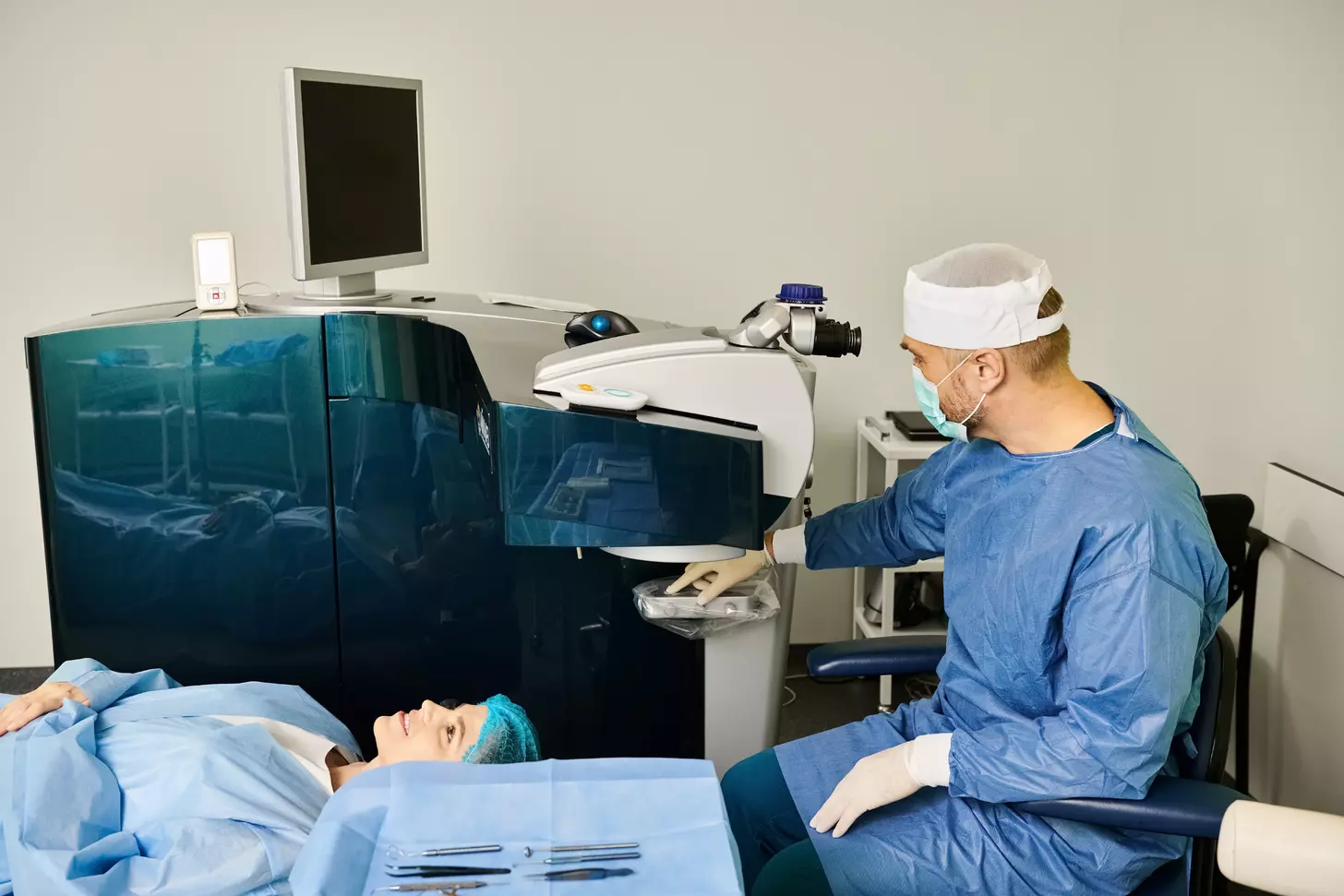
Robotic surgery has changed the medical world a lot. It was approved in 2000 and by 2014, over 570,000 procedures were done with the da Vinci system. It offers better views, smaller cuts, and less chance of blood clots and readmission. These benefits have made it more popular.
But, like any new tech, robotic surgery has its own set of risks and downsides. At Liv Hospital, we focus on keeping our patients safe. We follow global standards and know the risks well.
Key Takeaways
- Robotic surgery has many benefits, like better views and smaller cuts.
- But, it also has risks and downsides.
- Knowing these risks helps keep patients safe and informed.
- Liv Hospital puts patient safety first, following global standards in robotic surgery.
- The da Vinci system is one of the most used in robotic surgery.
Understanding Robotic Surgery and Its Growing Popularity

Robotic-assisted surgery is changing how we do surgery today. It’s becoming more common and is making a big difference in medicine.
What is Robotic Surgery and How It Works
Robotic surgery, also known as robot-assisted surgery, uses advanced robots for complex surgeries. Surgeons control the robotic arms from a console. This way, they can do surgery through small cuts.
The system uses carbon dioxide to see clearly inside the body. The surgeon’s actions are turned into precise movements by the robotic arms. This makes it possible to do very delicate work.
Most Common Robotic Surgery Procedures
Robotic surgery is used in many areas, like urology, gynecology, and general surgery. Some common surgeries include:
- Prostatectomies
- Hysterectomies
- Mitral valve repairs
- Cholecystectomies
These surgeries benefit from the precision and small cuts offered by robots.
The Da Vinci Surgical System and Other Platforms
The Da Vinci Surgical System is a top choice for robotic surgery. It has features like:
| Feature | Description | Benefit |
|---|---|---|
| High-Definition 3D Visualization | Provides a clear and detailed view of the surgical site | Enhanced precision and accuracy |
| EndoWrist Instruments | Offers a range of motion greater than the human wrist | Increased dexterity and flexibility |
| Intuitive Controls | Translates the surgeon’s movements into precise actions | Improved control and reduced fatigue |
Other systems, like the Robotic Surgical System and Medrobotics, are also being used. They offer more options for robotic surgery.
As we learn more about robotic surgery, it’s clear it’s changing surgery for the better. It’s helping both patients and surgeons a lot.
Benefits vs. Risks: A Balanced Perspective
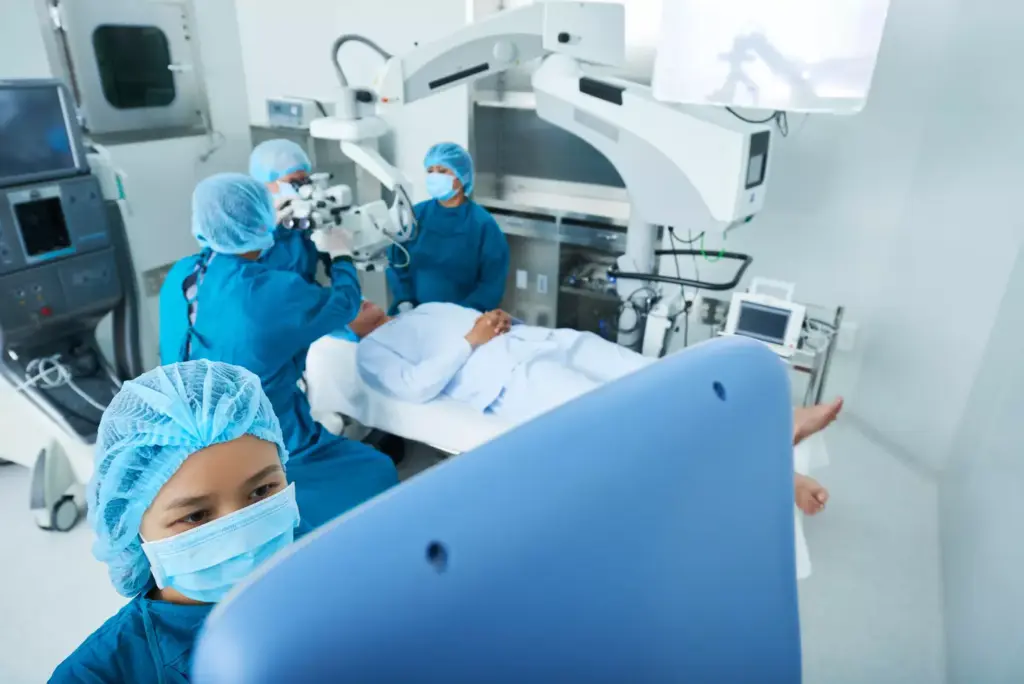
Robotic surgery is becoming more popular. It’s important to look at both its good points and possible downsides.
Recognized Advantages of Robot-Assisted Surgery
Robot-assisted surgery (RAS) has many benefits. It allows surgeons to work more precisely because of improved ergonomics and dexterity. This can lead to more accurate operations.
It also means smaller incisions, which causes less damage to the body. This results in decreased blood loss and shorter hospital stays. These factors help patients recover faster and face fewer complications.
Is Robotic Surgery Better? The Evidence
Research shows robotic surgery can improve outcomes in some cases. For example, robotic prostate surgeries often lead to fewer urinary problems and erectile dysfunction than traditional surgeries. But, not all surgeries see the same benefits, and more studies are needed.
The success of robotic surgery also depends on the surgeon’s experience and skill level. So, while the technology has many advantages, it’s not always better.
The Need for Risk Awareness
Robotic surgery has many benefits, but it’s important to know the risks. Complications can come from the surgery, the robotic system, or how the surgeon uses it. Knowing these risks helps patients and doctors make better choices.
In summary, robotic surgery is a big step forward in medical technology. It offers many advantages over traditional surgery. But, we must always look at both sides to ensure patients get the best care for their needs.
The Primary Dangers of Robotic Surgery: An Overview
Robotic-assisted surgery comes with its own set of risks and safety concerns. It’s important to know the types of risks and what can lead to complications.
Categories of Risk in Robot-Assisted Procedures
The risks of robotic surgery fall into three main areas: human error, mechanical failure, and patient factors. Human error can happen during training or if the surgical team lacks experience. Mechanical failure occurs when the robotic system malfunctions, often due to technical issues. Patient factors include the patient’s health, age, and any conditions that might affect surgery results.
| Risk Category | Description | Examples |
|---|---|---|
| Human Error | Errors made by the surgical team | Inadequate training, miscommunication |
| Mechanical Failure | Malfunctioning of the robotic system | Technical glitches, equipment failure |
| Patient Factors | Patient-related conditions affecting surgery outcome | Age, overall health, pre-existing conditions |
FDA Reports and Safety Concerns
The FDA has collected many reports on complications and adverse events from robotic surgery. These reports include injuries, malfunctions, and even deaths.
“The FDA continues to receive reports of injuries and deaths associated with the use of robotic surgical systems.”
These reports show the need for strict safety measures and careful evaluation of robotic surgical systems.
Understanding Risk Factors for Complications
Several factors can increase the risk of complications during or after robotic surgery. These include the surgeon’s experience, the surgery’s complexity, and the patient’s health. Surgeon experience is key, as more experienced surgeons can handle unexpected situations better. The complexity of the procedure also plays a role, with more complex surgeries being riskier. The patient’s health status greatly affects the outcome, with patients with multiple health issues being at higher risk.
By understanding these risk factors and categories, we can better navigate the complexities of robotic surgery. This helps us make informed decisions about its use.
Technical Malfunctions and Equipment Failure
Robotic surgery is advanced but not without risks. It’s important to know the dangers of technical issues. These problems can happen during complex surgeries.
Frequency of Mechanical Errors
Research shows mechanical errors in robotic surgery happen in 0.4% to 4.6% of cases. These errors can be small or serious, even requiring a switch to open surgery.
We looked at studies to grasp the issue better. The table below shows mechanical error rates in robotic surgery.
| Study | Number of Cases | Mechanical Error Rate (%) |
|---|---|---|
| Study A | 1000 | 0.8 |
| Study B | 500 | 4.2 |
| Study C | 2000 | 1.1 |
Types of System Failures and Their Consequences
Robotic surgery can fail in different ways. This includes instrument failure, vision system malfunction, and robotic arm dysfunction. These failures can lead to serious issues, like incomplete surgery, patient injury, or the need for emergency conversion to open surgery.
Case Studies of Serious Malfunctions
Case studies show the severity of technical malfunctions in robotic surgery. For example, there have been cases where robotic instruments broke inside patients or the system froze during surgery. These incidents highlight the need for strong safety measures and emergency plans.
We must think about these risks when we talk about robotic surgery’s safety and effectiveness. Knowing about the types of malfunctions and their effects helps us reduce these risks. This way, we can improve outcomes for patients.
Loss of Tactile Sensation: A Critical Disadvantage of Robotic Surgery
Robotic surgery lacks haptic feedback, a key sense for surgeons. This feedback is vital for assessing tissues and making precise movements. Surgeons use it to feel the texture and resistance of tissues.
The Importance of Touch in Surgical Procedures
The sense of touch is key in surgery. It helps surgeons feel the texture and resistance of tissues. This information is essential for identifying structures and applying the right amount of force.
How Lack of Haptic Feedback Affects Decision-Making
Without haptic feedback, surgeons face challenges in making decisions. They must rely on visual cues, which can be misleading. This can lead to mistakes, like applying too much or too little force.
Technological Attempts to Address This Limitation
Researchers are working on solutions to this problem. They aim to develop sensors that provide real-time feedback on tissue resistance. They also want to improve visual feedback systems. These efforts aim to mimic the sense of touch in traditional surgery.
Improving robotic surgery is key. By focusing on haptic feedback and investing in new technologies, we can make it safer and more effective. This will help reduce the risks of robotic surgery.
Increased Operative Duration and Anesthesia Risks
Robotic surgery is becoming more common, but it raises concerns about longer surgery times. These longer procedures can lead to increased risks.
Comparative Surgery Times: Robotic vs. Conventional Approaches
Research shows robotic surgery takes longer than traditional methods. For example, a study found robotic procedures are about 30 minutes longer.
The reasons for this longer time are varied:
- Setup and docking time for the robotic system
- Complex nature of some robotic procedures
- Learning curve for surgeons transitioning to robotic techniques
Health Implications of Extended Time Under Anesthesia
Longer surgery times mean patients are under anesthesia longer. This can lead to several health issues, including:
- Increased risk of respiratory complications
- Potential for nerve damage due to prolonged positioning
- Greater fluid shifts and cardiovascular strain
While the risk is low, it’s important for healthcare providers to assess patient risks and improve care before and after surgery.
Patient Selection Considerations Based on Operative Time
Choosing the right patients for robotic surgery is key due to the risks of longer surgery times. Important factors include:
- Patient’s overall health status and comorbidities
- Nature of the procedure and its complexity
- Surgeon’s experience with robotic techniques
By evaluating these factors, healthcare providers can reduce risks and improve outcomes for robotic surgery patients.
Surgeon Experience and the Steep Learning Curve
Surgeon experience is key to the success of robotic surgery. Like any complex skill, the skill of the surgeon matters a lot. Becoming good at robotic surgery takes a lot of training and practice.
Training Requirements for Robotic Surgery Competence
To be good at robotic surgery, surgeons need a lot of training. This training includes both learning about the surgery and practicing it. They learn through workshops, simulation, and help from experienced surgeons.
A study on JUROL Surgery shows that experience helps. Surgeons who have done other types of surgery learn robotic surgery faster. This means training should fit each surgeon’s background.
Correlation Between Surgeon Experience and Patient Outcomes
How well robotic surgery works depends a lot on the surgeon. Studies show that more experienced surgeons get better results. This means patients have fewer problems and recover faster.
| Surgeon Experience Level | Complication Rate (%) | Average Recovery Time (Days) |
|---|---|---|
| Low | 15 | 14 |
| Moderate | 8 | 10 |
| High | 3 | 7 |
Institutional Challenges in Maintaining Proficiency
Keeping up with robotic surgery is hard for both surgeons and hospitals. Hospitals need to keep training surgeons and have the latest technology. They also need to keep improving by checking how well surgeries are going.
In short, the skill of the surgeon is very important for robotic surgery. By understanding what training is needed, how experience affects results, and the challenges hospitals face, we can improve care in robotic surgery.
Potential for Nerve Damage and Serious Injury
Robotic surgery is becoming more common. It’s important to know about the risks of nerve damage. We must look at the possible problems that can happen during these surgeries.
Mechanisms of Nerve Injury
Nerve injury can happen in robotic surgery for several reasons. How the patient is positioned during surgery is a big factor. If they are not positioned right, nerves can get compressed or stretched.
The robotic arms can also cause nerve damage if not handled carefully. The lack of feeling in robotic surgery adds to the risk. Surgeons use what they see instead of feeling, which can lead to more force being applied and nerve injury.
Documented Cases and Outcomes
There have been cases of nerve damage from robotic surgery. These cases show how important it is to have the right training and technique. They also highlight the need for careful monitoring of patients.
The outcome depends on how severe the injury is and how quickly it’s treated.
| Type of Nerve Injury | Frequency | Typical Outcome |
|---|---|---|
| Compression Neuropathy | 2.5% | Often resolves with physical therapy |
| Direct Nerve Damage | 1.2% | May require surgical intervention |
| Stretch Injury | 0.8% | Usually recovers with time |
Risk Mitigation Strategies
To lower the risk of nerve damage, several steps can be taken. It’s key to position patients carefully and keep an eye on them during surgery. Surgeons need to be trained well in using robotic systems to avoid mechanical injuries.
Having safety protocols in place helps too. This includes regular checks on robotic equipment and following established surgical rules. By understanding how nerve injuries happen and taking action, we can make robotic surgery safer for patients.
Conversion to Open Surgery: Rates and Implications
Switching to open surgery during robotic procedures is a serious issue. It happens when the robotic method fails or unexpected problems arise. This change can be due to mechanical issues or complications during the surgery.
Common Reasons for Abandoning the Robotic Approach
Doctors might switch to open surgery if the robotic method is not safe or possible. Reasons include:
- Technical malfunctions: Equipment failure or software problems that make the procedure unsafe.
- Anatomical complexities: Unexpected body shapes or issues that make robotic surgery hard.
- Complications: Severe bleeding, adhesions, or other problems that need a more invasive method.
Impact on Patient Recovery and Outcomes
Switching to open surgery can greatly affect recovery and results. Research shows that open surgery patients might face:
| Outcome | Robotic Surgery | Open Surgery |
|---|---|---|
| Hospital Stay | 2-3 days | 5-7 days |
| Recovery Time | 3-6 weeks | 6-12 weeks |
| Pain Levels | Lower | Higher |
Psychological and Physical Effects of Surgical Conversion
The switch from robotic to open surgery can affect patients mentally and physically. It can cause more stress and anxiety. Patients might also face a longer recovery, more pain, and a higher risk of complications.
It’s important for surgeons and patients to understand the effects of switching to open surgery. Knowing the reasons and outcomes helps us prepare and improve patient care.
Infection, Bleeding, and Organ Injury Risks in Robotic Surgery
Robotic surgery is getting better, but knowing its risks is key for safety. It has many benefits but also risks that patients need to know about.
Comparative Complication Rates with Traditional Surgery
Robotic surgery has risks like infection, bleeding, and organ injury. Studies compare these risks to traditional surgeries to see who’s safer.
Research shows robotic surgery might have less blood loss and shorter stays for some procedures. But, the overall risk of complications can be similar to traditional surgeries.
Unique Complications in Robot-Assisted Procedures
Robotic surgery has its own risks because of the complex robotic system. For example, the lack of touch feedback can raise the risk of unintentional organ injury. Also, setting up the robotic system can sometimes cause problems if not done right.
The learning curve for robotic surgery can also affect risks. Surgeons need practice to use the system safely and effectively.
Long-term Outcomes After Complications
Complications in robotic surgery can have different long-term effects. For example, infections might need long antibiotic treatments or more surgery.
It’s important to understand these long-term effects to manage patient expectations and care. We stress the need for close follow-up and quick action to address any issues.
Conclusion: Is Robotic Surgery Safe? Making Informed Decisions
Robotic surgery has its benefits but also risks. These risks include technical problems, loss of touch, longer surgery times, and nerve damage. Knowing these risks is key to making smart choices.
When skilled surgeons use robotic surgery, it can be safe and effective. It’s important for patients to know the robotic surgery pros and cons. They should talk to their doctor about their own risks. This way, they can make choices that fit their needs.
The safety of robotic surgery depends on weighing its benefits against its risks. It has changed many surgeries for the better. But, it’s not for everyone. Making informed decisions means understanding the risks and benefits, and the surgeon’s experience.
The safety of robotic surgery also depends on the surgeon’s skill, the quality of care, and the patient’s health. Patients can make the best choices by being well-informed and involved. This helps them navigate the complexities of robotic surgery.
What are the primary dangers associated with robotic surgery?
Robotic surgery has several risks. These include technical problems, loss of touch, longer surgery times, and nerve damage. We explore these dangers in depth to help you understand.
Is robotic surgery safer than traditional surgery?
Robotic surgery has its benefits, like better views and smaller cuts. But, it’s not risk-free. Its safety compared to traditional surgery depends on the surgeon’s skill and the type of surgery.
What are the most common robotic surgery procedures?
Robotic surgery is used for many procedures. These include surgeries for the urinary, reproductive, and heart systems. The Da Vinci Surgical System is a common tool for these surgeries.
How does robotic surgery work?
Robotic surgery uses a robotic system controlled by a surgeon. It offers better views and precise movements. This makes it possible to do complex surgeries with smaller cuts.
What are the disadvantages of robotic surgery?
Robotic surgery has downsides. These include technical issues, loss of touch, longer surgery times, and higher costs. Surgeons also need to learn a lot to use these systems well.
Can robotic surgery lead to nerve damage?
Yes, robotic surgery can cause nerve damage. This can happen due to the robotic arms’ position or the surgery itself. It’s important to understand how nerve injuries occur and how to prevent them.
How does the lack of haptic feedback affect robotic surgery?
The lack of haptic feedback means surgeons rely on what they see, not feel. This can make decision-making harder. Researchers are working on solving this problem.
Are complication rates higher in robotic surgery compared to traditional surgery?
Complication rates vary between robotic and traditional surgery. It depends on the surgery and the surgeon’s experience. Robotic surgery has its own risks, like system failures and needing to switch to open surgery.
What are the implications of converting to open surgery during a robotic procedure?
Switching to open surgery during robotic surgery can affect recovery and outcomes. It’s important to know why this happens and how it impacts patients.
How can patients make informed decisions about robotic surgery?
Patients can make informed choices by knowing the benefits and risks of robotic surgery. It’s key to talk to a healthcare provider about these factors to decide the best treatment.
References
- Kirkpatrick, T., & LaGrange, C. (2016). Robotic surgery: Risks vs. rewards. Patient Safety Network. https://psnet.ahrq.gov/web-mm/robotic-surgery-risks-vs-rewards
- Rivero-Moreno, Y. (2023). Robotic surgery: A comprehensive review of the benefits and complications. Frontiers in Surgery, 10, 1045506. https://doi.org/10.3389/fsurg.2023.1045506
- The Urology Group of Virginia. (n.d.). Complications of robotic surgery. https://www.urologygroupvirginia.com/robotic-surgery-center/preperation-recovery/complications-of-robotic-surgery
- Intuitive Surgical. (n.d.). Safety information. https://www.intuitive.com/en-us/about-us/company/legal/safety-information
- Alemzadeh, H., & Sadeghi, M. (2016). Adverse events in robotic surgery: A retrospective study of 10,624 reports. Journal of Patient Safety, 12(3), 134–139. https://doi.org/10.1097/PTS.0000000000000163