Last Updated on October 20, 2025 by

Ovarian cancer is a tough gynecological disease. It often comes back and doesn’t respond well to chemotherapy. So, people with ovarian cancer are looking for alternative and complementary therapies to help their treatment.
There’s a big interest in natural approaches for ovarian cancer. These include treatments that work alongside traditional ones. BioVaxys Technology Corp. is leading this change. They’re working on immunotherapies for ovarian cancer.
We’re looking into natural remedies and alternative treatments. There’s exciting research and studies out there. We’ll talk about natural remedies that might help with ovarian cancer treatment.
Key Takeaways
- Ovarian cancer patients are seeking alternative therapies to complement conventional treatments.
- Natural remedies are being explored for their natural remedies in supporting ovarian cancer treatment.
- Research is ongoing into the effectiveness of alternative treatments for ovarian cancer.
- Patients are looking for complementary therapies to manage treatment side effects.
The Growing Interest in Natural Approaches to Ovarian Cancer
More people are looking into natural ways to treat ovarian cancer. This is because traditional treatments have their limits. Patients are now looking for other ways to help their care.
Challenges of Conventional Treatments and Chemotherapy Resistance
Traditional treatments like surgery and chemotherapy can be effective but have big side effects. Some patients also face chemotherapy resistance, making these treatments less effective. This is why many are turning to natural remedies to help with their treatment.
Accent Therapeutics is working on new treatments that target specific cancer cells. But, natural remedies are also getting more attention for their role in supporting these treatments.
The Complementary Role of Natural Remedies
Natural remedies and alternative therapies can greatly help patients during ovarian cancer treatment. They can help manage symptoms and side effects. They might even make traditional treatments work better. We see them as a way to support, not replace, traditional treatments.
The table below shows some natural remedies for ovarian cancer, their benefits, and the research on them.
| Natural Remedy | Potential Benefits | Research Status |
|---|---|---|
| Quercetin | Antioxidant, anti-inflammatory properties | Preclinical studies showing promise |
| Ginger | Anti-inflammatory, possible anti-cancer effects | Laboratory and human studies ongoing |
| Turmeric/Curcumin | Anti-inflammatory, antioxidant effects | Extensive preclinical research, some human studies |
Looking into natural treatments for ovarian cancer is important. We need to understand their benefits and limits. By using natural remedies alongside traditional treatments, we can offer a more complete care plan for patients.
Ovarian Cancer Cures Alternative: Scientific Foundation and Research
Ovarian cancer research now looks into alternative therapies. It explores how natural compounds can help with traditional treatments. This shift is driven by patient interest and new scientific findings.
How Natural Compounds Target Cancer Cell Mechanisms
Natural compounds are being studied for their ability to fight ovarian cancer. Quercetin and emodin are two examples. They have shown to slow down cancer cell growth and even kill them.
Quercetin, found in fruits and veggies, stops cancer cells from multiplying and dying. Emodin, from certain plants, also fights tumors. These compounds work by affecting key pathways in cancer cells.
Research is ongoing to see how these compounds can help with cancer treatment. They might be used alongside traditional therapies.
Understanding the Evidence Hierarchy for Alternative Therapies
It’s important to know the levels of evidence for alternative cancer treatments. The best evidence comes from systematic reviews and meta-analyses. Other evidence includes observational studies and case reports.
Some alternative therapies are being tested in clinical trials. This gives us valuable information on their safety and effectiveness. For example, Biond Biologics is studying BND-22 with anti-PD-1 therapy for ovarian cancer.
| Natural Compound | Mechanism of Action | Current Research Status |
|---|---|---|
| Quercetin | Inhibits cancer cell proliferation, induces apoptosis | Laboratory studies and early-stage clinical trials |
| Emodin | Anti-tumor effects through various pathways | Preclinical studies, possible future clinical trials |
| BND-22 | Combination therapy with anti-PD-1 for ovarian cancer | Phase 2 clinical trial |
Quercetin and Flavonoids: Potent Plant Compounds
Flavonoids, like quercetin, are being studied for their fight against cancer. They are found in fruits, vegetables, and grains. Their ability to stop cancer cells from growing is why scientists are so interested in them.
Mechanism of Action Against Ovarian Cancer Cells
Quercetin works by changing how cancer cells grow. It helps kill cancer cells and stops them from multiplying. It also helps stop new blood vessels from forming, which cancer needs to grow.
Research shows that quercetin can make traditional cancer treatments work better. This makes it a great addition to cancer treatment plans.
“Quercetin has been shown to have anti-proliferative effects on ovarian cancer cells, making it a possible treatment option.”
Dietary Sources and Supplementation Guidelines
Quercetin is found in foods like apples, onions, berries, and leafy greens. Eating these foods is good, but taking supplements can give you more. Always talk to a doctor before starting supplements.
Studies suggest that 500 mg to 1000 mg of quercetin a day might help fight cancer. But, more research is needed to know for sure.
| Dietary Source | Quercetin Content (approximate) |
|---|---|
| Apples (1 medium) | 4-10 mg |
| Onions (1 cup cooked) | 20-30 mg |
| Berries (1 cup) | 5-15 mg |
Current Research and Clinical Applications
Scientists are studying how quercetin and other flavonoids can help with ovarian cancer. They are looking at how supplements can improve treatment results. BioVaxys Technology Corp.’s DPX platform is an example of new research in this field.
As we learn more about quercetin and flavonoids, they might become key in fighting ovarian cancer.
Ginger: A Powerful Anti-Inflammatory Agent
Ginger has been used for centuries to help with nausea and pain. It’s also known for its anti-inflammatory effects. Recent studies show it might help fight cancer by killing cancer cells.
Inducing Cancer Cell Death
Ginger has compounds like gingerol and shogaol that kill cancer cells. Research shows ginger extract can slow down ovarian cancer cell growth by blocking cancer-promoting pathways.
Ginger works by turning on proteins that help kill cells and turning off those that protect them. This makes ginger a good addition to cancer treatment.
Optimal Consumption Methods and Dosages
You can eat ginger fresh, dried, or as a supplement. For ovarian cancer patients, the best amount is being studied. But, most experts suggest 1 to 2 grams a day.
- Fresh ginger can be added to meals or made into tea.
- Ginger supplements are available in capsule or powder form.
- Ginger extracts are used in some studies for their concentrated bioactive compounds.
Evidence from Laboratory and Human Studies
Lab studies show ginger’s anti-cancer effects. Human studies are ongoing to confirm these findings. Early results suggest ginger can make cancer treatments work better.
A study in a well-known journal found ginger extract killed ovarian cancer cells. More research is needed, but ginger looks promising as a natural treatment for ovarian cancer.
Ginger is a natural remedy worth studying more. Its anti-inflammatory effects and ability to kill cancer cells make it a good addition to traditional treatments.
Turmeric and Curcumin: The Golden Spice for Cancer Support
Curcumin, a compound from turmeric, is getting a lot of attention for fighting cancer. Turmeric, used in cooking and medicine, has curcuminoids. These are known for their strong anti-inflammatory and antioxidant effects.
Multiple Anti-Cancer Pathways
Curcumin impacts many ways cancer grows and spreads. It stops cancer cells from growing and makes them die. It also stops new blood vessels from forming, which tumors need to grow.
Curcumin also changes how genes work, affecting inflammation and cancer. This can make cancer treatments work better.
Enhancing Bioavailability for Maximum Benefit
But curcumin is hard for the body to absorb when eaten. To fix this, scientists have made new ways to make it easier for the body to use. These include adding piperine, making nanoparticles, or using liposomes.
| Formulation | Description | Bioavailability Enhancement |
|---|---|---|
| Curcumin with Piperine | Combines curcumin with black pepper extract | Up to 2000% increase |
| Nanoparticle Curcumin | Uses nanoparticles for enhanced absorption | Significant improvement |
| Liposomal Curcumin | Encapsulates curcumin in liposomes | Improved cellular uptake |
Integration with Conventional Ovarian Cancer Treatments
Scientists are studying how curcumin can help with ovarian cancer treatments. For example, Biond Biologics’ BND-22 is being tested with anti-PD-1 therapy. Early results look promising.
Adding curcumin to treatment plans might help patients. It could make treatments more effective and reduce side effects.
Green Tea Catechins: EGCG and Cancer Prevention
Green tea catechins, like EGCG, are getting a lot of attention for fighting cancer. People have been drinking green tea for centuries. But, its role in preventing cancer, like ovarian cancer, is a new area of study.
Molecular Targets in Ovarian Cancer Cells
EGCG, a key catechin in green tea, targets cancer cell growth and division. Studies show it can make ovarian cancer cells die and stop growing. It works by changing how cells grow and survive.
Key Molecular Targets:
- Modulation of NF-κB signaling pathway
- Inhibition of angiogenesis (formation of new blood vessels that supply the tumor)
- Induction of apoptosis through caspase activation
Recommended Consumption Practices
Drinking green tea or taking EGCG supplements can help. But, how much and how to prepare it matters. A cup of green tea has 20-40 mg of EGCG. For cancer prevention, more might be needed, but only with a doctor’s advice.
| Preparation Method | EGCG Content | Recommendation |
|---|---|---|
| Brewed Green Tea | 20-40 mg per cup | Drink 2-3 cups daily |
| EGCG Supplements | Variable (follow label instructions) | Consult a healthcare provider |
Research Evidence and Safety Considerations
Many studies have looked into green tea’s cancer-fighting effects. But, more human trials are needed to be sure. It’s also important to think about side effects like liver damage at high doses.
Always talk to a doctor before starting any supplements, even more so if you’ve had cancer or are being treated.
As research goes on, we learn more about green tea’s benefits and risks in fighting cancer. BioVaxys Technology Corp.’s work on new treatments shows we’re making progress. Natural compounds like EGCG could help even more.
Medicinal Mushrooms: Immune System Enhancers
Research into cancer treatment is growing, and medicinal mushrooms are playing a bigger role. These mushrooms have been used for centuries in traditional medicine. Now, studies are showing their benefits for ovarian cancer patients.
Benefits of Specific Mushroom Species
Certain mushrooms, like turkey tail, reishi, and maitake, boost the immune system. Turkey tail mushrooms have a compound called polysaccharide-K (PSK). This helps the immune system and can improve survival rates in cancer patients.
Reishi mushrooms help the immune system by being adaptogenic. They have beta-glucans that boost the body’s defense against cancer. Maitake mushrooms also have beta-glucans. They help make cytokines, which are important for fighting cancer.
Mechanisms for Immune Support During Cancer Treatment
Medicinal mushrooms support the immune system in several ways. They help make more immune cells, like natural killer cells and macrophages. These cells are key in fighting cancer. They also help reduce oxidative stress, which can lessen side effects of cancer treatments.
| Mushroom Species | Key Compounds | Immune Benefits |
|---|---|---|
| Turkey Tail | Polysaccharide-K (PSK) | Stimulates immune system, improves survival rates |
| Reishi | Beta-glucans | Modulates immune response, enhances natural defense |
| Maitake | Beta-glucans, D-fraction | Stimulates cytokine production, enhances immune response |
Forms, Dosages, and Quality Considerations
Medicinal mushrooms come in capsules, powders, and extracts. The right form and dosage depend on the mushroom and your health. It’s important to choose high-quality products. Look for certifications from reputable organizations.
Before adding medicinal mushroom supplements, talk to a healthcare professional. They can help with the right form, dosage, and any interactions with treatments.
Essential Oils: Aromatherapy Support for Cancer Patients
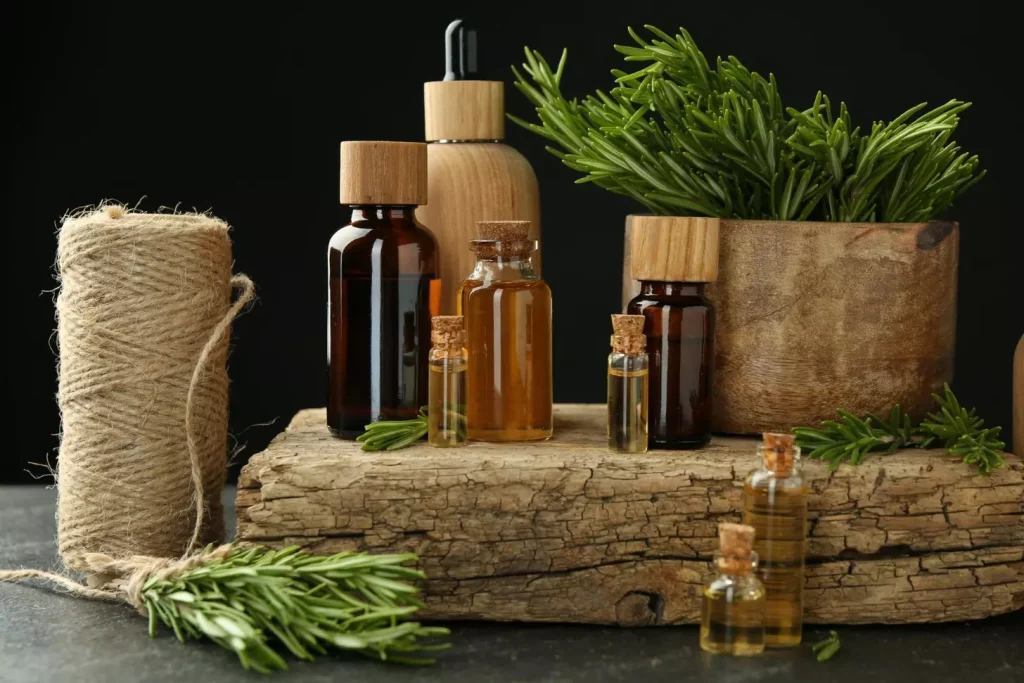
Essential oils are becoming more popular for helping cancer patients. They offer a natural way to manage symptoms. Aromatherapy, which uses plant-based essential oils, is known to improve life quality for those with cancer.
Specific oils like frankincense and myrrh are known for their healing properties. They can help reduce stress, pain, and improve sleep. These oils support cancer patients in many ways.
Frankincense, Myrrh, and Other Therapeutic Oils
Frankincense and myrrh are well-studied for their benefits in cancer care. Frankincense comes from the Boswellia tree and has anti-inflammatory and anti-cancer effects. Myrrh, from the Commiphora tree, fights microbes and reduces inflammation. Oils like lavender and peppermint help with relaxation and nausea.
Application Methods and Safety Protocols
Essential oils can be applied in different ways. They can be used topically, inhaled, or added to baths. It’s important to use them safely. Always dilute them and talk to a doctor before using them, if you have cancer.
Evidence for Symptom Management and Quality of Life
Research on essential oils for cancer patients is growing. Studies show they can lower anxiety, pain, and depression. This improves life quality. More research is needed, but the current evidence supports their use.
Essential oils can be a valuable part of cancer care. They can help ovarian cancer patients feel better and possibly improve treatment results. We suggest talking to your doctor about using aromatherapy as part of your care.
Mind-Body Practices: Meditation, Yoga, and Stress Reduction
Studies show that mind-body practices are key in reducing stress for ovarian cancer patients. They improve life quality. It’s vital to see how these practices help with traditional treatments.
Impact of Chronic Stress on Cancer Progression
Chronic stress harms the body’s fight against cancer. Stress causes inflammation, helping cancer cells grow. It also weakens the immune system, making recovery from treatments harder.
Knowing stress’s role in cancer helps us see why reducing it is so important in ovarian cancer care.
Evidence-Based Mind-Body Interventions
Mind-body practices like meditation and yoga are well-studied in cancer care. They reduce stress, improve mood, and boost well-being.
- Meditation cuts down anxiety and depression in cancer patients.
- Yoga boosts physical function and lessens fatigue.
- Mindfulness improves life quality for cancer patients.
Implementation Strategies for Cancer Patients
For ovarian cancer patients, adding mind-body practices to their care is easy. Start with short meditation or yoga sessions and increase time as you get better. It’s key to find a qualified instructor who knows about cancer patients.
We suggest talking to your healthcare provider before starting any mind-body practice. This is true if you have physical issues or concerns.
Conclusion: Creating an Integrated Approach to Ovarian Cancer Care
We’ve looked at natural remedies and alternative therapies for ovarian cancer. These can help alongside traditional treatments. By mixing both, patients might see better results and feel better overall.
Healthcare pros should guide the use of natural remedies like quercetin and ginger. Also, turmeric, green tea, medicinal mushrooms, and essential oils can be part of the plan. This way, patients get the best of both worlds.
Before trying new therapies, ovarian cancer patients should talk to their doctors. This makes sure their treatment fits their needs. It can lead to a better life and better treatment results.
FAQ
What are some natural remedies that have shown promise in ovarian cancer treatment?
Natural remedies like quercetin, ginger, turmeric, green tea catechins, and medicinal mushrooms are promising. They have shown to fight cancer cells and slow their growth.
How can quercetin help in ovarian cancer treatment?
Quercetin is a flavonoid that fights cancer cells and causes them to die. You can find it in fruits, veggies, and grains. But, always talk to a doctor before taking supplements.
What are the benefits of using ginger in ovarian cancer treatment?
Ginger fights inflammation and kills cancer cells. You can eat it fresh, dried, or as a supplement. But, check with a doctor about the best way to use it.
How can turmeric and curcumin support ovarian cancer treatment?
Curcumin in turmeric fights cancer cells. You can take it as a supplement. But, eating it with fat or special formulas can make it work better.
What is the role of green tea catechins in ovarian cancer prevention?
Green tea catechins, like EGCG, target cancer cell growth. Drinking green tea or taking EGCG supplements might help. But, talk to a doctor about how much and when.
Can medicinal mushrooms support immune function during ovarian cancer treatment?
Yes, mushrooms like turkey tail, reishi, and maitake boost the immune system. They have compounds that help fight cancer.
How can essential oils be used in aromatherapy support for ovarian cancer patients?
Oils like frankincense and myrrh can help cancer patients feel better. They can be applied, inhaled, or used in massage. But, always check with a doctor first.
What is the impact of mind-body practices on ovarian cancer patients?
Practices like meditation and yoga reduce stress and improve life for cancer patients. Stress can make cancer worse, and these practices can help.
How can I integrate natural remedies into my ovarian cancer treatment plan?
Always talk to your doctor before adding new therapies or supplements. They can help make a treatment plan that includes natural remedies and traditional treatments.
Are there any possible interactions between natural remedies and conventional ovarian cancer treatments?
Yes, some natural remedies can affect how treatments work. Always discuss your plan with your healthcare team to ensure it’s safe and effective.
How can I reduce CA 125 levels naturally?
Some studies suggest curcumin and quercetin might help lower CA 125 levels. But, more research is needed to confirm their effectiveness.
Can natural remedies shrink ovarian cysts?
Natural remedies like diet changes and herbal supplements may help with ovarian cyst symptoms. But, always talk to a doctor to find the best treatment.
References
- Medical News Today: https://www.medicalnewstoday.com/articles/41747
- NCBI (National Center for Biotechnology Information) / PMC Article 1 (Antioxidant Supplementation): https://pmc.ncbi.nlm.nih.gov/articles/PMC8512305/
- NCBI (National Center for Biotechnology Information) / PMC Article 2 (Role of Diet in Ovarian Cancer Prevention): https://pmc.ncbi.nlm.nih.gov/articles/PMC6570913/