Last Updated on November 27, 2025 by Bilal Hasdemir
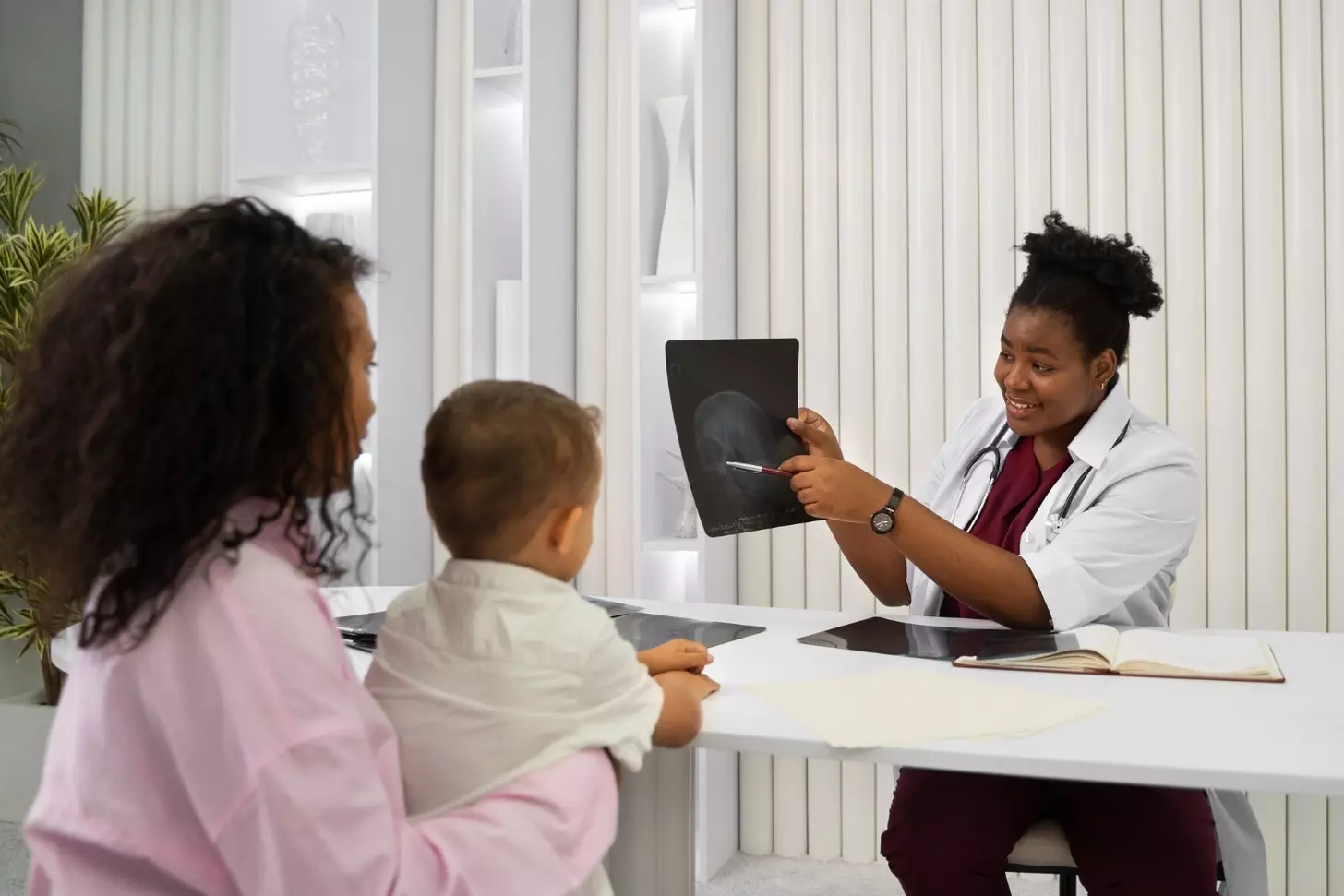
When a loved one gets brain cancer, you might wonder if genes are involved. We get it and want to help. At Liv Hospital, we offer personalized care and the latest on brain tumors genetics.
Most brain cancers happen by chance, but genes can play a part in some families. Knowing about these genetic risks is key. It helps you understand your own risk and make smart health choices.
We’ll dive into how genes and brain cancer are connected. We’ll look at inherited genetic mutations’ role. Our aim is to share what we know and help families dealing with this disease.
Key Takeaways
- Genetic factors can play a significant role in some brain cancer cases.
- Understanding family history is key to knowing your risk.
- Certain genetic mutations can raise your risk of brain cancer.
- Personalized care and genetic counselingare available for at-risk families.
- Keeping up with new research helps manage your risk.
The Relationship Between Brain Cancer and Heredity
The link between brain cancer and heredity is complex. It involves genetics and the environment. Brain tumors can be benign or malignant. Their growth is influenced by genetics and other factors.
Understanding Brain Cancer Basics
Brain cancer is when abnormal cells grow in the brain. These can start in the brain or spread from other parts. Primary tumors are those that start in the brain. Gliomas are the most common type in adults.
Genetics and the environment play a big role in brain cancer. While we don’t know all the causes, some genetic mutations raise the risk.
The Role of Genetics in Cancer Development
Genetics are key in brain cancer. Certain genetic syndromes, like Li-Fraumeni and neurofibromatosis, increase the risk. Family history also plays a role, suggesting a genetic link.
“The presence of a familial history of brain tumors may indicate a genetic predisposition to brain cancer, highlighting the importance of genetic screening and surveillance for high-risk individuals.”
Research has found specific genetic mutations linked to brain cancer. For example, MSH6, MSH2, and TERC gene mutations raise the risk of gliomas.
| Gene Mutation | Associated Brain Tumor Type | Risk Level |
|---|---|---|
| MSH6 | Gliomas | High |
| MSH2 | Glioblastoma Multiforme | High |
| TERC | Various Brain Tumors | Moderate |
Knowing the genetic causes of brain cancer is key. It helps in developing better screening and treatment plans. This way, doctors can watch over and prevent brain tumors in those at risk.
How Common Are Familial Brain Tumors?

Brain tumors in families are rare but alarming. Many ask if brain cancer can be inherited. It’s key to know the facts about familial brain tumors.
Statistics on Hereditary Brain Cancer Cases
Only a small part of brain tumors are linked to genetics. About 5% to 10% of cases are due to genes. This means most brain tumors aren’t passed down through families.
A study in a medical journal showed 7% of brain cancer patients had family history. This highlights the role of genetics in brain cancer.
The 5-10% Rule: Putting Risk in Perspective
The 5-10% rule is important for understanding familial brain tumor risk. It shows genetics play a small part in most cases. This rule helps guide patients and families about their risks.
Here are some key statistics:
- About 1 in 5,000 people get a primary brain tumor each year.
- Only 5-10% of these have a family link.
- Genetic syndromes like Li-Fraumeni syndrome raise brain cancer risk a lot.
Knowing these numbers can ease worries and help with decisions for those with family history. While family history increases risk, the actual chance is low for most.
Can Brain Tumors Run in the Family? The Genetic Evidence
Scientists are looking into if brain tumors can run in families. They are studying how genetics might play a role. This includes looking at family patterns and the risk for relatives.
Research on Family Clustering of Brain Tumors
Research shows that brain tumors can sometimes appear in families. This hints at a genetic link. Research on family clustering looks at brain tumor cases in families over time.
A study in the Journal of Neuro-Oncology found a link. It said that first-degree relatives, like parents and siblings, face a higher risk.
“The aggregation of brain tumors in families suggests that genetic factors may play a role in their development.”
Studies show that having a family history of brain tumors increases your risk. This risk is even higher for first-degree relatives.
First-Degree Relatives and Brain Cancer Risk
First-degree relatives are a key focus in genetic research. They include parents, siblings, and children of someone with a brain tumor. Research shows they might face a higher risk of brain cancer.
A meta-analysis in Neuro-Oncology found a significant risk increase. It said first-degree relatives of glioblastoma multiforme patients face a higher risk.
The exact reasons for this increased risk are being studied. It’s believed that shared genetic factors are a big part of it.
Patterns of Inheritance in Familial Cases
Understanding how brain tumors are passed down in families is key. Many cases are sporadic, but familial ones often follow a pattern. This pattern suggests an autosomal dominant inheritance, where one mutated gene can raise the risk.
Research has found genes linked to an increased risk in families. For example, the TP53 gene is linked to Li-Fraumeni syndrome. This condition raises the risk of many cancers, including brain tumors.
By studying genetics and inheritance patterns, we can better understand family risks. This helps identify who might need genetic testing or closer monitoring.
Types of Brain Tumors with Genetic Links
Research has found certain brain tumors linked to genetics. Knowing these links helps find people at risk. It also guides treatment choices.
Gliomas and Hereditary Factors
Gliomas start from brain cells called glial cells. Some studies hint at glioma hereditary factors. While most gliomas happen by chance, some families show a pattern.
The exact role of glioma hereditary factors is being studied. But, some genetic mutations might raise glioma risk.
Glioblastoma Multiforme (GBM) and Genetic Predisposition
Glioblastoma multiforme (GBM) is a very aggressive glioma. Many wonder if glioblastomas are genetic or are glioblastomas hereditary.
Studies on gbm cancer hereditary aspects show most cases are not genetic. Yet, some genetic syndromes, like Li-Fraumeni, increase GBM risk.
Other Brain Tumor Types with Familial Patterns
Other brain tumors also show family patterns. These include:
- Meningiomas, which are usually benign and come from the meninges.
- Medulloblastomas, rare in kids and from primitive neuroectodermal cells.
- Ependymomas, tumors from ependymal cells in the brain and spinal cord.
Understanding these genetic links helps in early detection and care. Families with brain tumor history should talk to doctors about their risks and screenings.
Identified Gene Mutations Associated with Brain Cancer Risk
Certain genetic mutations are linked to a higher risk of brain tumors. This shows how genetics can affect brain cancer risk. Some genes are more connected to brain cancer than others.
Key Genes: MSH6, MSH2, and TERC
Genes like MSH6, MSH2, and TERC are key in brain cancer research. Mutations in MSH6 and MSH2 can raise cancer risk, including brain tumors. The TERC gene, important for telomerase, is also linked to brain cancer risk when mutated.
- MSH6 mutations are tied to Lynch syndrome, raising cancer risk.
- MSH2 mutations also lead to Lynch syndrome, increasing cancer risk.
- TERC mutations impact telomere maintenance, leading to genomic instability.
TP53 and CCDC26 Variants
Genes like TP53 and CCDC26 are also important in brain cancer genetics. TP53 is a tumor suppressor gene, and its mutations are common in human cancers, including brain tumors. Variants of CCDC26 are linked to glioma, a brain tumor type.
- The TP53 gene is vital for cell division and preventing tumors.
- Mutations in CCDC26 are tied to glioma risk, showing genetic predisposition.
How These Mutations Affect Brain Cancer Development
These gene mutations can cause brain cancer through several ways. They can impair DNA repair, disrupt cell cycle, and affect telomere maintenance. Knowing these genetic factors is key for assessing risk and creating targeted therapies.
Identifying these gene mutations helps us understand brain cancer’s genetic roots. It also opens up genetic testing and counseling for families with brain tumor history.
Hereditary Syndromes That Increase Brain Tumor Risk
Some hereditary syndromes raise the risk of brain tumors. Knowing about these conditions helps us understand our own risk. These syndromes come from genetic mutations that lead to tumors, including brain ones.
Li-Fraumeni Syndrome
Li-Fraumeni Syndrome (LFS) is a rare genetic disorder. It greatly increases the risk of several cancers, including brain tumors. This is due to a mutation in the TP53 tumor suppressor gene.
People with LFS are more likely to get glioblastoma and other brain cancers early in life.
Neurofibromatosis Types 1 and 2
Neurofibromatosis Type 1 (NF1) and Type 2 (NF2) are genetic disorders. They make people more likely to get tumors in the nervous system. NF1 is linked to neurofibromas, while NF2 is linked to schwannomas and meningiomas.
Both NF1 and NF2 are caused by mutations in tumor suppressor genes.
- NF1 is caused by mutations in the NF1 gene.
- NF2 is associated with mutations in the NF2 gene.
- Both conditions need regular checks for tumors.
Turcot Syndrome and Other Rare Genetic Conditions
Turcot Syndrome is a rare genetic disorder. It combines a primary brain tumor, often medulloblastoma, with colorectal cancer or adenomatous polyposis. It’s linked to mutations in DNA mismatch repair genes.
Other rare genetic conditions, like Von Hippel-Lindau disease, also raise brain tumor risk.
It’s key to know about these hereditary syndromes for early brain tumor detection and management. Genetic testing and counseling help find at-risk individuals. They guide the right surveillance strategies.
Genetic Testing for Brain Cancer Predisposition
Genetic testing is key in finding out who might get brain cancer. It helps spot people at higher risk. This is a big step in preventing brain cancer.
Available Testing Options
There are many genetic tests for brain cancer risk. These include:
- Single Gene Testing: Looks at specific genes like TP53 or MSH6 linked to brain cancer.
- Multi-Gene Panel Testing: Checks many genes for different cancers, including brain tumors.
- Whole Exome Sequencing (WES): A detailed test that looks at almost all genes for mutations.
Each test has its own benefits. The right one depends on your risk, family history, and symptoms.
When Genetic Testing Is Recommended
Genetic testing is suggested for those with a strong family history of brain cancer. It’s recommended in these situations:
- If a close relative, like a parent or child, gets brain cancer early.
- If you or your family have had many brain tumors or other cancers linked to genes.
- If you have a rare genetic condition that raises brain cancer risk.
Understanding and Interpreting Test Results
Getting the results of genetic tests can be tricky. They can mean different things. Here’s what they might say:
- Positive: Shows a known mutation, meaning you might be at higher risk for cancer.
- Negative: Doesn’t find a known mutation, but doesn’t mean you’re completely safe.
- Variant of Uncertain Significance (VUS): A mutation that’s not clear if it raises cancer risk.
It’s important to understand these results. They help guide your choices about watching for cancer, preventing it, and treatment.
| Test Result | Implication | Next Steps |
|---|---|---|
| Positive | Increased risk of brain cancer | Enhanced surveillance, consider preventive measures |
| Negative | Risk not eliminated, continued monitoring advised | Follow general population screening guidelines |
| VUS | Unclear risk, may require further testing | Consult genetic counselor, consider additional testing |
Medical Recommendations for Families with Brain Cancer History
For families with brain cancer history, medical advice is key. It helps in early detection and prevention. We aim to give detailed guidance to manage risk effectively.
Screening Guidelines and Surveillance Protocols
Families with brain cancer history need to follow screening guidelines for early detection. We advise:
- Regular neurological exams
- Use of MRI or CT scans
- Genetic tests for certain mutations
Surveillance plans differ based on family history and genetics. It’s important to work with healthcare providers to find the best plan.
Preventive Measures and Risk Reduction
While preventing brain cancer is not guaranteed, some preventive measures can lower risk. We recommend:
- Healthy lifestyle with balanced diet and exercise
- Avoid harmful chemicals and radiation
- Manage stress with relaxation techniques
When to Consult a Genetic Counselor
Genetic counseling is vital for managing brain cancer risk. We suggest talking to a genetic counselor if:
- There’s a family history of brain cancer
- Genetic tests show a mutation linked to brain cancer
- Guidance on genetic test results is needed
Psychological Support for High-Risk Families
Dealing with brain cancer risk can be tough emotionally. We stress the need for psychological support for high-risk families. This includes:
- Counseling services
- Support groups
- Mental health resources
Combining medical advice with emotional support helps families deal with brain cancer risk.
Non-Genetic Risk Factors for Brain Cancer
Brain cancer is caused by both genetic and non-genetic factors. We’ve talked about genetic risks before. Now, let’s look at non-genetic risks too.
Environmental Exposures and Radiation
Exposure to radiation and certain chemicals is a big risk for brain cancer. Kids exposed to X-rays or CT scans might face a higher risk later. We need to think about the benefits and risks of these tests, even for kids.
Some chemicals and pollutants might also raise brain cancer risk. Pesticides and vinyl chloride are examples. While the science is not solid, it’s smart to avoid these substances.
Lifestyle Factors and Brain Health
Lifestyle choices can affect brain health and cancer risk. Eating lots of fruits and veggies, and omega-3s, is good for your brain. But smoking and drinking too much alcohol can harm your health.
There’s not much direct proof linking lifestyle to brain cancer. Yet, living healthy is good for you. This means staying active, eating right, and avoiding bad stuff.
Interaction Between Genetic and Environmental Factors
Genetic and environmental factors work together in complex ways. Some genes make people more vulnerable to harmful substances. For example, certain genes can make radiation more dangerous.
Grasping this connection is key to better prevention and early detection. It helps us give advice tailored to each person’s risk level.
In summary, non-genetic risks like environment and lifestyle are key in brain cancer. Knowing how these factors interact with genes helps us prevent and detect brain cancer better.
Conclusion: Understanding Your Personal Risk
Knowing your risk of brain cancer is key to catching it early and preventing it. We’ve looked into how genes and brain cancer are linked. This includes the impact of family history and certain gene changes.
To figure out your risk, think about your family’s health history, your genes, and any environmental dangers you might face. Liv Hospital offers top-notch care for patients from abroad. They provide advanced treatments and support.
By knowing your risk, you can lower your chance of getting brain cancer. This means getting regular check-ups, living a healthy life, and staying away from harmful radiation and other dangers.
At Liv Hospital, we aim to give you the best healthcare. Our team is ready to help you understand your risk. They’ll work with you to create a plan for prevention and treatment.
FAQ
Is brain cancer inherited?
Brain cancer has a genetic link, but most cases aren’t passed down. Some genetic mutations and syndromes can raise the risk, though.
Can brain tumors run in families?
Yes, some brain tumors can be passed down in families, but it’s rare. Having a close relative with a brain tumor might up your risk a bit. But the overall chance is low.
What are the genetic risk factors for brain cancer?
Certain genes, like MSH6 and TP53, are linked to brain cancer risk. Hereditary syndromes, like Li-Fraumeni, also play a role.
How common are familial brain tumors?
About 5-10% of brain cancers are familial. Having a family history might raise your risk, but most cases are not inherited.
What is the role of genetic testing in assessing brain cancer risk?
Genetic tests can spot mutations that raise brain cancer risk. They’re advised for those with a strong family history or radiation exposure.
Are gliomas hereditary?
Yes, some gliomas are linked to genetic mutations and syndromes. For example, Li-Fraumeni syndrome increases glioma risk.
Can genetic counseling help families with a history of brain cancer?
Yes, genetic counseling offers support and guidance for families with brain cancer history. Counselors help understand risk, discuss testing, and plan for screening.
What are the non-genetic risk factors for brain cancer?
Non-genetic risks include environmental exposures and lifestyle choices. Knowing these can help lower your risk.
How can families with a history of brain cancer reduce their risk?
Families can lower their risk by following screening guidelines and preventive measures. Genetic counseling and support are also helpful.
FAQ
Is brain cancer inherited?
Brain cancer has a genetic link, but most cases aren’t passed down. Some genetic mutations and syndromes can raise the risk, though.
Can brain tumors run in families?
Yes, some brain tumors can be passed down in families, but it’s rare. Having a close relative with a brain tumor might up your risk a bit. But the overall chance is low.
What are the genetic risk factors for brain cancer?
Certain genes, like MSH6 and TP53, are linked to brain cancer risk. Hereditary syndromes, like Li-Fraumeni, also play a role.
How common are familial brain tumors?
About 5-10% of brain cancers are familial. Having a family history might raise your risk, but most cases are not inherited.
What is the role of genetic testing in assessing brain cancer risk?
Genetic tests can spot mutations that raise brain cancer risk. They’re advised for those with a strong family history or radiation exposure.
Are gliomas hereditary?
Yes, some gliomas are linked to genetic mutations and syndromes. For example, Li-Fraumeni syndrome increases glioma risk.
Can genetic counseling help families with a history of brain cancer?
Yes, genetic counseling offers support and guidance for families with brain cancer history. Counselors help understand risk, discuss testing, and plan for screening.
What are the non-genetic risk factors for brain cancer?
Non-genetic risks include environmental exposures and lifestyle choices. Knowing these can help lower your risk.
How can families with a history of brain cancer reduce their risk?
Families can lower their risk by following screening guidelines and preventive measures. Genetic counseling and support are also helpful.
References
American Brain Tumor Association (ABTA). (n.d.). Brain tumor education. Retrieved from https://abta.org/about-brain-tumors/brain-tumor-education
National Center for Biotechnology Information (NCBI). (2009). Genetics and clinical management of inherited cancer syndromes (PMC ID: PMC2761018). Retrieved from https://pmc.ncbi.nlm.nih.gov/articles/PMC2761018
National Center for Biotechnology Information (NCBI). (2016). Hereditary syndromes and brain tumor risk: A focused review (PMC ID: PMC4774334). Retrieved from https://pmc.ncbi.nlm.nih.gov/articles/PMC4774334