Last Updated on November 27, 2025 by Bilal Hasdemir
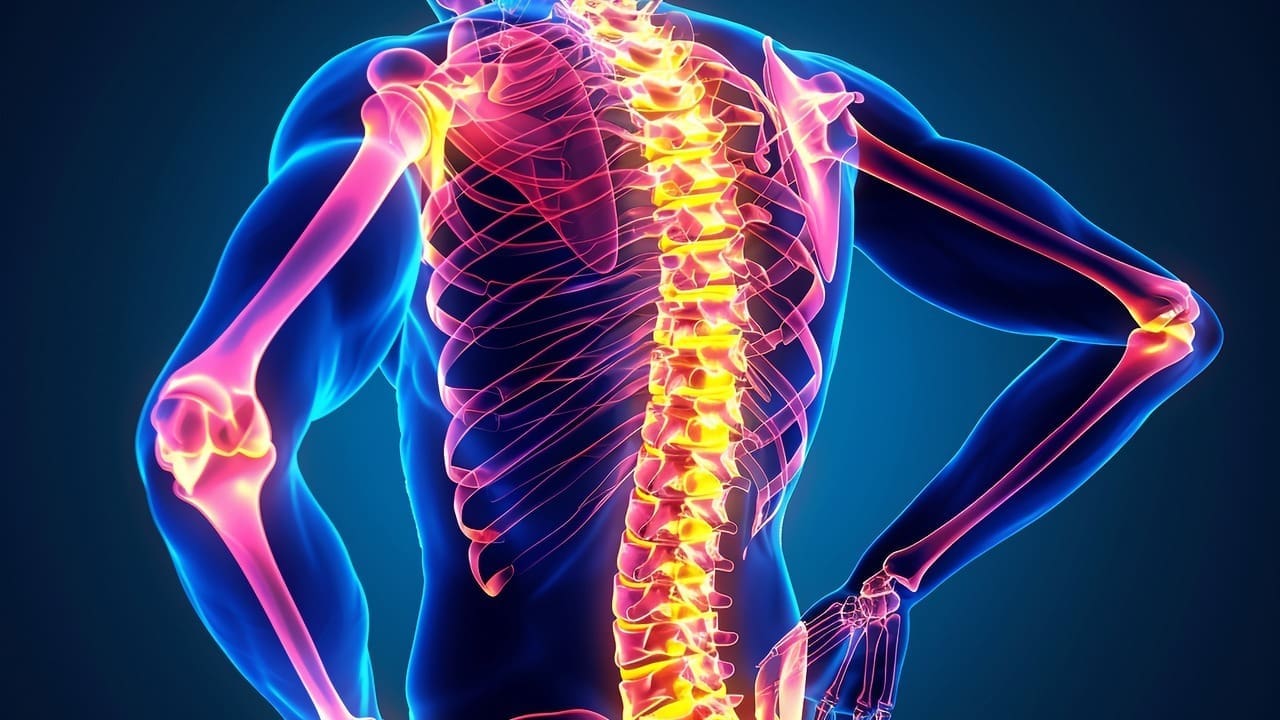
Back pain can really hurt, and knowing why it happens is key to feeling better. At Liv Hospital, we know how important it is to tell apart bulging discs and herniated discs. Both can hurt a lot, but they are different.
The American Association of Neurological Surgeons says a herniated disc happens when the soft inside of the disc leaks out. We’ll look at how these two issues differ, including their causes, symptoms, how doctors find them, and how to treat them. This will help you make better choices for your health.
Key Takeaways
- Knowing the difference between bulging and herniated discs is key for managing back pain.
- Both are common problems that can really hurt.
- A herniated disc means the soft inside leaks out through a tear.
- Liv Hospital offers care that’s based on the latest medical knowledge.
- How you’re diagnosed and treated depends on the problem and how bad it is.
Understanding Spinal Disc Anatomy
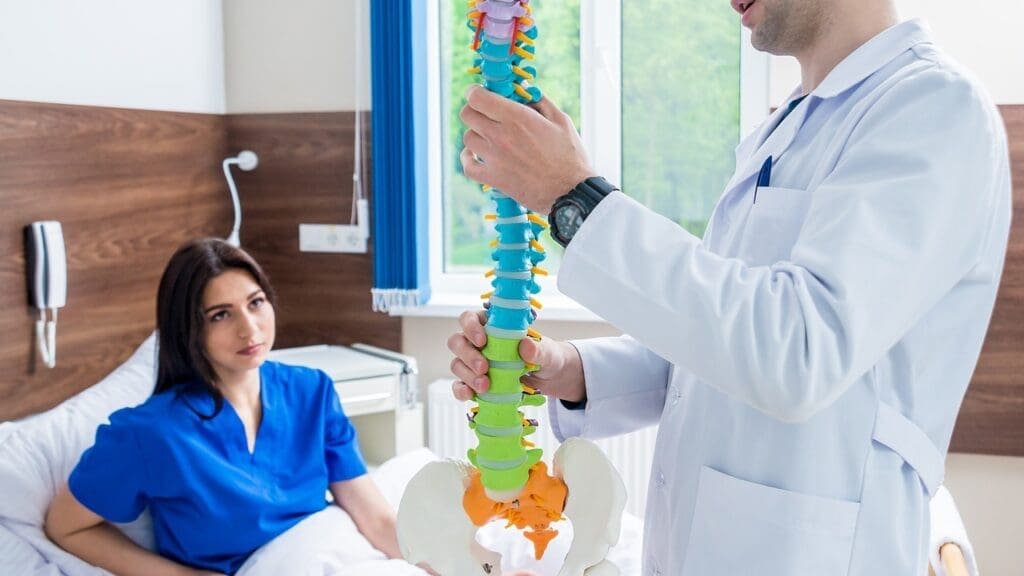
It’s important to know about spinal disc anatomy to understand their role in our spine’s health. Spinal discs act as cushions between the vertebrae in our spine.
Structure of Healthy Spinal Discs
Healthy spinal discs have two main parts. The tough outer layer is called the annulus fibrosus. The soft, gel-like center is the nucleus pulposus. The annulus fibrosus gives structure, while the nucleus pulposus helps absorb shock, making movement possible.
Function of Spinal Discs in the Vertebral Column
Spinal discs help our spine move smoothly and absorb shock. They spread pressure evenly, as OrthoInfo explains. Keeping our discs healthy is key to a healthy spine.
Bulging Disk vs Herniated Disk: Key Differences
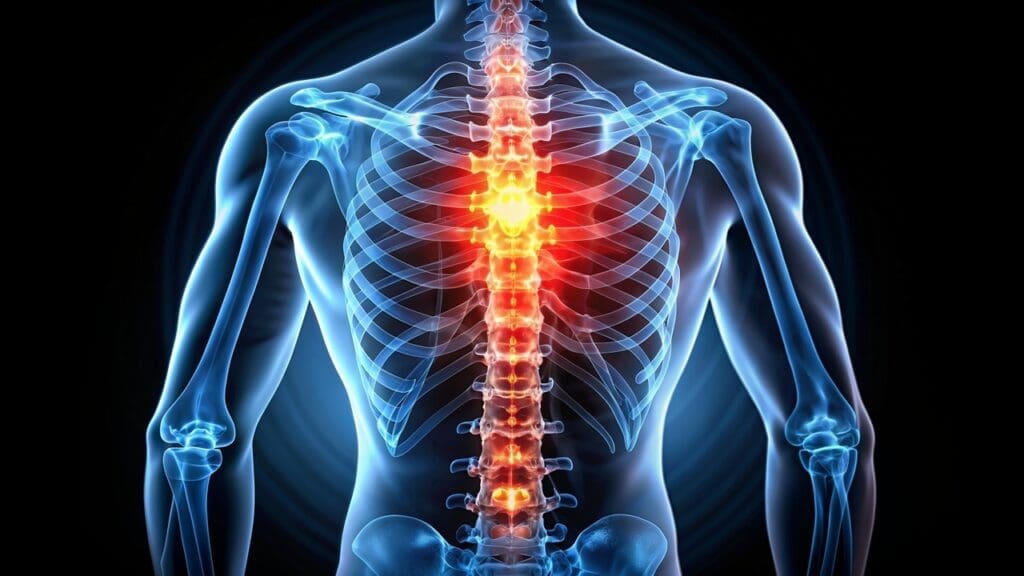
It’s important to know the difference between bulging and herniated discs. Both affect the spinal discs but in different ways. They have different effects on the nerves around them.
Definition and Mechanism of Bulging Discs
A bulging disc happens when the disc pushes out but doesn’t break. This is because the outer layer gets weak. The Mayo Clinic says bulging discs might not hurt but can if they press on nerves.
Definition and Mechanism of Herniated Discs
A herniated disc is when the soft inside of the disc leaks out. This can cause a lot of pain. It’s because the herniated material can press on or irritate nerves.
Visual Comparison of Both Conditions
To see the differences, let’s look at a comparison table:
| Characteristics | Bulging Disc | Herniated Disc |
|---|---|---|
| Disc Integrity | Outer layer intact | Outer layer torn |
| Disc Material | Remains contained | Inner gel leaks out |
| Symptoms | Often asymptomatic or mild | Often painful, potentially severe |
Knowing these differences helps patients and doctors diagnose and treat spinal disc problems better.
Common Causes and Risk Factors
Bulging and herniated discs can come from many sources, like age-related wear and lifestyle choices. Knowing what causes them is key to preventing and treating them.
What Leads to Disc Bulging
Disc bulging often happens because of degenerative disc disease. This is when spinal discs lose height and flexibility with age. This loss can make the outer disc layer bulge out.
The Journal of Neurosurgery: Spine says degenerative disc disease is a big reason for bulging and herniated discs. Age, genetics, and lifestyle, like smoking and not exercising, play a part in this.
What Causes Disc Herniation
Disc herniation happens when the outer disc layer tears. This lets the soft center leak out. It can be caused by injury, heavy lifting, or bending. The risk goes up with age as discs wear down.
A study in the Spine Journal shows family history can increase the chance of herniation. This shows genetics play a role.
Shared Risk Factors
Bulging and herniated discs share some risk factors. These include age, genetics, and lifestyle. Activities like heavy lifting, bending, or twisting can raise the risk.
| Risk Factor | Bulging Disc | Herniated Disc |
|---|---|---|
| Age | High | High |
| Genetics | Moderate | Moderate |
| Heavy Lifting | Moderate | High |
| Smoking | Low | Low |
The table shows age is a big risk for both conditions. Heavy lifting is more linked to herniated discs.
Knowing these risk factors helps in preventing and managing bulging and herniated discs. By changing risky behaviors and living healthily, people can lower their risk of getting these problems.
Symptoms: How They Differ in Severity and Presentation
The symptoms of bulging and herniated discs can vary a lot. It’s important for patients to know these differences. This helps them get the right medical care.
Typical Symptoms of Bulging Discs
Bulging discs usually cause mild to moderate pain. This pain can be in the back or spread to other areas. It depends on where the disc is.
The American Academy of Orthopaedic Surgeons says the pain is often manageable. It might also feel stiff.
Characteristic Symptoms of Herniated Discs
Herniated discs can lead to severe symptoms. These include sharp pain, numbness, and weakness in the affected limb. The severity depends on how bad the herniation is and which nerves are affected.
In severe cases, herniated discs can cause a lot of discomfort. They can also make it hard to move around.
When Symptoms Require Immediate Medical Attention
If you have severe pain, sudden numbness or weakness, or trouble with bladder or bowel functions, get help right away. These signs mean serious problems that need quick medical care.
| Symptom | Bulging Disc | Herniated Disc |
|---|---|---|
| Pain Level | Mild to Moderate | Moderate to Severe |
| Numbness/Weakness | Rare | Common |
| Radiation of Pain | Localized or Radiating | Often Radiating |
The Role of Spinal Nerve Compression
When discs get damaged, they can press on spinal nerves. This causes pain, numbness, and weakness in the affected limb. It’s a big problem that can really hurt your quality of life.
How Disc Problems Affect Nerve Roots
Spinal nerve roots are easily compressed by disc problems. A bulging or herniated disc can press on a nerve root. This disrupts normal nerve function.
This disruption can cause pain, numbness, tingling, and weakness. These symptoms happen in the areas served by the affected nerve.
Radiculopathy and Referred Pain Patterns
Radiculopathy is when nerves are compressed. It leads to referred pain patterns. This means pain is felt in a different place than where it’s coming from.
For example, a compressed nerve in the lower back can cause pain in the leg. The Spine Journal says this compression can cause pain, numbness, and weakness in the affected limb.
It’s important to understand how disc problems, nerve compression, and radiculopathy are connected. Healthcare providers can then create effective treatment plans. These plans aim to relieve symptoms and improve patient outcomes.
Diagnostic Approaches for Disc Problems
Figuring out spinal disc issues takes a mix of clinical checks and imaging tests. These steps help us grasp the problem’s depth and scope. This is key for making a solid treatment plan.
Physical Examination Techniques
First off, we do a detailed physical check. We look at how well the patient moves, their muscle power, and reflexes. Palpation and provocative tests show if there’s tenderness and where the pain is.
Imaging Studies: X-rays, CT Scans, and MRIs
Imaging tests give us vital spine details. X-rays are good for bones, but CT scans show more of soft tissues and bones. MRI shines by showing soft tissues like discs, nerves, and the spinal cord.
Bulging Disc vs Herniated Disc MRI Findings
MRI results are key in telling bulging from herniated discs apart. Here’s a quick guide:
| Characteristic | Bulging Disc | Herniated Disc |
|---|---|---|
| Disc Contour | Diffuse bulge beyond normal margins | Focal protrusion through a tear |
| Nerve Compression | Less likely to compress nerves | More likely to compress nerves |
| Signal Intensity | Normal or slightly reduced | Variable, depending on hydration |
Knowing these differences is vital for correct diagnosis and treatment.
Medical Terminology: Beyond Bulging and Herniated
Understanding medical terms for spinal discs helps patients grasp their conditions and treatment options. Terms like “slipped disc,” “protrusion,” “extrusion,” and “sequestration” are often mixed up. Yet, each has a unique meaning.
Why “Slipped Disc” is a Misnomer
The term “slipped disc” is misleading. It suggests the disc has moved out of place. But usually, it’s a herniated disc, where the outer layer cracks. This lets the gel-like center bulge out. OrthoInfo says this confusion can make it hard to understand the condition.
Understanding Protrusion, Extrusion, and Sequestration
Doctors use specific terms for disc herniation. These include:
- Protrusion: The disc bulges, but the outer layer stays intact.
- Extrusion: The gel-like center bulges out through a tear but stays connected to the disc.
- Sequestration: A piece of the disc breaks off and separates from the rest of the disc.
Medical vs. Colloquial Terms
Medical terms and everyday language differ when talking about disc issues. Medical terms give exact descriptions, while common language can be vague or misleading. Knowing these differences helps doctors and patients talk better.
Conservative Treatment Options
Conservative treatment options are non-invasive ways to handle disc issues. They are often the first choice for treating disc problems. These methods can greatly reduce symptoms and improve life quality.
Rest and Activity Modification
Rest and activity modification are key in the early stages of treatment. They help reduce stress on the disc, allowing it to heal. Patients are told to avoid heavy lifting, bending, or twisting. They are also advised to change their daily activities to lessen discomfort.
Physical Therapy Approaches
Physical therapy is vital in managing disc problems. A customized exercise program can boost flexibility and strengthen spine muscles. It also improves posture. Techniques like manual therapy, stretching, and strengthening exercises are used.
Medication Management
Medication management is another important part of treatment. Over-the-counter pain relievers, muscle relaxants, and sometimes oral steroids are used. The aim is to lessen pain and inflammation. This allows patients to do physical therapy and return to normal activities.
By using these conservative treatments together, many people see big improvements. They can do so without needing surgery.
Advanced Interventions and Surgical Options
When treatments like physical therapy and medication don’t work, more advanced options are needed. Surgery is often the next step for those with severe disc problems. It’s considered when other treatments haven’t helped.
Indications for Surgery
Surgery is usually suggested for those with severe symptoms. This includes nerve compression, worsening neurological issues, or pain that makes daily life hard. The Spine Journal says surgery is an option when other treatments don’t work well.
Common Surgical Procedures
Two common surgeries are discectomy and spinal fusion. Discectomy removes the damaged disc. Spinal fusion stabilizes the spine by fusing vertebrae. These surgeries aim to reduce pain, improve function, and enhance life quality.
Recovery Expectations After Intervention
Recovery times vary based on the surgery type. Patients usually need to rest and then start rehabilitation. Physical therapy is key in helping regain strength and mobility. It’s vital to follow post-operative instructions for a smooth recovery.
Living With Disc Problems: Daily Management
Managing disc issues daily is key to a good life. It involves several important strategies. We know dealing with disc problems can be tough. But, with the right steps, people can handle their condition well.
Ergonomic Considerations
Ergonomic changes are vital in daily care. The Journal of Occupational Rehabilitation says they can lower the chance of making disc problems worse. This includes:
- Maintaining proper posture
- Using correct lifting techniques
- Setting up workstations to promote good spinal alignment
Pain Management Strategies
Pain management is a big part of daily care. We suggest a mix of medicine, physical therapy, and other treatments to control pain. Strategies include:
- Using medication as prescribed by a healthcare provider
- Engaging in physical therapy to strengthen spinal muscles
- Exploring alternative therapies such as acupuncture or chiropractic care
Adaptive Equipment and Supports
Using adaptive gear and supports helps too. This might be back supports or ergonomic furniture. It helps lessen strain on the spine.
Prognosis and Long-Term Outlook
Knowing the prognosis and long-term outlook for disc problems is key. It helps set expectations and guides treatment choices. The recovery timeline varies based on the problem’s severity, treatment success, and personal factors.
Recovery Timeline Differences
The recovery timeline for disc problems varies a lot. Some people see improvement in a few weeks with simple treatments. Others face ongoing issues needing more serious treatments.
Several factors affect the recovery timeline:
- The severity of the disc problem
- The success of the chosen treatment
- How well the patient follows treatment advice
- Presence of other health conditions
Potential Complications
While many recover from disc problems without lasting issues, some complications can occur. These include chronic pain, ongoing neurological symptoms, and sometimes, the need for surgery.
It’s vital for patients to know about these risks. They should talk about their specific risks with their healthcare provider.
When Disc Problems Become Chronic
Disc problems can sometimes become chronic, causing ongoing symptoms. This can affect daily life. Patients may need to stick to long-term plans, like ongoing physical therapy, pain management, and lifestyle changes.
Understanding the risk of chronic issues helps patients work with their healthcare team. Together, they can create an effective management plan.
Conclusion
It’s key to know the difference between bulging and herniated discs for proper care. We’ve looked at what makes each condition unique, like their causes and symptoms. Herniated discs usually cause more pain and have a tougher recovery.
Most bulging and herniated discs don’t need surgery. A spinal neurosurgeon can create a treatment plan that fits you.
If your symptoms don’t get better or get worse, see a doctor. The right treatment can help you feel better and live better. Always talk to a spinal neurosurgeon to find the best treatment for you.
FAQ
What’s the difference between a bulging disc and a herniated disc?
A bulging disc happens when the disc bulges out but doesn’t break. A herniated disc occurs when the soft center bursts out through a tear in the outer disc.
Are bulging and herniated discs the same thing?
No, they are not the same. Both involve spinal discs, but they differ in severity and damage extent.
What are the symptoms of a bulging disc?
A bulging disc can cause mild to moderate pain, stiffness, and limited movement.
What are the symptoms of a herniated disc?
A herniated disc can lead to severe pain, numbness, weakness, and tingling. This happens if the herniation presses on a nerve.
How are bulging and herniated discs diagnosed?
Diagnosis involves a physical exam, medical history, and imaging like X-rays, CT scans, or MRIs.
What’s the difference between a bulging disc and a degenerative disc?
A bulging disc is a specific issue where the disc bulges. Degenerative disc disease is a broader term for various disc changes due to wear and tear.
Can a bulging disc become a herniated disc?
Yes, a bulging disc can turn into a herniated disc if it worsens or if it’s injured further.
What are the treatment options for bulging and herniated discs?
Treatment options include rest, physical therapy, and medication. For severe cases, more advanced treatments or surgery may be needed.
When is surgery necessary for a herniated disc?
Surgery is considered when other treatments don’t work. It’s also needed for severe symptoms like significant weakness or loss of bladder control.
How can I manage disc problems in daily life?
To manage disc problems, use ergonomic furniture, manage pain, and use adaptive equipment. This helps reduce discomfort and prevents worsening.
What’s the prognosis for recovery from disc problems?
The recovery outlook varies. It depends on the condition’s severity, treatment success, and individual factors. Some fully recover, while others manage chronic symptoms.