Last Updated on November 27, 2025 by Bilal Hasdemir
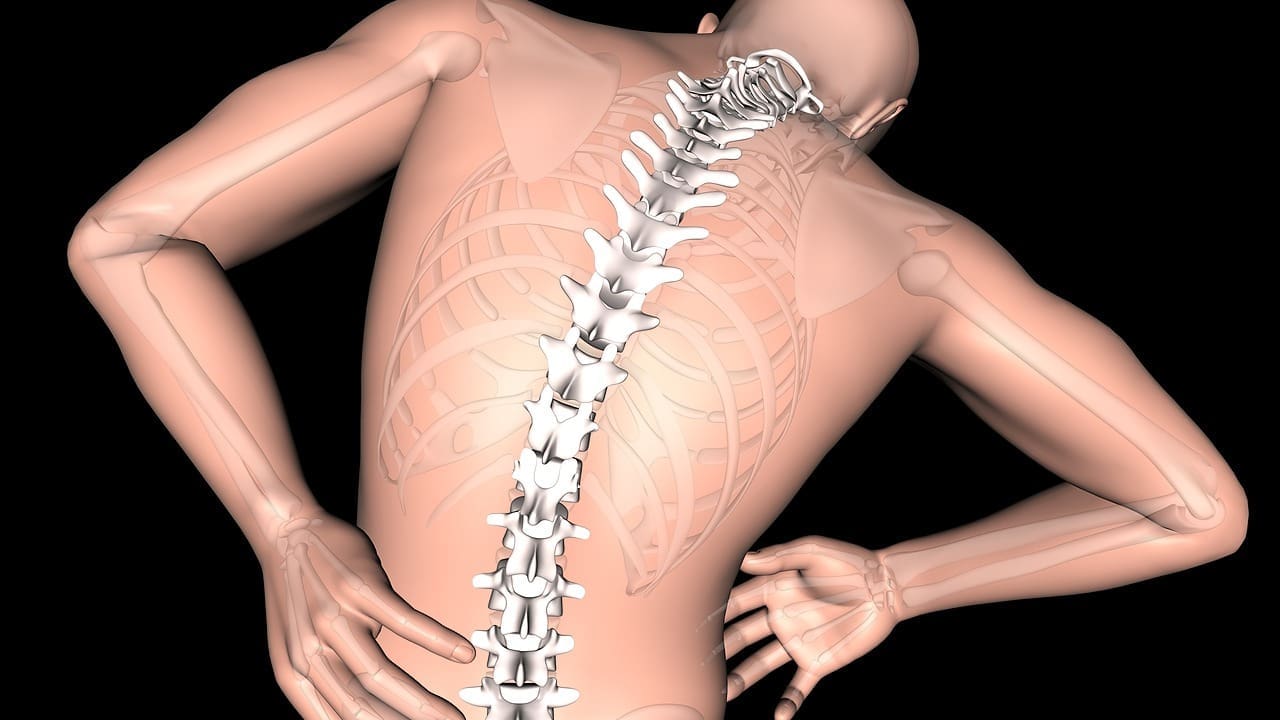
Spinal pain is a big problem, affecting many people. It’s seen in 54% to 80% of the population. For some, this pain lasts a long time, over five years. Knowing the difference between bulging and herniated discs is key. At Liv Hospital, we focus on accurate diagnosis and treatment plans.
It’s important to tell these two spinal conditions apart. This difference affects how we treat them. We aim to give world-class healthcare and support. Our goal is to make sure our patients get the right care for them.
Key Takeaways
- Spinal pain is a common issue affecting up to 80% of the population.
- Chronic pain can last five years or more in many patients.
- Bulging and herniated discs are two distinct spinal conditions.
- Accurate diagnosis is key for effective treatment.
- Liv Hospital provides tailored treatment plans and care.
Understanding Spinal Disc Anatomy
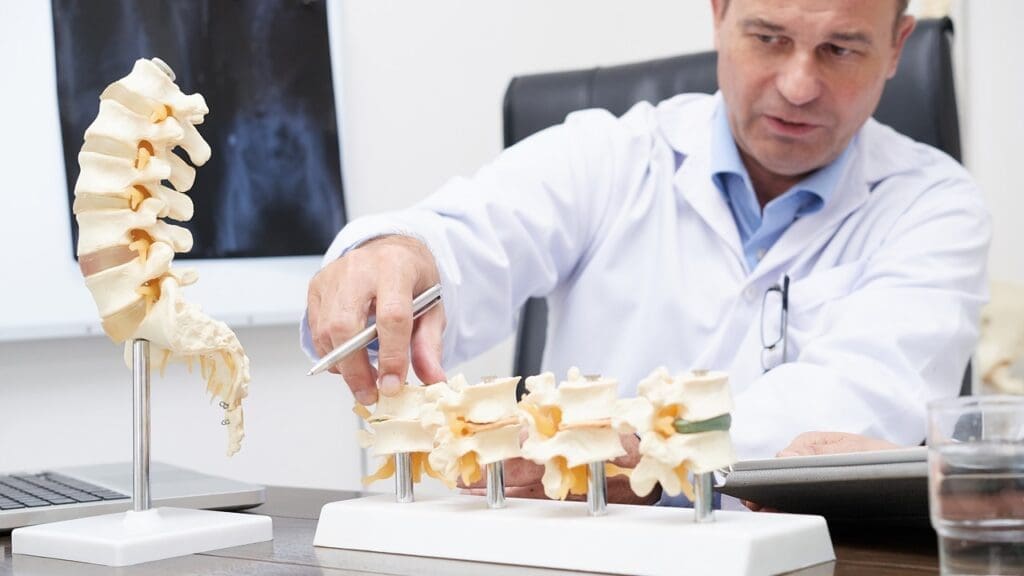
To understand the difference between bulging and herniated discs, we need to know about spinal disc anatomy. Spinal discs are key parts of the spine. They support the body, help it move, and absorb shock.
Structure of a Healthy Spinal Disc
A healthy spinal disc has two main parts: the nucleus pulposus and the annulus fibrosus. The nucleus pulposus is like a gel that helps absorb shock. The annulus fibrosus is a tougher outer layer that holds the nucleus and supports the disc.
Function of Spinal Discs in the Vertebral Column
Spinal discs are vital for the spine. They make it flexible, support its structure, and spread out mechanical stress. They act as shock absorbers, protecting the vertebrae during movement and reducing stress on the spine.
Anatomical Locations Where Disc Problems Commonly Occur
Disc problems, like bulging and herniated discs, often happen in the lumbar and cervical spine areas. The lumbar region, which bears weight, is more prone to these issues due to constant stress and strain.
| Spinal Region | Common Disc Issues | Typical Symptoms |
|---|---|---|
| Lumbar | Bulging and Herniated Discs | Lower back pain, sciatica |
| Cervical | Herniated Discs, Disc Degeneration | Neck pain, radiating pain to arms |
| Thoracic | Less common, but can occur | Upper back pain, possible neurological symptoms |
Bulging Discs: Definition and Characteristics
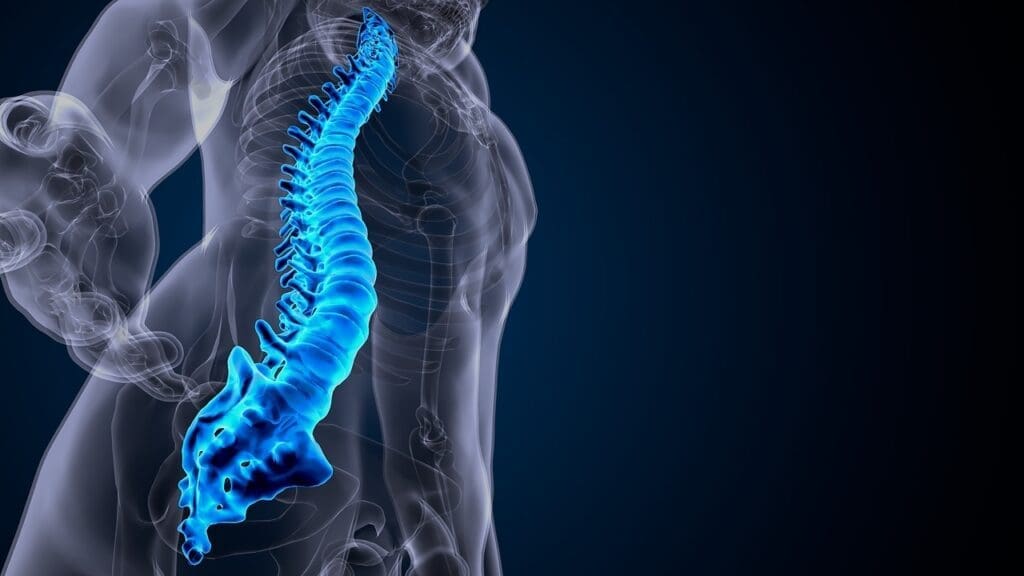
A bulging disc happens when the outer layer of the spinal disc goes beyond its usual spot. This is a common problem in the spine. It can cause pain and discomfort for those who have it.
What Exactly Is a Bulging Disc?
A bulging disc is also called a slipped or protruding disc. It’s when the spinal disc pushes outwards. But, unlike a herniated disc, the outer layer of a bulging disc stays strong, even if it’s stretched or bulging.
How the Disc’s Outer Layer Protrudes
The outer layer of a spinal disc, called the annulus fibrosus, can get weak over time. This can happen because of age, wear and tear, or injury. When it weakens, the disc can push outwards. This can put pressure on nerves and cause pain or discomfort.
Common Locations for Bulging Discs
Bulging discs can happen anywhere in the spine. But, they are most common in the lumbar (lower back) and cervical (neck) areas. These spots carry a lot of stress and are more likely to have disc issues.
| Spinal Region | Commonality of Bulging Discs | Typical Symptoms |
|---|---|---|
| Lumbar | High | Lower back pain, sciatica |
| Cervical | Moderate | Neck pain, radiating pain to arms |
| Thoracic | Low | Upper back pain, rare |
Getting a correct diagnosis for bulging discs often needs an MRI scan. This scan can show how much the disc is bulging and its effect on nearby tissues. Knowing about bulging discs is key to finding the right treatment.
Herniated Discs: Definition and Characteristics
A herniated disc happens when the soft center of the disc leaks out. This can cause a lot of pain and affect how the spine works. We’ll look at what a herniated disc is, how the nucleus pulposus leaks, and where it usually happens.
What Constitutes a Herniated Disc
A herniated disc is when the nucleus pulposus bulges out through the annulus fibrosus. This happens when the outer layer of the disc tears. The soft inner material then leaks out, irritating nearby nerves. This can lead to pain, numbness, or weakness in the back or legs.
The Process of Nucleus Pulposus Leakage
The nucleus pulposus leaks out when the annulus fibrosus gets damaged. This damage can come from age, injury, or genetics. When the nucleus pulposus leaks, it can press on nerves, causing symptoms.
Typical Locations for Disc Herniation
Most disc herniations happen in the lower back, at the L4-L5 and L5-S1 levels. They can also happen in the neck, but this is rarer. Where the herniation is affects the symptoms and treatment needed.
| Characteristics | Herniated Disc | Bulging Disc |
|---|---|---|
| Definition | Protrusion of nucleus pulposus through annulus fibrosus | Protrusion of disc without breach of annulus fibrosus |
| Symptoms | Pain, numbness, weakness due to nerve irritation | Mild to moderate pain, less likely to cause neurological symptoms |
| Common Locations | Lumbar spine (L4-L5, L5-S1), cervical spine | Lumbar spine, cervical spine |
Bulging vs Herniated Disk: Key Differences
It’s important to know the difference between bulging and herniated discs. This helps doctors give the right treatment. Both conditions affect the spinal discs but in different ways.
Structural Differences in Disc Damage
A bulging disc means the disc bulges out but its outer layer stays strong. On the other hand, a herniated disc happens when the outer layer cracks. This lets the soft center leak out.
Key Structural Differences:
| Characteristics | Bulging Disc | Herniated Disc |
|---|---|---|
| Outer Layer Integrity | Intact | Cracked or Torn |
| Disc Material Leakage | No leakage | Leakage of gel-like center |
| Severity | Generally less severe | Can be more severe |
Severity Comparison
Herniated discs are usually more severe. This is because they can press on nerves more. This can lead to more pain and might need stronger treatment.
Impact on Surrounding Nerves and Tissues
Both types of discs can affect nerves and tissues. But herniated discs can cause more harm. They can lead to pain, numbness, and weakness.
In summary, bulging and herniated discs are different. They affect the spine in different ways. Knowing the difference helps doctors treat patients better.
Causes and Risk Factors
Bulging and herniated discs come from many factors that harm the spinal discs. Knowing these causes helps us prevent and treat these problems better.
Common Causes of Disc Problems
Disc issues often stem from degenerative changes, injuries, and lifestyle choices. Degenerative disc disease is a big factor, where discs wear down over time. This makes them more likely to bulge or herniate.
Events like falls or heavy lifting can also hurt the discs. This is because they put too much stress on the spinal discs.
Age-Related Factors
Age is a big factor in disc problems. As we get older, our spinal discs lose water and flexibility. This makes them more likely to bulge or herniate.
Lifestyle and Occupational Risk Factors
Lifestyle and work can also raise the risk of disc problems. Jobs that involve heavy lifting, bending, or sitting for long periods can strain the discs.
Smoking is another big risk. It cuts down blood flow to the discs, speeding up their wear and tear.
Genetic Predisposition
Genetics can also play a part. If your family has a history of disc problems, you might be more likely to have them too.
Knowing these risks helps us take steps to prevent them. It also tells us when to seek help early.
| Risk Factor | Description | Impact on Disc Health |
|---|---|---|
| Age | Natural degeneration over time | Increased susceptibility to bulging/herniation |
| Lifestyle/Occupation | Heavy lifting, bending, prolonged sitting | Increased strain on spinal discs |
| Genetics | Family history of disc degeneration | Predisposition to disc problems |
| Smoking | Reduced blood flow to discs | Accelerated degeneration |
Symptoms: How They Differ Between Conditions
Bulging and herniated discs have different symptoms. Doctors need to look closely at these symptoms to choose the right treatment.
Pain Patterns and Intensity
Bulging discs usually cause pain that spreads out. The pain’s intensity depends on how much the disc bulges. Herniated discs, on the other hand, cause sharp, intense pain. This is because the disc’s inner material leaks out and presses on nerves.
Pain Characteristics Comparison:
| Characteristics | Bulging Disc | Herniated Disc |
|---|---|---|
| Pain Distribution | Diffuse, often radiating | Localized, can be radicular |
| Pain Intensity | Variable, often less intense | Can be severe, sharp |
| Triggers | Often related to posture or movement | Can be exacerbated by specific movements or positions |
Neurological Symptoms
Both conditions can cause neurological symptoms. But herniated discs are more likely to cause severe symptoms like numbness, tingling, and weakness in a limb.
Mobility and Functional Limitations
Both bulging and herniated discs can make it hard to move and do daily tasks. But herniated discs often cause more severe problems because of the pain and nerve issues.
When Symptoms Require Immediate Medical Attention
Some symptoms need to be seen by a doctor right away. These include sudden, severe pain, loss of bladder or bowel control, and worsening nerve problems. Spotting these signs early is key to getting the right help fast.
Red Flag Symptoms:
- Sudden severe pain
- Loss of bladder or bowel control
- Progressive numbness or weakness
Knowing how symptoms differ helps doctors give better care. They can then focus on the right treatment for each case.
Diagnostic Approaches
Healthcare experts use physical exams and imaging tests to find bulging or herniated discs. Accurate diagnosis is key for a good treatment plan.
Physical Examination Techniques
A thorough physical exam is the first step. Doctors check the patient’s movement, muscle strength, and reflexes. They also do special tests to see if they can make the patient’s symptoms worse.
They look for signs like numbness or weakness in the limbs. They also review the patient’s medical history to understand the symptoms better.
Bulging Disc vs Herniated Disc MRI Findings
MRI is a key tool for finding disc problems. It shows detailed images of the discs, nerves, and tissues. A bulging disc looks like a soft bulge, while a herniated disc has a clear tear.
Knowing the difference between bulging and herniated discs is important. MRI helps doctors see how bad the damage is and how it affects nerves.
Other Imaging and Diagnostic Tests
While MRI is top for finding disc problems, CT scans and X-rays are used too. CT scans show bone details and can spot bone spurs or joint problems.
Diagnostic injections or EMG tests might also be used. They help doctors understand the nerve issues better. This helps them create a treatment plan that fits the patient’s needs.
Treatment Options for Bulging Discs
It’s important to know the different ways to treat bulging discs. These discs can hurt a lot and make everyday tasks hard. So, it’s key to look into the treatments available.
Conservative Management Approaches
First, we try non-surgical methods. This includes lifestyle changes like staying at a healthy weight and good posture. We also suggest regular exercise and avoiding heavy lifting and bending.
Physical Therapy Protocols
Physical therapy is a big help for bulging discs. A physical therapist creates a plan to make the muscles around the spine stronger. This can include stretching exercises, strengthening exercises, and manual therapy.
Medication Options
There are many medicines to help with pain and swelling from bulging discs. You can try over-the-counter pain relievers like NSAIDs. Sometimes, we might suggest stronger pain meds or muscle relaxants.
When to Consider Interventional Procedures
If simple treatments don’t work, we might look at more serious options. This could be epidural steroid injections to cut down on pain and swelling. In some cases, we might need to consider discectomy or spinal fusion.
Treatment Options for Herniated Discs
Treating herniated discs requires a mix of non-surgical and surgical methods. Each patient’s case is different, so the treatment plan must fit their specific needs and symptoms.
Initial Conservative Approaches
First, we suggest trying non-surgical methods. These include:
- Physical therapy to improve mobility and strengthen the muscles around the affected disc.
- Pain management through medication, such as NSAIDs or muscle relaxants.
- Lifestyle modifications, including maintaining a healthy weight, improving posture, and engaging in regular exercise.
These methods aim to ease symptoms and boost function without surgery.
Advanced Pain Management Techniques
If initial treatments don’t work, we might consider more advanced pain management. One option is transforaminal epidural steroid injections. Studies show they can help manage pain from herniated discs.
Surgical Interventions: When They’re Necessary
If non-surgical methods fail and symptoms are severe, surgery might be needed. Surgical options include:
- Discectomy: Removing the herniated portion of the disc.
- Microdiscectomy: A less invasive version of discectomy.
- Spinal fusion: Fusing the vertebrae together to stabilize the spine.
The right surgery depends on the patient’s health, the herniation’s location and severity, and other factors.
Recovery Expectations After Treatment
Recovery times vary based on the treatment. Non-surgical methods can show improvement in weeks to months. Surgery recovery can take weeks to months. We give personalized care instructions to help with recovery.
| Treatment Modality | Typical Recovery Time | Key Components |
|---|---|---|
| Conservative Management | Several weeks to months | Physical therapy, pain management, lifestyle modifications |
| Surgical Intervention | Several weeks to several months | Discectomy, microdiscectomy, spinal fusion |
Knowing about herniated disc treatments helps you make informed decisions. We’re here to support you every step of the way.
Degenerative Disc Disease and Its Relationship to Disc Problems
Degenerative disc disease is a major cause of bulging and herniated discs. We will see how it affects spinal health and connects to other disc issues.
Understanding Degenerative Disc Disease
Degenerative disc disease is when the spinal discs wear out. These discs cushion the vertebrae and help with spinal movement. This wear can cause pain and make it harder to move.
As we get older, our spinal discs naturally change. They lose water, becoming less flexible and more likely to get hurt. This can happen faster due to genetics, lifestyle, and past injuries.
How Degeneration Leads to Bulging and Herniation
When spinal discs degenerate, they can bulge or herniate. This happens because they lose their strength. A bulging disc can press on nerves, while a herniated disc can compress them even more.
Key factors that contribute to this process include:
- Loss of disc height and hydration
- Increased stress on the spine
- Weakening of the disc’s outer layer
Managing Degenerative Changes Long-Term
Managing degenerative disc disease needs a variety of steps. While we can’t stop it, we can slow it down. Keeping a healthy weight, exercising regularly, and using good posture are important.
Conservative management techniques like physical therapy and pain management help too. Sometimes, more invasive treatments are needed to tackle specific problems.
Understanding degenerative disc disease helps us manage our spinal health. This way, we can reduce the risk of complications from bulging and herniated discs.
Conclusion
Getting a correct diagnosis is key to managing spinal pain well. Knowing the difference between bulging and herniated discs is important for the right treatment. We’ve looked at what each condition is, their causes, symptoms, and how to treat them.
The main thing is to understand how these conditions affect nerves and tissues. Both can hurt, but how much and what to do about it can differ a lot.
So, what’s the difference between bulging and herniated discs? A bulging disc is when the outer layer bulges out but doesn’t tear. A herniated disc happens when the soft center leaks out becdr. ause of a tear. This detail is important for choosing the right treatment.
Knowing the difference helps patients get the right medical help. We stress the need to see doctors for a proper diagnosis and treatment plan. This way, people can take care of their back health and reduce pain.
FAQ
What’s the main difference between a bulging disc and a herniated disc?
A bulging disc bulges outward but doesn’t rupture. A herniated disc has a cracked or torn outer layer. This lets the gel-like center leak out.
Are bulging and herniated discs the same thing?
No, they are not the same. A bulging disc is a more contained issue. A herniated disc is a bigger problem with the disc’s structure.
How are bulging and herniated discs diagnosed?
Doctors use physical exams, MRI scans, and other tests. These help figure out how much damage there is and its effect on nerves and tissues.
What are the common causes of bulging and herniated discs?
Age, lifestyle, and genetics are common causes. Knowing these can help prevent and manage disc problems.
How do symptoms differ between bulging and herniated discs?
Symptoms vary. Herniated discs often cause more pain, neurological issues, and mobility problems. This is because nerves can get compressed.
What are the treatment options for bulging discs?
For bulging discs, treatment starts with physical therapy and medication. If these don’t work, interventional procedures might be needed.
What are the treatment options for herniated discs?
Treatment for herniated discs includes initial conservative methods. It can also include advanced pain management and surgery, depending on the severity.
How does degenerative disc disease relate to bulging and herniated discs?
Degenerative disc disease can lead to bulging and herniated discs. As discs lose integrity, they become more prone to damage.
Can bulging or herniated discs be prevented?
While some risks can’t be avoided, a healthy lifestyle helps. Regular exercise and good posture can reduce the risk of disc problems.
When should I seek medical attention for disc-related symptoms?
Seek medical help for severe pain, numbness, weakness, or mobility issues. These can be signs of a serious problem.