Last Updated on November 27, 2025 by Bilal Hasdemir
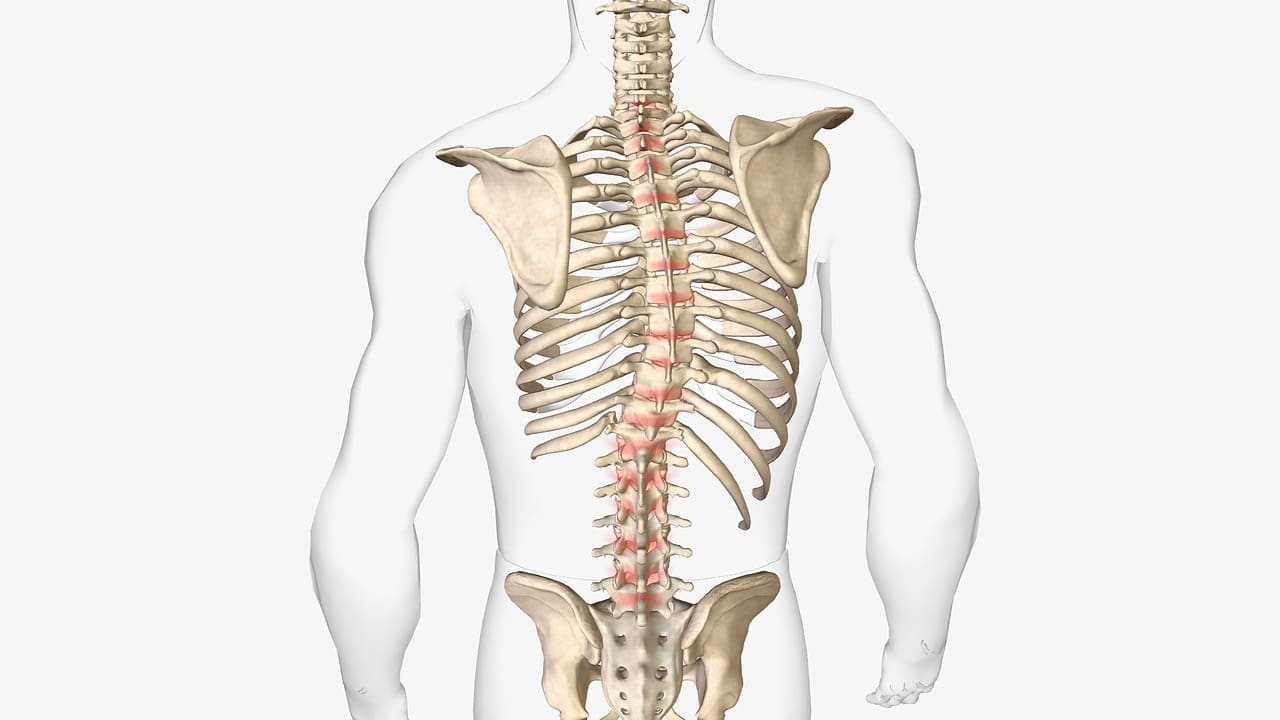
Spinal discs act as cushions between the vertebrae, the bones that form the spine. These discs have a tough outer layer and a softer, jelly-like interior. If we have back pain, numbness, or weakness in our arm or leg, it could be from a bulging or herniated disc. Both conditions are common, affecting millions, and get more common as we age.
The main difference is in the disc’s outer ring. A bulging disc stays intact but bulges out. A herniated disc has a broken outer layer, letting the soft inside push out. Knowing this difference is key for the right diagnosis and treatment.
Key Takeaways
- Spinal discs are cushions between the vertebrae, with a tough outer layer and a softer interior.
- Bulging and herniated discs are common spinal concerns that affect millions worldwide.
- A bulging disc has an intact outer layer that bulges beyond its borders.
- A herniated disc has a ruptured outer layer, allowing the interior to protrude.
- Understanding the difference is key for accurate diagnosis and treatment.
Understanding Spinal Disc Anatomy
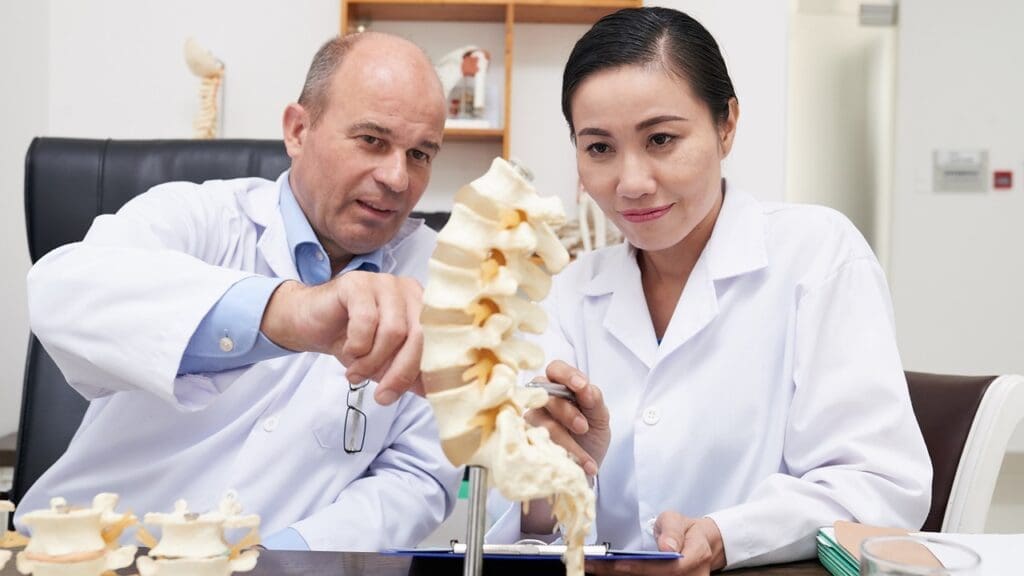
To understand the difference between bulging and herniated discs, we need to know about spinal discs first. These discs are key to our spine, acting as cushions and supports.
Structure and Function of Spinal Discs
Spinal discs have two main parts: the outer layer, called the annulus fibrosus, and the inner gel, the nucleus pulposus. The annulus fibrosus is tough cartilage that protects the softer nucleus pulposus inside.
Composition of Discs
The annulus fibrosus is strong because of its layers of collagen fibers. The nucleus pulposus is like a gel that helps absorb shock. This allows for flexibility and movement in the spine.
How Discs Support Movement
Spinal discs are vital for movement. The gel-like nucleus pulposus helps us twist, bend, and move. A spinal health expert says, “The intervertebral discs are essential for spinal flexibility and mobility.”
“The intervertebral discs are among the most important structures in the spine, providing both shock absorption and flexibility.”
The Role of Discs in Spinal Health
Spinal discs are key to our spinal health. They absorb shock and keep the spine aligned.
Shock Absorption Properties
The nucleus pulposus acts as a shock absorber. It distributes forces during activities, protecting the vertebrae from damage.
Maintaining Spinal Alignment
Discs also keep the spine’s natural curve. They cushion and support the vertebrae, keeping them aligned. This is vital for spinal health.
What’s the Difference Between a Herniated and Bulging Disc
It’s important to know the difference between a bulging and herniated disc. Both affect the spinal discs but in different ways. Knowing this helps doctors diagnose and treat better.
Defining a Bulging Disc
A bulging disc happens when the outer layer bulges out but doesn’t break. This can press on nerves, but the outer ring stays strong.
The “Slipped Disc” Misconception
The term “slipped disc” is often wrong. It’s used for both bulging and herniated discs. But, it’s not accurate. The disc doesn’t move; it just changes shape.
How Bulging Discs Affect Surrounding Structures
Bulging discs can press on nerves, causing pain, numbness, or tingling. The severity of symptoms depends on how much the disc bulges and which nerves are affected.
Defining a Herniated Disc
A herniated disc has a tear in the outer layer. This lets the inner gel leak out. This can cause more serious symptoms because the leaked gel can directly irritate nerves.
The Rupture Process
The herniation happens when the outer ring tears. The inner gel then leaks out. This can be due to injury, wear and tear, or other damage to the disc.
Impact on Nerve Roots
When a disc herniates, the leaked material can irritate or compress nerve roots. This can lead to more severe symptoms like pain, inflammation, and sometimes neurological problems.
In summary, bulging and herniated discs can both cause discomfort. But, the main difference is in the disc’s outer ring. Knowing this helps doctors plan the right treatment.
Causes and Risk Factors
Disc problems, like bulging and herniation, come from traumatic injuries, repetitive strain, and age-related degeneration. Knowing these causes helps prevent and treat them effectively.
Common Causes of Disc Problems
Many factors lead to bulging and herniated discs. These include:
Traumatic Injuries
Falls or car accidents can put sudden stress on the spinal discs. This stress can cause bulging or herniation.
Repetitive Strain
Jobs or activities that involve heavy lifting or bending can strain the spine. This strain can lead to disc problems over time.
Who’s at Risk for Disc Issues
Some people are more likely to have disc problems. This includes those with jobs that involve heavy lifting, bending, or repetitive motions.
Age-Related Factors
As we get older, our spinal discs naturally wear out. This makes them more likely to bulge or herniate. Age-related wear and tear is a big risk factor for disc problems.
Understanding the causes and risk factors of bulging and herniated discs helps prevent them. It also helps find the right treatment when needed.
Comparing Symptoms
Both bulging and herniated discs can cause a lot of discomfort. But, their symptoms are different. Let’s look at the typical symptoms of each to understand their differences better.
Typical Symptoms of Bulging Discs
Bulging discs can cause pain in a specific area. This is because the disc bulges outwards and presses on nearby tissues.
Localized Pain Patterns
The pain from bulging discs usually stays close to the affected disc. For example, a bulge in the lower back might hurt the lumbar area.
Mild to Moderate Symptoms
The symptoms of bulging discs are usually mild to moderate. People might feel discomfort or stiffness, which gets worse after resting or being inactive.
Typical Symptoms of Herniated Discs
Herniated discs can cause more severe symptoms. This is because the nucleus pulposus leaks out and can irritate nearby nerves.
Radiating Pain Characteristics
A key symptom of herniated discs is radiating pain. This pain travels along the nerve pathway. For instance, a herniated disc in the lumbar spine can send pain down to the legs.
Neurological Symptoms
Herniated discs can also cause neurological symptoms. These include numbness, tingling, or weakness in the affected limb.
When Symptoms Overlap
Sometimes, the symptoms of bulging and herniated discs can be similar. A detailed medical check-up is needed to figure out the exact cause of the symptoms.
| Symptom | Bulging Disc | Herniated Disc |
|---|---|---|
| Pain Location | Localized to the area around the disc | Radiates along the nerve pathway |
| Severity | Mild to Moderate | Can be Severe |
| Neurological Symptoms | Rare | Common (numbness, tingling, weakness) |
Diagnosis Methods
We use many ways to figure out spinal disc problems. This includes physical checks and advanced imaging. Knowing the exact problem is key to the right treatment.
Physical Examination Techniques
First, we do a detailed physical check. We look at how well you move, your reflexes, and muscle strength. This helps us spot any signs of a bulging or herniated disc.
Imaging Tests
Imaging tests are very important for finding disc problems. We use different tools to see the spine and discs clearly.
MRI for Disc Visualization
Magnetic Resonance Imaging (MRI) is great for seeing soft tissues like discs. It shows if a disc is bulging or herniated. It also tells us if a herniated disc is pressing on a nerve, as in a herniated disc diagnosis.
CT scans and X-rays are also useful. They show the bones of the spine. But MRI is better for soft tissues.
Advanced Diagnostic Tools
Sometimes, we use special tools like discography or electromyography (EMG). These tests give us more details. They help us plan the best treatment.
Differentiating Between Conditions
We use physical checks and imaging to tell bulging from herniated discs. Knowing the difference is important. It helps us choose the right treatment. For example, a herniated disc might need surgery if other treatments don’t work.
Treatment Approaches
Treating bulging and herniated discs depends on how severe they are. Each patient’s case is different. So, the best treatment plan is made just for them.
Conservative Treatments for Bulging Discs
For many, the first step is non-invasive treatments. These aim to ease symptoms and improve life quality.
Physical Therapy Protocols
Physical therapy is key for bulging disc symptoms. Our programs strengthen spine muscles, improve flexibility, and promote good posture.
Pain Management Strategies
Managing pain is vital for bulging disc patients. We use medicines and alternative therapies to control pain and discomfort.
Activity Modifications
Changing daily activities can help manage bulging disc symptoms. We guide patients on how to avoid straining their spine.
Treatment Options for Herniated Discs
Herniated discs often need more aggressive treatment. This is because of the significant nerve compression.
Medication Approaches
Medicine is important for herniated discs. We consider various options, from common pain relievers to specialized treatments.
Injection Therapies
Injection therapies, like corticosteroid injections, target herniated disc symptoms. They reduce inflammation around the affected nerve.
Non-surgical Interventions
Other non-surgical methods are also recommended. These include physical therapy and spinal decompression therapy to ease symptoms.
When Surgery Might Be Necessary
In some cases, surgery is needed even after trying non-surgical treatments.
Types of Surgical Procedures
Surgery for bulging and herniated discs includes discectomy and spinal fusion. Discectomy removes the damaged disc. Spinal fusion stabilizes the spine by fusing vertebrae together.
Recovery After Disc Surgery
Recovery from disc surgery varies. We provide detailed care instructions to help with a smooth recovery.
| Treatment Approach | Bulging Disc | Herniated Disc |
|---|---|---|
| Conservative Management | Physical therapy, pain management, activity modifications | Medication, injection therapies, non-surgical interventions |
| Surgical Intervention | Discectomy, spinal fusion (in severe cases) | Discectomy, spinal fusion (depending on severity and nerve involvement) |
| Recovery Time | Varies; often shorter than for herniated discs | Varies; can be longer due to possible nerve damage |
Related Spinal Conditions
Spinal health is complex and involves many conditions. We’ll look at how degenerative disc disease and spinal stenosis relate to bulging and herniated discs. Understanding these connections is key to diagnosing and treating spinal issues.
Degenerative Disc Disease
Degenerative disc disease happens when spinal discs wear out over time. This can make the spine unstable. It’s important to know the difference between this condition and a bulging disc. Degenerative disc disease affects the whole disc, while a bulging disc is a specific issue.
Spinal Stenosis
Spinal stenosis is when the spinal canal gets narrower. This can press on the spinal cord and nerves. It can make symptoms similar to a herniated disc, like pain and numbness in the back and legs. Knowing how spinal stenosis and herniated discs relate is important for treatment.
How These Conditions Interact
Conditions like degenerative disc disease, spinal stenosis, and bulging or herniated discs can affect each other. For example, someone with degenerative disc disease might feel worse with a bulging disc. Spinal stenosis can also make herniated disc symptoms worse. Understanding these interactions helps create better treatment plans.
| Condition | Description | Symptoms |
|---|---|---|
| Degenerative Disc Disease | Loss of disc integrity over time | Back pain, instability |
| Spinal Stenosis | Narrowing of the spinal canal | Pain, numbness, weakness in back and legs |
| Bulging/Herniated Discs | Disc displacement or rupture | Pain, numbness, weakness in back and legs |
When to Seek Medical Help
Knowing when to get medical help is key for treating spinal disc problems. We’ll show you signs that mean you need to see a doctor right away. Plus, we’ll give tips on how to get ready for your doctor’s visit.
Warning Signs That Require Immediate Attention
Some symptoms mean you need to see a doctor fast. Look out for severe pain that doesn’t get better with rest. Also, watch for neurological symptoms like numbness, tingling, or weakness in your limbs. If you notice big changes, get medical help quickly.
Preparing for Your Doctor’s Appointment
Before you go, write down your symptoms. Tell when they started and what makes them better or worse. Also, list any medicines you’re taking. Being ready will help your doctor understand your situation better.
Questions to Ask Your Healthcare Provider
At your appointment, ask lots of questions. You might want to know about your diagnosis, treatment options, or what recovery will be like. Asking the right questions will help you understand your condition and what to do next.
Conclusion
Knowing the difference between bulging and herniated discs is key for the right treatment and keeping your spine healthy. We’ve looked at the anatomy of spinal discs, what causes bulging and herniated discs, and how to treat them.
Both bulging and herniated discs need a full treatment plan. By knowing the unique signs of each, we can find the best way to treat them. This leads to better spinal health.
The difference between bulging and herniated discs matters a lot for treatment and how well you’ll recover. By understanding these conditions, we can work to keep our spines in top shape.
FAQ
What’s the main difference between a bulging disc and a herniated disc?
A bulging disc means the disc bulges out of its space. A herniated disc means the soft inner gel ruptures through the outer layer.
Are bulging and herniated discs the same thing?
No, they are not the same. A bulging disc is a more contained issue. A herniated disc involves a rupture of the outer layer.
What’s the difference between a herniated disc and a slipped disc?
The terms “herniated disc” and “slipped disc” are often mixed up. “Slipped disc” is a misnomer. A herniated disc is a more accurate term.
How do bulging and herniated discs affect surrounding spinal structures?
Both can put pressure on nerves, causing pain and numbness. But a herniated disc can cause more nerve compression because of the rupture.
Can a bulging disc become a herniated disc?
Yes, a bulging disc can turn into a herniated disc if it worsens or if it’s injured further.
What’s the difference between a bulging disc and degenerative disc disease?
A bulging disc is a specific condition. Degenerative disc disease is a broader term for wear and tear on spinal discs. It can lead to bulging or herniated discs.
How are bulging and herniated discs diagnosed?
Diagnosis involves a physical exam, medical history, and imaging tests like MRI or CT scans.
What are the typical symptoms of a bulging disc versus a herniated disc?
Both can cause back pain. But a herniated disc often causes radiating pain, numbness, or tingling due to nerve compression.
When is surgery necessary for a bulging or herniated disc?
Surgery is a last resort. It’s needed when other treatments fail, or if there’s significant nerve damage or loss of bladder or bowel control.
Can conservative treatments help with both bulging and herniated discs?
Yes, treatments like physical therapy, pain management, and lifestyle changes can help with both conditions.