Last Updated on December 1, 2025 by Bilal Hasdemir
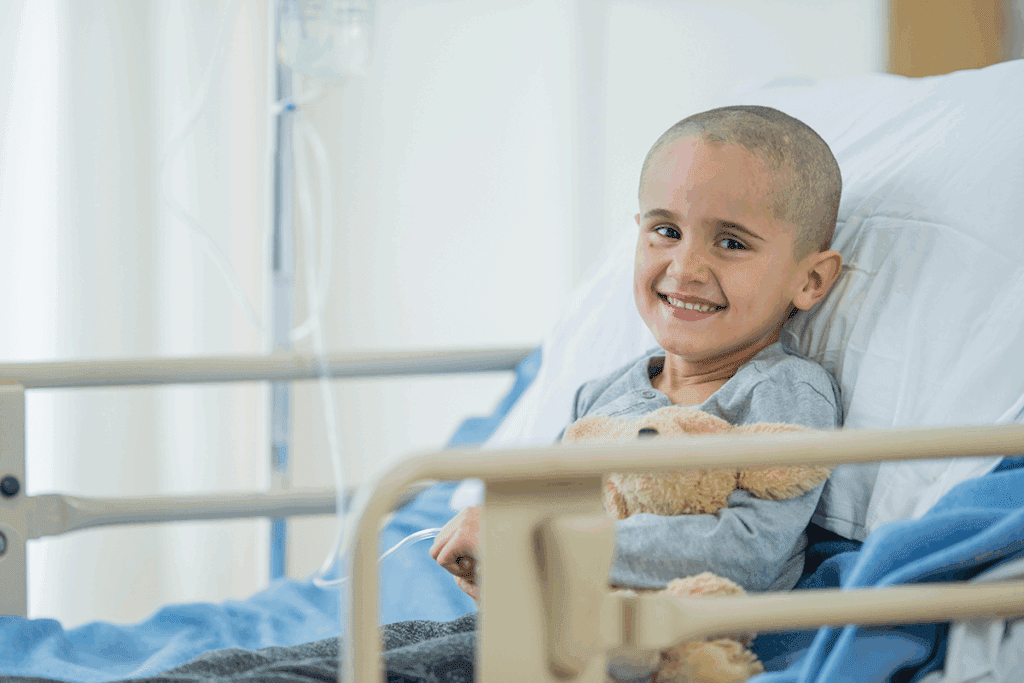
Find out salary for pediatric oncology nurse and challenges in this medical specialty. The American Cancer Society says nearly 9,620 kids under 15 will get cancer in 2024. This shows how important pediatric oncology nursing is. It helps young patients and their families a lot.
Being a pediatric oncology nurse is tough but also very rewarding. These nurses give emotional support and medical care. They make a big difference in kids’ lives who are fighting cancer.
Looking into this job, we see that pediatric oncology nurses are key in healthcare. They mix compassion, skill, and hope together.
Key Takeaways
- Caring for children with cancer is a complex and emotionally demanding task.
- Pediatric oncology nurses provide critical emotional and medical support.
- The role of a pediatric oncology nurse is both challenging and rewarding.
- These nurses play a vital role in the healthcare system.
- Compassion, expertise, and hope are essential qualities for pediatric oncology nurses.
Understanding Pediatric Oncology Nursing
Pediatric oncology nursing is a special field that deals with the medical and emotional needs of kids with cancer. It’s complex to care for young patients with this disease. Pediatric oncology nurses play a key role in their treatment and care.
What Do Pediatric Oncology Nurses Do?
Pediatric oncology nurses focus on caring for kids with cancer. They give chemotherapy, radiation, and other treatments. They watch over patients, manage symptoms, and support them and their families emotionally. Their role is vital in making sure young patients get all the care they need.
These nurses work with doctors and other healthcare teams to plan treatments. They teach families about the treatment, its side effects, and how to care for their child at home.
Key Skills Required for Pediatric Oncology Nursing
To do well in this field, pediatric oncology nurses need certain skills. Compassion and empathy are key to supporting kids and families during tough times. They must also have strong communication skills to explain treatments and manage expectations.
Critical thinking is also important. It helps nurses assess patients, spot problems, and make care decisions. With these skills, pediatric oncology nurses can give top-notch care that helps kids with cancer.
Salary for Pediatric Oncology Nurses in the U.S.
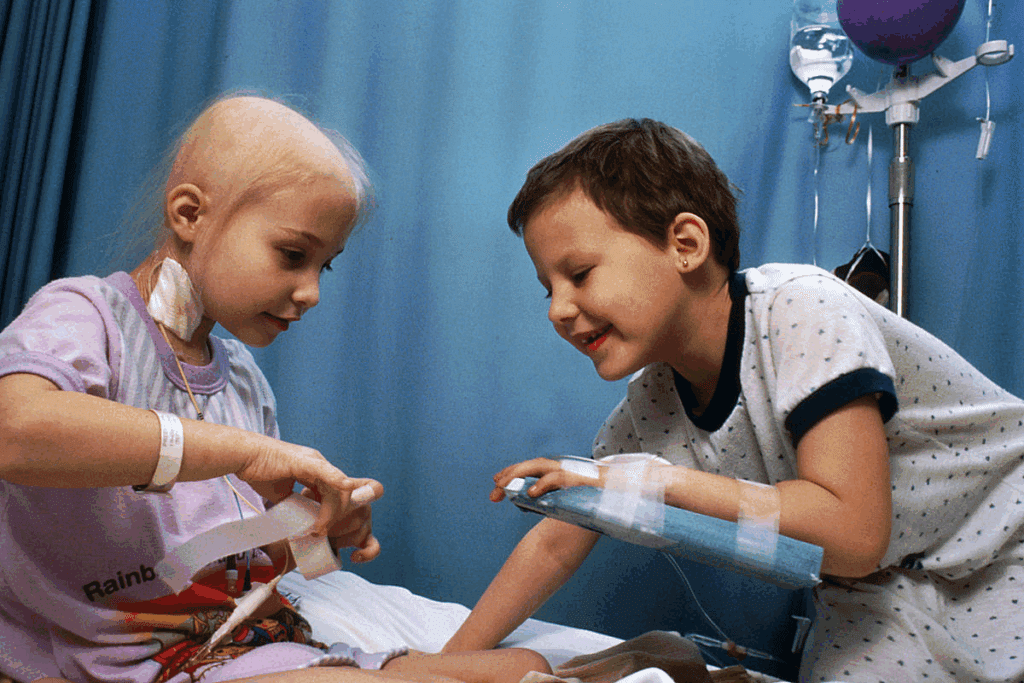
Knowing what pediatric oncology nurses earn is key for those thinking about this career. Their pay varies a lot. This depends on where they work, how long they’ve been doing it, and who they work for.
Average Salary Overview
Pediatric oncology nurses are very skilled in healthcare. Their pay shows this. While pediatric oncologists can make $150,000 to $250,000 a year, nurses earn less but it’s good.
The pay for a pediatric oncology nurse can be from $70,000 to over $120,000 a year. This depends on their experience, education, and who they work for. For example, a nurse with a Master’s degree and lots of experience can make more.
Factors Influencing Salary
Several things can change how much a pediatric oncology nurse makes. Location is a big one. Salaries change a lot based on where you are. Nurses in big cities or places with high living costs often make more.
Experience also matters a lot. Nurses with more years under their belt get paid more. And, education level counts too. Nurses with higher degrees like Master’s or Doctorates usually earn more.
To show how these factors affect salary, here’s a table:
| Factor | Impact on Salary | Example |
| Location | Urban areas tend to offer higher salaries. | A nurse in New York City may earn more than one in a rural town. |
| Experience | More experience leads to higher salaries. | A nurse with 10 years of experience may earn significantly more than one with 2 years. |
| Education | Advanced degrees can result in higher pay. | A nurse with a Master’s degree may earn more than one with a Bachelor’s degree. |
Understanding these factors helps pediatric oncology nurses plan their careers better. They can make choices that help them grow professionally.
Daily Responsibilities of a Pediatric Oncology Nurse
Pediatric oncology nurses have many duties every day. They need both medical skills and kindness. They care for kids with cancer, facing challenges but also finding joy in their work.
Patient Care Duties
These nurses do many things for their patients. They give treatments like chemotherapy and check vital signs. They also help manage pain, keeping kids comfortable during treatment.
They also offer emotional support to patients and their families. This is key in helping them deal with cancer’s effects. Building trust with patients and families is essential for great care.
Administration and Coordination Tasks
Pediatric oncology nurses do more than just patient care. They keep patient records up to date and work with other doctors. They make sure treatment plans are followed correctly. Working with oncologists and other experts is vital for full care.
| Task | Description | Frequency |
| Administering Chemotherapy | Giving chemotherapy as prescribed by the oncologist | Daily/As Scheduled |
| Monitoring Vital Signs | Checking temperature, pulse, and other vital signs | Multiple Times a Day |
| Emotional Support | Providing support to patients and their families | Ongoing |
| Record Keeping | Maintaining accurate and up-to-date patient records | Daily |
Pediatric oncology nurses are key to a team’s success. They manage tasks well, ensuring patients get top care. Their work is vital in the fight against childhood cancer, making a big difference in patients’ and families’ lives.
Emotional Challenges in Pediatric Oncology
Pediatric oncology nursing is more than just medical skills. It also requires emotional strength. Nurses often get close to the children and their families. This closeness can be hard to handle.
It lets nurses give care with compassion. But, it also brings big emotional challenges.
Dealing with Grief and Loss
Dealing with grief and loss is a big challenge for pediatric oncology nurses. They feel deeply when a patient gets worse or dies. It’s important for nurses to find ways to cope with these feelings.
Having support, like counseling and peer groups, is very helpful. It helps nurses deal with their emotions.
Supporting Families Through Difficult Times
Helping families during tough times is another big challenge. Nurses need to support emotionally while keeping professional boundaries. Good communication is key. It helps families understand what’s happening.
Nurses can also help families find other support services. This includes social workers and counselors.
Required Education and Certification
To become a pediatric oncology nurse, you need to finish an accredited nursing program and get the right certifications. This step is key to learning the skills needed to care for kids with cancer.
Educational Pathways to Becoming a Pediatric Oncology Nurse
The journey starts with a nursing degree. A Bachelor of Science in Nursing (BSN) is usually the minimum needed. Some jobs might ask for a Master of Science in Nursing (MSN) instead. These programs teach you the basics of nursing and patient care.
After getting your nursing degree, you’ll work in pediatric nursing. Then, you might go for postgraduate certifications or master’s degrees in pediatric oncology. These programs help you learn more about caring for kids with cancer.
- Earn a nursing degree (BSN or MSN)
- Gain experience in pediatric nursing
- Pursue postgraduate certifications or advanced degrees in pediatric oncology
Licensing and Certification Requirements
Getting licensed and certified is also important. You need Registered Nurse (RN) licensure, which means passing the NCLEX-RN exam. For pediatric oncology, getting a Certified Pediatric Hematology Oncology Nurse (CPHON) certification is a good idea.
The CPHON certification shows you know a lot about pediatric hematology and oncology. It’s given by the Pediatric Nursing Certification Board. To keep it, you must do continuing education to stay current with new discoveries.
- Obtain RN licensure by passing the NCLEX-RN exam
- Pursue CPHON certification
- Fulfill continuing education requirements to maintain certification
By following these steps, nurses can learn to care for kids with cancer and their families well.
Career Outlook for Pediatric Oncology Nurses
Childhood cancer cases are rising, making the need for skilled pediatric oncology nurses greater. This is due to better cancer treatments and the need for specialized care for kids with cancer.
Pediatric oncology nursing is at the heart of a big change in healthcare. The rise in childhood cancer means we need more nurses who can give top-notch care.
Job Demand and Growth Projections
The job market for pediatric oncology nurses is set to boom. Experts predict a 7% increase in jobs for registered nurses, including pediatric oncology, from 2022 to 2032. This is much faster than the average job growth rate.
This increase is because of an aging population, more cancer cases, and new medical tech. So, pediatric oncology RN jobs are popping up everywhere, giving nurses lots of chances to grow their careers.
Opportunities for Advancement
Pediatric oncology nurses can climb the career ladder. With time, they can become senior nurses, leaders, or specialize in areas like bone marrow transplants or pediatric palliative care.
A healthcare expert said, “Pediatric oncology nursing is more than treating cancer. It’s about caring for kids and their families when they need it most.” This shows the depth and fulfillment of working in pediatric oncology nursing.
The future looks bright for pediatric oncology nurses. With chances for advanced roles or leadership, the field offers endless opportunities for growth and development.
Work Environment for Pediatric Oncology Nurses
Pediatric oncology nurses work in many places and times. They often work in hospitals or cancer centers. These places can be tough and emotionally challenging.
Typical Work Settings
Pediatric oncology nurses usually work in hospitals or cancer centers. These work environments are fast-paced and emotionally demanding, requiring both resilience and compassion from nurses. Specialized pediatric oncology units in hospitals focus on kids with cancer.
These work settings have key features:
- Advanced medical equipment for cancer treatment
- A team of doctors and nurses working together
- Places that try to make kids feel comfortable despite being in a hospital
| Work Setting | Characteristics |
| Pediatric Oncology Units in Hospitals | Specialized care for children with cancer, advanced medical equipment, multidisciplinary teams |
| Cancer Treatment Centers | Comprehensive cancer care, often with outpatient services, support for families |
Shift Patterns and Work Hours
Pediatric oncology nurses often work rotating shifts. This means they work nights, weekends, and holidays. They do this to care for patients all the time. But, it can be hard on their personal lives.
Some common shifts include:
- 12-hour shifts, which can be either day or night shifts
- Rotating shifts that change between day and night over a certain period
- On-call shifts that require nurses to be available to work on short notice
It’s important for pediatric oncology nurses to have a good work-life balance. This helps them deal with the job’s emotional and physical demands. Hospitals are starting to help nurses find this balance.
Essential Tools and Technologies in Pediatric Oncology
Using the latest medical tools is key in pediatric oncology to better care for kids. We have a variety of equipment to give top-notch care to our young patients.
Common Medical Equipment Used
Pediatric oncology nurses use many tools to care for kids. This includes infusion pumps and vital sign monitors. These are key for giving chemotherapy, checking vital signs, and managing pain.
Infusion Pumps: These devices give the right amount of medicine, like chemotherapy, over time. They make sure patients get the right dose.
Vital Sign Monitors: These monitors watch heart rate, blood pressure, and oxygen levels in real-time. They help nurses act fast if a patient’s condition changes.
Emerging Technologies Enhancing Patient Care
New technologies are changing pediatric oncology. We’re seeing new tools that make care better and outcomes better.
| Technology | Description | Benefits |
| Electronic Health Records (EHRs) | Digital versions of patients’ medical histories | Improved access to patient information, enhanced coordination of care |
| Telemedicine Platforms | Remote consultation and monitoring tools | Increased access to care, reduced need for hospital visits |
| Advanced Diagnostic Tools | High-resolution imaging and diagnostic equipment | More accurate diagnoses, targeted treatment plans |
These new technologies are making care better and healthcare more efficient in pediatric oncology.
Collaborative Roles in Pediatric Oncology
Pediatric oncology nurses are key in a team that helps kids with cancer. We team up with oncologists, social workers, and others to give kids the best care.
Working with Oncologists and Specialists
Working with oncologists is very important in pediatric oncology. We create treatment plans that fit each child’s needs. Nurses share their observations and insights, which help manage the complex care needed.
Key aspects of collaboration with oncologists include:
- Developing and implementing treatment plans
- Monitoring patient responses to treatments
- Adjusting care plans as necessary
Interdisciplinary Teamwork
Teamwork is essential in pediatric oncology. Our team includes oncologists, social workers, psychologists, and nutritionists. We all work together to care for the child’s medical, emotional, and psychological needs.
The benefits of interdisciplinary teamwork include:
| Benefit | Description |
| Comprehensive Care | Addresses all aspects of a child’s health |
| Improved Outcomes | Collaborative decision-making leads to better treatment outcomes |
| Support for Families | Provides emotional and psychological support to families |
Good teamwork in pediatric oncology needs strong communication and respect. By working together, we give kids with cancer the best care possible.
Support Systems for Pediatric Oncology Nurses
Support systems are key for pediatric oncology nurses. They help nurses deal with job and emotional challenges. This support is important for nurses’ well-being and the care they give to patients.
Employee Assistance Programs
Employee Assistance Programs (EAPs) are a big help for nurses. They offer confidential counseling and stress management. EAPs help with mental health and work-life balance.
Working in pediatric oncology nursing is very stressful. EAPs are a lifeline for nurses facing tough cases or personal issues. Nurses can get professional help without fear, helping them care for their patients.
Professional Organizations and Resources
Professional organizations are also important for nurses. They offer networking, development, and the latest research. Nurses can stay updated and connect with others who understand their challenges.
| Organization | Description | Benefits |
| Association of Pediatric Hematology/Oncology Nurses (APHON) | A professional organization dedicated to pediatric hematology and oncology nursing. | Continuing education, networking opportunities, access to industry publications. |
| Oncology Nursing Society (ONS) | A global organization supporting oncology nurses through education, research, and advocacy. | Professional development, research funding, access to oncology nursing resources. |
We urge pediatric oncology nurses to use these support systems. EAPs and professional organizations help nurses stay strong. This ensures they can give the best care to their patients.
Tips for Aspiring Pediatric Oncology Nurses
Aspiring pediatric oncology nurses can gain a lot from practical experience and networking. To thrive in this field, it’s key to know the steps to become a pediatric oncology nurse.
Volunteering for Experience
Volunteering at hospitals or cancer support groups is a great way to get hands-on experience. It boosts your skills and shows your dedication to employers. Through volunteering, you learn about the daily tasks of pediatric oncology nurses and make important connections.
Building Professional Networks
Networking is vital for growing in pediatric oncology nursing. Go to conferences, join professional groups, and talk to seasoned nurses. This way, you’ll learn about the latest in the field and find job openings.
Volunteering and networking together can set you up for success in pediatric oncology nursing. It’s a step towards a rewarding career in this specialized area.
FAQ
What does a pediatric oncology nurse do?
Pediatric oncology nurses care for kids with cancer. They give treatments, watch over patients, and teach families.
What are the key skills required for pediatric oncology nursing?
Nurses need compassion, good communication, and critical thinking. These skills help them care for young patients and their families well.
What is the average salary for a pediatric oncology nurse in the U.S.?
Salaries vary by location, employer, and experience. We give an overview of the average salary range for these nurses.
How do I become a pediatric oncology nurse?
To become one, you need to finish an accredited nursing program. Then, gain experience and keep learning and growing professionally.
What are the emotional challenges faced by pediatric oncology nurses?
Nurses form strong bonds with patients and families. This can be hard, as they deal with grief and loss.
What support systems are available to pediatric oncology nurses?
Nurses have access to many resources. These include employee assistance programs and professional organizations, helping with their well-being and career growth.
What are the typical work settings for pediatric oncology nurses?
Nurses usually work in hospitals or cancer treatment centers. They have different shifts and hours.
How do pediatric oncology nurses collaborate with other healthcare professionals?
Nurses work with a team to care for kids with cancer. They need to communicate and work together well.
What are the emerging technologies used in pediatric oncology?
New technologies, like advanced equipment and digital tools, help improve care and outcomes for kids with cancer.
What are the career prospects for pediatric oncology nurses?
The demand for these nurses is high. This offers chances for growth and advancement in the field.
How can aspiring pediatric oncology nurses gain experience?
Aspiring nurses can volunteer, network, and make professional connections. These steps help them gain experience in the field.
Reference
- Toruner, E. K. (2018). New trends and recent care approaches in pediatric oncology nursing. Asia-Pacific Journal of Oncology Nursing, 5(4), 397–403. https://www.ncbi.nlm.nih.gov/pmc/articles/PMC5863424/