Last Updated on December 1, 2025 by Bilal Hasdemir
Learn what skills are needed to be a pediatric oncologist and expected oncologist pediatric salary. Becoming a pediatric oncologist is challenging yet rewarding, requiring a mix of medical knowledge, compassion, and strong communication skills. Every year, thousands of children are diagnosed with cancer. This shows how important skilled pediatric oncologists are.
We look at the key skills, education, and personal qualities needed for this job. A pediatric oncologist must know a lot about pediatric care and oncology. They also need the ability to provide emotional support to children and their families when times are tough.
To do well in this field, you need a medical degree and great communication skills. Becoming a pediatric oncologist takes a lot of education and training. But for those who want to help children, it’s a very rewarding career.
Key Takeaways
- Strong communication skills are essential for pediatric oncologists.
- A medical degree is a fundamental requirement.
- Pediatric oncologists must be able to work effectively with children and their families.
- The role demands a deep understanding of pediatric care and oncology.
- Emotional support and compassion are critical qualities for success.
Introduction to Pediatric Oncology
The field of pediatric oncology is key in the battle against childhood cancer. It focuses on diagnosing, treating, and caring for kids with cancer and blood disorders.
Overview of Pediatric Oncology
Pediatric oncology offers a range of services for kids with cancer. It requires a deep understanding of childhood cancers and the best treatments. Pediatric oncologists aim to provide care that is both effective and caring.
Importance of Specialized Care for Children
Specialized care in pediatric oncology is very important. Children are not just small adults. They have unique needs that require special treatment.
This approach helps improve treatment results and quality of life for kids. By focusing on childhood cancer and providing specialized care, pediatric oncologists are essential in healthcare. Their work helps advance the field and improve treatments for kids around the world.
Educational Requirements for Pediatric Oncologists
To become a pediatric oncologist, one must go through a lot of education. This path is long and hard, needing a big investment in learning and training.
Undergraduate Degree Requirements
The first step is getting an undergraduate degree. It’s usually in a science like biology, chemistry, or physics. A strong foundation in sciences is key for understanding medical concepts in medical school.
While studying, future pediatric oncologists should keep a high GPA. They should also get lab experience and prepare for the Medical College Admission Test (MCAT).
Medical School and Residency Training
After undergrad, the next step is medical school. Here, they earn a medical degree (MD) or doctor of osteopathic medicine (DO). Medical school lasts four years, with both classroom learning and clinical rotations.
Then, they must do a residency in pediatrics. This hands-on experience lasts three years. It’s vital for learning how to care for children.
Next, they enter a fellowship in pediatric hematology/oncology. This program gives them the skills to treat children with cancer and blood disorders. It can take an extra three years or more.
The whole journey, from undergrad to fellowship, takes over 11 years after high school. It shows how much dedication is needed to become a pediatric oncologist.
Key Skills Required for Pediatric Oncologists

Pediatric oncologists need a special mix of skills to care for their young patients well. These skills help them treat the kids and support their families emotionally and psychologically.
Communication Skills
Communication skills are very important for pediatric oncologists. They must explain diagnoses, treatment plans, and outcomes clearly to kids and their families. It’s not just about sharing medical info; it’s also about listening to their worries and fears.
- Clearly explaining medical information to children and families
- Listening empathetically to concerns and fears
- Collaborating with other healthcare professionals
Empathy and Compassion
Pediatric oncologists also need empathy and compassion. Dealing with childhood cancer is tough for families. Oncologists offer emotional support, helping to ease some of the emotional pain.
Problem-Solving Abilities
Problem-solving abilities are key for pediatric oncologists. They face complex cases that need careful thought and decision-making. Being able to analyze, find solutions, and make informed decisions is vital for the best care.
- Analyzing complex medical situations
- Identifying possible treatment options
- Making informed decisions about patient care
By using these skills, pediatric oncologists can give kids with cancer the care they need. They help improve outcomes and support families during tough times.
Clinical Skills Essential for Pediatric Oncologists
Effective care for kids with cancer depends on the doctor’s skills. Pediatric oncologists must know how to diagnose and treat cancers in children. They need to handle complex cases, make accurate diagnoses, and plan the right treatment.
Knowledge of Cancer Types in Children
Pediatric oncologists must know about different cancers in kids. This includes leukemias, lymphomas, and solid tumors. It’s important to understand each cancer’s unique traits for effective treatment.
We must keep up with new research and findings. This helps us give the best care to our young patients.
Familiarity with Treatment Protocols
Knowing the latest treatment plans is key for pediatric oncologists. These plans often mix chemotherapy, radiation, surgery, and supportive care. We need to adjust these treatments for each patient’s needs.
This includes considering the cancer type, stage, and the child’s health. Tailoring treatments helps ensure the best outcome for each patient.
Ability to Perform Diagnoses
Accurate cancer diagnosis in kids is a vital skill. Pediatric oncologists must interpret tests like imaging and biopsies. They make decisions about the disease’s stage and extent.
Our experience helps us create effective and gentle diagnostic plans. This way, we can give kids with cancer the care they need.
By knowing about cancer types, treatment plans, and making accurate diagnoses, pediatric oncologists can offer complete care. Our goal is to treat the disease and support the well-being of our patients and their families.
Interpersonal Skills in Pediatric Oncology
Interpersonal skills are key in pediatric oncology care. We know that effective communication and emotional support are vital. They help build trust with young patients and their families.
Building Relationships with Patients
Creating strong bonds with patients is essential in pediatric oncology. We need to communicate clearly about diagnoses, treatment options, and side effects. Empathy and compassion help us understand the emotional struggles families face.
Getting families involved in decisions makes care more personal. This approach boosts patient happiness and treatment success.
Collaborating with Healthcare Teams
Pediatric oncologists work with a team of nurses, social workers, and specialists. Effective collaboration is critical for complete care. We share information, coordinate, and support each other in managing patient needs.
Creating a team culture of respect and collaboration is vital. It ensures our patients get the best care. This teamwork helps us overcome challenges and make decisions that benefit our patients.
Research Skills and Continuing Education
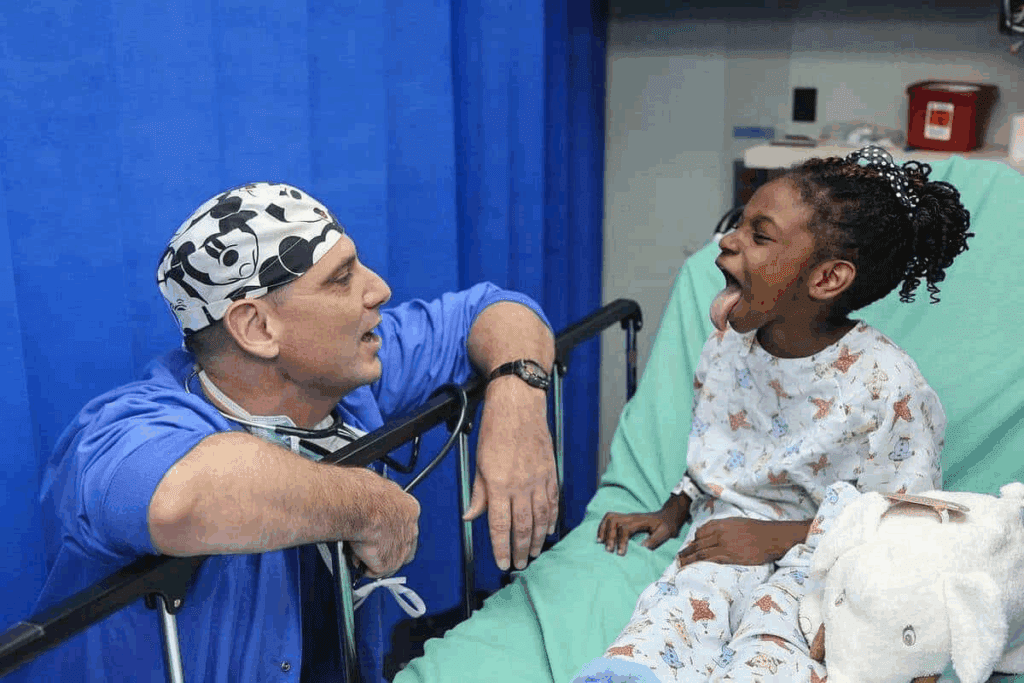
Pediatric oncologists must keep learning and researching to give the best care. The field of pediatric oncology is always changing. New treatments and options are being found all the time.
Staying Updated on Advances in Oncology
To help their patients the most, pediatric oncologists need to know the latest in oncology. They do this by going to continuing education programs, attending conferences, and keeping up with new research.
- Attending international conferences on pediatric oncology
- Participating in workshops on new treatment modalities
- Engaging with online forums and discussions on recent research
Opportunities for Research and Innovation
Research is key in pediatric oncology. It leads to new ideas and better care for patients. There are many ways to do research, like clinical trials, translational research, and basic scientific investigations into childhood cancers.
By doing research and staying educated, pediatric oncologists help find new treatments. This improves life for their patients. It’s important to work together with experts from different fields to move the field forward.
Managing Treatment Side Effects
Managing treatment side effects is key to a better quality of life for kids with cancer. Cancer treatment can cause many side effects. These can be physical, like nausea and tiredness, or emotional and psychological.
Understanding Side Effects in Pediatric Patients
Pediatric oncologists need to know how to handle cancer treatment side effects. These side effects can differ a lot from one child to another. They depend on the cancer type, treatment, and the child’s health.
Common side effects include hair loss, nausea, vomiting, and tiredness. Serious issues like infections and organ damage can also happen.
We use different ways to manage these side effects. This includes medicines, changing diets, and supportive care. It’s important to adjust these approaches to fit each child’s needs. We consider their unique situation and how they react to treatment.
Providing Supportive Care to Families
Supportive care for families is a big part of managing side effects. We know that cancer affects not just the child but the whole family. Our support includes emotional, psychological, and practical help to help families deal with cancer treatment.
This support can be in many ways. It includes counseling, teaching how to manage side effects at home, and connecting families with resources and support groups. By caring for both the child and their family, we can lessen the effects of treatment side effects. This helps improve overall results.
Emotional Resilience and Mental Health
Being emotionally resilient is key for pediatric oncologists. They face tough emotional challenges every day. Their work deals with serious illnesses and the emotional pain of patients and their families.
These doctors have to take care of their own mental health. They also need to support the mental well-being of their patients and their families. This shows how important it is to have strong coping strategies and access to mental health services.
Coping with the Emotional Toll
Dealing with the emotional side of pediatric oncology needs a variety of approaches. Doctors must build their own resilience, get support from colleagues and mental health experts, and practice self-care. It’s also vital to have a supportive work environment where talking about job stress is encouraged.
“Burnout is a significant risk in pediatric oncology, making it essential for healthcare providers to prioritize their mental health and well-being.”
Here are some ways to stay emotionally strong:
- Make self-care a regular part of your life
- Find support from peers and mentors
- Try mindfulness and stress-reduction activities
- Keep a healthy balance between work and personal life
Supporting Child and Family Mental Health
Helping the mental health of kids with cancer and their families is a big part of care. We offer counseling, psychological support, and resources to help families deal with the diagnosis and treatment.
| Mental Health Support Strategies | Description | Benefits |
| Counseling Services | Individual and family counseling to address emotional and psychological needs | Reduces anxiety and stress, improves coping mechanisms |
| Support Groups | Groups for patients and families to share experiences and support one another | Fosters a sense of community, reduces feelings of isolation |
| Psychological Assessments | Assessments to identify and address specific mental health needs | Enables targeted interventions, improves mental health outcomes |
By focusing on emotional resilience and mental health support, we can improve the well-being of pediatric oncology professionals and the families they help. This approach is key to providing top-notch, caring care.
Working with Multidisciplinary Teams
Multidisciplinary teams are key in giving top-notch care to kids with cancer. They know that treating cancer in children needs a team effort. This team includes many healthcare experts.
Importance of Team Collaboration
Teamwork is essential for great care in pediatric oncology. Healthcare pros share their knowledge and work together. This way, they make decisions that help the patient. Collaboration improves patient results by covering all care needs.
We think a team effort helps create detailed treatment plans. These plans meet the physical, emotional, and mental needs of kids with cancer. Doctors, nurses, social workers, and dietitians all work together for the best outcome.
Roles of Nurses, Social Workers, and Dietitians
Nurses are key in caring for patients, giving treatments, and watching their health. They teach patients and families about treatments and side effects.
Social workers help patients and families deal with cancer’s emotional impact. They also help find resources and navigate the healthcare system.
Dietitians create special diets for kids with cancer. Good nutrition is important for their health and recovery during treatment.
| Team Member | Role | Contribution to Care |
| Nurses | Direct patient care, treatment administration | Monitoring patient conditions, patient education |
| Social Workers | Emotional support, resource navigation | Coping strategies, access to resources |
| Dietitians | Nutrition planning | Supporting overall health and recovery |
Knowing what each team member does shows the value of teamwork in pediatric oncology. This team effort makes sure kids get care that’s all about them.
Salary Expectations for Pediatric Oncologists
Knowing what pediatric oncologists make helps future doctors plan their careers. It helps them make smart choices about their professional paths.
Pediatric oncologists are top-notch doctors who need lots of training and skills. Because of this, they earn a lot in the medical field.
Average Salary Range in the United States
The average salary for pediatric oncologists in the U.S. changes a lot. They can make between $300,000 and over $600,000 a year. This depends on where they work, how long they’ve been working, and who they work for.
Salary Range by Experience:
| Years of Experience | Average Salary Range |
| 0-5 years | $300,000 – $400,000 |
| 5-10 years | $400,000 – $500,000 |
| 10+ years | $500,000 – $600,000+ |
Factors Influencing Salary
Many things affect how much pediatric oncologists make. These include:
- Geographic Location: Where you work can change your salary a lot. Cities usually pay more than rural areas.
- Type of Employer: Working in academia, private practice, or research can change your pay.
- Years of Experience: More years of work mean higher pay.
- Subspecialization: Getting extra training or certifications can also raise your salary.
By knowing these factors and salary ranges, future pediatric oncologists can plan better. They can make smart choices for their careers.
Conclusion: The Rewarding Path of a Pediatric Oncologist
Becoming a pediatric oncologist is a tough but rewarding career. We’ve looked at the long education, key skills, and clinical abilities needed for success.
Transforming Lives
Pediatric oncologists greatly impact their young patients and families. They offer caring support during tough times. This work brings huge rewards, from seeing a child recover to helping families emotionally.
A Career of Purpose
This job brings deep personal fulfillment. It requires medical knowledge, communication skills, and emotional strength. For those who want to help children and families, pediatric oncology is a fulfilling career path.
FAQ
What is the average salary range for pediatric oncologists in the United States?
Pediatric oncologists’ salaries vary. This depends on where they work, how long they’ve been practicing, and their job setting.
What are the educational requirements to become a pediatric oncologist?
To be a pediatric oncologist, you need a science degree first. Then, four years of medical school, a pediatrics residency, and a fellowship in pediatric hematology/oncology.
What skills are essential for a pediatric oncologist?
They need great communication, empathy, and problem-solving skills. These help them care for patients and work well with teams.
How long does it take to become a pediatric oncologist?
It takes over a decade after high school. This includes undergraduate studies, medical school, residency, and fellowship.
What is the role of a pediatric oncologist in managing treatment side effects?
They must prevent and manage side effects. They also provide support to families, addressing their emotional and practical needs.
Why is specialized care important in pediatric oncology?
Children need treatments that are different from those of adults. Specialized care is key to effective and compassionate care.
How do pediatric oncologists stay updated on advances in oncology?
They must keep learning through continuing education. This helps them stay current with new treatments and therapies.
What is the importance of teamwork in pediatric oncology?
Teamwork is essential. It involves doctors, nurses, and other specialists working together for patient care.
How do pediatric oncologists support the mental health of their patients and families?
They focus on mental health support. They provide counseling and resources to help with emotional challenges.
What are the factors that influence the salary of a pediatric oncologist?
Salary is affected by location, experience, and job setting. These factors play a big role in their earnings.
References:
- Pediatric oncologists face substantial emotional challenges, including burnout risk, which makes resilience and mental health support essential (PMC, 2020). https://www.ncbi.nlm.nih.gov/pmc/articles/PMC6956969/