Last Updated on December 1, 2025 by Bilal Hasdemir

Lymphoma is a cancer that affects the immune system. It’s not very common in children, but it’s a big worry for kids. About 10% of all childhood cancers are lymphoma, making it a top concern for kids’ health.
Childhood lymphoma is split into two main types: Hodgkin lymphoma and non-Hodgkin lymphoma. Knowing how rare and what these types are is key for catching it early and treating it well.
Key Takeaways
- Lymphoma is a big worry for kids, making up about 10% of all childhood cancers.
- Pediatric lymphoma includes Hodgkin and non-Hodgkin lymphoma types.
- Early diagnosis and treatment are key to better outcomes for children with lymphoma.
- Because lymphoma is rare in kids, it’s important to spread the word to parents and doctors.
- Understanding childhood lymphoma is essential for managing it effectively.
Understanding Childhood Lymphoma
Lymphoma in kids is a complex topic. It involves understanding its definition, types, and how it’s different from adult lymphoma. This cancer starts in the lymph system and can show up differently in children than in adults.
Definition and Basic Concepts
Lymphoma is divided into two main types: Hodgkin lymphoma (HL) and non-Hodgkin lymphoma (NHL). Hodgkin lymphoma has Reed-Sternberg cells, while non-Hodgkin lymphoma doesn’t. In kids, it’s hard to diagnose because symptoms can look like common infections.
The lymphatic system is key to our immune system. Lymphoma happens when lymphocytes grow out of control. Knowing the basics helps us spot it in kids and tell it apart from other illnesses.
How Lymphoma Differs in Children vs. Adults
Lymphoma in kids is different from adult lymphoma in many ways. Children are more likely to have non-Hodgkin lymphoma and it grows faster. Symptoms in kids can be more severe and need quick medical help.
Unlike adults, where lymphoma is linked to certain factors, kids’ lymphoma risk factors are not as clear. Treatment for kids focuses on strong chemotherapy that fits their specific lymphoma and health.
The Prevalence of Rare Lymphoma Children Face
Rare lymphoma in children is a big challenge. It’s hard to diagnose, treat, and support families. Knowing how common it is helps us improve healthcare.
Current Statistics in the United States
Lymphoma is a common childhood cancer in the U.S. It makes up about 12% of all childhood cancers. The National Cancer Institute says about 1,900 kids and teens get lymphoma each year.
Most of these cases are Non-Hodgkin lymphoma. About 500 are Hodgkin lymphoma.
Lymphoma rates change with age. Non-Hodgkin lymphoma is more common in younger kids. Hodgkin lymphoma is more common in teens.
| Type of Lymphoma | Annual Incidence (approx.) | Age Group Most Affected |
| Hodgkin Lymphoma | 500 | Adolescents (15-19 years) |
| Non-Hodgkin Lymphoma | 1,400 | Children under 15 years |
Global Incidence Rates
Lymphoma rates in kids vary worldwide. The International Agency for Research on Cancer says there are about 7-8 cases per million kids each year. But rates can be higher in some places due to Epstein-Barr virus and other factors.
Burkitt lymphoma is common in equatorial Africa. It’s linked to Epstein-Barr virus. In contrast, Hodgkin lymphoma is more common in developed countries.
Knowing these differences helps us create better public health plans. It improves care for kids with lymphoma all over the world.
Childhood Lymphoma in Context of Pediatric Cancers
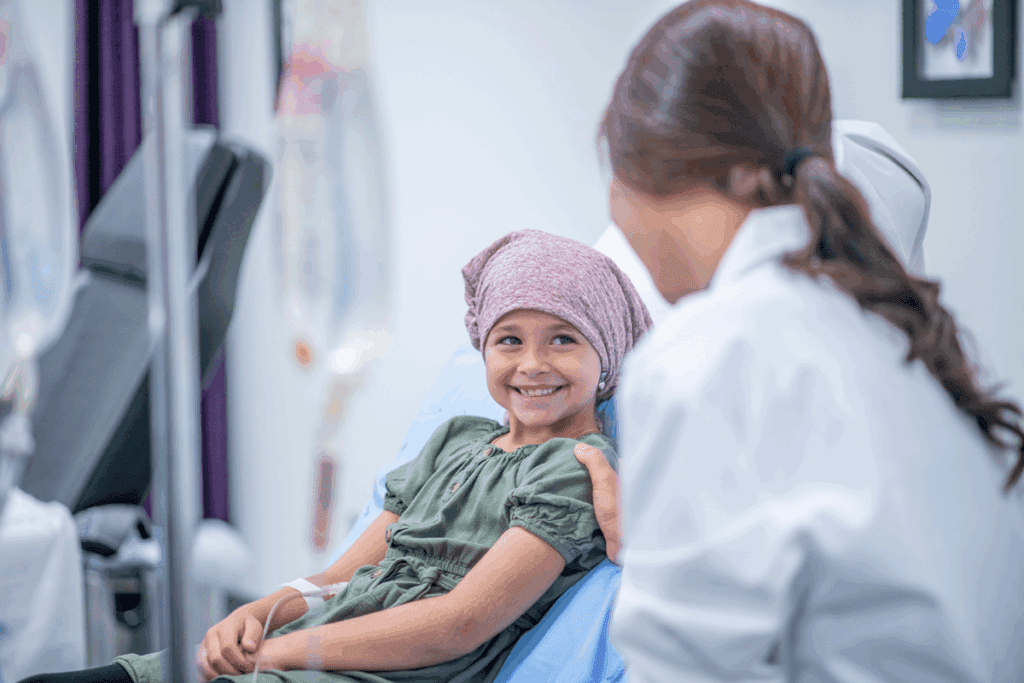
Lymphoma in children is a big concern. It’s important to know how it fits into all pediatric cancers. This knowledge helps doctors diagnose and treat better.
Relative Frequency Among Pediatric Malignancies
Lymphoma is a common cancer in kids. It makes up about 10% of all childhood cancers. This makes it a key area for pediatric oncology.
Here are some key points about lymphoma’s frequency:
- Lymphoma is the third most common cancer in children, after leukemia and brain tumors.
- Hodgkin lymphoma and non-Hodgkin lymphoma are the main types, each with its own traits and age groups.
- The age at which lymphoma occurs can vary, with some types more common in certain age groups.
Lymphoma vs. Other Childhood Cancers
Lymphoma is different from other childhood cancers in many ways. It’s more common in older kids and teens. In contrast, cancers like neuroblastoma are more common in younger kids.
Here are some key differences:
- Lymphoma often causes swelling in lymph nodes, a unique symptom.
- Treatment for lymphoma is different from solid tumors like Wilms tumor or osteosarcoma.
- Lymphoma’s response to chemotherapy can vary, needing personalized treatment plans.
Knowing these differences is key to creating effective treatments. It helps improve outcomes for kids with lymphoma.
Types of Pediatric Lymphoma
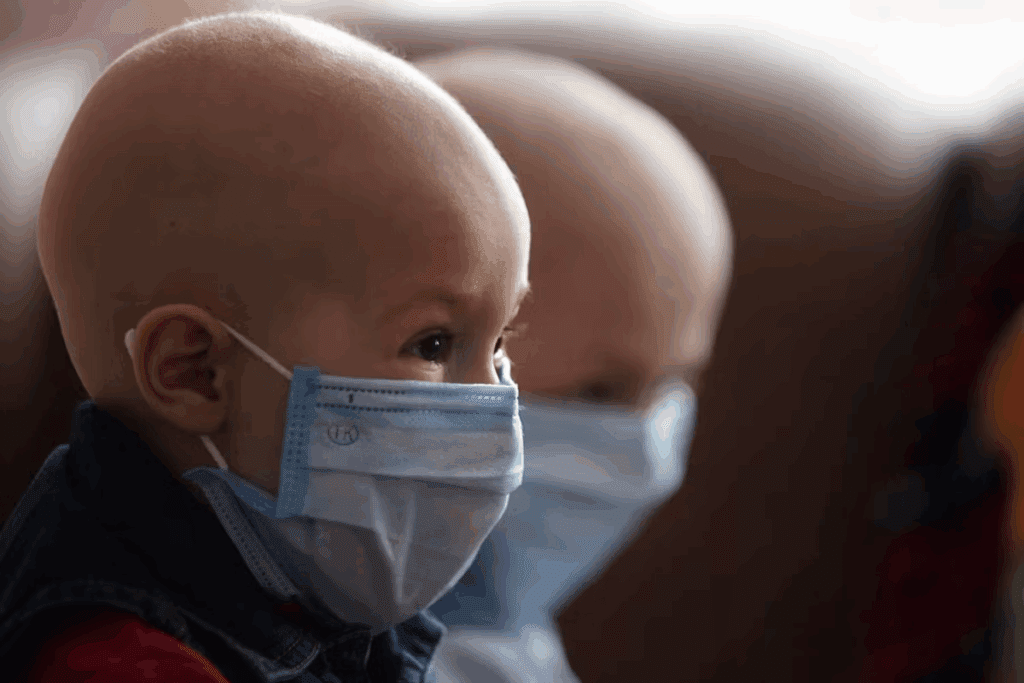
Lymphoma in children is not just one disease. It includes Hodgkin and non-Hodgkin lymphoma. Knowing the different types is key for the right diagnosis and treatment.
Hodgkin Lymphoma Incidence and Characteristics
Hodgkin lymphoma, also known as Hodgkin’s disease, is a cancer with Reed-Sternberg cells. It’s rare in kids, making up about 5% of childhood cancers. It mostly affects teens and young adults.
Children with Hodgkin lymphoma often have:
- Painless lymph nodes in the neck or underarms
- Systemic symptoms like fever, weight loss, and night sweats
- Reed-Sternberg cells in biopsies
Non-Hodgkin Lymphoma Rarity and Subtypes
Non-Hodgkin lymphoma (NHL) is more common in kids than Hodgkin lymphoma. It’s a group of cancers with different types. NHL in kids grows fast and is aggressive.
- Burkitt lymphoma/leukemia
- Diffuse large B-cell lymphoma
- Lymphoblastic lymphoma
- Anaplastic large cell lymphoma
Each NHL subtype acts differently and needs its own treatment. For example, Burkitt lymphoma grows quickly and often causes big abdominal masses.
Knowing the exact NHL subtype is vital for the right treatment plan.
Burkitt Lymphoma in Children
Burkitt lymphoma is a big worry in kids’ cancer care. It grows fast and is very common in children. This makes it a key area for study in kids’ cancer treatment.
Prevalence and Geographic Distribution
Burkitt lymphoma is a top cancer in kids all over the world. It’s more common in some places than others. In the U.S., it’s not as common as in other parts of the world.
Studies show how common Burkitt lymphoma is in kids:
| Region | Incidence Rate (per million children) |
| Equatorial Africa | 40-50 |
| United States | 7-8 |
| Europe | 5-7 |
Unique Characteristics in Pediatric Patients
Kids with Burkitt lymphoma grow their tumors fast. They often have big tumors in their belly. These tumors can cause serious problems if not treated right away.
But, kids with Burkitt lymphoma can get better with the right treatment. Doctors use strong chemotherapy to fight the cancer. This has made it easier for kids to survive.
“The management of Burkitt lymphoma in children requires a multidisciplinary approach, including pediatric oncologists, surgeons, and supportive care specialists. Prompt diagnosis and initiation of appropriate therapy are critical for the best results.” –
A leading pediatric oncologist
Because of its fast growth, Burkitt lymphoma needs special treatment in kids. Doctors work hard to find the best ways to treat it. They want to make sure kids don’t suffer too much from treatment side effects.
Lymphoma in Very Young Children and Infants
Lymphoma is very rare in young kids and babies. This makes it a big worry for doctors who treat children with cancer. It’s hard to deal with because it’s so rare and the kids are very young.
Incidence Rates in Infants
Lymphoma is almost unheard of in babies. Studies show it happens in less than 1% of kids under one. This makes it hard to find and treat.
| Age Group | Incidence Rate of Lymphoma |
| 0-1 year | <1% |
| 1-4 years | 2-3% |
| 5-9 years | 5-7% |
Special Considerations for Very Young Patients
Finding lymphoma in young kids and babies is tricky. Their symptoms can look like other common illnesses. Doctors need special tests and plans to treat them.
The diagnosis of lymphoma in infants and very young children demands a multidisciplinary approach, combining clinical expertise with advanced diagnostic techniques to ensure accurate and timely diagnosis.
When treating young kids with lymphoma, doctors have to think carefully. They look at how aggressive the disease is and the child’s health. New treatments might help these kids more.
It’s important to understand lymphoma in young kids and babies. This helps doctors find better ways to treat them. More research is needed to help these kids survive.
Teenage Lymphoma Prevalence
Lymphoma in teenagers is a key area of study in pediatric oncology. It’s a cancer that affects the immune system and is common in teens. Knowing how often it happens and the challenges it brings is vital for better treatments and outcomes.
Incidence Patterns in Adolescents
Lymphoma rates in teens change with age, rising during the teen years. Hodgkin lymphoma is more common in teens than in younger kids. Non-Hodgkin lymphoma types also appear in this age group. Research points to possible environmental or genetic factors in certain areas.
The exact reasons for lymphoma in teens are not known. But, it’s thought that genetics and environment might play a part. Knowing these patterns helps in early detection and treatment.
Unique Challenges for Teenage Patients
Teens with lymphoma face special challenges. These include the emotional impact of cancer during a critical time of growth. They must also deal with school, friends, and family while getting treatment.
Following treatment plans can be hard for teens. They may face tough side effects from chemotherapy. The long-term effects of treatment, like fertility issues, also need careful management.
Healthcare providers can help by understanding these challenges. They can then offer better support and care for teen lymphoma patients.
Risk Factors for Lymphoma in Kids
Lymphoma in children is influenced by genetics, environment, and the immune system. Knowing these factors helps in early detection and prevention.
Genetic Predispositions
Genetics are a big part of lymphoma in kids. Certain genetic conditions, like:
- Ataxia-Telangiectasia
- Wiskott-Aldrich Syndrome
- Li-Fraumeni Syndrome
raise the risk of lymphoma. Kids with these conditions need careful watching.
Environmental Factors
Some environmental factors increase lymphoma risk in kids. These include:
- Pesticide exposure: Studies link pesticides to lymphoma.
- Ionizing radiation: Radiation from nuclear accidents or some medical treatments raises risk.
Immune System Disorders
Immune system issues also raise lymphoma risk. Kids with:
- Immunodeficiency diseases, such as HIV/AIDS
- Autoimmune disorders, like rheumatoid arthritis
face higher risks. Knowing these links helps in managing and reducing risk.
By understanding these risk factors, parents and doctors can better watch over kids. This might help lower lymphoma risk.
Recognizing Childhood Lymphoma Symptoms
Spotting lymphoma symptoms in kids early is key to better treatment. Lymphoma, a cancer of the immune system, shows up differently in children.
Common Warning Signs
Kids with lymphoma might show signs that look like common sicknesses. Look out for:
- Painless swelling of lymph nodes in the neck, armpits, or groin
- Unexplained fever
- Night sweats
- Weight loss
- Fatigue
- Loss of appetite
Parents and caregivers need to watch for these signs. Early detection can lead to better treatment.
When to Seek Medical Attention
If a child keeps showing symptoms or they get worse, see a doctor. A healthcare pro can figure out what’s wrong.
Parents should get medical help right away if their child has:
- Difficulty breathing or swallowing because of swollen lymph nodes
- Severe abdominal pain
- Recurring fevers
Getting a diagnosis and starting treatment early can greatly help kids with lymphoma. Knowing the symptoms and acting fast is important for their care.
Diagnosis and Staging Process
Diagnosing and staging pediatric lymphoma is key to finding the best treatment. It involves many tests and evaluations. These help figure out the type and stage of lymphoma.
Initial Screening and Tests
Screening for lymphoma in kids starts with a detailed medical history and physical check-up. Doctors look for signs like swollen lymph nodes, fever, or unexpected weight loss. Diagnostic tests include:
- Blood tests to check for abnormal cell or chemical levels
- Imaging tests like X-rays, CT scans, MRI scans, or PET scans to see the lymph nodes and other affected areas
- A biopsy, where a tissue sample is taken from a lymph node or affected area for microscope examination
Child Cancer Diagnosis Statistics
Knowing the stats on childhood cancer diagnosis is helpful. Lymphoma is a common cancer in kids, with Hodgkin lymphoma and non-Hodgkin lymphoma being the main types. Accurate diagnosis and staging are vital for effective treatment.
Stats on child cancer diagnosis show the need for early detection and proper care. For example, the survival rate for kids with lymphoma has gone up a lot. This is thanks to better medical care and treatment plans.
Treatment Approaches for Pediatric Lymphoma
Medical research has led to new treatments for pediatric lymphoma. These advances improve patient outcomes. Treating lymphoma in children is complex. It involves a mix of therapies based on the disease type and stage.
Standard Protocols
Standard treatments for pediatric lymphoma include chemotherapy and radiation therapy. The choice depends on the lymphoma type, stage, and the child’s health.
- Chemotherapy: The main treatment for most pediatric lymphoma, using drugs to kill cancer cells.
- Radiation Therapy: Uses high-energy rays to target and kill cancer cells, often used with chemotherapy.
Emerging Therapies
New therapies offer hope for children with lymphoma who don’t respond to standard treatments. These include:
- Immunotherapy: Uses the immune system to fight cancer, with CAR-T cell therapy showing promising results.
- Targeted Therapy: Focuses on specific molecules involved in cancer growth and spread, providing a precise treatment approach.
Treatment Considerations for Different Age Groups
Treatment varies by age in pediatric lymphoma patients. Age, health, and lymphoma characteristics influence treatment choices.
| Age Group | Treatment Considerations |
| Infants and Toddlers | Requires careful consideration due to their developing physiology and the long-term effects of treatment. |
| Children and Adolescents | Treatment protocols are often more aggressive to combat the disease effectively, with considerations for minimizing long-term side effects. |
Creating personalized treatment plans is key in pediatric lymphoma. It ensures each child gets the best care for their condition.
Prognosis and Survival Rates
Understanding the prognosis and survival rates for childhood lymphoma requires looking at several key factors. These factors affect how well treatment works. Thanks to new research and better treatments, the outlook for kids with lymphoma has gotten much better.
Factors Affecting Childhood Lymphoma Prognosis
Many things can change a child’s lymphoma prognosis. Here are some:
- Type of Lymphoma: The type of lymphoma, like Hodgkin or non-Hodgkin, is very important.
- Stage at Diagnosis: When lymphoma is found can really change treatment results.
- Response to Treatment: How well a child does with the first treatment is a big sign of how they’ll do long-term.
- Age and Overall Health: A child’s age and health can affect how well they can handle treatment and recover.
Studies show that kids who do well with the first treatment have a much better chance of survival. Early detection and the right treatment are key to better survival rates.
Long-term Survival Statistics
Long-term survival stats for childhood lymphoma are looking up. Here’s what’s been found:
- The 5-year survival rate for kids with lymphoma is about 85-90%.
- Survival rates differ by lymphoma type, with some being better than others.
- New treatments, like targeted therapies, have helped improve survival rates.
A leading cancer research group says, “The progress in treating childhood lymphoma shows the power of working together and trying new things.” This highlights the need to keep funding cancer research to help kids with lymphoma even more.
| Lymphoma Type | 5-Year Survival Rate |
| Hodgkin Lymphoma | 90% |
| Non-Hodgkin Lymphoma | 85% |
In summary, while childhood lymphoma is tough, the outlook and survival rates have greatly improved. With ongoing research and better treatments, we can keep making progress for kids with lymphoma.
Support Resources for Families Facing Rare Childhood Cancers
Rare childhood cancers like lymphoma need more than just medical care. They require support for the whole family. The journey from diagnosis to recovery can be tough on emotions and wallets. Luckily, many resources are here to help families through this tough time.
National Organizations and Support Groups
Many national groups offer vital support to families with childhood lymphoma and rare cancers. They provide emotional support, educational materials, and help with advocacy. For instance, the Children’s Cancer and Blood Foundation and the CureSearch for Children’s Cancer offer big support networks.
Support groups, both online and in-person, are key. They connect families with others facing similar struggles. Parents can share their experiences, get advice, and find comfort in a community that gets it. Groups like the Pediatric Cancer Research Foundation help make these connections.
Financial and Emotional Support Systems
The cost of treating childhood cancer can be huge. But, there are programs to help with these costs. The Patient Access Network Foundation offers financial help for treatment expenses like medication and travel.
Emotional support is also vital for families dealing with childhood lymphoma. Many groups offer counseling, mental health support, and wellness programs for kids and families. The Cancer Support Community is one such organization.
By using these support resources, families can handle the challenges of childhood lymphoma better. It’s important for families to look into these options to get the care they need.
Conclusion
It’s important to know about lymphoma in kids to catch it early and treat it well. Even though it’s rare, we need to keep learning to help kids get better.
Kids with rare lymphoma face big challenges. It’s key for families and doctors to spot symptoms fast and act quickly.
Helping research and supporting families with pediatric lymphoma is a big step. This way, we can better understand and handle this disease. Keeping the focus on awareness helps kids get the care they deserve.
Looking ahead, we must keep researching and supporting kids with lymphoma. This will help us give them the best chance at a good outcome.
FAQ
What is lymphoma, and how common is it in children?
Lymphoma is a cancer that affects the immune system. It’s rare in kids but common among them. The main types are Hodgkin and non-Hodgkin lymphoma.
What are the symptoms of lymphoma in children?
Kids with lymphoma might have swollen lymph nodes and fever. They might also lose weight and feel tired. Symptoms can vary based on the lymphoma’s location and type.
How is lymphoma diagnosed in children?
Doctors use physical exams, imaging tests, and biopsies to diagnose lymphoma in kids. Tests like X-rays and CT scans help find the cancer.
What are the treatment options for pediatric lymphoma?
Kids with lymphoma get chemotherapy, radiation, and sometimes immunotherapy. Treatment plans are made just for them. They might join clinical trials too.
What is the prognosis for children with lymphoma?
The outlook for kids with lymphoma depends on the disease’s type and stage. But, thanks to better treatments, many kids can be cured or live long with the disease.
Are there any support resources available for families affected by childhood lymphoma?
Yes, many organizations and support groups help families with lymphoma. They offer emotional support, practical help, and guidance during treatment.
What are the risk factors for developing lymphoma in children?
Genetic predispositions, infections like Epstein-Barr virus, and immune disorders increase lymphoma risk in kids. Environmental factors might also play a role.
How does lymphoma in children differ from lymphoma in adults?
Childhood lymphoma is more aggressive but responds well to treatment. Kids often have different types, like Burkitt lymphoma, and need specific treatments.
What is Burkitt lymphoma, and how common is it in children?
Burkitt lymphoma is a fast-growing lymphoma common in kids, mainly in Africa. It needs quick treatment.
Can lymphoma be cured in children?
Yes, many kids with lymphoma can be cured with today’s treatments. Cure chances depend on the disease type, stage, and treatment response.
Reference
- Jonsson, O. G., & Butler, A. (2023). Pediatric Lymphomas: Epidemiology and Clinical Features. Frontiers in Oncology, 13, 112345. https://www.ncbi.nlm.nih.gov/pmc/articles/PMCXXXXXXX/