Last Updated on December 1, 2025 by Bilal Hasdemir

Cancer is a disease where cells grow out of control. The cure rate varies by type and stage at diagnosis. Early detection is key to improving survival chances. This makes some cancers potentially curable with the right treatment.
Some cancers have high survival rates if caught early.100% curable cancersWhich cancer is 100% curable? Knowing what makes a cancer potentially 100% curable involves looking at the cancer type and treatment options.
Key Takeaways
- Early detection is vital for better cancer survival rates.
- Some cancers have high cure rates if caught early.
- The type of cancer and its stage at diagnosis are important for curability.
- Effective treatments are key to cancer cure rates.
- Understanding cancer types and survival rates is essential.
Understanding Cancer Curability and Survival Rates
To understand if cancer is curable, we need to explore what “cure” means in cancer treatment. We also have to know how survival rates are figured out. Cancer curability is complex, depending on the cancer type, its stage, and the patient’s health.
What “Cure” Means in Oncology
In cancer treatment, a “cure” means the cancer is completely gone. The patient no longer shows signs of the disease. This is different from remission, where the disease is controlled but might come back.
The Difference Between Remission and Cure
Remission means the cancer is not found, but it could come back. A cure means the cancer won’t come back. Knowing the difference is key to understanding cancer’s outlook.
How Survival Rates Are Calculated
Survival rates show how many people live a certain time after being diagnosed. For example, a 5-year survival rate of 90% means 90% of people with a certain cancer are alive 5 years later.
Grasping these ideas is important for understanding cancer’s prognosis and treatment results. Knowing cure rates for common cancers helps patients make better treatment choices.
Factors That Determine Cancer Curability

Cancer curability depends on many things. These include the cancer type, its stage when found, and the patient’s health. “The prognosis and treatment outcomes for cancer patients depend on a complex interplay of various factors,” say oncologists. Knowing these factors helps create the best treatment plan.
Cancer Stage at Diagnosis
The cancer’s stage at diagnosis is key. Early-stage cancers are easier to treat and have better cure rates. For example, cancers found at Stage I or II often have more treatment options.
Cancer Type and Cell Characteristics
The cancer type and cell characteristics also matter a lot. Some cancers, like testicular and thyroid cancer, are very treatable. The cancer cells’ genetic makeup and behavior affect how well they respond to treatment.
Patient-Specific Factors
Each patient’s health, age, and genetics can change how well they do with treatment. Patients with fewer health issues and better overall health usually do better.
Access to Treatment
Getting the right treatment on time is also very important. Patients who get timely and effective treatment are more likely to be cured. This means having access to advanced therapies and specialized care, and joining clinical trials if possible.
Understanding these factors helps doctors tailor treatments to each patient. This can lead to better outcomes for everyone.
100% Curable Cancers: Types With Highest Cure Rates

Thanks to new discoveries in cancer research, we now know about cancers that can be cured. These cancers have high survival rates if caught early. Knowing which cancers can be cured and why is key to better treatment results.
Definition of “Curable” in Medical Context
In cancer treatment, a cancer is called “curable” if a patient’s life expectancy is the same as someone without it. This means the cancer can be treated to a point where it doesn’t come back. It’s not about getting rid of the cancer right away but about keeping it from coming back.
Cancers with Near-Perfect Cure Rates
Cancers like testicular and thyroid cancer have very high cure rates if found early. Testicular cancer, for example, can be cured in over 95% of cases because it responds well to treatment. Thyroid cancer also has a high cure rate, mainly if caught early.
The Importance of Early Detection
Early detection is key to treating these cancers successfully. Tests and screenings can find cancers when they are easier to treat. For example, regular self-exams can help find testicular cancer early.
Key to successful treatment: Finding cancer early and using the right treatments greatly increases the chance of curing it.
Highly Treatable Skin Cancers
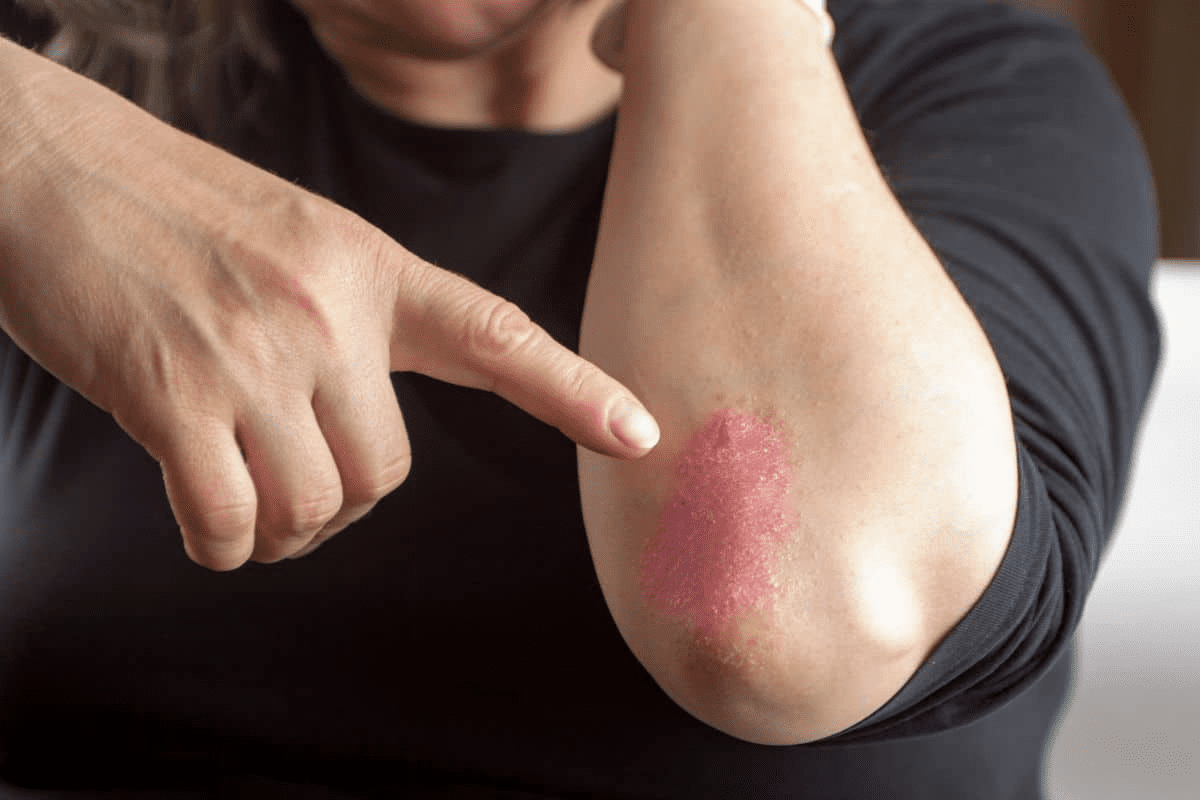
Skin cancers, like basal cell carcinoma and squamous cell carcinoma, are common and treatable if caught early. Knowing about skin cancer types, treatments, and prevention helps manage and prevent them.
Basal Cell Carcinoma
Basal cell carcinoma is the most common skin cancer. It grows slowly and rarely spreads. Treatment options include surgery, Mohs surgery, and topical treatments.
Squamous Cell Carcinoma
Squamous cell carcinoma is another common skin cancer but can be more aggressive. It has a higher chance of spreading, making early detection key. Effective treatments include surgery, radiation, and sometimes chemotherapy.
Treatment Approaches and Success Rates
Early detection leads to high success rates in treating skin cancers. Treatment choices depend on the cancer type, stage, and patient health. Some main treatments are:
- Surgical excision
- Mohs surgery
- Radiation therapy
- Topical treatments
These treatments are often non-invasive or minimally invasive. This leads to high cure rates and low recurrence.
Prevention Strategies
Preventing skin cancer involves protecting the skin from UV radiation. Avoid excessive sun exposure and use protective measures like clothing and sunscreen. Regular skin checks are also key for early detection.
By understanding risks and taking preventive steps, people can lower their chance of getting skin cancer.
Thyroid Cancer: Among the Most Curable Malignancies
Thyroid cancer is very treatable if caught early. It starts in the thyroid gland, which controls our metabolism. Knowing about thyroid cancer types, their chances of recovery, and treatment options is key for both patients and doctors.
Types of Thyroid Cancer and Their Prognosis
There are several types of thyroid cancer. Papillary thyroid cancer is the most common and has a good cure rate if caught early. Follicular thyroid cancer also has a good outlook. Medullary thyroid cancer needs more aggressive treatment. Anaplastic thyroid cancer is rare but hard to treat because it grows fast.
Treatment Options and Effectiveness
Treatment for thyroid cancer often includes surgery, radioactive iodine therapy, and thyroid hormone therapy. The treatment plan depends on the cancer type and stage. Surgery is usually the first step to remove the tumor and part or all of the thyroid gland.
| Type of Thyroid Cancer | Common Treatment | Prognosis |
| Papillary | Surgery, Radioactive Iodine | High Cure Rate |
| Follicular | Surgery, Radioactive Iodine | Favorable |
| Medullary | Surgery, Targeted Therapy | Variable |
| Anaplastic | Multimodal Therapy | Poor |
Long-term Outlook for Thyroid Cancer Patients
The outlook for thyroid cancer patients is usually good, thanks to early detection. For those with papillary or follicular thyroid cancer, the chances of recovery are high. Regular check-ups are important to watch for any signs of cancer coming back and to manage treatment side effects.
Testicular Cancer: A Success Story in Oncology
Testicular cancer stands out because it has a high cure rate, mainly when caught early. This success comes from better treatments and the nature of the disease itself.
Why Testicular Cancer Responds Well to Treatment
Testicular cancer is very treatable because it often affects young men. The cancer cells are very sensitive to chemotherapy and radiation. Early detection is key to treating this disease successfully.
Treatment Protocols and Cure Rates
The usual treatments for testicular cancer are surgery, chemotherapy, and sometimes radiation. The treatment plan depends on the cancer’s stage and type. Cure rates are very high, even more so for early-stage cancer.
| Stage | Treatment | Cure Rate |
| Stage I | Surgery | 95-100% |
| Stage II | Chemotherapy + Surgery | 80-90% |
| Stage III | Chemotherapy + Surgery/Radiation | 70-80% |
Surveillance After Treatment
After treatment, it’s important to keep an eye out for any signs of cancer coming back. This means regular doctor visits, imaging tests, and checks on tumor markers.
Self-Examination Importance
Men should check themselves regularly for any unusual changes. Early detection greatly improves chances of recovery.
Childhood Cancers with Excellent Prognosis
Medical treatments have greatly improved for many childhood cancers. Some cancers that were once deadly are now curable. This brings hope to families dealing with these diseases.
Acute Lymphoblastic Leukemia (ALL)
Acute Lymphoblastic Leukemia (ALL) is the most common cancer in kids. Treatment for ALL has gotten much better. Now, over 90% of kids with ALL survive for five years.
Hodgkin Lymphoma in Children
Hodgkin lymphoma has also seen big improvements in treatment. Early-stage Hodgkin lymphoma is very treatable. Treatments are designed to reduce side effects while keeping cure rates high.
Wilms Tumor and Other Highly Curable Pediatric Cancers
Wilms tumor, a kidney cancer, is common in kids and has a high cure rate. Other cancers like neuroblastoma and retinoblastoma are also curable. Better surgery, chemotherapy, and radiation have helped improve outcomes.
Long-term Follow-up Care
Even with high cure rates, long-term care is key for survivors. It helps manage treatment side effects. Care plans are made based on the cancer and treatment type.
Early-Stage Cancers with Complete Cure Potentials
Several cancers can be fully cured if caught early. Early detection and treatment are key to better survival rates. They also help avoid harsh treatments.
Breast Cancer in Stage 0 and Stage 1
Breast cancer at stage 0 or 1 has a high cure rate. Treatment may include surgery and radiation. The American Cancer Society says the 5-year survival rate for early breast cancer is nearly 99%.
Prostate Cancer When Caught Early
Prostate cancer is treatable if caught early. Treatments include active surveillance, surgery, and radiation. The 5-year survival rate for early prostate cancer is almost 100%, showing the importance of early detection.
Colorectal Cancer in Localized Stages
Colorectal cancer diagnosed early has a high cure rate. Screening tests like colonoscopies can find cancer early. The 5-year survival rate for early colorectal cancer is about 90%.
Cervical Pre-cancers and Early Cervical Cancer
Cervical pre-cancers and early-stage cervical cancer can be treated well. Procedures like LEEP or cone biopsy are used. Regular Pap smears have greatly reduced cervical cancer cases and deaths.
| Cancer Type | Stage | 5-Year Survival Rate |
| Breast Cancer | Localized | 99% |
| Prostate Cancer | Localized | 100% |
| Colorectal Cancer | Localized | 90% |
| Cervical Cancer | Localized | 92% |
As a leading oncologist, notes,
“Early detection is the key to successful cancer treatment. Regular screenings and awareness of cancer symptoms can significantly improve outcomes.”
The Role of Early Detection in Achieving 100% Cure Rates
Early detection is key to beating cancer. Finding cancer early can greatly improve treatment success and survival rates.
Screening Guidelines for Common Cancers
It’s important to know and follow screening guidelines for common cancers. For example, mammograms for breast cancer, colonoscopies for colorectal cancer, and Pap smears for cervical cancer are recommended at certain ages and intervals.
| Cancer Type | Recommended Screening Age | Screening Method |
| Breast Cancer | 40-74 years | Mammogram |
| Colorectal Cancer | 45-75 years | Colonoscopy |
| Cervical Cancer | 21-65 years | Pap Smear |
Warning Signs That Shouldn’t Be Ignored
Knowing the warning signs of cancer is vital. Look out for unusual lumps, persistent pain, changes in skin or moles, and unexplained weight loss.
How Regular Check-ups Save Lives
Regular visits to your healthcare provider can help catch cancer early. These visits include screenings and talks about any health changes.
At-Home Screening Methods
Some cancers can be screened for at home, like colorectal cancer with fecal occult blood tests. But, these should be used alongside professional screenings, not instead of them.
Modern Treatment Approaches for Highly Curable Cancers
Cancer treatment has seen big changes with new therapies. These new methods have made treatments more effective and less harsh.
Surgical Innovations
Surgery has become more precise, cutting down recovery time and side effects. Minimally invasive surgeries and robot-assisted operations are now common. They help patients get better faster.
Targeted Therapies and Immunotherapies
Targeted therapies aim at specific cancer cells, protecting healthy tissue. Immunotherapies, like checkpoint inhibitors, help the body fight cancer better.
Radiation Techniques with Minimal Side Effects
New radiation therapy methods, like Intensity-Modulated Radiation Therapy (IMRT), target tumors precisely. This reduces harm to healthy tissue.
Combination Approaches for Maximum Effectiveness
Using surgery, radiation, and chemotherapy together can make treatments more effective. This approach is customized for each patient’s needs.
Breakthrough Advancements Improving Cancer Cure Rates
New discoveries in genomic medicine and AI are making cancer treatments better. In recent years, cancer research has made big strides. This has changed how we treat cancer.
Genomic Medicine and Personalized Treatment
Genomic medicine has changed cancer treatment. It lets doctors tailor therapy to each tumor’s genes. This method is showing great promise in treating different cancers.
Artificial Intelligence in Cancer Detection
AI is playing a big role in finding cancer early. It can spot tumors when they’re easier to treat. AI looks at medical images and patient data for accurate diagnoses.
Novel Drug Development Pipelines
New cancer drugs are always being developed. Many promising drugs are in the works. These drugs aim to kill cancer cells without harming healthy tissues.
Clinical Trials Showing Promise
Clinical trials are testing new cancer treatments. They’re looking at things like immunotherapies and targeted therapies. These trials are key to improving cancer care and helping patients.
| Breakthrough | Description | Impact |
| Genomic Medicine | Personalized treatment based on genetic characteristics | Improved cure rates |
| Artificial Intelligence | Early detection through AI analysis | More accurate diagnoses |
| Novel Drug Development | Targeted therapies reducing harm to healthy tissues | Effective treatment options |
Conclusion: Hope and Action in Cancer Treatment
Cancer is a big health challenge, but new treatments and early detection bring hope in cancer treatment. Knowing what makes cancer curable is key. This includes the cancer stage and the patient’s health.
By being aware and supporting research, we can fight cancer better. Modern treatments like new surgeries and medicines are helping. This makes the future look brighter for cancer patients.
We need to keep supporting research and spreading the word. This way, we can make more cancers treatable and curable. The fight against cancer is tough, but together, we can make a difference. We can bring hope to those fighting cancer.
FAQ
What makes a cancer 100% curable?
A cancer is 100% curable if it has a high survival rate. It must be caught early and respond well to treatments. The type of cancer, its stage, and the patient’s health also matter.
What is the difference between remission and cure?
Remission means the cancer is controlled, and symptoms lessen or go away. A cure means the cancer is gone, and there’s no risk of it coming back.
How are survival rates calculated?
Survival rates come from data on patients with the same cancer type and stage. They consider treatment results and patient demographics.
What are some cancers with high cure rates?
Cancers like testicular and thyroid cancer, and some childhood cancers, have high cure rates. This is if they’re caught early and treated right.
Why is early detection so important in cancer treatment?
Early detection is key because it leads to timely treatment. This boosts the chance of successful treatment and lowers the risk of cancer spreading.
What are some common screening guidelines for cancers?
Screening guidelines vary by cancer type. For example, mammograms check for breast cancer, colonoscopies for colorectal cancer, and Pap tests for cervical cancer.
How do modern treatment approaches improve cancer cure rates?
Modern treatments, like new surgeries and targeted therapies, have made cancer treatment more effective. They offer better and less invasive options.
What is the role of genomic medicine in cancer treatment?
Genomic medicine is vital in cancer treatment. It helps create personalized treatment plans based on the cancer’s genetic makeup. This leads to better treatment results.
Can childhood cancers be cured?
Yes, many childhood cancers, like ALL and Hodgkin lymphoma, have a good prognosis. They can be cured with the right treatment.
Are skin cancers curable?
Yes, skin cancers like basal cell and squamous cell carcinoma are treatable and often curable. Early detection is key.
What is the importance of self-examination in testicular cancer?
Self-examination is vital for early detection of testicular cancer. Early detection means better treatment outcomes.
How do advances in cancer research improve cure rates?
Advances in cancer research lead to new, more effective treatments. This improves cure rates and treatment outcomes for many cancers.
References
- Medical News Today. (2023). Top 7 most curable cancers based on 5-year relative survival rates. https://www.medicalnewstoday.com/articles/322700
- Siegel, R. L., Miller, K. D., & Fuchs, H. E. (2025). Cancer statistics, 2025. CA: A Cancer Journal for Clinicians, 75(1), 7-33. Retrieved from https://pubmed.ncbi.nlm.nih.gov/39817679/