Last Updated on December 1, 2025 by Bilal Hasdemir

A recent change has happened in childhood cancers. The CDC says brain cancer is now the deadliest form of pediatric cancer, beating leukemia. This is a big change, as leukemia was once seen as the most deadly childhood cancer.
There are many reasons for this change. Advances in medical treatments and changes in how we diagnose diseases are part of it. It’s important to understand the current situation of deadly cancers in children to find better ways to treat them.
Key Takeaways
- Brain cancer is now the most lethal childhood cancer.
- The CDC reports a shift from leukemia to brain cancer as the deadliest form.
- Advancements in medical treatments have contributed to this change.
- Diagnostic practices have also played a role in the shift.
- Understanding the current landscape is key to developing effective treatments.
Understanding Pediatric Cancer Mortality
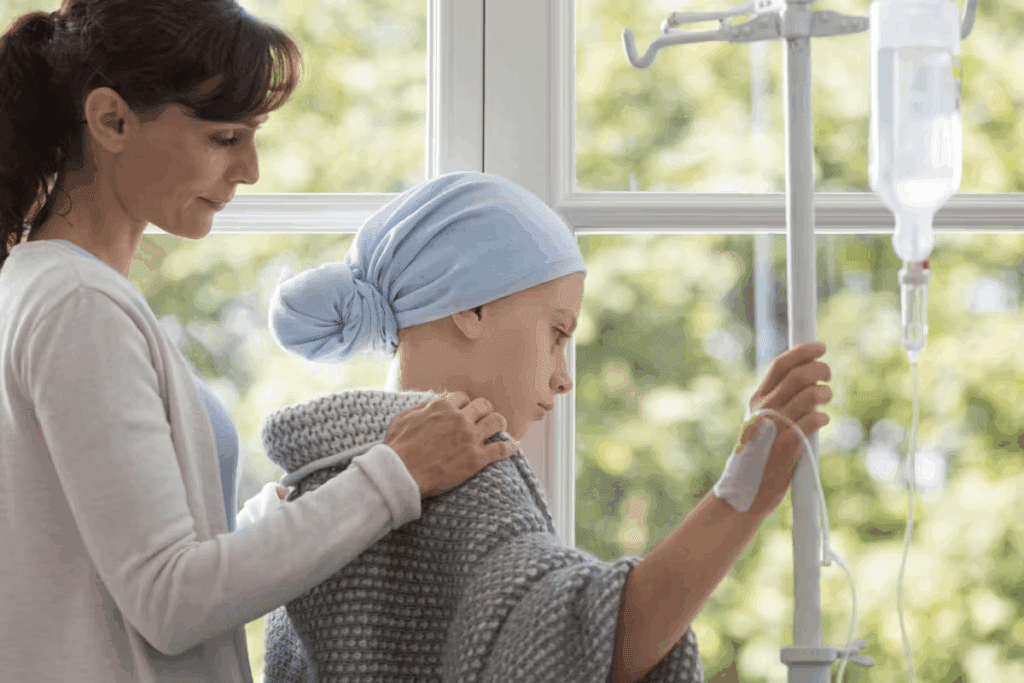
It’s key to understand the death rates from pediatric cancer to find better treatments. The rates show how serious and complex cancers in kids are.
Current Statistics on Childhood Cancer Deaths in the US
In 2014, the CDC found that brain cancer caused nearly one-third of pediatric cancer deaths. This shows how deadly some cancers in children are. Childhood cancer death statistics show different patterns in different age groups and demographics.
Age-Related Mortality Patterns
Death rates from pediatric cancer change with age. Young kids are more likely to die from cancers like neuroblastoma and brain tumors. As kids get older, the types of cancer they get and their death rates also change.
Geographic and Demographic Variations
There are big differences in pediatric cancer death rates around the world. Some places and groups have higher rates because of things like healthcare access, money status, and genetics.
Studying these patterns helps us make better plans to help kids with cancer. By knowing what affects pediatric cancer mortality rates, we can try to lower the number of childhood cancer deaths.
The Deadliest Pediatric Cancer: DIPG
Diffuse intrinsic pontine glioma is a rare and aggressive brain tumor that mainly hits kids. It has a very low survival rate. About 80% of brainstem tumors in children are DIPG, with a median survival of just 11 months. This shows how tough DIPG is in treating kids with cancer.
What Makes Diffuse Intrinsic Pontine Glioma So Lethal
DIPG is deadly for a few reasons, mainly its location and how it grows. Knowing these helps us understand why DIPG is so dangerous for kids.
Location in the Brain Stem
DIPG grows in the brain stem. This area controls important things like breathing and heart rate. The tumor’s spot makes surgery very risky, if not impossible, because of the nearby vital structures. This makes treatment hard, leading to a poor outlook.
DIPG is also deadly because of how it grows. The tumor cells spread into the brain, making it hard to tell where the tumor ends and healthy brain starts. This makes surgery and targeted treatments even harder. So, DIPG is a big challenge in treating kids with brain cancer.
In summary, DIPG’s location in the brain stem and its growth pattern make it very deadly. The facts about DIPG, like it being 80% of brainstem tumors in kids and a survival of just 11 months, show we need better treatments and more research.
High-Mortality Brain Cancers in Children
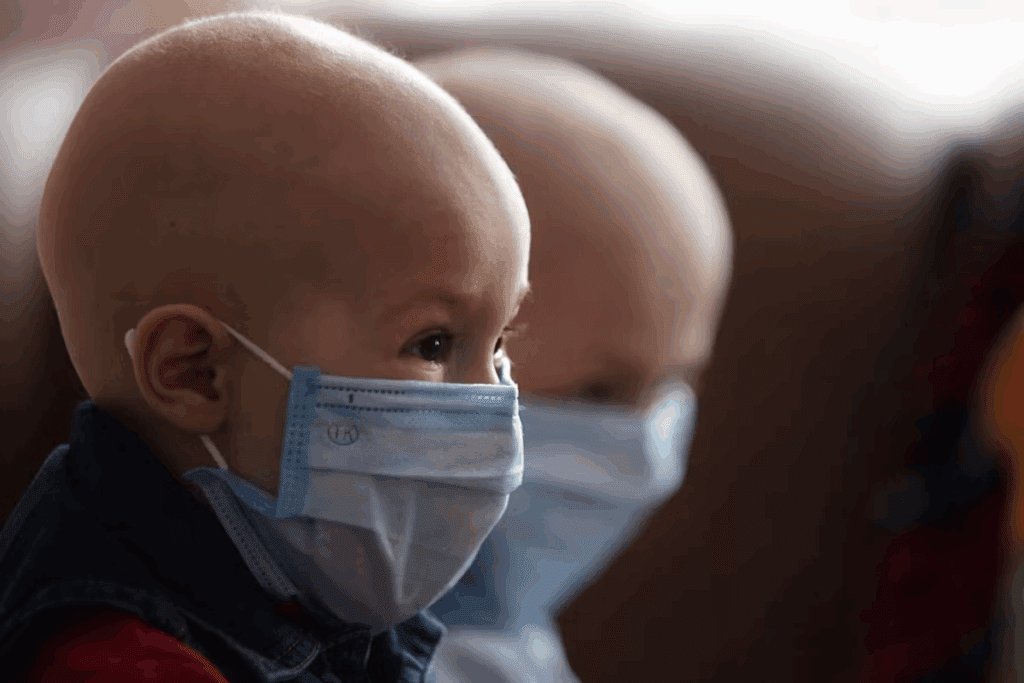
Brain cancers like medulloblastoma and high-grade gliomas are big problems in kids. They grow fast and are hard to treat. We need to know more about them to help kids.
Medulloblastoma
Medulloblastoma is a brain tumor that mostly hits kids. It starts in the cerebellum, which helps with movement and balance. This tumor can spread to other parts of the brain and spine.
Group 3 and 4 Subtypes
Medulloblastomas are divided into four types (WNT, SHH, Group 3, and Group 4). Group 3 and 4 are more aggressive and have a worse outlook. Knowing the differences helps us find better treatments.
High-Grade Gliomas
High-grade gliomas, like glioblastoma, are very aggressive brain tumors. They grow fast and don’t respond well to treatment. Kids’ gliomas are different from adults’, so we need to study them more.
Molecular Characteristics
High-grade gliomas in kids have unique genetic changes. Some have the H3K27M mutation, which makes them even harder to treat. Knowing these changes is key to finding new treatments.
| Cancer Type | Characteristics | Prognosis |
| Medulloblastoma | Malignant tumor originating in the cerebellum, potentially spreading through CSF | Variable, poorer in Group 3 and 4 |
| High-Grade Gliomas | Highly malignant, rapid growth, resistant to conventional treatments | Generally poor, worse with H3K27M mutation |
Neuroblastoma: Advanced Stage Challenges
Neuroblastoma is a tough fight in pediatric oncology, mainly in its advanced stages. It starts from immature nerve cells and can grow fast. This makes it hard to treat if caught late.
High-Risk Neuroblastoma Characteristics
High-risk neuroblastoma has certain genetic and clinical signs that affect treatment success. MYCN amplification and metastatic disease are key factors that make treatment harder.
MYCN Amplification
MYCN amplification means the tumor grows faster and is harder to treat. This makes doctors need to use stronger treatments.
Metastatic Disease
When cancer has spread at diagnosis, it’s a sign of high-risk neuroblastoma. This makes it tough to treat with surgery and radiation.
Knowing these high-risk signs is key to making good treatment plans. Research on new treatments like targeted and immunotherapies gives hope for better neuroblastoma survival rates. Despite the hurdles, progress in treating high-risk neuroblastoma and other pediatric cancer treatment challenges keeps moving forward.
Bone and Soft Tissue Sarcomas with Poor Outcomes
Pediatric bone and soft tissue sarcomas are tough to treat. They grow fast and can spread, making treatment hard.
Ewing’s Sarcoma in Advanced Stages
Ewing’s Sarcoma is a fast-growing bone cancer. It mainly hits kids and young adults. When it’s advanced, it’s hard to fight because it spreads quickly.
Metastatic Disease Patterns
Ewing’s Sarcoma often spreads to the lungs, bones, and bone marrow. Knowing this helps doctors plan better treatments.
| Metastatic Site | Frequency | Prognosis |
| Lungs | Common | Poor |
| Bones | Frequent | Guarded |
| Bone Marrow | Less Common | Very Poor |
Rhabdomyosarcoma: Aggressive Variants
Rhabdomyosarcoma comes from muscle cells. Its aggressive types, like the alveolar subtype, are hard to treat.
Alveolar Subtype Challenges
The alveolar subtype of Rhabdomyosarcoma is very aggressive. It has a bad outlook, mainly for kids. It’s driven by specific genetic changes.
It’s key to understand bone and soft tissue sarcomas to improve treatment. Researchers are working on new treatments, like targeted therapies and immunotherapy.
Rare but Deadly: Pediatric Pancreatic and Liver Cancers
Pancreatic and liver cancers in kids are very rare and deadly. They need special care and research. These cancers are tough because they grow fast and treatments are limited.
Pancreatic Cancer in Children
Pancreatic cancer in kids is very rare. It makes up a small part of all childhood cancers. But when it happens, it can be very aggressive.
Pediatric pancreatic cancer differs from that in adults. It has different types and genetic traits.
Solid Pseudopapillary Neoplasms
One common pancreatic tumor in kids is the solid pseudopapillary neoplasm (SPN). SPNs are usually not very dangerous and have a good chance of being cured with surgery. But, they can become dangerous, so kids need to be closely watched.
Pancreatoblastoma
Pancreatoblastoma is another rare pancreatic tumor in kids. It grows fast and can spread. Treatment often includes surgery and chemotherapy, and the outcome depends on how early it’s caught.
“The management of pancreatic cancer in children requires a multidisciplinary approach, including surgery, chemotherapy, and sometimes radiation therapy, tailored to the specific histological type and stage of the disease.”
| Type of Pancreatic Tumor | Characteristics | Treatment Approach |
| Solid Pseudopapillary Neoplasm | Low-grade malignancy, typically benign behavior | Surgical resection |
| Pancreatoblastoma | Aggressive, potentially metastatic | Surgery and chemotherapy |
These cancers are so rare, we need to work together to find better treatments. By learning more about these cancers, doctors can create better plans to help kids.
Leukemia and Lymphoma: When Treatment Fails
Dealing with leukemia and lymphoma is tough, even when treatments don’t work. Leukemia is a common childhood cancer. Lymphoma affects the immune system. When treatments fail, it’s hard for patients, families, and doctors.
Refractory and Relapsed Acute Myeloid Leukemia
AML is a fast-growing leukemia. Cases that don’t respond to treatment are tough to handle. High-risk cytogenetic profiles make treatment plans harder.
High-Risk Cytogenetic Profiles
Cytogenetic analysis helps understand AML’s genetic issues. High-risk profiles mean a worse outlook. Some chromosomal problems make treatments less effective.
Treatment-Resistant Acute Lymphoblastic Leukemia
ALL is the top childhood leukemia. While treatments have improved, resistant ALL is a worry. Philadelphia Chromosome-Positive ALL is hard to treat.
Philadelphia Chromosome-Positive ALL
The Philadelphia chromosome is a genetic issue. This ALL type has seen better treatment with targeted therapies. But, it can resist these treatments too.
| Cancer Type | 5-Year Survival Rate | Common Challenges |
| Acute Myeloid Leukemia (AML) | Approx. 30-40% | Treatment resistance, relapse |
| Acute Lymphoblastic Leukemia (ALL) | Approx. 90% | Treatment resistance, Philadelphia chromosome positivity |
It’s key to know the hurdles of treatment failure in leukemia and lymphoma. New treatments and therapies give hope for better results.
Diagnosing Deadly Pediatric Cancers
The first signs of deadly pediatric cancers can be tricky to spot. This makes it hard to catch them early. Doctors need to be very careful and know how these cancers can look like other, less serious problems.
Warning Signs Often Missed
Pediatric cancers often show symptoms that look like other, harmless conditions. This can cause a delay in finding out what’s wrong. And this delay can affect how well the treatment works.
Nonspecific Symptoms
Feeling tired, not wanting to eat, and feeling generally unwell are common in kids. These symptoms can make it hard to spot cancer early. Early detection is key to saving lives.
Delayed Presentation
Getting to the doctor late can make finding cancer even harder. Not knowing the signs or not going to the doctor fast enough are big problems. This is because parents and doctors might not always know what to look for.
| Common Symptoms | Possible Causes | Action Required |
| Persistent headaches | Brain tumors | Neurological examination |
| Unexplained weight loss | Various cancers | Comprehensive diagnostic workup |
| Bone pain | Bone or soft tissue sarcomas | Imaging studies (X-rays, MRI) |
Awareness and education among doctors and parents are vital. They help catch cancer early and save lives.
Treatment Challenges in High-Mortality Pediatric Cancers
Treating high-mortality pediatric cancers is tough. Current therapies have their limits. Even with medical progress, some cancers in kids don’t do well.
Limitations of Current Therapies
Today’s treatments for kids’ cancers have big hurdles. Many treatments can’t target cancer cells well without harming the child.
Blood-Brain Barrier Issues
The blood-brain barrier is a big problem for brain cancers. It keeps the brain safe but blocks many treatments from reaching tumors. This makes treating brain cancers, like DIPG, very hard.
Pediatric-Specific Dosing Challenges
Getting the right dose for kids is hard. Kids’ bodies are growing and are different from adults. It’s tricky to find safe and effective doses for them.
These challenges show we need new ways to treat high-mortality pediatric cancers. Key issues include:
- Treatment Resistance: Many pediatric cancers resist current treatments.
- Limited Drug Delivery: Barriers like the blood-brain barrier make it hard to get drugs to tumors.
- Dosing Complexity: Finding the right dose for kids is complex because of their growing bodies.
We need more research for new therapies and treatment plans for kids’ cancers.
Research and Hope: Emerging Treatments
New treatments, like immunotherapy, bring hope to kids with aggressive cancers. These methods aim to hit cancer cells hard and cut down on side effects. This is a big change from old treatments.
Immunotherapy Breakthroughs
Immunotherapy is a new hope for kids with cancer. It uses the body’s immune system to find and kill cancer cells. This is a big step forward.
CAR T-Cell Therapy
CAR T-cell therapy changes a patient’s T-cells to fight cancer. It’s shown great promise in treating leukemia and lymphoma. This could be a game-changer.
- Targets specific cancer cells
- Can lead to long-term remission
- Ongoing research to expand its application to other pediatric cancers
Checkpoint Inhibitors
Checkpoint inhibitors help the immune system fight cancer better. They remove the brakes that stop it from attacking cancer cells. This has shown promise in treating many cancers.
These new treatments offer hope to kids with cancer and their families. As research keeps going, we might see better results and more kids surviving.
Conclusion
Pediatric cancer is a big challenge in the United States. Some types are more deadly than others. Diffuse Intrinsic Pontine Glioma (DIPG), neuroblastoma, and certain leukemias are among the worst. They have low survival rates and few treatment options.
We need more research to find better treatments. Knowing how deadly these cancers are helps us focus on finding new ways to fight them. This is key to creating targeted therapies.
New treatments like immunotherapy give us hope. They might help children with these cancers live longer. By pushing for more research and awareness, we can work towards better survival rates. This will help reduce the number of children dying from cancer.
FAQ
What is the deadliest form of pediatric cancer?
Brain cancer, like Diffuse Intrinsic Pontine Glioma (DIPG), is now the deadliest in kids. It’s even worse than leukemia.
What are the current statistics on childhood cancer deaths?
Brain cancer leads to the most cancer deaths in kids. DIPG is a big reason for this.
What makes DIPG so lethal?
DIPG is very deadly because it grows in the brain stem. This makes it hard to treat.
What are the characteristics of high-mortality brain cancers in children?
Cancers like medulloblastoma and high-grade gliomas grow fast. They also don’t respond well to treatment.
What are the challenges associated with advanced-stage neuroblastoma?
Neuroblastoma in advanced stages is very risky. MYCN amplification and bad histology make treatment tough.
What are the aggressive variants of bone and soft tissue sarcomas?
Ewing’s sarcoma and rhabdomyosarcoma are aggressive. They are hard to treat, leading to poor outcomes.
What are the challenges associated with pancreatic and liver cancers in children?
Pancreatic and liver cancers in kids are rare but deadly. They have few treatment options and poor survival rates.
What happens when treatment fails for leukemia and lymphoma?
When leukemia and lymphoma treatment fails, cases become refractory or relapsed. This leads to poor outcomes and the need for new treatments.
What are the challenges in diagnosing deadly pediatric cancers?
Diagnosing deadly cancers in kids is hard. Symptoms are often vague, leading to late diagnosis and poor outcomes.
What are the limitations of current therapies for high-mortality pediatric cancers?
Current treatments for deadly cancers in kids have limits. They can be resistant and have harsh side effects. New treatments are needed.
What are the emerging treatments for pediatric cancers?
New treatments like immunotherapy and targeted therapies offer hope. They aim to improve outcomes in pediatric cancers.
What is the survival rate for children with neuroblastoma?
Survival rates for neuroblastoma depend on the stage and risk. High-risk cases have a poorer prognosis.
How does Ewing’s sarcoma affect children?
Ewing’s sarcoma is a bone cancer in kids. Advanced stages are tough to treat and have poor outcomes.
References
- Siegel, R. L., & Miller, K. D. (2025). Cancer statistics, 2025. CA: A Cancer Journal for Clinicians, 75(1), 7-33. Retrieved from https://pubmed.ncbi.nlm.nih.gov/39817679/