Last Updated on December 1, 2025 by Bilal Hasdemir

Diagnosing leukemia usually starts with a doctor’s visit, says the Canadian Cancer Society. Knowing the symptoms can help spot early signs.
It’s important to know the symptoms to watch for. While only doctors can confirm leukemia, noticing warning signs can lead to a quick doctor’s visit.
Key Takeaways
- Diagnosing leukemia requires a doctor’s visit.
- Being aware of leukemia symptoms is key for early detection.
- Spotting signs at home can lead to a timely medical check-up.
- Understanding leukemia symptoms helps decide if you need a doctor’s visit.
- Recognizing warning signs can lead to early diagnosis.
Understanding Leukemia: What You Need to Know

Leukemia is not just one disease but a group of blood cancers. It comes in acute and chronic forms, each needing its own treatment plan. An expert Clinic says early detection is key for effective treatment.
Types of Leukemia and Their Prevalence
There are several types of leukemia. The main ones are acute lymphocytic leukemia (ALL), acute myeloid leukemia (AML), chronic lymphocytic leukemia (CLL), and chronic myeloid leukemia (CML). Knowing about these types helps us understand the risks and symptoms.
Why Early Detection Matters
Early detection of leukemia is very important. It can lead to better treatment outcomes and a better quality of life. When leukemia is caught early, treatment can start sooner. This can improve survival rates and lower the risk of complications.
Impact on Treatment Outcomes
Timely diagnosis allows for more effective treatment planning. For example, acute leukemia needs quick treatment, often with intensive chemotherapy. On the other hand, chronic leukemia might be watched closely before starting treatment.
Quality of Life Considerations
Early detection improves treatment outcomes and quality of life. It helps patients avoid severe symptoms and undergo less intense treatments. This way, they can maintain a better quality of life.
“Early diagnosis and treatment of leukemia can significantly improve survival rates and patient outcomes.” A medical expert
It’s important to recognize the symptoms of leukemia for early detection. Common symptoms include fatigue, weight loss, and frequent infections. Knowing these signs can help people get medical help sooner, leading to an earlier diagnosis.
Common Symptoms of Leukemia to Monitor at Home
It’s important to know the common symptoms of leukemia early. Leukemia is a blood cancer that shows in different ways. People can watch for these signs at home.
Physical Symptoms to Watch For
Visible Changes in Appearance
Leukemia can make your skin look different. You might notice pale skin or bruises and petechiae (small red spots).
Energy and Activity Levels
Fatigue and weakness are big signs. Feeling tired all the time can really affect your daily life.
Behavioral and Systemic Changes
Sleep Patterns and Night Sweats
Leukemia can mess with your sleep and cause night sweats. These signs show how your body is reacting to the disease.
Appetite and Weight Changes
Changes in appetite and weight loss can also be signs. Watching these changes can help you understand your health better.
| Symptom | Description |
| Fatigue | Persistent tiredness and weakness |
| Night Sweats | Recurring sweats during the night |
| Weight Loss | Unexplained loss of weight |
Ruling Out Leukemia at Home: What’s Possible and What’s Not
Trying to diagnose leukemia at home is tempting but limited. A full medical check-up is needed for a proper diagnosis.
The Limitations of Home Assessment
Self-diagnosis can be tricky because leukemia symptoms are complex. They can look like other illnesses.
Why Self-Diagnosis Is Problematic
Self-diagnosis can cause stress or delay getting help. Leukemia symptoms are often vague. This makes it hard to spot the disease without tests.
The Role of Medical Testing
Tests like blood work and bone marrow biopsies are key for diagnosing leukemia. An expert clinic says only tests can confirm it.
Tools and Observations That Can Help
Home checks have their limits, but some tools can help spot symptoms.
Symptom Tracking Methods
Keeping a symptom journal is helpful. It tracks changes and patterns. It gives doctors important info. Watch for:
- Unexplained fatigue
- Bleeding or bruising easily
- Fever or chills
- Recurring infections
Home Health Monitoring Devices
Devices like thermometers and blood pressure monitors offer useful data. But remember, they can’t diagnose leukemia.
In summary, while home monitoring is possible, only medical tests can confirm leukemia. Knowing what home checks can and can’t do is key. It helps spot symptoms and get timely medical help.
Unexplained Bruising and Bleeding: What It Could Mean
Unexplained bruising and bleeding can be scary and might mean a serious health issue, like leukemia. The Canadian Cancer Society says these signs can point to leukemia. It’s key to know when these signs are more than just minor problems.
Normal vs. Concerning Bruising Patterns
Bruising is common, but some patterns need a doctor’s check. The size, location, and cause of the bruise can tell if it’s serious.
Location and Size Considerations
Bruises in odd places or that are big might be serious. For example, bruises on the back, belly, or face without a reason are concerning.
Bruising Without Trauma
Bruising without any apparent trauma is a big red flag. If you bruise easily without bumping into anything, it’s time to look into it.
When Bleeding Requires Medical Attention
Bleeding that won’t stop or keeps coming back is a warning sign. Some types of bleeding are more serious than others.
Nosebleeds and Gum Bleeding
Frequent nosebleeds or gum bleeding could mean blood disorders, like leukemia. Don’t ignore these signs, even if they seem small.
Unusual Bleeding Patterns
Any odd bleeding, like gums bleeding while brushing or sudden nosebleeds, needs a check-up. Below is a table of concerning bleeding patterns.
| Bleeding Type | Normal Occurrence | Concerning Signs |
| Nosebleeds | Occasional, due to dry air or minor trauma | Frequent, heavy, or prolonged |
| Gum Bleeding | Occasional, during brushing or flossing | Frequent, spontaneous, or heavy |
| Bruising | After trauma or minor injuries | Without trauma, frequent, or large bruises |
Knowing the difference between normal and serious bruising and bleeding can help you know when to see a doctor. If you notice any concerning signs, it’s important to talk to a healthcare professional.
Monitoring Fatigue and Weakness: Is It Leukemia or Something Else?
Fatigue is a common symptom of leukemia. But, it can also be caused by many other things. Knowing the causes and signs of fatigue is key to figuring out if it’s leukemia or something else.
Common Causes of Fatigue
Lifestyle and Environmental Factors
Lack of sleep, stress, and bad nutrition can make you feel tired. Making lifestyle changes can help fight tiredness.
Medical Conditions Associated with Fatigue
Conditions like anemia, diabetes, and hypothyroidism can also make you tired. It’s important to find and treat these conditions to lessen fatigue.
Distinguishing Between Normal Tiredness and Possible Warning Signs
Duration and Severity Assessment
It’s important to check how long and how bad the tiredness is. If it lasts a long time and doesn’t get better with rest, it might be a sign of a health problem.
Response to Rest and Recovery
Seeing how tiredness reacts to rest is also key. If rest doesn’t help, it could mean there’s a problem like leukemia.
Fever, Infections, and Immune System Concerns
Unexplained fever or infections might mean you need to look into leukemia. Fever and infections that keep coming back show your immune system might be weak. This is often seen in leukemia.
Tracking Fever Patterns at Home
Watching your fever at home can tell you a lot about your health. Keeping a log of your temperature can spot any unusual patterns.
Using Temperature Logs Effectively
To track your temperature well, take it at the same time every day. Also, note any other symptoms like chills or sweating.
Fever Characteristics That Raise Concern
- High fever above 103°F (39.4°C)
- Fever lasting more than 3 days
- Fever with symptoms like night sweats or weight loss
Recurring Infections as a Possible Warning
Getting infections over and over can mean your immune system is weak. This is often due to leukemia. Some infections are more serious than others.
Types of Infections to Watch For
- Frequent respiratory infections
- Recurring skin infections
- Infections that take longer than usual to heal
Healing Time and Treatment Response
Notice how fast infections heal and how well they respond to treatment. If they heal slowly or don’t respond well, it’s a warning sign.
The Canadian Cancer Society says fever and infections can be signs of leukemia. This shows why it’s key to watch for these symptoms.
Bone and Joint Pain: Possible Signs of Leukemia
Bone and joint pain can be caused by many things, including leukemia. An expert Clinic says this pain might be a sign of leukemia. It’s important to know how this pain is different from other types of pain to catch it early.
Characteristics of Leukemia-Related Pain
Leukemia-related pain has its own signs. Location and intensity patterns are important to notice.
Location and Intensity Patterns
Pain from leukemia can happen in different parts of the body. It’s often a deep, aching feeling that doesn’t go away. The pain can get worse at night or when you move around.
Pain That Wakes You at Night
One key sign of leukemia pain is that it can wake you up. This is different from most muscle and bone pain, which usually gets better when you rest.
Differentiating from Common Musculoskeletal Issues
To tell leukemia pain from regular muscle and bone pain, you need to look at a few things.
Age-Related Considerations
Age matters when it comes to pain. Older people might have more muscle and bone pain from wear and tear. Younger people, on the other hand, might have leukemia pain if they also have other symptoms like tiredness or losing weight without trying.
Response to Over-the-Counter Pain Relief
How pain reacts to over-the-counter medicines is also important. Leukemia pain might not get better with usual pain relievers. But muscle and bone pain usually does.
Watching how long and what kind of pain you have is key. If you also have other symptoms that worry you, see a doctor right away. Catching leukemia early is very important for treatment.
Checking for Swollen Lymph Nodes and Abdominal Changes
It’s important to watch for swollen lymph nodes and changes in the abdomen. These signs might mean you have leukemia and need to see a doctor.
How to Perform a Basic Lymph Node Check
To check for swollen lymph nodes, look at certain parts of your body.
Key Areas to Examine
Check the neck, armpits, and groin. These are where lymph nodes are usually found.
What Normal vs. Abnormal Feels Like
Normal lymph nodes are small and soft. But if they’re big, hard, or sore, it could be a problem.
Abdominal Changes That Warrant Attention
Changes in the abdomen can also point to leukemia. Look for signs of a big spleen or liver.
Spleen and Liver Enlargement Signs
An enlarged spleen or liver might hurt in the upper left or right belly.
Digestive Symptoms and Appetite Loss
Leukemia can also mess with your stomach. You might not want to eat or feel full too fast.
Early Signs of Leukemia in Children: What Parents Should Know
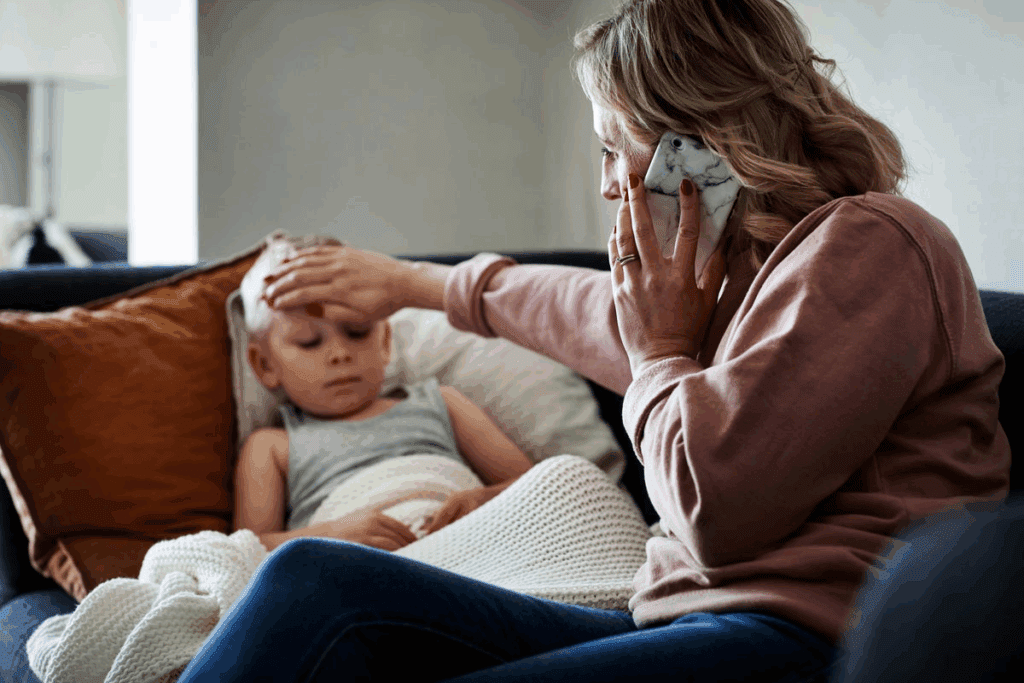
Leukemia is a blood cancer that can show up differently in kids. It’s key for parents to know the unique signs. Some symptoms might look like common childhood illnesses, but others are more specific and need quick action.
Unique Symptoms in Children
Kids with leukemia might show symptoms that don’t look like usual viral infections. These can include:
Behavioral Changes to Watch For
Keep an eye out for changes in your child’s behavior. Look for increased irritability, lethargy, or feeling unwell. These signs might be small but are very important.
Physical Symptoms Specific to Children
Some physical signs are very noticeable in kids. Look for pale skin, fatigue, and frequent infections. Frequent or unexplained bruising and bleeding are also big concerns.
Monitoring Your Child’s Health at Home
Keeping an eye on your child’s health can help catch problems early. Parents can do simple checks and notice any changes in their child’s condition.
Age-Appropriate Assessment Techniques
For younger kids, check for swollen lymph nodes or notice changes in appetite and energy. Older kids can talk about symptoms like bone pain or feeling tired.
When to Contact Your Pediatrician
If your child has symptoms that don’t go away or are very bad, call a pediatrician. Early help can lead to quick diagnosis and treatment.
| Symptom | Description | Action |
| Persistent Fatigue | Unusual tiredness that doesn’t improve with rest | Consult a pediatrician if it persists |
| Unexplained Bruising | Bruises appearing without cause or injury | Monitor and consult if frequent or severe |
| Recurrent Infections | Frequent infections that don’t respond to treatment | Seek medical attention if recurring |
When to Seek Immediate Medical Attention
Knowing the red flag symptoms for leukemia is key. Some symptoms need quick medical help. Being aware can help catch and treat leukemia early.
Red Flag Symptoms That Shouldn’t Wait
Some symptoms are very serious and need quick medical care. These include:
- Severe bleeding or bruising that doesn’t stop
- High fever above 103°F (39.4°C)
- Severe pain, specially in bones or joints
- Shortness of breath or trouble breathing
Emergency Warning Signs
If you have any of these, go to the emergency room right away:
- Chest pain or pressure
- Confusion or trouble staying awake
- Severe headache or stiff neck
Rapid Progression Indicators
Fast-growing symptoms or spreading to more areas are red flags. For example, if swollen lymph nodes grow fast or fever keeps coming back, see a doctor.
Preparing for Your Doctor’s Appointment
Before seeing your doctor, get ready. Writing down your symptoms and questions can help a lot.
Symptom Documentation Tips
Keep a detailed log of your symptoms. Include:
- The date and time they started
- How long they last
- Any factors that make them better or worse
- What tests are needed to diagnose leukemia?
- What are the possible causes of my symptoms?
- What treatment options are there?
Being ready and knowing when to see a doctor can greatly affect your treatment.
Conclusion: Balancing Home Monitoring With Professional Care
Home monitoring is key to spotting leukemia symptoms early. But, it’s also important to get professional help. An expert Clinic says early recognition and medical care can greatly improve treatment results.
Knowing the signs of leukemia, like bruises, tiredness, and swollen lymph nodes, can lead to getting checked by a doctor. Only a doctor can give a correct diagnosis and the right treatment plan.
It’s important to watch for body changes and keep track of symptoms. Knowing when to see a doctor is also vital. This way, you make sure you get the care you need quickly and correctly.
Getting professional care is essential for managing leukemia. By mixing home monitoring with regular doctor visits, you can keep your health in top shape. This helps you deal with any symptoms that worry you.
FAQ
What are the early signs of leukemia in children?
Early signs of leukemia in kids include pale skin and feeling very tired. They might also lose weight or get sick a lot. Look for easy bruising, swollen lymph nodes, and belly pain too.
How can I identify leukemia symptoms at home?
Look for signs like unexplained bruises or bleeding, and skin that’s too pale or flushed. Also, watch for fevers that keep coming back and feeling very tired. Swollen lymph nodes, belly pain, and not wanting to eat are other signs.
What is the difference between normal tiredness and leukemia-related fatigue?
Normal tiredness gets better with rest. But, if you’re always tired and it doesn’t get better, it might be leukemia. Talk to a doctor if you’re tired all the time.
Can I check for swollen lymph nodes at home?
Yes, you can feel for swollen lymph nodes at home. Check the neck, armpits, and groin gently. But, swollen nodes can mean different things, not just leukemia.
When should I seek medical attention for unexplained bruising or bleeding?
See a doctor if you bruise or bleed a lot, or if it happens often. Also, if you’re tired, losing weight, or keep getting sick, get help.
Are recurring infections a sign of leukemia?
Yes, getting sick a lot can mean your immune system is weak. This is a sign of leukemia. Talk to a doctor if you keep getting infections.
How can I distinguish between common musculoskeletal issues and leukemia-related bone pain?
Bone pain from leukemia is constant and can be very bad. It often comes with tiredness, weight loss, or bruising. If your bone pain doesn’t go away or is very bad, see a doctor.
What are the red flag symptoms that require immediate medical attention?
Get help right away for severe bleeding, trouble breathing, bad belly pain, or extreme tiredness. These are serious signs that need quick medical help.
How can I prepare for a doctor’s appointment to discuss possible leukemia symptoms?
Write down your symptoms, when they started, and how long they’ve lasted. Also, tell your doctor about your health history and any medicines you take.
Can leukemia be diagnosed at home?
No, you can’t diagnose leukemia at home. You can watch for symptoms, but a doctor must do tests to confirm it.
References
- Vallet, P., et al. (2024). Infections in children and adolescents with Acute Leukemia. European Journal of Pediatrics. https://www.sciencedirect.com/science/article/pii/S2772610X24000011