Last Updated on December 1, 2025 by Bilal Hasdemir

Childhood brain tumors worry parents and caregivers all over the world. Every year, about 4,000 kids in the United States get diagnosed with brain tumors. This makes them a common cancer in kids head tumor symptoms and signs.
Understanding pediatric brain tumors is key for helping international patients. While we’re learning more, we know some genetic and environmental factors raise the risk.
We’re dedicated to top-notch healthcare for international patients. By looking into the latest on brain tumor symptoms in kids and signs of brain tumor in kids, we hope to help.
Key Takeaways
- Childhood brain tumors are a big health worry worldwide.
- Genetic and environmental factors can up the risk of pediatric brain tumors.
- Knowing the causes and symptoms is vital for early detection and treatment.
- Advanced medical treatments are available for international patients.
- Comprehensive support services are key for families dealing with childhood brain tumors.
Understanding Childhood Brain Tumors

It’s key to understand brain tumors in kids to help them get the right treatment. These tumors are complex and need a detailed plan to manage and treat.
Definition and Prevalence
Brain tumors in kids are abnormal cell growths in the brain. They can be either benign or malignant. These tumors are sorted by where they are, what cells they are made of, and how they behave.
Research shows that brain tumors are a common type of solid tumor in kids. The rates vary by age and the type of tumor.
To understand better, let’s look at some numbers:
| Tumor Type | Prevalence in Children | Typical Age Group |
| Medulloblastoma | 15-20% | 3-8 years |
| Glioma | 50-60% | 5-14 years |
| Ependymoma | 5-10% | 2-12 years |
The table shows different brain tumors have different rates in kids. This means we need different ways to diagnose and treat them.
How Brain Tumors Differ in Children vs. Adults

Brain tumors in kids are different from those in adults. Kids often get medulloblastomas, ependymomas, and PNETs. Adults usually get gliomas or meningiomas.
A leading pediatric oncologist says,
“The diversity in tumor types and locations in children necessitates a tailored approach to diagnosis and treatment, distinct from adult protocols.”
Symptoms and signs of brain tumors in kids can change a lot. This depends on where the tumor is and the child’s age. It’s very important to catch these tumors early.
Events like charity horse races help raise money for brain tumor research. By understanding childhood brain tumors, we can help families more and find better treatments.
Types of Pediatric Brain Tumors
It’s important to know about the different types of pediatric brain tumors. This knowledge helps in planning the best treatment. We will look at the main types of brain tumors in kids, their features, and how common they are.
Medulloblastoma
Medulloblastoma is the most common bad brain tumor in kids. It starts in the cerebellum and makes up about 20% of childhood brain tumors. Symptoms include balance and coordination problems, and signs of too much pressure inside the skull. Treatment often includes surgery, chemo, and radiation.
Gliomas and Glioblastoma
Gliomas come from the brain’s glial cells. In kids, they can be slow-growing or very aggressive. Glioblastoma is rare in kids but serious. The treatment depends on the tumor’s type and where it is.
DIPG (Diffuse Intrinsic Pontine Glioma)
DIPG is a very bad and fast-growing glioma in the brainstem. It mostly hits kids aged 5 to 9. There are few treatment options, and the outlook is not good, despite research for new treatments.
Ependymoma and Other Common Types
Ependymomas start from cells in the ventricles and spinal cord. They are most common in young kids. Other common tumors include craniopharyngiomas, germ cell tumors, and PNETs. Each has its own traits and treatment challenges.
We’ve covered the main types of pediatric brain tumors. We’ve highlighted their unique features and why accurate diagnosis is key for good treatment.
- Medulloblastoma: Common in children, involves the cerebellum.
- Gliomas and Glioblastoma: Range from low-grade to high-grade, vary in treatment.
- DIPG: Aggressive, occurs in the brainstem, poor prognosis.
- Ependymoma: Arises from ependymal cells, varies in age of onset.
Genetic Causes of Childhood Brain Tumors
Brain tumors in kids have many causes, both inherited and random. Knowing these causes helps doctors plan better treatments. It also gives families important information about their child’s condition.
Inherited Genetic Syndromes
Some genetic syndromes raise the risk of brain tumors in kids. These include:
- Li-Fraumeni Syndrome: A rare disorder that greatly increases cancer risk, including brain tumors.
- Neurofibromatosis Type 1 and 2: These conditions can cause tumors in the nervous system, including the brain.
- Turcot Syndrome: A rare condition that links brain tumors with colon polyps.
Children with these syndromes need regular check-ups and genetic advice to manage their risk.
Spontaneous Genetic Mutations
Not all genetic changes that cause brain tumors are passed down. Many happen by chance. Scientists are studying these random mutations to learn more about them.
Are Brain Tumors Hereditary?
While some brain tumors run in families, most are not. But, a family history of certain conditions can raise a child’s risk. It’s key for families to talk about their health history with doctors to understand their risks.
| Genetic Condition | Risk Level | Associated Brain Tumors |
| Li-Fraumeni Syndrome | High | Gliomas, Medulloblastomas |
| Neurofibromatosis Type 1 | Moderate to High | Optic Gliomas, Neurofibromas |
| Turcot Syndrome | High | Medulloblastomas, Glioblastomas |
Knowing the genetic reasons for brain tumors in kids helps families and doctors make better choices. Research into these factors is ongoing, leading to new ways to prevent and treat these tumors.
Environmental Risk Factors and Causes
Research is ongoing to understand how environmental exposures lead to childhood brain tumors. It’s vital to explore these causes to help prevent brain tumors in kids.
Radiation Exposure
Radiation is a key environmental risk factor for brain tumors in children. Ionizing radiation, in particular, is linked to these tumors. This radiation can come from medical treatments, nuclear fallout, and some industrial activities.
Studies show that young children exposed to ionizing radiation face a higher risk of brain tumors. For example, kids who had radiation therapy for other cancers are more likely to get secondary brain tumors.
Chemical Exposures
Chemical exposures are also being studied for their link to brain tumors in children. Pesticides and solvents are among the chemicals being looked at for their possible harmful effects.
While the research is ongoing, some studies hint that exposure to certain chemicals might raise the risk of brain tumors. This is true, in particular, for exposure during pregnancy or early childhood.
| Chemical | Potential Risk | Exposure Source |
| Pesticides | Increased risk of brain tumors | Home use, agricultural exposure |
| Solvents | Possible link to brain tumors | Industrial exposure, household products |
Other Environmental Triggers
Other environmental factors are also being explored for their role in childhood brain tumors. These include electromagnetic fields (EMFs) and certain infections.
The research on EMFs, like those from power lines or wireless devices, is ongoing. More study is needed to understand any risks they might pose.
By learning about these environmental risks, we can work on preventing and early detecting brain tumors in children.
Prenatal and Congenital Factors
Prenatal and congenital factors are key in the development of brain tumors in kids. Studying these areas can help us understand the causes. It can also guide us in finding ways to detect and prevent these tumors early.
Maternal Health During Pregnancy
Maternal health is very important for the baby’s growth. Things like infections, not eating right, and health issues can affect the baby. These can raise the risk of brain tumors.
- Maternal Infections: Some research shows infections in the mom can up the risk of brain tumors in kids.
- Nutritional Factors: What the mom eats is key for the baby’s brain growth. Not getting enough nutrients can harm the baby’s brain.
- Medical Conditions: If the mom has health problems like high blood pressure or diabetes, it can affect the baby.
Can Babies Be Born With Brain Tumors?
Yes, babies can be born with brain tumors, but it’s rare. These tumors are present at birth or grow in the first few months.
These tumors can be either benign or cancerous. They can show different symptoms and have different outcomes. Finding and treating them early is very important.
In-Utero Development Factors
In-utero development factors are about what happens in the womb. These can affect the risk of brain tumors.
- Genetic Mutations: Genetic changes that happen in the womb can lead to tumors.
- Environmental Exposures: Exposure to toxins or radiation by the mom during pregnancy can also play a part.
Learning about these prenatal and congenital factors helps us spot risks. It can lead to better ways to diagnose and treat brain tumors.
Age-Related Risk Factors
Age is a key factor in the risk of brain tumors in kids. Each age group has its own risk levels. Knowing these helps us spot kids at risk and take steps to prevent and monitor them.
Infants and Toddlers
Infants and toddlers face a higher risk of brain tumors because their brains are growing fast. Medulloblastoma and gliomas are common in this age. Their brains are more open to changes, which might increase their risk.
It’s hard to tell if a young child is sick because they can’t talk. So, parents and caregivers need to watch for odd behaviors. Look out for crying a lot, not wanting to eat, or acting strangely with their eyes.
School-Age Children
When kids start school, the types of brain tumors they might get change. DIPG (Diffuse Intrinsic Pontine Glioma) is a fast-growing tumor common in this age. Other risks include environmental factors and genes.
School kids can tell us more about how they feel. They might complain of headaches, nausea, or trouble in school. These signs can help doctors find the problem.
Adolescents
Teenagers face different brain tumor risks. Ependymoma and some glioblastoma types are more common in teens. Risks include genes, past radiation, and some environmental factors.
Teens might show symptoms like seizures, vision issues, or mood changes. It’s important for everyone to know these signs. This way, we can catch and treat problems early.
By knowing the risks by age, we can help kids at risk get the care they need sooner.
Head Tumor Symptoms and Signs in Children
The signs of brain tumors in kids can be hard to spot at first. But knowing these signs is key to getting help fast. As caregivers, we must watch for the early signs of a brain tumor.
Early Warning Signs
Finding brain tumors in kids early is tough because the first signs are not clear. But, headaches, nausea, and vomiting are common signs. These happen because the tumor puts pressure on the brain.
Other early signs include changes in mood or energy levels. Kids might also have trouble balancing or moving. Watching for these changes is important, as they can mean something serious is going on.
Location-Specific Symptoms
The place of the tumor in the brain affects the symptoms a child shows. For example, tumors in the cerebellum or brainstem can make it hard to balance. Tumors near the optic nerve can cause vision problems, like blurry vision.
Tumors in areas that control movement can lead to weakness or paralysis. Knowing how the tumor’s location affects symptoms helps doctors find and treat it better.
When to Seek Medical Attention
If a child keeps having headaches, vomiting, or mood changes, get help right away. A doctor or specialist can check these signs and suggest tests if needed.
Getting a diagnosis and starting treatment early can greatly improve a child’s chances. So, it’s important to watch for signs and get medical help quickly to get the best results.
Age-Specific Symptoms of Brain Tumors
The signs of brain tumors change with age in kids. It’s key for parents, caregivers, and doctors to know these signs. This helps get help fast. We’ll look at how symptoms show up in infants, toddlers, and teens, highlighting the unique challenges of finding these tumors at each stage.
Signs in Infants and Newborns
Infants and newborns with brain tumors might not show clear signs. They could have increased head size, vomiting, and irritability. Some might not grow well or reach milestones on time. Parents should watch their baby’s health closely and talk to a doctor if they see anything odd.
Symptoms in Toddlers
Toddlers with brain tumors might show more obvious signs than infants. They could have headaches, nausea and vomiting, and behavior or personality changes. They might also struggle with balance or have weakness in certain areas. Parents should watch for these signs and get medical help if they don’t go away or get worse.
Warning Signs in Teenagers
Teenagers with brain tumors might show symptoms like adults. Look out for persistent headaches, seizures, vision problems, and changes in thinking or behavior. They might also feel sick or vomit, often in the morning. It’s important for teens and their families to know these signs and get medical help if they happen.
Neurological Manifestations
Understanding brain tumors in kids is key for early treatment. These symptoms can really affect a child’s life.
Headaches and Intracranial Pressure
Headaches are common in kids with brain tumors. They happen because the tumor takes up more space in the skull. This puts pressure on the brain.
These headaches can be bad in the morning and get better as the day goes on. But, as the tumor grows, the headaches can get worse.
Vision and Eye-Related Symptoms
Vision problems are a big issue with brain tumors in kids. Symptoms include double vision, blurred vision, or losing part of your vision. This depends on where the tumor is and how it affects your eyes.
Tumors in certain areas can cause eye problems like nystagmus or strabismus. This is because they affect the nerves that control eye movements.
Balance and Coordination Issues
Kids with brain tumors might have trouble with balance and coordination. This is because the tumor affects the cerebellum or its connections. Symptoms can include ataxia, making it hard to walk or do fine motor tasks.
These balance and coordination problems need a detailed check-up. This helps find the cause and figure out how to manage it.
Seizures and Brain Tumors in Children
Seizures are a big worry for kids with brain tumors. They can help doctors figure out where, how big, and what kind of tumor it is. This info is key for planning treatment.
Tumor-Related Seizures
Seizures in kids with brain tumors can be different. They are sorted by when they start, how long they last, and where in the brain they happen. Knowing the type of seizure helps doctors find the cause and treat it right.
Types of Seizures: Kids with brain tumors might have focal or generalized seizures. Focal seizures hit one area, while generalized ones affect both sides of the brain.
Seizures as a Diagnostic Clue
Seizures can help doctors find brain tumors in kids. The details of the seizure, like when it starts and lasts, tell a lot about the tumor.
The semiology of seizures, or the study of the symptoms and signs associated with seizures, can offer important insights into the underlying brain tumor.
Management of Tumor-Induced Seizures
Handling seizures in kids with brain tumors needs a full plan. This includes medicines, changes in lifestyle, and sometimes surgery. The aim is to keep seizures under control without hurting the child’s life too much.
- Antiepileptic Medications: The right medicine depends on the seizure type, the child’s health, and other treatments.
- Lifestyle Modifications: Good sleep, healthy food, and avoiding things that might cause seizures can help.
- Surgical Intervention: Sometimes, surgery is needed to take out the tumor or to put in a device to control seizures.
Understanding seizures and brain tumors helps doctors make better treatment plans. This way, they can tackle the tumor and its symptoms together. This improves life for kids with brain tumors.
Behavioral and Cognitive Changes
Children with brain tumors often show changes in behavior and thinking. These changes can be hard for families to handle. They face many challenges as they try to understand their child’s condition.
Changes in School Performance
Brain tumors can affect a child’s schoolwork. They might find it hard to focus, remember things, or learn new stuff. This makes it tough for them to keep up with their classmates.
“Children with brain tumors often need special help in school,” says a top pediatric oncologist. This help can make a big difference.
Teachers and parents might see a drop in grades or more frustration with school. It’s key for families and schools to work together. They should create a plan that helps the child manage their challenges.
Personality Alterations
Brain tumors can also change a child’s personality. They might become more moody or act differently, like being very quiet or angry. The size and where the tumor is can affect these changes.
Children might pull back or act in ways they never did before. Knowing it’s because of the tumor can help families deal with these changes.
Sleep Disturbances
Children with brain tumors often have trouble sleeping. This can be because of the tumor’s pressure or where it is in the brain. These sleep problems can make thinking and behavior even harder.
Having a regular sleep schedule and a comfy place to sleep can help. Sometimes, doctors need to step in to fix sleep issues.
Looking into how brain tumors affect kids shows we need a full care plan. This plan should cover the tumor’s treatment and the changes in behavior and thinking it causes.
Diagnostic Process for Pediatric Brain Tumors
Diagnosing pediatric brain tumors is a detailed process. It involves several important steps. This process can be tough for families, so we handle it with care and precision.
Initial Evaluation
The first step is to check if a brain tumor is present. Clinical assessment starts with a detailed medical history and physical exam. We look for signs like headaches, nausea, and changes in behavior.
This initial check helps decide what tests to do next.
Imaging Studies
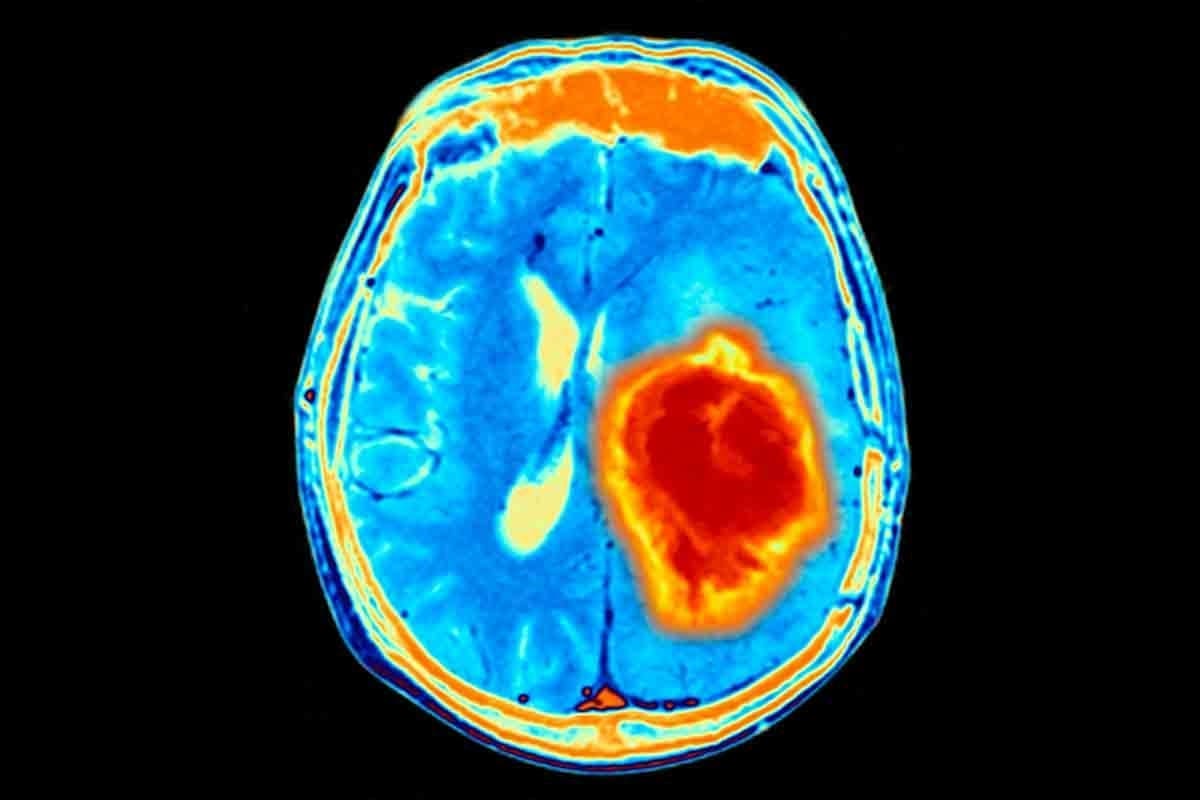
Imaging studies are key in finding brain tumors in kids. Magnetic Resonance Imaging (MRI) is often used because it shows the brain clearly. It helps us see the tumor well.
We might also use Computed Tomography (CT) scans and Positron Emission Tomography (PET) scans. These help us learn more about the tumor.
Biopsy and Pathological Examination
A biopsy is when we remove a tumor sample for testing. This is important to know the tumor’s type and grade.
Pathologists look at the sample under a microscope. They tell us what the tumor is like, which helps decide how to treat it.
Treatment Approaches
Treating pediatric brain tumors involves many steps. We use different treatments based on the tumor type, location, and the child’s needs. This approach helps achieve the best results.
Surgery
Surgery is often the first step for many brain tumors in kids. We aim to remove as much of the tumor as we can without harming the brain. New surgical methods, like intraoperative MRI, have greatly improved success rates.
Key aspects of surgical treatment include:
- Preoperative planning using advanced imaging techniques
- Minimally invasive techniques when appropriate
- Intraoperative monitoring to preserve neurological function
Radiation Therapy
Radiation therapy is key for some brain tumors in kids. It uses high-energy rays to kill cancer cells. We use advanced methods, like proton therapy, to protect healthy tissue.
Types of radiation therapy used in pediatric brain tumor treatment include:
- External beam radiation therapy
- Proton therapy
- Stereotactic radiosurgery
Chemotherapy
Chemotherapy uses drugs to kill cancer cells. It’s often used with surgery and/or radiation. The choice of chemotherapy depends on the tumor type, the child’s age, and other factors.
Benefits of chemotherapy include:
- Systemic treatment to address microscopic spread
- Potential to reduce tumor size before surgery
- Ability to target residual tumor cells after surgery
Emerging Treatments
New treatments for pediatric brain tumors are being researched. These include targeted therapy, immunotherapy, and new delivery methods. They aim to improve results and reduce side effects.
Examples of emerging treatments being studied include:
- Targeted therapies that focus on specific genetic mutations
- Immunotherapies that harness the body’s immune system
- Clinical trials investigating new chemotherapy agents and combinations
Long-term Effects and Survival Rates
It’s important to know how brain tumors in kids affect them long-term. Thanks to better treatments, more kids are beating brain tumors. But, their health and happiness can be affected in many ways.
Prognosis by Tumor Type
The outlook for kids with brain tumors depends on the type. Some tumors are easier to treat than others. For example, medulloblastoma and low-grade gliomas often have better chances of survival. But, high-grade gliomas and DIPG (Diffuse Intrinsic Pontine Glioma) are tougher to beat.
| Tumor Type | 5-Year Survival Rate | Common Long-term Effects |
| Medulloblastoma | 70-80% | Cognitive impairments, hormonal imbalances |
| Low-grade Gliomas | 80-90% | Seizures, cognitive issues, vision problems |
| High-grade Gliomas | 20-30% | Significant cognitive decline, physical disabilities |
| DIPG | <10% | Rapid progression, significant neurological deficits |
Cognitive and Developmental Impacts
Kids who beat brain tumors often face brain challenges. Treatments like radiation and chemo can harm their brains. This can lead to attention deficits, memory problems, and learning disabilities.
Quality of Life Considerations
Improving life for kids with brain tumors is a big challenge. It’s not just about medicine. It’s also about mental health support, education, and social life. Families are key in helping these kids.
Having access to counseling and support groups can really help. As we get better at treating brain tumors in kids, we must focus on their long-term health. Understanding and addressing these effects can make a big difference in their lives.
Supporting a Child with a Brain Tumor
Supporting a child with a brain tumor needs a team effort from family, school, and healthcare. A strong support network is key for the child’s health and treatment success.
Family Resources
Families dealing with brain tumors face tough medical systems and emotional challenges. Access to family resources can really help.
Many groups offer financial help, counseling, and educational materials. Charity events show the power of community support for these families. They bring people together and show care.
| Resource | Description | Benefit |
| Financial Assistance Programs | Helps with medical expenses and other costs | Reduces financial stress |
| Counseling Services | Provides emotional support for families | Enhances mental well-being |
| Educational Materials | Offers information on brain tumors and treatment | Empowers families with knowledge |
School Accommodations
Children with brain tumors might need special help at school. School accommodations are important for their education.
Parents should talk to teachers and school leaders to create an IEP. This plan should meet the child’s needs, like changes to their schoolwork or learning space.
Psychological Support
Brain tumors can deeply affect a child’s mind. Psychological support is vital to help them deal with feelings like anxiety or sadness.
It’s good for families to find professional counseling and support groups. These can be huge help in the child’s treatment journey.
Conclusion
It’s key to understand the causes and effects of childhood brain tumors for better care. We’ve looked at the different types of brain tumors in kids, their signs, and how doctors diagnose them.
Early detection and full support are critical in fighting childhood brain tumors. Families need medical help, but also emotional support and resources. This helps them deal with the tough times they face.
We stress the need for brain tumor support for families. They should get the care and help they need. By spreading awareness and improving care, we can help kids with brain tumors have better outcomes.
As we keep improving in medical research and treatments, we must focus on the well-being of these kids. We want to give them the best chance at a healthy future.
FAQ
What are the most common types of brain tumors in children?
In children, common brain tumors include medulloblastoma, gliomas, and glioblastoma. DIPG (Diffuse Intrinsic Pontine Glioma) and ependymoma are also common. Each type has its own characteristics and frequency.
Are brain tumors in children genetic?
Some brain tumors in kids might be linked to genes, like inherited syndromes or random mutations. But most cases aren’t directly related to family history.
What are the early warning signs of a brain tumor in children?
Signs of a brain tumor in kids can be headaches, nausea, and vomiting. Vision problems, balance issues, and seizures are also common. Changes in behavior or thinking can also signal a tumor.
Can babies be born with brain tumors?
Yes, babies can have brain tumors at birth. These tumors are rare and can be found before or shortly after birth.
How are pediatric brain tumors diagnosed?
Doctors use many steps to diagnose brain tumors in kids. This includes an initial check-up, imaging like MRI or CT scans, and a biopsy or surgery.
What are the treatment options for pediatric brain tumors?
Kids with brain tumors might get surgery, radiation, or chemotherapy. New treatments are also being explored. The best treatment depends on the tumor and the child’s health.
How do brain tumors affect children’s cognitive and developmental progress?
Brain tumors and their treatment can affect kids’ thinking and growth. This might lead to school problems, behavioral changes, and other developmental issues.
What support is available for families of children with brain tumors?
Families can find help, like counseling, school support, and psychological aid. These resources help with the diagnosis and treatment process.
Can seizures be a symptom of a brain tumor in children?
Yes, seizures can be a sign of a brain tumor in kids. The type and how often they happen depend on the tumor and the child’s health.
What is the prognosis for children with brain tumors?
The outlook for kids with brain tumors varies. It depends on the tumor type, where it is, and how well it responds to treatment. Thanks to medical advances, many kids are living longer with these tumors.
References
- National Center for Biotechnology Information. (2025). Neonatal brain tumors. In GeneReviews. https://www.ncbi.nlm.nih.gov/books/NBK535415/
- Kelesidis, I., et al. (2019). Risk factors for childhood and adult primary brain tumors. Frontiers in Oncology, 9, 672. https://www.ncbi.nlm.nih.gov/pmc/articles/PMC6827837/