Last Updated on December 1, 2025 by Bilal Hasdemir

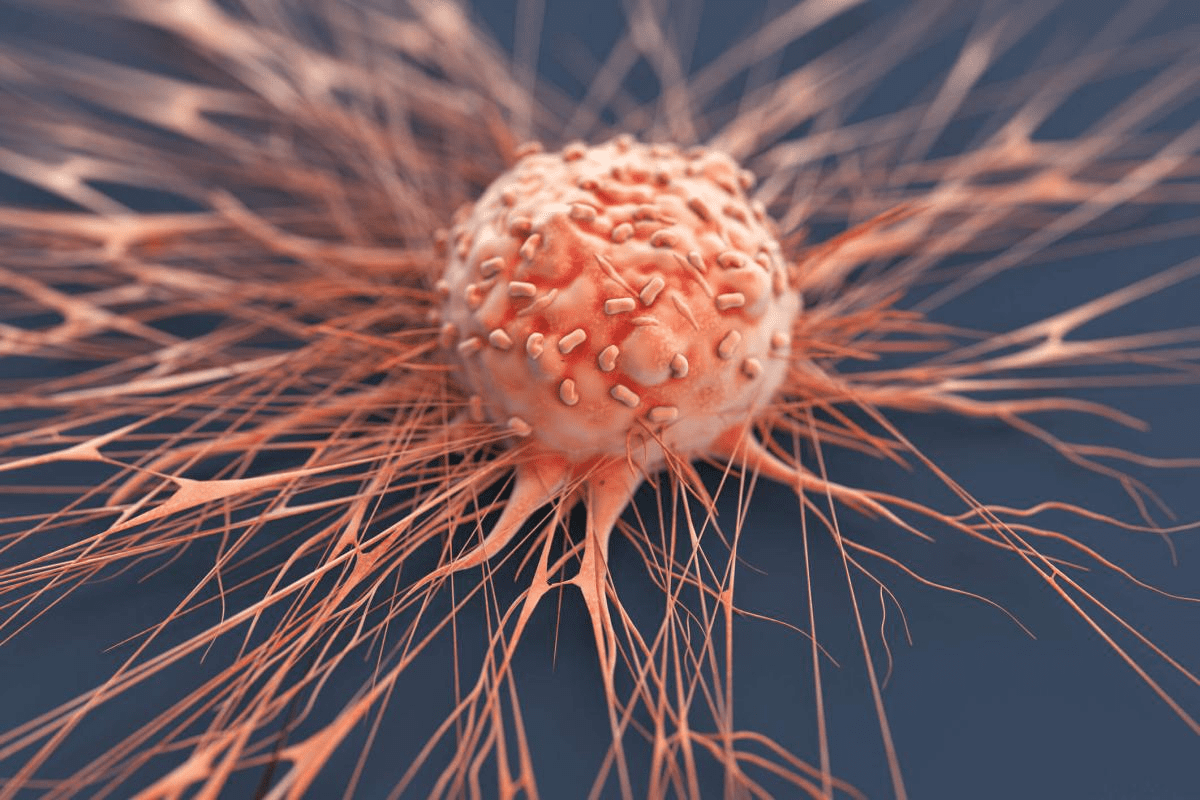
Nearly 23,000 new cases of brain and other nervous system tumors are diagnosed each year in the United States. This highlights the critical need for effective treatments in neuro-oncology.
Understanding neuro-oncology is essential for developing effective treatments. This helps us create new treatments. These treatments need to work with the nervous system and vision.
The field of neuro-ophthalmology is very important. It helps manage vision problems caused by neurological disorders. This includes optic nerve disorders and visual field defects.
Key Takeaways
- Neuro-oncology is a complex field needing new treatments.
- Knowing about tumors’ molecular and genetic makeup is essential.
- Neuro-ophthalmology is key in managing vision problems from neurological disorders.
- Treatments in neuro-oncology are changing fast.
- Good treatment plans need a team effort.
Understanding Neuro-Oncology: An Overview

Neuro-oncology deals with complex conditions, mainly tumors in the central nervous system. This field is key because the brain and spinal cord are very delicate. It’s a critical area of medicine.
Definition and Scope of Neuro-Oncology
Neuro-oncology studies, diagnoses, and treats tumors in the central nervous system. It combines knowledge from neurology, oncology, and sometimes neurosurgery. It covers many types of tumors, both benign and malignant.
This field needs a detailed approach because of the complexity of these tumors. Neurological visual assessment is very important. Many tumors can harm vision and eye movements, causing oculomotor nerve dysfunction.
The Burden of Central Nervous System Tumors
Central nervous system tumors are a big challenge for patients, families, and healthcare. These tumors can start in the brain or spinal cord or spread from other places. They can greatly affect a person’s quality of life, causing symptoms like headaches and seizures.
- Primary brain tumors can be benign or malignant.
- Metastatic brain tumors are typically malignant.
- Spinal cord tumors can cause neurological deficits.
Multidisciplinary Approach to Management
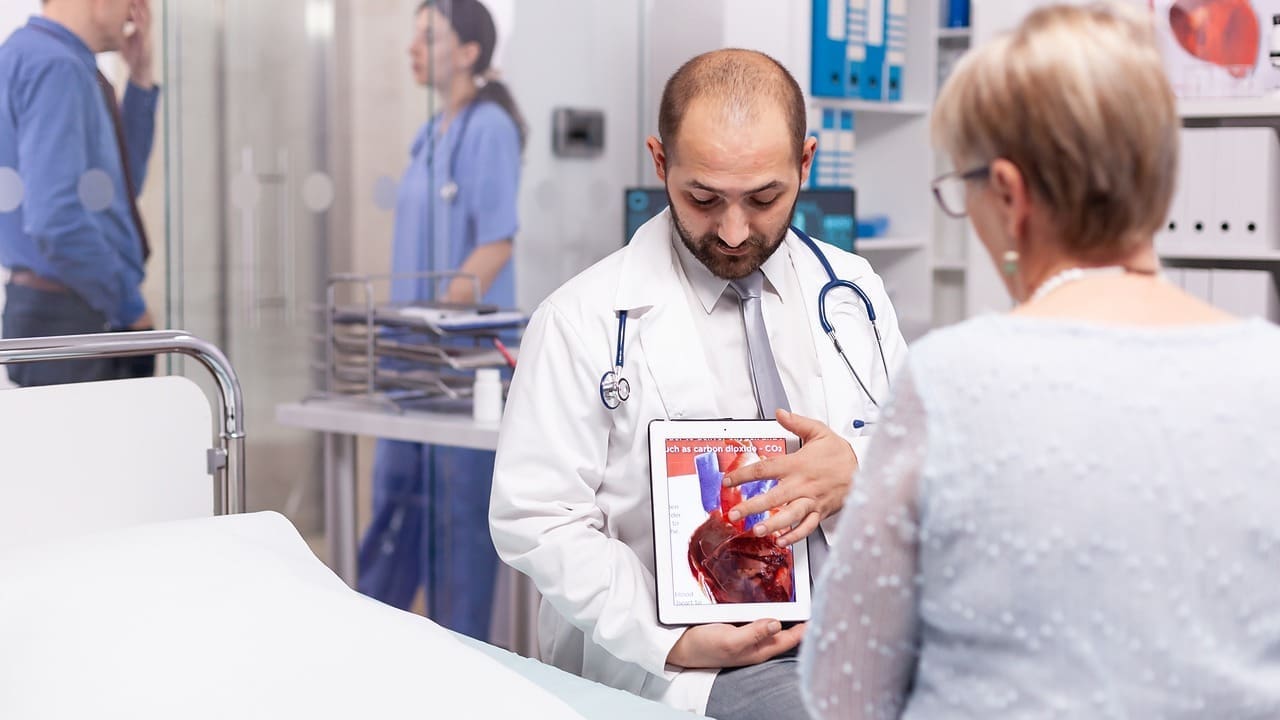
Managing central nervous system tumors needs a multidisciplinary approach. This involves neurologists, neurosurgeons, and other experts. They work together to create a treatment plan that fits the patient’s needs.
This team-based approach covers all aspects of care, from diagnosis to follow-up. It’s vital for the best patient outcomes and quality of life.
Common Brain and Central Nervous System Tumors

It’s important to know about the different brain and central nervous system tumors. They can start in the brain or spread from other places. Each type has its own challenges.
Primary Brain Tumors
Primary brain tumors start in the brain and can be either benign or malignant. Gliomas, like glioblastoma, astrocytoma, and oligodendroglioma, are common. Other types include meningiomas and pituitary adenomas.
Metastatic Brain Tumors
Metastatic brain tumors come from cancer spreading to the brain. They often start in lung cancer, breast cancer, or melanoma. These tumors are usually malignant and can affect the patient’s future.
Spinal Cord Tumors
Spinal cord tumors can be inside (intramedullary) or outside (extramedullary) the spinal cord. Ependymomas and astrocytomas are common inside. Meningiomas and nerve sheath tumors are outside. Symptoms include pain, weakness, and changes in feeling.
Visual Pathway Tumors
Tumors in the visual pathway can cause optic neuropathy and vision problems. Gliomas and meningiomas can affect vision. They need careful treatment to save sight.
Clinical Presentation and Symptoms
It’s important to know how brain and central nervous system tumors show up. Symptoms can change a lot, based on the tumor’s type, where it is, and how big it is.
Neurological Manifestations
Brain tumors often cause neurological symptoms. You might feel headaches, nausea, and vomiting if the tumor puts pressure on your brain. Other signs include weakness or numbness in your limbs, trouble with balance, and changes in how you speak or see.
Visual and Ocular Symptoms
Many people with brain tumors have vision problems. You might see things blurry or have double vision (diplopia). Some people lose part of their vision or even can’t see at all in one or both eyes. You might also feel pain or discomfort around your eyes.
Cognitive and Behavioral Changes
Brain tumors can also affect how you think and act. You might have memory problems, get confused, or find it hard to focus. Some people act differently, like being more irritable or less interested in things.
Seizures and Other Presentations
Seizures are a common symptom for many brain tumors. The kind and how often you have seizures can depend on the tumor’s location and your health. Other symptoms can include hearing loss, changes in how you feel things, or problems with your hormones, depending on where the tumor is and how it affects nearby areas.
| Symptom Category | Common Symptoms |
| Neurological | Headaches, nausea, vomiting, weakness, numbness |
| Visual/Ocular | Blurred vision, double vision, loss of peripheral vision, eye pain |
| Cognitive/Behavioral | Memory problems, confusion, difficulty concentrating, personality changes |
| Seizures/Other | Seizures, hearing loss, sensory changes, endocrine disturbances |
“The clinical presentation of brain tumors can be diverse, requiring a thorough evaluation to find the cause of symptoms.”
— Expert in Neuro-Oncology
Diagnostic Approaches in Neuro-Oncology
In neuro-oncology, finding and treating brain tumors is key. Accurate diagnosis is essential for effective treatment. It helps doctors tailor plans for each patient.
Neuroimaging Techniques
Neuroimaging is vital in diagnosing brain tumors. It gives detailed views of the brain’s structure and function. MRI, CT scans, and PET scans are often used.
MRI for Optic Nerve is great for tumors affecting vision. Its high detail and ability to see different tissues make it very useful.
“Neuroimaging, mainly MRI, has changed how we diagnose and treat brain tumors.”
“Advanced neuroimaging has greatly improved diagnosing and treating neuro-oncological disorders.”
Biopsy and Histopathological Analysis
Biopsy is the best way to diagnose brain tumors. It gives tissue samples for analysis. Microscopic examination helps find the tumor type and grade.
| Tumor Type | Histopathological Features | Grade |
| Glioblastoma | High cellularity, mitotic figures, necrosis | IV |
| Meningioma | Uniform cells, psammoma bodies | I-III |
Molecular and Genetic Testing
Molecular and genetic testing are key in neuro-oncology. They help find genetic mutations for treatment planning.
- IDH1 and IDH2 mutations
- MGMT promoter methylation
- 1p/19q codeletion
Cerebrospinal Fluid Analysis
CSF analysis is useful in some cases. It’s key for diagnosing leptomeningeal metastasis.
Neuro-oncology’s diagnostic methods are always improving. Research aims to make diagnosis and treatment better.
Surgical Interventions for Brain Tumors
Surgery is key in treating brain tumors. It uses different methods based on the tumor’s size and location. The approach depends on the tumor’s size, where it is, and the patient’s health.
Craniotomy and Tumor Resection
Craniotomy involves removing part of the skull to reach the tumor. The goal is to remove as much tumor as possible without harming the brain. Maximal safe resection is the aim, balancing removal with brain protection.
Minimally Invasive Surgical Techniques
Minimally invasive surgery is gaining popularity. It uses smaller cuts and causes less damage. Endoscopic surgery and laser interstitial thermal therapy are used for some tumors.
Intraoperative Monitoring and Mapping
Intraoperative monitoring and mapping are vital for safe surgery. Techniques like electrocorticography and neuromonitoring help protect brain areas during surgery.
Surgical Approaches for Visual Pathway Tumors
Tumors near the optic nerves and chiasm are challenging. They need careful planning and a team effort. Transsphenoidal surgery is used for tumors near the pituitary gland.
| Surgical Technique | Advantages | Indications |
| Craniotomy | Direct access to tumor, maximal safe resection | Large or deep-seated tumors |
| Minimally Invasive Surgery | Less tissue damage, quicker recovery | Small, superficial tumors |
| Intraoperative Monitoring | Preserves critical brain areas | Tumors near eloquent brain areas |
Radiation Therapy Modalities
Radiation therapy is key in treating brain tumors. It uses different methods to target tumors with accuracy. The right treatment depends on the tumor’s size, location, and the patient’s health.
Conventional External Beam Radiation
Conventional external beam radiation therapy (EBRT) is common for brain tumors. It uses X-rays or photons from outside the body. This method is spread over weeks to protect healthy tissue.
Stereotactic Radiosurgery
Stereotactic radiosurgery (SRS) is precise and treats tumors in one session. It’s used for small to medium-sized tumors that can’t be removed surgically or have come back.
Proton Therapy
Proton therapy uses protons to kill cancer cells. It’s great for tumors near important areas because it spares healthy tissue. This makes it safer for delicate areas like the brainstem.
Brachytherapy Options
Brachytherapy places radioactive material close to the tumor. It delivers high doses of radiation to the tumor while protecting healthy tissue. It’s often used for tumors that have come back or are at high risk of coming back.
In summary, there are many ways to treat brain tumors with radiation therapy. Each method has its benefits and considerations. The right choice depends on the tumor and the patient’s health.
Chemotherapy and Systemic Treatments
In neuro-oncology, chemotherapy and systemic treatments are key. They have improved a lot, giving hope to those with brain tumors.
Standard Chemotherapeutic Agents
Chemotherapy is vital for brain tumors. Temozolomide is often used for glioblastoma. Carmustine and lomustine are also used.
“Chemotherapy in brain tumors has shown great promise,” experts say. It works best when combined with other treatments.
Blood-Brain Barrier Considerations
The blood-brain barrier (BBB) is a big challenge. It blocks some chemotherapy from reaching tumors. Scientists are looking into ways to get around this, like BBB-disrupting agents.
Administration Routes and Schedules
Chemotherapy can be given in different ways. It depends on the tumor, the drug, and the patient’s health. Routes include oral, intravenous, and intra-arterial.
- Oral is used for drugs like temozolomide.
- Intravenous is common for many drugs.
- Intra-arterial delivers drugs directly to the tumor.
Managing Side Effects
It’s important to manage chemotherapy side effects. These can include nausea, fatigue, and myelosuppression. Antiemetics and growth factors can help.
“Managing side effects is key to helping patients with chemotherapy,” says a leading oncologist.
Understanding chemotherapy and systemic treatments helps doctors give better care. This is important for patients with brain tumors.
Targeted Therapies in Neuro-Oncology
Targeted therapies have changed how we treat neuro-oncology patients. These treatments aim at specific parts of cancer cells that make them grow. This is more precise than old treatments.
Molecular Targets and Pathways
In neuro-oncology, we look at genetic changes and pathways that help tumors grow. Knowing these targets helps us make better treatments.
Key molecular targets include:
- EGFR mutations
- BRAF mutations
- IDH1 and IDH2 mutations
- PI3K/AKT/mTOR pathway
Tyrosine Kinase Inhibitors
Tyrosine kinase inhibitors (TKIs) stop certain enzymes in tumor growth. They work well on some brain cancers.
| TKI | Target | Clinical Use |
| Erlotinib | EGFR | Non-small cell lung cancer, glioblastoma |
| Imatinib | BCR-ABL, c-KIT | GIST, certain brain tumors |
Antiangiogenic Therapies
Antiangiogenic therapies stop tumors from getting blood supply. Bevacizumab, a VEGF antibody, is used in neuro-oncology.
“Bevacizumab has been shown to improve progression-free survival in patients with glioblastoma.” –
Precision Medicine Approaches
Precision medicine in neuro-oncology means treatments fit the patient’s tumor. This makes treatments more effective and personal.
Adding targeted therapies to neuro-oncology is a big step up. Research and trials keep adding new treatments for these tough cancers.
Immunotherapy Approaches
Immunotherapy is changing how we treat brain tumors. It uses the body’s immune system to fight cancer. This gives patients new hope for better results.
Checkpoint Inhibitors
Checkpoint inhibitors are drugs that help the immune system fight cancer better. They work well in treating some brain tumors.
Examples of checkpoint inhibitors include:
- PD-1 inhibitors (e.g., nivolumab, pembrolizumab)
- CTLA-4 inhibitors (e.g., ipilimumab)
CAR T-Cell Therapy
CAR T-cell therapy changes T cells to find and kill cancer cells. It’s promising for treating brain tumors and other cancers.
Key aspects of CAR T-cell therapy:
- Personalized treatment approach
- Potential for durable responses
- Ongoing research to optimize efficacy and safety
Vaccine-Based Strategies
Vaccine-based immunotherapy helps the immune system fight cancer. Researchers are working on vaccines for brain tumors.
Types of vaccine-based approaches:
- Peptide-based vaccines
- Dendritic cell vaccines
- Personalized neoantigen vaccines
Combination Immunotherapy Regimens
Using different immunotherapies together can make treatments better. Researchers are finding the best combinations for brain tumors.
| Immunotherapy Approach | Description | Potential Benefits |
| Checkpoint Inhibitors | Release brakes on the immune system | Enhanced anti-tumor immune response |
| CAR T-Cell Therapy | Genetically modify T cells to target cancer | Personalized treatment, durable responses |
| Vaccine-Based Strategies | Stimulate immune system to recognize cancer | Targeted immune response, long-term immunity |
| Combination Regimens | Combine immunotherapies or with other treatments | Enhanced efficacy, synergistic effects |
The Role of Neuro-Ophthalmology in Cancer Care
Neuro-ophthalmology is key in managing cancer patients, focusing on those with tumors near the visual pathway. Cancer can harm the visual system, either directly or through treatment. So, knowing about neuro-ophthalmology is vital for full cancer care.
Assessment of Visual Pathway Involvement
The visual pathway, from the eyes to the brain, can be hit by tumors. Neuro-ophthalmological assessment is key to see how much it’s affected. This includes a detailed history, visual tests, and checks on eye movement and pupils. MRI scans help see the tumor’s impact.
Management of Optic Nerve Compression
Optic nerve compression is a big problem in cancer patients, often due to tumors near the nerve. Prompt management is needed to save vision. Treatment might be steroids, radiation, or surgery, depending on the tumor and patient’s health.
Treatment of Ocular Motility Disorders
Ocular motility disorders can happen due to tumors or treatment effects on eye movement nerves. Neuro-ophthalmological evaluation helps find the cause. Treatment might be prism glasses or surgery, based on the patient’s needs and the cause.
Visual Field Monitoring During Treatment
Keeping an eye on visual fields is critical in cancer care. Visual field assessments catch changes early, leading to quick action. This is key for patients getting treatments that might harm the visual pathway, like radiation. Adjustments to treatment can help avoid lasting vision damage.
In summary, neuro-ophthalmology is essential in cancer care, helping with visual problems. By adding neuro-ophthalmology to cancer teams, care becomes more effective and focused on the patient.
Management of Specific Tumor Types
Each brain tumor type needs its own treatment plan. This is because they have different characteristics. Doctors use surgery, radiation, and chemotherapy to treat these tumors.
Glioblastoma Treatment Approaches
Glioblastoma is a very aggressive brain tumor. Doctors usually use surgery, radiation, and chemotherapy together. The first step is surgery, followed by radiation and chemotherapy with temozolomide.
“The addition of temozolomide to radiotherapy for newly diagnosed glioblastoma resulted in a significant survival benefit with minimal additional toxicity.”
Stupp et al., 2005
When glioblastoma comes back, doctors might try surgery again, more radiation, or chemotherapy. Bevacizumab or lomustine are sometimes used.
| Treatment Modality | Description | Clinical Benefit |
| Surgical Resection | Maximal safe resection of the tumor | Improves survival and quality of life |
| Radiation Therapy | External beam radiation to the tumor site | Controls tumor growth, improves survival |
| Temozolomide Chemotherapy | Oral chemotherapy given concurrently with radiation | Enhances survival when combined with radiation |
Meningioma Management
Meningiomas are usually not cancerous and grow from the meninges. Treatment depends on the tumor’s size, where it is, and if it’s causing symptoms. Small tumors that don’t cause problems might just be watched with regular scans.
Radiosurgery is an option for tumors that can’t be removed by surgery or as extra treatment for leftover tumor.
Pituitary Tumor Therapies
Pituitary tumors can affect hormone levels and vary in how they present. Treatment can include surgery, medicine, or radiation.
- Surgery is often the first choice for many pituitary tumors, mainly those causing big problems or hormonal imbalances.
- Medicine is used for tumors that make too much hormone, like prolactinomas. Dopamine agonists can help balance hormone levels.
- Radiation therapy is used for tumors that come back or can’t be fully removed.
Pediatric Brain Tumor Considerations
Pediatric brain tumors are different because of their location and the developing brain. Treatment plans are made based on the child’s age, tumor type, and health.
Doctors use surgery, chemotherapy, and radiation together. They try to avoid long-term effects on the child’s brain and development.
Multidisciplinary Treatment Planning
Planning treatment for brain tumors needs a team effort. Neurosurgeons, neuro-oncologists, and others work together. This teamwork is key to better patient care.
Tumor Board Approach
A tumor board is a team that plans treatment for patients. They look at all angles to make care more effective.
Experts from many fields join the tumor board. They include neurosurgeons, oncologists, and more. Together, they create a treatment plan that fits each patient’s needs.
Integrating Neuro-Oncology and Neuro-Ophthalmology
Neuro-oncology and neuro-ophthalmology work together for visual pathway tumors. Neuro-ophthalmologists help manage vision problems caused by tumors.
This teamwork makes sure treatment plans cover all bases. It helps keep patients’ quality of life high.
Patient-Centered Decision Making
Putting patients first is key in treatment planning. It means listening to what they want and need. This approach makes treatment plans more personal.
When patients are part of the planning, care is more tailored. It meets their specific needs and expectations.
Coordinating Care Across Specialties
Working together across specialties is vital. It ensures smooth care and support. Good communication prevents mistakes and covers all care bases.
| Specialty | Role in Treatment Planning |
| Neurosurgery | Surgical intervention for tumor removal |
| Neuro-Oncology | Chemotherapy and other systemic treatments |
| Radiation Oncology | Radiation therapy planning and delivery |
| Neuro-Ophthalmology | Assessment and management of visual pathway involvement |
With a team effort, healthcare can offer better care for brain tumor patients. This leads to better outcomes for everyone.
Supportive and Palliative Care
Neuro-oncology has grown, showing the need for supportive and palliative care. Patients with brain tumors face many challenges. They need a care plan that covers all their needs.
Symptom Management
Symptom management is key to better life quality for brain tumor patients. It involves a team effort to manage pain, nausea, seizures, and other issues. This helps patients feel more comfortable and functional.
Quality of Life Considerations
Quality of life is a big part of caring for brain tumor patients. It’s not just about physical symptoms. It also includes mental, social, and spiritual well-being. Healthcare teams aim to keep patients independent and support their families.
Neuropsychological Support
Neuropsychological support is essential for patients with brain changes. It includes cognitive rehab, counseling, and help for anxiety and depression. This support helps patients cope with their mental health.
End-of-Life Care
End-of-life care is vital for patients with advanced brain tumors. It aims to comfort and ease suffering. It also supports patients and their families during tough times. The care team works together to meet the patient’s needs and wishes.
Neuro-Rehabilitation Strategies
The journey to recovery for brain tumor patients involves a wide range of neuro-rehabilitation strategies. This approach helps patients regain their abilities and improve their quality of life after a brain tumor diagnosis.
Physical and Occupational Therapy
Physical therapy is key in helping patients regain strength, mobility, and function. Occupational therapy helps patients with daily activities and tasks. Both are vital for a complete neuro-rehabilitation program.
Key aspects of physical and occupational therapy include:
- Assessment of physical and functional abilities
- Development of personalized exercise programs
- Training in the use of assistive devices
- Strategies to improve balance and coordination
Cognitive Rehabilitation
Cognitive rehabilitation helps patients overcome challenges from brain tumors or their treatment. It may include:
- Memory training and compensation strategies
- Attention and concentration exercises
- Problem-solving and decision-making training
- Language therapy for patients with communication difficulties
Visual Rehabilitation Techniques
Visual disturbances are common in brain tumor patients. Visual rehabilitation techniques can greatly improve their vision and quality of life. Some techniques include:
- Visual field training
- Compensatory strategies for visual field deficits
- Eye movement training
- Use of prisms and other visual aids
Return to Work and Daily Activities
A major goal of neuro-rehabilitation is to help patients return to their daily activities and work. This involves:
- Vocational rehabilitation to assess and enhance work-related skills
- Workplace modifications to accommodate patient needs
- Strategies to manage fatigue and improve productivity
- Support in navigating disability benefits and resources
By using these neuro-rehabilitation strategies, patients with brain tumors can see big improvements in their abilities, quality of life, and overall well-being.
Emerging and Experimental Therapies
The field of neuro-oncology is changing with new therapies. These new methods aim to help patients with brain tumors and other cancers in the central nervous system.
Novel Drug Delivery Systems
One big challenge in treating brain tumors is the blood-brain barrier. It blocks many drugs from reaching the brain. New ways to deliver drugs are being developed to get past this barrier.
- Convection-enhanced delivery: This method involves directly putting drugs into the brain tumor or nearby tissue.
- Nanoparticles: Tiny particles can be made to go through the blood-brain barrier and carry drugs.
- Implantable devices: Devices that release drugs right into the tumor are being looked into.
Gene Therapy Approaches
Gene therapy is a promising area in neuro-oncology. It aims to fix genetic problems that cause tumors to grow.
Some methods include:
- Suicide gene therapy: This involves adding genes that make tumor cells die when exposed to certain drugs.
- Oncolytic virotherapy: Viruses that only harm cancer cells are being used to fight tumors.
- Gene editing: Tools like CRISPR/Cas9 are being studied to remove mutations that cause cancer.
Tumor Treating Fields
Tumor Treating Fields (TTFields) is a non-invasive treatment. It uses electric fields to stop cancer cells from dividing.
- Mechanism: TTFields mess with the mitotic spindle, stopping tumor growth.
- Clinical application: TTFields are approved for some glioblastoma and are being tested for other brain tumors.
Clinical Trials in Neuro-Oncology
Clinical trials are key for testing new therapies in neuro-oncology.
Important points include:
- Patient selection: Finding the right patients for these new treatments.
- Endpoint determination: Setting clear goals to measure if a treatment works.
- Regulatory compliance: Following rules and guidelines for these trials.
These new therapies offer hope for better treatment options in neuro-oncology. They provide new ways to fight brain tumors and other cancers.
Conclusion: The Future of Neuro-Oncology Therapeutics
The field of neuro-oncology is growing fast. We’re learning more about tumors and finding new ways to treat them. Looking ahead, working together will be key to better care and results for patients.
Thanks to ophthalmic neurology and neuro-ophthalmic evaluation, we can spot and track papilledema and vision loss better. These are common with brain tumors. This teamwork will keep improving treatment plans.
Research is finding the secrets of brain tumors. This means we’ll see more precise and powerful treatments soon. The future of neuro-oncology therapeutics is bright, with hopes for immunotherapy and precision medicine.
By leading in these advancements and working together, we can enhance care for brain and central nervous system tumor patients.
FAQ
What is neuro-oncology and how does it impact patients?
Neuro-oncology is a field that focuses on brain and central nervous system tumors. It greatly affects patients’ lives, impacting their vision and overall health.
What are the common types of brain and central nervous system tumors?
There are several types of brain tumors, including primary and metastatic ones. Spinal cord and visual pathway tumors are also common. Each type has its own characteristics.
What are the symptoms associated with neuro-oncology conditions?
Symptoms can vary but often include neurological issues and vision problems. They can also cause changes in behavior and seizures. The symptoms depend on the tumor’s type and location.
How are brain tumors diagnosed?
Doctors use neuroimaging, biopsies, and genetic tests to diagnose brain tumors. These methods help identify the tumor’s type and grade.
What are the treatment options for brain tumors?
Treatments include surgery, radiation, and chemotherapy. Targeted and immunotherapy are also used. The choice depends on the tumor’s type and location.
What is the role of neuro-ophthalmology in cancer care?
Neuro-ophthalmology helps manage vision problems caused by tumors. It treats optic nerve issues and monitors visual fields during treatment.
How are specific tumor types managed?
Each tumor type, like glioblastoma and meningioma, needs a specific treatment plan. This plan combines surgery, radiation, and chemotherapy tailored to the tumor.
What is the importance of multidisciplinary treatment planning?
A team approach is key in neuro-oncology. It involves a tumor board and combines neuro-oncology and neuro-ophthalmology. This ensures patient-centered care and coordination among specialties.
What are the emerging and experimental therapies in neuro-oncology?
New therapies include drug delivery systems and gene therapy. Tumor treating fields and clinical trials also offer hope for patients.
What is the role of neuro-rehabilitation in neuro-oncology?
Neuro-rehabilitation helps patients recover from brain tumors. It includes physical therapy, cognitive rehab, and visual techniques. It also helps with returning to daily activities.
What is papilledema and how is it related to neuro-oncology?
Papilledema is swelling of the optic disc due to increased pressure. It’s often linked to brain tumors and needs quick diagnosis and treatment.
How do neurologic conditions affect vision?
Conditions like stroke and multiple sclerosis can damage the visual pathway. This can lead to vision loss and eye movement problems.
References
National Center for Biotechnology Information. Evidence-Based Medical Insight. Retrieved from https://pubmed.ncbi.nlm.nih.gov/40827022/