Last Updated on December 1, 2025 by Bilal Hasdemir

How long does brain surgery take? Get the critical, surprising facts. Our essential guide reveals the timeline for common neurosurgeries. Neurosurgical procedures are complex, requiring precision and patience. The duration of these procedures can vary significantly. This depends on the type of surgery, the patient’s health, and the team’s experience.
Neurosurgery operation time can be anywhere from a few hours to more than a day. It’s important for patients and their families to know this. This knowledge aids in preparing for both the surgery and the subsequent recovery process.
Key Takeaways
- The duration of neurosurgery varies widely depending on the complexity of the procedure.
- Factors such as the patient’s overall health and the surgical team’s experience influence the operation time.
- Some neurosurgeries are relatively quick, while others can be lengthy and complex.
- Understanding the specifics of the surgery can help manage patient expectations.
- Preparation and post-operative care are key for a good outcome.
Neurosurgical procedures are complex, requiring precision and patience.

Neurosurgery covers a wide range of procedures, each with its own challenges. The complexity of these operations is key to their success and how long they take.
Types of Neurosurgeries Performed Today
Many neurosurgical procedures are done to treat brain and nervous system issues. These include brain tumor operations, aneurysm clipping, and deep brain stimulation. Each surgery has its own purpose, method, and expected results.
Because of this variety, each patient gets a custom approach. This is based on the unique details of their case.
Why Surgical Duration Matters in Brain Procedures
The length of neurosurgical procedures is very important. It helps in planning patient care. Longer surgeries need more resources and preparation, like longer anesthesia times.
Also, longer surgeries carry more risks. These risks include infection, neurological damage, and other complications. So, it’s vital to understand and improve surgical duration for better patient results.
The length of surgery also affects hospital resources and scheduling. Managing time well can save costs and help patients move through the system faster.
How Long Does Brain Surgery Take? A Complete Guide

The duration of these procedures can vary significantly.
Average Duration Ranges for Common Brain Surgeries
The duration of these procedures can vary significantly.
Here are some common brain surgeries and their average times:
- Craniotomy: 2-6 hours
- Brain tumor removal: 2-8 hours
- Aneurysm clipping: 3-6 hours
- Deep brain stimulation: 2-4 hours
These times are just estimates. The real time can change. The case’s complexity, the surgeon’s experience, and the methods used can all affect it.
Variations in Surgical Time Based on Hospital Settings
The duration of these procedures can vary significantly.
Research shows that busy neurosurgery departments often work faster. They might finish surgeries quicker. Also, using new tech like intraoperative MRI can sometimes make surgery longer. But it can also make the results better.
The team’s experience is very important too. Teams that do a lot of brain surgeries are usually faster. They might finish sooner than teams that do fewer surgeries.
Factors That Influence Neurosurgery Duration
It’s important for patients and doctors to know what affects neurosurgery time. These surgeries are complex and can take different lengths of time. This is because of several key factors.
Patient-Specific Considerations
This knowledge aids in preparing for both the surgery and the subsequent recovery process.
Patient Factor | Impact on Surgery Duration |
Age | Older patients may have more complex anatomy or comorbidities, potentially increasing surgery time. |
Overall Health | Patients with better overall health may recover more quickly from anesthesia and surgery. |
Comorbidities | Presence of other medical conditions can complicate surgery and anesthesia, potentially extending duration. |
Surgical Complexity and Approach
The type of neurosurgery and the method used are big factors in how long it takes. More complex surgeries, like those for tumors in hard-to-reach places, take longer.
Surgical approaches also matter. Minimally invasive surgeries are often quicker because they use smaller cuts. Open surgeries, with bigger cuts, can take longer.
Surgeon Experience and Team Efficiency
The neurosurgeon’s experience and the team’s skill are key to how fast surgery goes. More experienced surgeons work faster because they know the area well.
The team’s efficiency is also important. A well-working team can make the surgery smoother. This means the surgery can be done faster and with fewer delays.
Craniotomy Procedures: Duration Expectations
A craniotomy is a surgery where a skull bone flap is temporarily removed. The duration of these procedures can vary significantly.his depends on how complex the surgery is, the patient’s health, and the surgeon’s experience.
How Long Does a Craniotomy Take?
A craniotomy can last from a few hours to several hours. Simple cases might take 2 to 3 hours. But, if it’s for a brain tumor or aneurysm, it could take 4 hours or more.
Factors influencing craniotomy duration include:
- The size and location of the lesion or area to be operated on
- The patient’s overall health and age
- The surgical approach and techniques used
- The experience of the neurosurgical team
Factors That May Extend Craniotomy Duration
Several things can make a craniotomy longer. These include unexpected problems during surgery, the need for extra procedures, and complex patient conditions. For example, a big or deep brain tumor can make the surgery longer.
Intraoperative imaging and navigation can also affect the time. These technologies help with precision but add to the surgery time. Also, careful hemostasis and closure can make the procedure longer.
Brain Tumor Removal Surgery Timeframes
Knowing how long brain tumor surgery takes is key for both patients and doctors. This surgery is complex and needs careful planning and skill.
Duration Based on Tumor Characteristics
The duration of these procedures can vary significantly.
- Tumors near important brain parts need more careful and longer surgery methods.
- The tumor’s size and how serious it is also affect how long surgery lasts.
- Doctors must think about these things when planning the surgery.
Surgical Approaches and Their Impact
The type of surgical approaches used can change how long surgery takes. Different methods, like craniotomy or less invasive options, need different amounts of time and effort.
- A craniotomy means taking part of the skull off to get to the brain. This can take longer.
- Less invasive methods might be quicker but need special tools and skills.
- The surgeon’s experience and the team’s work also affect how long surgery lasts.
Knowing these details helps patients get ready for surgery and what comes after.
Minimally Invasive Neurosurgical Procedures
Minimally invasive neurosurgery includes techniques like endoscopic brain surgery and stereotactic radiosurgery. Each has its own time frame. These methods have changed neurosurgery, making recovery faster and risks lower.
Endoscopic Brain Surgery Timeframes
Endoscopic brain surgery uses a thin, flexible tube with a camera and light. It’s great for things like third ventriculostomy or colloid cyst removal.
This knowledge aids in preparing for both the surgery and the subsequent recovery process.
Brain Surgery Through Nose: Procedure and Duration
Endoscopic endonasal surgery accesses the brain through the nose. It’s used for tumors in the pituitary gland or skull base.
Factors affecting endonasal surgery time include:
- This knowledge aids in preparing for both the surgery and the subsequent recovery process.
- The surgeon’s experience with this method
- Need for extra procedures, like skull base reconstruction
Endonasal surgeries usually take 2 to 6 hours.
Stereotactic Radiosurgery Length
Stereotactic radiosurgery (SRS) is a non-invasive treatment. It uses precise radiation for conditions like brain tumors, AVMs, and trigeminal neuralgia.
Procedure | Typical Duration |
Stereotactic Radiosurgery (SRS) | 1-3 hours |
Endoscopic Brain Surgery | 1-3 hours |
Endonasal Surgery | 2-6 hours |
Even though SRS is non-invasive, the radiation part is quick. It usually takes 1 to 3 hours.
Knowing about these neurosurgical procedures helps patients and families prepare. It makes understanding the surgery and recovery easier.
Brain Biopsy Procedures: Time Considerations
Knowing how long brain biopsy procedures take is key for both patients and doctors. These procedures help find out what’s wrong with brain tissue.
Duration of the Biopsy Procedure
The duration of these procedures can vary significantly.
Several things can affect how long it takes:
- How easy it is to get to the brain tissue
- If extra imaging or advice is needed during the surgery
- How the patient reacts to the procedure
Post-Biopsy Monitoring Period
After the biopsy, patients stay in a recovery area for a few hours to overnight. Monitoring after the biopsy is very important to catch any problems right away, like bleeding or swelling.
The monitoring period includes:
- Watching how the patient’s brain is working
- Helping with pain and discomfort
- Looking for any signs of trouble
In summary, while brain biopsy times and monitoring can vary, knowing about them helps manage patient care and expectations.
Emergency Neurosurgery: Time Factors
The success of emergency neurosurgery often depends on quick action. In cases of trauma or stroke, time is very limited. Every minute is critical.
Trauma-Related Brain Surgery Duration
Trauma-related brain surgeries are complex and vary in length. Surgeons must act quickly to relieve pressure and repair damage. They also remove foreign objects or bone fragments.
These surgeries can last from a few hours to several hours. Prompt intervention is critical to prevent further brain damage and improve patient outcomes.
Stroke Intervention Timeframes
In cases of ischemic stroke, timely surgery can greatly improve outcomes. Mechanical thrombectomy, a procedure to remove blood clots, works best within six hours of stroke onset.
The time frame for stroke intervention is key. Delays can lead to more brain damage and worse outcomes. Efficient coordination between emergency services and neurosurgical teams is vital to reduce delays and increase the chances of successful intervention.
The Complete Neurosurgery Timeline
This knowledge aids in preparing for both the surgery and the subsequent recovery process.
Pre-Surgical Preparation
This knowledge aids in preparing for both the surgery and the subsequent recovery process.
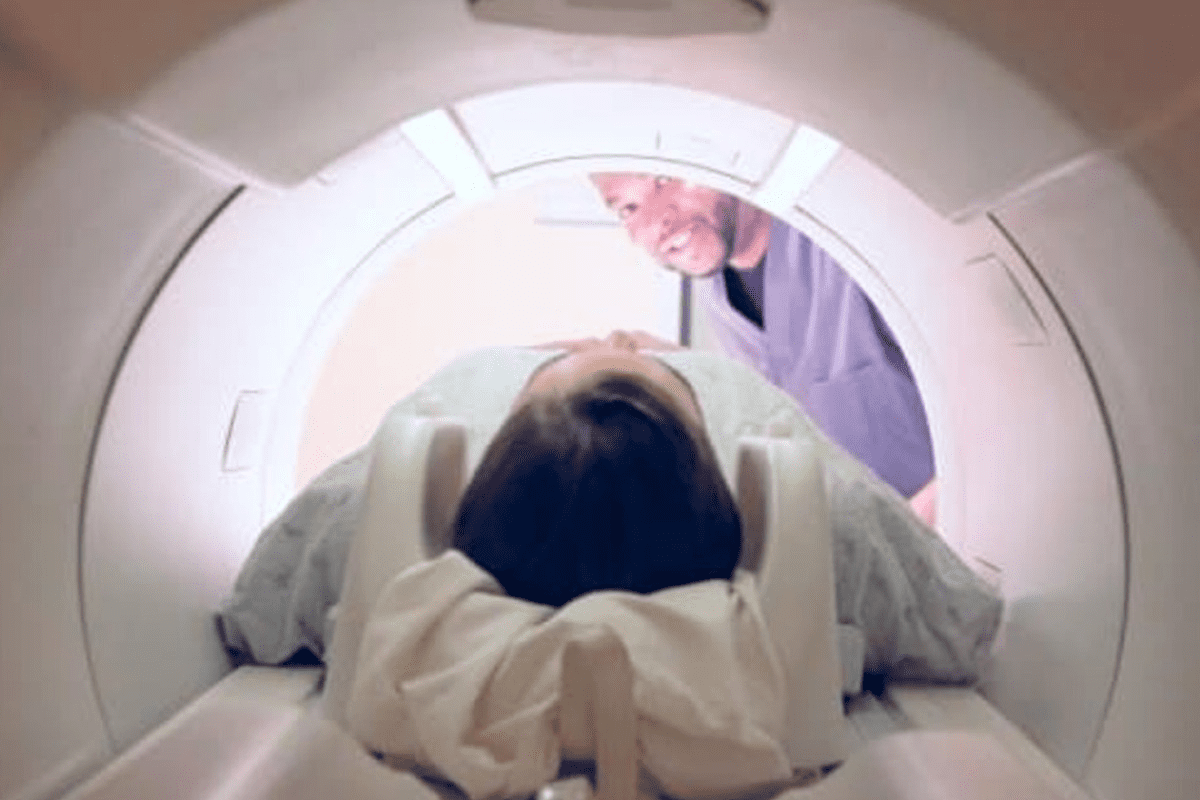
Diagnostic tests like MRI or CT scans are used. They help doctors understand the patient’s condition. Patient evaluation looks at the patient’s overall health, including any other health issues.
Intraoperative Phases and Their Duration
This knowledge aids in preparing for both the surgery and the subsequent recovery process.
Phase | Duration | Description |
Preparation | 30 minutes – 1 hour | Patient positioning, anesthesia administration |
Surgery | 2-6 hours | The surgical procedure, varying by complexity |
Initial Recovery | 1-2 hours | Monitoring in the operating room post-surgery |
Post-Operative Recovery in the Operating Room
Recovery after surgery is watched closely in the operating room. This phase can last about 1-2 hours. It’s a critical time to catch any immediate problems.
How Long Do Brain Surgeries Last? Procedure-Specific Durations
Different brain surgeries last for varying times. This is due to many factors. It’s important for both patients and doctors to understand these differences.
Aneurysm Clipping and Repair
Aneurysm clipping is a precise surgery. It stops an aneurysm from bleeding more. The duration of these procedures can vary significantly.
This surgery usually lasts from 3 to 6 hours. But, very complex cases might take longer.
Epilepsy Surgery Duration
Epilepsy surgery aims to reduce or stop seizures. The time needed varies with the surgery type.
For example, a temporal lobectomy, a common surgery, takes 2 to 4 hours. More complicated surgeries can take longer.
Deep Brain Stimulation Implantation Time
Deep Brain Stimulation (DBS) treats many neurological issues. It involves placing electrodes in the brain.
DBS surgery usually lasts from 2 to 6 hours per session. Sometimes, more than one session is needed.
Procedure | Average Duration | Factors Influencing Duration |
Aneurysm Clipping | 3-6 hours | Complexity of aneurysm, patient health |
Epilepsy Surgery | 2-4 hours | Type of surgery, seizure focus location |
Deep Brain Stimulation | 2-6 hours | Number of electrodes, brain area targeted |
Recovery Time After Brain Surgery
The time it takes to recover from brain surgery varies. It depends on the surgery type and the patient’s health.
Hospital Stay Duration
How long you stay in the hospital after brain surgery can vary. Most patients stay 3-7 days after major surgeries like a craniotomy.
For less invasive surgeries, hospital stays are shorter. They can be as brief as 24-48 hours.
Brain Surgery Healing Time: What to Expect
The healing process after brain surgery is slow. At first, you might feel swollen, in pain, and tired. Doctors use medicine and rest to help.
As you heal, these feelings will lessen. It can take weeks to months to fully recover. This depends on the surgery and your health.
Long-Term Recovery Timeline
Recovering from brain surgery takes time and effort. Physical, occupational, and speech therapy may be needed to regain skills.
The recovery journey goes beyond the hospital. Some patients need ongoing care for months.
“The recovery process after brain surgery is as important as the surgery itself. Proper post-operative care can significantly impact the patient’s outcome and quality of life.”
Knowing how long recovery takes helps patients and families prepare. It makes the recovery smoother and more effective.
Procedure-Specific Recovery Periods
This knowledge aids in preparing for both the surgery and the subsequent recovery process.
Brain Tumor Surgery Recovery Time
Recovering from brain tumor surgery is complex. The recovery time depends on the tumor’s size and location, the patient’s health, and the surgery type.
Patients usually stay in the hospital for several days to a week after surgery. Full recovery can take weeks to months. During this time, they might feel tired, have headaches, and notice cognitive changes.
Craniotomy Recovery Timeline
A craniotomy means temporarily removing part of the skull to reach the brain. The recovery time for this is quite long. Patients often spend 2-4 days in intensive care and up to a week or more in the hospital.
The recovery process can last several months. In the early stages, patients should avoid heavy lifting, bending, and hard activities.
Minimally Invasive Procedure Recovery
Minimally invasive neurosurgical procedures, like endoscopic surgeries, have shorter recovery times. Patients might be discharged within 24-48 hours.
Even though full recovery takes weeks, the downtime is shorter. These procedures often cause less pain and fewer complications, making them appealing for some patients.
Following the surgeon’s postoperative care instructions is vital for the best recovery.
How Long Does It Take to Become a Brain Surgeon?
Becoming a brain surgeon takes many years of hard work and education. It’s a demanding career that requires a deep understanding of medical sciences.
Educational Requirements and Timeline
This knowledge aids in preparing for both the surgery and the subsequent recovery process.
Next, you go to medical school to get an M.D. or D.O. degree. This takes four years, with two years of classroom work and two years of clinical rotations.
Neurosurgery Residency and Fellowship Training
After medical school, you start a neurosurgery residency. This lasts six to seven years. It’s essential for learning surgical skills.
Then, you might choose to do a fellowship for one to two years. This gives you advanced training in neurosurgery.
In total, becoming a brain surgeon takes at least 14 years after high school. This includes fellowship training. All this education and training prepare neurosurgeons for complex brain surgeries.
Technological Advancements Affecting Neurosurgery Duration
Neurosurgery is changing fast thanks to new tech like advanced imaging and robotic help. These tools are making surgeries more efficient and precise.
Impact of Advanced Imaging and Navigation Systems
This knowledge aids in preparing for both the surgery and the subsequent recovery process.
Improved visualization means surgeons can remove tumors more accurately. This also lowers the risk of harming nearby tissues.
Functional MRI and diffusion tensor imaging are now common. They help identify key brain areas. This makes it easier to plan safe surgeries.
Imaging Modality | Primary Use | Impact on Neurosurgery Duration |
Functional MRI | Mapping brain function | Reduces duration by improving planning |
Diffusion Tensor Imaging | Visualizing white matter tracts | Enhances precision, potentially reducing complications |
Robotic Assistance in Reducing Surgical Time
Robotic help is a big step forward in neurosurgery. These systems offer enhanced dexterity and precision. This means surgeons can tackle complex tasks with better accuracy.
Robotic systems can make surgeries shorter. They do detailed work with little error. They also help surgeons avoid fatigue, leading to better performance over long hours.
- Robotic systems enhance precision and dexterity.
- They reduce the physical strain on surgeons.
- Robotic assistance can lead to shorter surgical times.
Conclusion: Understanding Neurosurgical Timelines
The duration of these procedures can vary significantly.
This knowledge aids in preparing for both the surgery and the subsequent recovery process.
FAQ
How long does a craniotomy take?
A craniotomy can last from 2 to 6 hours. This depends on how complex the surgery is and the patient’s health.
What is the average duration of brain surgery?
Brain surgery can last anywhere from 2 to 12 hours. This varies based on the surgery type and the surgeon’s skill.
How long does it take to recover from brain surgery?
Recovery from brain surgery can take weeks to months. It depends on the surgery type and the patient’s health.
How long does brain tumor surgery take?
Brain tumor surgery can last from 2 to 12 hours. It depends on the tumor size, location, and type, and the surgical method.
What is the recovery time for a brain biopsy?
A brain biopsy recovery is usually quick. Most patients are discharged within 24 hours. Full recovery takes a few days to a week.
How long does it take to become a brain surgeon?
Becoming a brain surgeon takes about 14 to 16 years after high school. This includes 4 years of undergrad, 4 years of medical school, and 6 to 7 years of residency and fellowship.
How long does a brain operation take?
The duration of these procedures can vary significantly.
What is the typical hospital stay after brain surgery?
Hospital stay after brain surgery varies. It can be from a few days to several weeks. It depends on the surgery type, patient’s health, and any complications.
How long does it take to heal from brain surgery?
Healing time after brain surgery varies. It can be from weeks to months. It depends on the surgery type and the patient’s health.
How long do brain surgeries last?
Brain surgery duration varies. It can be from a few hours to several hours. It depends on the procedure, case complexity, and surgeon’s experience.
How long is the recovery for brain surgery?
Recovery time for brain surgery varies. It can be from weeks to months. It depends on the surgery type and the patient’s health.
What is resection of a tumor?
Resection of a tumor is the surgical removal of a tumor. It can be done through craniotomy, endoscopic surgery, or stereotactic radiosurgery. The method depends on the tumor type, size, and location.
References
New England Journal of Medicine. Evidence-Based Medical Insight. Retrieved from https://www.nejm.org/doi/full/10.1056/NEJMra0708126