Last Updated on October 20, 2025 by
Acute lymphoblastic leukemia (ALL) is the most common and deadliest leukemia in children, accounting for 75-80% of all childhood leukemia cases. But when it comes to acute myeloid leukemia (AML), the question is, is AML more common in children or adults?
AML is traditionally more common in adults, especially older adults, where incidence increases with age. In children, AML accounts for about 15-20% of leukemias, while in adolescents and young adults (ages 15“39), it represents roughly 33% of leukemias. Thus, AML is more prevalent in adults than in children, although it does occur in pediatric populations, often requiring different treatment approaches. Over the past two decades, survival rates for children with AML have improved significantly, ranging from 60% to 75% at five years, but adult survival remains lower.
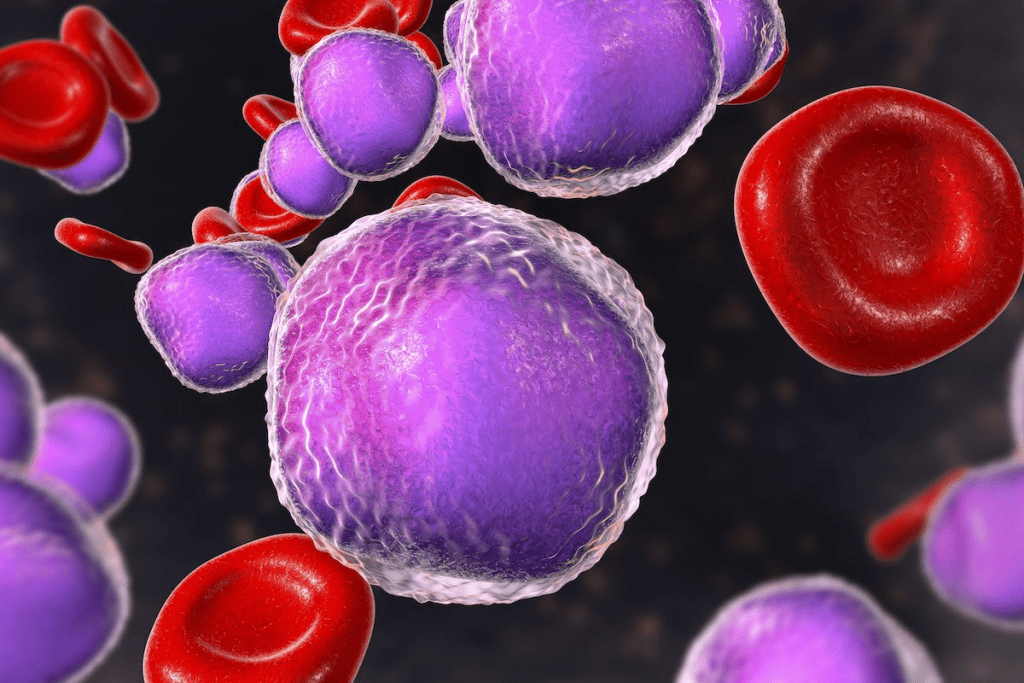
Leukemia impacts families all over the world, with ALL being the leading type in kids. is aml more common in children or adults The battle against this disease is fueled by better medical care and the dedication of healthcare professionals.
Key Takeaways
- Acute lymphoblastic leukemia (ALL) is the deadliest leukemia in children.
- ALL represents 75-80% of childhood leukemia cases.
- The global prevalence of ALL in children increased by 59% between 1990 and 2021.
- Leukemia mortality rates dropped by 66.7% due to medical advances.
- Advancements in care and commitment from healthcare providers are key to fighting childhood leukemia.
The Landscape of Childhood Leukemia
Understanding childhood leukemia is key to finding better treatments. It’s the top cancer in kids, making up 33% of all new cases and 31% of deaths in kids under 15. We’ll look at the types of leukemia in kids and global stats on this disease.
Types of Leukemia Affecting Children
Childhood leukemia mainly includes Acute Lymphoblastic Leukemia (ALL) and Acute Myeloid Leukemia (AML). ALL is the most common, making up about 80% of cases. AML is less common, making up 15-20%.
“The diagnosis and treatment of these leukemia types vary significantly,” say top pediatric oncologists. This shows why we need accurate diagnoses.
Other rare types include chronic leukemias and myeloproliferative disorders. Knowing these types helps doctors create better treatment plans for each child.
Global Statistics and Prevalence
Leukemia is a big problem worldwide for kids. The rates of leukemia in kids vary by country, with more cases in developed areas. The number of kids with leukemia has gone up over the years.
A recent study found, “The global burden of childhood leukemia continues to rise.” This means we need more research and better healthcare to fight this disease.
- Leukemia accounts for 33% of all new cancer cases in children.
- ALL is the most common type of leukemia in children.
- AML represents around 15-20% of childhood leukemia cases.
Acute Lymphoblastic Leukemia (ALL): The Leading Cause of Cancer Deaths in Children
Acute Lymphoblastic Leukemia (ALL) is the most common and deadly leukemia in kids around the world. It makes up 75-80% of all childhood leukemia cases. This makes it a big worry for doctors and families.
Prevalence and Impact
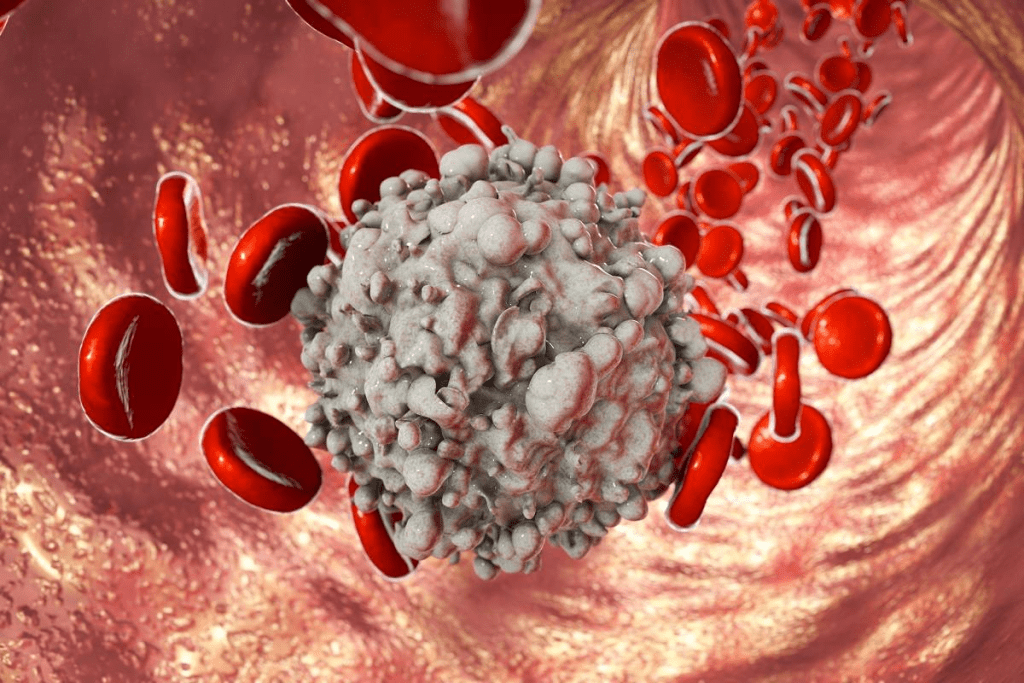
ALL is not just the most common leukemia in kids. It’s also a top cause of childhood cancer deaths. It attacks the bone marrow, stopping it from making normal blood cells. This leads to serious health problems.
There are many reasons why ALL is so common in children. These include genetics, the environment, and lifestyle. Studies have found that certain risk factors play a role. These include being exposed to harmful radiation and having certain genetic mutations.
Mortality and Risk
Even with better treatments, ALL is a big killer among childhood cancers. But thanks to new treatments, mortality rates for ALL have gone down a lot.
Knowing the risk factors for ALL is key to catching it early. These include genetic conditions like Down syndrome and exposure to harmful toxins.
We keep watching mortality rates and risk factors to learn more about ALL. Our goal is to find better ways to treat it. This way, we hope to lower the number of cases and their impact on families.
Is AML more common in children or adults? Comparing Age-Related Incidence
Acute Myeloid Leukemia (AML) is a cancer that hits both kids and grown-ups. But it shows up more in some ages than others. We’ll look at how AML affects kids versus adults and what makes childhood AML special.
AML Prevalence Across Different Age Groups
AML is rare in kids, making up a small part of leukemia cases in this age group. Studies show AML gets more common with age, hitting most people over 60. Kids under 20, on the other hand, see much fewer cases of AML.
Age-related incidence rates reveal AML is more common in older adults, with a median age at diagnosis of about 68. In kids, AML is less common, with Acute Lymphoblastic Leukemia (ALL) being more common.
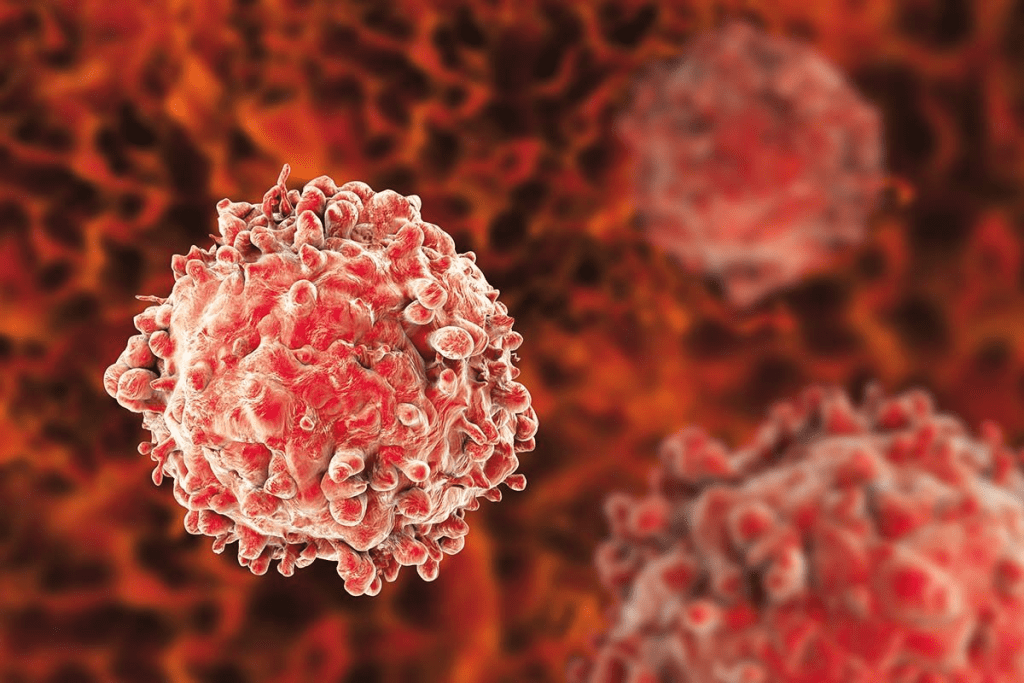
Unique Characteristics of Childhood AML
Childhood AML has its own set of biological and clinical features. These differences are key to figuring out the best treatments and outcomes. For example, some genetic mutations are more common in kids with AML, affecting how well they respond to treatment.
- Genetic mutations specific to childhood AML
- Differences in treatment response between children and adults
- The importance of pediatric-specific clinical trials for AML
It’s important to understand these unique traits for effective treatment plans in kids with AML. We aim for personalized care, making sure kids get the best and newest treatments.
What Makes ALL the Deadliest Type of Leukemia in Children?
ALL is the most common and deadliest leukemia in kids. Its global cases have jumped by 59% from 1990 to 2021. This big increase shows we need to look closely at ALL’s death rates and how they affect the world.
Mortality Statistics and Global Impact
Thanks to medical progress, we’ve seen a 66.7% drop in ALL deaths. Yet, it’s a major killer in kids. Most leukemia deaths happen in areas with little healthcare, showing big gaps in medical care.
ALL death rates are tied to healthcare access. Places with less medical care see more deaths. This shows we need to work together to fight childhood leukemia.
The 59% Increase in Global Prevalence (1990-2021)
The 59% rise in ALL cases from 1990 to 2021 is alarming. Changes in the environment, genetics, and better diagnosis might be reasons. Knowing these can help us create better health plans.
Dealing with ALL is tough, but we must use data to guide us. This way, we can lessen the world’s leukemia burden and help kids everywhere.
Childhood AML Leukemia Prognosis and Outcomes
The outlook for kids with AML depends on many things. These include genetics and how well they respond to treatment. Knowing these helps doctors predict how well a child will do and plan their treatment.
Survival Rates and Prognostic Indicators
Thanks to better treatments, more kids with AML are surviving. What makes a difference in how well a child does is important to know.
Key things that help predict how well a child will do include:
- Certain genetic changes
- How well the treatment works at first
- If there’s any cancer left after treatment
Studies show kids with certain genetic changes do better. “Some genetic mutations can really change how well a child will do,” say pediatric oncologists.
Acute Myeloid Leukemia Pediatric Prognosis Factors
Many things can affect how well a child with AML will do. These include their age, how many white blood cells they have, and genetic changes.
Every child is different, and doctors look at each case carefully. “New tests help us understand the risks better,” which means we can tailor treatments.
- Genetic tests to find important markers
- Watching how well the treatment works
- Changing treatment plans based on risk
By understanding these factors and using new medical knowledge, we can help more kids with AML.
Global Disparities in Childhood Leukemia Treatment and Survival
Childhood leukemia treatment outcomes differ worldwide, showing a need for better healthcare access. Looking at the global picture of childhood leukemia, we see big gaps in treatment and survival rates.
In many poor areas, most leukemia deaths in kids happen. This is not just a number; it’s families without the care they need.
The 94% Mortality Burden
Most leukemia deaths in kids are in low and middle-income countries. This shows the big problem of not having enough treatment. It’s a call to help with global health efforts.
A study found that not having the right care is a big problem for kids with leukemia. It shows we need better places for care and more help in poor areas.
“The global community must come together to address the inequities in childhood leukemia treatment,” said a leading expert in pediatric oncology. “We have the knowledge and the means; now is the time to act.”
Access to Care Challenges
In poor countries, getting care is hard. It’s not just the lack of hospitals but also the cost, not knowing about the disease, and cultural issues. We need to tackle these problems with big plans to improve care, help families financially, and teach people about leukemia.
To help more kids, we must make sure all can get the care they need. This means working together with governments, doctors, and groups around the world.
- Improving healthcare infrastructure in low-resource settings
- Enhancing financial support for families affected by childhood leukemia
- Promoting awareness and education about the disease
Together, we can make a difference in treating childhood leukemia worldwide. This will help save more lives.
Treatment Advances Leading to 66.7% Reduction in Mortality
The way we treat childhood leukemia has changed a lot. This has led to a big drop in death rates. We’ve seen big steps forward in how we treat leukemia, making it more likely for kids to survive.
Evolution of Therapeutic Approaches
How we treat childhood leukemia has changed a lot. We now use more targeted and personalized treatments. This means we’ve moved away from old-fashioned chemotherapy.
New treatments target cancer cells more directly. This helps protect healthy tissues. For example, targeted therapies have made a big difference. They allow for more focused treatment with fewer side effects.
Some key changes include:
- Immunotherapy, which uses the immune system to fight cancer
- Precision medicine, which tailors treatment to each patient’s genetic makeup
- Advanced chemotherapy that is more effective and has fewer side effects
For more information on treating childhood leukemia, check out the National Cancer Institute’s page on it.
Breakthrough Technologies and Medications
New medical technologies and medicines have been key in lowering death rates. Advanced diagnostic tools help doctors find leukemia early and treat it quickly.
Some breakthroughs are:
- The creation of tyrosine kinase inhibitors for certain leukemia types
- The introduction of monoclonal antibodies that target cancer cells
- Improvements in hematopoietic stem cell transplantation are making the procedure safer
These advances have all helped lower death rates in kids with leukemia. As we keep improving treatments, we’re dedicated to giving our patients the best care possible.
Specialized Care for the Most Deadly Leukemia Types
Children with the deadliest leukemia types need special care. These cancers are aggressive and need a detailed treatment plan.
Multidisciplinary Approaches to High-Risk Leukemia
High-risk leukemia needs more than just a basic treatment. A multidisciplinary approach is key. This involves a team of experts, like oncologists and radiologists.
This team works together to create personalized treatment plans. They consider the leukemia type, the child’s health, and more. This ensures the best care for each child.
International Treatment Protocols and Standards
International protocols are important for treating high-risk leukemia. They are based on the latest research and trials. This ensures patients get the best treatments.
- Standardized treatment guidelines help reduce variability in care, ensuring that all patients receive a high standard of treatment.
- International collaboration facilitates the sharing of knowledge and best practices, driving improvements in leukemia care.
- Adherence to established protocols enables healthcare providers to benchmark their performance and identify areas for improvement.
By following international treatment protocols and keeping high leukemia standards, we can improve outcomes. Our dedication to specialized care is strong.
Setting New Standards in Childhood Leukemia Care
We’re working hard to make care better for kids with leukemia. Groups like livhospital.com are leading the way. They use new care paths that focus on the patient’s experience and results.
Innovative Care Pathways and Patient Experience
New care paths for leukemia involve many experts working together. They use the latest research and tech for full care. This makes treatments work better and makes patients happier.
For example, personalized treatment plans help each child recover in their own way. This is key to their journey back to health.
Also, patient-centered care looks at the emotional and mental health of kids and their families. It creates a caring space that’s vital for healing.
The “5-Star Tourism Healthcare” Approach
The “5-star tourism healthcare” idea is a new way to see medical care. It mixes top-notch treatment with great service, making visits more pleasant. This is very important for families seeking care abroad for leukemia.
Healthcare providers add luxury amenities and comprehensive support services to help. This includes language help, places to stay, and special services. It makes the experience better for families.
To learn more about pediatric leukemia and new treatments, check out Stanford Medicine’s page on pediatric leukemia.
Conclusion: Future Directions in Combating Childhood Leukemia Mortality
Childhood leukemia mortality is a big worry worldwide. We need more medical research and better treatments to lower these rates. We’ve made big strides in understanding leukemia types like ALL and AML.
To fight childhood leukemia deaths, we must improve access to care, mainly in poor countries. New treatments and ways to fight the disease are key. Investing in research and healthcare will help close the treatment gap.
Our fight against leukemia needs teamwork from doctors, scientists, and leaders. Together, we can make sure kids with leukemia get top-notch care, no matter where they live.
FAQ
What is the most common type of leukemia in children?
Acute Lymphoblastic Leukemia (ALL) is the most common leukemia in kids. It makes up most of the leukemia cases in children.
Is AML more common in children or adults?
AML is more common in adults. But it also affects kids. Its occurrence changes with age.
What is the deadliest type of leukemia in children?
Acute Lymphoblastic Leukemia (ALL) is both the most common and deadliest in kids. It’s very serious if not treated well.
What are the survival rates for childhood AML?
Survival rates for childhood AML have gotten better. But they depend on several factors. These include genetic factors and how well the treatment works.
How has the global prevalence of ALL changed over time?
The global prevalence of ALL has gone up by 59% from 1990 to 2021. This shows we need better diagnosis and treatment.
What are the challenges in treating childhood leukemia in resource-constrained regions?
Treating childhood leukemia in poor areas is tough. It’s because of limited care, bad treatment, and a lack of specialized services.
What treatment advances have contributed to the reduction in childhood leukemia mortality?
New treatments have helped a lot. These include targeted therapies and new medicines. They’ve lowered the death rate from childhood leukemia.
Why is specialized care important for high-risk leukemia types?
Specialized care is key for kids with high-risk leukemia. It uses a team approach and international guidelines. This helps improve their chances of survival.
What is the “5-star tourism healthcare” approach in childhood leukemia care?
The “5-star tourism healthcare” approach combines top-notch medical care with a focus on patient experience. It aims to give kids with leukemia and their families the best care possible.
What are the future directions in combating childhood leukemia mortality?
The future looks bright. We’ll keep researching new treatments and making care more accessible. We also aim to create new care paths to lower the death rate from childhood leukemia.
Reference
- American Cancer Society. (2024). Key statistics for childhood leukemias. American Cancer Society. https://www.cancer.org/cancer/types/leukemia-in-children/about/key-statistics.html
- Belson, M., Kingsley, B., & Holmes, A. (2007). Risk factors for acute leukemia in children: A review. Environmental Health Perspectives, 115(1), 138-145. https://doi.org/10.1289/ehp.9521
- U.S. National Cancer Institute. (2024). Childhood acute myeloid leukemia treatment. U.S. National Cancer Institute. https://www.cancer.gov/types/leukemia/hp/child-aml-treatment-pdq