Endometriosis is a chronic condition that affects about 1 in 10 people globally. It causes painful periods for 94% of those with endometriosis. Many find it hard to explain their debilitating pain to doctors. Endometriosis back pain is debilitating. This ultimate guide reveals the surprising causes and the best, powerful strategies for relief.
The symptoms of endometriosis vary and can be complex. People may feel sharp stabbing pains or burning pain in unexpected places like the shoulders or jaw. We will look into how endometriosis can show up, helping you understand it better.
Key Takeaways
- Endometriosis affects approximately 1 in 10 people worldwide.
- About 94% of those with endometriosis experience painful periods.
- Endometriosis symptoms can be varied and complex.
- Debilitating pain is a common experience for those with endometriosis.
- Understanding endometriosis symptoms is key for proper diagnosis and treatment.
Understanding Endometriosis: A Common Yet Misunderstood Condition
Endometriosis affects millions of women worldwide but is often misunderstood. It’s important to know what it is, how common it is, and how it develops.
Definition and Prevalence
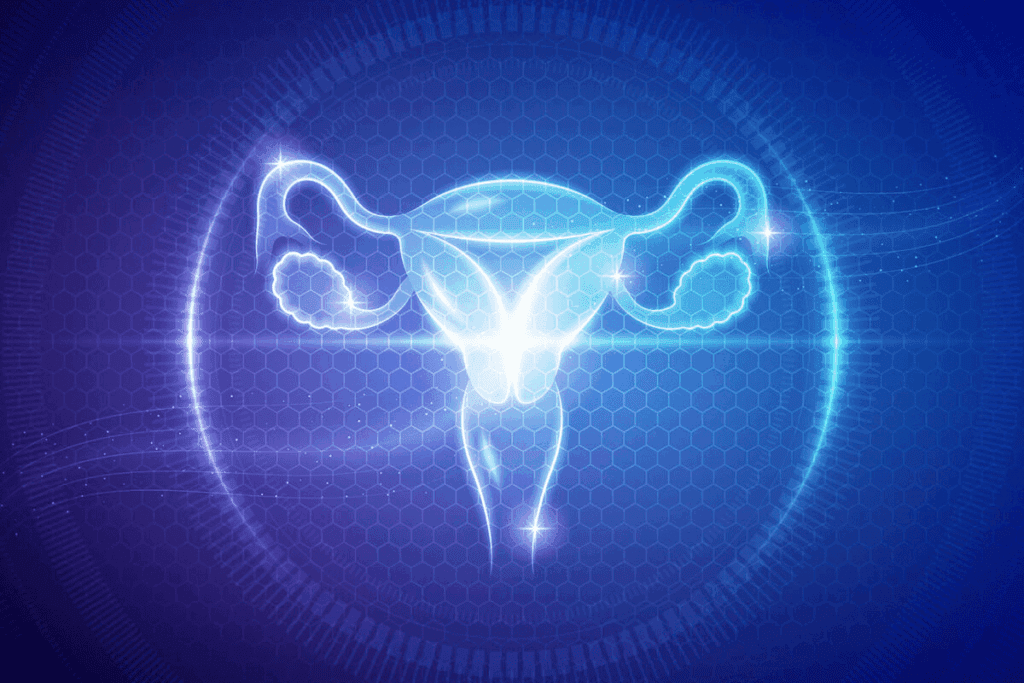
Endometriosis happens when tissue like the uterus lining grows outside the womb. This causes inflammation, scarring, and pain. It’s estimated that about 1 in 10 women of childbearing age have it.
The exact number of women with endometriosis is hard to know because symptoms vary and diagnosing it can be tough.
Studies say endometriosis affects around 190 million women globally. Many more might not know they have it. It can make life hard, causing pain, infertility, and emotional issues.
How Endometriosis Develops
Endometriosis develops from a mix of genetics, hormones, and environment. One main theory is that tissue flows back through the fallopian tubes and implants in the pelvic area during menstruation. This is called retrograde menstruation and is widely accepted.
Other things that might help endometriosis develop include:
- Genetic predisposition
- Hormonal influences
- Coelomic metaplasia (cells in the pelvic cavity turning into endometrial-like tissue)
- Immune system dysfunction
Why Pain Occurs in Endometriosis
Pain is a big symptom of endometriosis. It’s often severe and can disrupt daily life. The pain can happen during menstruation, sex, or anytime, depending on where the implants are.
Cause of Pain | Description |
Inflammation | Endometrial implants can cause inflammation, leading to pain and discomfort. |
Scarring and Adhesions | The growth of endometrial tissue can lead to scarring and adhesions, which can cause organs to stick together, resulting in pain. |
Hormonal Influences | Hormonal changes during the menstrual cycle can cause endometrial implants to grow and shed, leading to pain. |
“Understanding the complex interplay of factors that contribute to endometriosis is key for better treatments and improving lives of those affected.”
Expert Opinion
Knowing about endometriosis helps us understand why it causes pain and how it affects people. This knowledge is vital for both patients and doctors to manage the condition well.
What Does Endometriosis Pain Feel Like: Common Descriptions
People with endometriosis often describe their pain as stabbing, throbbing, or feeling like ‘barbed wire’. These descriptions help us understand the complex pain of endometriosis. They are key for both patients and doctors to grasp this condition.
Endometriosis pain is unique to each person, but some common feelings stand out. Many report a sharp, knife-like pain. This stabbing pain during period is very intense and can be overwhelming.
The Knife-Like Stabbing Sensation
Many with endometriosis feel a sharp, stabbing pain, like being stabbed with a knife. This pain is often very severe. It can also feel like there’s pressure or heaviness in the pelvic area.
Burning and Throbbing Sensations
Besides stabbing pain, burning and throbbing are common too. These feelings can be constant or change, getting worse during menstruation. The burning sensation is often very distressing, often with cramping and bloating.
The “Barbed Wire” Feeling
Some people say their pain feels like ‘barbed wire’ across their abdomen. This description shows the intense, gripping pain many with endometriosis feel. It’s a powerful way to describe the pain’s severity and discomfort.
Intensity and Duration Variations
The pain’s intensity and how long it lasts can vary a lot. Some feel mild discomfort, while others have severe pain for days. Knowing these differences is key for effective treatment plans.
By looking into the different ways endometriosis pain is described, we can better understand what people go through. This understanding is vital for providing caring and effective care.
Menstrual Pain vs. Endometriosis Pain: Spotting the Difference
Many women feel pain during their periods, but there’s a big difference between normal cramps and endometriosis pain. Normal menstrual cramps are usually mild and can be eased with over-the-counter pain relievers. But, endometriosis pain is much worse and can really affect your daily life.
Normal Period Cramps: What to Expect
Typical menstrual cramps are mild to moderate. They can be managed with over-the-counter pain relievers. These cramps happen when the uterus contracts to shed its lining. For many, these cramps are just part of their cycle and may come with bloating and mood swings.
When Cramps Become “Killer Cramps”
Endometriosis cramps, or “killer cramps,” are much more severe. They can be so intense that they interfere with daily activities and are not easily relieved by standard pain medications. These cramps are caused by endometrial tissue growing outside the uterus, leading to inflammation and pain.
- Severe Pain: Pain that’s much more intense than usual menstrual cramps.
- Duration: Pain that lasts longer than typical menstrual cramps, sometimes throughout the entire cycle.
- Impact on Daily Life: Pain that significantly disrupts daily activities, work, or school.
Pain That Disrupts Daily Life
One of the key differences between normal menstrual pain and endometriosis pain is how much it affects daily life. For women with endometriosis, the pain can be so bad that it makes everyday tasks hard or impossible.
It’s important to know the difference to get the right medical care. If you’re feeling pain that’s more than usual, see a healthcare provider. They can help figure out the cause and find the right treatment.
Beyond the Pelvis: Widespread Pain Patterns
Endometriosis pain isn’t just in the pelvis; it can spread to other parts of the body. While it’s known for pelvic pain, many women also feel pain in other areas. This makes it harder to diagnose and treat.
Abdominal Pain Outside of Periods
Almost 91% of women with endometriosis have abdominal pain or cramping that’s not tied to their period. This pain can feel sharp or dull and can really interfere with daily life. It can be very painful and affect how you do things every day.
Some common descriptions include:
- Sharp, stabbing pain
- Dull, persistent ache
- Cramping that doesn’t follow a menstrual cycle
Back and Flank Pain Experiences
About 82% of women with endometriosis also have back or flank pain. This pain can really hurt your posture and how you move. It can be constant or come and go, and can be mild or very severe.
Key characteristics of back and flank pain in endometriosis include:
- Pain that worsens with certain positions or activities
- Radiating pain that travels down the legs
- Pain that intensifies during menstrual periods
The Science Behind Referred Pain
Referred pain is when you feel pain in a place other than where it’s happening. In endometriosis, this can happen because of how nerves work and where endometrial lesions are. Knowing about referred pain is key to managing it well.
The mechanisms behind referred pain involve:
- Nerve irritation and inflammation
- Shared nerve pathways between different body regions
- The brain’s interpretation of pain signals
Unexpected Pain Locations: From Head to Toe
Pelvic pain is common in endometriosis, but many women also feel pain in other areas. This is because endometriosis can affect many parts of the body. It’s a complex condition.
Shoulder Pain and Diaphragmatic Endometriosis
Shoulder pain is a surprise for many with endometriosis. It happens when endometrial tissue grows on or under the diaphragm. Shoulder pain related to endometriosis can be sharp and gets worse with deep breathing or movement.
Jaw Pain and Facial Discomfort
Some women with endometriosis also experience jaw pain or facial discomfort. These symptoms are less common but can be linked to endometriosis. Hormonal changes might play a role in how the body feels pain.
Hip and Leg Pain Patterns
Hip and leg pain are also common in endometriosis. The pain can feel like a dull ache or sharp stabbing. It might be caused by endometrial implants near nerves in the pelvic area.
In conclusion, endometriosis pain can affect many parts of the body. Knowing where pain can occur helps in diagnosing and treating the condition.
The Timing of Endometriosis Pain: Cycles and Patterns
Knowing when endometriosis pain happens is key to managing it well. The pain can follow a pattern, sometimes tied to the menstrual cycle. At other times, it can come without warning.
Cyclical Pain Related to Menstruation
Many women with endometriosis feel cyclical pain that matches their menstrual cycle. This pain often gets worse just before and during their period.
The changes in hormones during the cycle can make endometrial lesions inflamed. This leads to pain. This pattern can help doctors diagnose endometriosis.
Does Endometriosis Pain Come and Go?
Endometriosis pain can change a lot. It can be more or less intense, and it can happen more or less often. Some women have times when they feel okay, followed by times of really bad pain.
This change can be due to many things. Hormonal shifts, where the implants are, and how much pain a person can handle all play a role.
Pain Before, During, and After Periods
Pain from endometriosis can happen at different times. Some women feel pain before their period. This is often because of hormonal changes and the growth of endometrial tissue.
Timing of Pain | Possible Causes |
Before Period | Hormonal changes, buildup of endometrial tissue |
During Period | Inflammation of endometrial lesions, menstrual cramps |
After Period | Residual inflammation, healing process |
Non-Cyclical Pain Experiences
Not all endometriosis pain follows the menstrual cycle. Some women have persistent or non-cyclical pain. This pain is just as tough to deal with.
This pain might be because of where the implants are, adhesions, or other reasons not linked to hormones.
It’s important to understand these patterns to find the right treatment. Knowing if pain is cyclical or not helps doctors create a plan that fits each patient’s needs.
Beyond Pain: Other Physical Sensations
Endometriosis can cause many physical sensations beyond just pain. These feelings can disrupt daily life, causing discomfort and distress.
Endometriosis is complex and affects people differently. While pain is common, other sensations can also occur. These can surprise patients.
Tingling and Numbness Sensations
Some with endometriosis feel tingling or numbness, often in the pelvic area or uterus. This tingling in uterus can be unsettling and is often not discussed openly.
These feelings come from endometrial tissue growing near nerve endings. This leads to unusual sensations not usually linked to the condition.
Pressure and Heaviness Feelings
Pressure and heaviness in the pelvic area are common complaints. It feels like a constant weight or pressure that doesn’t go away, even when not on your period.
These feelings can be due to adhesions or cysts putting pressure on organs and tissues.
Burning Sensations Before Periods
A lot of people with endometriosis experience a burning pain before period. This burning can happen in the pelvic area, lower back, or even legs.
The cause of this burning varies. It’s often linked to hormonal changes and inflammation during the menstrual cycle.
Unusual Sensations in the Uterus
Unusual sensations in uterus are common in those with endometriosis. These can feel like the uterus is contracting or cramping. Some even feel like it’s “tied in knots.”
Sensation | Description | Possible Cause |
Tingling/Numbness | Feeling of pins and needles or lack of sensation | Nerve compression or damage |
Pressure/Heaviness | Constant feeling of weight or pressure | Adhesions or cysts |
Burning | Burning pain, often before periods | Hormonal changes and inflammation |
Unusual Uterine Sensations | Contractions, cramping, or “tied in knots” feeling | Endometrial growths or hormonal fluctuations |
It’s important to understand these physical sensations for both patients and healthcare providers. By recognizing all symptoms, we can offer better care and support.
The Impact of Endometriosis Pain on Daily Life
Endometriosis pain deeply affects a person’s life, touching many areas. It impacts work, physical activities, relationships, and mental health.
Work and School Disruptions
Endometriosis pain can make it hard to work or go to school. People often struggle to keep up with their schedules because of their symptoms. Absenteeism and presenteeism (being physically present but not fully productive) are common challenges. It’s important to understand how endometriosis affects work and school life.
Effects on Physical Activities
For those with endometriosis, exercise can be a challenge. The pain makes it hard to do sports, exercise, or even simple tasks like walking. Finding low-impact activities can help manage symptoms while keeping physical health in check.
Relationships and Intimacy Challenges
Endometriosis can also affect personal relationships and intimacy. The pain and discomfort can cause irritability and mood swings, lowering libido. Open communication with partners, family, and friends is key for healthy relationships. It’s vital to have a support network for those with endometriosis.
Mental Health Considerations
Endometriosis can lead to mental health issues like anxiety, depression, and feelings of isolation. A treatment plan should include mental health support. We need to treat endometriosis holistically, focusing on both physical and mental health.
Understanding the wide impact of endometriosis helps us support those affected by it.
When to Seek Medical Help for Suspected Endometriosis
Knowing when to see a doctor is key if you think you might have endometriosis. Getting medical help early can make a big difference in finding and treating the condition. We’ll show you the warning signs, how to keep track of your pain, and what to expect when you see a doctor.
Red Flag Symptoms That Shouldn’t Be Ignored
Some symptoms mean you should see a doctor right away. These include:
- Severe pelvic pain that makes it hard to do daily tasks
- Heavy or irregular menstrual bleeding
- Pain during or after sex
- Difficulty getting pregnant or staying pregnant
- Symptoms like bloating, tiredness, or diarrhea during your period
“Spotting these warning signs early means you can get the care you need faster.” A healthcare expert says,
“Finding endometriosis early can greatly improve your life quality.”
Tracking Your Pain: What to Document
Keeping a record of your symptoms and pain is very important for a correct diagnosis. You should note:
- The strength and length of your pain
- When your pain happens in relation to your period
- Any other symptoms you’re feeling
- How your symptoms impact your daily life
Having a detailed log will help your doctor understand your situation better. Good tracking can lead to a more accurate diagnosis.
Preparing for Your Doctor’s Appointment
Getting ready for your doctor’s visit is important. Here are some tips:
- Write down your symptoms and any questions you have
- Bring your pain tracking records
- Talk about any family history of endometriosis or other health issues
- Be ready to discuss your menstrual cycle and sexual activity
Being ready will help make sure you share all the important information during your visit.
The Diagnostic Journey
Figuring out if you have endometriosis can take some steps, like:
- Pelvic exams
- Imaging tests like ultrasound or MRI
- Laparoscopy for a clear diagnosis
Knowing about the diagnostic process can help you feel less anxious and prepare you for what’s ahead. It’s a journey that needs patience, but with the right team, you can get through it.
Conclusion: Living With and Managing Endometriosis Pain
Understanding endometriosis pain is key for those dealing with it. The pain can feel like sharp stabbing or dull aches. It can really affect your daily life.
To live with endometriosis, you need a full plan to manage symptoms. Knowing the signs helps you get help fast. Good management can reduce pain and make life better.
Handling endometriosis pain means using many strategies. This includes medical treatments, changing your lifestyle, and having support. We suggest working with doctors to create a plan just for you.
Even though endometriosis is ongoing, there’s hope. New research and treatments are coming up. They offer better ways to manage pain and improve your life.
FAQ
What does endometriosis pain feel like?
Endometriosis pain can feel like sharp stabbing or burning. It can also feel like a “barbed wire” sensation. The pain’s intensity and how long it lasts can vary a lot.
How does endometriosis pain differ from typical menstrual cramps?
Menstrual cramps are common and usually not as bad as endometriosis pain. Endometriosis pain is often more severe and can affect daily life. It can also spread to areas like the abdomen, back, and flanks.
Can endometriosis cause pain in unexpected locations?
Yes, endometriosis can cause pain in places like the shoulder, jaw, hip, and leg. This happens because the pain is felt in a different spot than where it actually is.
Does endometriosis pain follow a specific pattern or cycle?
Endometriosis pain can follow the menstrual cycle, but it’s not always the case. Some people have pain that comes and goes, while others have pain all the time.
What other physical sensations are associated with endometriosis?
People with endometriosis might feel tingling, numbness, pressure, or burning. They might also feel unusual sensations in their uterus, like tingling or feeling heavy.
How does endometriosis pain affect daily life?
Endometriosis pain can really impact your daily life. It can affect work, school, physical activities, relationships, and your mental health. The emotional toll is also significant.
When should I seek medical help for suspected endometriosis?
If you have severe or ongoing pain, heavy or irregular periods, or pain that stops you from doing daily activities, see a doctor. Keeping a symptom journal can help when you talk to your healthcare provider.
How can I prepare for a doctor’s appointment for suspected endometriosis?
Write down your symptoms, when they happen, and how bad they are. Be ready to talk about your medical history, menstrual cycle, and what makes your symptoms better or worse.
What is the diagnostic process for endometriosis?
Diagnosing endometriosis involves your medical history, a physical exam, imaging tests, and sometimes laparoscopy. The process can be complex, so be patient.
Can endometriosis pain be managed?
Yes, while endometriosis is ongoing, there are treatments and ways to manage pain. Working with your healthcare provider is important to find what works best for you.
References
Government Health Resource. Evidence-Based Medical Guidance. Retrieved from https://www.nejm.org/doi/full/10.1056/NEJMra1810764