
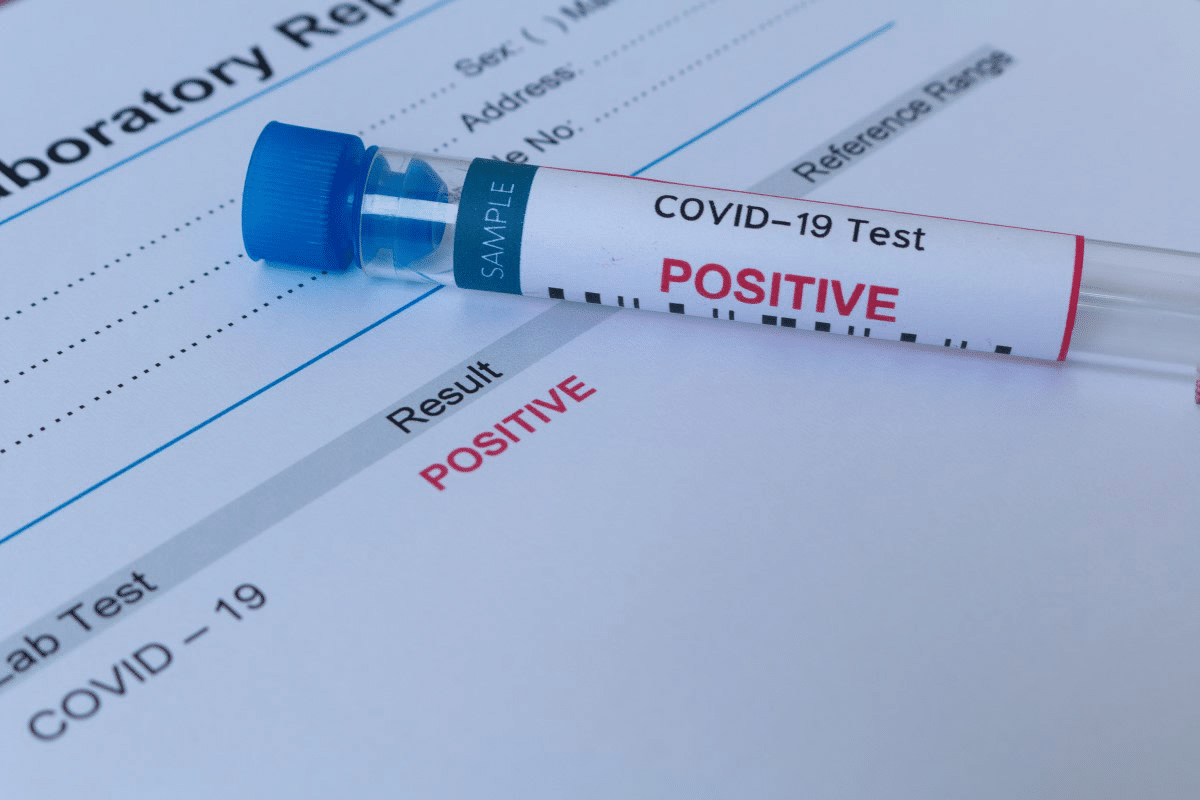
The antinuclear antibody (ANA) test is key in finding autoantibodies that harm cell nuclei. At Liv Hospital, we focus on teaching patients and understanding test results well.what does a positive ana meanWhat Does Uptake on a Bone Scan Mean—Cancer, Arthritis, or Something Else?
A positive ANA test might show an autoimmune disease like systemic lupus erythematosus (SLE), rheumatoid arthritis, scleroderma, or Sjögren’s syndrome. But, a positive result doesn’t mean you definitely have one of these diseases. In fact, about 15% of healthy people can also test positive.
Getting a positive ANA test result can be puzzling. Our medical team is here to explain things clearly. We want to help you grasp your diagnosis and what treatment options are available.
The Antinuclear Antibody test is key in finding autoimmune disorders. It helps spot conditions where the body makes bad antibodies.
We use the ANA test to find autoimmune diseases. Signs like fever, rash, and joint pain might mean you need this test. These signs could show an autoimmune disease is present.
The ANA test looks for antinuclear antibodies in your blood. It’s a tool to spot diseases like lupus. It checks if you have these antibodies, which are signs of autoimmune diseases.
ANA testing is important for early disease detection. It helps doctors understand your condition better. This way, they can give you the right care.
Doctors order an ANA test for symptoms of autoimmune diseases. These symptoms include:
An ANA test gives doctors clues about your symptoms. They can then plan the best treatment for you.
|
Symptom |
Possible Indication |
|---|---|
|
Joint pain and swelling |
Rheumatoid arthritis or lupus |
|
Fever and fatigue |
Systemic autoimmune disease |
|
Rash and skin sensitivity |
Lupus or other autoimmune skin conditions |

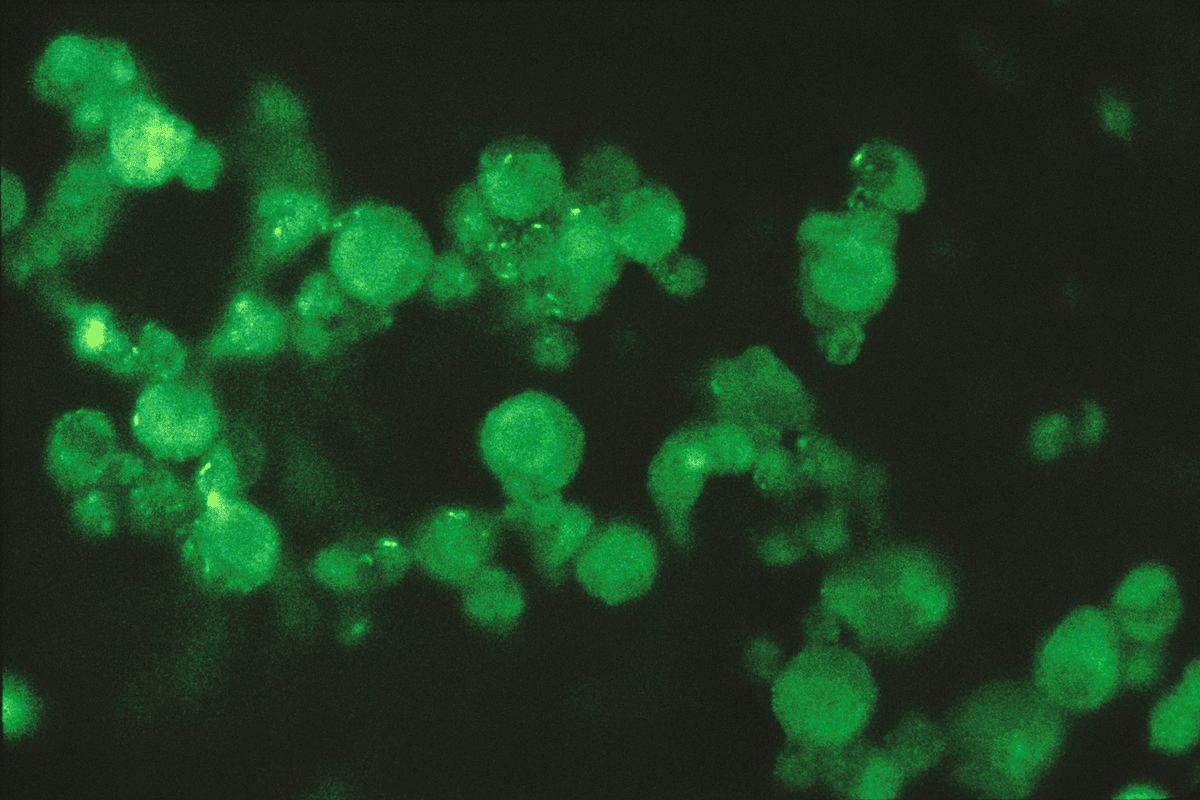
Understanding ANA testing is key to its role in finding autoimmune diseases. The test uses a method called immunofluorescent. It applies patient serum to cells on a slide for viewing.
The test starts with applying a patient’s serum to a slide with HEp-2 cells. These cells have big nuclei, perfect for seeing antibodies. The serum then sits for a while, letting antibodies bind to the cells.
After that, a fluorescent dye is added. This dye sticks to the antibodies on the cells. Under a special microscope, we can see where the dye is. This shows us if and what antibodies are there.
The patterns seen under the microscope tell us a lot. There are a few main types:
|
Staining Pattern |
Common Associations |
|---|---|
|
Homogeneous |
SLE, Drug-induced Lupus |
|
Speckled |
Sjögren’s syndrome, Mixed Connective Tissue Disease |
|
Nucleolar |
Scleroderma |
|
Centromere |
Limited Systemic Scleroderma |
Reading these patterns needs skill. Knowing what antibodies are present helps doctors plan treatment. By grasping the test’s method and pattern meanings, doctors can use ANA test results better.
A positive ANA result is not a diagnosis itself. It’s a sign that might show an autoimmune disease is present. When a patient’s ANA test is positive, it means their immune system is making antinuclear antibodies.
A positive ANA test shows the patient’s blood has antibodies against cell nuclei. This is often linked to autoimmune conditions. In these conditions, the body’s immune system attacks its own tissues by mistake.
The antinuclear antibodies can be found through lab tests. A titer of 1:80 or higher on HEp-2 cells is usually positive. Knowing what a positive ANA result means is important for both patients and doctors.
The importance of a positive ANA result depends on the titer level. A positive ana titer shows how many antibodies are present. Titer levels range from 1:80 to 1:1280 or more. The higher the titer, the more significant the result is likely to be.
|
Titer Level |
Significance |
|---|---|
|
1:80 |
Generally considered the threshold for a positive result |
|
1:160 |
May indicate a possible autoimmune condition; more testing is often needed |
|
1:320 or higher |
Strongly suggests an autoimmune disorder; clinical correlation is necessary |
Knowing the anti nuclear antibody titer levels helps doctors figure out the chance of an autoimmune disease. They can then decide on the next steps for diagnosis and treatment.
A weakly positive ANA result has lower titer levels (like 1:80 or 1:160). This can be seen in healthy people or those with non-autoimmune conditions. On the other hand, a strongly positive result (with higher titer levels like 1:640 or 1:1280) is more likely to be linked to an autoimmune disease.
It’s important to know the difference between weakly and strongly positive results. A weakly positive result might need watching, but a strongly positive result often calls for more tests and treatment.
Antinuclear antibodies (ANA) are a key sign of several autoimmune diseases. These include Systemic Lupus Erythematosus (SLE), Rheumatoid Arthritis, and Sjogren’s Syndrome. A positive ANA test often means more tests are needed to find the exact disease.
SLE is a long-lasting autoimmune disease that can harm many parts of the body. It affects the skin, joints, kidneys, and more. About 95 percent of lupus patients have positive ANA results. This makes the ANA test very important for diagnosing SLE.
Rheumatoid Arthritis (RA) mainly hurts the joints, causing pain and swelling. It can also damage joints severely. While not as common as in SLE, many RA patients also test positive for ANA.
Sjogren’s Syndrome mainly hurts the glands that make saliva and tears, causing dry mouth and eyes. Many people with Sjogren’s have positive ANA tests. They often have specific patterns in their ANA results.
Scleroderma, or systemic sclerosis, makes skin and connective tissues hard and tight. It can also harm internal organs. Many scleroderma patients have positive ANA results, with unique autoantibodies.
These conditions show why a detailed diagnosis is needed after a positive ANA test. Knowing the exact disease helps doctors choose the right treatment.
Understanding the link between positive ANA results and these diseases helps doctors diagnose and treat patients better. This leads to better health outcomes for patients.
It’s important to know how sensitive and specific the Antinuclear Antibody (ANA) test is. This test is key in diagnosing autoimmune diseases, like Systemic Lupus Erythematosus (SLE).
The ANA test is very good at finding lupus. About 95 percent of lupus patients test positive for ANA. This means a negative test can usually rule out lupus.
Even though it’s good at finding lupus, the ANA test isn’t very specific. Only 11-13% of people with a positive ANA test actually have lupus. So, a positive test doesn’t always mean you have lupus and needs more tests to confirm.
This information is important. A positive ANA test can cause worry and more tests for things you might not have. It’s key for doctors and patients to understand what the test means.
|
Condition |
ANA Positivity Rate |
Specificity |
|---|---|---|
|
Systemic Lupus Erythematosus (SLE) |
95% |
Low |
|
Rheumatoid Arthritis |
Variable |
Moderate |
|
Sjogren’s Syndrome |
High |
Moderate |
In summary, the ANA test is very good at spotting lupus. But, it’s not specific enough. This means we need to do more tests to make sure we have the right diagnosis.
A positive ANA test result can worry you, but it’s key to know false positives happen. We’ll look at why false positives occur, like in healthy people, due to meds, age, and other reasons.
Up to 15% of healthy people might have a positive ANA test. This shows it’s important to look at test results with your health and symptoms in mind. A positive result doesn’t always mean you have an autoimmune disease.
Some meds can make your ANA test look positive. This includes anti-seizure meds, antibiotics, and some heart drugs. Tell your doctor about any meds you’re taking to get your test results right.
Age can play a role in getting a false positive ANA result. Older people are more likely to test positive without an autoimmune disease. This means we need to be careful when testing older adults.
False positives can also come from infections and other health issues. Knowing these can help avoid wrong diagnoses and make sure you get the right treatment.
Getting a positive Antinuclear Antibody (ANA) test means you need to take the next steps. This test shows you have antibodies linked to many autoimmune diseases. But, it doesn’t tell you which disease you have.
After a positive ANA, additional antibody tests are needed. These tests help find out which autoimmune disease you might have. Some tests include:
These tests help narrow down the possible causes of a positive ANA. They guide further diagnosis and treatment.
A thorough clinical evaluation is key after a positive ANA test. This includes checking your symptoms, medical history, and doing a physical exam. Doctors look for signs like joint pain, skin rashes, or muscle weakness.
If your initial check-up suggests an autoimmune disease, seeing a rheumatologist might be needed. Rheumatologists specialize in diseases like lupus and rheumatoid arthritis. They can help with more tests, treatment options, and how to manage your condition.
|
Condition |
Associated Antibodies |
Common Symptoms |
|---|---|---|
|
Systemic Lupus Erythematosus (SLE) |
Anti-dsDNA, Anti-Sm |
Butterfly rash, joint pain, kidney issues |
|
Sjogren’s Syndrome |
Anti-Ro (SSA), Anti-La (SSB) |
Dry eyes, dry mouth, joint pain |
|
Scleroderma |
Anti-Scl-70 |
Skin thickening, Raynaud’s phenomenon |
Understanding a positive ANA test and following up with the right tests and evaluations is key. It helps manage autoimmune diseases well.
Getting a positive ANA test result can be scary. It’s normal to wonder what it means for your health. We’re here to answer some common questions you might have.
A positive ANA test doesn’t mean you definitely have an autoimmune disease. While it’s a sign of some diseases like Systemic Lupus Erythematosus (SLE), it can also show up in healthy people. More tests and a doctor’s check-up are needed to understand what it means for you.
Yes, ANA levels can change. This can happen for many reasons, like treatment or changes in your health. Keeping an eye on your ANA levels is important for people with autoimmune diseases.
Deciding if family members should get tested for ANA depends on their health and family history. Even if a family member has a positive ANA, it doesn’t mean they’ll get the same disease. Talk to a doctor to see if testing is right for your family.
Dealing with anxiety after a positive ANA test involves understanding the test and talking to your doctor. You might need more tests to figure out what’s going on. It’s also key to share your worries with your doctor to help manage your anxiety and plan for your care.
|
Concerns |
Actions |
|---|---|
|
Understanding Positive ANA |
Discuss with healthcare provider, further testing |
|
Fluctuating ANA Levels |
Regular monitoring, adjust treatment as necessary |
|
Family Members Testing |
Consult healthcare provider based on individual health |
|
Managing Anxiety |
Seek support, discuss concerns with healthcare provider |
Knowing how to handle a positive ANA test is key to managing autoimmune diseases well. A positive ANA is just the start of a journey that may lead to different treatments.
Not everyone with a positive ANA needs treatment right away. The need for treatment depends on symptoms, the disease type, and how severe it is. For example, people with Systemic Lupus Erythematosus (SLE) might need stronger treatments than those with a mild, symptom-free positive ANA.
Different autoimmune diseases need different treatments. For example:
Long-term monitoring is vital for managing autoimmune diseases. Regular check-ups with healthcare providers are important for:
Lifestyle is a big part of managing autoimmune diseases. Patients are often told to:
By using a treatment plan that includes medicine, lifestyle changes, and regular check-ups, people with autoimmune diseases can live full and active lives.
Understanding ANA test results is key. We’ve looked at what ANA testing is and what it means. It’s important to see the bigger picture, like other autoimmune diseases and symptoms, to diagnose and treat right.
A positive ANA test doesn’t always mean you have an autoimmune disease. We must look at the test’s details and the patient’s health. This helps doctors give the right care and treatment.
In short, reading ANA test results is complex. Knowing the context helps make accurate diagnoses and improve patient care. This leads to better health for everyone.
A positive ANA test shows you have antinuclear antibodies in your blood. These can be linked to diseases like lupus, rheumatoid arthritis, and Sjogren’s syndrome.
The ANA test helps find and track autoimmune diseases. It’s mainly used for systemic lupus erythematosus (SLE) by looking for antinuclear antibodies.
The ANA titer shows how much antinuclear antibodies are in your blood. A higher titer means more antibodies, which might mean you’re more likely to have an autoimmune disease.
Yes, a positive ANA test can be false. It can happen in healthy people, due to medicines, age, or other reasons not related to autoimmune diseases.
Conditions like systemic lupus erythematosus (SLE), rheumatoid arthritis, Sjogren’s syndrome, and scleroderma are often linked to a positive ANA test.
The ANA test uses an immunofluorescent assay. It checks a blood sample for antinuclear antibodies that stick to cell nuclei.
A high ANA titer means you have a lot of antinuclear antibodies. This can suggest a higher risk of autoimmune diseases, like lupus.
Family members usually don’t get tested for ANA unless they show symptoms of an autoimmune disease. A positive ANA can also happen in healthy people.
Yes, ANA levels can change. Monitoring these changes helps doctors see how the disease is doing or how well treatment is working.
A weakly positive ANA result means you have a small amount of antinuclear antibodies. A strongly positive result means you have a lot, which is more likely to be related to an autoimmune disease.
Treatment is needed if a positive ANA is causing symptoms of an autoimmune disease. The decision to treat depends on the diagnosis, how severe the disease is, and the patient’s situation.
National Center for Biotechnology Information. Positive ANA Test: Autoantibody Detection and Interpretation. Retrieved from https://www.ncbi.nlm.nih.gov/pmc/articles/PMC3466330/