Last Updated on November 25, 2025 by
Understanding the surgical options for prostate cancer and BPH is key for patients. We aim to help you understand the three main types of surgery for these conditions.
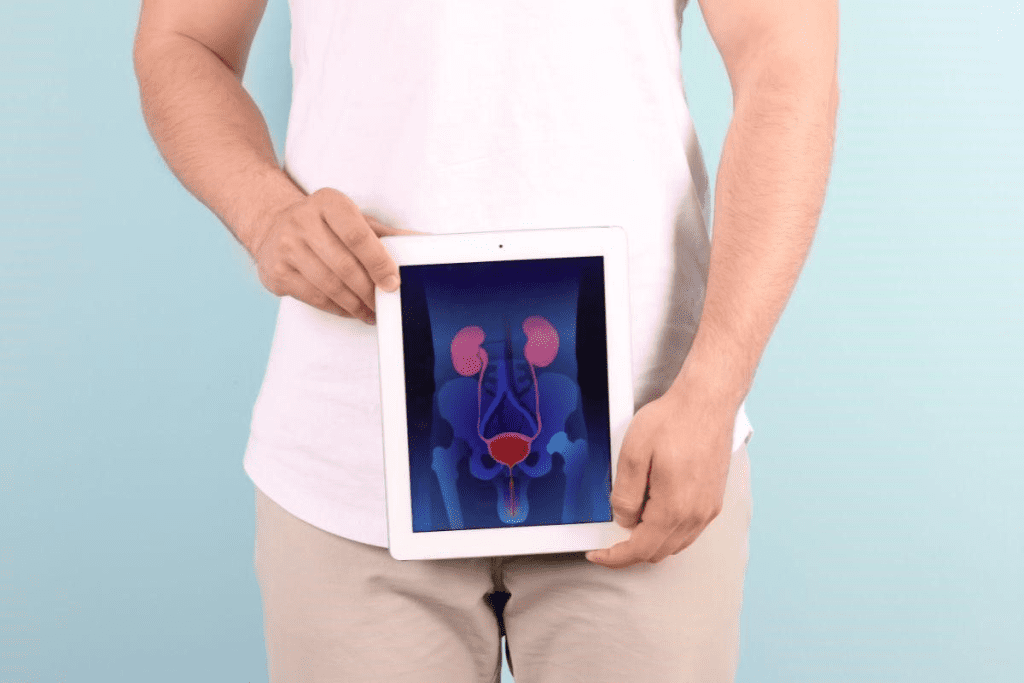
The main surgical options are open radical prostatectomy, laparoscopic prostatectomy, and robotic-assisted laparoscopic prostatectomy. Each has its own benefits and challenges. Knowing these differences helps patients choose the right surgery for them.
Key Takeaways
- There are three main types of prostate surgery: open radical prostatectomy, laparoscopic prostatectomy, and robotic-assisted laparoscopic prostatectomy.
- Understanding the differences between these surgical options is key to making informed decisions.
- Each type of surgery has its own benefits and challenges.
- Patients should consider their specific needs when choosing a surgical option.
- Consulting with a healthcare professional is essential to determine the best course of treatment.
Understanding Prostate Conditions and Surgical Interventions
It’s important to know about prostate conditions to choose the right surgery. As men get older, prostate health becomes a big concern. Different conditions may need surgery, affecting a man’s quality.
We’ll look at common conditions needing surgery and how surgery has improved to treat them well.
Common Conditions Requiring Prostate Surgery
Prostate cancer and Benign Prostatic Hyperplasia (BPH) are top reasons for prostate surgery. Prostate cancer is a common cancer in men. BPH makes the prostate gland grow, causing urinary issues. Both can greatly impact a man’s life, making surgery timely and right very important.
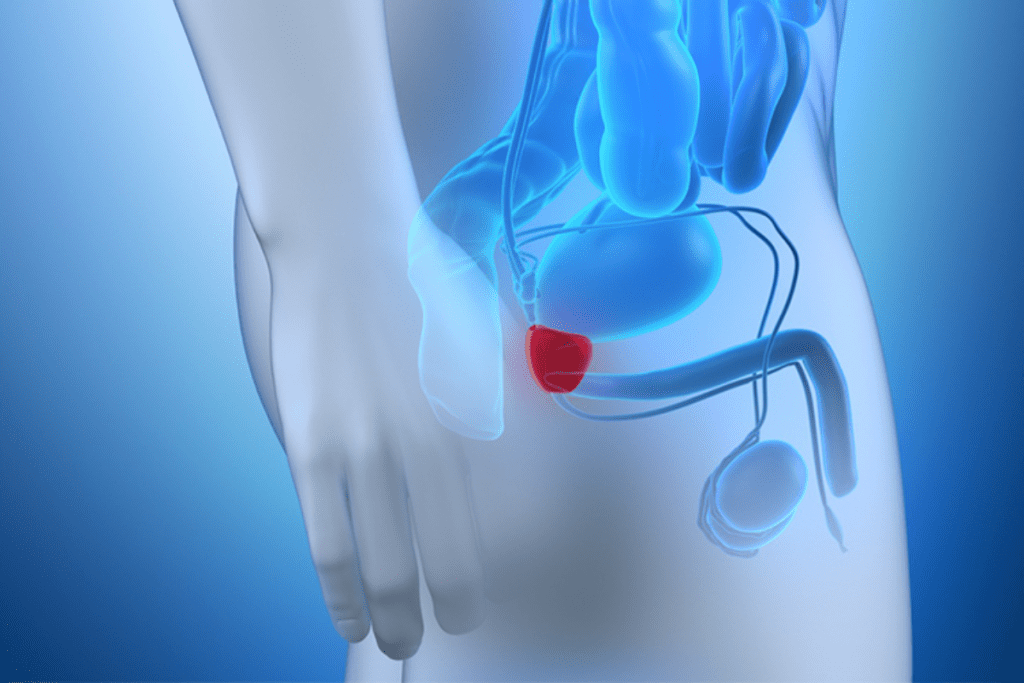
image correction needed’
Choosing surgery depends on many things. This includes how bad symptoms are, the patient’s health, and the surgery’s benefits and risks. For prostate cancer, surgery is often a first choice. For BPH, surgery is considered when symptoms are severe and other treatments don’t work.
Evolution of Prostate Surgical Techniques
Prostate surgery has changed a lot, moving from open surgery to minimally invasive procedures. Open radical prostatectomy was the main surgery for prostate cancer before. But now, laparoscopic and robotic-assisted surgeries are more common. They offer less blood loss, less pain, and faster recovery.
This move to less invasive surgeries shows a push to make surgery better for patients. As technology gets better, we’ll see even more improvements in prostate surgery.
Open Radical Prostatectomy: The Traditional Approach
Open radical prostatectomy has been a key treatment for prostate cancer for years. It involves a big incision in the belly to take out the prostate gland.

image is to be corrected’
Procedure Details
The open radical prostatectomy is a detailed and precise surgery. Surgeons must carefully navigate around vital structures to ensure the complete removal of the prostate gland while preserving surrounding nerves and tissues.
During the operation, the patient is under general anesthesia. The surgeon makes an incision in the lower abdomen, either in the midline or horizontally, depending on the specific technique used.
Benefits and Limitations
One of the main benefits of open radical prostatectomy is its ability to remove the prostate gland and surrounding tissues that may contain cancer. This approach allows for a more thorough examination and removal of potentially cancerous tissues.
But this traditional approach also has its downsides. The big incision can lead to a longer recovery time and more post-operative pain compared to newer, less invasive methods.
- Benefits:
- Effective in removing cancerous tissues
- Allows for thorough examination
- Limitations:
- Longer recovery time
- Potential for more post-operative pain
Recovery Timeline and Expectations
Recovery from open radical prostatectomy can take a while. Patients usually spend several days in the hospital and may need weeks to get their strength back.
Post-operative care is key to a smooth recovery. This includes following a specific rehabilitation plan, managing pain well, and following up with the healthcare provider.
While the recovery can be tough, many patients can get back to their normal activities in a few months. It’s important for patients to have realistic expectations and follow their surgeon’s guidance during the recovery.
Laparoscopic Prostatectomy: Minimally Invasive Innovation
Laparoscopic prostatectomy is a big step forward in treating prostate issues. It’s a less invasive method than traditional surgery. This approach helps patients heal faster and face fewer complications.
Procedure Overview
This surgery uses small cuts in the belly. Special tools and a laparoscope are inserted through these cuts. The laparoscope shows images on a screen, helping the surgeon work on the prostate with great care.
A study on the National Institutes of Health website shows the benefits of laparoscopic surgery. It leads to less pain after surgery and shorter hospital stays. The tools used in laparoscopy help surgeons do complex tasks more accurately.
Benefits Over Traditional Surgery
Laparoscopic prostatectomy has many benefits. Patients feel less pain, have smaller scars, and heal faster. This makes it a good choice for those wanting to get back to their lives quickly.
“The minimally invasive nature of laparoscopic prostatectomy significantly reduces the risk of complications associated with traditional open surgery, making it a preferred choice for many patients.”-Professionals note
It also means less chance of infection and less blood loss. These factors make laparoscopic surgery safer and more effective.
Technical Challenges
Despite its benefits, laparoscopic prostatectomy is hard for surgeons. It needs a lot of skill and precision. Surgeons must be good at using laparoscopic tools and understanding images from the laparoscope.
To get better at this, surgeons get special training. As technology gets better, so will the tools and images used in laparoscopic surgery. This will make the procedure even safer and more effective.
Modern Prostate Surgery: Robotic-Assisted Laparoscopic Prostatectomy
The introduction of robotic-assisted laparoscopic prostatectomy has changed prostate surgery. It brings better precision and flexibility. This new method helps patients recover faster and get better results.
The Da Vinci Surgical System
The Da Vinci Surgical System leads in robotic-assisted laparoscopic prostatectomy. It’s a cutting-edge technology that lets surgeons do complex surgeries with great accuracy. The Da Vinci System’s advanced robotics and 3D visualization help surgeons remove the prostate gland precisely, lowering the risk of problems and improving results.
image is to be corrected’
Procedure Details and Surgeon Control
In a robotic-assisted laparoscopic prostatectomy, the surgeon uses the Da Vinci System’s robotic arms. These arms have surgical tools and a high-definition camera. This setup gives a clear view of the area being operated on, allowing for precise work and less damage to nearby tissues. The surgeon’s control over the robotic system makes it possible to do delicate tasks that are hard or impossible with traditional surgery.
Clinical Outcomes and Success Rates
Studies show robotic-assisted laparoscopic prostatectomy has many benefits. It has lower complication rates, less blood loss, and faster recovery times than traditional surgery. Patients often have shorter hospital stays, less pain after surgery, and can get back to normal activities faster, improving their quality of life.
“Robotic-assisted laparoscopic prostatectomy has transformed prostate surgery, providing a highly effective and minimally invasive treatment for prostate cancer and other conditions.”
Recovery and Quality of Life Considerations
The minimally invasive nature of robotic-assisted laparoscopic prostatectomy leads to a quicker and more comfortable recovery. With smaller cuts and less tissue damage, patients usually have less pain and can get back to their daily activities sooner. This method not only helps with physical recovery but also improves overall quality of life after surgery.
- Reduced postoperative pain
- Shorter hospital stays
- Quicker return to normal activities
- Improved overall quality of life
In conclusion, robotic-assisted laparoscopic prostatectomy is a big step forward in treating prostate conditions. It offers a highly effective and minimally invasive surgical option. With its precision, flexibility, and better outcomes, this modern method is changing prostate surgery.
Conclusion: Comparing Prostate Surgery Options
Understanding the different types of prostate surgery is key to making a good choice. We looked at three main types: open radical prostatectomy, laparoscopic prostatectomy, and robotic-assisted laparoscopic prostatectomy. Each has its own benefits and drawbacks.
The right surgery depends on many things. These include the patient’s health, the prostate condition’s stage and severity, and the surgeon’s skill. By comparing options, patients can find the best procedure for them. It’s wise to look at the latest surgical techniques for the best results.
It’s important to consider the pros of each surgery type. Open radical prostatectomy is a traditional method. Laparoscopic prostatectomy is less invasive. Robotic-assisted laparoscopic prostatectomy is the newest, with better precision and control.
The main aim of prostate surgery is to treat prostate issues effectively. It should also reduce complications and improve patient outcomes. Knowing about the different surgeries and their benefits helps patients make informed choices about their care.
FAQ
What are the main types of prostate surgery?
The main types are open radical prostatectomy, laparoscopic prostatectomy, and robotic-assisted laparoscopic prostatectomy.
What conditions require prostate surgery?
Surgery is needed for prostate cancer and Benign Prostatic Hyperplasia (BPH).
How has prostate surgery evolved over time?
Surgery has changed a lot. It moved from open surgery to laparoscopic and robotic-assisted methods. These new methods are safer and less invasive.
What is open radical prostatectomy?
This surgery involves a big incision in the abdomen. It’s used to remove the prostate gland, often for cancer.
What are the benefits of laparoscopic prostatectomy?
It has many benefits. These include less pain, smaller scars, and quicker recovery. It’s a good option for those wanting less invasive treatment.
How does robotic-assisted laparoscopic prostatectomy work?
It uses the Da Vinci Surgical System. This allows for precise and minimally invasive surgery. It leads to better results and faster recovery.
What are the advantages of robotic-assisted laparoscopic prostatectomy?
It has many advantages. These include fewer complications, less blood loss, and faster recovery. It greatly improves the patient’s quality of life.
How do I choose the most appropriate prostate surgery option?
Choosing depends on health, condition severity, and surgeon expertise. It’s best to talk to a healthcare professional to decide.
What is the recovery process like after prostate surgery?
Recovery varies by surgery type. Patients usually face pain, fatigue, and urinary issues. These issues usually get better with time and care.
Are there any risks or complications associated with prostate surgery?
Yes, there are risks like infection, bleeding, and urinary issues. But these can be lowered by choosing an experienced surgeon and following care instructions.
References
- American Urological Association: American Urological Association. (2020). Prostate Cancer. https://www.auanet.org/topic-section/prostate-cancer.xml
- National Cancer Institute: National Cancer Institute. (2020). Prostate Cancer Treatment. https://www.cancer.gov/types/prostate
- Moran, P., O’Neill, M., Teljeur, C., Flattery, M., Murphy, L. A., Smyth, G., & Ryan, M. (2013). Robot-assisted radical prostatectomy compared with open and laparoscopic approaches: A systematic review and meta-analysis.Bookshelf. https://www.ncbi.nlm.nih.gov/books/NBK132029/ .This gives pooled outcomes comparing robotic, laparoscopic, and open prostatectomy: less blood loss, fewer complications, better urinary and sexual function for robotic vs open; rim differences vs laparoscopic.