Last Updated on November 25, 2025 by
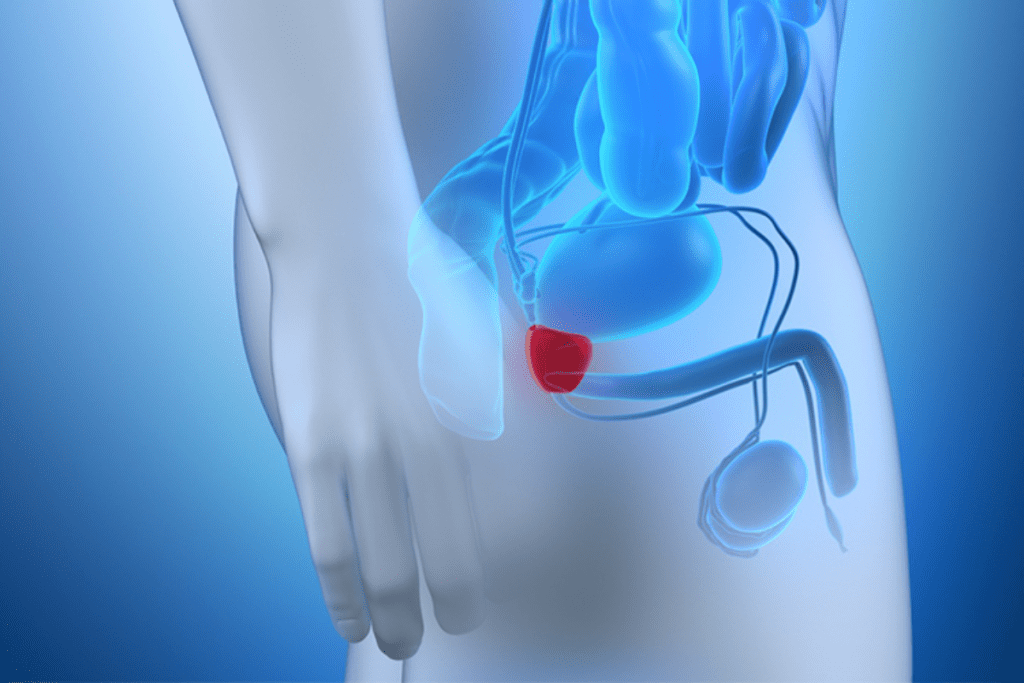
Transurethral Resection of the Prostate (TURP) is a common surgery for benign operate prostate hyperplasia. This condition makes it hard to urinate because the prostate is too big.
Even though TURP works well, it’s good to know its downsides. Issues like ejaculation problems, urinary tract infections, and temporary bladder control loss can happen.
At Liv Hospital, we know how important it is to make informed choices about prostate surgery. Our skilled team is here to help and guide you through TURP.
Key Takeaways
- TURP is a common surgical procedure for treating an enlarged prostate.
- Potential complications include ejaculation problems and urinary tract infections.
- Informed decision-making is key when thinking about TURP.
- Liv Hospital offers full care for TURP patients.
- It’s vital to know both the good and bad sides of TURP.
Understanding TURP as a Prostate Operation
The TURP procedure is a common treatment for men with urinary problems due to an enlarged prostate. It’s important to know what TURP is, why it’s done, and how often it works.
What the TURP Surgical Procedure Involves
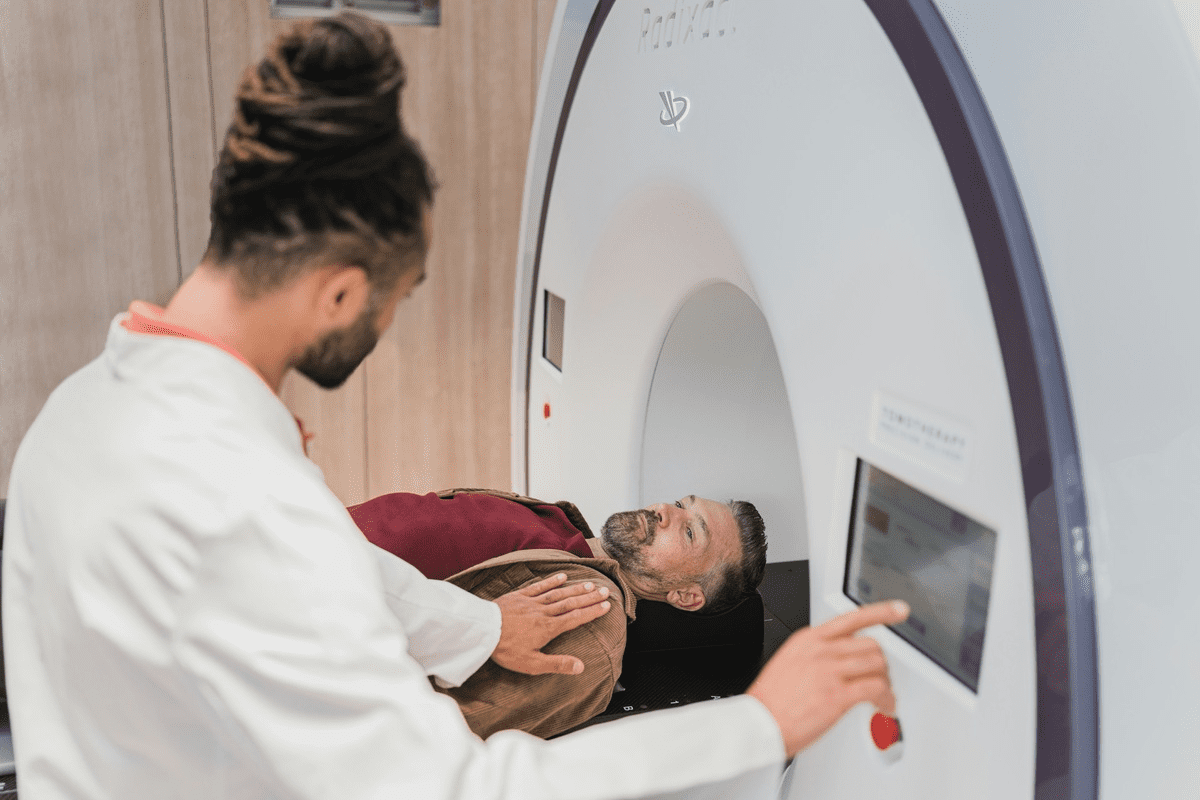
A resectoscope is inserted into the urethra during TURP. This lets the surgeon remove prostate tissue blocking urine flow. This surgical procedure is for men with big urinary issues from an enlarged prostate. The resectoscope helps remove tissue precisely, easing urine flow problems.

Common Reasons for Undergoing TURP for Enlarged Prostate
Men with moderate to severe urinary symptoms often get a TURP to improve their lives. Symptoms include trouble starting to pee, weak flow, and needing to pee a lot. TURP can greatly help by fixing these issues.
General Success Rates of TURP
Research shows TURP can permanently reduce prostate-related problems. About 75 out of 100 men have mild symptoms nine months after. This shows TURP is very effective. But it’s key to know the possible risks and complications before deciding.
Immediate Complications When You Operate Prostate with TURP
When you have a TURP operation for an enlarged prostate, you face several immediate issues. This operate prostate surgery, which removes parts of the prostate gland, is common for urinary problems. Yet, it comes with risks.
Bleeding Complications and Transfusion Risks
Bleeding is a big concern after TURP. Sometimes, it’s so bad that a blood transfusion is needed. We watch patients closely during and after surgery to manage this risk.
Infection Rates Following Prostate Surgery
Infections can happen after TURP surgery. Like any surgery, TURP carries this risk. We use antibiotics and keep everything clean to lower this chance.
Deep Vein Thrombosis and Other Surgical Risks
Patients can also get deep vein thrombosis (DVT), a blood clot in the legs. This is serious because it can travel to the lungs. We try to prevent DVT with early movement and sometimes medicine.
How Surgical Duration Affects Complication Rates
The length of the TURP surgery affects the risk of problems. Longer surgeries, over 90 minutes, increase the risk of bleeding, infections, and DVT. We aim to finish quickly but safely.
Short-Term Downsides of TURP
In the first year after TURP surgery, patients face several challenges. These can affect their daily life. We aim to help patients and caregivers understand what to expect.
First-Year Complications After Prostate Gland Operation
About 17% of patients need bladder irrigation, catheterization, or endoscopic checks a year after TURP. These issues can make recovery tough and impact well-being.
Need for Bladder Irrigation and Catheterization
Many patients need bladder irrigation and catheterization after TURP. Irrigation removes blood clots, and catheterization ensures urine flows properly. These steps are key to avoiding more problems.
Endoscopic Re-evaluation Requirements
Some patients need endoscopic checks due to issues like urethral stricture or leftover prostate tissue. This lets doctors check the urethra and prostate for any problems that need treatment.
Impact on Quality of Life in the First Year
TURP’s short-term side effects can really affect a patient’s life. We know it’s tough to deal with these issues. Having a strong support system is vital to managing these problems well.
Long-Term Risks and Concerns After TURP
It’s important to know the long-term risks of TURP before deciding on surgery for prostate health. TURP can help with an enlarged prostate, but there are concerns to consider.
Retreatment Rates Over Five Years for Enlarged Prostate
One big risk of TURP is needing more surgery later. Studies show that 5.3% of patients need more surgery in one year and 7.0% in five years. This means some people might need more help after TURP.
These numbers are important when thinking about TURP’s long-term success. More surgery can happen for many reasons, like the condition getting worse or problems from the first surgery.
Urethral Strictures as a Long-Term Complication
Urethral strictures are another long-term problem after TURP. This is when scar tissue narrows the urethra, causing trouble with urination. It’s rare but serious.
Things that can increase the risk of urethral strictures include:
- The method used in the TURP surgery
- How long the surgery take
- Things about the patient, like their health and past urinary issues
Prostate Cancer Risk Following TURP
There’s also a worry about prostate cancer after TURP. The surgery is mainly for BPH, but some worry it might raise cancer risk.
But the risk is thought to be low. It’s key for patients to talk to their doctor about their own risk.
Comparing TURP Risks to Other Types of Prostate Surgery
It’s good to compare TURP’s risks to other prostate surgeries. Each surgery has its own risks and benefits.
For example:
- Laser surgery might have less bleeding risk than TURP.
- Open prostatectomy is more invasive but might be needed for bigger prostates or when other methods don’t work.
Knowing these differences helps patients choose the best treatment for them.
By looking at the long-term risks and benefits, patients and doctors can decide if TURP is the right choice for an enlarged prostate.
Conclusion: Making an Informed Decision About TURP
Understanding TURP is key for those thinking about it for an enlarged prostate. TURP is effective but comes with downsides. Knowing the risks helps patients make better choices.
Choosing the right treatment means looking at side effects. TURP risks include bleeding, infection, and strictures. Knowing these risks helps patients decide what’s best for them.
Talking to healthcare providers about TURP is important. This way, patients understand what to expect. It helps them feel more confident about their surgery choice.
FAQ
What is TURP, and how is it performed?
TURP stands for Transurethral Resection of the Prostate. It’s a surgery for an enlarged prostate. A resectoscope removes prostate tissue blocking urine flow.
What are the immediate complications associated with TURP?
Right after TURP, patients might face bleeding, infections, or deep vein thrombosis. The surgery’s length can affect these risks.
What are the short-term downsides of undergoing TURP?
Short-term, patients might need bladder irrigation and catheterization. This can affect their quality of life in the first year.
What long-term risks are associated with TURP?
Long-term, TURP might lead to needing more treatments, urethral strictures, or even prostate cancer. It’s key to weigh these risks against other surgeries.
How does the duration of TURP surgery affect the risk of complications?
Longer TURP surgeries carry higher risks of complications. This shows the importance of quick and efficient surgery.
What is the success rate of TURP in treating an enlarged prostate?
TURP often works well to relieve urinary blockages from an enlarged prostate. But results can vary based on several factors.
Can TURP be considered a definitive treatment for an enlarged prostate, or is retreatment sometimes necessary?
TURP works for many, but some might need more treatments over time. This could be due to symptom return or complications.
How does TURP compare to other surgical procedures for an enlarged prostate in terms of risks and benefits?
TURP is one of several treatments for ean nlarged prostate. Comparing its risks and benefits to others helps patients choose wisely.
What are the potentially long-term effects of TURP on urinary function and overall health?
TURP can lead to long-term urinary changes and complications like urethral strictures. Knowing these risks helps manage expectations and care.
Is it possible to remove the prostate gland entirely, and what are the implications of doing so?
Yes, radical prostatectomy removes the prostate gland entirely. It’s usually for prostate cancer, not just an enlarged prostate.
What should patients consider when deciding whether to undergo TURP or another type of prostate surgery?
Patients should weigh each surgery’s benefits and risks. They should also consider their health and prostate condition when deciding.
References
- Rassweiler, J., Teber, D., Kuntz, R., & Hofmann, R. (2006). Complications of transurethral resection of the prostate (TURP)”Incidence, management, and prevention. European Urology, 50(5), 969-980. Retrieved from https://pubmed.ncbi.nlm.nih.gov/16469429/
- Madersbacher, S., Lackner, J., Brössner, C., Röhlich, M., Stancik, I., & Rehak, P. (2005). Reoperation, myocardial infarction and mortality after transurethral and open prostatectomy: A nation-wide, long-term analysis of 23,123 cases. European Urology, 47(4), 499-504. Retrieved from https://www.sciencedirect.com/science/article/pii/S0302283805008675
- Patel, N. D., Parsons, J. K., Palazzi-Chan, B., Bruskewitz, R. C., & Helfand, B. T. (2022). Bladder neck contracture as a complication of prostate surgery: A review of pathogenesis, prevention, and management. Urological Science, 33(2), 65-72. Retrieved from https://journals.lww.com/ursc/fulltext/2022/33020/bladder_neck_contracture_as_a_complication_of.2.aspx
- Al-Ansari, A. A., Younes, N., Sampige, V. P., Kamal, W., El-Taji, O., & Shokeir, A. A. (2022). Urethral stricture after monopolar transurethral resection of the prostate: Incidence and risk factors. World Journal of Urology, 40, 1431-1437. Retrieved from https://link.springer.com/article/10.1007/s00345-024-05332-3