Last Updated on November 26, 2025 by Bilal Hasdemir
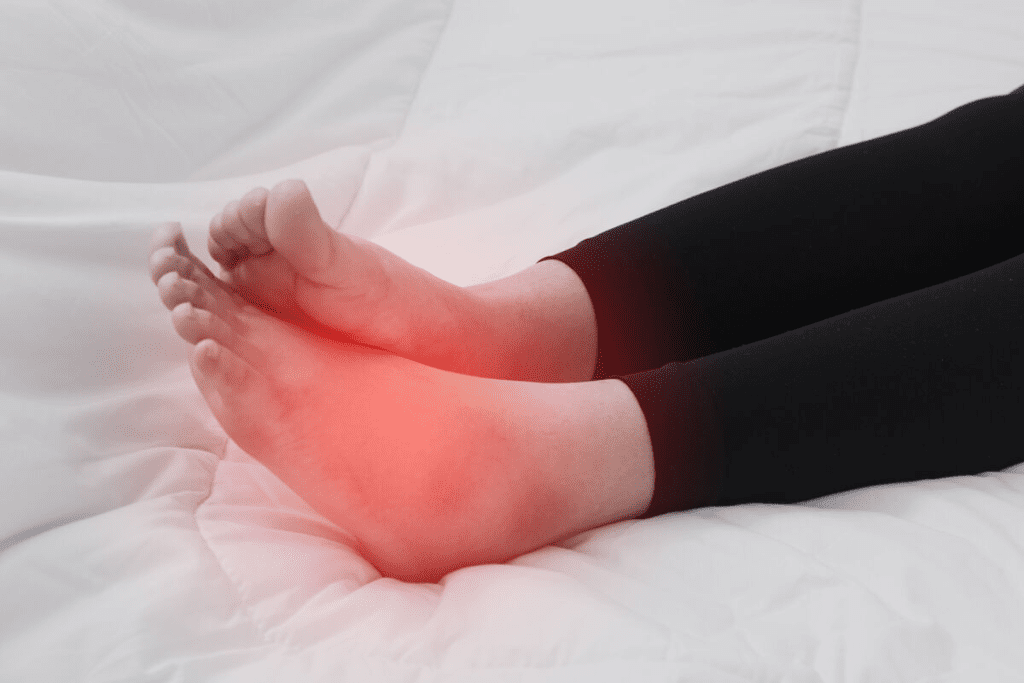
Did you know millions of women worldwide get ovarian cysts each year? Some of them notice a surprising symptom: leg swelling. This fluid-filled sac can cause symptoms like pelvic pain and swelling in the legs. Even though these cysts are often harmless, they can be uncomfortable and disrupt daily life. It’s important to know how ovarian cysts and leg swelling are connected, especially since pain related to ovarian cysts or ovarian cancer can vary by ovarian cancer pain location, commonly affecting the lower abdomen, pelvis, or even the back. Understanding these pain locations helps in differentiating between benign cysts and more serious conditions like ovarian cancer.
Key Takeaways
- Ovarian cysts can cause a variety of symptoms beyond pelvic pain.
- Leg swelling is a possible symptom linked to ovarian cysts.
- Understanding the connection between ovarian cysts and leg swelling is key.
- The condition can greatly affect your daily life if not treated.
- Getting medical help is vital for the right diagnosis and treatment.
Understanding Ovarian Cysts: Types and Prevalence
Ovarian cysts are fluid-filled sacs on the ovaries. They are more common than you might think. Knowing about them helps us understand their health impact, like causing leg swelling.
Common Types of Ovarian Cysts
There are several types of ovarian cysts, each unique. The most common include:
- Follicular Cysts: These form when an egg isn’t released, and the follicle keeps growing.
- Corpus Luteum Cysts: After an egg is released, the follicle sac can fill with fluid, becoming a corpus luteum cyst.
- Dermoid Cysts: Also known as teratomas, these cysts have tissue like hair, skin, or teeth and are usually harmless.
How Frequently Ovarian Cysts Occur
Ovarian cysts are quite common, affecting many women at some point. Most are benign and don’t cause symptoms.
Natural Progression of Ovarian Cysts
Many ovarian cysts go away on their own. But, some can grow big enough to cause pain or other problems. Knowing how they progress is key to deciding what to do.
Understanding ovarian cysts and their symptoms is vital. It helps us know when to see a doctor.
The Relationship Between Ovarian Cysts and Leg Swelling
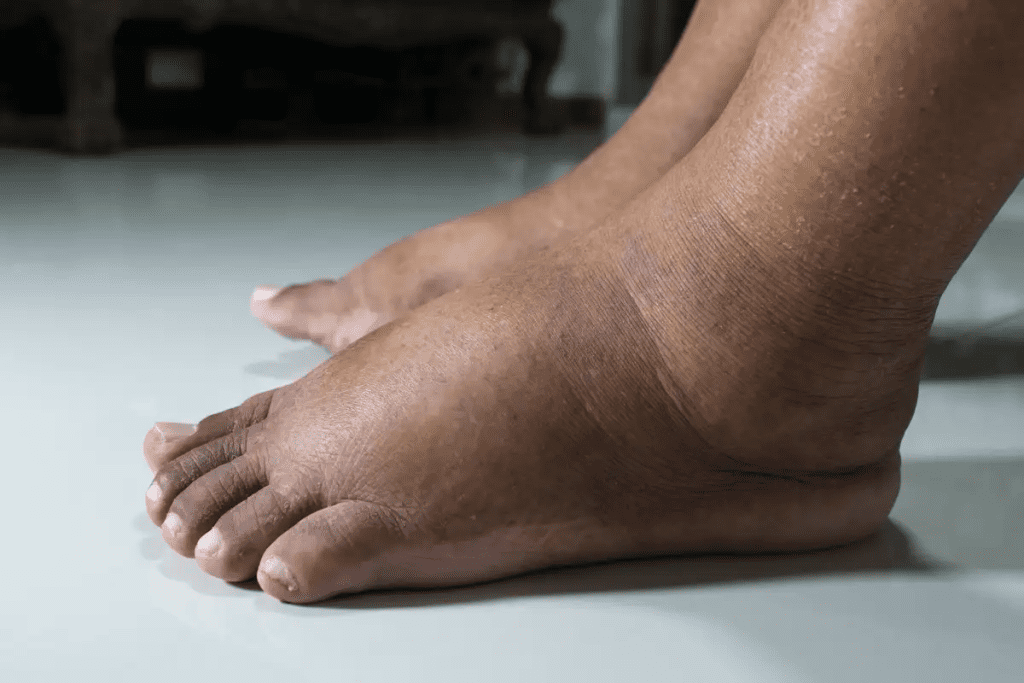
Ovarian cysts are fluid-filled sacs on the ovaries common in women of childbearing age. They are usually not harmful but can cause symptoms. These symptoms can include leg swelling due to their size and location.
Direct and Indirect Mechanisms
Ovarian cysts can cause leg swelling through direct and indirect ways. Direct mechanisms happen when the cyst presses on nearby blood vessels and nerves. This is more likely with large cysts.
Indirect mechanisms involve the body’s reaction to the cyst. This can include inflammation and changes in blood flow. For example, a big cyst might block lymphatic drainage or venous return, causing fluid to build up in the legs.
Research Evidence on the Connection
Research shows a link between ovarian cysts and leg swelling, mainly with large or complex cysts. Removing the cyst can help with symptoms like leg swelling. This suggests a cause-and-effect relationship.
A study in a medical journal found that big ovarian cysts can press on blood vessels in the pelvis. This leads to leg swelling. This supports the idea that cysts can indirectly cause leg symptoms.
Frequency of Leg Swelling in Ovarian Cyst Patients
How often leg swelling happens with ovarian cysts varies. It depends on the cyst’s size and type, and the patient’s health. Not all women with cysts will have leg swelling, but it’s a known symptom for those with big cysts or pelvic pressure.
It’s important to understand why leg swelling happens with ovarian cysts. Doctors look at many symptoms and tests to figure out the cause. This helps in planning the right treatment.
Anatomical Considerations: How Ovarian Cysts Can Affect the Legs

Ovarian cysts can impact the legs because of their location near important blood vessels and nerves. The ovaries are in the pelvic area, close to blood vessels, nerves, and lymphatic vessels that go to the legs.
Pelvic Anatomy and Proximity to Blood Vessels
The pelvic area is complex, with ovaries near major blood vessels like the iliac arteries and veins. These vessels are key for blood flow to and from the legs. An ovarian cyst can compress or obstruct these vessels, causing circulation problems that may lead to leg swelling.
A study in the Journal of Vascular Surgery showed a patient with an ovarian cyst that pressed on the external iliac vein. This caused significant leg swelling. It highlights the need to consider how close ovarian cysts are to major blood vessels.
| Blood Vessel | Function | Potential Impact of Ovarian Cyst |
| Iliac Arteries | Supply blood to the legs | Compression may lead to reduced blood flow |
| Iliac Veins | Return blood from the legs | Obstruction may cause blood to pool in the legs |
Nerve Pathways from Pelvis to Legs
The pelvis has nerve pathways that go to the legs, including the sciatic nerve. An ovarian cyst can press on these nerves, causing pain, numbness, or weakness in the legs.
“The sciatic nerve, running from the lower back down to the legs, can be compressed by an ovarian cyst, leading to sciatica-like symptoms.”
Obstetrics and Gynecology
Lymphatic Drainage Patterns
The lymphatic system is vital for draining fluid from the body. The pelvic area has many lymphatic vessels that can be affected by ovarian cysts. When an ovarian cyst obstructs lymphatic drainage, it can cause fluid buildup and swelling in the legs.
Understanding how ovarian cysts can affect the legs is key for diagnosing and treating symptoms. Recognizing the impact on blood vessels, nerve pathways, and lymphatic drainage helps healthcare providers create effective treatment plans.
Ovarian Cyst Leg Swelling: Mechanisms and Causes
Ovarian cysts can cause leg swelling due to several factors. These include blood vessel pressure, lymphatic drainage, and inflammation. This complex mix can lead to discomfort and serious issues if not treated.
Pressure on Blood Vessels and Venous Return
Ovarian cysts can press on blood vessels, causing leg swelling. Large cysts can block veins, stopping blood flow and leading to fluid buildup in the legs. This can cause venous insufficiency, where veins struggle to return blood to the heart.
The table below shows how ovarian cysts can affect venous return:
| Effect on Venous Return | Consequence |
| Compression of veins | Reduced blood flow back to the heart |
| Fluid accumulation | Leg swelling and edema |
| Increased venous pressure | Potential for varicose veins and venous ulcers |
Lymphatic Obstruction and Fluid Buildup
Ovarian cysts can also block lymphatic drainage. The lymphatic system helps remove excess fluid and proteins. When it’s blocked, fluid builds up, causing lymphedema and chronic swelling in the legs.
This blockage can happen due to the cyst itself or inflammation and scarring. It leads to a buildup of lymphatic fluid, adding to leg swelling.
Inflammatory Responses and Edema
Inflammation from ovarian cysts can also cause leg swelling. When the body finds a cyst, it may get inflamed. This inflammation can make blood vessels leak, causing fluid to leak into tissues and swelling.
The inflammatory process is complex, involving many cells and pathways. Understanding it is key to finding effective treatments for swelling caused by ovarian cysts.
Looking at these mechanisms, it’s clear that ovarian cysts can cause leg swelling in many ways. Treating the underlying causes is vital for managing symptoms effectively.
Ovarian Cysts Pressing on Nerves: Impact on Leg Comfort and Function
Ovarian cysts can put pressure on nerves, causing leg discomfort. This discomfort can make daily activities hard. It affects how well you live your life.
Nerve Compression Symptoms and Patterns
Nerve pressure from cysts can cause pain, numbness, and weakness in the legs. Symptoms vary based on cyst size and nerve location. Common issues include:
- Pain radiating down the leg
- Numbness or tingling sensations
- Weakness in the leg muscles
Symptoms can be either constant or come and go. Their intensity depends on cyst size and nerve pressure.
Sciatica-Like Symptoms from Ovarian Cysts
Ovarian cysts can cause sciatica-like pain. “The pain can be sharp, shooting, or burning, and may be accompanied by numbness or weakness in the leg.” Doctors say this can lead to wrong diagnoses if not checked properly.
Distinguishing Neurological from Vascular Symptoms
It’s important to tell apart nerve and blood vessel problems. Nerve issues include pain, numbness, and weakness. Blood vessel problems might show as swelling, color changes, or temperature differences. A detailed check-up is needed to find the cause of leg symptoms.
“Accurate diagnosis is key to managing symptoms effectively and addressing the underlying cause of leg discomfort.”
Understanding how ovarian cysts affect nerves helps doctors create better treatment plans. These plans aim to fix both the cyst and the leg issues it causes.
Blood Clot Risks Associated with Ovarian Cysts
Large ovarian cysts can put pressure on blood vessels. This can lead to circulation problems. It also raises the risk of deep vein thrombosis.
Deep Vein Thrombosis Concerns
Deep vein thrombosis (DVT) is a serious condition. It happens when blood clots form in deep veins, usually in the legs. Ovarian cysts, and big ones in particular, can increase this risk.
Factors that raise DVT risk in ovarian cyst patients include cyst size. Larger cysts are more risky. Also, other health issues that affect blood clotting play a role.
Warning Signs of Blood Clots
It’s important to know the signs of blood clots. This is for quick medical help. Symptoms include:
- Swelling in one leg (rarely both legs)
- Pain or tenderness in the leg, which may feel like cramping or soreness
- Redness or discoloration of the affected leg
- Warmth or a feeling of heat in the affected area
Seek medical help right away if you notice these signs. DVT can cause serious problems if not treated quickly.
Preventive Measures for High-Risk Patients
For those at high risk of DVT due to ovarian cysts, there are steps to take:
- Regular monitoring by a healthcare provider
- Use of compression stockings to improve circulation
- Staying hydrated to prevent dehydration, which can increase the risk of blood clots
- Avoiding prolonged periods of immobility, with regular movement and exercise
In some cases, doctors may prescribe anticoagulant medication. This is to lower the risk of blood clots.
Distinguishing Between Ovarian Cyst-Related Swelling and Other Causes
Leg swelling can be caused by many things, from simple to serious. It’s important to figure out the cause to treat it right.
Common Causes of Leg Swelling
Leg swelling can happen for many reasons. It might be due to heart problems, kidney issues, or lymph system problems. Ovarian cysts are a less common cause but should be thought of, mainly in women of childbearing age.
Other common reasons include deep vein thrombosis (DVT), varicose veins, and lymphedema. Each has its own cause and needs a specific way to diagnose it.
Differential Diagnosis Considerations
Doctors must look at many possible causes when someone has leg swelling. They use a mix of the patient’s history, physical check-ups, and tests to find the cause.
Clinical history is key. It can show if someone is at risk for certain problems, like DVT or recent surgery. Physical checks, like looking for pain, warmth, or redness, also help figure out what’s wrong.
Bilateral vs. Unilateral Leg Swelling
How the swelling spreads can tell doctors a lot. Bilateral leg swelling often means a bigger problem, like heart failure or kidney disease. On the other hand, unilateral leg swelling might point to something like DVT or an ovarian cyst pressing on one side.
Knowing if the swelling is on both sides or just one can help doctors focus their search for the cause.
Symptoms That May Accompany Leg Swelling from Ovarian Cysts
Ovarian cysts can cause more than just leg swelling. They can also lead to pain in the pelvic and abdominal areas. Knowing about these symptoms is key to diagnosing and treating ovarian cysts well.
Pelvic and Abdominal Pain Patterns
Leg swelling often comes with pelvic and abdominal pain in patients with ovarian cysts. This pain can feel like a dull ache or sharp stabbing. It might be constant or only happen at certain times, like when you exercise or have sex.
Key characteristics of pelvic and abdominal pain associated with ovarian cysts include:
- Location: Pain is typically felt in the lower abdomen or pelvic region.
- Intensity: Can range from mild to severe.
- Duration: May be constant or come and go.
- Triggers: Often worsens with physical activity or during menstruation.
Changes in Urination and Bowel Movements
Ovarian cysts can also affect how you urinate and have bowel movements. This is because they are close to the bladder and intestines. As a cyst grows, it can press on these organs, causing symptoms.
Common changes include:
- Increased frequency of urination or difficulty emptying the bladder completely.
- Constipation or a feeling of incomplete bowel evacuation.
- In some cases, difficulty starting or stopping urination.
These symptoms happen because the cyst can put pressure on the surrounding structures. This disrupts their normal function.
Back Pain and Hip Discomfort Connection to Leg Symptoms
Back pain and hip discomfort can also be symptoms of ovarian cysts. These symptoms are connected through nerves and the pressure from the cyst.
The relationship between back pain, hip discomfort, and leg symptoms can be understood through:
- Referred pain: Pain from the pelvic region can radiate to the back, hip, and legs.
- Nerve compression: A large cyst can compress nerves that run from the lower back down to the legs, causing pain and discomfort.
- Mechanical factors: The size and location of the cyst can affect posture and gait, leading to secondary back and hip pain.
Understanding these interconnected symptoms is essential for a complete diagnosis and treatment plan.
How Ovarian Cyst Size Affects Likelihood of Leg Swelling
It’s important to know how ovarian cyst size and leg swelling are connected. The size and where the cysts are located can greatly affect symptoms. This includes how likely and severe leg swelling can be.
Small vs. Large Cysts: Impact on Symptoms
The size of an ovarian cyst is key in determining symptom severity. Large cysts can cause more symptoms, like leg swelling, because they put more pressure on nearby areas.
Small cysts might not cause noticeable symptoms, like leg swelling, because they don’t put as much pressure on tissues and organs. But, it’s important to watch these cysts for any size changes.
Growth Patterns and Symptom Progression
The way a cyst grows can affect symptom development. Cysts that grow fast can cause sudden symptoms, like quick leg swelling.
On the other hand, cysts that grow slowly might cause symptoms to develop more gradually. This can help in catching and treating them earlier.
Correlation Between Cyst Location and Leg Symptoms
The location of an ovarian cyst in the pelvic area can affect symptoms. Cysts near big blood vessels or nerves are more likely to cause leg swelling and other symptoms.
For example, a cyst near the iliac veins can block blood flow, causing leg swelling. Knowing exactly where the cyst is is key for predicting symptoms and planning treatment.
Diagnosing the Cause of Leg Swelling When Ovarian Cysts Are Suspected
When ovarian cysts might be causing leg swelling, a detailed diagnostic process starts. This is key to find the right treatment and ease symptoms.
Physical Examination Techniques
A physical exam is often the first step. Doctors check the swollen leg for swelling, redness, and warmth. They also do a pelvic exam to look for any cysts or tenderness.
Key components of the physical examination include:
- Visual inspection of the leg to assess the extent of swelling
- Palpation to check for tenderness and temperature changes
- Pelvic examination to evaluate for ovarian cysts or other pelvic pathology
A medical expert says, “A thorough physical exam is key to find leg swelling causes and guide further tests.” This initial check is vital for deciding what to do next.
Imaging Studies: Ultrasound, CT, and MRI
Imaging studies are essential to confirm ovarian cysts and see their impact. Ultrasound is often the first choice because it shows cysts well. CT scans and MRI might be used for more detailed views.
The choice of imaging depends on symptoms and cyst complexity. A study found, “Imaging is critical in diagnosing and managing ovarian cysts, helping to spot complications and guide treatment.”
Laboratory Tests to Rule Out Other Causes
Laboratory tests help rule out other causes of leg swelling, like deep vein thrombosis or infection. Blood tests check for inflammation, clotting disorders, or other conditions that might cause swelling.
Laboratory tests may include:
- Complete blood count (CBC) to check for signs of infection or inflammation
- D-dimer test to assess for deep vein thrombosis
- Blood chemistry tests to evaluate overall health and detect possible underlying conditions
By combining physical exam findings, imaging, and lab results, doctors can accurately diagnose leg swelling causes. They then create an effective treatment plan.
Treatment Options for Ovarian Cysts Causing Leg Swelling
Leg swelling from ovarian cysts can be treated in different ways. These include non-surgical and surgical methods. The right treatment depends on the cyst’s size, type, and how severe the symptoms are.
Conservative Management Approaches
For many, the first step is non-surgical treatment. This method aims to ease symptoms and watch the cyst. Watchful waiting is often suggested for small, painless cysts. Regular ultrasounds check the cyst’s size.
Pain management is key in non-surgical care. Over-the-counter pain relievers can help with discomfort. Staying healthy and exercising regularly can also help symptoms.
Medication Options for Symptom Relief
If non-surgical methods don’t work, medication might be needed. Hormonal treatments, like birth control pills, can shrink the cyst and ease swelling. Pain relievers, like NSAIDs, are used to manage pain.
“The use of hormonal contraceptives can help in reducing the risk of developing new ovarian cysts and may decrease the size of existing ones.”
Surgical Interventions: When They’re Necessary
When the cyst is big, painful, or might be cancer, surgery is needed. Laparoscopic surgery is a small incision method that removes the cyst while keeping the ovary. For bigger cases, a laparotomy with a larger cut might be needed.
Doctors decide on surgery based on health, cyst details, and symptom severity. It’s important for patients to talk about the risks and benefits of surgery with their doctor.
Managing Leg Swelling Symptoms While Treating the Underlying Cyst
Managing leg swelling is key when treating ovarian cysts. It’s important to focus on both the cyst and the symptoms. This helps the patient feel better and recover faster.
Elevation and Compression Techniques
Elevation and compression are great for leg swelling. Lifting your legs above your heart helps reduce swelling. You can use pillows to do this while lying down.
Compression stockings are also helpful. They apply pressure that gets stronger at the ankle and weaker up the leg. This helps fluids move back to the heart.
Tips for Using Elevation and Compression:
- Elevate legs for at least 15-20 minutes, 3-4 times a day.
- Use compression stockings as directed by a healthcare provider.
- Combine elevation with compression for enhanced effect.
Pain Management Strategies
Pain management is vital when treating ovarian cysts and leg swelling. There are many ways to ease pain, from medicine to alternative therapies.
Over-the-counter pain relievers like ibuprofen can help. Sometimes, stronger medicines are needed.
“Pain is a signal that something is wrong, and managing it effectively is critical for improving the quality of life for patients with ovarian cysts.” – OB-GYN Specialist
Pain Management Options:
- Over-the-counter pain relievers.
- Prescription pain medications for severe pain.
- Alternative therapies like acupuncture or physical therapy.
Activity Modifications and Exercise Recommendations
Changing activities and doing gentle exercises can help with leg swelling. Walking or swimming improves circulation without straining the body.
Dietary Considerations for Reducing Fluid Retention
Your diet affects fluid retention and leg swelling. Eating less salt and more fruits, vegetables, and whole grains helps.
More potassium can also help. Foods like bananas, leafy greens, and avocados are good sources.
Dietary Tips:
- Reduce sodium intake.
- Increase consumption of potassium-rich foods.
- Stay hydrated by drinking plenty of water.
Complications of Untreated Ovarian Cysts That Affect the Legs
Untreated ovarian cysts can cause problems beyond the reproductive system. They can also affect the legs. These issues can greatly reduce a person’s quality of life and health.
Chronic Venous Insufficiency Development
Untreated ovarian cysts can lead to chronic venous insufficiency (CVI). CVI happens when the cyst presses on the veins in the pelvis. This blocks blood flow back to the heart.
This condition can cause leg swelling, pain, and varicose veins. These symptoms can be uncomfortable and affect daily life.
- Leg swelling due to fluid accumulation
- Pain or aching in the legs, specially after standing
- Varicose veins resulting from increased pressure
Long-term Nerve Damage Possibilities
Untreated ovarian cysts can also damage nerves. The cysts can press on nerves in the pelvic area. This can cause pain and discomfort that spreads to the legs.
In severe cases, this pressure can cause permanent nerve damage. This can lead to chronic pain or numbness.
Nerve damage symptoms may include:
- Numbness or tingling sensations in the legs
- Sharp or stabbing pain
- Weakness in the legs
Rupture Risks and Emergency Situations
A ruptured ovarian cyst is a medical emergency. It requires immediate attention. A ruptured cyst can cause severe pain, internal bleeding, and serious complications.
“A ruptured ovarian cyst is considered a medical emergency and requires immediate surgical intervention to prevent further complications.”
Impact on Mobility and Quality of Life
The complications from untreated ovarian cysts can greatly affect mobility and quality of life. Chronic pain, swelling, and nerve damage can limit daily activities. They can also affect overall well-being.
It’s important to seek medical attention if symptoms persist or worsen over time.
When to See a Doctor for Ovarian Cyst-Related Leg Swelling
It’s important to know when to see a doctor for leg swelling caused by ovarian cysts. This helps avoid serious problems and ensures the right treatment.
Red Flag Symptoms Requiring Immediate Attention
Some symptoms with leg swelling from ovarian cysts need quick doctor visits. Look out for severe pain, trouble walking, or signs of infection like redness or fever. Severe swelling that happens quickly or shortness of breath also means you should see a doctor right away.
Gradual vs. Sudden Onset Concerns
The speed of leg swelling can tell us a lot. Sudden swelling might mean a serious problem like a cyst rupture or blood clot. On the other hand, slow swelling could be from a growing cyst or poor blood flow.
Follow-up Care Guidelines
After finding out you have ovarian cysts causing leg swelling, regular check-ups are key. These visits help track the cyst’s size and how well treatment is working. They’re also a chance to talk about any new or worse symptoms.
Questions to Ask Your Healthcare Provider
When talking to your doctor about leg swelling from ovarian cysts, ask these questions:
- What is the likely cause of my leg swelling?
- Are there any specific symptoms I should watch for that would necessitate immediate medical attention?
- What treatment options are available for managing both the ovarian cyst and the associated leg swelling?
- How frequently should I schedule follow-up appointments to monitor my condition?
Knowing when to get medical help for leg swelling from ovarian cysts is very important. Being aware of warning signs, the difference between sudden and gradual swelling, and follow-up care helps you stay healthy.
Conclusion: Understanding and Addressing the Ovarian Cyst-Leg Swelling Connection
It’s important to understand how ovarian cysts and leg swelling are connected. This connection is complex, involving many factors. These factors include the body’s anatomy and how it works.
To manage ovarian cysts and leg swelling, we need a complete plan. This plan should include finding the right diagnosis, treating the cyst, and managing symptoms. By focusing on the connection between ovarian cysts and leg swelling, doctors can create better treatment plans. These plans help reduce symptoms and improve health outcomes.
Knowing the signs of ovarian cysts and how they can affect the legs is key. Early action can stop problems before they start. By managing ovarian cysts and leg swelling well, people can live better lives.
FAQ
Can ovarian cysts directly cause leg swelling?
Yes, ovarian cysts can cause leg swelling. This happens through pressure on blood vessels, lymphatic obstruction, and inflammatory responses.
How do ovarian cysts affect the legs?
Ovarian cysts can press on nerves, causing pain and discomfort. They can also block blood vessels and lymphatic drainage, leading to swelling.
What is the connection between ovarian cysts and leg pain?
Ovarian cysts can cause leg pain by pressing on nerves, like the sciatic nerve. They also cause inflammation and irritation in the pelvic region.
Can ovarian cysts cause circulation issues in the legs?
Yes, ovarian cysts can cause circulation issues in the legs. They do this by compressing blood vessels and obstructing blood flow.
How does the size of an ovarian cyst affect the likelihood of leg swelling?
Larger ovarian cysts are more likely to cause leg swelling. This is because they put more pressure on surrounding blood vessels and lymphatic vessels.
Can ovarian cysts cause varicose vein symptoms?
Yes, ovarian cysts can cause varicose vein symptoms. They do this by compressing blood vessels and obstructing blood flow, leading to increased pressure in the veins.
What are the warning signs of blood clots associated with ovarian cysts?
Warning signs of blood clots include sudden swelling, pain, and redness in the leg. You may also notice warmth or tenderness to the touch.
How can I manage leg swelling symptoms while treating an ovarian cyst?
To manage leg swelling symptoms, try elevation and compression techniques. You can also use pain management strategies and modify your activities.
When should I see a doctor for ovarian cyst-related leg swelling?
See a doctor if you experience sudden or severe leg swelling, pain, or redness. Also, if you have a history of ovarian cysts and notice new or worsening symptoms.
Can ovarian cysts cause chronic venous insufficiency?
Yes, untreated ovarian cysts can lead to chronic venous insufficiency. This happens because of prolonged compression of blood vessels and obstruction of blood flow.
How do doctors diagnose the cause of leg swelling when ovarian cysts are suspected?
Doctors diagnose the cause of leg swelling through physical examination techniques. They also use imaging studies like ultrasound and CT scans, and laboratory tests to rule out other causes.
What are the treatment options for ovarian cysts causing leg swelling?
Treatment options include conservative management approaches and medication for symptom relief. Surgical interventions to remove the cyst are also available.
References
- Royal College of Obstetricians and Gynaecologists. (2022). Management of suspected ovarian masses in premenopausal women.