Last Updated on November 26, 2025 by Bilal Hasdemir
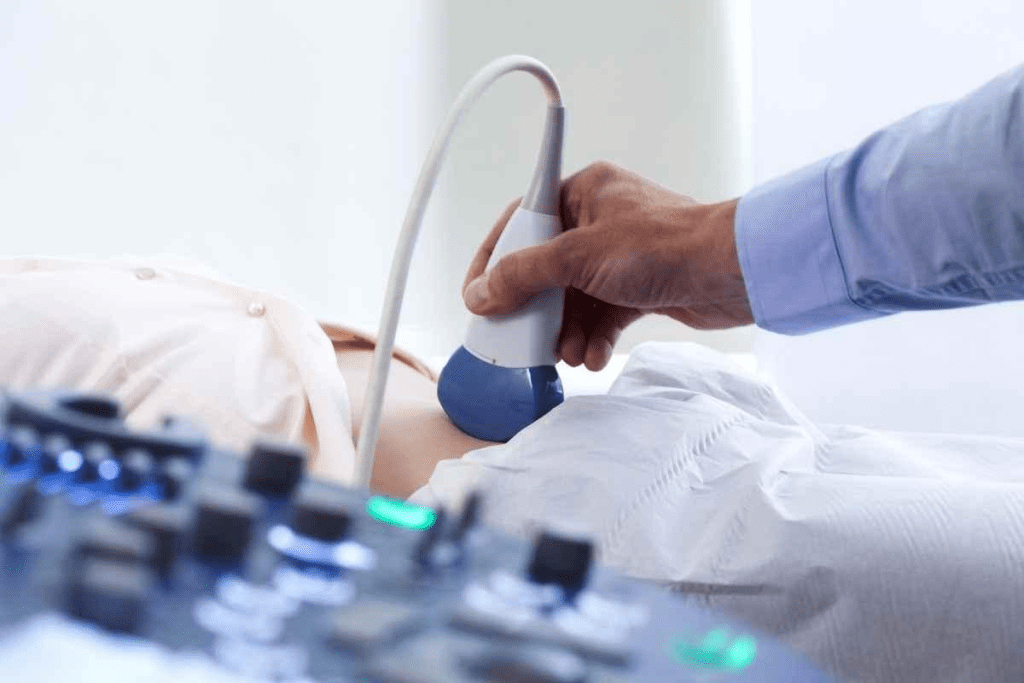
Ultrasound technology is used a lot in medicine, including ultrasonography of breast for detecting abnormalities. However, it can’t find all medical problems, and many conditions are missed or wrongly diagnosed because of ultrasound limits.
It’s important for doctors and patients to know these limits. This knowledge helps in choosing the right tests and treatments. When ultrasound can’t find a problem, it can cause delays in diagnosis. This can harm patient results.
Key Takeaways
- Understanding the limitations of ultrasound technology is key for correct diagnoses.
- Some medical issues can’t be spotted with ultrasonography.
- The ultrasound imaging limits can affect treatment plans for patients.
- More tests might be needed if ultrasound results are unclear.
- Knowing these limits can help improve patient care.
The Science Behind Ultrasound Imaging
Ultrasound imaging uses sound waves to show the body’s inside. It’s a safe way to see what’s inside without cutting. Doctors use it a lot because it works well.
How Sound Waves Create Medical Images
Ultrasound technology sends sound waves into the body. These waves hit things inside and bounce back. The machine turns these waves into pictures of what’s inside.
The quality of these pictures depends on a few things. How strong the sound waves are and who is using the machine matter a lot. Stronger waves make clearer pictures but can’t go as deep. Weaker waves go deeper but aren’t as clear.
Types of Ultrasound Examinations
There are many kinds of ultrasound tests. Obstetric ultrasounds check on babies during pregnancy. Abdominal ultrasounds look at the liver, gallbladder, and kidneys. They help find problems like gallstones.
Other tests include pelvic ultrasounds for the reproductive organs and vascular ultrasounds for blood flow. Ultrasound is useful in many areas of medicine.
Capabilities and Common Uses of Ultrasound
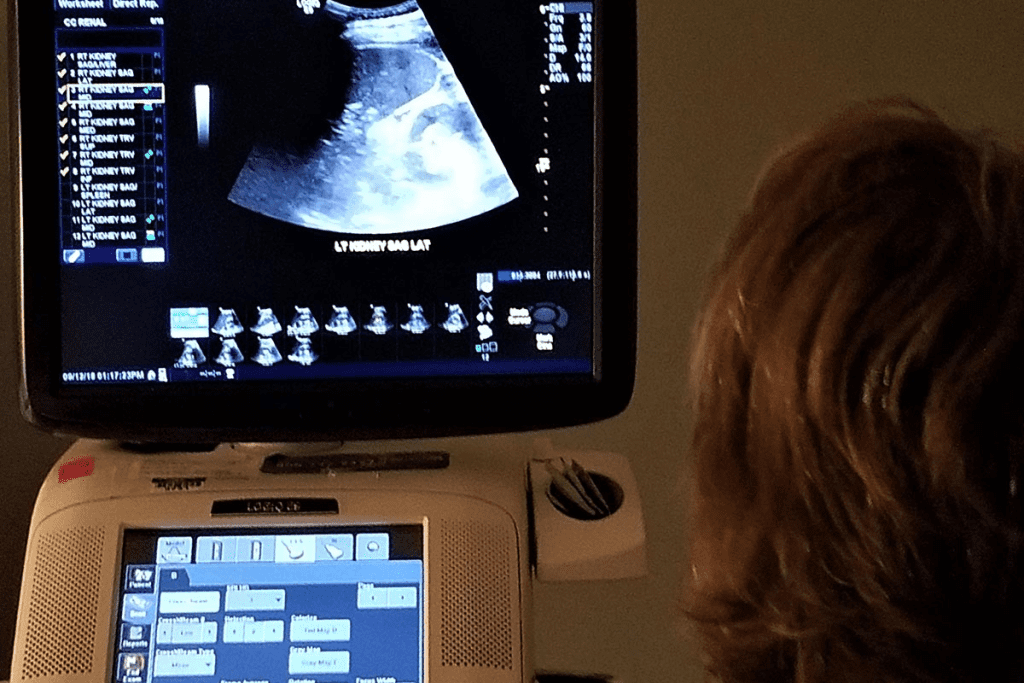
Ultrasound is a key tool in medicine. It’s safe, effective, and gives important information. It’s used in many medical fields.
Prenatal and Obstetric Applications
Ultrasound is vital in prenatal care. It lets doctors check on the baby’s growth and spot any issues. Prenatal ultrasound helps with tracking the baby’s development and age.
Ultrasound in obstetrics offers many benefits:
- Early spotting of fetal problems
- Tracking the baby’s growth
- Helping with prenatal tests
Abdominal and Pelvic Examinations
Abdominal ultrasound looks at organs like the liver and kidneys. It finds issues like gallstones and kidney stones. Pelvic ultrasound checks the uterus and ovaries. It spots problems like cysts and fibroids.
| Application | Description | Common Diagnoses |
| Abdominal Ultrasound | Evaluation of abdominal organs | Gallstones, liver disease, kidney stones |
| Pelvic Ultrasound | Assessment of female reproductive organs | Ovarian cysts, uterine fibroids, ectopic pregnancy |
Cardiovascular Assessments
Cardiovascular ultrasound, or echocardiography, checks the heart. It finds problems like valve issues and tumors. It’s key for understanding heart health.
Cardiovascular ultrasound is used for:
- Checking heart valves
- Looking at heart chambers
- Finding fluid and masses in the heart
Fundamental Limitations of Ultrasound Technology
Ultrasound imaging has its limits. Knowing these limits helps us understand what it can and can’t do.
Physical Constraints of Sound Wave Propagation
Ultrasound uses sound waves to create images. But, these waves have their own rules. The sound wave’s frequency affects how clear and deep the image can be.
Higher frequency waves give better detail but don’t go as deep. Lower frequency waves can go deeper but are less clear.
Sound wave attenuation is another big issue. As sound waves go through tissues, they get weaker. This makes images less clear, mainly in deeper tissues.
Operator Dependency and Technical Factors
The quality of ultrasound images depends a lot on who’s doing it. Operator dependency means the skill of the person using it affects the image. The equipment and settings used also play a big role.
Things like the type of transducer and the gain and depth settings matter a lot. Getting these right is key for good images. New technology, like better transducers and algorithms, is helping make images clearer and more accurate.
In summary, ultrasound is a great tool but has its limits. These limits come from how sound waves work and from who’s using it and the technology. Knowing these limits helps us use ultrasound right.
Barriers to Ultrasound: Bone and Air
Bone and air are big hurdles for ultrasound. They affect how well ultrasound images are made. This makes it hard to spot some health issues.
Why Bone Structures Block Ultrasound Waves
Bones block ultrasound because they bounce sound waves back. This is because bones are much denser than soft tissues. So, parts behind bones look dark on ultrasound images, hiding important details.
The bouncing of sound waves by bones is a big problem for ultrasound. It makes it hard to see things inside or behind bones. For example, the skull’s thick bones make it tough to see inside the brain with ultrasound.
Key challenges posed by bone structures include:
- Reflection of sound waves, leading to shadow areas
- Limited visualization of structures within or behind bones
- Difficulty in assessing certain neurological conditions
Challenges with Air-Filled Organs and Tissues
Air-filled organs and tissues are also a big problem for ultrasound. Air doesn’t let sound waves pass through well. This makes images of organs like the lungs or the stomach hard to get right.
When there’s air, ultrasound images can have problems like echoes or comet-tail artifacts. These can look like real problems, which might lead to wrong diagnoses.
“The presence of air within the body is a significant obstacle to ultrasound imaging, requiring careful technique and interpretation to overcome the associated challenges.” – Expert in Medical Imaging
In summary, both bone and air are big hurdles for ultrasound. Knowing these limits helps doctors understand ultrasound images better. It also helps them know when they need other imaging methods.
Neurological Conditions Undetectable by Ultrasound
Ultrasound technology has its limits when it comes to diagnosing neurological conditions. It can’t penetrate certain tissues well. Also, how well it works depends a lot on the skill of the person using it.
Brain Tumors and Intracranial Lesions
Diagnosing brain tumors and other intracranial lesions with ultrasound is tough. The skull blocks sound waves, making it hard to see brain structures clearly. So, these conditions are usually diagnosed with MRI or CT scans.
Neurodegenerative Diseases
Neurodegenerative diseases like Alzheimer’s and Parkinson’s are complex. They affect the brain’s function and structure over time. Ultrasound can sometimes check brain health, but it can’t diagnose these diseases directly. The changes in these diseases are too subtle for ultrasound to see.
Subtle Brain Abnormalities and Psychiatric Disorders
Subtle brain abnormalities and psychiatric disorders are also hard to spot with ultrasound. These conditions often involve complex changes in brain function. So, diagnosis usually comes from clinical evaluation and other tools.
In summary, while ultrasound is useful for many medical issues, it has its limits in neurological conditions. A combination of ultrasound, other imaging techniques, and clinical assessments is needed. This approach helps healthcare providers make accurate diagnoses and create effective treatment plans.
Cardiovascular Diseases That Elude Ultrasound Detection

Some heart conditions are hard to spot with ultrasound alone. Ultrasound is very useful but has its limits in checking heart health.
Coronary Artery Disease and Plaque Composition
Coronary artery disease (CAD) harms the heart’s main blood vessels. It’s caused by plaque buildup. Ultrasound struggles to find CAD, mainly because it can’t see plaque well.
Knowing what plaque is made of is key. Vulnerable plaques are at high risk of bursting. But, ultrasound can’t always tell stable from vulnerable plaques.
Limitations in Assessing Heart Valve Calcification
Heart valve calcification is hard to diagnose with ultrasound. It’s when calcium builds up in the valves, making them stiff. This can harm the heart’s function.
Ultrasound can spot calcification, but it’s not always right. The size, location, and other echoes can affect its accuracy. Sometimes, calcification can be missed because of shadows from other structures.
| Condition | Ultrasound Limitation | Clinical Implication |
| Coronary Artery Disease | Difficulty in assessing plaque composition | Inaccurate risk assessment for cardiovascular events |
| Heart Valve Calcification | Limited accuracy due to acoustic shadowing | Potential underdiagnosis or misdiagnosis of valve disease severity |
In summary, ultrasound is great for heart checks but has big limits. It can’t always find CAD and heart valve calcification. Doctors need to know these to choose the right tests and treatments.
Cancer Types Beyond Ultrasound’s Reach
Ultrasound is a common tool for medical checks. But, it has its limits when it comes to some cancers.
Early-Stage and Microscopic Malignancies
Ultrasound struggles to spot early-stage cancer or microscopic malignancies. These tiny cancers are hard to see with ultrasound. So, doctors often need other tests to find them early.
Deep-Seated Tumors and Structural Barriers
Deep-seated tumors are tough for ultrasound to find. Tumors hidden by bones or air are hard to see. For example, tumors in the lung or behind the ribs are tricky to check with ultrasound alone.
Metastatic Disease Assessment Challenges
Checking for metastatic disease is also tricky with ultrasound. It can miss small or hidden metastases. So, doctors might use CT or MRI scans to see the whole picture.
In short, ultrasound is great for many medical tests. But, it can’t find all cancers. Knowing its limits helps doctors choose the best tests for patients.
Musculoskeletal Conditions Invisible to Ultrasound
The musculoskeletal system is complex. Some conditions in it are hard to spot with ultrasound. This is because of the detailed structures like bones, joints, muscles, and tendons. These can be tricky to see clearly with ultrasound.
Deep Joint Abnormalities and Cartilage Damage
Deep joint problems, like those in the hip or shoulder, are tough to check with ultrasound. Cartilage damage, common in osteoarthritis, is also hard to fully see with ultrasound. This is because cartilage is thin and bones surround it, making it hard to get a clear view.
Advanced cartilage damage can really hurt your quality of life. While ultrasound can give some clues, it’s not enough. Other imaging methods might be needed for a full check-up.
Bone Marrow Disorders and Internal Bone Pathology
Bone marrow issues, like edema or marrow replacement by disease, can’t be seen on ultrasound. Ultrasound can’t reach the bone marrow because of the bone’s dense outer layer.
Internal bone problems, like stress fractures or early avascular necrosis, are also hard to find with ultrasound. These issues often need more sensitive imaging to spot and understand early on.
In summary, ultrasound is great for many musculoskeletal checks. But, it can’t see everything, like deep joint issues, cartilage damage, bone marrow problems, and internal bone issues. So, we need other imaging methods to get a full picture of what’s going on.
Pulmonary Diseases That Ultrasound Cannot Visualize
Pulmonary diseases are hard to see with ultrasound because of their location and nature. The lungs are filled with air, which blocks ultrasound waves. This makes it tough to spot some diseases with this method.
Lung Tumors, Nodules, and Masses
Ultrasound struggles to find lung tumors, nodules, and masses. This is true for those deep in the lung or small. The air in the lungs stops ultrasound waves from getting through clearly.
Key Challenges:
- Air-filled lungs hinder ultrasound wave penetration.
- Deep-seated tumors are difficult to visualize.
- Small nodules may not be detectable.
Diffuse Lung Diseases and Interstitial Pathologies
Diffuse lung diseases, like interstitial lung diseases, are also hard to see with ultrasound. These diseases change the lung tissue in a way that’s hard to spot with ultrasound.
| Disease Category | Ultrasound Limitations |
| Lung Tumors/Nodules/Masses | Difficulty in detecting deep-seated or small lesions |
| Diffuse Lung Diseases | Inability to clearly visualize widespread tissue changes |
| Interstitial Pathologies | Limited assessment of subtle interstitial changes |
In conclusion, ultrasound is great for many health issues but not for all lung diseases. We need new imaging methods and better ultrasound tech to help diagnose and treat these diseases better.
Gastrointestinal Conditions Beyond Ultrasound Capabilities
Ultrasound technology has its limits when it comes to seeing some gastrointestinal disorders. This makes it hard to diagnose certain digestive system issues.
Bowel Obstructions and Functional Disorders
Bowel obstructions and functional disorders are tough for ultrasound to diagnose. Bowel obstructions happen when something blocks the intestines. Ultrasound might spot an obstruction, but it can’t always find the cause or where it is, thanks to bowel gas.
Functional disorders, like irritable bowel syndrome (IBS), affect how the bowel works but don’t show up on tests. Ultrasound can’t catch these because they involve small changes in bowel function, not visible damage.
Pancreatic and Biliary System Diagnostic Challenges
The pancreatic and biliary systems are key parts of the digestive tract. Diagnosing diseases here with ultrasound is hard. Pancreatic diseases, like pancreatitis or cancer, are tricky because of the pancreas’s deep location and bowel gas.
The biliary system, which includes the gallbladder and bile ducts, also presents challenges. Ultrasound is often used first for gallbladder issues. But, conditions like biliary dyskinesia or some bile duct problems might need more than ultrasound to diagnose.
In summary, ultrasound is great for many gut issues. But, for bowel obstructions, functional disorders, and pancreatic and biliary system diseases, more tests might be needed for accurate diagnosis and treatment.
Metabolic and Systemic Diseases Undetectable by Ultrasound
Certain metabolic and systemic diseases can’t be found with ultrasound. We need other ways to find them. These diseases change how our body works in ways ultrasound can’t see.
Diabetes and Metabolic Syndrome
Diabetes and metabolic syndrome are hard to spot with ultrasound. Ultrasound can find some related problems, like fatty liver. But it can’t find these diseases themselves.
To find diabetes, we check blood sugar levels. Metabolic syndrome is found by looking at waist size, blood pressure, and cholesterol levels.
| Condition | Primary Diagnostic Method | Role of Ultrasound |
| Diabetes | Blood Glucose Tests | Limited; used for complications like diabetic nephropathy |
| Metabolic Syndrome | Clinical Criteria (waist circumference, blood pressure, lipid profiles) | Used to detect associated conditions like fatty liver |
Autoimmune Conditions and Inflammatory Disorders
Ultrasound can’t find diseases like rheumatoid arthritis or lupus. But it can help see how bad joint inflammation is in rheumatoid arthritis. It can also spot some complications.
“Ultrasound is a valuable tool in the assessment of inflammatory arthritis, particular in the early detection of synovitis and monitoring of disease activity.” –
Expert Opinion on Medical Diagnostics
To diagnose these diseases, doctors use many methods. They look at symptoms, lab tests, and sometimes ultrasound or MRI. This helps see how much damage is done.
In summary, ultrasound has its limits in finding some diseases. But it’s a key tool for spotting some effects or complications of these diseases.
Genetic and Chromosomal Abnormalities Limitations
Prenatal ultrasound is a key tool for checking on a baby’s health. But, it can’t find all genetic and chromosomal problems. It can spot some physical issues but misses many genetic ones.
Ultrasound uses sound waves to see the baby. But, it can’t look at the baby’s genes. So, some genetic issues can’t be seen with ultrasound alone.
Prenatal Genetic Testing Constraints
Genetic testing during pregnancy is complex. Ultrasound might show signs of trouble, like too much fluid around the neck. But, to be sure, more tests are needed.
Some challenges with genetic testing include:
- Screening tests aren’t always accurate
- Tests like amniocentesis and CVS are risky
- NIPT has its own limits in finding issues
This shows we need to use many tests together. This way, we get a full picture of the baby’s health.
When Additional Genetic Testing Is Necessary
More tests are needed when ultrasound finds something unusual. This might include:
- NIPT to check the mother’s blood for DNA
- Amniocentesis or CVS to get baby cells
- More ultrasound to look for other signs
In short, ultrasound is very helpful in pregnancy. But, it can’t find all genetic and chromosomal problems. So, we need more tests to really understand the baby’s health.
Molecular and Cellular Pathologies Outside Ultrasound’s Scope
Ultrasound technology is very useful in medical diagnostics. But, it can’t detect all molecular and cellular pathologies. This is because of how ultrasound waves work and the nature of these pathologies.
Biochemical Abnormalities and Enzyme Deficiencies
Biochemical abnormalities and enzyme deficiencies cause many diseases. These issues happen at the molecular level, which ultrasound can’t see. For example, enzyme deficiencies can lead to metabolic disorders. These disorders might not show up as structural changes on an ultrasound.
To diagnose these conditions, lab tests are needed. These tests measure enzyme activity or concentration. Ultrasound can help check for organ damage caused by these issues. But it can’t find the biochemical problem itself.
Cellular-Level Changes and Microscopic Disease
Cellular-level changes and microscopic diseases are also hard for ultrasound to detect. Early-stage cancer or certain infections might not show up until they’ve grown a lot. This is because they don’t cause big structural changes yet.
Advanced ultrasound methods, like contrast-enhanced ultrasound, can give some clues. They show differences in tissue perfusion or vascularity. But, even these methods have limits and might miss the full extent of microscopic disease.
In summary, ultrasound is a great tool for diagnosis. But, it can’t see all molecular and cellular pathologies. Using ultrasound with other imaging and lab tests is key. This way, we get a better understanding of a patient’s health.
Alternative Imaging Methods for Ultrasound’s Blind Spots
When ultrasound can’t get the job done, other imaging methods like CT scans, MRI, and nuclear medicine come to the rescue. These options give a more detailed view of the body. They help overcome the limits of ultrasound technology.
CT Scans: When and Why They’re Preferred
CT scans are great for getting detailed images of the body’s cross-sections. They’re often used for complex injuries, finding certain cancers, and guiding procedures.
Advantages of CT Scans:
- High-resolution images of internal structures
- Quick scanning time, key in emergencies
- Can image dense structures like bone
MRI Applications for Ultrasound Limitations
MRI gives better contrast for soft tissues than ultrasound and CT scans. It’s essential for diagnosing brain, spine, and muscle issues.
Key MRI Applications:
- Neurological disorders, like stroke and multiple sclerosis
- Musculoskeletal injuries and conditions
- Cancer staging and treatment response
| Imaging Modality | Primary Use | Advantages |
| CT Scans | Trauma, cancer, interventional guidance | Fast, high-resolution, good for bone |
| MRI | Soft tissue abnormalities, neurological conditions | Excellent soft tissue contrast, no radiation |
| Nuclear Medicine/PET | Metabolic imaging, cancer, infection | Functional information, high sensitivity |
Nuclear Medicine and PET Scans for Metabolic Imaging
Nuclear medicine, including PET scans, shows how the body’s cells work. It’s key in oncology, cardiology, and neurology.
PET Scan Applications:
- Cancer diagnosis and staging
- Assessing cardiac viability
- Neurological disorders, such as Alzheimer’s disease
Knowing the strengths and limits of each imaging method helps doctors pick the best tool for each case. This ensures the best care for patients.
The Future of Ultrasound: Overcoming Current Limitations
New technologies are changing ultrasound imaging, fixing its old problems. The future of ultrasound looks bright, with ongoing research to make it better.
Ultrasound is getting better thanks to new tech and imaging methods. These changes help solve ultrasound’s old issues, like not working through bone or air.
Emerging Technologies in Ultrasound Imaging
New tech is being tested to make ultrasound better. Some of these include:
- Contrast-enhanced ultrasound: This uses agents to show blood flow and tissue better.
- Elastography: It checks tissue stiffness, helping diagnose diseases.
- 3D and 4D ultrasound: These give more detailed and moving images, improving accuracy.
These new techs are key to making ultrasound more useful.
Hybrid Imaging Systems and Multimodal Approaches
Hybrid systems mix ultrasound with other imaging, like CT scans or MRI. They aim to give more detailed info for diagnosis.
For example, adding ultrasound to CT scans or MRI helps understand complex issues better. This combo helps diagnose and manage hard-to-spot diseases.
The future of ultrasound is tied to its ability to grow with new tech. As research goes on, we’ll see big leaps in how well it works and helps patients.
Conclusion
Knowing what ultrasound can’t do is key for good diagnosis and treatment. We’ve looked at how ultrasound can miss some health issues. This includes problems with the brain, heart, and certain cancers.
New technologies and hybrid systems are on the horizon to fix these issues. Other imaging methods like CT scans, MRI, and nuclear medicine help too. They help deal with ultrasound’s limitations.
Medical imaging keeps getting better, and we must know what each method can do. By knowing ultrasound’s limits and using other methods, doctors can make better diagnoses. This leads to more effective treatments.
Ultrasound is getting better thanks to new advancements in medical imaging. Keeping up with these changes helps doctors use ultrasound more effectively. This improves care for patients.
FAQ
What is ultrasound imaging?
Ultrasound imaging, also known as sonography, uses sound waves to see inside the body. It’s a way to look at structures inside without surgery.
How does ultrasound work?
It sends sound waves into the body. These waves bounce off and come back to the device. This creates images of what’s inside.
What are the common applications of ultrasound?
It’s used in prenatal care and for checking the abdomen and pelvis. It also helps in heart exams and other medical checks.
What are the limitations of ultrasound technology?
Ultrasound has limits. Sound waves can’t go through everything. It also needs a skilled person to use it right.
Why can’t ultrasound detect certain conditions?
It can’t see through bone or air. Some tissues or problems are hard to spot with ultrasound.
Can ultrasound detect cancer?
Yes, it can find some cancers. But it misses early or tiny tumors and cancers that have spread.
What are the alternatives to ultrasound?
Other tests like CT scans, MRI, and PET scans can find things ultrasound can’t. They help diagnose and track diseases.
Does ultrasound use radiation?
No, it doesn’t use radiation. This makes it safe for pregnant women and kids.
How long does an ultrasound take?
It varies. Simple exams might take 15 minutes. More complex ones can take up to an hour.
Can ultrasound detect genetic abnormalities?
It can spot some genetic issues. But it misses some. More tests might be needed to find all problems.
What is the future of ultrasound technology?
New technologies and systems are coming. They aim to improve ultrasound’s ability to diagnose and treat diseases.
What are the benefits of ultrasound?
It’s safe, doesn’t use radiation, and shows images in real-time. These make it a valuable tool in medicine.
References
- European Society for Medical Oncology. (2025). ESMO Clinical Practice Guidelines: Gynaecological Cancers.
https://www.esmo.org/guidelines/esmo-clinical-practice-guidelines-gynaecological-cancers
- National Institute for Health and Care Excellence. (2023). Ovarian cancer: recognition and initial management (NG122).