Last Updated on November 26, 2025 by Bilal Hasdemir
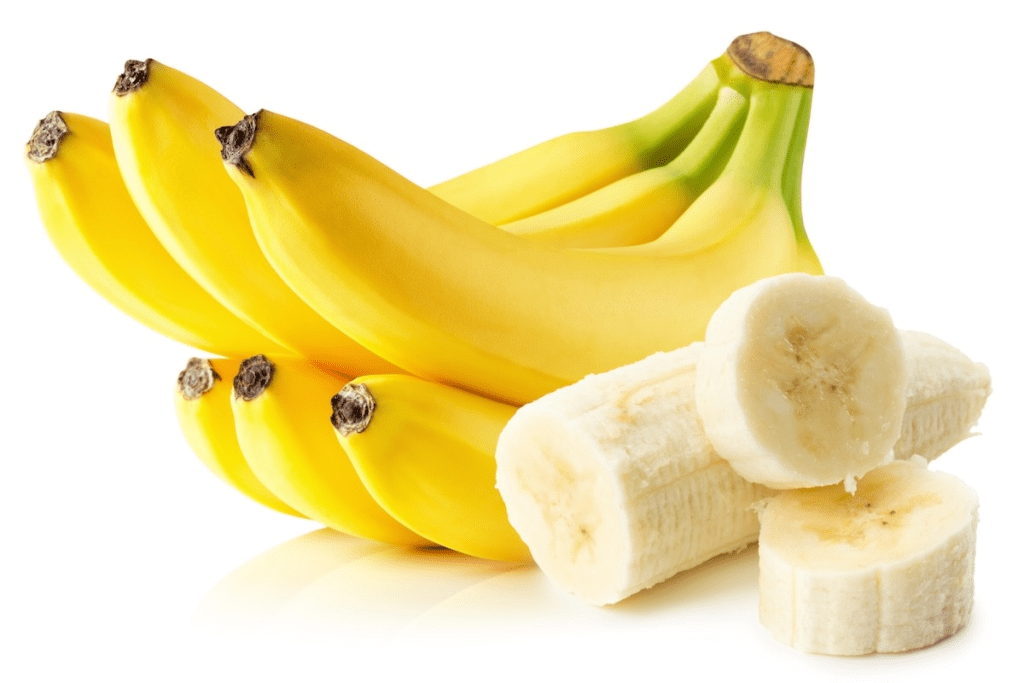
When you’re going through cancer treatment, one common question is: can chemo patients eat bananas? The answer is yes ” and bananas can actually be very helpful during this time. Packed with essential nutrients like potassium, vitamin B6, and fiber, bananas support overall health and help ease side effects from chemotherapy.
Eating a variety of fruits during and after cancer treatment is highly recommended, and bananas are one of the top choices. They can help restore lost energy, soothe the digestive tract, and replenish key nutrients often depleted by treatment.
So, can chemo patients eat bananas safely? Absolutely. In fact, bananas are often suggested by dietitians as part of a cancer recovery diet. Their soft texture and easy digestibility make them especially good for patients with nausea, mouth sores, or appetite loss.
We dive into the full nutritional benefits of bananas for cancer recovery and explain why this simple fruit can play a valuable role in supporting your body during chemo.
Key Takeaways
- Bananas are rich in nutrients beneficial for cancer recovery.
- Eating bananas can help alleviate chemotherapy symptoms.
- A balanced diet including fruits like bananas supports overall health during cancer treatment.
- Nutritional benefits of bananas can aid in energy replenishment.
- Including bananas in the diet can be a simple way to support cancer recovery.
The Nutritional Challenges During Cancer Treatment
Chemotherapy and other cancer treatments can cause side effects that make eating hard. Patients often face challenges that affect their ability to digest food.
Common Side Effects of Chemotherapy on Digestion
Chemotherapy can lead to nausea, vomiting, diarrhea, and constipation. These issues can make it hard for patients to get the nutrients they need. This can lead to malnutrition and dehydration if not handled right.
How the digestive system reacts to chemotherapy varies among patients. Common problems include:
- Mouth sores and dry mouth, making eating painful
- Changes in taste, affecting food preferences
- Nausea and vomiting, leading to dehydration
- Diarrhea or constipation, impacting nutrient absorption
The Importance of Proper Nutrition During Recovery
Eating right during cancer treatment is key. It helps keep strength up, supports healing, and manages side effects. Good nutrition helps patients handle treatment better and improves their life quality.
A balanced diet during recovery can:
- Support the immune system
- Help manage treatment side effects
- Provide energy for daily activities
- Support the healing process
Nutritional Profile of Bananas
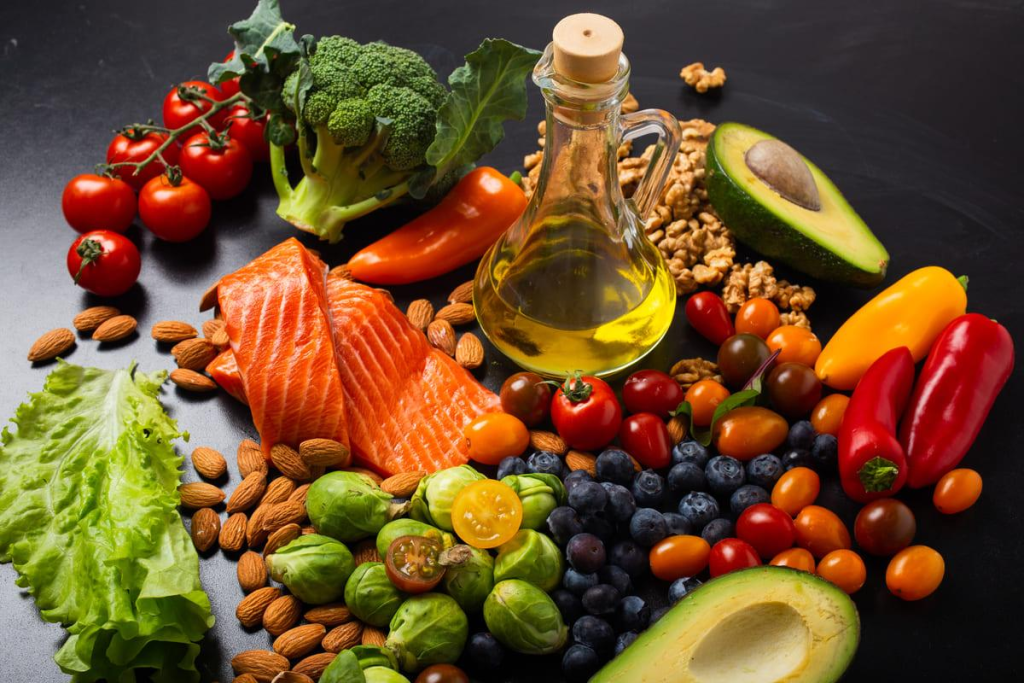
Bananas are packed with nutrients, making them great for people recovering from chemotherapy. They are especially good for cancer patients because of their health benefits.
Key Vitamins and Minerals in Bananas
Bananas are full of important vitamins and minerals. They have a lot of vitamin B6, which helps with energy and nerve health. They also have manganese for strong bones and vitamin C to protect cells.
Carbohydrates, Fiber, and Other Nutrients
Bananas are also high in carbohydrates for energy and fiber for digestion. The fiber, especially pectin, helps with bowel movements. This is good for those with diarrhea or constipation from chemotherapy.
While nutritional needs vary, bananas are a good choice for cancer patients. They give quick energy and help with digestion.
Can Chemo Patients Eat Bananas? Expert Recommendations
Bananas are a good choice for those going through chemotherapy because of their nutritional value. But, it’s important to get advice from experts. We’ll look at what oncology nutritionists say and what medical studies have found about diet during cancer treatment.
Oncology Nutritionist Perspectives
Oncology nutritionists think bananas are a great choice for chemotherapy patients. They say bananas are easy to digest and full of nutrients. These nutrients can help with some side effects of chemotherapy.
Nutritional Benefits: Bananas have potassium, vitamin C, and fiber. These help replace lost electrolytes, boost the immune system, and keep bowel movements regular.
“Bananas are often recommended for patients undergoing chemotherapy because they are gentle on the stomach and provide necessary nutrients,” says a leading oncology nutritionist.
Medical Research on Diet During Cancer Treatment
Medical studies back up the idea of eating bananas during chemotherapy. They show that eating fruits, like bananas, can make treatment side effects less severe. It also helps keep nutritional levels up.
- A study in a well-known medical journal found that eating lots of fruits and veggies helped patients do better.
- Another study pointed out how important potassium-rich foods like bananas are for heart health during chemotherapy.
Eating bananas can help chemotherapy patients deal with some nutritional challenges. But, it’s best to talk to healthcare providers to make sure the diet fits each person’s needs.
Benefits of Bananas for Chemotherapy Patients
For patients going through chemotherapy, bananas are a great addition to their meals. They help with several important benefits. Chemotherapy can lead to digestive problems like nausea and mouth sores, making it hard to eat right.
Easy Digestion and Gentle on the Stomach
Bananas are easy to digest, which is perfect for those on chemotherapy. Their soft texture and gentle stomach effect can ease digestive discomfort. Easy digestion is key, as it lets patients keep up with their nutrition without making stomach issues worse.
Energy Boost from Natural Sugars
Chemotherapy can make patients feel very tired and weak. Bananas have natural sugars that give a much-needed energy lift. The carbs in bananas help keep energy levels up, supporting patients through tough treatment times. This natural energy boost is especially helpful during intense treatment periods.
Potassium Replenishment After Treatment
Chemotherapy can cause potassium loss due to vomiting, diarrhea, or certain meds. Bananas are packed with potassium, a mineral that helps balance fluids and supports health. Eating bananas helps patients replenish potassium, aiding their body’s recovery. Potassium replenishment is crucial for keeping bodily functions right and helping recover from treatment.
In short, bananas are a big help for chemotherapy patients. They offer easy digestion, a natural energy boost, and help with potassium levels. Adding bananas to their diet can help manage chemotherapy side effects and support recovery.
How Bananas Help Combat Common Chemo Side Effects
Chemotherapy can cause many uncomfortable side effects. But, eating bananas can help ease these issues. Patients often face nausea, vomiting, constipation, diarrhea, and oral health problems.
Managing Nausea and Vomiting
Nausea and vomiting are common during chemotherapy. They can lead to dehydration and malnutrition. Bananas are a good choice because they are easy to digest and gentle on the stomach.
Eating bananas when they are ripe is best. This way, they are less likely to upset your stomach. Eating small, frequent meals and snacks, including bananas, can help manage nausea. Choose bananas that are fully ripe or cooked to make them more palatable.
Addressing Constipation and Diarrhea
Chemotherapy can cause both constipation and diarrhea. Bananas can help with both. For constipation, bananas provide dietary fiber to regulate bowel movements. For diarrhea, ripe bananas are soothing because they are easy to digest and can firm up stool.
Remember, bananas should be part of a balanced diet. Include a variety of other nutrient-rich foods. Staying hydrated is also key when experiencing diarrhea.
Supporting Oral Health During Treatment
Oral health issues, like mouth sores and dry mouth, are common during chemotherapy. Bananas are a helpful snack for oral health. They are soft and easy to chew, reducing the risk of irritating mouth sores. Bananas also contain vitamins and minerals that support overall oral health.
To get the most benefit, choose ripe bananas. Eat them slowly and carefully to avoid discomfort or irritation to the mouth and throat.
Potential Concerns About Eating Bananas During Chemo
Bananas are often suggested for those going through chemotherapy. Yet, there are some worries to think about. It’s key to look at each person’s health and needs during cancer treatment.
Sugar Content Considerations
Bananas have a lot of natural sugars. This can be a problem for people on chemo. Some treatments can mess with blood sugar, and eating too much sugar is risky. Patients on certain chemotherapy regimens should be aware of their sugar intake to avoid any complications.
Interaction with Certain Medications
Bananas might not get along with some chemo meds. They have a lot of potassium, which can clash with some drugs. It’s crucial for patients to inform their healthcare providers about their diet to avoid any adverse reactions.
When to Avoid Bananas During Treatment
In some cases, bananas aren’t the best choice for chemo patients. For example, if someone has diarrhea or is on a low-fiber diet, bananas might not be good. Patients should consult their oncologist or a nutritionist to figure out the best foods for their situation.
Knowing about these issues helps chemo patients make smart choices about bananas. By talking to doctors and nutritionists, they can enjoy bananas safely while recovering.
Different Banana Varieties and Their Benefits After Chemo
Bananas offer a variety of options for those going through chemotherapy. They are not just a quick snack. Each type has its own nutritional benefits.
Comparing Common Banana Types
Bananas are divided into several types based on ripeness, size, and type. The main types are Cavendish, Plantain, and Red bananas. Each offers unique nutritional benefits for those undergoing chemotherapy.
| Banana Type | Nutritional Highlights | Benefits for Chemo Patients |
| Cavendish | High in potassium, vitamin C | Easy to digest, replenishes electrolytes |
| Plantain | Rich in fiber, vitamins A and C | Helps with constipation, provides sustained energy |
| Red Banana | High in antioxidants, potassium | Reduces oxidative stress, supports heart health |
Choosing the Right Banana Based on Symptoms
The right banana can depend on the patient’s symptoms. For nausea, riper bananas are better because they are sweeter and easier to digest. For constipation, greener bananas are better because they have more pectin, a fiber.
“The ripeness of the banana can significantly affect its digestibility and nutritional availability. Riper bananas are generally easier on the stomach.” “ A nutritionist
Knowing about the different banana varieties and their benefits helps patients make better food choices. This can make their recovery easier.
Best Ways to Incorporate Bananas After Chemotherapy
Bananas are full of nutrients and can help those recovering from chemotherapy. We’ll look at how to add bananas to your diet after chemo. We’ll focus on easy recipes and when to eat them.
Simple Banana Recipes for Sensitive Stomachs
Many people with chemotherapy have sensitive stomachs. Bananas can be made in different ways to be easier to eat. You can blend ripe bananas into a smooth puree. This is great for those with mouth sores or trouble swallowing.
Making banana oatmeal is another gentle option. Cook oatmeal with mashed banana for a comforting breakfast. A little salt can make the flavor better without upsetting your stomach.
Other simple recipes include:
- Banana smoothies with yogurt or almond milk
- Frozen banana bites for a cool snack
- Banana toast on whole-grain bread for a quick energy boost
Timing Banana Consumption Around Treatment Sessions
When you eat bananas can help a lot during chemotherapy recovery. Eating bananas at the right time can help manage side effects and give you energy.
Eating a banana before treatment can give you a natural energy boost. The carbs in bananas help keep your blood sugar stable. This can lessen nausea and fatigue from treatment.
After treatment, bananas can still help. Eating a banana as a post-treatment snack can replace lost potassium and give you energy. For those with nausea, a small amount of frozen banana or banana ice pop might be better.
Think about eating bananas between meals too. This can keep your energy up without feeling too full or uncomfortable.
Bananas as Part of a Balanced Post-Chemo Diet
Recovering from chemotherapy needs a balanced diet, and bananas are great for this. They help manage side effects and support recovery. Bananas are full of potassium, vitamins, and minerals, making them perfect for cancer patients.
Combining Bananas with Protein Sources
Bananas are nutritious but lack protein, which is key for recovery. Mixing bananas with protein sources makes meals better. For example, bananas with almonds or walnuts add protein and healthy fats.
Also, banana smoothies with Greek yogurt or protein powder boost protein intake.
Nutritious combinations to try:
- Banana with almond butter and a sprinkle of chia seeds
- Greek yogurt with sliced banana and a drizzle of honey
- Smoothie bowl with banana, protein powder, and topped with nuts
Creating Nutritionally Complete Meals
To make complete meals, mix bananas with other food groups. Whole grains, lean proteins, and healthy fats make meals more satisfying. For example, banana with oatmeal and nuts gives energy and fiber.
Another good snack is sliced bananas on whole-grain toast with avocado. This snack is full of nutrients.
The key is to vary the diet and include a range of foods to ensure all necessary nutrients are covered.
Other Fruits Beneficial for Chemotherapy Recovery
Bananas are not the only fruit that can help with chemotherapy recovery. Other fruits are also very helpful. A mix of different fruits can give cancer patients more benefits.
Comparing Bananas to Other Recommended Fruits
Each fruit has its own special nutrients that help in different ways. For example, blueberries have lots of antioxidants. These can fight off the stress caused by chemotherapy. Oranges are full of vitamin C, which boosts the immune system. Apples offer fiber and antioxidants.
Here’s a table that shows how these fruits compare:
| Fruit | Key Nutrients | Benefits for Chemo Patients |
| Bananas | Potassium, Vitamin B6, Fiber | Easy digestion, energy boost, potassium replenishment |
| Blueberries | Antioxidants, Vitamin C, Manganese | Antioxidant support, anti-inflammatory effects |
| Oranges | Vitamin C, Folate, Potassium | Immune support, hydration, easy to consume |
| Apples | Fiber, Vitamin C, Antioxidants | Digestive health, antioxidant support |
Creating a Diverse Fruit Rotation During Recovery
To get the most benefits, try a diverse fruit rotation. Eat different fruits every day. For breakfast, have bananas or apples. Snack on oranges later, and enjoy a berry salad for dessert.
Tips for a diverse fruit rotation:
- Include a mix of citrus fruits like oranges and grapefruits for vitamin C.
- Add berries such as blueberries, strawberries, and raspberries for antioxidants.
- Incorporate apples and bananas for fiber and easy digestion.
- Try exotic fruits like mangoes or pineapples for variety and additional nutrients.
By eating a variety of fruits, you can get many nutrients. This helps support your recovery from chemotherapy.
Patient Experiences: Bananas During Cancer Treatment
Many patients say bananas helped them feel better during cancer treatment. They found bananas easy to digest and full of nutrients. This made them a great choice for those going through chemotherapy.
Success Stories and Testimonials
Many patients say bananas eased the tough side effects of chemotherapy. Sarah, a breast cancer survivor, said bananas were her favorite snack. “They were gentle on my stomach and gave me the energy I needed,” she explained.
“Bananas were not only a convenient snack but also helped regulate my bowel movements,” he said.
Common Challenges and Solutions
Not all patients have a positive experience with bananas during chemotherapy. Some common issues include:
- Sensitivity to Texture or Taste: Some patients find bananas too hard to eat during treatment.
- Sugar Content Concerns: A few worry about bananas’ sugar, especially if they’re watching their blood sugar.
- Digestive Issues: Some patients get bloated or gassy from bananas.
To overcome these problems, patients can try different things. For example, ripe bananas are sweeter and softer. Unripe bananas are starchier and might be easier for some to eat. Freezing bananas and blending them into smoothies can also make them more enjoyable and easier to digest.
We hope these tips and experiences help patients considering bananas in their diet during cancer treatment.
Research on Bananas and Cancer Recovery
New studies suggest bananas might help those with cancer. They are full of nutrients and could have healing powers. This makes bananas a key food in cancer recovery research.
Scientific Studies on Fruit Consumption During Cancer Treatment
Many studies look at how fruits affect cancer treatment. A study in the Journal of Clinical Oncology found fruits and veggies improve survival and reduce side effects. Bananas, being easy to digest and full of nutrients, are good for chemotherapy patients.
Bananas have antioxidants and phytochemicals that fight cancer treatment’s damage. They give important vitamins, minerals, and energy.
Emerging Research on Specific Banana Compounds
Recent studies find out what in bananas helps with cancer recovery. Bananas have dopamine, vitamin C, and potassium. These help fight inflammation and protect against damage.
A study in the Nutrition and Cancer journal found banana extracts might stop cancer cells from growing. They might even make cancer cells die. More research is needed, but the early results are encouraging.
- Bananas are rich in antioxidants and phytochemicals.
- They contain bioactive compounds with anti-inflammatory properties.
- Banana extracts have shown potential in inhibiting cancer cell growth.
As research grows, bananas are seen as a key food for cancer patients. Adding bananas and other nutrient-rich foods to their diet can help. This can lead to better treatment results and a better life for patients.
Practical Tips for Storing and Ripening Bananas for Chemo Patients
Chemotherapy patients often find bananas easy to digest. This makes them a great choice. Knowing how to store and ripen bananas can make them even more nutritious and tasty.
Choosing the Right Ripeness Based on Symptoms
The ripeness of bananas affects how well they are digested and how nutritious they are. For those with nausea or mouth sores, greener bananas are better. They are starchier and less sweet.
Riper bananas are sweeter and softer. They are perfect for a quick energy boost. Choosing the right ripeness based on individual symptoms can greatly enhance the benefits of bananas during chemotherapy recovery.
| Ripeness Stage | Characteristics | Benefits for Chemo Patients |
| Green | Starchy, firm, less sweet | Easier to digest for those with nausea or mouth sores |
| Yellow | Sweeter, softer | Provides a quick energy boost |
| Spotted/Brown | Very sweet, soft | Ideal for making smoothies or freezing for later |
Freezing and Preservation Methods
Freezing bananas is a great way to keep them for later. Peel them, put them on a baking sheet, and freeze. Then, put them in a freezer-safe bag.
Freezing helps retain the nutritional value and makes bananas a versatile ingredient for various recipes.
By learning how to store and ripen bananas, chemotherapy patients can enjoy this nutritious fruit. They can tailor their banana intake to their specific needs and symptoms.
Alternative Forms of Banana Consumption After Chemo
After chemotherapy, bananas are a great choice for those recovering. They are easy on the stomach and packed with nutrients. Bananas offer many ways to add nutrition to a post-chemo diet.
Banana Smoothies and Shakes
Smoothies and shakes are a favorite way to eat bananas after chemo. They are easy to digest and give a quick energy boost. Mixing bananas with yogurt or milk makes a drink full of nutrients.
To make a banana smoothie, blend a ripe banana with milk or yogurt. Add honey for sweetness if you like. You can also add protein powder or nut butter for extra nutrition.
Banana-Based Baked Goods
Bananas are great in baked goods like banana bread, muffins, and cakes. These treats are tasty and comforting. Choose recipes with less sugar and fat for more nutrition.
Here’s a simple banana bread recipe for chemo patients:
| Ingredients | Quantity |
| Ripe bananas | 3 |
| Whole wheat flour | 1 cup |
| Sugar | 1/2 cup |
| Eggs | 2 |
| Nuts (optional) | 1/2 cup |
Dried Banana Options
Dried bananas are a crunchy snack full of fiber and potassium. They’re easy to take on the go, perfect for a quick energy boost.
Choose dried bananas with no added sugars or preservatives. Some brands offer healthier options without these additives.
Adding bananas in different ways helps chemotherapy patients eat a varied and nutritious diet. Whether in smoothies, baked goods, or dried snacks, bananas are a great choice.
When to Consult Your Oncologist About Diet
Talking to your oncologist about your diet can really help your recovery. Your diet needs might change during treatment. Your oncologist is a big help in managing these changes.
Signs That Your Diet Needs Adjustment
It’s important to know when your diet needs a change. Look out for these signs:
- Unintended weight loss or gain
- Persistent nausea or vomiting
- Diarrhea or constipation
- Difficulty swallowing
- Fatigue or weakness
If you notice any of these symptoms, talk to your oncologist. They can help you adjust your diet to handle these side effects.
Questions to Ask Your Healthcare Team
When you talk to your oncologist about diet, be ready with questions. Ask things like:
- What dietary changes can I make to manage treatment side effects?
- Are there specific foods I should avoid or include in my diet?
- How can I maintain my weight and nutritional status during treatment?
- Are there any nutritional supplements I should consider or avoid?
Asking these questions helps you understand how to improve your diet during treatment. Your healthcare team is there to support you. Open communication is key to a successful recovery.
Conclusion: Making Informed Dietary Choices During Cancer Recovery
As we wrap up our look at bananas and cancer recovery, it’s clear that smart food choices matter a lot. A good diet can really help treatment work better and improve overall health.
We’ve talked about how bananas can help a cancer patient’s diet. They offer important nutrients, make digestion easier, and help with chemotherapy side effects. Adding bananas and other healthy foods to the diet can support the body during treatment.
It’s key to talk to healthcare experts about diet choices. This way, patients can make sure their diet is helping them the most. It helps them on their path to getting better.
FAQ
Are bananas safe to eat during chemotherapy?
Yes, bananas are usually safe for people going through chemotherapy. They are easy to digest and full of nutrients. But, always talk to your doctor about what’s best for you.
Can bananas help with chemotherapy side effects like nausea?
Yes, bananas can help with nausea. They taste mild and are easy to digest. They’re a good choice when other foods are hard to eat.
How do bananas help with constipation caused by chemotherapy?
Bananas have fiber, which helps with bowel movements. They can help with constipation. But, remember to drink plenty of water and eat a balanced diet.
Are there any concerns about eating bananas during chemotherapy?
Bananas are mostly safe, but their sugar might be a problem for some. This includes people with diabetes or those whose treatments affect blood sugar.
Can bananas interact with chemotherapy medications?
Bananas don’t usually interact with chemotherapy drugs. But, it’s always best to check with your doctor about your specific situation.
How can I incorporate bananas into my diet after chemotherapy?
You can eat bananas alone, add them to smoothies, or use them in baked goods. Mixing them with nuts or peanut butter makes for a nutritious snack.
Are there other fruits that are beneficial for chemotherapy recovery besides bananas?
Yes, fruits like berries, apples, and pears are also good. They’re easy to digest and full of nutrients. Eating a variety of fruits is best.
How should I store bananas to keep them fresh during chemotherapy?
Keep bananas at room temperature until ripe. Then, refrigerate them to keep them fresh longer. You can also freeze them for smoothies or baked goods.
Can I eat bananas if I’m experiencing diarrhea during chemotherapy?
Bananas might help with diarrhea because they can bind to stool. But, everyone’s body is different. Some people might find bananas make their diarrhea worse.
When should I consult my oncologist about my diet during chemotherapy?
Talk to your oncologist if you have ongoing or severe side effects, lose a lot of weight, or struggle to eat well. They can give you advice tailored to your treatment and health.
References
- Musa, M. M., & Wulandari, W. (2022). Cancer Preventive and Therapeutic Potential of Banana and Its Bioactive Constituents: A Systematic, Comprehensive, and Mechanistic Review. Food & Function / PMC. https://www.ncbi.nlm.nih.gov/pmc/articles/PMC8294041/
- National Cancer Institute. (n.d.). Eating Hints: Before, During, and After Cancer Treatment (PDF). U.S. National Institutes of Health. https://www.cancer.gov/publications/patient-education/eatinghints.pdf