Last Updated on November 26, 2025 by Bilal Hasdemir
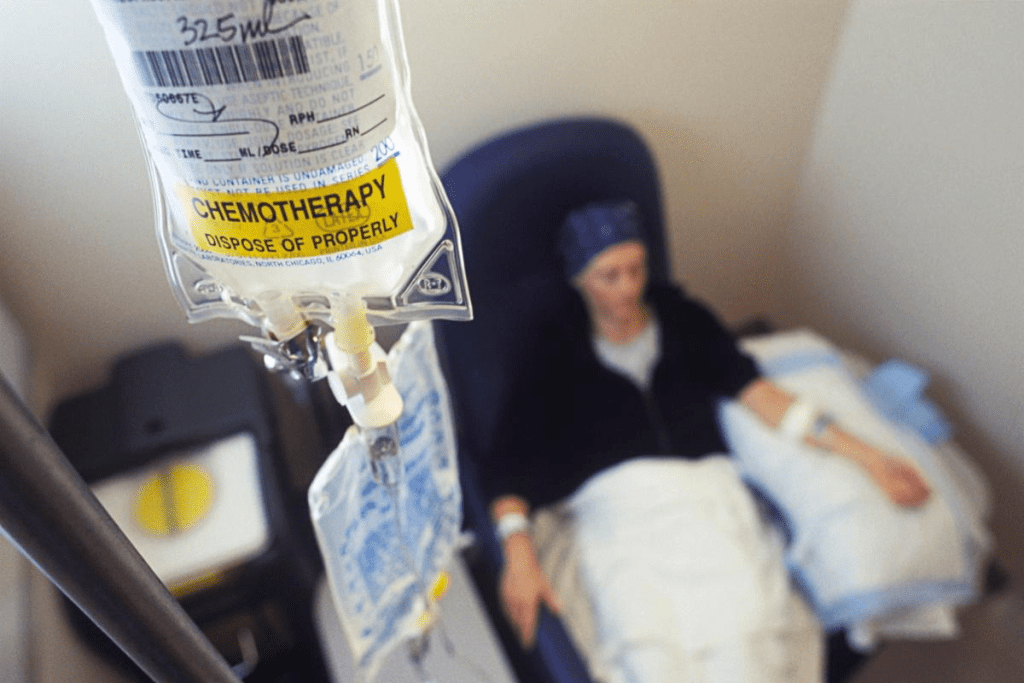
Chemotherapy is a common and powerful treatment for cancer. It uses drugs to kill fast-growing cells, like cancer cells. However, it can also harm healthy cells, which leads to some of the worst side effects of chemotherapy.
Going through chemotherapy is tough. Because it targets all rapidly dividing cells”including some healthy ones”patients often experience severe and debilitating symptoms. Among the worst side effects of chemotherapy are nausea, extreme fatigue, hair loss, mouth sores, and a weakened immune system.
Knowing what to expect and how to manage the worst side effects of chemotherapy can help patients feel more prepared and in control. Understanding these challenges is the first step toward building a treatment plan that includes supportive care and recovery strategies.
We aim to give a detailed look at the worst side effects of chemotherapy and offer insights to help patients and caregivers navigate this difficult journey.
Key Takeaways
- Chemotherapy targets both cancerous and healthy cells.
- Patients may experience a range of severe side effects.
- Understanding chemotherapy’s impact can help patients prepare.
- Support is crucial for patients undergoing chemotherapy.
- Chemotherapy’s effects vary from patient to patient.
The Science Behind Chemotherapy Treatment
It’s important to know how chemotherapy works to fight cancer and its side effects. Chemotherapy uses drugs to kill cancer cells or stop them from growing. It targets cells that divide quickly, a trait of many cancers.
How Chemotherapy Targets Cancer Cells
Chemotherapy drugs aim at fast-growing cells. Cancer cells grow and divide faster than normal cells, making chemotherapy effective. There are different types of chemotherapy drugs, each with its own way of stopping cancer cell growth.
Key Mechanisms:
- DNA Damage: Some drugs damage cancer cells’ DNA, stopping them from reproducing.
- Interfering with Cell Division: Other drugs block cell division, preventing cancer cells from multiplying.
Why Healthy Cells Are Affected
Chemotherapy also hits other fast-growing cells in the body. This includes cells in the bone marrow, mouth, digestive tract, and hair follicles. This is why chemotherapy causes many side effects.
| Healthy Cell Type | Potential Side Effect |
| Bone Marrow Cells | Reduced blood cell counts, leading to anemia, infection risk, and bleeding issues |
| Mouth and Digestive Tract Cells | Mucositis, diarrhea, and difficulty swallowing |
| Hair Follicle Cells | Hair loss |
Knowing these effects helps manage chemotherapy side effects. It improves the life quality of those undergoing treatment.
The Worst Side Effects of Chemotherapy
Chemotherapy is a key treatment for cancer but can cause many side effects. These effects can be mild or very severe. Both patients and doctors worry about these side effects a lot.
Severity Scale: Mild to Life-Threatening
Chemotherapy side effects can be mild or very serious. It’s important for patients to know what they might face during treatment.
- Mild side effects may include fatigue, hair loss, and mild nausea.
- Moderate side effects can involve more pronounced nausea, vomiting, and diarrhea.
- Severe side effects include life-threatening conditions such as neutropenia, severe anemia, and cardiotoxicity.
To understand these side effects better, let’s look at what makes them more intense.
Factors That Influence Side Effect Intensity
Many things can make chemotherapy side effects worse. These include the type of drugs used, how much is given, how often, and the patient’s health.
| Factor | Description | Impact on Side Effects |
| Type of Chemotherapy | Different drugs have different side effect profiles. | Some drugs are more likely to cause severe side effects. |
| Dosage and Frequency | Higher doses and more frequent treatments can increase side effect severity. | More intense side effects are often associated with higher doses and frequent treatments. |
| Patient’s Health | Pre-existing health conditions can affect how a patient tolerates chemotherapy. | Patients with certain health conditions may experience more severe side effects. |
Knowing these factors and the possible severity of side effects helps. Patients and doctors can then work together to lessen the effects of chemotherapy.
Common Types of Chemotherapy Drugs and Their Specific Side Effects
It’s important to know about the different chemotherapy drugs and their side effects. Chemotherapy uses drugs to kill cancer cells. Each type of drug works in its own way and can cause different side effects.
Alkylating Agents and Platinum Compounds
Alkylating agents attach an alkyl group to cancer cells’ DNA, stopping them from copying. Drugs like cyclophosphamide and chlorambucil are examples. They can lead to hair loss, increased risk of infection, and fatigue.
Platinum compounds, like cisplatin and carboplatin, also belong to this group. They can damage the kidneys and nerve damage.
Antimetabolites and Plant Alkaloids
Antimetabolites stop cancer cells from making DNA and RNA. Drugs like 5-fluorouracil and methotrexate are examples. They can cause mucositis, diarrhea, and myelosuppression.
Plant alkaloids, like vinblastine and paclitaxel, disrupt cancer cells’ microtubules. This stops them from dividing. Side effects include hair loss, neuropathy, and constipation.
Targeted Therapy Side Effect Profiles
Targeted therapies aim to kill cancer cells with less harm to healthy cells. Drugs like trastuzumab and bevacizumab are examples. They often have fewer side effects than traditional chemotherapy.
However, they can still cause heart problems and skin rash. The side effects depend on how the drug works and the cancer type.
In summary, knowing about different chemotherapy drugs and their side effects is key. This knowledge helps patients manage their treatment better. It also improves their quality of life during treatment.
Severe Digestive System Complications
Chemotherapy can deeply affect the digestive system, causing severe problems. The digestive system’s fast cell growth makes it very sensitive to chemotherapy. This leads to many serious side effects.
Intractable Nausea and Vomiting
Nausea and vomiting are very hard to deal with during chemotherapy. They can make it hard to get enough nutrients and affect overall health. Intractable nausea and vomiting can cause dehydration and imbalances in electrolytes. We use a mix of medicines and care to help manage these symptoms.
Severe Diarrhea and Constipation
Chemotherapy can mess up the gut, causing either severe diarrhea or constipation. Diarrhea can lead to dehydration and imbalances in electrolytes. Constipation can cause a lot of pain and might even block the bowel. We adjust diets, use medicines, and make sure patients stay hydrated.
Mucositis and Difficulty Swallowing
Mucositis, or inflammation in the digestive tract, is very painful. It makes it hard to eat and drink, leading to malnutrition and dehydration. Trouble swallowing, or dysphagia, makes it even harder to get nutrients. We treat mucositis with topical anesthetics and protective agents to help with swallowing.
It’s important to understand these severe digestive problems and find good ways to manage them. This helps improve patient outcomes and quality of life during chemotherapy.
Bone Marrow Suppression and Blood-Related Dangers
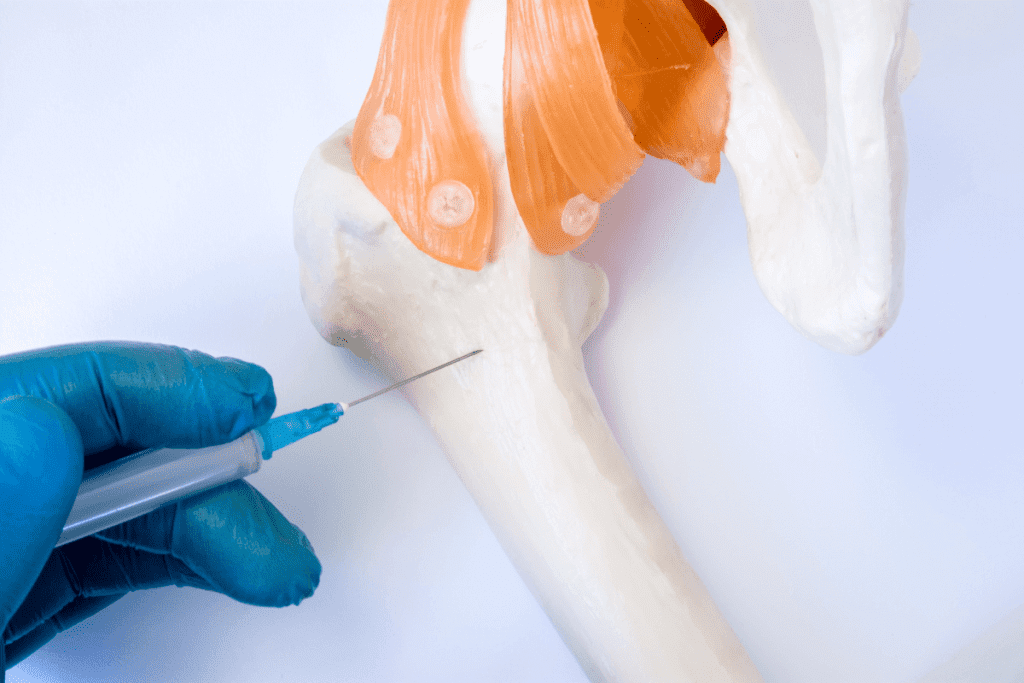
Chemotherapy can harm the bone marrow, leading to serious issues. The bone marrow makes white blood cells, red blood cells, and platelets. When it’s affected by chemotherapy, it can cause neutropenia, a low white blood cell count.
Neutropenia and Life-Threatening Infections
Neutropenia makes it hard for the body to fight off infections. “Patients with neutropenia are at a high risk of developing life-threatening infections,” which can require immediate medical attention.
Severe Anemia and Its Consequences
Anemia, or a low red blood cell count, is another issue. It can cause fatigue, weakness, and shortness of breath. This can really affect a patient’s quality of life.
Thrombocytopenia and Hemorrhage Risk
Thrombocytopenia, or a low platelet count, raises the risk of bleeding. Patients might see bruising, nosebleeds, or severe hemorrhages. These can be very dangerous if not treated right.
Healthcare providers watch patients closely during chemotherapy. They adjust treatment plans to protect the bone marrow. They might also use growth factors to help blood cell production.
In conclusion, bone marrow suppression is a serious side effect of chemotherapy. It needs careful management to avoid life-threatening problems.
Physical Appearance Changes and Their Impact
Chemotherapy can change how a person looks, affecting their mood. These changes can hurt a patient’s self-image and confidence. It’s important to understand and tackle these issues.
Complete Hair Loss and Body Image
Hair loss is a big problem for many people going through chemotherapy. It’s not just about hair on the head; it can also affect eyebrows, eyelashes, and body hair. Losing hair can make someone feel like they’ve lost a part of themselves.
People might feel shy or want to stay home because of how they look. But, there are ways to deal with it. Using wigs, scarves, or hats can help.
Severe Skin Reactions and Nail Disorders
Chemotherapy can also cause skin problems like dryness and rashes. Nail issues like brittleness and discoloration are common too. These problems can hurt and make life harder.
Good skin care and protective steps can help with skin issues. For nail problems, keeping nails short and using strengthening products can help.
Weight Fluctuations and Muscle Wasting
Chemotherapy can also lead to weight changes. Some people gain weight, while others lose it. Muscle wasting can happen too, especially in advanced cancer.
Eating right and gentle exercise can help with weight and muscle issues. Getting advice from a dietitian or physical therapist can be very helpful.
| Physical Change | Emotional Impact | Coping Strategies |
| Hair Loss | Loss of identity, lowered self-esteem | Wigs, scarves, hats |
| Skin Reactions | Discomfort, self-consciousness | Good skin care, protective measures |
| Nail Disorders | Pain, self-consciousness | Nail care, strengthening products |
| Weight Fluctuations | Body image issues, health concerns | Nutritional support, exercise |
Neurological Damage from Chemotherapy
Chemotherapy is a strong weapon against cancer but can harm the nervous system. This can lead to different problems like peripheral neuropathy, cognitive issues, and seizures. Knowing about these side effects is key to managing them and improving life for those undergoing treatment.
Debilitating Peripheral Neuropathy
Peripheral neuropathy is a common side effect of chemotherapy. It damages the nerves, causing numbness, tingling, pain, and weakness in hands and feet. The severity can vary based on the chemotherapy type and how a patient reacts.
Cognitive Dysfunction (“Chemo Brain”)
Cognitive dysfunction, or ‘chemo brain,’ is another serious side effect. It includes memory loss, trouble concentrating, and feeling less mentally clear. These issues can make daily tasks hard and affect a patient’s usual activities.
Seizures and Central Nervous System Effects

Chemotherapy can also lead to severe problems like seizures and CNS effects. Seizures are rare but serious, showing a strong neurotoxic reaction. Other CNS effects include encephalopathy, which changes mental status, and PRES, causing seizures, headaches, and vision problems.
| Neurological Side Effect | Symptoms | Management Strategies |
| Peripheral Neuropathy | Numbness, tingling, pain, weakness in hands and feet | Medications for pain management, physical therapy |
| Cognitive Dysfunction (“Chemo Brain”) | Memory loss, difficulty concentrating, decreased mental clarity | Cognitive rehabilitation, memory aids, lifestyle adjustments |
| Seizures and CNS Effects | Seizures, altered mental status, encephalopathy | Anticonvulsants, monitoring, adjusting chemotherapy regimen |
Organ Toxicity and Systemic Damage
Chemotherapy can harm certain organs in the body. This includes the heart, liver, kidneys, and lungs. Such harm can lead to long-term damage or even organ failure.
Cardiotoxicity and Heart Failure
Some chemotherapy drugs, like anthracyclines, can harm the heart. This can lead to heart failure. The risk is higher if you already have heart problems or are getting radiation therapy at the same time.
Cardiotoxicity Management: To lower this risk, doctors monitor the heart closely. They adjust the drug dose and might use special heart-protecting medicines.
Hepatotoxicity and Kidney Injury
Chemotherapy can also harm the liver and kidneys. Drugs like methotrexate and certain alkylating agents need careful watching. This is to avoid liver and kidney damage.
Prevention Strategies: Adjusting the drug dose based on liver and kidney health is key. Regular checks can help prevent liver and kidney problems.
Pulmonary Fibrosis and Respiratory Failure
Drugs like bleomycin can cause lung scarring. This can lead to serious breathing problems. The risk goes up with higher doses and if you’re also getting radiation to the chest area.
| Chemotherapy Agent | Organ at Risk | Potential Complication |
| Anthracyclines | Heart | Cardiotoxicity, Heart Failure |
| Methotrexate | Liver, Kidneys | Hepatotoxicity, Nephrotoxicity |
| Bleomycin | Lungs | Pulmonary Fibrosis, Respiratory Failure |
Knowing these risks helps doctors manage them better. This can improve how well patients do during treatment.
Reproductive System and Fertility Consequences
Chemotherapy can deeply affect both men and women’s reproductive systems. It’s a big worry for many patients. Knowing how it impacts fertility is key to making good choices about their health.
Premature Ovarian Failure and Menopause
Women getting chemotherapy might face early menopause. This can lead to infertility and symptoms like hot flashes and mood swings. The risk depends on the chemotherapy type, dose, and the woman’s age.
Table: Factors Influencing Premature Ovarian Failure
| Factor | Description | Impact on Premature Ovarian Failure |
| Chemotherapy Type | Different chemotherapy agents have varying effects on ovarian function. | Alkylating agents are associated with a higher risk. |
| Age | Older women are more susceptible to ovarian failure. | Increased risk with advancing age. |
| Dose | Higher cumulative doses increase the risk of ovarian failure. | Higher doses are more likely to cause ovarian failure. |
Male Fertility Impairment
Chemotherapy can also harm men’s fertility by affecting sperm production. The impact varies based on the chemotherapy type, dose, and treatment length. Some men might face temporary or permanent lack of sperm in their ejaculate.
Preservation Options Before Treatment
For both men and women, talking about fertility preservation before chemotherapy is crucial. Options include sperm banking for men, egg or embryo freezing for women, and ovarian tissue freezing. Knowing these options can help patients make informed choices about their reproductive health.
We suggest patients talk to their healthcare providers and fertility specialists. They can help find the best preservation strategies for each person’s situation.
Psychological and Emotional Trauma
Chemotherapy can be very tough, affecting more than just the body. It can also hurt a person’s mind and feelings. This can change how they live and feel about life.
Clinical Depression and Suicidal Ideation
Many people feel down during chemotherapy. Some might even think about harming themselves. It’s very important to catch this early and help them.
Anxiety Disorders and Panic Attacks
Feeling anxious is common too. This can be a general feeling of worry or sudden, intense fear. The fear of not getting better or cancer coming back can make it worse.
Helping people feel better can include talking therapy and sometimes medicine.
Post-Traumatic Stress After Cancer Treatment
Some people get PTSD after treatment. This means they might relive the treatment or avoid things that remind them of it. It’s a serious condition that needs careful treatment.
| Psychological Effect | Symptoms | Management Strategies |
| Clinical Depression | Loss of interest, changes in appetite, suicidal thoughts | Medication, therapy, support groups |
| Anxiety Disorders | Panic attacks, generalized anxiety, fear of recurrence | Cognitive-behavioral therapy, relaxation techniques |
| Post-Traumatic Stress Disorder (PTSD) | Flashbacks, avoidance behaviors, hyperarousal | Trauma-focused CBT, medication, support |
The mind and feelings can be just as affected by chemotherapy as the body. Understanding and helping with these issues is key to better care for patients.
Long-Term and Delayed Side Effects
Chemotherapy doesn’t just stop when treatment ends. Many patients face long-term and delayed side effects. Understanding these effects is key to dealing with cancer treatment’s lasting impact.
Chronic Fatigue and Pain Syndromes
Chronic fatigue is a common side effect. It’s a lasting tiredness that doesn’t get better with rest. This can also lead to pain syndromes, affecting daily life.
Research shows chronic fatigue affects many cancer survivors. It makes it hard for them to get back to normal activities.
Secondary Malignancies
Another worry is secondary malignancies, or new cancers, caused by chemotherapy. Some chemotherapy agents can harm healthy cells’ DNA, leading to new cancers.
The risk depends on the chemotherapy type, dose, and the patient’s age at treatment.
| Chemotherapy Type | Risk Level | Common Secondary Malignancies |
| Alkylating Agents | High | Leukemia, Lymphoma |
| Topoisomerase Inhibitors | Moderate | Leukemia |
| Antimicrotubule Agents | Low | Rare |
Accelerated Aging and Frailty
Chemotherapy can also cause early aging and frailty. This shows up as conditions like osteoporosis, heart disease, and brain decline sooner than usual.
This is thought to be because chemotherapy stresses the body’s systems too much.
Life-Threatening Complications to Watch For
Patients on chemotherapy face serious side effects that need quick medical help. Chemotherapy is key in fighting cancer but can cause severe problems. It’s vital to spot these issues early to act fast.
Septic Shock and Neutropenic Fever
Septic shock is a serious condition where the body’s fight against infection gets out of control. Chemotherapy can lower white blood cells, making it hard to fight off infections. If a patient with low white blood cells gets a fever, it’s a medical emergency. Quick treatment with antibiotics is key to stop septic shock.
Neutropenic fever happens when someone with low white blood cells gets a fever. It’s important to see a doctor right away to find and treat the infection.
| Condition | Symptoms | Treatment |
| Neutropenic Fever | Fever, chills, fatigue | Antibiotics, hospitalization |
| Septic Shock | Low blood pressure, rapid heart rate, confusion | Intensive care, vasopressors, antibiotics |
Tumor Lysis Syndrome
Tumor lysis syndrome (TLS) happens when many cancer cells die at once, releasing their contents into the blood. This can cause serious problems. TLS is more common in fast-growing cancers like some leukemias and lymphomas.
It’s important to know the risk factors and symptoms of TLS. Symptoms include nausea, vomiting, diarrhea, and feeling very tired. Blood tests can show high levels of certain substances and low calcium.
Severe Allergic and Hypersensitivity Reactions
Some chemotherapy drugs can cause severe allergic reactions, including anaphylaxis. Anaphylaxis is a life-threatening condition that needs quick treatment. Symptoms include trouble breathing, a fast heartbeat, and low blood pressure. Administering epinephrine and other supportive measures are critical in managing anaphylaxis.
It’s crucial to understand and manage these serious complications in chemotherapy. Spotting the signs early can save lives by getting timely medical help.
Prevention and Management Strategies
Managing and preventing chemotherapy side effects is vital in cancer care. A proactive approach can greatly improve patient outcomes and quality of life during treatment.
Prophylactic Medications and Treatments
Prophylactic medications are key in preventing severe chemotherapy side effects. Antiemetic drugs, for example, can greatly reduce nausea and vomiting. These are common side effects of many chemotherapy regimens.
Other treatments include growth factors to boost blood cell production. This helps prevent neutropenia and infection. These treatments are customized based on the patient’s risk factors and chemotherapy regimen.
Nutritional Support During Chemotherapy
Nutritional support is crucial in managing chemotherapy side effects. A balanced diet helps patients stay strong, manage side effects, and recover faster. We suggest patients work with a registered dietitian or nutritionist for a personalized nutrition plan.
Nutritional interventions may include dietary counseling and supplements. In some cases, enteral or parenteral nutrition is needed for those who can’t eat normally. “Optimizing nutrition during cancer treatment is associated with improved treatment outcomes and reduced complications,” research shows.
Evidence-Based Complementary Approaches
Complementary approaches can also help manage chemotherapy side effects. These include acupuncture, massage therapy, and mind-body therapies like meditation and yoga.
Studies have shown these therapies can help with symptoms like pain, nausea, and anxiety. For instance, acupuncture can significantly reduce chemotherapy-induced nausea and vomiting. It’s important for patients to talk to their healthcare provider about these options to ensure they are safe and appropriate.
By using these prevention and management strategies, patients can better handle chemotherapy. This improves their overall quality of life.
Support Resources for Coping with Severe Side Effects
Coping with chemotherapy side effects needs a strong support system. Patients face many challenges, from physical pain to emotional stress. The right support can greatly improve their life and help manage side effects.
Medical Support Teams and Palliative Care
Medical teams are key in handling chemotherapy side effects. They include doctors, nurses, and other experts, offering constant care and advice. Palliative care focuses on easing symptoms, pain, and stress of serious illnesses like cancer. It can greatly improve a patient’s well-being.
Patient Advocacy Groups and Support Networks
Patient groups and support networks offer emotional and social help. They connect patients with others facing similar challenges, creating a sense of community. These groups also fight for patients’ rights and needs, helping with treatment complexities.
Support networks can be found at local hospitals, online forums, and cancer organizations. They provide a space for sharing experiences, advice, and encouragement. This support is crucial during chemotherapy’s tough journey.
Financial Assistance for Supportive Care
The cost of cancer treatment can be huge. Luckily, many programs and organizations offer financial assistance. They help with costs of care, including medications, home care, and transportation. This can ease the financial burden of chemotherapy.
We suggest patients ask about financial help through their healthcare provider or cancer center. The American Cancer Society also offers resources and support for financial aspects of cancer care.
Conclusion
Chemotherapy is a key treatment for many cancers, but it has side effects. To deal with these, a full plan is needed. This includes medical help, support care, and teaching patients.
Understanding side effects and working with doctors is key. This way, patients can lessen these effects and live better.
Helping with chemotherapy side effects is vital in cancer care. We’ve looked at many side effects, from stomach issues to brain problems. It’s important to prevent and manage them.
The Canadian Cancer Society says a complete plan is needed for side effect management. We agree that patients should know about possible side effects and work with their doctors.
Being proactive and informed helps patients face their treatment better. We suggest patients get help from doctors, support groups, and friends. This way, they can get the care they need.
FAQ
What are the worst side effects of chemotherapy?
The worst side effects of chemotherapy vary. They depend on the type, dose, and health of the person. Common severe side effects include nausea, vomiting, diarrhea, and fatigue. Hair loss and a higher risk of infection are also common.
How does chemotherapy affect healthy cells?
Chemotherapy targets fast-growing cells, including both cancer and healthy cells. This can harm cells in the bone marrow, hair follicles, and digestive system. This leads to various side effects.
Can chemotherapy cause long-term side effects?
Yes, chemotherapy can lead to long-term side effects. These include chronic fatigue, secondary cancers, and organ damage. The risk depends on the type and dose of chemotherapy.
How can I manage chemotherapy side effects?
Managing side effects involves medications, lifestyle changes, and supportive care. This includes anti-nausea drugs, nutrition, and therapies like acupuncture or meditation.
Are there any strategies for preventing chemotherapy side effects?
While preventing all side effects is not possible, some strategies can help. Using preventive medications, eating well, and staying hydrated can reduce their impact.
How does chemotherapy affect fertility?
Chemotherapy can harm fertility in both men and women. Women may experience early menopause, while men may have fertility issues. There are ways to preserve fertility before starting chemotherapy.
What are the risks of bone marrow suppression during chemotherapy?
Bone marrow suppression is a common side effect. It can lead to low white blood cell counts, anemia, and low platelet counts. These conditions increase the risk of infections, fatigue, and bleeding.
Can chemotherapy cause neurological damage?
Yes, chemotherapy can damage the nervous system. This includes peripheral neuropathy, cognitive problems, and seizures. The risk and severity depend on the type and dose of chemotherapy.
What support resources are available for managing chemotherapy side effects?
Many support resources are available. These include medical teams, palliative care, patient groups, and financial help. They can improve outcomes and quality of life.
How can I cope with the emotional impact of chemotherapy?
Coping with chemotherapy’s emotional effects involves professional support and loved ones. Patient groups and support networks offer valuable resources and connections.
What are the life-threatening complications of chemotherapy?
Life-threatening complications include septic shock, tumor lysis syndrome, and severe allergic reactions. Quick recognition and treatment are crucial.
References
- Editorial: Adverse effects of cancer chemotherapy: Anything new to improve tolerability? (2018). Frontiers in Pharmacology. https://www.frontiersin.org/articles/10.3389/fphar.2018.00245/full
- Incidence and severity of patient-reported side effects of chemotherapy: A prospective study. (2022). PMC. https://www.ncbi.nlm.nih.gov/pmc/articles/PMC10226821/