Last Updated on November 27, 2025 by Bilal Hasdemir
Millions of people get PET scans every year. But many are unsure about what happens during the test. The thought of a PET scan can be scary, mainly because of the worry about pain.
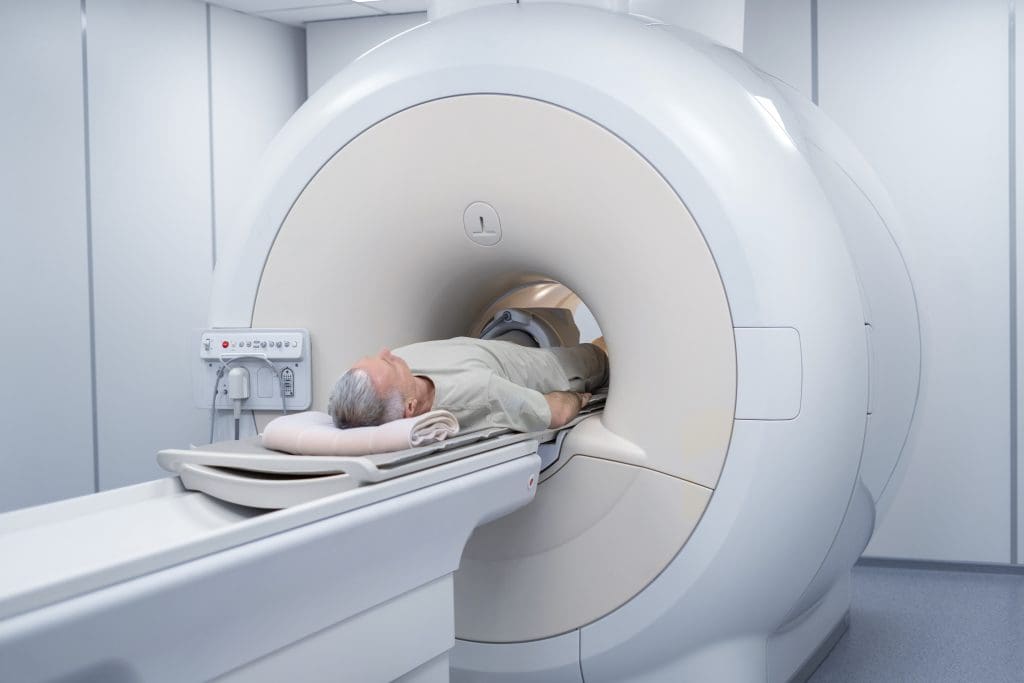
The PET scan procedure has you lying on a table that moves into a big scanner. This scanner finds the energy from a tracer in your body. Even though it’s safe and mostly painless, some might feel discomfort or side effects from the tracer or the scan.
Key Takeaways
- Understand the PET scan procedure and what to expect.
- Learn about possible discomforts and side effects.
- Discover ways to lessen anxiety and discomfort during the scan.
- Find out how to prepare for a PET scan for a smooth experience.
- Understand the importance of following your doctor’s instructions.
What is a PET Scan and How Does it Work?
PET scans have changed medical imaging a lot. They give us deep insights into the body’s inner workings. A PET (Positron Emission Tomography) scan is a top-notch imaging method. It helps find and manage health issues like cancer and brain problems.
PET scans help us understand the body’s metabolic activities. This is key for spotting problems. Unlike other tests, PET scans show us where cells are most active.
The Science Behind PET Imaging
PET imaging uses a special radioactive tracer. This tracer goes into the body and sticks to active cells, like cancer. When it decays, it sends out gamma rays. The PET scanner catches these rays and makes images.
The steps are simple:
- The patient gets a radioactive tracer.
- The tracer goes to active areas.
- The PET scanner picks up the gamma rays.
- A computer makes images of the body’s activity.
Difference Between PET Scans and Other Imaging Tests
PET scans are different from CT scans and MRI. CT and MRI show body structures. But PET scans tell us about cell activity. This makes them great for finding cancer, checking treatment, and looking at brain issues.
Here’s what sets PET scans apart:
- Metabolic Information: PET scans show cell activity, not just structures.
- Cancer Detection: They’re super good at finding cancer because it’s very active.
- Functional Imaging: PET scans show how the body works, not just what it looks like.
Knowing how PET scans work helps patients see their value. They’re a key tool in health care.
Medical Conditions Diagnosed with PET Scans
PET scans give doctors a peek into the body’s metabolic activity. They help diagnose and treat many medical conditions better. PET scans are key for conditions needing precise metabolic info.
Cancer Detection and Staging
PET scans are key in oncology for cancer detection and staging. They spot the main tumor, find metastasis, and check treatment success. The FDG-PET scan, using fluorodeoxyglucose, is great for seeing tumors with high activity.
PET scans can find cancer early, which can change treatment results. They can tell if a tumor is cancerous or not, helping decide treatment.
Neurological Disorders
PET scans are also vital for neurological disorders. They find brain areas hit by Alzheimer’s, Parkinson’s, and epilepsy. By checking brain metabolism, PET scans show disease progress.
For neurological issues, PET scans help doctors see how far the disease has spread. This guides treatment and improves care for patients.
Cardiovascular Disease Assessment
PET scans also help with cardiovascular disease. They check heart function, spot blood flow issues, and see if heart tissue is alive. This info is key for planning surgeries or angioplasty.
Using PET scans in heart disease lets doctors make better treatment choices. This can lead to better results for heart patients.
Preparing for Your PET Scan: What to Expect
A PET scan is a detailed diagnostic tool. Preparing for it involves some key steps. We’ll guide you through what you need to do to make sure your scan goes well and is safe.
Dietary Restrictions Before the Procedure
Before your PET scan, you need to follow certain diet rules. You might need to fast for 4 to 6 hours before the scan. But, your healthcare provider will give you specific instructions based on your scan type.
Eating can change how the radiotracer works in your body. This might affect the scan’s accuracy. Try to avoid sugary foods and drinks to help the scan work better.
Medication Considerations
Tell your healthcare provider about all the medications you’re taking. Some can mess with the scan’s results. Your doctor might ask you to stop taking certain meds before the scan.
Also, talk about any supplements or vitamins you’re using. They could affect the scan. Your doctor will give you advice on managing your meds before the scan.
Clothing and Personal Items Guidelines
On the day of your scan, wear comfy, loose clothes. Stay away from clothes with metal, like zippers or jewelry. These can mess up the scan images.
You might need to change into a gown at the imaging center. It’s best to leave valuable items at home. We’ll tell you what to bring and what to leave behind.
Discussing Concerns with Your Doctor
If you have any worries or questions about the scan, talk to your doctor. This is your chance to share any fears or concerns.
Your doctor can offer advice and reassurance. They can help you feel more ready and at ease during the scan.
| Preparation Aspect | Guideline |
| Dietary Restrictions | Fast for 4-6 hours; avoid sugary foods and drinks |
| Medication Management | Inform your doctor about all medications and supplements |
| Clothing | Wear loose, metal-free clothing; may be asked to wear a gown |
By following these guidelines and talking to your doctor, you can have a smooth and successful PET scan experience.
The PET Scan Procedure Step by Step
Before your PET scan, it’s good to know what happens when you get there. Knowing the steps can make you feel more at ease.
Radiotracer Injection Process
Next, a tiny amount of radioactive tracer is injected into your arm. This radiotracer shows where to look in your body. You might feel a tiny pinch, but it’s not bad.
The Uptake Waiting Period
After the injection, you’ll wait for about 60 minutes. This is called the uptake period. The tracer gets absorbed by your body’s tissues. You need to stay quiet and calm for the best results.
The Scanning Process
When the waiting is over, you’ll get on a table in the PET scanner. The scan itself is quick, lasting 30 to 60 minutes. It’s important to stay very quiet and not move.
Our medical team will be with you the whole time. They’re there to help and make sure you’re comfortable and safe.
Does a PET Scan Hurt? Addressing Pain Concerns
Many patients wonder if a PET scan will hurt. We’re here to answer those questions. A PET scan, or Positron Emission Tomography scan, is a tool that shows how active your body’s cells are. It helps doctors diagnose and keep track of many health issues.
Injection Discomfort and Sensations
The PET scan starts with an injection of a special dye. Some might feel a pinch or sting, like when you get blood drawn. This feeling is usually mild and short-lived.
Positioning and Movement Restrictions
You’ll lie on a table that moves into the PET scanner. The scanner doesn’t touch you, but staying very quiet for a long time can be hard. We’ll help make it easier for you.
Common Physical Sensations During the Scan
You might feel cold when the dye is injected, or uncomfortable from lying down. The scanner makes a soft humming sound. It’s not loud enough to bother you much.
Pain Management Options Available
Even though PET scans are usually not painful, some people might feel a bit uncomfortable. If you’re feeling anxious or uncomfortable, tell our staff. We can help, offer support, or even give you mild sedation to relax during the scan.
| Potential Discomfort | Management Options |
| Injection discomfort | Topical anesthetics, gentle injection technique |
| Lying for a long time | Comfortable positioning, support pillows |
| Anxiety or claustrophobia | Guided relaxation, sedation if necessary |
Common Discomforts During a PET Scan
PET scans are generally safe but can cause discomfort in some patients. Knowing what might cause these issues can help make the experience more comfortable.
Claustrophobia and Anxiety
Claustrophobia or anxiety is a common issue during PET scans. The scanner’s enclosed space can make some people feel trapped or anxious. It’s a good idea to talk to your healthcare provider about this before the scan. They can offer advice or sedation to help you feel better.
Relaxation techniques like deep breathing can also help. Some places offer open PET scan options, which might feel less confining.
Temperature Sensations in the Scanner
Some people might feel too hot or too cold during the scan. The room’s temperature is controlled, but everyone’s comfort level is different. If you’re feeling uncomfortable because of the temperature, let the technician know.
Lying Stil for Extended Periods
Staying in one position for a long time can be hard, like for those with back pain. It’s important to find a comfortable position before the scan. If you’re feeling uncomfortable, tell the technician right away.
Noise Levels and Auditory Discomfort
The PET scanner makes some noise, which can be uncomfortable for some. The noise isn’t usually loud, but it might bother you. Using earplugs or headphones can help reduce this discomfort.
| Discomfort | Cause | Mitigation |
| Claustrophobia and Anxiety | Enclosed scanner environment | Relaxation techniques, sedation, open PET scan |
| Temperature Sensations | Scanner room temperature | Adjusting room temperature, patient feedback |
| Lying Stil | Duration of the scan | Comfortable positioning, regular breaks |
| Auditory Discomfort | Scanner noise | Earplugs, headphones |
Managing Anxiety and Claustrophobia During Your PET Scan
A PET scan can be scary, and finding ways to reduce anxiety and claustrophobia is key. For those going through this test, it’s important to manage anxiety well. This makes the experience less stressful.
Relaxation Techniques and Breathing Exercises
Relaxation methods and breathing exercises can help a lot. Deep breathing, progressive muscle relaxation, and visualization can calm you down.
Deep breathing is about slow, deep breaths in and out. It helps slow your heart and relaxes you. Progressive muscle relaxation involves tensing and relaxing muscles to release tension.
Sedation Options for Anxiety Relief
Some people might need sedation to feel less anxious during the scan. The type of sedation depends on how anxious you are and your health history.
Talking to your doctor about sedation options is important. They can help choose the best one for you.
Open PET Scan: An Alternative for Claustrophobic Patients
If you’re really scared of being in small spaces, an open PET scan might help. These scanners are designed to feel less enclosed, which can make you feel less anxious.
But, not all places have open PET scanners. Availability can vary.
Having a Support Person Present
Having someone you know there can make you feel better. It could be a family member, friend, or caregiver.
Check with the PET scan place first to see if they let support people in during the scan.
| Anxiety Management Option | Description | Benefits |
| Relaxation Techniques | Deep breathing, progressive muscle relaxation, visualization | Reduces anxiety, promotes relaxation, non-invasive |
| Sedation | Medication to induce relaxation or deeper sedation | Effective for severe anxiety, can be tailored to individual needs |
| Open PET Scan | More open design of the PET scanner | Lessens claustrophobia, more comfortable for some patients |
| Support Person | Having a family member or friend present | Provides emotional comfort, reassurance |
By looking into these options and talking to your doctor, you can handle anxiety and claustrophobia better. This makes your PET scan more comfortable and successful.
PET Scan Side Effects and Aftercare
After a PET scan, you might wonder about side effects and aftercare. Knowing what to expect helps you feel better during recovery.
Short-term Side Effects to Expect
Most people do fine with PET scans, but some might feel fatigue, dizziness, or mild discomfort at the injection site. These feelings usually go away quickly.
Radiation Exposure Concerns and Safety
Radiation is a big worry with PET scans. But, the amount used is set to keep risks low while giving important info. The tracer’s short half-life means it’s out of your body in hours.
Post-Procedure Care Instructions
To stay safe and comfy after a PET scan, follow these tips. Drink lots of water to get rid of the tracer. You can usually go back to normal activities unless told not to.
- Stay hydrated to help eliminate the tracer.
- Avoid close contact with pregnant women and young children for a few hours.
- If you are breastfeeding, discuss with your doctor when it is safe to resume.
When to Seek Medical Attention
Even though serious side effects are rare, it’s good to know when to get help. If you have severe symptoms like trouble breathing, chest pain, or bad dizziness, call your doctor right away.
By knowing about side effects and following aftercare, you can reduce discomfort and have a smooth recovery after your PET scan.
Understanding PET Scan Results for Cancer Detection
Understanding PET scan results is key for both patients and doctors in the fight against cancer. PET scans are a powerful tool. They give important info about cancer’s presence, size, and activity in the body.
How Cancer Appears on PET Scans
Cancer cells have higher metabolic rates than normal cells. This makes them show up on PET scans. A small amount of radioactive tracer is injected during a PET scan. It builds up in areas with high activity, like cancer cells, showing as bright spots.
In lung cancer, a PET scan can spot the main tumor and any spread. The scan’s intensity can also show how aggressive the cancer is.
What “Lighting Up” on a PET Scan Means
When areas “light up” on a PET scan, it means they’re active. This can be cancer, but it’s not the only thing. Inflammation, infection, or benign conditions can also cause bright spots.
For example, a lung infection might show up as increased activity. This could be mistaken for cancer without other tests.
| Cause of “Lighting Up” | Possible Conditions |
| Cancer | Tumors, Metastases |
| Inflammation | Infections, Autoimmune Diseases |
| Other Causes | Benign Tumors, Post-surgical Changes |
False Positives and Non-Cancerous Causes
False positives on PET scans can happen for many reasons. It’s important to know these to make accurate diagnoses. Causes include inflammation, benign tumors, and changes after surgery.
“It’s not just about seeing a hot spot on a PET scan; it’s about understanding what that spot represents in the context of the patient’s overall clinical picture.” – Expert in Nuclear Medicine
Limitations in Cancer Detection
PET scans are valuable but have limits. Small tumors or those with low activity might not show up. Also, the scan’s resolution can make it hard to see details or detect cancer in some places.
Knowing these limits is key for doctors and patients. It shows the importance of using PET scans with other tests and data. This helps make better decisions about cancer diagnosis and treatment.
PET Scans for Lymphoma Diagnosis and Staging
PET scans are key in managing lymphoma. They help guide treatment plans. We’ll look at how PET scans diagnose and stage lymphoma and what the results mean.
What Makes Lymph Nodes “Light Up” on PET Scans
Lymph nodes show up on PET scans when they use more glucose than usual. This is a sign of cancer.
Lymphoma cells in lymph nodes cause this increased glucose use. This makes PET scans great for finding and checking the disease.
Interpreting Hypermetabolic Activity in Lymph Nodes
We look for hypermetabolic activity on PET scans. In lymphoma, this means the nodes are affected. But, not all activity is cancer. Other conditions can also cause it.
Staging Lymphoma with PET Imaging
PET imaging is key in staging lymphoma. It shows how far the disease has spread. Knowing this helps choose the best treatment and predict outcomes.
- PET scans find where and how many lymph nodes are affected.
- They show how active the tumor is, helping decide treatment.
- They also check how well treatment is working.
PET Scan Accuracy for Lymphoma Assessment
PET scans are usually very accurate for lymphoma. But, some things can affect this. The type of lymphoma, tumor size, and other conditions can change results.
In summary, PET scans are very useful in diagnosing and staging lymphoma. Understanding PET scan results helps both patients and doctors make better treatment choices.
Special Considerations for Different Patient Groups
The PET scan experience changes a lot for different people. We need to care for each group in a special way. This makes sure the PET scan goes well.
Pediatric Patients and PET Scans
For pet scan for pediatric patients, we think about their age and size. Kids need to stay very quiet during the scan. We use special doses of the radiotracer based on their weight.
Parents are very important in getting kids ready for the PET scan. They should explain it in a way that’s easy for kids to understand. We also let parents stay with their kids during the scan.
Elderly Patients and Mobility Concerns
For pet scan for elderly patients, we focus on their comfort and ability to move. Older people might find it hard to stay in one place for a long time. We help them get comfortable with extra pillows and blankets.
We also think about any health problems they might have. This helps us make sure they’re safe and the scan works well.
Patients with Chronic Pain or Disabilities
Patients with chronic pain or disabilities need special help. We work with them to find ways to make them comfortable during the scan. This might mean changing how they lie or giving them pain medicine.
Our goal is to make the PET scan as easy as possible for these patients.
Diabetic Patients and Blood Sugar Management
For pet scan for diabetic patients, keeping blood sugar levels right is key. We tell diabetic patients how to get ready for the scan. This includes any changes to their diet or medicine.
| Patient Group | Special Considerations | Care Strategies |
| Pediatric Patients | Sedation, radiotracer dose adjustment | Parental presence, gentle explanation |
| Elderly Patients | Mobility issues, comorbidities | Extra support, comfort measures |
| Patients with Chronic Pain or Disabilities | Pain management, positioning | Pain medication, support devices |
| Diabetic Patients | Blood sugar management | Dietary adjustments, medication management |
By understanding and meeting the needs of different groups, we can make PET scans better for everyone.
Tips to Make Your PET Scan Experience More Comfortable
A PET scan can be scary, but we have tips to help you relax. Getting ready for a PET scan involves several steps. These steps can make the experience less scary and more comfortable.
Before Your Appointment Preparations
Getting ready for a PET scan is important. Follow the dietary instructions from your healthcare team. This might mean fasting or eating a special diet to get clear images.
Tell your doctor about any medicines you’re taking. Some might need to be changed before the scan.
Wear loose, comfy clothes without metal. Avoid jewelry and valuables to prevent problems during the scan.
Comfort Measures During the Procedure
During the PET scan, you’ll lie on a table that moves into the scanner. Tell the technologist if you’re cold or uncomfortable. They can adjust the temperature or give you a blanket.
The scan is quiet, but you might hear some sounds. Knowing about these sounds beforehand can help. The technologist will talk to you through an intercom.
Communicating Effectively with Your Healthcare Team
Talking to your healthcare team is key for a good PET scan experience. Ask questions or share your worries before, during, or after. They’re there to help and keep you safe.
If you need help, like getting on or off the table, tell the staff. They can assist to make things easier.
Mental Preparation Strategies
Mental prep is as important as physical prep. Try deep breathing, meditation, or visualization to calm down. Some places offer sedation or relaxation methods too.
Having a friend or family member with you can help. They can offer emotional support and distract you from any anxiety.
Conclusion: Balancing Discomfort with Diagnostic Value
Getting a PET scan can make people nervous. It’s true that it might be a bit uncomfortable. But, the scan’s value in helping doctors is huge.
We’ve talked about what happens before and during a PET scan. We’ve also looked at the worries about pain. The scan’s benefits are clear. It helps doctors find and treat diseases like cancer better.
Knowing what to expect can help patients feel more at ease. We suggest talking to your doctor about any fears. Following some simple tips can also make the scan less stressful. In the end, the scan’s benefits are worth any slight discomfort.
FAQ
Does a PET scan hurt?
A PET scan is usually not painful. But, some people might feel uncomfortable. This could be because of claustrophobia, needing to stay very quiet, or feeling a bit sore from the injection.
What does cancer look like on a PET scan?
Cancer shows up as “hot spots” on a PET scan. These are areas that use more glucose than normal tissues. This is because cancer cells are very active.
What causes lymph nodes to light up on a PET scan?
Lymph nodes might light up if there’s an infection, inflammation, or cancer. This is because these conditions make the nodes more active.
How accurate is a PET scan for lymphoma assessment?
PET scans are very good at checking for lymphoma. They help doctors figure out what’s going on, how far it has spread, and if treatment is working.
What are the common discomforts during a PET scan?
People might feel uncomfortable due to claustrophobia, feeling too warm or cold, needing to stay very quiet, or the noise of the scan.
How can I manage anxiety during a PET scan?
You can use relaxation techniques, do breathing exercises, ask for sedation, or have someone you trust with you. These can help you feel better.
What are the short-term side effects of a PET scan?
Most side effects are mild. You might feel a bit sore where the injection was, have an allergic reaction, or feel anxious because of the small space.
How should I prepare for a PET scan?
To prepare, follow dietary rules, manage your medicines, wear loose clothes, and talk to your doctor about any worries you have.
Can diabetic patients undergo a PET scan?
Yes, people with diabetes can have a PET scan. But, they need to keep their blood sugar levels in check before and after the scan.
What is the difference between a PET scan and a CT scan?
A PET scan looks at how active your cells are, while a CT scan shows detailed pictures of your body. They’re often used together for a full view.
How long does a PET scan take?
The actual scan takes about 30 minutes to an hour. But, getting ready and waiting for the scan can take several hours.
Is there any pain management available during a PET scan?
Yes, there are ways to manage pain or anxiety. This includes relaxation methods and sedation to help you feel more comfortable.