Last Updated on November 26, 2025 by Bilal Hasdemir
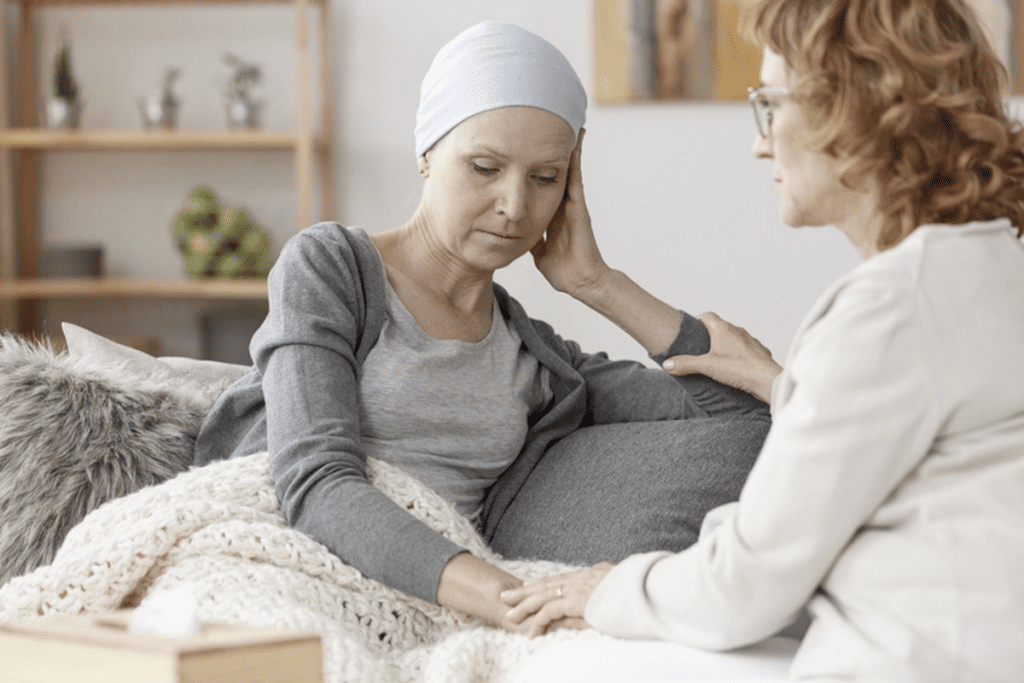
Chemotherapy is a strong treatment that fights cancer cells with drugs. But, it can also affect a patient’s life quality a lot. Nearly 70% of patients undergoing chemotherapy experience severe side effects, making simple tasks hard.Signs chemo is killing you may include severe fatigue, organ issues, or low counts. Know what’s normal and what’s not.
The toughest days after chemo differ for everyone. This depends on the type of chemo, how well you can handle it, and your health. Some face debilitating fatigue, while others deal with nausea and vomiting.
It’s key for patients and their caregivers to know these challenges. This helps manage the side effects better.
Key Takeaways
- Chemotherapy side effects can be severe and impact daily life.
- The hardest days after chemotherapy vary from patient to patient.
- Understanding the challenges of chemotherapy is key for effective management.
- Patients and caregivers can take steps to lessen the side effects.
- Support systems are very important in helping patients deal with chemo.
Understanding Chemotherapy and Its Effects

It’s important for patients to know how chemotherapy works. This treatment uses drugs to kill cancer cells. But, it can also harm other fast-growing cells in the body, causing side effects.
How Chemotherapy Works in the Body
Chemotherapy uses drugs to stop cancer cells from growing. These drugs can be taken by mouth or given through an IV. They travel through the body to find and kill cancer cells.
The process involves several key steps:
- The chemotherapy drugs are given at specific times.
- The drugs move through the blood to reach cancer cells.
- The drugs work to kill the cancer cells or stop them from growing.
Common Types of Chemotherapy Treatments
There are many types of chemotherapy, depending on the cancer and the patient’s health. Some common types include:
- Adjuvant chemotherapy: Given after primary treatment to reduce the risk of cancer coming back.
- Neoadjuvant chemotherapy: Given before main treatment to shrink tumors.
- Palliative chemotherapy: Focuses on easing symptoms and improving quality of life.
Why Side Effects Occur
Side effects happen because chemotherapy affects not just cancer cells but also other fast-growing cells. This includes hair follicles, bone marrow, and the digestive tract lining. This can cause side effects like:
- Nausea and vomiting
- Fatigue
- Hair loss
- Increased risk of infections
Knowing about these aspects of chemotherapy helps patients prepare for treatment and manage its effects.
The Typical Timeline of Chemotherapy Side Effects

Chemotherapy side effects can vary a lot from person to person. It’s important to know the different stages. Chemotherapy affects the whole body, causing various side effects at different times.
Immediate Side Effects (First 24-48 Hours)
The first 24-48 hours are key after chemotherapy starts. Immediate side effects include nausea, vomiting, tiredness, and hair loss. These happen when the drugs start working on the body’s cells.
Nausea and vomiting are common right away. They can be helped with medicine and eating right. Feeling very tired is also common, as the body’s energy goes down.
Short-Term Side Effects (Days 3-7)
Days 3-7 can bring short-term side effects that are more intense. These might include more tiredness, mouth sores, and changes in bowel movements. Blood counts may also drop, making infections more likely.
To deal with these side effects, a mix of medical help and lifestyle changes is needed. Eating well, drinking lots of water, and resting are key.
Long-Term Side Effects (Weeks to Months)
Long-term side effects can last weeks or months. They might include ongoing tiredness, nerve damage, and brain function changes. Some people also feel anxious or depressed.
Knowing about long-term side effects helps prepare for recovery. Working closely with doctors is vital to manage these effects and improve life quality.
The First 72 Hours: Initial Impact After Treatment
The first 72 hours after chemotherapy are often the most challenging. Side effects start right away, affecting patients’ quality of life.
Nausea and Vomiting Management
Nausea and vomiting are common side effects of chemotherapy. They often start within the first 24 hours. Effective management is key to prevent dehydration and ensure nutrition.
Anti-nausea medications, or antiemetics, are prescribed to control these symptoms. Patients should take them as directed, even if they’re not feeling sick.
“The key to managing nausea is prevention. Taking antiemetic medication before chemotherapy and continuing it as prescribed can significantly reduce the risk of severe nausea and vomiting.”
Fatigue and Weakness
Fatigue is a common side effect in the first 72 hours after chemotherapy. It’s not just tiredness; it’s a deep exhaustion. Conserving energy is vital.
Patients should prioritize their activities, focusing on essential tasks. They should delegate or postpone less critical ones. Resting when needed and maintaining a comfortable environment can also help manage fatigue.
Hydration and Nutrition Challenges
Adequate hydration and nutrition are critical in the first 72 hours after chemotherapy. Patients should drink plenty of fluids, like water, clear broths, or electrolyte-rich beverages.
Nutritional challenges can be addressed by eating small, frequent meals. Foods that are bland, low in fat, and high in carbohydrates are recommended. It’s essential to avoid foods that are spicy, greasy, or hard to digest.
By understanding and preparing for these challenges, patients can better navigate the first 72 hours after chemotherapy. It’s a period that requires careful management but with the right strategies, patients can mitigate some of the more severe side effects.
Days 3-7: When Side Effects Often Peak
After chemotherapy, days 3-7 are tough due to stronger side effects. Patients often hit the nadir, a time when blood counts are lowest. This raises the risk of infections and other issues.
The Nadir Period Explained
The nadir period happens between days 3-7 after chemo. It’s when blood cell counts are at their lowest. This makes patients more likely to get sick.
At the nadir, fighting off infections is hard because of low white blood cells. This is called neutropenia. It needs close watching and sometimes medical help to avoid serious problems.
Blood Count Changes and Their Effects
Chemotherapy hurts the bone marrow’s blood-making ability. This leads to fewer white, red, and platelet cells. Fewer white blood cells mean more infections. Less red blood cells cause anemia, leading to tiredness and weakness. Low platelet counts can cause easy bruising and bleeding.
- Low white blood cell count: Increased risk of infections
- Low red blood cell count: Anemia, fatigue, and weakness
- Low platelet count: Bruising and bleeding risks
Why This Period Is Often the Hardest
Days 3-7 are tough because of physical and mental challenges. The fear of infection and dealing with severe side effects is hard. The fatigue and weakness make it hard to do daily tasks, making you feel worse.
Having a strong support system is key during this time. Family, caregivers, and healthcare professionals can help a lot. Knowing what to expect and having support makes it easier to get through the nadir period.
What Are The Worst Days After Chemotherapy
Knowing the worst days after chemotherapy is key for patients to get ready for recovery. Chemotherapy is a vital cancer treatment but comes with many side effects. These can really affect a patient’s quality of life quality.
Physical Challenges During Peak Side Effect Days
During the worst days, patients face big physical challenges. They might feel very tired, sick to their stomach, and even get infections. The effects of chemotherapy can make simple tasks hard.
Common physical challenges include:
- Severe fatigue and weakness
- Nausea and vomiting
- Hair loss
- Mouth sores
- Changes in appetite
Emotional and Psychological Impact
The emotional and psychological effects of chemotherapy are big. The worst days can be very hard on a patient’s mind. They might feel anxious, depressed, and scared.
Patients often report feelings of:
- Anxiety about the future
- Depression and sadness
- Fear of treatment outcomes
- Frustration with loss of independence
Patient Experiences and Common Patterns
Every patient’s experience with chemotherapy is different. But, many find the first few days after treatment the toughest. This is when the body starts to react to the drugs.
“The first few days after chemo were the hardest. I felt so weak and nauseous, it was hard to do anything but rest.” – A chemotherapy patient
Knowing these patterns helps patients and caregivers prepare. It makes the journey through chemotherapy a bit easier.
Signs Chemo Is Killing You: Warning Signs of Severe Reactions
Severe reactions to chemotherapy can be life-threatening. It’s vital to spot the signs early. Chemotherapy is a key treatment for many cancers but can have dangerous side effects.
Distinguishing Between Normal Side Effects and Dangerous Reactions
Not all side effects are the same. Some are normal and can be managed. But others need immediate medical help.
Common side effects like nausea, fatigue, and hair loss are usually handled with supportive care. Yet, some symptoms point to a more serious issue.
- Severe pain not relieved by medication
- High fever (over 100.4 °F or 38 °C)
- Chills or sweating
- Confusion or difficulty speaking
- Severe shortness of breath
When to Seek Emergency Medical Attention
If you or a loved one shows any of these signs, get emergency care right away:
| Symptom | Description |
| Neutropenic Fever | Fever above 100.4 °F (38 °C) with a low white blood cell count |
| Severe Allergic Reactions | Difficulty breathing, rapid heartbeat, or a drop in blood pressure |
| Severe Bleeding | Heavy bleeding that doesn’t stop, or bleeding in the urine or stool |
Neutropenic Fever and Infection Risks
Neutropenic fever is a medical emergency. Chemotherapy can lower your white blood cell count, making you more prone to infections. If you have a fever during this time, seek medical help quickly.
Key signs of neutropenic fever include:
- A single temperature of 100.4 °F (38 °C) or higher
- A temperature above 101 °F (38.3 °C) that lasts more than an hour
- Chills or sweating
Recognizing and treating severe chemotherapy reactions early can greatly improve outcomes. Always talk to your healthcare team if you’re unsure about any symptoms.
Communicating with Your Healthcare Team
Talking openly with your healthcare providers is key to handling chemotherapy side effects. It helps ensure the best results. Working closely with your healthcare team can greatly improve your treatment experience.
Symptoms That Should Be Reported Immediately
Some symptoms need quick attention from your healthcare team. These include:
- Severe pain that can’t be managed with medicine
- Fever over 100.4 °F (38 °C)
- Signs of infection, like redness, swelling, or more drainage
- Unusual bleeding or bruising
- Severe nausea or vomiting that stops you from drinking fluids
Telling your healthcare team about these symptoms right away is important. It helps avoid serious problems and ensures you get the right help quickly.
Keeping a Side Effect Journal
Keeping a journal of side effects is very helpful. It lets you:
- See patterns and what might cause symptoms
- Check if treatments are working
- Give your healthcare team all the details they need
A sample side effect journal might look like this:
| Date | Symptom | Severity | Intervention |
| 02/10 | Nausea | 6/10 | Anti-nausea medication |
| 02/11 | Fatigue | 8/10 | Rest and hydration |
Questions to Ask Before and After Treatment
Having questions ready for your healthcare team is smart. It helps you understand your treatment better. Ask things like:
- What side effects might I face from my chemotherapy?
- How can I deal with common side effects like nausea and tiredness?
- Are there certain activities or foods I should avoid during treatment?
- How often should I see my healthcare team for follow-ups?
By talking openly with your healthcare team, keeping a side effect journal, and asking smart questions, you can take charge of your chemotherapy. This approach can greatly improve your health and well-being.
Managing Digestive System Side Effects
Chemotherapy often disrupts the digestive system, leading to a range of uncomfortable side effects. Managing these effects is key to keeping the patient’s quality of life during treatment.
Dealing with Nausea, Vomiting, and Loss of Appetite
Nausea and vomiting are common side effects of chemotherapy, affecting many patients. These symptoms can cause dehydration, electrolyte imbalances, and malnutrition if not managed well.
Strategies for Managing Nausea and Vomiting:
- Eating small, frequent meals to avoid overwhelming the stomach.
- Avoiding strong-smelling foods that can trigger nausea.
- Using anti-nausea medications as prescribed by the healthcare provider.
- Staying hydrated by sipping on clear fluids like water or electrolyte-rich beverages.
Loss of appetite often goes hand in hand with nausea and vomiting. It’s hard for patients to get enough nutrients. It’s essential to focus on nutrient-dense foods like soups, smoothies, and soft fruits.
Addressing Constipation and Diarrhea
Chemotherapy can cause changes in bowel habits, leading to either constipation or diarrhea. Both conditions need different management approaches.
| Condition | Management Strategies |
| Constipation | Increasing fiber intake, staying hydrated, and using stool softeners or laxatives as recommended. |
| Diarrhea | Staying hydrated with electrolyte-rich fluids, avoiding spicy or fatty foods, and using anti-diarrheal medications as prescribed. |
Nutritional Strategies During Difficult Days
Nutrition is vital for the body to recover from chemotherapy. During digestive distress, focus on easily digestible, nutrient-rich foods.
Nutritional Tips:
- Opt for bland foods like crackers, toast, or plain rice.
- Consume foods high in protein like eggs, yogurt, or lean meats.
- Avoid foods that are high in fat, spice, or sugar.
By using these strategies, patients can better manage their digestive system side effects. This improves their overall well-being during chemotherapy.
Coping with Fatigue and Energy Fluctuations
Chemotherapy-induced fatigue is a big problem for many patients. It makes everyday life tough. It’s important to understand and manage this fatigue to keep quality of life during and after treatment.
Understanding Chemo-Related Fatigue
Chemo-related fatigue is not just feeling tired. It’s a deep, lasting exhaustion that doesn’t get better with rest. It can come from chemotherapy drugs, anemia, or other treatment-related factors.
Energy Conservation Techniques
Managing fatigue means pacing yourself and saving energy. It’s key to prioritize tasks, take breaks, and not push too hard.
- Plan your day: Schedule activities when you have the most energy.
- Rest: Take short naps or rest periods throughout the day.
- Ask for help: Don’t be shy about asking family and friends for help with tasks.
Safe Physical Activity During Recovery
Gentle physical activity can actually help with fatigue. Short walks or light stretching can boost energy and well-being.
| Activity | Benefits | Precautions |
| Short Walks | Improves circulation, boosts mood | Avoid walking alone in isolated areas |
| Light Stretching | Enhances flexibility, reduces stress | Don’t overstretch; listen to your body |
| Yoga | Improves balance, reduces anxiety | Choose gentle, low-impact classes |
Mental and Emotional Challenges During the Hardest Days
Patients going through chemotherapy face big mental and emotional challenges. Chemotherapy can mess with their thinking, feelings, and overall health.
Chemo Brain and Cognitive Effects
“Chemo brain” is what some call the thinking changes during and after chemo. These changes might include memory loss, trouble focusing, and feeling less sharp. Studies show chemo can harm brain connections and mess with repair processes.
Some signs of chemo brain are:
- Forgetting appointments or tasks
- Having trouble concentrating
- Struggling to find the right words
- Feeling mentally foggy or disorganized
Depression and Anxiety After Treatment
Chemotherapy can also affect a patient’s mood, leading to depression and anxiety. The stress of a cancer diagnosis and treatment’s physical and emotional effects can be too much. It’s key to know the signs of depression and anxiety, like:
- Feeling sad or hopeless all the time
- Not enjoying things you used to like
- Changes in appetite or sleep
- Worry or fear that gets in the way of daily life
Getting help from mental health experts is vital. They can offer ways to deal with these feelings and improve life quality.
Support Strategies for Emotional Well-being
There are ways to support emotional health during and after chemo. These include:
- Mindfulness and Meditation: These practices can lower stress and boost emotional strength.
- Support Groups: Being part of a support group can offer a sense of belonging and connection.
- Counseling: Professional counseling can help process emotions and find coping strategies.
- Staying Connected: Keeping in touch with loved ones can provide emotional support and make patients feel less alone.
By understanding the mental and emotional challenges of chemo and seeking support, patients can manage this tough time better.
Specific Side Effects by Chemotherapy Type
Chemotherapy types like taxane-based and platinum compounds have their own side effects. It’s important for patients and caregivers to know these differences. This helps them prepare for any challenges they might face.
Taxane-Based Chemotherapy (Docetaxel, Paclitaxel)
Taxane-based chemotherapy, including drugs like docetaxel and paclitaxel, is used to treat many cancers. Common side effects include:
- Fatigue and weakness
- Hair loss
- Numbness or tingling in hands and feet (neuropathy)
- Nausea and vomiting
Neuropathy is a big concern for those on taxane-based chemotherapy. It can really affect their quality of life.
Platinum Compounds (Cisplatin, Carboplatin)
Platinum compounds, like cisplatin and carboplatin, are effective against some cancers. But they can cause:
- Severe nausea and vomiting
- Kidney damage
- Hearing loss
- Blood cell count suppression
Those on platinum-based chemotherapy need to be watched closely for these side effects.
Anthracyclines (Doxorubicin, “Red Devil”)
Anthracyclines, like doxorubicin (known as “Red Devil”), are strong drugs for treating cancers. Notable side effects include:
- Cardiac toxicity
- Hair loss
- Nausea and vomiting
- Mucositis
Cardiac toxicity is a big worry with anthracyclines. It’s important to keep an eye on heart function during treatment.
Support Systems and Resources for Difficult Days
Having a strong support system is key for those facing chemotherapy side effects. A good network can make treatment easier, both emotionally and practically.
Family and Caregiver Support
Family and caregivers are vital for chemotherapy patients. They help with daily tasks and offer emotional support. Effective communication is important for the patient to get the support they need.
Professional Support Services
Professional help, like oncology social workers and nutritionists, is also important. They manage side effects, offer counseling, and guide patients through treatment.
| Service | Description | Benefits |
| Oncology Social Workers | Provide emotional support and connect patients with resources | Emotional comfort, resource navigation |
| Nutritionists | Offer dietary advice to manage side effects | Improved nutrition, better side effect management |
| Mental Health Professionals | Provide counseling and mental health support | Reduced anxiety and depression, improved mental well-being |
Online Communities and Resources
Online communities and resources are now vital for chemotherapy patients. They offer a place to share experiences, get advice, and find support. These platforms provide valuable information and connect patients with others facing similar challenges.
By using these support systems, chemotherapy patients can handle the tough days of treatment better. This improves their quality of life.
Conclusion
Chemotherapy is a tough treatment with many challenges and side effects. Knowing the hardest days after treatment can help a lot. Being ready for these challenges can make a big difference for patients.
Support systems, managing side effects, and staying informed are key. These steps help patients deal with chemotherapy’s difficulties. It’s important to manage side effects well for the best results.
When facing chemotherapy’s challenges, staying in touch with healthcare providers is vital. Using available resources can help manage side effects. This improves overall well-being.
FAQ
What are the hardest days after chemotherapy?
The hardest days after chemotherapy can vary. It depends on the type of treatment, how well you tolerate it, and your health. Usually, the toughest days are between 3-7 days after treatment.
How long do chemotherapy side effects last?
Side effects from chemotherapy can last differently for everyone. Some may go away in a few days. Others can last weeks or even months.
What are the most common side effects of chemotherapy?
Common side effects include nausea, vomiting, fatigue, hair loss, and changes in blood counts. The severity and type of side effects vary based on the treatment and individual factors.
How can I manage nausea and vomiting after chemotherapy?
To manage nausea and vomiting, use a mix of medical treatments and lifestyle changes. Anti-nausea meds, changing your diet, and staying hydrated can help.
What is the nadir period, and how can I prepare for it?
The nadir period is when blood counts are lowest, usually 7-14 days after treatment. To prepare, monitor your blood counts, avoid infections, and know the signs of neutropenic fever.
How can I cope with chemo-related fatigue?
To cope with fatigue, understand its causes, save energy, and safely exercise. Rest, pace yourself, and get support to manage fatigue.
What are the warning signs of severe reactions to chemotherapy?
Severe reactions include neutropenic fever, severe pain, trouble breathing, and signs of infection. Recognizing these signs and getting emergency help when needed is key.
How can I support a loved one undergoing chemotherapy?
Support by being emotionally there, helping with daily tasks, and knowing the signs of severe reactions. Encourage them to talk to their healthcare team.
What resources are available for patients undergoing chemotherapy?
There are professional services, online communities, and educational materials for patients. Using these resources can offer valuable support during tough times.
How can I minimize the side effects of chemotherapy?
Minimize side effects by using medical treatments, making lifestyle changes, and getting supportive care. Stay informed, talk to your healthcare team, and take care of yourself.
References
- National Cancer Institute. (2023). Chemotherapy and You: Support for People With Cancer. https://www.cancer.gov/publications/patient-education/chemotherapy-and-you