Last Updated on November 26, 2025 by Bilal Hasdemir
Did you know that nearly 1 in 2 people will be diagnosed with cancer in their lifetime? The search for a miracle drug cancer treatment has been ongoing, with new therapies rapidly changing how we fight cancer. Breakthroughs in immunotherapy, including CAR T-cell therapies, antibody-drug conjugates, and bispecific antibodies, act like precision-guided missiles to target and destroy cancer cells while sparing healthy tissue. These innovative treatments offer hope for many patients by improving survival rates and reducing side effects, marking a new era in cancer care.
At our institution, we aim to provide top-notch healthcare. We support patients from around the world. We’re on the verge of a new era in cancer treatment, with exciting new options.
Key Takeaways
- Emerging therapies are revolutionizing cancer care.
- Breakthroughs in cancer research are improving patient outcomes.
- Comprehensive support for international patients is critical.
- New treatments are being developed to combat cancer.
- Advancements in cancer research are transforming the medical landscape.
The Evolution of Cancer Treatment Approaches

Cancer treatment has changed a lot over time. This change comes from new medical research and technology. We’re learning more about how to fight cancer in many ways.
Now, we’re moving from old treatments to new, targeted ones. This change is because we understand cancer better. We know more about its genes and how it works.
Defining “Miracle Drug” in Oncology
The term “miracle drug” means treatments that work really well against cancer. What makes a drug a “miracle” in cancer treatment? It’s when these treatments greatly improve survival chances or offer new hope to patients.
Precision medicine is key here. It means treatments are made just for a patient’s cancer. This makes treatments more effective and have fewer side effects than old treatments.
From Traditional Therapies to Precision Medicine
For a long time, chemotherapy and radiation were main cancer treatments. But they can have big side effects and don’t work for everyone.
Precision medicine has changed this. Now, we can target treatments to a patient’s cancer based on its genes. This makes treatments better and safer.
The Paradigm Shift in Cancer Care
New technologies and treatments are changing cancer care. What was once seen as a “miracle” is now common. And new “miracle drugs” are coming.
The future of cancer treatment is all about keeping innovating and making care more personal. By doing this, we can give patients better, more focused, and kinder care.
Historical Breakthroughs in Cancer Treatment
Historical advancements in cancer treatment have paved the way for today’s advanced therapies. We’ve seen a big change in how we treat cancer, from simple surgeries to complex treatments.
Early Cancer Treatment Milestones
In the early 20th century, radiation therapy was introduced, a major breakthrough. Then, in the mid-20th century, chemotherapy came along. It used drugs that killed fast-growing cells.
These early treatments were the start of something big. They led to the discovery of new drugs and treatments. This improved how we fight certain cancers.
The Transition from Cytotoxic to Targeted Therapies
In the late 20th and early 21st centuries, targeted therapies changed the game. They focused on specific cancer cell weaknesses, unlike old treatments.
The creation of kinase inhibitors and other targeted drugs was a big step. They were made to block cancer cell growth, harming fewer normal cells and helping patients more.
Setting the Stage for Modern Miracle Drugs
Today’s cancer treatments are the result of years of research and innovation. From the start of radiation and chemotherapy to today’s targeted and immunotherapies, we’ve come a long way.
As we learn more about cancer, we’re getting closer to even better treatments. The progress we’ve made in cancer treatment keeps pushing us forward in finding new ways to fight cancer.
Miracle Drug Cancer Treatment: Understanding Immunotherapy
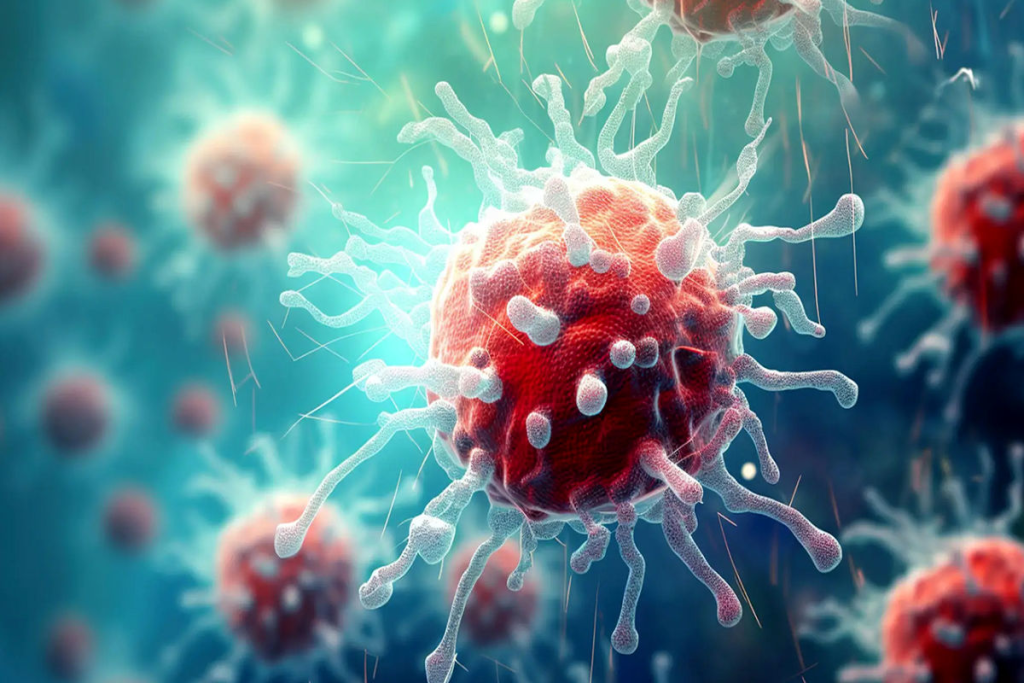
Immunotherapy is a new way to fight cancer. It uses the body’s immune system to attack cancer cells. This method has changed how we treat cancer, helping those who didn’t respond to old treatments.
How Immunotherapy Revolutionized Cancer Care
Immunotherapy has changed cancer care by empowering the immune system to fight cancer cells better. It doesn’t directly attack cancer cells like old treatments do. Instead, it enhances the body’s natural defenses.
This method has shown great promise in treating many cancers, even some that were thought to be untreatable.
One big plus of immunotherapy is its ability to give long-term protection against cancer coming back. It helps the immune system remember and target cancer cells, leading to lasting results in some patients.
Mechanisms of Immune System Activation
The immune system is a complex network that defends the body. Immunotherapy uses this natural defense by activating specific immune cells, like T cells, to find and destroy cancer cells.
There are different types of immunotherapy, like checkpoint inhibitors, cancer vaccines, and adoptive T-cell therapy. Each type works by modulating the immune response to make it stronger against cancer. For example, checkpoint inhibitors help the immune system attack cancer cells more freely.
As research keeps improving, we’re learning more about how to make immunotherapy work better for everyone. By tailoring treatment strategies to each patient, we can make care more effective and improve outcomes for those fighting cancer.
Checkpoint Inhibitors: The Frontrunners of Immunotherapy
Checkpoint inhibitors are leading the way in cancer treatment. They help the immune system fight cancer cells better. This is a big step forward in fighting cancer.
Keytruda (Pembrolizumab): Transforming Multiple Cancer Types
Keytruda, or pembrolizumab, has changed the game for many cancers. It works by targeting the PD-1 pathway. This makes it a key player in cancer treatment.
Clinical trials have shown Keytruda can greatly improve survival and response rates. Its versatility in treating various cancers makes it a top choice for doctors.
Opdivo (Nivolumab): Expanding Treatment Horizons
Opdivo, or nivolumab, has opened up new treatment options for cancer patients. It targets the PD-1 receptor. This has shown success in treating melanoma and other cancers.
The combination of Opdivo with other therapies has shown even better results. This gives hope to those with hard-to-treat cancers.
Yervoy (Ipilimumab) and Other Emerging Inhibitors
Yervoy, or ipilimumab, was one of the first to get FDA approval. It targets the CTLA-4 pathway. This offers a different approach that can be used alone or with other inhibitors.
Emerging inhibitors are being researched for even better treatments. New agents target different pathways. Combination regimens aim to boost effectiveness while reducing side effects.
CAR-T Cell Therapy: Engineering Immune Cells to Fight Cancer
CAR-T cell therapy is a new way to fight cancer. It uses the body’s immune cells, called T cells, to attack cancer. First, T cells are taken from the patient. Then, they are changed to find and kill cancer cells. After that, they are put back into the body.
The Science Behind CAR-T Cell Engineering
The journey starts with taking T cells from the blood. These cells are then made to recognize cancer cells. This is done by adding a special receptor called CAR.
Once the T cells have CAR, they are grown more. Then, they are given back to the patient. There, they can find and kill cancer cells better.
Key steps in CAR-T cell engineering include:
- T cell extraction and isolation
- Genetic modification to produce CAR
- Expansion of CAR-T cells
- Reinfusion of CAR-T cells into the patient
FDA-Approved CAR-T Therapies and Their Success Rates
Some CAR-T cell therapies have been approved by the FDA. These include tisagenlecleucel (Kymriah) and axicabtagene ciloleucel (Yescarta). They help treat blood cancers like lymphoma and leukemia.
Clinical trial results have shown:
- High response rates, with some patients achieving complete remission
- Durable remissions, with some patients remaining cancer-free for extended periods
- Manageable side effects, though cytokine release syndrome and neurotoxicity are possible risks
Next-Generation CAR-T Approaches
Scientists are working to make CAR-T cell therapy even better. They are looking at new targets and ways to keep T cells working longer. They also want to make the treatment safer.
Future directions for CAR-T cell therapy include:
- Expanding CAR-T cell therapy to solid tumors
- Improving CAR-T cell persistence and expansion
- Combining CAR-T cell therapy with other cancer treatments, such as checkpoint inhibitors
Targeted Therapy: Precision Strikes Against Cancer
Targeted therapy is a big step forward in fighting cancer. It focuses on specific parts of cancer cells, unlike old treatments. This makes treatments more personal and effective.
Molecular Targeting Mechanisms
Targeted therapies target specific molecules cancer cells need to grow. This makes treatments better and safer for healthy cells. It also cuts down on side effects.
Understanding how cancer grows is key to targeted therapy. We find the right treatment by knowing the genetic changes in a patient’s cancer.
Key mechanisms include:
- Blocking specific proteins that promote cancer cell growth
- Inhibiting the formation of new blood vessels that tumors need to grow
- Triggering the death of cancer cells by targeting specific cellular pathways
Kinase Inhibitors and Receptor Antagonists
Kinase inhibitors block enzymes that cancer cells use to grow. Receptor antagonists stop cancer cells from getting signals to grow. These drugs are very effective against certain cancers.
Drugs like those targeting BRAF in melanoma and EGFR in lung cancer work well. They have shown great results in clinical trials. This has helped many patients with these cancers.
Matching Genetic Mutations to Targeted Treatments
How well targeted therapy works depends on finding the right genetic match. New genetic tests help us understand tumors better. This lets us find the best treatments.
We’re moving towards treatments that are more tailored to each patient. Genetic tests and biomarkers help pick the right therapy. This approach improves results and reduces side effects.
As we learn more about cancer’s genetics, we’ll see better treatments. These will target cancer more precisely and effectively.
PARP Inhibitors and DNA Repair Targeting
PARP inhibitors have changed how we treat some cancers, giving hope to many. They focus on the DNA repair ways cancer cells use to live. This is a big change in cancer treatment.
Understanding PARP Inhibition Mechanisms
PARP inhibitors block the PARP enzyme, key in DNA repair. This makes it hard for cancer cells to fix DNA damage, causing them to die. They work best in cancers with BRCA1 and BRCA2 mutations.
The role of PARP in DNA repair is complex. PARP inhibitors use synthetic lethality. This means they harm cells with DNA repair problems, like BRCA mutations.
Olaparib: The Miracle Drug for BRCA-Mutated Cancers
Olaparib is a top PARP inhibitor, effective in BRCA-mutated ovarian, breast, and prostate cancers. Its approval was a big step in treating cancers with specific genetic mutations. Studies show Olaparib can greatly improve survival for these patients.
Olaparib’s success has led to more research. We’re moving towards personalized medicine based on genetic tests. This means treatments will be more targeted and effective.
Expanding PARP Inhibitor Applications
Other PARP inhibitors like Niraparib and Talazoparib are also available. Research is looking into using them in more ways, even in cancers without BRCA mutations.
The future of PARP inhibitors in cancer treatment is bright. As we learn more about DNA repair, we’ll find new uses for these drugs. Our aim is to give the best treatments, tailored for each patient.
Personalized Medicine: Tailoring Miracle Drugs to Individual Patients
Personalized medicine is changing how we fight cancer. It makes treatments fit each patient’s needs. This makes treatments work better and cuts down on side effects.
Genetic Testing and Biomarker Identification
Genetic testing and finding biomarkers are key in personalized medicine. We look at a patient’s genes to find biomarkers linked to their cancer. This helps us pick treatments that are more likely to work.
Biomarkers are important for finding the right treatment for each patient. For example, some genetic changes show if a patient will do well with a certain therapy.
| Biomarker | Treatment Option | Response Rate |
| BRCA1/2 mutation | PARP inhibitors | High |
| HER2 positive | HER2-targeted therapies | High |
| PD-L1 positive | Checkpoint inhibitors | Variable |
Tumor Profiling Technologies
Tumor profiling has gotten much better. Now, we can study tumors at the molecular level. Next-generation sequencing (NGS) gives us deep insights into what makes tumors grow.
“Tumor profiling has become an essential tool in cancer treatment, allowing us to tailor therapies to the unique characteristics of each patient’s tumor.” An Oncologist
These tools help us find targets for therapy and see how well treatments are working.
Artificial Intelligence in Treatment Selection
Artificial intelligence (AI) is helping pick treatments in cancer care. AI looks at lots of data, like genes, medical history, and treatment results. It finds patterns and guesses how treatments will work.
Using AI helps us make better choices about treatments. This leads to better results for patients.
Combination Therapies: Multiplying Treatment Efficacy
Cancer treatment is getting better with combination therapies. These therapies mix different treatments to fight cancer better. This approach can help patients get better results.
Rationale for Combining Cancer Treatments
Cancer is complex, with many different parts. Single treatments might not work well against all parts. By using several treatments together, we can attack cancer from many angles. This could lead to better and longer-lasting results.
Key benefits of combination therapies include:
- Enhanced antitumor activity through synergistic effects
- Potential to overcome resistance mechanisms
- Improved patient outcomes through more complete targeting of tumor cells
Immunotherapy Plus Targeted Therapy Combinations
Pairing immunotherapies with targeted therapies is very promising. Immunotherapies boost the immune system to fight cancer. Targeted therapies aim at specific cancer growth drivers.
For example, combining a checkpoint inhibitor like pembrolizumab with a targeted therapy can improve results. It boosts the immune system and directly stops tumor growth.
Managing Side Effects in Multi-Drug Regimens
Combination therapies are great, but they can be tough on patients. More drugs mean more side effects and interactions.
To help, doctors closely watch patients and adjust treatments. They also use supportive care to lessen side effects. This way, we can make the most of these treatments while keeping patients safe.
Strategies for managing side effects include:
- Close monitoring of patients for early signs of toxicity
- Tailoring treatment regimens to individual patient needs and tolerances
- Implementing evidence-based supportive care measures to mitigate common side effects
Cancer Vaccines: Prevention and Treatment Frontiers
Cancer vaccines are playing a big role in cancer care today. They are changing how we prevent and treat cancer. This is thanks to new medical technology.
Preventive Cancer Vaccines
Preventive cancer vaccines are making a big difference. For example, vaccines against HPV and HBV have cut down on cervical, anal, and liver cancers. They target viruses that can cause cancer, stopping it before it starts.
The HPV vaccine has greatly lowered cervical cancer risk in women who get it early. The HBV vaccine also helps by cutting down on liver cancer by reducing hepatitis B infections.
Therapeutic Cancer Vaccines
Therapeutic cancer vaccines are another hopeful area. They treat existing cancers by boosting the immune system to fight cancer cells. These vaccines are made just for each patient, based on their tumor.
Research on these vaccines is ongoing, with many in clinical trials. They could offer targeted treatments with fewer side effects than traditional therapies.
mRNA Technology: From COVID-19 to Cancer
mRNA technology’s success in COVID-19 vaccines is opening doors for cancer vaccines. mRNA vaccines teach cells to make specific proteins. In cancer, they can spark an immune response against cancer cells.
This technology is very promising for cancer vaccines. It could lead to treatments that fit each patient’s needs. This is a new way to personalize cancer treatment.
Cancer vaccines are a big step forward in fighting cancer. They offer hope for prevention and treatment. These vaccines are set to change cancer care for the better.
Gene Therapy and CRISPR: Editing Out Cancer
Gene editing, like CRISPR-Cas9, is changing cancer treatment. It’s a big shift, with gene therapy showing promise.
Gene therapy makes specific changes to cells to fight disease. For cancer, it aims to kill cancer cells or make them easier for the immune system to find.
CRISPR-Cas9 Applications in Oncology
The CRISPR-Cas9 system has made gene editing precise. In cancer treatment, it’s being looked at for:
- Disrupting genes in cancer cells to stop tumors from growing.
- Boosting the immune system to fight cancer by changing immune cells.
- Fixing genetic mutations that cause cancer to spread.
Researchers are also trying to make current cancer treatments better. They’re exploring new ways to use CRISPR-Cas9.
Viral Vector Gene Therapies
Viral vector gene therapies are another hopeful area in cancer treatment. They use viruses to carry genetic material into cells. The goal is to introduce genes that can fight cancer, either by killing cancer cells or boosting the immune system.
Key benefits of these therapies include:
- The ability to target cancer cells without harming healthy tissues.
- The chance to spark a strong immune response against cancer.
- The power to deliver genes right to the tumor site.
Ethical Considerations and Regulatory Challenges
Gene therapy and CRISPR-Cas9 are promising but raise big questions. There are worries about unintended effects, mosaicism, and changing genes in future generations.
Regulators are creating rules to ensure these technologies are safe and used wisely. We need to keep innovating but also be careful and watchful.
As we tackle these challenges, we’re committed to using gene therapy and CRISPR-Cas9 to better treat cancer.
Breakthrough Clinical Trials and Emerging Treatments
Breakthrough clinical trials are changing the game in oncology. They bring new hope to patients and healthcare providers. The field of cancer treatment is growing fast, thanks to these trials and new therapies.
Navigating the Clinical Trial Landscape
Finding your way through clinical trials can be tough. It’s important to know about the different trial phases. From Phase 1 safety tests to Phase 3 tests on how well treatments work, it’s all part of the process.
Clinical trials are key in finding new cancer treatments. They help us see if new therapies are safe and work well. Promising results from these trials could change cancer care. They offer new choices for patients and can make treatments better.
Promising Drugs in Phase 2 and 3 Trials
Right now, many drugs are being tested in Phase 2 and 3 trials. These drugs aim to fight different cancers in new ways. We’re seeing more treatments that are made just for you, based on your cancer’s specific traits.
Some of the most exciting areas include immunotherapies like checkpoint inhibitors and CAR-T cell therapies. They show great promise in fighting many cancers. Also, targeted therapies are being looked at. They aim to block specific cancer-causing targets, giving hope to those with hard-to-treat cancers.
Expanded Access Programs for Terminal Patients
For patients with no other treatment options, expanded access programs might be a chance. These programs let patients try new, unapproved treatments. It’s a last hope for those in need.
But, these programs also bring up big questions. We need to make sure patients get the treatments they need while keeping everyone safe. It’s a delicate balance.
As we look ahead, it’s clear that new trials and treatments will keep changing cancer care. By understanding the good and the challenges, we can work towards better, more personal, and more accessible treatments for everyone.
Limitations and Challenges of Current “Miracle Drugs”
“Miracle drugs” in cancer care are promising but have their limits. They work well for some patients but not all. They’re not a cure for every cancer type or stage.
Resistance Mechanisms and Treatment Failure
“Miracle drugs” face a big challenge: cancer cells can become resistant. Over time, these cells stop responding to treatments. This can lead to treatment failure.
Key factors contributing to resistance include:
- Genetic heterogeneity within tumors
- Epigenetic changes that alter drug targets
- Activation of compensatory signaling pathways
It’s important to understand how cancer cells become resistant. This knowledge helps in finding new ways to fight cancer. For example, using combination therapies or next-generation treatments.
Accessibility and Cost Barriers
Another big challenge is making these treatments available to everyone. “Miracle drugs” are expensive. This creates barriers for those without good insurance or in poor healthcare systems.
The high cost of these drugs is driven by various factors, including:
- Research and development expenses
- Manufacturing complexities
- Market demand and pricing strategies
To solve these problems, we need help from many groups. Pharmaceutical companies, healthcare providers, and policymakers must work together. They need to make sure these treatments reach those who need them most.
Managing Expectations in Cancer Treatment
It’s important to manage what patients expect from “miracle drugs.” These treatments work well for some but not all. Results can vary a lot from one patient to another.
Effective management of expectations involves:
- Clear communication about benefits and risks
- Setting realistic goals for treatment outcomes
- Providing support throughout the treatment journey
By balancing hope with realistic expectations, healthcare providers can help patients. They can make informed decisions about their care in the complex world of cancer treatment.
Success Stories: When Miracle Drugs Deliver on Their Promise
Miracle drugs have changed cancer treatment, bringing hope to many. These treatments have led to amazing patient outcomes and inspiring survival stories. They have made a big difference in cancer care, giving new hope to patients and their families.
Long-term Remissions and Functional Cures
Miracle drugs can cause long-term remissions and even cures in some cases. For example, immunotherapies like Keytruda (pembrolizumab) have been very effective against cancers like melanoma and lung cancer. Patients who were once thought to have no chance are now living longer, enjoying life more fully.
These stories show how miracle drugs are changing cancer care. They target specific parts of cancer cells, improving survival chances and quality of life for patients.
Patient Testimonials and Case Studies
Patient stories best show the impact of miracle drugs. For instance, a patient with advanced melanoma might talk about how nivolumab treatment greatly reduced their tumors and improved their health.
These stories and case studies give us a clear view of how well miracle drugs work. They offer hope and help to others facing similar challenges.
Quality of Life Improvements Beyond Survival
Miracle drugs do more than just extend life; they also improve life quality for cancer patients. They reduce symptoms, lessen side effects, and help patients stay active and independent.
As we keep moving forward in cancer research, the success stories of miracle drugs remind us of our progress. They show us the great things we can achieve in the future.
Conclusion: The Future Landscape of Cancer Treatment
We are seeing big changes in how we treat cancer. New therapies and medicines are making treatments better. These “miracle drugs” are changing oncology, giving patients new hope and better lives.
As we move forward, we’ll see more progress in treatments like immunotherapy and targeted therapy. These advances will help doctors give patients treatments that really work. It’s all about making care more effective and tailored to each person.
Keeping up the work in cancer research is key. It will help us tackle the tough parts of treating cancer. We’re dedicated to providing top-notch healthcare and support to patients from around the world.
FAQ
What is a “miracle drug” in the context of cancer treatment?
A “miracle drug” is a treatment that shows great promise in fighting cancer. It often leads to better patient results, long-term remissions, or even cures.
How has immunotherapy revolutionized cancer care?
Immunotherapy has changed cancer treatment by using the body’s immune system to fight cancer. It offers new hope for patients with many types of cancer.
What are checkpoint inhibitors, and how do they work?
Checkpoint inhibitors are a type of immunotherapy. They help the immune system attack cancer cells more effectively. Examples include Keytruda and Opdivo.
What is CAR-T cell therapy, and how does it work?
CAR-T cell therapy changes a patient’s immune cells to fight cancer. It has shown great promise in treating some blood cancers.
What are targeted therapies, and how do they differ from traditional chemotherapy?
Targeted therapies aim at specific cancer growth mechanisms. Traditional chemotherapy works in a more general way.
What are PARP inhibitors, and how are they used in cancer treatment?
PARP inhibitors, like Olaparib, block the PARP enzyme involved in DNA repair. They treat cancers with specific genetic mutations, like BRCA-mutated cancers.
How is personalized medicine being used in cancer treatment?
Personalized medicine tailors treatments to each patient. It uses genetic profiles, biomarkers, and tumor characteristics.
What are combination therapies, and how are they being used in cancer treatment?
Combination therapies mix treatments like immunotherapy and targeted therapy. They aim to improve treatment results and patient outcomes.
What is the role of cancer vaccines in cancer prevention and treatment?
Cancer vaccines, like those for HPV and HBV, can prevent certain cancers. Therapeutic vaccines are also being developed to treat existing cancers.
What are the challenges and limitations associated with current “miracle drugs” in cancer treatment?
Current “miracle drugs” face challenges like resistance, treatment failure, and cost barriers. Accessibility is also a concern.
What is the future landscape of cancer treatment, and what can we expect from emerging therapies?
The future of cancer treatment looks promising. New therapies like gene therapy and CRISPR technology may lead to better results and even cures.
References
- National Cancer Institute. (2023). Immunotherapy to treat cancer. https://www.cancer.gov/about-cancer/treatment/types/immunotherapy
- World Health Organization. (2022). Cancer. https://www.who.int/news-room/fact-sheets/detail/cancer