Last Updated on October 21, 2025 by mcelik
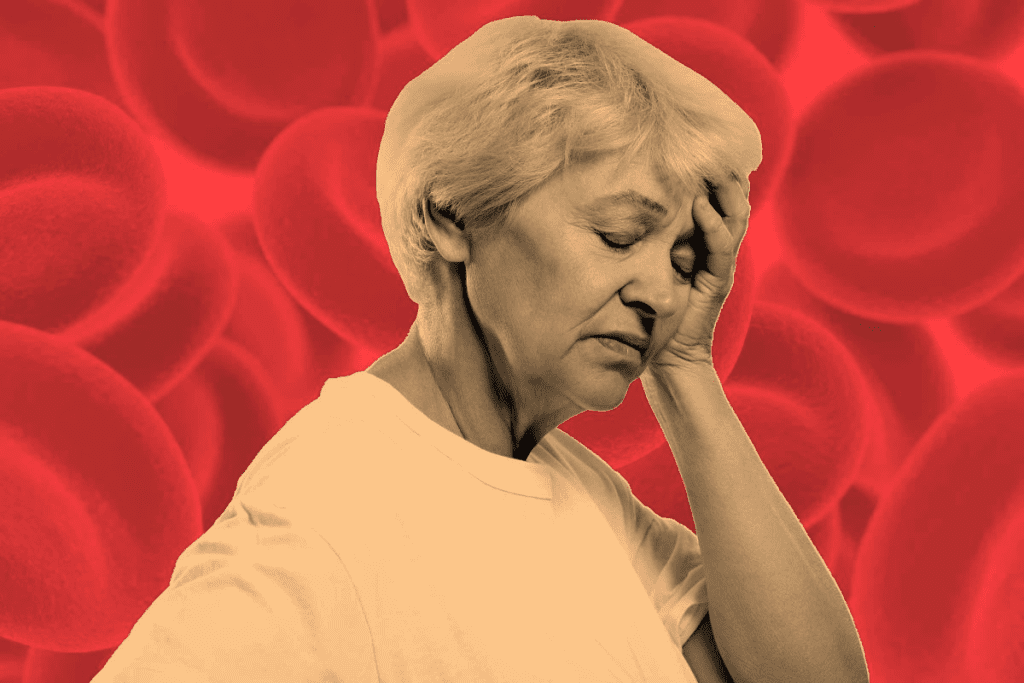
Nearly one-third of the world’s population is affected by anemia. This is a condition where the body doesn’t have enough healthy red blood cells. These cells are vital for carrying oxygen to the body’s tissues.The answer to what causes anemia? is shocking. We unveil the hidden truth and provide a definitive guide to the powerful causes you must know.
Anemia can cause fatigue, weakness, and other serious issues. It’s important to know what causes it. The main reasons include iron deficiency, vitamin shortages, and chronic diseases.
By looking into the common causes of anemia and its symptoms, we can tackle this widespread problem better.
Key Takeaways
- Anemia is a global health issue affecting a significant portion of the population.
- Understanding the causes of anemia is key to managing it effectively.
- Iron deficiency is a common cause of anemia.
- Anemia can stem from many factors, like vitamin deficiencies and chronic diseases.
- Knowing the symptoms of anemia is vital for timely treatment.
Understanding Anemia: A Blood Disorder Overview
Anemia is a condition where the body doesn’t have enough red blood cells or they’re not working right. These cells are key for carrying oxygen to different parts of the body.
The Role of Red Blood Cells and Hemoglobin
Red blood cells, or erythrocytes, carry oxygen from the lungs to the body’s tissues. They have hemoglobin, a protein that holds onto oxygen. This protein is vital for keeping the body’s oxygen levels up, and without enough, anemia can occur.
The bone marrow constantly makes new red blood cells. Healthy individuals produce about 2 million red blood cells per second. But, in anemia, the body can’t make or use these cells well, causing health problems.
How Anemia Affects Oxygen Delivery
Anemia makes it hard for the body to get oxygen to its tissues. This can cause symptoms like tiredness, weakness, and shortness of breath. The severity of these symptoms depends on the type and how bad the anemia is.
Severe anemia can make tissues not get enough oxygen. This can lead to serious health issues. Knowing how anemia affects oxygen delivery is key to diagnosing and treating it.
The Prevalence of Anemia Worldwide

The World Health Organization (WHO) says anemia is common worldwide. It affects people of all ages and backgrounds. This makes it a big public health issue.
Anemia’s spread varies around the globe. Some groups face higher risks due to diet, genes, and money status. We’ll look at these groups and anemia stats in the US.
High-Risk Populations
Some groups are more likely to get anemia. These include:
- Pregnant women, due to increased iron demands
- Children and adolescents, mainly in areas with bad nutrition
- People with long-term diseases, like chronic kidney disease or HIV/AIDS
- Those eating diets low in iron, vitamin B12, or folate
These groups face a higher risk of anemia. Untreated anemia can lead to serious health problems.
Statistical Overview of Anemia in the United States

Anemia is a big health problem in the US, hitting different groups. Recent data shows anemia is common in some groups.
| Demographic Group | Prevalence of Anemia |
| Pregnant Women | 15% |
| Children (Under 5 years) | 6.3% |
| Non-pregnant Women (15-49 years) | 12.7% |
| Men (15-49 years) | 4.5% |
The numbers show we need to focus on helping high-risk groups. Knowing who gets anemia helps us make better health plans.
By understanding anemia’s spread and who’s at risk, we can fight it. We can do this through education, better nutrition, and healthcare.
What Causes Anemia: The Primary Mechanisms
To understand anemia, we must look at three main reasons: less red blood cell making, more red blood cell breaking down, and losing blood. These reasons are linked and can be affected by many things. This includes not getting enough nutrients, having chronic diseases, or having genetic disorders.
Decreased Red Blood Cell Production
Not making enough red blood cells is a big reason for anemia. This can happen if we don’t get enough iron, vitamin B12, or folate. These are key for making red blood cells. Also, problems with the bone marrow, like aplastic anemia, can stop red blood cells from being made.
Chronic diseases, like kidney disease and inflammation, can also affect red blood cell making. They do this by messing with the body’s ability to make erythropoietin. This hormone is important for making red blood cells.
Increased Red Blood Cell Destruction
Breaking down more red blood cells than usual is another main reason for anemia. This can be due to inherited conditions, like sickle cell disease and thalassemia. These conditions make red blood cells break down faster. Autoimmune hemolytic anemia is another cause, where the body attacks its own red blood cells.
Infections and some medicines can also cause red blood cells to break down. Knowing why this happens is key to treating it right.
Blood Loss as a Cause of Anemia
Bleeding is a common reason for anemia. This can happen due to bleeding in the gut, menstrual problems, or injuries. Losing blood over time can lead to iron deficiency anemia, as the body uses up its iron stores.
Finding and fixing the cause of bleeding is important for treating anemia from blood loss. This might involve medical treatments, surgery, or other ways to stop the bleeding and replace iron.
| Cause | Description | Common Associations |
| Decreased Red Blood Cell Production | Impaired production of red blood cells due to nutrient deficiencies or bone marrow disorders. | Iron deficiency, vitamin B12 deficiency, bone marrow disorders. |
| Increased Red Blood Cell Destruction | Premature destruction of red blood cells due to inherited or acquired conditions. | Sickle cell disease, thalassemia, autoimmune hemolytic anemia. |
| Blood Loss | Loss of red blood cells due to bleeding, leading to anemia. | Gastrointestinal bleeding, menstrual disorders, trauma. |
Iron Deficiency Anemia: The Most Common Type
Iron deficiency anemia is the top reason for anemia globally. It happens when the body doesn’t have enough iron to make hemoglobin. Hemoglobin is a protein in red blood cells that carries oxygen. We’ll look at how it develops, dietary factors, and other causes.
How Iron Deficiency Develops
Iron deficiency occurs when the body runs out of iron. This can be due to not eating enough iron, needing more iron, or losing blood too much. Not eating enough iron is a big reason, mainly for those who don’t eat iron-rich foods.
A study in the Journal of the American Medical Association found that iron deficiency affects about 1.2 billion people worldwide.
“Iron deficiency anemia is a major health concern, mainly for women of childbearing age and kids under five.”
Dietary Factors Contributing to Iron Deficiency
Diet is key in iron deficiency anemia. Eating foods high in iron is vital to avoid this issue. Iron-rich foods include red meat, poultry, fish, beans, lentils, and cereals with iron added. Vitamin C helps iron absorption, so eating foods with vitamin C (like citrus fruits and bell peppers) with iron-rich foods is good.
- Red meat
- Poultry
- Fish
- Beans and lentils
- Fortified cereals
| Food Item | Iron Content (mg per serving) |
| Clams | 28 |
| White beans | 8 |
| Dark chocolate | 7 |
Other Causes of Iron Deficiency
Other reasons for iron deficiency include losing blood a lot, like during heavy periods, or due to ulcers or cancer. Some health issues, like celiac disease, can also make it hard for the body to absorb iron.
Knowing these causes helps in preventing and treating iron deficiency anemia. By choosing the right foods and dealing with health problems, people can lower their risk of getting this condition.
Vitamin Deficiency Anemias
Vitamin B12 and folate deficiencies are common causes of anemia. These vitamins are key for making red blood cells. Without them, you might feel tired, weak, and have other health issues.
Vitamin B12 Deficiency and Pernicious Anemia
Vitamin B12 is vital for making red blood cells and keeping the nervous system healthy. Not having enough vitamin B12 can cause anemia and nerve problems. Pernicious anemia happens when the body can’t absorb vitamin B12.
Pernicious anemia is linked to autoimmune gastritis. This is when the immune system attacks the stomach lining. It reduces the production of intrinsic factor, needed for vitamin B12 absorption. Symptoms include feeling tired, weak, and having nerve changes.
“Pernicious anemia is a chronic condition that requires lifelong management, typically involving vitamin B12 injections to bypass the absorption issue.”
Folate Deficiency Anemia
Folate, or vitamin B9, is also important for making red blood cells. Folate deficiency anemia happens when the body lacks enough folate. It can be due to a bad diet, needing more folate (like during pregnancy), or certain health issues.
| Causes | Symptoms | Treatment |
| Poor dietary intake, pregnancy, certain medications | Fatigue, weakness, pale skin | Dietary changes, folate supplements |
| Increased need, malabsorption, chronic diseases | Shortness of breath, dizziness, headaches | Addressing underlying causes, folate supplements |
Knowing the causes and symptoms of folate deficiency anemia is key. Making dietary changes and taking supplements can help manage it.
Anemia of Chronic Disease
Anemia linked to chronic disease happens when ongoing health issues stop the body from making enough red blood cells. These cells are key for carrying oxygen to different parts of the body.
Impact on Red Blood Cell Production
Chronic conditions can really mess with the body’s red blood cell making process. This is because of inflammatory cytokines that slow down erythropoiesis. Inflammation can also lower the production of erythropoietin, a hormone that helps make red blood cells.
Also, chronic diseases can make it hard for the body to get the nutrients it needs for making red blood cells. Nutrients like iron, vitamin B12, and folate are essential. Without enough, anemia can get worse in people with chronic illnesses.
Common Chronic Diseases Associated with Anemia
Many chronic diseases can cause anemia. These include:
- Chronic Kidney Disease: The kidneys make erythropoietin, and kidney disease can cause a lack of this hormone, leading to anemia.
- Rheumatoid Arthritis: The chronic inflammation in rheumatoid arthritis can slow down red blood cell making.
- Cancer: Some cancers and their treatments can affect red blood cell production, causing anemia.
- Chronic Infections: Long-term infections, like HIV/AIDS and tuberculosis, can also cause anemia.
It’s important to understand how chronic diseases and anemia are connected. This helps in managing both conditions better.
| Chronic Disease | Mechanism Leading to Anemia |
| Chronic Kidney Disease | Reduced erythropoietin production |
| Rheumatoid Arthritis | Chronic inflammation suppressing erythropoiesis |
| Cancer | Treatment effects and tumor-related inflammation |
| Chronic Infections | Inflammation and cytokine release affecting red blood cell production |
By knowing which chronic diseases can lead to anemia, healthcare providers can do a better job of diagnosing and treating. This can lead to better outcomes for patients.
Hemolytic Anemias: When Red Blood Cells Are Destroyed
Hemolytic anemias are a special kind of anemia. They happen when red blood cells are destroyed too quickly. This leads to a lack of healthy red blood cells in the body.
We will look at two main types: inherited and acquired. Knowing the difference is key for diagnosis and treatment.
Inherited Hemolytic Anemias
Inherited hemolytic anemias come from genetic mutations. These affect how red blood cells are made or what they look like. These conditions are present from birth and can be passed down.
Sickle Cell Disease is a well-known inherited anemia. In this disease, red blood cells become misshapen (sickle-shaped) due to a genetic mutation. These abnormal cells are more likely to be destroyed, causing anemia.
Other examples include Thalassemia and hereditary spherocytosis. Both involve problems with red blood cell production or structure.
Acquired Hemolytic Anemias
Acquired hemolytic anemias, by contrast, develop later in life. They can be caused by infections, medications, or autoimmune disorders.
Autoimmune Hemolytic Anemia (AIHA) is when the immune system attacks and destroys red blood cells. This can be triggered by infections, certain medications, or autoimmune diseases.
Other causes include mechanical heart valves and certain infections. These can damage or destroy red blood cells.
Knowing if a hemolytic anemia is inherited or acquired is important. It helps determine the right treatment. We will explore treatment options further.
Aplastic Anemia and Bone Marrow Failure
Bone marrow failure can cause aplastic anemia, a serious health issue. This condition happens when the bone marrow can’t make enough blood cells. These include red blood cells, white blood cells, and platelets.
Causes of Bone Marrow Dysfunction
Many things can harm the bone marrow, leading to aplastic anemia. Toxins, some medicines, and viruses are common culprits. They can damage the bone marrow, making it hard to produce blood cells.
- Toxins and Chemicals: Exposure to certain chemicals and toxins can damage the bone marrow.
- Medications: Some medications can affect bone marrow function as a side effect.
- Viral Infections: Certain viral infections can impact the bone marrow’s ability to produce blood cells.
Risk Factors for Aplastic Anemia
There are several risk factors for aplastic anemia. Knowing these can help catch the condition early and manage it better.
| Risk Factor | Description |
| Exposure to Toxins | Prolonged exposure to certain chemicals and toxins can increase the risk of developing aplastic anemia. |
| Certain Medications | Some medications have been linked to an increased risk of aplastic anemia. |
| Viral Infections | Viral infections that affect the bone marrow can increase the risk of aplastic anemia. |
We understand that aplastic anemia is a serious issue that needs careful treatment. Knowing its causes and risk factors helps us manage and possibly prevent it.
Sickle Cell Anemia and Other Hemoglobinopathies
Hemoglobinopathies, like sickle cell anemia, are genetic disorders that affect hemoglobin production. They are inherited and can cause serious health problems. This is because they impact red blood cells.
Genetic Basis of Sickle Cell Disease
Sickle cell disease comes from a mutation in the HBB gene. This gene codes for a part of hemoglobin. The mutation leads to abnormal hemoglobin, known as sickle hemoglobin or HbS.
When someone has two copies of this mutated gene, they get sickle cell disease. This is because they inherit one from each parent.
The disease follows an autosomal recessive pattern. Carriers have one normal and one mutated gene. They don’t show all symptoms but can pass the mutated gene to their kids.
How Abnormal Hemoglobin Affects Red Blood Cells
Abnormal hemoglobin, like HbS, makes red blood cells misshapen and rigid. This leads to their early destruction. Under certain conditions, these cells can become crescent-shaped, or sickle.
This can cause them to get stuck in small blood vessels. This leads to pain crises, increased infection risk, and organ damage.
People with sickle cell disease have red blood cells that don’t last long. This often results in anemia. Managing this condition is key to improving their quality of life.
Thalassemias and Other Hemoglobin Disorders
Thalassemias are genetic disorders that affect hemoglobin production. They result from mutations in genes for alpha or beta subunits of hemoglobin. This leads to reduced or no production of these subunits.
| Condition | Genetic Mutation | Effect on Hemoglobin |
| Sickle Cell Disease | Mutation in HBB gene | Production of abnormal HbS |
| Alpha-Thalassemia | Mutation in HBA1/HBA2 genes | Reduced production of alpha-globin |
| Beta-Thalassemia | Mutation in HBB gene | Reduced or absent production of beta-globin |
Understanding these hemoglobinopathies is key to proper care. Genetic counseling and testing help identify carriers and affected individuals. This allows for early intervention.
Recognizing Anemia: Common Signs and Symptoms
It’s important to know the signs and symptoms of anemia early. This helps in managing the condition effectively. Anemia can show up in different ways, based on its type and how severe it is.
General Symptoms of Anemia
Common signs of anemia include feeling tired, weak, and short of breath. These happen because anemia lowers the number of red blood cells or hemoglobin. This makes it hard for tissues and organs to get enough oxygen.
Other signs might be pale skin, feeling dizzy, and headaches. In serious cases, anemia can cause chest pain, a fast heartbeat, and poor blood flow. This can make your hands and feet feel cold.
Symptoms Specific to Different Types of Anemia
Different anemia types have unique symptoms. For example, iron deficiency anemia might make you crave non-food items or have brittle nails. Vitamin B12 deficiency anemia can cause numbness or tingling in your hands and feet.
Sickle cell anemia, a genetic disorder, can cause pain due to sickled red blood cells blocking small blood vessels. Thalassemia, another genetic disorder, can lead to bone deformities and growth delays in kids.
When to Seek Medical Attention
If you’re always tired, weak, or short of breath, see a doctor. Early treatment can greatly improve your health if you have anemia.
Severe symptoms like chest pain or trouble breathing need immediate help. If you notice any unusual or ongoing symptoms that might be anemia, get medical help right away.
Diagnosing Anemia: Laboratory Tests and Procedures
To find out if someone has anemia, doctors use special tests. These tests show how bad the anemia is and what might be causing it. Knowing this helps doctors choose the right treatment.
Complete Blood Count (CBC) and What It Reveals
A Complete Blood Count (CBC) is the main test for anemia. It checks different parts of the blood, like:
- Red Blood Cell (RBC) count
- Hemoglobin (Hb) level
- Hematocrit (Hct)
- Mean Corpuscular Volume (MCV)
- Mean Corpuscular Hemoglobin (MCH)
These numbers help figure out what kind of anemia someone has. For example, a low MCV means it’s microcytic anemia. A high MCV means it’s macrocytic anemia.
Additional Blood Tests for Anemia
Doctors might also do more tests to find out why someone has anemia. These include:
- Iron studies: To check for iron deficiency anemia
- Vitamin B12 and folate levels: To see if vitamin deficiency anemias are the cause
- Reticulocyte count: To look at bone marrow health
These tests help doctors understand the cause of anemia. Then, they can give the right treatment.
Specialized Tests for Specific Types of Anemia
For certain types of anemia, doctors need special tests. For example:
- Hemoglobin electrophoresis: To find sickle cell anemia and other hemoglobinopathies
- Bone marrow biopsy: To check for bone marrow failure or aplastic anemia
These tests are key for diagnosing complex anemia cases.
Treatment Approaches for Different Types of Anemia
Knowing why someone has anemia is key to finding the right treatment. Anemia is not just one thing; it’s a group of conditions with different causes. This means we need to treat each case in a way that fits its specific needs.
Dietary Changes and Supplements
For many anemia types, like iron deficiency, changing what you eat is a big part of treatment. Eating more iron-rich foods like red meat, beans, and fortified cereals is important. Adding foods high in vitamin C, like citrus fruits, helps your body absorb iron better.
When diet changes aren’t enough, supplements are often needed. Iron supplements are common, and their dose depends on how severe the deficiency is. Supplements for folic acid and vitamin B12 are also key for treating related deficiencies.
Medications for Anemia
Medicines are vital for treating some anemia types. For example, erythropoiesis-stimulating agents (ESAs) help make more red blood cells in patients with kidney disease or cancer. We also use medicines to treat conditions that cause anemia, like hormonal treatments for heavy periods.
When anemia is caused by chronic diseases, treating the disease itself is key. This might involve medicines to fight chronic inflammation, infections, or other diseases that lead to anemia.
Blood Transfusions and Other Procedures
In severe cases or after big blood losses, blood transfusions might be needed. They quickly raise the red blood cell count and help tissues get enough oxygen. We consider this option for severe anemia or when symptoms are bad.
Depending on the anemia cause, other procedures might be needed. For example, people with anemia from bleeding in the gut might need an endoscopy to find and fix the bleeding source. Sometimes, surgery is needed to treat underlying conditions that cause anemia.
By taking a detailed approach to treatment, we can manage anemia well. This improves the life quality of those affected by it.
Living with Anemia: Management Strategies
Living with anemia can be tough, but the right strategies can help. It’s all about medical treatment, lifestyle changes, and keeping an eye on your health.
Lifestyle Adjustments for Anemia Patients
Changing your lifestyle can really help manage anemia. Increasing iron intake is key for those with iron-deficiency anemia. Also, avoiding substances that inhibit iron absorption, like coffee and tea, is a good move.
It’s also important to stay active but rest when needed to avoid fatigue. Stress management techniques, like meditation or yoga, can also help.
| Lifestyle Adjustment | Benefit |
| Increasing iron intake | Improves red blood cell production |
| Avoiding iron inhibitors | Enhances iron absorption |
| Regular physical activity | Improves overall health and reduces fatigue |
| Stress management | Helps cope with the condition |
Monitoring and Follow-up Care
Regular checks and follow-ups are key to managing anemia. This means regular blood tests to track hemoglobin levels. Healthcare providers also watch for any complications.
Follow-up visits are a chance to tweak treatment plans and address concerns. It’s also a time for healthcare providers to offer advice on managing side effects and improving life quality.
By using these strategies and working with healthcare providers, people with anemia can live full lives despite their condition.
Preventing Anemia: Nutritional and Lifestyle Factors
To prevent anemia, knowing how nutrition and lifestyle affect red blood cells is key. It’s about eating right, making lifestyle changes, and sometimes taking supplements.
Dietary Sources of Iron, B12, and Folate
Eating a balanced diet is vital for avoiding anemia. Iron is needed for hemoglobin, which carries oxygen. Foods like red meat, beans, and fortified cereals are good sources. Adding foods high in vitamin C, like citrus fruits, helps iron absorption.
Vitamin B12 is also important. It’s found in animal products like meat and dairy. Vegans should consider supplements or fortified foods.
Folate, or vitamin B9, is key too. Spinach, broccoli, and legumes are full of folate. Getting enough through food or supplements can lower anemia risk.
Risk Reduction Strategies
Changing your lifestyle can also help. Regular exercise boosts health. But, too much alcohol and smoking can harm red blood cells.
People at risk, like pregnant women, should see doctors often. Regular checks can catch nutritional problems early.
By eating well, staying active, and getting medical care, you can lower anemia risk. This keeps your red blood cells healthy.
Conclusion: Understanding and Addressing Anemia
Understanding anemia is the first step to managing it well. We’ve looked at different types of anemia, their causes, symptoms, and how to treat them. Anemia is a serious condition that affects many people around the world.
To tackle anemia, we need a complete plan. This includes changing our diet, taking supplements, and sometimes, medical treatments. Hemolytic anemia, for example, is not cancer but needs quick action. Fixing low hemoglobin levels means finding and fixing the root cause.
Blood color isn’t always red; it changes with oxygen levels. Knowing this helps us diagnose and treat anemia better. By spreading the word and teaching more, we can improve how we handle anemia.
We hope this article has given you a deeper look into anemia. By grasping what anemia is and its many forms, we can start to tackle this big health problem.
FAQ
What is anemia?
Anemia is when your body doesn’t have enough healthy red blood cells. This makes you feel tired and weak.
What are the main causes of anemia?
Anemia can be caused by several things. It might be because your body isn’t making enough red blood cells. Or, it could be because your body is losing too many. Factors like iron deficiency, vitamin shortages, chronic diseases, and genetic disorders can also play a role.
What is iron deficiency anemia?
Iron deficiency anemia is the most common type. It happens when your body lacks enough iron. Iron is needed to make hemoglobin, a protein in red blood cells that carries oxygen.
How does vitamin B12 deficiency cause anemia?
Vitamin B12 is key for making red blood cells. Without enough, your body can’t produce enough red blood cells. This leads to a condition called pernicious anemia.
Can chronic diseases cause anemia?
Yes, chronic diseases can lead to anemia. Conditions like chronic kidney disease, rheumatoid arthritis, and cancer can affect red blood cell production. They can also cause inflammation that disrupts production.
What is hemolytic anemia?
Hemolytic anemia is when red blood cells are destroyed too quickly. This can be due to inherited conditions like sickle cell disease. It can also be caused by acquired conditions such as autoimmune hemolytic anemia.
What are the symptoms of anemia?
Symptoms of anemia include feeling tired, weak, and pale. You might also have shortness of breath and dizziness. The symptoms can vary based on the type and severity of anemia.
How is anemia diagnosed?
Doctors diagnose anemia through blood tests, like the complete blood count (CBC). This test checks the levels of red blood cells, hemoglobin, and other blood components. More tests might be needed to find the cause.
How is anemia treated?
Treatment for anemia depends on the cause. It might include changing your diet, taking supplements, or medications. In severe cases, blood transfusions might be needed.
Can anemia be prevented?
Yes, some anemia types can be prevented. Eating a diet rich in iron, vitamin B12, and folate helps. Managing chronic conditions is also important.
What lifestyle adjustments can help manage anemia?
To manage anemia, eat a balanced diet and avoid too much alcohol. Stress management is also key.
When should I seek medical attention for anemia?
If you have persistent or severe anemia symptoms, see a doctor. Early diagnosis and treatment can greatly improve your health.
References
References
Kassebaum, N. J., et al. (2019). Anemia epidemiology, pathophysiology, and etiology in low- and middle-income countries. Annals of the New York Academy of Sciences, 1450(1), 15-31. https://www.ncbi.nlm.nih.gov/pmc/articles/PMC6697587/