Last Updated on November 27, 2025 by Bilal Hasdemir
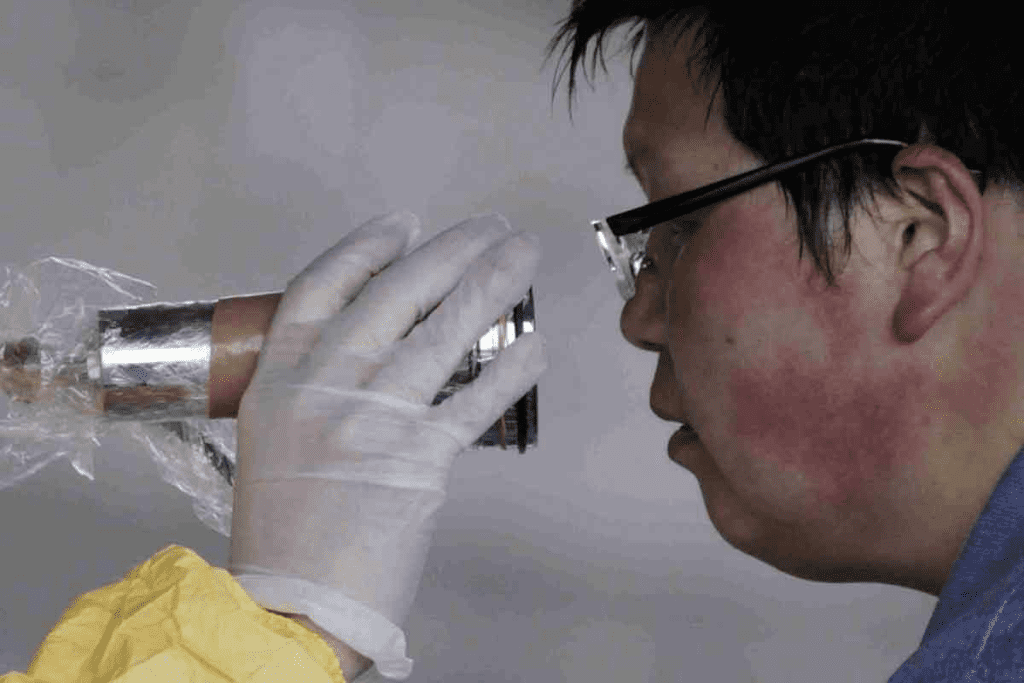
Radiation is harmful to humans because it can damage DNA. This damage can lead to cancer. At Liv Hospital, we understand this danger well. We provide effective care and guidance to our patients.
Radiation exposure can happen in many ways. This includes medical treatments and nuclear incidents. Our team at Liv Hospital uses the latest medical practices. We work hard to manage radiation risks and lessen its harmful effects.
We believe in raising awareness and taking preventive steps. This helps reduce the risks of radiation exposure. Our patient-centered approach ensures that everyone gets the support and care they need.
Key Takeaways
- Radiation can cause DNA damage, potentially leading to cancer.
- Liv Hospital provides expert care and guidance for managing radiation risks.
- Awareness and prevention are key to reducing radiation’s harmful effects.
- Radiation exposure can occur through medical treatments and nuclear incidents.
- Our team is dedicated to delivering top-quality, patient-focused care.
The Fundamentals of Radiation and Its Various Forms
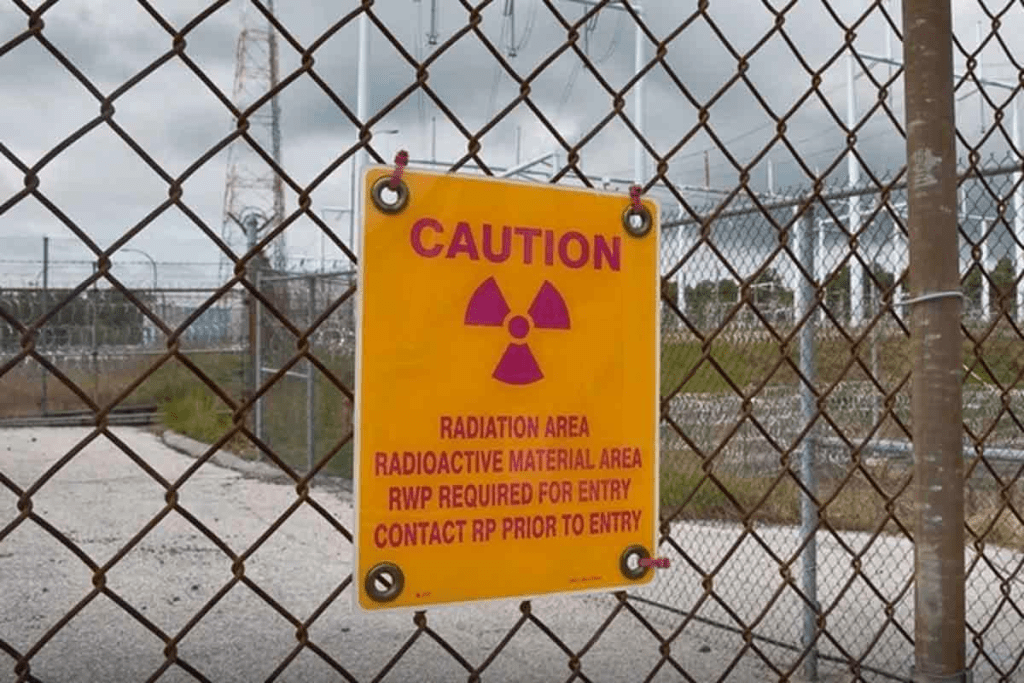
To understand how radiation affects humans, we need to know its basic types and where it comes from. Radiation is everywhere, coming from both natural and human-made sources.
Ionizing vs. Non-Ionizing Radiation
Radiation falls into two main categories: ionizing and non-ionizing. Ionizing radiation includes X-rays, gamma rays, and alpha particles. It has enough energy to remove electrons from atoms, creating ions. This type is dangerous because it can harm DNA in cells, leading to cancer or genetic changes.
Non-ionizing radiation includes radio waves, microwaves, and visible light. It has less energy and is generally safer. But high levels can cause heating or tissue damage.
Natural vs. Artificial Sources of Radiation
Radiation comes from both natural and artificial sources. Natural sources include cosmic rays, radon gas, and minerals. These are part of our background radiation.
Artificial sources are made by humans. Examples are X-ray machines, nuclear power plants, and some industrial uses.
| Radiation Type | Sources | Characteristics |
| Ionizing | X-rays, Gamma Rays, Alpha Particles | High energy, can ionize atoms, hazardous |
| Non-Ionizing | Radio Waves, Microwaves, Visible Light | Lower energy, generally safer, can cause heating effects at high intensities. |
| Natural | Cosmic Rays, Radon Gas, Certain Minerals | Background radiation, ubiquitous |
| Artificial | Medical Imaging Devices, Nuclear Power Plants, Industrial Applications | Man-made, variable exposure levels |
Why Is Radiation Harmful to Human Health
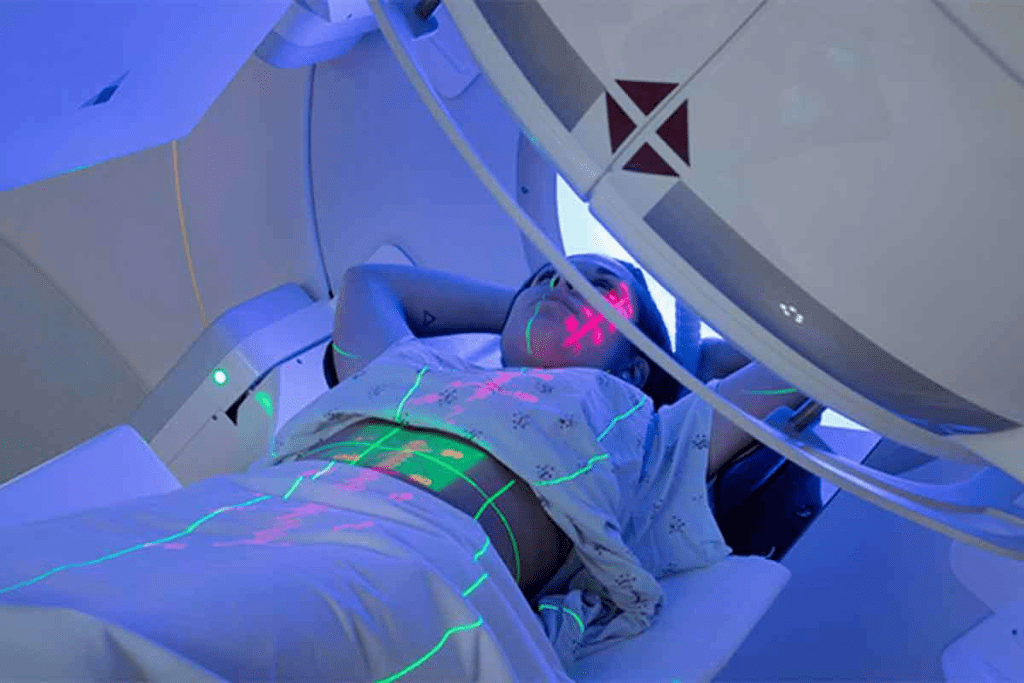
Radiation can harm human health in many ways. It damages cells, DNA, and important biological functions. This damage can lead to serious health problems.
Cellular Damage Mechanisms
Radiation can kill cells or cause mutations by changing their atoms. This disrupts how cells work, leading to health issues. The CDC says high radiation can cause severe damage to organs.
For more on radiation health effects, check out the CDC’s Radiation Health page.
DNA Disruption and Mutation Processes
Radiation can also harm DNA. When DNA is damaged, it can lead to genetic mutations. These mutations can cause cancer or other health problems that can be passed on to future generations.
Key effects of DNA disruption include:
- Cancer development due to uncontrolled cell growth
- Genetic mutations that can be inherited
- Disruption of normal cellular functions
Radiation’s Impact on Critical Biological Functions
Radiation can affect important biological functions like the immune system and reproductive health. High doses can cause immediate effects like radiation sickness. Lower doses may lead to long-term health problems.
The severity of radiation’s impact depends on several factors, including:
- The dose and duration of radiation exposure
- The type of radiation (ionizing vs. non-ionizing)
- The organs and tissues exposed
Measuring Radiation: Understanding Exposure Levels and Safety Thresholds
To understand radiation risks, knowing how it’s measured is key. Measuring radiation is vital for checking exposure levels and keeping safe in places like hospitals and factories.
Radiation Measurement Units Explained
Radiation is measured in several ways, each showing different aspects of exposure. The Gray (Gy) shows how much radiation energy is absorbed by tissue. The Sievert (Sv) measures how much harm radiation can cause to living things. Knowing these units helps us see how harmful radiation can be.
The Gray (Gy) tells us how much radiation energy is absorbed by tissue. For example, a chest X-ray might give a patient 0.01 mGy. But a CT scan could give about 10 mGy. The Sievert (Sv) looks at how different types of radiation affect living things, giving a clearer picture of harm.
Determining Dangerous vs. Safe Exposure Levels
Figuring out if radiation exposure is safe or dangerous depends on several things. These include the dose, how long you’re exposed, and what kind of radiation it is. Doses under 100 mSv are usually low and hard to measure. But doses over 1 Sv can cause serious harm, like acute radiation syndrome (ARS).
| Exposure Level (mSv) | Health Effects |
| 0.01 – 1 | Minimal to no detectable effects |
| 1 – 100 | Low risk, possible long-term effects like cancer |
| 100 – 1000 | Moderate risk, chance of radiation sickness |
| >1000 | High risk, severe radiation sickness, could be fatal |
Cumulative Effects of Low-Dose Radiation
High doses of radiation can harm right away. But low doses are more complex and can add up over time. Being exposed to low levels of radiation, like from background radiation or many medical scans, can raise cancer risk and other health problems.
It’s important to watch and control radiation exposure, mainly in workplaces. This means following safety rules, wearing protective gear, and checking exposure levels often. This helps keep risks low and ensures safety.
Acute Radiation Syndrome: Immediate Effects of High Exposure
Acute radiation syndrome is a serious condition caused by high radiation exposure. It can lead to severe health effects quickly, depending on the dose.
Symptoms and Progression of Radiation Sickness
The symptoms of acute radiation syndrome vary with the exposure level. Early signs include nausea, vomiting, diarrhea, and fatigue. As it worsens, damage to the bone marrow, lungs, and central nervous system can occur.
Stages of Radiation Sickness:
- Prodromal stage: Characterized by nausea, vomiting, and diarrhea, occurring within hours of exposure.
- Latent stage: Symptoms may temporarily subside, but the individual may be at risk.
- Manifest illness stage: Severe symptoms become apparent, including infections, bleeding, and damage to critical organs.
- Recovery or death: Depending on the dose of radiation, the individual may recover or succumb to the illness.
Critical Organ Systems Affected
Acute radiation syndrome can harm multiple organ systems. The severity and type of damage depend on the radiation dose and the individual’s health.
| Organ System | Effects of High Radiation Exposure |
| Bone Marrow | Damage to bone marrow can lead to a decrease in blood cells, increasing the risk of infections and bleeding. |
| Gastrointestinal System | Nausea, vomiting, diarrhea, and damage to the GI tract lining can occur, potentially leading to severe dehydration and electrolyte imbalances. |
| Central Nervous System | High doses of radiation can cause damage to the CNS, resulting in symptoms such as confusion, seizures, and even coma. |
Understanding acute radiation syndrome is key to providing the right medical care. We must know the symptoms, progression, and complications to ensure timely and effective treatment.
Long-Term Health Consequences of Radiation Exposure
Radiation exposure can harm health in many ways. It can lead to chronic conditions and diseases years later. This is a big worry for people all over the world.
Cancer Development and Increased Risk Factors
One major risk of radiation is getting cancer. Research shows it can raise the chance of getting leukemia and solid tumors https://pmc.ncbi.nlm.nih.gov/articles/PMC11052428/. Kids and teens are at even higher risk.
- Increased risk of leukemia
- Higher incidence of solid tumors
- Radiation-induced genetic mutations
Genetic and Reproductive Effects Across Generations
Radiation can also affect genes, not just the person exposed. It might change genes in ways that can harm future generations. This is a complex issue that needs more study.
The genetic impact of radiation is a complex issue that requires further research.
Cardiovascular Disease and Other Systemic Health Issues
Radiation can also raise the risk of heart disease and stroke. These conditions can greatly reduce quality of life and life expectancy.
Psychological Effects of Radiation Exposure
The mental effects of radiation should not be ignored. People exposed may feel anxious, fearful, and stressed. These feelings can be very hard to deal with and may need professional help.
- Anxiety related to radiation exposure
- Fear of possible health problems
- Stress and its effects on mental health
In summary, radiation exposure can have many long-term health effects. It’s important to understand these risks to find ways to prevent them.
Different Types of Radiation and Their Specific Dangers to Humans
Radiation comes in many forms, each with its own dangers. Knowing these differences helps us understand and reduce risks to our health.
Alpha, Beta, and Gamma Radiation: Penetration and Damage
Alpha, beta, and gamma radiation are common types of ionizing radiation. Alpha radiation is made of high-energy helium nuclei. It can be stopped by a sheet of paper or human skin, but it is very harmful if swallowed or breathed in.
Beta radiation is made of electrons or positrons. It can travel further than alpha particles and penetrate several millimeters in tissue. Gamma radiation is the most penetrating. It needs dense materials like lead to block it.
| Type of Radiation | Penetration Power | Danger Level |
| Alpha | Low | High if ingested/infused |
| Beta | Moderate | Moderate |
| Gamma | High | High |
Neutron Radiation and Its Unique Hazards
Neutron radiation is made of free neutrons. It’s dangerous because it can go deep into tissues and cause harm. It’s found in nuclear reactors and during nuclear explosions.
Neutron radiation is special because it can make other materials radioactive. This is called neutron activation. It can create harmful radioactive isotopes for humans and the environment.
Electromagnetic Radiation Concerns in Modern Life
Electromagnetic radiation includes many types, like radio waves and X-rays. Not all of it is harmful, but some, like X-rays and gamma rays, are very dangerous.
In today’s world, we’re exposed to electromagnetic radiation from many sources. This includes medical devices, communication tech, and natural background radiation. It’s important to know about these risks to protect our health.
Radiation Dose-Response Relationships and Biological Effects
It’s important to know how radiation affects our health. The dose-response relationship helps us understand the risks. This concept is key in studying radiation biology.
Low vs. High Dose Radiation Effects
Radiation’s impact changes with the dose. Low-dose radiation is under 100 mSv. At these levels, our bodies might fix some damage, but there’s a risk of cancer and other health issues.
High-dose radiation causes serious harm right away. Doses over 1 Sv (1000 mSv) can be deadly. They damage the bone marrow, lungs, and other vital organs.
- Low-dose radiation effects may include increased cancer risk and genetic mutations.
- High-dose radiation effects can result in ARS, with symptoms ranging from nausea and fatigue to severe bone marrow failure.
Acute vs. Chronic Exposure Outcomes
How long you’re exposed to radiation matters. Acute exposure is short and causes immediate harm. Chronic exposure is longer and might allow for some recovery between doses.
- Acute exposure can lead to immediate health effects, such as radiation sickness.
- Chronic exposure may result in long-term health effects, including increased cancer risk.
Individual Susceptibility Factors
How much radiation affects you can depend on several things. Age, genetics, and health are important. For example, kids and fetuses are more vulnerable because their bodies are growing.
Knowing these factors helps us protect against radiation better. It also helps us give better care to those exposed.
Historical Radiation Disasters and Their Human Impact
History has seen many radiation disasters, each with its own lessons. These events have caused immediate harm and lasting effects on health and the environment.
Chernobyl Nuclear Accident: Immediate and Long-term Effects
The Chernobyl nuclear accident in 1986 was a major disaster. It killed 28 people quickly from radiation sickness. It also led to a big rise in thyroid cancer, mainly in children.
Long-term Health Impacts
- Increased incidence of thyroid cancer
- Potential increases in other cancers
- Psychological effects due to displacement and fear
Fukushima Daiichi Disaster: Health Consequences
The Fukushima Daiichi disaster in 2011 was caused by an earthquake and a tsunami. It released a lot of radioactive materials. The death toll was lower than Chernobyl, but it showed how vulnerable nuclear plants are.
Health and Environmental Concerns
- Radioactive contamination of water and soil
- Evacuation and displacement of populations
- Long-term monitoring of radiation exposure
Other Significant Radiation Events and Their Lessons
There have been other major radiation events, like the Three Mile Island accident in 1979 and the Goiânia accident in 1987. These have taught us a lot about nuclear safety, emergency plans, and the need for strong rules.
Key Takeaways
- The importance of strict safety rules and checks
- The need for good emergency plans
- The value of being open and talking to the public during crises
By looking at these disasters, we can learn about the dangers of nuclear tech. We can then work to make things safer and more prepared.
Occupational Radiation Risks and Modern Safety Protocols
Radiation exposure is a big worry for workers in high-risk jobs. It’s important to have strong safety rules. Workers in some jobs face more radiation risks, so employers must act fast to keep them safe.
High-Risk Professions and Industries
Some jobs carry a higher risk of radiation exposure. These include:
- Nuclear power plant workers
- Medical professionals using radiation for diagnostic or therapeutic purposes
- Industrial radiographers
- Researchers in certain scientific fields
These workers face more radiation risks because of their jobs. They often work with radioactive materials or use equipment that emits radiation.
Established Safety Standards and Protective Measures
To lower the risks of radiation exposure at work, many safety rules and measures have been set up. These include:
- Personal protective equipment (PPE) such as lead aprons and gloves
- Radiation monitoring devices to track exposure levels
- Safe handling practices for radioactive materials
- Regular training for workers on radiation safety
It’s key to follow these steps to cut down radiation exposure and keep the workplace safe.
Monitoring and Health Surveillance for Workers
Keeping an eye on workers and their health is vital for radiation safety. Regular checks help to:
- Track radiation exposure levels
- Spot health risks early
- Take steps to lower exposure
By focusing on worker health and safety, employers can lessen radiation risks and make a safer workplace.
We know how critical it is to stick to safety rules and keep our methods up to date. This way, we can better shield workers from radiation dangers.
Medical Radiation: Balancing Therapeutic Benefits and Risks
It’s key to balance the good and bad of medical radiation for better patient care. Medical radiation is vital in today’s healthcare. It helps in both checking the body and treating diseases.
Diagnostic Imaging Radiation Exposure
Techniques like X-rays and CT scans use radiation to see inside the body. They are essential for finding many health issues. But, they also mean patients get exposed to radiation.
Key Considerations for Diagnostic Imaging:
- Justification: Make sure the imaging is really needed.
- Optimization: Use the least amount of radiation needed.
- Alternative Methods: Look at non-radiation options when you can.
Radiation Therapy for Cancer Treatment
Radiation therapy is a top choice for fighting cancer. It uses strong radiation to kill or slow cancer cells. Modern methods aim to hit the cancer right where it is, protecting healthy tissue.
| Type of Radiation Therapy | Description | Benefits |
| External Beam Radiation Therapy (EBRT) | Delivers radiation from outside the body. | Non-invasive, can be precisely targeted. |
| Brachytherapy | Involves placing radioactive material inside the body. | Delivers high doses directly to tumors, sparing surrounding tissue. |
Medical Radiation Safety Protocols and Patient Protection
To lower risks from medical radiation, strict rules are followed. This includes keeping equipment in top shape, training staff, and following dose guidelines.
Liv Hospital’s Approach to Radiation Safety in Medical Procedures
At Liv Hospital, we focus on the safe use of radiation in treatments. We follow global standards for safety and keep our methods up to date.
Our Commitment to Radiation Safety:
- Regular audits and quality control measures.
- Ongoing education and training for staff.
- Patient education on radiation risks and benefits.
Environmental Radiation Sources and Public Health Implications
Understanding environmental radiation sources is key in today’s world. These sources include natural and man-made elements. Their impact on public health is a big worry.
Nuclear Power Plants and Surrounding Communities
Nuclear power plants are a major source of environmental radiation. Communities near these plants face a higher risk of radiation exposure. This can cause health problems like cancer and genetic mutations.
It’s important to have safety measures around nuclear power plants. This includes regular checks and emergency plans. These steps help reduce the risk of radiation exposure.
Radon and Other Natural Radiation Sources in Homes
Radon is a radioactive gas that can build up in homes. Prolonged exposure to radon increases the risk of lung cancer. It’s vital to find and lower radon levels in homes.
Other natural radiation sources in homes include some building materials and soil. Knowing about these sources helps us find ways to reduce exposure.
Radioactive Waste Management Challenges
Managing radioactive waste is a big challenge. Improper disposal can pollute the environment and expose people to radiation. Creating safe and sustainable ways to dispose of radioactive waste is key to protecting public health.
We need to weigh the benefits of nuclear energy against the risks of radioactive waste. Finding effective ways to manage waste is essential to reducing these risks.
Consumer Products and Everyday Radiation Exposure
Some consumer products, like smoke detectors and certain glass, have radioactive materials. While the radiation from these products is usually low, it’s important to understand their impact on radiation safety.
We should know about radiation sources in our daily lives. Taking steps to reduce exposure is important.
Conclusion: Advancing Radiation Protection in Modern Society
As we face the challenges of radiation in our daily lives, it’s key to improve protection. We need to learn more about the dangers of ionizing radiation. This knowledge helps us avoid serious health issues like skin burns and radiation sickness at high doses.
Even low doses of ionizing radiation can lead to long-term problems like cataracts and cancer. The World Health Organization has found a big increase in cancer risk at doses over 100 mSv. For more info on radiation health effects, check out the WHO fact sheet on ionizing radiation.
To make radiation safety better, we must improve safety rules, fund more research, and spread the word about radiation dangers. Together, we can lower the risks of radiation in our society. This will help keep people and communities all over the world healthy.
FAQ
What is radiation, and why is it dangerous?
Radiation is energy from a source that travels through space. It’s dangerous because it can harm our DNA. This can lead to cancer and other health problems.
What is the difference between ionizing and non-ionizing radiation?
Ionizing radiation can remove electrons from atoms, creating ions. Non-ionizing radiation can’t do this. Ionizing radiation is more likely to damage DNA and increase cancer risk.
What are the sources of radiation exposure?
We can get radiation from natural sources like radon in homes. We can also get it from artificial sources, like medical imaging and nuclear power plants.
How is radiation measured?
We measure radiation in units like sieverts (Sv) or millisieverts (mSv). These units show how much radiation affects our bodies.
What are the symptoms of acute radiation syndrome?
Symptoms include nausea, vomiting, diarrhea, and fatigue. At high doses, it can even cause organ failure.
What are the long-term health consequences of radiation exposure?
Long-term effects include a higher risk of cancer and genetic problems. It can also cause cardiovascular disease and affect our mental health.
How does radiation affect the human body?
Radiation can damage cells and disrupt DNA. This can lead to cell death or mutations. These changes can cause cancer or other health issues.
What are the different types of radiation and their effects on humans?
There are alpha, beta, gamma, and neutron radiation types. Each has different effects and penetration capabilities.
How can radiation exposure be minimized in medical settings?
In medical settings, we can use safety protocols like shielding and dose monitoring. We can also optimize imaging techniques to reduce exposure.
What are the occupational risks associated with radiation exposure?
Workers in high-risk professions, like nuclear power plants and medical imaging, face radiation exposure. This can harm their health.
How can workers be protected from radiation exposure?
Workers can follow safety standards and use protective measures. Monitoring radiation levels is also key to their protection.
What are the environmental sources of radiation?
Sources include nuclear power plants, radon in homes, and radioactive waste. Consumer products that emit radiation are also a concern.
Why is radiation safety important in modern society?
Radiation safety is vital to protect public health. It helps minimize risks in industries and settings where exposure is common.
What is the relationship between radiation dose and biological effects?
The dose of radiation affects the body’s response. Higher doses cause more severe effects. Lower doses can also have long-term health consequences.
How can radiation exposure be managed and mitigated?
Understanding risks and following safety protocols are key. Implementing protective measures in various settings helps manage exposure.
References
- Monfared, Y. K., & Jalilian, A. R. (2023). DNA Damage by Radiopharmaceuticals and Mechanisms of Cellular Response. Current Radiopharmaceuticals, 16(4), 374-383. https://www.ncbi.nlm.nih.gov/pmc/articles/PMC10748326/