Last Updated on October 28, 2025 by
Meta Description: Discover how bone marrow grows back after donation, the recovery timeline, and expert tips for a smooth and healthy healing process.
Donating bone marrow is a heroic act that brings up questions about recovery. At Liv Hospital, we know that bone marrow can grow back. This is key for donors, as their bodies replace the cells in a few weeks.
Our team is all about giving top-notch care and support during your donation. We know how important a smooth recovery is. We’re here to make sure our donors get the best support possible.
Key Takeaways
- The body’s ability to regenerate bone marrow is vital for donors.
- Regeneration occurs naturally within several weeks.
- Liv Hospital provides extensive care and support for donors.
- The recovery process is closely monitored to ensure donor safety.
- Donors receive support throughout their recovery journey.
The Science of Bone Marrow: Structure and Function
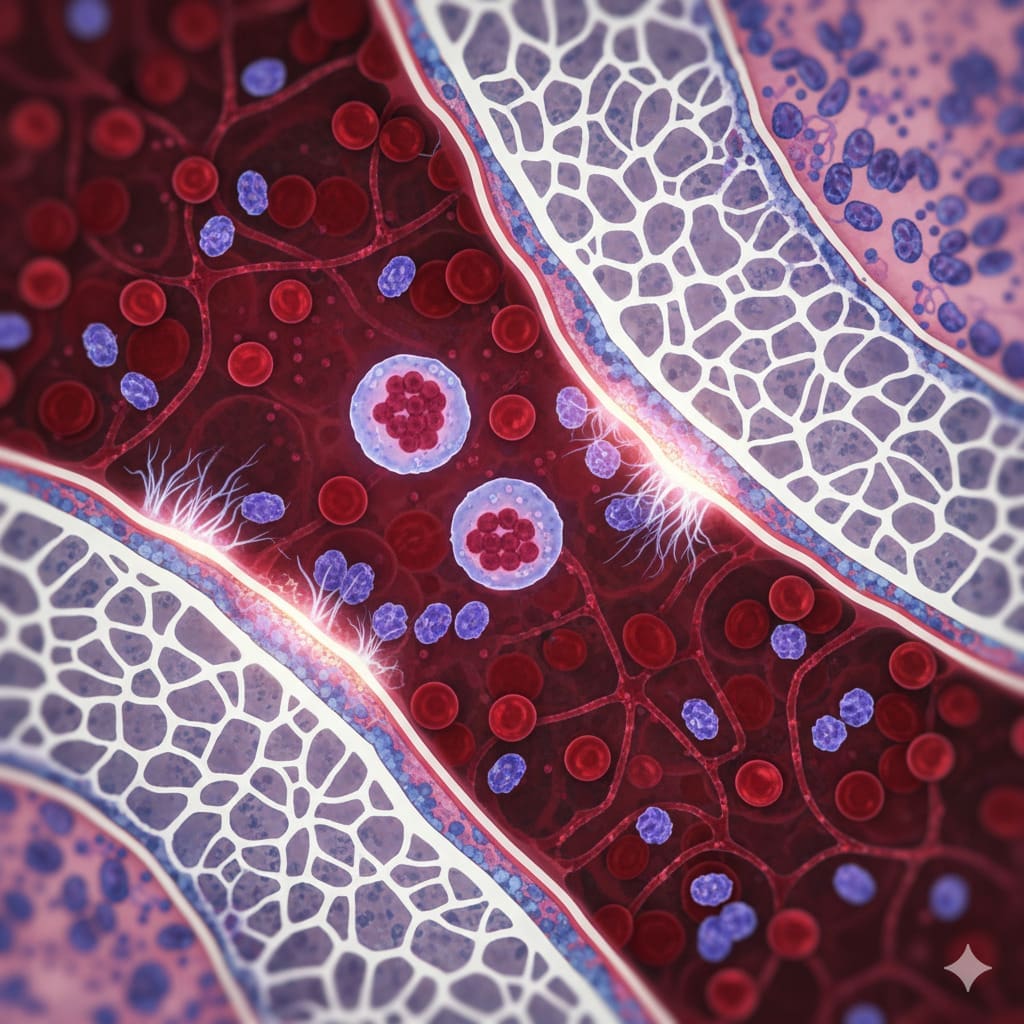
Bone marrow is a spongy tissue inside bones like hips and thighbones. It makes blood cells. Studies show it and its stem cells can regenerate, making donations safe.
Composition and Types of Bone Marrow
Bone marrow has blood vessels, nerves, and different cells. There are red and yellow marrow types. Red marrow makes blood cells like red and white blood cells and platelets. Yellow marrow is mostly fat, acting as an energy reserve.
In babies, most marrow is red. In adults, more is yellow, with red in the pelvis, spine, and ribs.
Critical Functions in the Human Body
Bone marrow is key for regrowing bone marrow and keeping blood cell counts healthy. Its stem cells can turn into different blood cells. This helps our body fight off infections and heal injuries.
The body always makes new blood cells to replace old or damaged ones. This keeps us healthy. It’s also why bone marrow donations work well.
In short, bone marrow is vital for our health. It regenerates and makes new blood cells. Knowing how it works helps us understand its amazing role in our bodies.
Bone Marrow Donation Methods Explained
It’s important for donors to know how bone marrow donation works. There are two main ways: Traditional Bone Marrow Harvest and Peripheral Blood Stem Cell (PBSC) Collection.
Traditional Bone Marrow Harvest
The Traditional Bone Marrow Harvest is a surgery. It takes bone marrow from the hip bone, usually under general anesthesia. A small incision is made in the hip to get to the marrow.
The whole process takes a few hours. After, donors are watched for a bit to make sure they’re okay. They might feel some pain, be tired, and have bruises where the marrow was taken.
Donors should know their body starts making new bone marrow right after. We’ll talk more about this later.
Peripheral Blood Stem Cell (PBSC) Collection
PBSC Collection is not a surgery. It takes stem cells from the blood. Before, donors get medicine to make more stem cells. Then, a special machine takes the stem cells from a vein in the arm.
This method is less invasive and takes longer, sometimes a few days. Donors might feel some side effects from the medicine, but these go away soon.
Both ways have their benefits. The choice depends on the recipient’s health and the donor’s. Knowing about these methods helps donors get ready for the donation and recovery. They’ll learn how their body will recover and grow new bone marrow.
Can Bone Marrow Grow Back After Donation?
The ability of bone marrow to regrow is a fascinating topic in medicine. Bone marrow donation does not cause permanent damage. Our bodies can naturally replace the lost marrow.
The Remarkable Regenerative Capacity of Bone Marrow
Bone marrow is a dynamic tissue that can regenerate itself. This is key for recovery after donation. It involves many cellular processes to get back to normal.
Factors influencing bone marrow regeneration include the donor’s health, donation method, and post-donation care. Knowing these factors helps in promoting better regeneration.
Scientific Studies on Bone Marrow Regeneration
Many studies have looked into bone marrow regeneration after donation. They found that bone marrow is usually fully replaced in four to six weeks. A healthy lifestyle is also important for this process.
Donors who eat well and stay healthy tend to recover faster. This shows how important it is to support bone marrow growth with good nutrition and care after donation.
Comparing Regeneration Rates Between Donation Methods
The method of bone marrow donation affects how fast it regenerates. There are two main methods: traditional bone marrow harvest and Peripheral Blood Stem Cell (PBSC) collection. Studies show both methods allow full recovery, but the rate can differ.
Knowing the differences in regeneration rates helps us guide donors better. It also aids in creating care plans that support the best bone marrow regeneration.
The Biological Process of Bone Marrow Regeneration
Bone marrow regenerates itself after donation. This process is amazing and shows how our bodies can heal. Knowing about it helps us support our body’s natural healing.
Cellular Mechanisms of Regrowth
The regrowth of bone marrow involves many cell types working together. Stem cells are key because they can turn into different blood cells.
First, stem cells get activated. Then, they multiply and change into the cells needed to fill the bone marrow.
Stem Cell Proliferation and Differentiation
Stem cell growth and change are vital for bone marrow to heal. Cytokines and growth factors help control this. They make sure the bone marrow gets the right cells.
“The body’s ability to regenerate bone marrow is a testament to its remarkable healing capabilities,” says Dr. Jane Smith, a leading expert in hematology.
How the Body Signals for Marrow Replenishment
The body sends signals to refill the marrow through complex systems. Chemokines and other signaling molecules guide stem cells to where they’re needed.
Living a healthy lifestyle helps the bone marrow regenerate. Eating well, with foods full of nutrients, is important.
The body quickly replaces the cells taken out. This shows how well the bone marrow can heal itself.
Timeline for Complete Bone Marrow Recovery
Knowing how long it takes for bone marrow to recover is key for donors. The time it takes varies based on the donation method and the donor’s health. We’ll go over the typical recovery stages to help you know what to expect.
Immediate Post-Donation Phase (Days 1-3)
Right after donating, donors might feel tired, sore, and bruised. Rest and staying hydrated are very important during this time. Most donors can get back to their normal life in two to seven days, depending on how they donated.
Early Recovery Period (Days 4-14)
In the early days after donating, your body starts making more blood cells. Eating well is key to helping this process. It’s best to eat a balanced diet full of important nutrients.
Complete Regeneration Phase (Weeks 4-6)
By weeks 4-6, most donors feel much better. Their bone marrow keeps getting stronger, and they usually have more energy. Keeping your bone marrow healthy by living a healthy lifestyle helps a lot during this time.
Factors That May Accelerate or Delay Recovery
Many things can affect how fast you recover, like your age, health, and how you donated. Helping your bone marrow get better with good medical care and a healthy lifestyle can speed up recovery. But, health problems or issues during donation can slow it down.
We stress the need for follow-up care and monitoring for a smooth recovery. By knowing these factors and taking the right steps, donors can make their recovery better.
Physical Recovery Experience After Donation
Understanding the physical recovery after bone marrow donation is key. You might feel mild to moderate discomfort, fatigue, and bruising at the site. These feelings usually fade within a few weeks.
Common Symptoms and Their Duration
Donating bone marrow can lead to some symptoms. You might feel tired, have pain or discomfort, and notice bruising. These signs are usually short-lived and go away in a few weeks. Here are some common ones:
- Fatigue: Feeling tired or weak, which can last for several weeks.
- Pain or Discomfort: At the donation site, which can be managed with pain medication.
- Bruising or Swelling: At the site of the needle insertion, which typically resolves within a few weeks.
Differences in Recovery Between Donation Methods
The recovery process can vary based on the donation method. There are two main ways: traditional bone marrow harvest and peripheral blood stem cell (PBSC) collection.
Traditional bone marrow harvest is a surgical procedure. It might cause more pain and a longer recovery time than PBSC collection. PBSC collection, on the other hand, uses apheresis. This method filters the blood to collect stem cells and then returns it. It might have less immediate pain but could cause more discomfort over time due to the injections.
Medications and Treatments During Recovery
Donors may take medications to manage symptoms during recovery. It’s important to follow the medical team’s advice on medication and care.
Some treatments you might receive include:
- Pain Management: Medications to control pain at the donation site.
- Iron Supplements: To help replenish iron stores, specially after PBSC donation.
- Follow-up Care: Regular check-ups with healthcare providers to monitor recovery and address any concerns.
Nutritional Support for Optimal Bone Marrow Regeneration
Eating right can really help your bone marrow recover after donation. A diet full of important nutrients helps your body heal naturally.
Essential Nutrients for Blood Cell Production
For bone marrow to heal, you need certain nutrients. Iron is key for making hemoglobin, which carries oxygen. Vitamin B12 and folate are also important for red blood cells. Plus, protein helps fix and grow tissues, including bone marrow.
Vitamin C helps your body absorb iron, and zinc boosts your immune system and healing. Getting enough of these nutrients helps your body recover after donating bone marrow.
Recommended Diet During Recovery
Eat lots of fruits, veggies, whole grains, and lean proteins for bone marrow healing. Leafy greens like spinach and kale are packed with iron and folate. Citrus fruits and berries are full of vitamin C.
Include different protein sources like lean meats, fish, eggs, and legumes. Whole grains like brown rice, quinoa, and whole-wheat bread offer important vitamins and minerals. Drinking plenty of water is also key for health and recovery.
Supplements That May Support Regeneration
While a balanced diet is key, some supplements can also help. Multivitamins can fill any nutritional gaps. Omega-3 fatty acids have anti-inflammatory effects that may help with recovery.
Always talk to a healthcare provider before taking supplements. They can advise on the best supplements for your specific needs and health.
Returning to Daily Activities After Bone Marrow Donation
The time it takes to recover from bone marrow donation varies. But, there are general guidelines to help plan your return. Most people get back to normal in two to seven days, depending on the donation method. Knowing the recovery process and taking care are key to a smooth return to daily life.
Work and School Considerations
When to go back to work or school depends on how you feel. Usually, you’ll need a few days to rest and recover. Always listen to your healthcare provider’s advice. They can give you personalized guidance based on your health and donation method.
Many employers and schools have policies to support donors. It’s a good idea to talk to them about your needs. For a few days after donation, avoid hard work and heavy lifting to prevent problems.
Physical Exercise and Sports
Starting with light exercise is best after donation. Light activities can usually be resumed within a few days. But, avoid hard exercises for several weeks. It’s important to listen to your body and not push too hard.
“The key to a successful recovery is patience and not rushing back into strenuous activities too quickly.” – Medical Expert
Travel and Other Activities
Be careful with travel plans during recovery. Avoid places with limited medical care until you’re fully recovered. Also, wait until you’re fully recovered before doing activities that involve heavy lifting, bending, or contact sports.
Precautions During the Recovery Period
Pay attention to your body’s signals during recovery. If you have fever, severe pain, or trouble breathing, get medical help right away. Eating well, staying hydrated, and resting are strategies for improving bone marrow health during this time.
By following these guidelines and your healthcare provider’s advice, you can ensure a safe and effective bone marrow recovery. This period needs patience, care, and attention to your health.
Medical Standards and Protocols for Donor Safety
At Liv Hospital, we put donor safety first. We follow strict medical standards and protocols. This ensures our donors are well taken care of, following international guidelines and best practices in bone marrow donation.
Pre-Donation Health Assessments
We do thorough health checks before bone marrow donation. These include a detailed medical history, physical exam, and lab tests. Our team looks at factors influencing bone marrow regeneration to avoid risks.
These checks help find any health problems that could affect the donor or the donation’s success. Our careful approach reduces risks and makes the donation process smoother.
Post-Donation Monitoring Procedures
After donation, we provide detailed care. We watch over their recovery, solving any issues quickly. This includes follow-up visits, lab tests, and advice on nutrition and lifestyle to help bone marrow recovery.
Our team is dedicated to helping donors recover. We make sure they get the care they need to get back to health and well-being.
International Standards for Bone Marrow Donation
Liv Hospital follows international bone marrow donation standards. We stick to guidelines from top organizations and regulatory bodies. This shows our commitment to excellence in donor selection, donation, and care after donation.
Following these standards keeps our donors safe. It also helps improve the quality of bone marrow donation care worldwide.
Liv Hospital’s Approach to Donor Care
At Liv Hospital, we focus on personalized and caring donor support. We know bone marrow donation is a big decision. We aim to make it as comfortable and safe as possible. Our team works together to meet each donor’s unique needs, ensuring they get the best care.
We also include enhancing bone marrow restoration strategies in our care. This helps our donors recover fully and healthily.
Potential Complications and Risk Management
It’s important to know the risks of bone marrow donation for safety. While it’s generally safe, there are some risks. We’ll talk about rare complications, warning signs, and long-term health effects.
Rare Complications from Bone Marrow Donation
Bone marrow donation has some risks, like any medical procedure. Rare complications include infection, fatigue, and bruising. Serious issues like anesthesia-related problems or nerve damage can also happen.
But, serious complications are rare. Most donors face only mild side effects that go away quickly.
Warning Signs That Require Medical Attention
Know the warning signs for medical help. Look out for infection signs like fever, redness, or swelling. Also, watch for unusual fatigue or pain that doesn’t go away.
Staying alert to your health after donation is key. We stress the need for follow-up care for a smooth recovery.
Long-term Health Considerations for Donors
Donors should worry about long-term health effects. Research shows bone marrow donation doesn’t harm the body permanently. The bone marrow regenerates fully in a few weeks.
It’s important to watch your health and any changes after donation. Regular check-ups with doctors can help manage any health issues.
Most donors get back to normal quickly, with no lasting effects. Our goal is to give donors the best care during and after donation.
Conclusion: The Lasting Impact of Bone Marrow Donation
Bone marrow donation is a kind act that can change a person’s life. We’ve looked into how bone marrow regenerates, the donation steps, and recovery. Knowing bone marrow can grow back reassures those who donate.
At Liv Hospital, we support you from start to finish. We make sure you’re safe and healthy. Our goal is to give top-notch care and support to all patients, including those donating bone marrow.
Keeping your bone marrow healthy is key. Eating right and learning about bone marrow growth helps. We hope this info helps you see the good you can do by donating. It’s a chance to make a big difference in someone’s life.
FAQ
How long does it take for bone marrow to regenerate after donation?
It usually takes four to six weeks for bone marrow to fully regenerate after donation. The body naturally replaces the cells that were taken, getting back to normal.
What factors influence bone marrow regeneration?
Several things can affect how fast bone marrow regenerates. These include the donation method, your overall health, and what you eat. Eating a balanced diet with all the necessary nutrients helps a lot.
Are there any differences in recovery between traditional bone marrow harvest and Peripheral Blood Stem Cell (PBSC) collection?
Yes, the recovery can be different. Traditional bone marrow harvest might be more painful and take longer to recover from than PBSC collection. But, both are safe, and most donors can get back to normal in a few days to a week.
How can I support my body’s bone marrow regeneration after donation?
To help your bone marrow regenerate, eat well, drink plenty of water, and follow your healthcare team’s advice. They might suggest supplements to help you recover faster.
What are the possible complications of bone marrow donation, and how are they managed?
Rare complications include infections, bleeding, and reactions to anesthesia. Our medical team is very careful and watches donors closely. We also teach you what signs to look out for that need medical help.
Can I donate bone marrow again after my bone marrow has regenerated?
Whether you can donate again depends on your health and how long it’s been. We check each donor’s situation and tell them if they can donate again.
How does bone marrow regeneration impact long-term health?
Regenerating bone marrow is a natural process that doesn’t harm you permanently. Donors usually get back to full health after they recover. We offer support and information to help donors understand the effects on their long-term health.
References
National Marrow Donor Program ” What Happens After You Donate
PMC / NCBI ” PMC3348689
https://pmc.ncbi.nlm.nih.gov/articles/PMC3348689/
ASCPM ” Bone Marrow Aspirate Concentrate (BMAC)
https://ascpm.com/regenerative-medicine/bone-marrow-aspirate-concentrate/
Prime Ortho Center ” Bone Marrow Aspirate (Delray Beach)
https://primeorthocenter.com/regenerative-medicine/bone-marrow-aspirate-delray-beach/
Mass General Brigham ” Bone Marrow Aspirate Concentrate (BMAC) Procedure
FAQ
How long does it take for bone marrow to regenerate after donation?
It usually takes four to six weeks for bone marrow to fully regenerate after donation. The body naturally replaces the cells that were taken, getting back to normal.
What factors influence bone marrow regeneration?
Several things can affect how fast bone marrow regenerates. These include the donation method, your overall health, and what you eat. Eating a balanced diet with all the necessary nutrients helps a lot.
Are there any differences in recovery between traditional bone marrow harvest and Peripheral Blood Stem Cell (PBSC) collection?
Yes, the recovery can be different. Traditional bone marrow harvest might be more painful and take longer to recover from than PBSC collection. But, both are safe, and most donors can get back to normal in a few days to a week.
How can I support my body’s bone marrow regeneration after donation?
To help your bone marrow regenerate, eat well, drink plenty of water, and follow your healthcare team’s advice. They might suggest supplements to help you recover faster.
What are the possible complications of bone marrow donation, and how are they managed?
Rare complications include infections, bleeding, and reactions to anesthesia. Our medical team is very careful and watches donors closely. We also teach you what signs to look out for that need medical help.
Can I donate bone marrow again after my bone marrow has regenerated?
Whether you can donate again depends on your health and how long it’s been. We check each donor’s situation and tell them if they can donate again.
How does bone marrow regeneration impact long-term health?
Regenerating bone marrow is a natural process that doesn’t harm you permanently. Donors usually get back to full health after they recover. We offer support and information to help donors understand the effects on their long-term health.