Last Updated on September 18, 2025 by ubanarci
Adult stem cells are key in fixing and growing new tissues. Learning how to turn them on can really help our health. The idea of stem cell activation is getting a lot of attention. It’s because it might make us feel better overall.
To get adult stem cells working, we use special activators. These helpers push these cells to heal and grow. Finding the best stem cell activators is a big goal. Scientists are working hard to find safe and effective ones.
Key Takeaways
- Adult stem cells are vital for tissue repair and regeneration.
- Activating these cells can lead to improved health outcomes.
- Various methods exist to activate adult stem cells, including the use of specific activators.
- The search for effective and safe stem cell activators is ongoing.
- Understanding stem cell activation can enhance overall well-being.
Understanding Adult Stem Cells and Their Potential
Learning about adult stem cells is essential for their use in medicine. These cells are found in many parts of our body.
What Are Adult Stem Cells?
Adult stem cells, or somatic stem cells, can turn into different types of cells. They help fix and grow tissues. You can find them in places like bone marrow, fat, and blood.
The Difference Between Embryonic and Adult Stem Cells
Embryonic and adult stem cells differ in where they come from and what they can do. Embryonic stem cells come from embryos and can become any cell type. Adult stem cells, found in adults, can only turn into certain cell types.
Embryonic stem cells are very versatile, becoming any cell type. Adult stem cells are more limited, turning into specific cell types in their area.
Natural Stem Cell Functions in the Body
Adult stem cells have important jobs in our bodies. They help keep tissues healthy by replacing old or damaged cells. They also help heal wounds.
These cells are key in our body’s repair and growth. For example, they help make new blood cells in the bone marrow. They also help skin heal from cuts and scrapes.
The Science Behind Stem Cell Activation
Stem cell activation is a complex process. It involves cellular signals and environmental factors. Knowing how it works is key to using adult stem cells effectively.
How Dormant Stem Cells Become Active
Dormant stem cells need signals to wake up. These signals can come from inside the cell or from outside. The right mix of these signals can make stem cells grow and change into different types of cells.
Cellular Signaling Pathways in Stem Cell Activation
Signaling pathways are vital for activating stem cells. Important ones include the Wnt/β-catenin, Notch, and PI3K/Akt pathways. These pathways work together with the cell’s environment to control stem cell actions.
- The Wnt/β-catenin pathway helps stem cells grow and change.
- The Notch pathway decides what stem cells will become.
- The PI3K/Akt pathway helps stem cells survive and get activated.
The Role of Microenvironment in Stem Cell Behavior
The microenvironment, or niche, is essential for stem cells. It gives them the support and signals they need. This environment includes cells, growth factors, and the matrix that stem cells live in.
| Microenvironment Component | Role in Stem Cell Activation |
| Growth Factors | Help stem cells grow and change |
| Extracellular Matrix | Offers structure and signals |
| Supporting Cells | Make factors that affect stem cell behavior |
Understanding stem cell activation is vital for new treatments. By tweaking signaling pathways and the microenvironment, scientists hope to boost stem cell use for healing and growth.
Benefits of Activating Adult Stem Cells
Activating adult stem cells offers many health benefits. It boosts the body’s natural repair abilities. This can greatly improve your overall health and well-being.
Tissue Repair and Regeneration
Adult stem cells are key in tissue repair and regeneration. They help fix damaged tissues caused by injury or disease. This is vital for keeping tissues healthy and preventing further damage.
- Enhanced wound healing
- Regeneration of damaged tissues
- Potential for reversing certain degenerative conditions
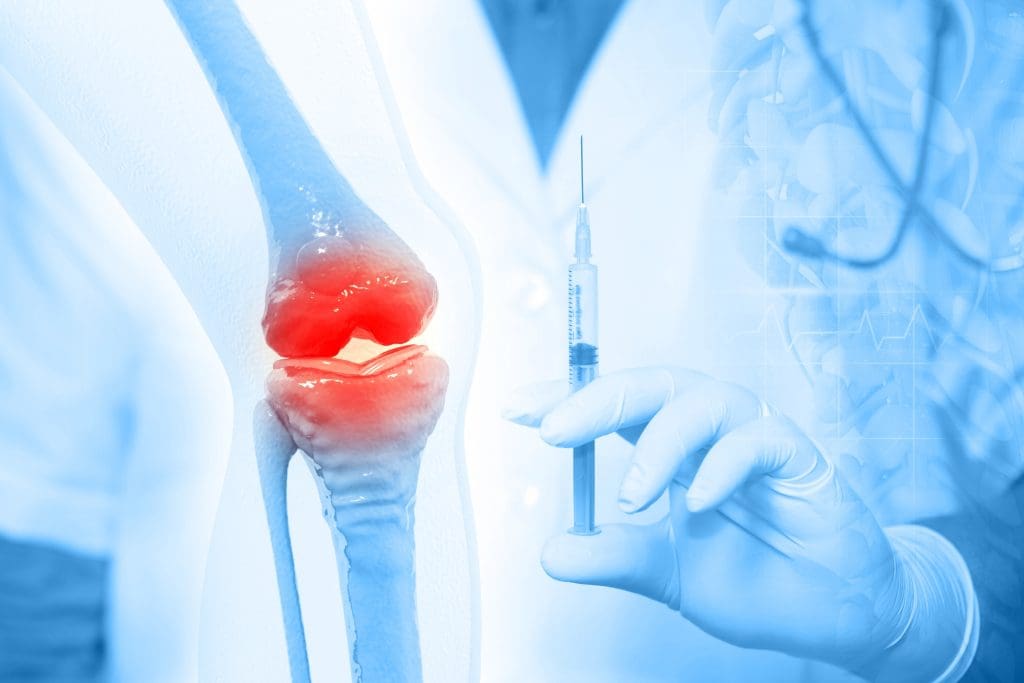
Stem cell activation improves tissue repair by releasing growth factors and cytokines that aid healing.This is important for conditions like osteoarthritis, where cartilage needs to be regrown.
Anti-Aging Effects
Activating adult stem cells also has anti-aging effects. As we age, our stem cells decrease, leading to signs of aging and declining health. Keeping stem cells active can help slow down these effects.
- Improved skin elasticity
- Enhanced energy levels
- Better overall physical condition
Research shows that stem cell activation can improve cell health. This can reduce wrinkles and improve energy levels, making you feel more alive.
Immune System Enhancement
- Enhanced immune function
- Better resistance to infections
- Potential reduction in autoimmune diseases
Stem cell activation boosts the immune system. This helps the body fight off infections better. It’s a key factor in staying healthy and resilient.
Best Stem Cell Activators on the Market
The market is full of stem cell activators, but what makes the best ones stand out? As more people look into stem cell activation, it’s key to know what’s in these products and how well they work.
ActiveStem and StemRegen Ingredients Analysis
| Product | Key Ingredients | Claimed Benefits |
| ActiveStem | Blueberry extract, green tea extract, and other antioxidants | Supports stem cell health, enhances tissue repair |
| StemRegen | Proprietary blend including botanical extracts | Stimulates stem cell production, improves overall health |
How to Activate Stem Cells Naturally
To boost stem cell activity, it’s important to adopt a holistic approach. This includes dietary changes, physical activity, and stress management. By making informed choices in these areas, individuals can support their stem cell health.
Dietary Approaches to Stem Cell Activation
A well-balanced diet is key for healthy stem cells. Foods high in antioxidants, like berries and leafy greens, help reduce oxidative stress. Omega-3 fatty acids in foods like salmon and walnuts also support cellular health.
Eating a variety of colorful vegetables is essential. They provide vitamins and minerals that support stem cell function. Nutritional diversity is vital for stem cells to perform at their best.
Physical Activities That Stimulate Stem Cells
Regular exercise is great for health and stem cell activation. Running, cycling, and swimming increase blood flow. This promotes the release of growth factors that support stem cell mobilization.
Resistance training also stimulates muscle stem cells. This helps with muscle repair and growth. It’s important to balance different physical activities for maximum stem cell stimulation.
Lifestyle Modifications for Optimal Stem Cell Function
Managing stress is key for stem cell health. Chronic stress can harm stem cell function. Meditation and yoga can help reduce stress and improve well-being.
Getting enough sleep is also vital. It allows the body to repair and regenerate tissues, supported by stem cells. Ensuring sufficient rest and maintaining a healthy lifestyle supports optimal stem cell function.
Herbs That Increase Stem Cells
Herbs that boost stem cells have become more popular. Some herbs are known to help activate stem cells. This natural method can improve overall health.
Traditional Medicinal Herbs with Stem Cell-Activating Properties
For centuries, traditional herbs have helped people stay healthy. Some herbs, like Ashwagandha, are known to boost stem cell function. Ginseng is also used to increase energy and may help with stem cell activation.
Research-Backed Botanical Compounds
Cycloastragenol from Astragalus might activate stem cells. Curcumin in Turmeric has anti-inflammatory effects and could support stem cell health.
Incorporating Stem Cell-Boosting Herbs into Your Routine
Adding herbs that boost stem cells to your daily life is easy. You can drink them as teas, use them as spices, or take supplements. Always talk to a doctor before starting any new herbal treatment, including supplements.
Learning about these herbs and how to use them can help support your stem cell health naturally.
Stem Cell Activator Supplements: A Detailed Look
Stem cell activator supplements are being marketed widely, but their ability to substantially influence human stem cell activity is not clinically proven.
Key Ingredients in Effective Stem Cell Supplements
The success of stem cell activator supplements depends on their ingredients. Some key components include:
- Cycloastragenol: Found in Astragalus membranaceus, this compound is known for its ability to activate stem cells.
- StemEnhance: A blend from blue-green algae, shown to mobilize stem cells.
- Resveratrol: A grape and berry extract, known for its antioxidant properties and support for stem cell health.
When choosing stem cell activator supplements, look for products with clinically studied ingredients. Also, make sure they are made by reputable companies.
Stem Cell Activator Reviews from Users
| Product | User Rating | Reported Benefits |
| ActiveStem | 4.5/5 | Improved energy, better skin health |
| StemRegen | 4.2/5 | Enhanced recovery, improved joint health |
Scientific Evidence Behind Popular Formulations
Early preclinical research is ongoing on certain natural compounds and stem cell properties; established benefits for human health remain unconfirmed.
“The activation of stem cells by specific nutritional supplements offers a promising approach to regenerative medicine.”
Nature Journal
It’s important to check scientific studies and talk to healthcare professionals about the effectiveness of stem cell activator supplements.
Stem Cell Reactivation Patches: Do They Work?
Stem cell reactivation patches are a new technology. They aim to boost the body’s natural stem cell activity. These patches are part of a growing trend in regenerative medicine, aiming to improve adult stem cell function.
The Science Behind the Patches
The technology behind these patches involves delivering specific ingredients through the skin. These ingredients are embedded in a patch that you wear on your skin. They slowly get absorbed into your bloodstream.
Key Ingredients: The success of these patches depends on their ingredients. They often include growth factors, peptides, and nutrients that support stem cell health.
Analyzing User Reviews
User reviews offer insights into how well stem cell reactivation patches work. While results can differ, analyzing many reviews can show common benefits.
| Product | Average Rating | Common Feedback |
| Patch A | 4.2/5 | Improved energy, better skin health |
| Patch B | 4.0/5 | Enhanced recovery, reduced inflammation |
| Patch C | 4.5/5 | Noticeable anti-aging effects, improved joint health |
Comparing Delivery Methods
Stem cell reactivation patches are just one way to deliver these activators. Comparing them to oral supplements or injections can show their effectiveness.
- Patches: Offer a non-invasive, controlled release of ingredients.
- Oral Supplements: May have variable absorption rates and require higher doses.
- Injections: Can be more invasive but may offer targeted delivery.
Each method has its pros and cons. The choice depends on what you prefer and need.
Peptides and Stem Cells: The Cutting Edge Connection
Peptides and stem cells are changing regenerative medicine. New studies show peptides can boost stem cell work. This opens up new ways to help heal the body.
Influencing Stem Cell Activity
Peptides can change how stem cells work. They can tell stem cells to grow, change into different cells, or move to repair areas. For example, some peptides help stem cells grow more.
Other peptides guide stem cells to become specific types of cells. This is important for fixing damaged tissues.
Studies show peptides can make old stem cells work better. A study at Columbia University found fasting can make old stem cells young again. This shows we can help stem cells work better with external help.
Popular Stem Cell-Activating Peptides
Many peptides can activate stem cells. Some of these include:
- GHRP-2 (Growth Hormone Releasing Peptide-2), which helps release growth hormone and might boost stem cell activity.
- IGF-1 (Insulin-like Growth Factor-1), important for cell growth and survival.
- TB-4 (Thymosin Beta-4), involved in fixing and growing tissues.
These peptides are being looked at for their ability to improve stem cell function and help grow new tissue.
Administration Methods and Safety Considerations
Peptides can be given in different ways, like injections, pills, or creams. The best way depends on the peptide and what it’s for.
It’s important to think about safety when using peptides for health. There could be risks and side effects. Always talk to a doctor before starting any peptide treatment.
In summary, peptides are a key area in stem cell research and treatment. By learning how peptides affect stem cells, we can find new ways to heal the body.
Stem Cell Foods and Nutritional Activators
Eating a balanced diet with certain nutrients can boost adult stem cells. The link between food and stem cell health is deep. It involves many nutrients that help cells work and grow.
Superfoods That Support Stem Cell Function
Some superfoods are great for stem cell health. These include:
- Berries: Full of antioxidants, berries protect stem cells from damage.
- Leafy Greens: Packed with folate and other nutrients, they keep cells healthy.
- Nuts and Seeds: Rich in healthy fats and antioxidants, they help stem cells work well.
The Role of Cacao and Other Antioxidant-Rich Foods
Cacao is known for its antioxidants, which are good for stem cells. Antioxidants shield stem cells from harm, helping them function better.
Other foods rich in antioxidants that support stem cell health include:
- Green Tea: Full of catechins, which protect stem cells.
- Turmeric: Has curcumin, which fights inflammation and damage.
- Dark Chocolate: Like cacao, it’s full of antioxidants and good for stem cells.
Creating a Stem Cell-Friendly Diet Plan
To help stem cells through diet, eat a variety of whole foods. Here’s how to make a diet plan for stem cell health:
- Emphasize Whole Foods: Eat whole, unprocessed foods like fruits, veggies, grains, lean proteins, and healthy fats.
- Include a Variety of Colors: Eating a rainbow of fruits and veggies gives you lots of antioxidants and nutrients.
- Stay Hydrated: Drinking enough water is key for cell health and function.
By following these dietary tips, you can support your stem cells and improve your health.
Cell Regeneration Supplements Beyond Stem Cells
Stem cell activators are getting more attention, but other supplements are key for cell health and growth.
Looking at a wider range of supplements is vital for cell health and growth. These can work together to boost overall health.
Complementary Supplements for Cellular Health
Many supplements help with cell health. Antioxidants like vitamins C and E protect cells. Omega-3 fatty acids keep cell membranes healthy. Probiotics help the gut and overall cell function.
Cell Factor and Cellular Activation Supplements
Cell Factor supplements aim to boost cell activation and growth. They include growth factors for cell repair and cytokines for cell signaling.
Building a Comprehensive Regenerative Supplement Regimen
Creating a full regimen involves considering various supplements. Here’s a table with key supplements, their roles, and suggested amounts.
| Supplement | Function | Recommended Dosage |
| Vitamin C | Antioxidant, supports collagen production | 500-1000 mg/day |
| Omega-3 Fatty Acids | Supports cell membrane health | 1000-2000 mg/day |
| Probiotics | Supports gut health | 1-2 billion CFU/day |
Stem Cell Activation Therapy and Professional Treatments
Stem cell activation therapy is a new way to fix damaged tissues and improve health. It works by waking up the body’s stem cells to heal and refresh itself.
Clinical Approaches to Stem Cell Activation
Doctors use different methods to wake up stem cells. They use special medicines, growth factors, and other treatments to help stem cells work better.
Some top methods include:
- Pharmacological interventions using stem cell activators
- Cellular therapy involving the direct administration of stem cells
- Tissue engineering techniques to create supportive microenvironments for stem cells
Stem Cell Therapy Machines and Technologies
New tech has brought stem cell therapy machines and devices. These tools help activate stem cells. They range from low-level laser therapy (LLLT) devices to advanced bioreactors for growing stem cells outside the body.
| Technology | Description | Application |
| Low-Level Laser Therapy (LLLT) | Uses low-intensity laser or light-emitting diodes to stimulate cellular processes | Enhances wound healing, reduces inflammation |
| Bioreactors | Devices that support a biologically active environment for cell culture | Cultures stem cells for therapeutic use |
| Electrical Stimulation Devices td> | Applies electrical currents to stimulate cellular activity | Promotes tissue repair and regeneration |
When to Consider Professional Stem Cell Treatments
People with certain health issues or wanting to look younger might consider stem cell treatments. Always talk to a doctor first to see if it’s right for you.
Key considerations include:
- Underlying health conditions that may benefit from stem cell therapy
- The presence of chronic injuries or degenerative diseases
- Desire for regenerative or anti-aging treatments
Knowing about the different treatments and technologies helps people decide if stem cell therapy is right for them.
Do Stem Cell Supplements Really Work? The Evidence
The interest in stem cell supplements is growing. It’s important to look closely at the evidence. We need to know what’s real and what’s just marketing.
Analyzing Clinical Studies on Stem Cell Activators
When we look at these studies, we must consider a few things. We need to think about how the study was done, how many people were in it, and what the results were. This helps us understand if the supplements really work.
Separating Marketing Claims from Scientific Reality
Stem cell supplements often make big claims. They say they can improve your skin and boost your energy. But we need to be careful and look at the real science behind these claims.
Key Ingredients: Look for supplements with ingredients that have real science backing them. Things like cycloastragenol or AstraGin are good examples.
| Supplement | Key Ingredients | Claimed Benefits |
| ActiveStem | Cycloastragenol, AstraGin | Improved skin health, enhanced energy |
| StemRegen | Blue-green algae extract | Regenerative health, improved physical performance |
Realistic Expectations for Stem Cell Supplementation
It’s important to have realistic hopes when using stem cell supplements. Even if some products have science on their side, we need more research. The field is always changing.
Before starting any new supplement, talk to a healthcare professional. They can help you make the best choice for your health.
Conclusion: The Future of Adult Stem Cell Activation
The field of adult stem cell activation is growing fast. New research and technologies are changing how we see cell regeneration. Adult stem cells are key in keeping tissues healthy and fixing injuries.
There are many ways to activate these cells, like eating right, staying active, and using supplements. These options help people improve their cell health.
Looking ahead, we’ll learn more about how stem cells work with their surroundings. New tools, like stem cell therapy machines and patches, are being made. These could help people keep their cells healthy and feel better overall.
The future of adult stem cell activation looks bright. More research is needed to fully use these cells. As we learn more, we’ll find new ways to help them work better. This could lead to better health and a better life.
FAQ
When should I consider professional stem cell treatments?
You might want to think about professional stem cell treatments for serious health issues. Talk to a doctor to see if it’s right for you.
Can lifestyle modifications impact stem cell function?
Yes, living a healthy lifestyle can help stem cells work better. Regular exercise, enough sleep, and less stress are key. A healthy lifestyle supports overall cell health and may improve stem cell activity.
What is the connection between diet and stem cell activation?
Eating foods high in antioxidants, like cacao, can help stem cells. A diet rich in nutrients can support cellular growth and regeneration.
Are there any herbs that can increase stem cell activity?
Yes, some herbs with antioxidants and anti-inflammatory properties may help stem cells. Adding traditional herbs and research-backed plants to your diet might boost stem cell activity.
Can stem cell reactivation patches really reactivate dormant stem cells?
Stem cell reactivation patches claim to help by sending active ingredients through the skin. Some people say they work, but there’s not enough science to prove it. More research is needed.
What is the role of peptides in stem cell activation?
Peptides can help stem cells grow and change by sending signals. Some peptides in supplements may help support stem cell health.
Do stem cell supplements really work?
The success of stem cell supplements varies. Some have shown promise in studies, but others make claims without proof. Always check the science behind a product and have realistic hopes.
How can I activate my stem cells naturally?
Eating foods rich in antioxidants and superfoods can help activate your stem cells. Exercise and a healthy lifestyle also play a role. Getting enough sleep and reducing stress are important too.
What are adult stem cells, and how do they differ from embryonic stem cells?
Adult stem cells are found in adult bodies. They can turn into different types of cells to fix and grow damaged tissues. They are different from embryonic stem cells because they come from adult tissues, not embryos. Adult stem cells can only turn into a few types of cells.